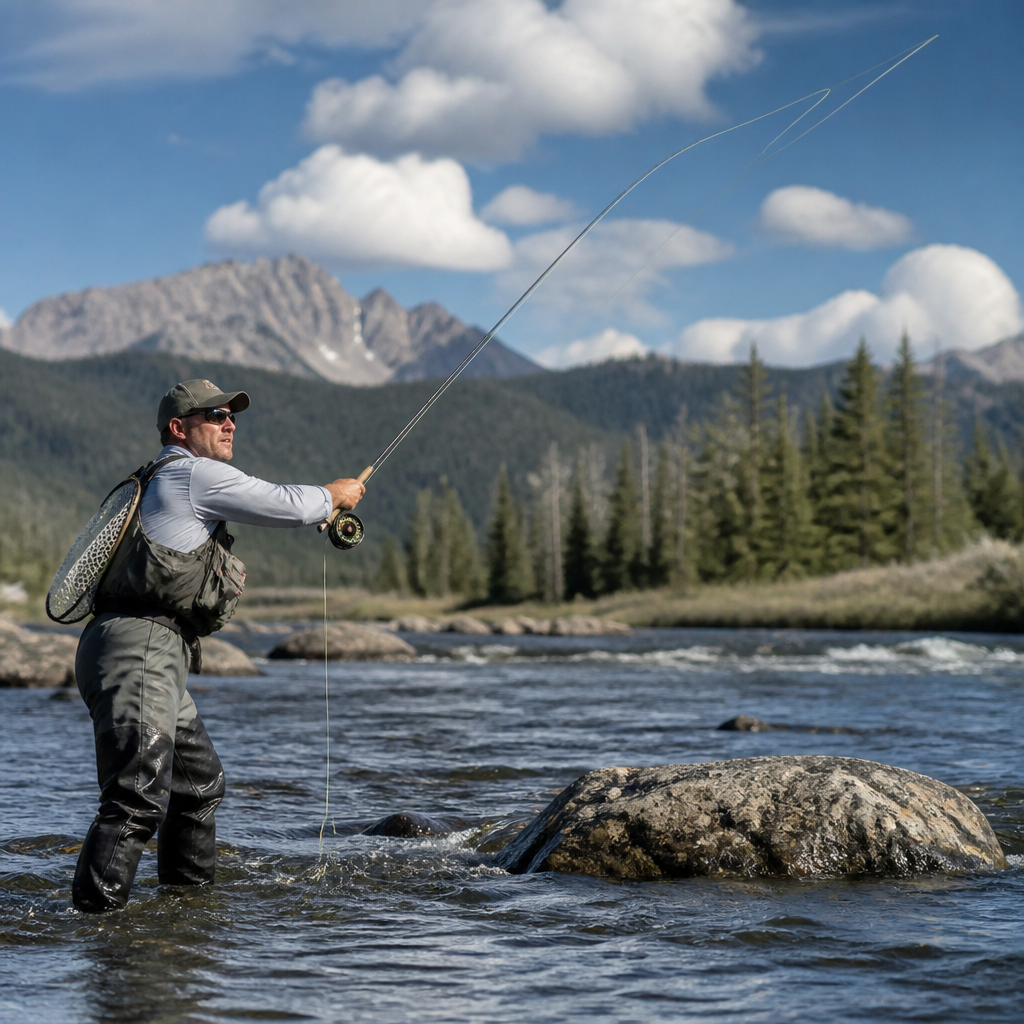
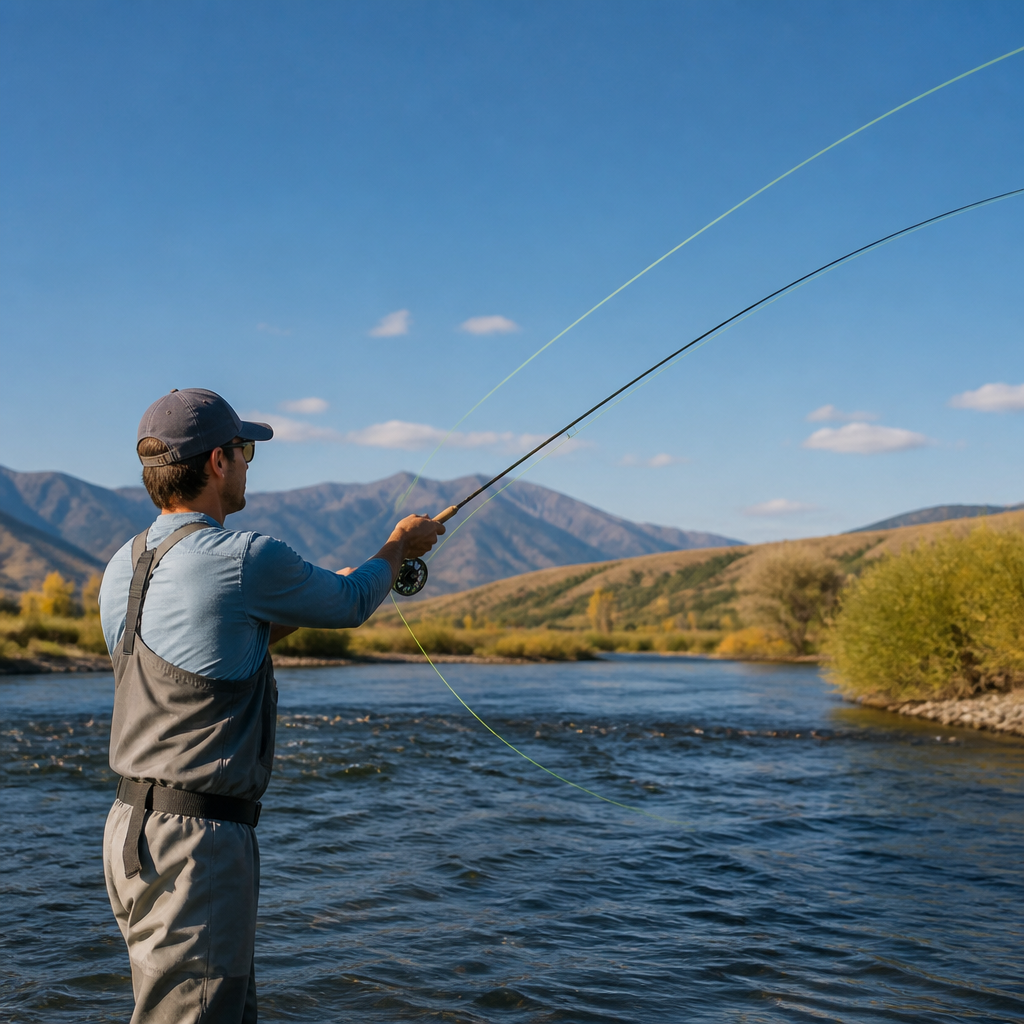
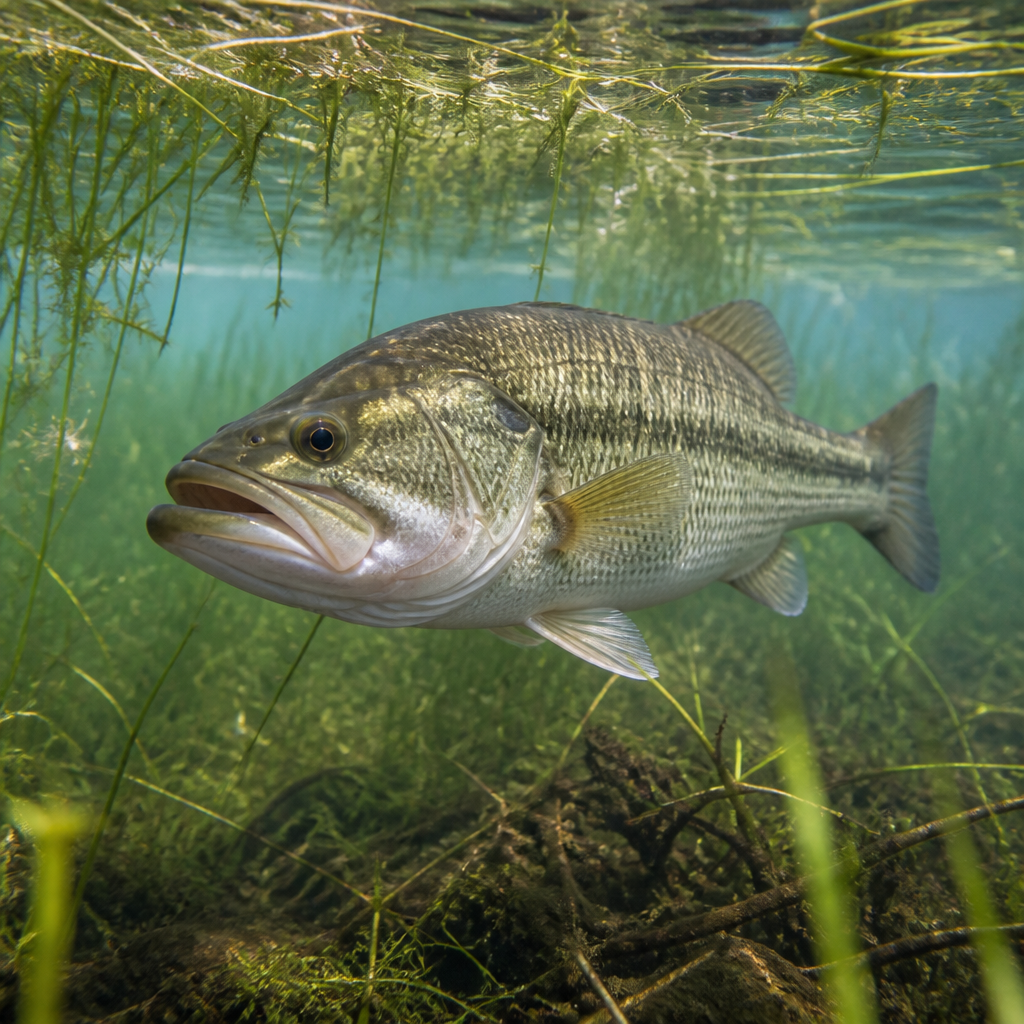
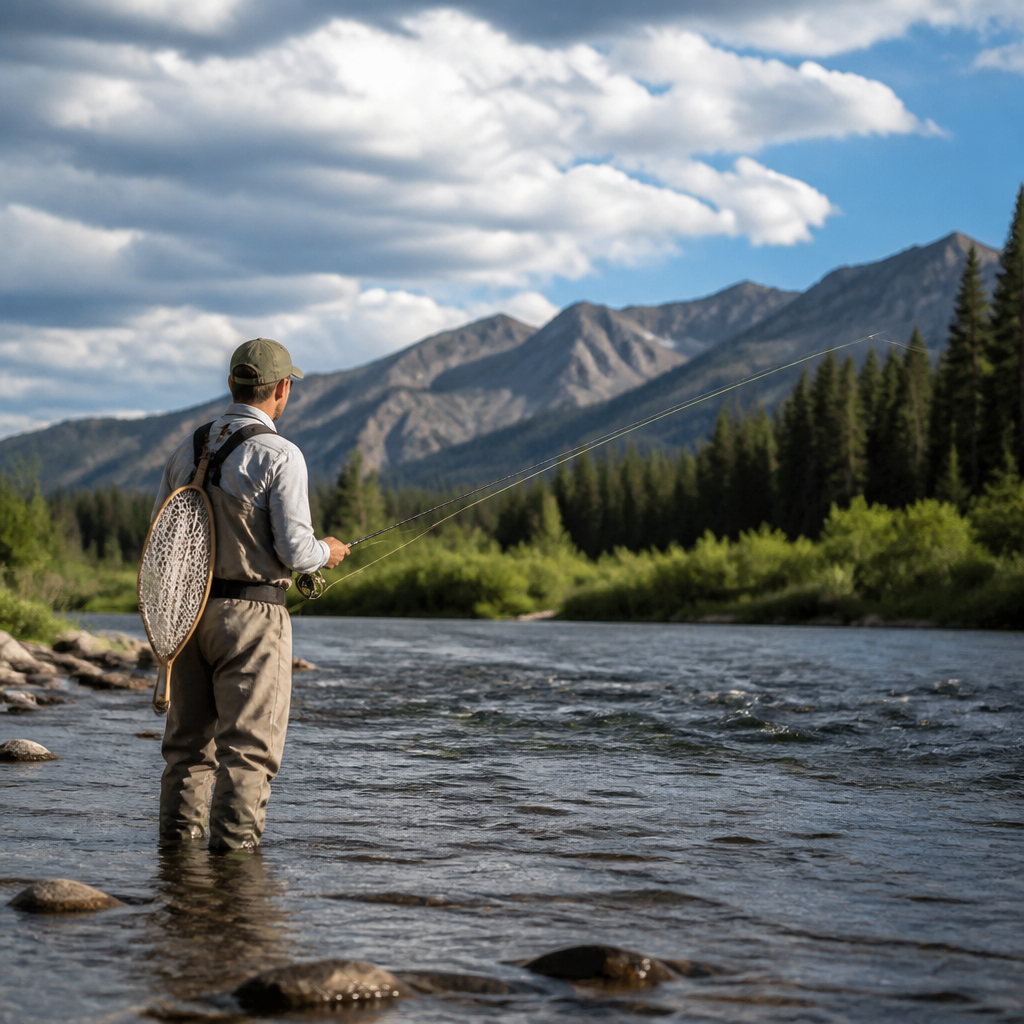
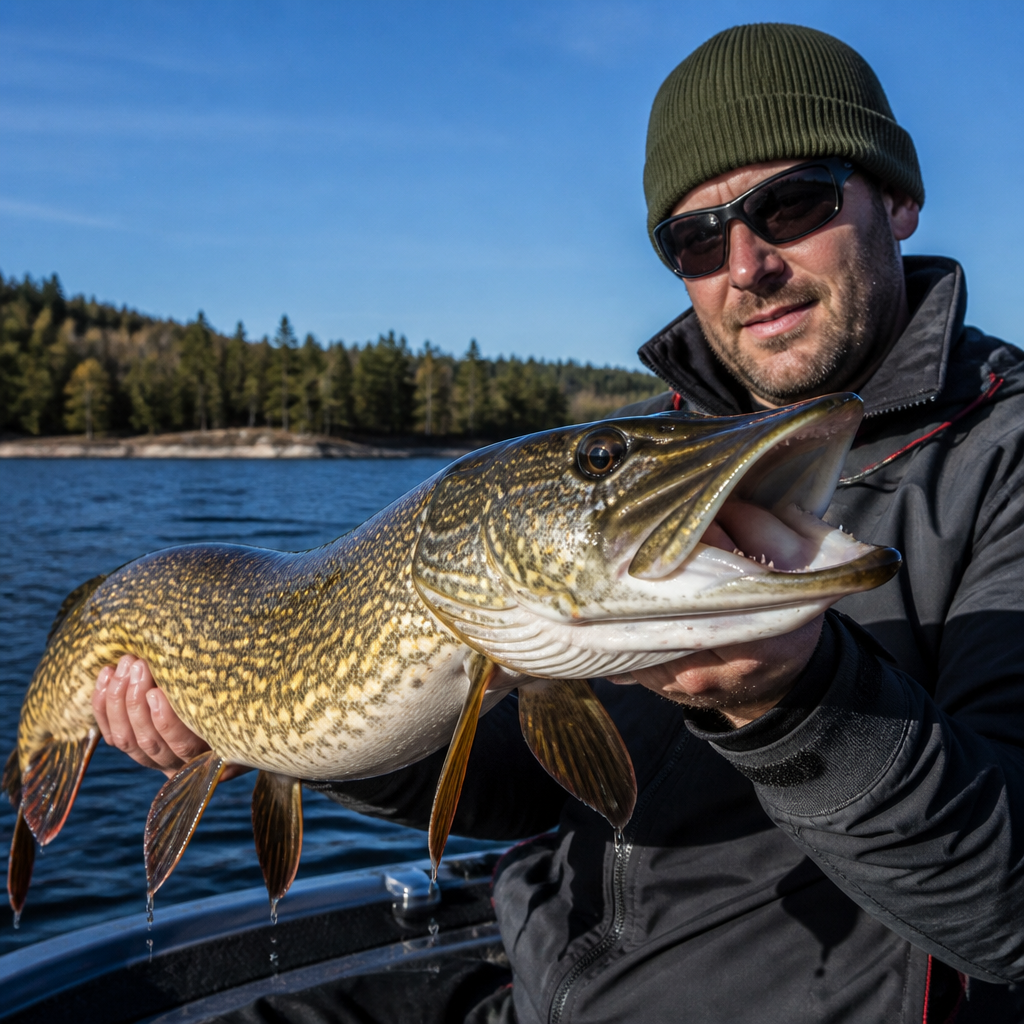
Sight fishing in estuaries is one of the most visual, technical, and rewarding ways to catch fish because it turns every cast into a deliberate decision rather than a blind prospecting effort. In simple terms, sight fishing means locating individual fish or clear signs of fish with your eyes before presenting a lure or fly, while an estuary is the tidal zone where freshwater and saltwater mix across flats, channels, mangroves, oyster edges, and sandbars. I have spent enough mornings poling skiffs, wading knee-deep drains, and watching wakes slide across glassed-out bays to know that success here depends less on luck than on reading water, light, tide, and fish behavior together. Estuaries matter because they are nurseries for baitfish, crustaceans, and predatory species, and because they compress food, current, and cover into fishable patterns that can be observed in real time. For anglers chasing redfish, sea trout, snook, striped bass, bonefish, black drum, permit, or mullet-eating predators, estuary sight fishing offers unmatched feedback: you see the fish, you see the cast, and often you see the reaction. That visibility is exactly why this technique rewards discipline. Small mistakes in approach, lure angle, rod movement, boat position, or even clothing color can cost a fish that was catchable seconds earlier. The upside is equally real. Once you understand where visibility improves, how fish reveal themselves, and how tide stages reposition feeding lanes, estuaries become readable water rather than random water.
As a hub for sight fishing strategies, this guide covers the essential system: finding clear water, choosing the right weather and tide windows, identifying visual fish cues, making efficient presentations, and adjusting tackle to species and habitat. It also explains how to handle common problems such as glare, muddy runoff, spooky fish, and competing current seams. Whether you fish from shore, kayak, poling skiff, center console, or on foot, the same principle applies: the best estuary anglers move slowly, observe constantly, and cast only when the angle and distance are right. Master those fundamentals and you do more than increase catch rates. You reduce wasted casts, disturb fewer fish, and begin to predict where the next visible target will appear.
How Estuaries Create Sight Fishing Opportunities
Estuaries are ideal for sight fishing because they combine shallow depth, tidal movement, food concentration, and structural variety in a relatively compact area. A two-foot flat beside a three-foot drain can hold shrimp, mullet, crabs, and ambush predators within a cast length of one another. Clearer water often settles over sand, turtle grass, firm mud, or shell, while slightly deeper troughs and creek mouths offer travel lanes that fish use on every stage of the tide. In practice, this means anglers can search broad water quickly, then slow down when they enter high-probability zones such as flood tides pushing over spartina edges, low tides pulling bait from feeder creeks, or first-light periods when fish cruise shallow before boat traffic builds.
Not every estuary fishes the same, so habitat context matters. Mangrove estuaries often reward short, accurate casts tight to shade lines and roots, especially for snook and juvenile tarpon. Open marsh systems favor reading wakes, tails, and pushes across mud and grass for redfish and drum. Sandy lagoon flats let you spot bonefish, rays with following permit, or sea trout over potholes. Oyster country demands caution because fish may pin bait against current-swept shell points, but hull noise and wading pressure carry farther in skinny water. The common denominator is contrast. Sight fishing improves anywhere fish, bottom, current, and sunlight create enough visual separation for the angler to identify movement or shape before casting.
Reading Water Clarity, Light, and Tide
The first question most anglers ask is simple: when is estuary sight fishing best? The direct answer is when water clarity, sun angle, and tidal position align well enough to let you see fish before they see you. Clarity does not always mean tropical transparency. In many productive estuaries, 18 to 36 inches of visibility is enough if the fish are shallow, the sun is high enough, and the bottom gives contrast. I judge fishable visibility by whether I can see bottom detail, bait flicks, and crab movement at likely casting depth. If I can only see surface glare, I switch banks, wait for the sun to rise, or move to cleaner incoming water.
Light is the next factor. Early morning can be magical for feeding activity but difficult for visual detection unless the sun is at your back and the water is calm. Midmorning through early afternoon usually gives the best sight fishing window because overhead light penetrates better, especially with polarized lenses in copper, amber, or gray depending on sky brightness. Wind complicates everything by breaking the surface and blurring bottom definition, so lee shorelines, protected creeks, and windward banks with cleaner incoming current should all be checked. Tide then determines access and fish behavior. Flood tides push fish onto new feeding ground, often making tails and backs visible over grass. Falling tides concentrate fish into drains, points, and pockets where the water is slightly deeper but still clear enough to reveal movement. Slack water tends to reduce predictability because food transport slows, although some species will still cruise potholes or edge habitat.
| Condition | What You See | Best Adjustment |
|---|---|---|
| Incoming clean tide | Sharper bottom detail, cruising fish over flats | Cover broad shorelines and intercept moving fish |
| Falling tide | Bait draining from creeks, fish staging on edges | Focus on drains, pinch points, and current seams |
| High sun, low wind | Best body outline and shadow visibility | Make longer visual searches before casting |
| Low sun, calm water | Surface pushes, wakes, and tails stand out | Target movement signs rather than full fish bodies |
| Wind chop or stained runoff | Reduced depth perception and contrast | Fish shallower, brighter bottom, or protected water |
Spotting Fish: Signs, Shapes, and Behavior
Most fish are not seen first as a perfect outline. They are detected through clues. In estuaries, the most reliable signs are pushes, v-wakes, nervous bait, tails, pectoral flashes, mud puffs, and shadows moving against consistent bottom color. Redfish often betray themselves by copper backs, waving tails, or a steady push with purpose across a flat. Bonefish may appear as faint gray bars that suddenly sharpen when they turn. Sea trout can look like hovering ghosts over potholes. Snook near mangroves frequently show as a white mouth flash, a hard lateral line, or a sudden acceleration on bait. Learning these signals reduces reaction time and keeps you from casting at every mullet ripple.
Behavior matters as much as identification. A laid-up fish is physically present but may not be easy to feed, while a traveling fish can be intercepted if you read its line correctly. A tailing redfish with its head down is feeding and usually worth an immediate cast placed beyond the fish and brought into its lane. A fast-moving school pushed by dolphins or boat traffic is a poor target because they are alert and unsettled. Fish following rays, mullet schools, or shrimp slicks can be easier because their attention is divided. I watch head angle, speed, and body posture before casting. If the fish is quartering toward me, I lead it modestly. If it is crossing hard in current, I lead farther and land the lure where it will settle naturally, not splash on top of the fish.
Approach, Positioning, and Stealth
In shallow estuaries, the approach often determines the outcome before the lure lands. Noise transmits through hulls, push poles, hatches, and hard footfalls, and fish in one to three feet of water feel pressure changes quickly. Effective sight fishing starts with controlled speed. Drifting, poling, staking out, or wading slowly keeps your angle stable and your profile low. On boats, I keep decks clear, avoid dropping pliers or tackle boxes, and use a trolling motor sparingly in ultra-shallow water because prop wash and electrical hum can alert fish, especially on calm days. From kayaks, paddle cadence matters; short corrective strokes are quieter than repeated hard strokes at the last second.
Positioning means managing sun, wind, and casting lane at once. The ideal setup places the sun behind or over your shoulder, the wind helping rather than fighting your presentation, and the fish crossing a reachable angle instead of moving directly away. Shore anglers can use points, creek mouths, and elevated banks to improve visibility, while waders should move with a shuffle on soft bottoms to avoid sudden pressure waves and stingray hazards. Clothing should be practical and subdued. Bright shirts do not always spook fish, but low-contrast colors, hats with dark underbrims, and face buffs that reduce reflected glare help more than most anglers think. Good polarized glasses are not optional. Costa, Smith, Oakley, and Bajío all make capable lenses, but lens color should match conditions, and clean lenses matter as much as brand.
Lure and Fly Presentation That Converts Sighted Fish
Once a fish is spotted, presentation becomes a geometry problem. The best cast lands far enough ahead to avoid spooking the fish, close enough to be noticed, and on an angle that keeps the lure in the strike zone naturally. In most estuary situations, that means casting beyond the fish and bringing the lure across its field of view rather than dropping it directly on the head. For redfish and drum, soft plastics on light jigheads, weedless paddletails, small spoons, and crab imitations are reliable because they enter quietly and track predictably. For snook around mangroves, unweighted jerkbaits, paddletails, and baitfish-profile flies work when presented tight to structure and moved with restraint. Bonefish and permit anglers often win with small shrimp or crab flies placed well ahead of the fish, then barely moved.
Retrieve speed should match the fish’s mood and the forage it is keyed on. Shrimp-eating fish often respond to short hops and pauses. Mullet-focused predators may want a steady, gliding bait. Crab feeders usually react to subtle bottom contact rather than constant movement. Hookup percentages improve when anglers resist overworking the lure after the fish has seen it. If the fish tracks but does not commit, one pause or directional change can trigger the eat; five erratic twitches usually kill the opportunity. Fly anglers should strip only enough to maintain tension and animation, while spin anglers should think in inches, not yards. The closer the water gets to mirror-calm and the shallower the fish, the more critical entry sound becomes.
Tackle, Species Adjustments, and Common Mistakes
Estuary sight fishing tackle should be light enough for precise presentations but strong enough for current, oysters, and sudden runs. A seven-foot medium-light or medium spinning rod with a fast tip handles most redfish, trout, and school snook scenarios, paired with 10- to 15-pound braided line and a 15- to 25-pound fluorocarbon leader. Heavier leader is justified around mangroves, docks, and oysters, while clearer open flats often reward longer, lighter leaders. Fly anglers commonly use 6- to 9-weight outfits depending on species, wind, and fly size. Accuracy beats raw casting distance. A 40-foot cast that lands softly and on line catches more visible fish than a heroic 70-foot cast that lands loud or off target.
Species behavior should guide your adjustments. Redfish tolerate slightly closer presentations than bonefish but can still blow out from a bad shadow or a lure landing behind them. Snook may pin themselves to cover and attack from ambush, so skipping under overhangs matters. Black drum can feed with heads down and require a near-motionless crab imitation. Striped bass in tidal rivers often show as dark moving bars on current edges and respond best when the lure swings naturally with flow. The most common mistakes are universal: moving too fast, casting at poor targets, failing to notice current direction, and continuing to pepper fish that already know you are there. Better anglers relocate, reset, and wait for a higher-percentage shot. To improve quickly, keep notes on tide height, water clarity, wind direction, bottom type, and what each species looked like before the bite. That record turns isolated successes into repeatable estuary sight fishing strategy.
Sight fishing in estuaries rewards anglers who treat observation as part of the catch, not a pause before it. The core lessons are consistent: prioritize clean, shallow water; use sun, tide, and wind to improve visibility; learn the visual language of wakes, shadows, muds, and tails; and make quiet, well-placed presentations that match the fish’s path and forage. Estuaries offer a rare level of immediate feedback, which is why they are such effective classrooms for building better fishing instincts. Every visible refusal teaches something about angle, speed, noise, or lure choice, and every committed eat confirms that the system works.
As the hub for sight fishing within techniques and strategies, this article should serve as your baseline for exploring more focused topics such as sight fishing for redfish on flood tides, choosing polarized lenses, reading potholes on grass flats, and presenting flies to cruising fish. Start simple on your next trip: pick one protected shoreline, fish a favorable tide, slow down, and look before you cast. The more intentionally you scan and position yourself, the more an estuary reveals. When that first fish materializes from what looked like empty water and eats a cast you planned on purpose, sight fishing stops being a tactic and becomes the way you read the entire system.
Frequently Asked Questions
What is sight fishing in estuaries, and why is it different from other types of fishing?
Sight fishing in estuaries is the practice of visually locating fish, or at least confirming their presence through obvious signs, before making a cast. Instead of covering water blindly and hoping a fish finds your lure, you are actively searching for shapes, movement, shadows, wakes, tails, pushes, nervous bait, or flashes along flats, sandbars, mangrove edges, oyster lines, and creek mouths. That visual component changes everything. It turns fishing into a game of observation, positioning, and precision, where every cast has a purpose and every mistake can immediately spook the fish.
Estuaries are especially well suited to this approach because they combine shallow water, tidal movement, and a wide range of fish-holding structure. Depending on the tide and clarity, fish may slide onto flooded flats to feed, cruise the edges of drains, ambush bait around oysters, or patrol mangrove shorelines. Because freshwater and saltwater mix in these systems, bait availability and fish behavior can shift quickly, so sight fishing requires you to read both the water and the fish in real time. In practical terms, this means you are not just trying to catch fish; you are trying to understand where they should be, how they are moving, and what kind of presentation they will tolerate.
That is also why sight fishing feels more technical and more rewarding than many other methods. Success depends on light angle, wind, sun position, boat control, stealth, and the discipline to wait for a high-percentage shot rather than casting at every ripple. When it all comes together and you watch a fish track your lure or fly, commit, and eat in clear water, the payoff is hard to match.
What conditions make estuary sight fishing easier or harder?
The best sight fishing conditions usually combine clear or reasonably clean water, good sunlight, manageable wind, and a tide stage that pulls fish into predictable places. Bright sun is often your best friend because it improves contrast and helps you see deeper into the water, especially when you wear quality polarized sunglasses. A light breeze can be fine, but heavy wind creates surface chop that breaks up visibility and makes it much harder to distinguish fish from bottom features. Water color matters just as much. Slight stain is often fishable, but once the water turns muddy or heavily wind-blown, your sight fishing window shrinks fast.
Tide is another major factor. In many estuaries, a flooding tide pushes fish shallow onto flats, into mangrove roots, and along newly covered edges where crabs, shrimp, and baitfish become available. On the falling tide, fish often pull back toward drains, channels, and pinch points, where they can be easier to intercept. Neither stage is automatically better in every system, but each creates different visual opportunities. Low water may concentrate fish and expose structure, while higher water may spread fish out but put them in extremely shallow, visible feeding zones. Learning how your local estuary fishes on each stage is one of the biggest steps toward consistency.
Light angle also plays a surprisingly large role. Early and late in the day can be productive, but low-angle light may create glare that hides fish unless you position yourself carefully. Mid-morning through early afternoon often provides the cleanest visual conditions if the sun is high and the water remains calm. Cloud cover generally makes fish harder to spot unless they are tailing or pushing obvious wakes. In short, the easiest days for sight fishing are those with decent sun, moderate clarity, controllable wind, and fish positioned by the tide in places where you can predict their travel paths.
How do you actually spot fish in an estuary without confusing them with shadows, grass, or bottom changes?
Spotting fish consistently is a learned skill, and most anglers improve when they stop looking for a perfect fish outline and start looking for anything that appears out of place. In estuaries, fish rarely announce themselves with a textbook profile. More often, you notice movement first: a subtle push of water, a dark shape sliding across a pale sand patch, a tail tip breaking the surface, a sudden flicker, or bait reacting unnaturally along an edge. The key is to scan in layers. Look close first, then mid-range, then farther out, and focus on lanes, edges, and transitions rather than staring randomly across the entire flat.
Bottom contrast is your friend. Fish are easiest to see when their body color stands out against the substrate, such as a dark fish over white sand or a flashing side turn over turtle grass. Fish crossing potholes, current seams, oyster bars, or mangrove points are often more visible than fish sitting motionless over matching bottom. This is why experienced sight anglers spend so much time watching likely travel routes instead of just hunting for stationary shapes. Movement creates clues, and clues are what you build the shot from.
Good polarized glasses are essential, but so is your angle to the sun. If possible, keep the sun at your back or over one shoulder and reduce glare by adjusting your position rather than forcing the same line of sight. Stand higher when safe and practical, whether on a skiff platform, a stable casting deck, or shoreline elevation, because height improves your ability to read shape and depth. Most importantly, trust patterns rather than isolated guesses. If you see bait showering near a drain, wakes moving with the tide, or repeated flashes along a mangrove edge, you are probably around fish even if every individual target is not instantly obvious. That confidence helps you slow down, observe longer, and avoid wasting casts on false alarms.
What is the best way to approach and present a lure or fly to fish in shallow estuary water?
The best approach is almost always the quietest and least intrusive one. In shallow estuary water, fish are acutely aware of pressure waves, hull slap, foot movement, and poorly placed casts. Whether you are wading, drifting, poling, or using a small boat, the goal is to intercept fish without announcing yourself. That means reducing noise, keeping unnecessary motion to a minimum, and positioning for a cast that lands ahead of the fish’s path rather than on top of it. If the fish sees or hears the lure crash down too close, the game is usually over before the retrieve begins.
Lead the fish based on its speed and direction. A cruising fish typically needs a cast far enough ahead that the lure can settle and begin moving naturally as the fish arrives. A fish that is actively tailing or feeding in place may tolerate a closer presentation, but even then, subtlety matters. With lures, a soft plastic, lightly weighted presentation, small paddletail, shrimp imitation, or shallow-running hard bait often works well because it can enter quietly and be worked with control. With flies, patterns that match local shrimp, baitfish, or crabs and land softly are usually the smartest choice. Match the presentation to the fish’s mood: aggressive fish may respond to a more active retrieve, while wary fish often need something slow, controlled, and almost effortless-looking.
Retrieve speed is one of the most common mistakes. Many anglers move the offering too fast once they see the fish. In reality, fish in estuaries often react best when the lure or fly enters the zone naturally and then gives them a chance to notice, track, and commit. A small twitch, short strip, pause, or steady crawl can be far more convincing than erratic overworking. Watch the fish, not just the lure. If the fish tips down, changes pace, flares, or follows, let its behavior tell you whether to speed up, pause, or keep the same cadence. Presentation is not just casting accuracy; it is reading the fish’s body language and making the bait behave like something that belongs there.
What are the biggest mistakes anglers make when sight fishing estuaries, and how can they improve faster?
The most common mistakes are moving too fast, casting too often, and failing to account for conditions before the fish is even spotted. Many anglers rush from bank to bank or flat to flat without ever settling into a rhythm of observation. They see a nervous patch of water and fire immediately, even if the sun angle is poor, the boat is out of position, or the fish is moving away. In sight fishing, impatience destroys more opportunities than a bad lure choice. The better habit is to slow down, identify the fish’s direction, choose a cast angle, and make one deliberate presentation instead of several reactive ones.
Another major mistake is poor stealth. Talking too loudly, dropping pliers, shifting around on the deck, running too close with a trolling motor, or wading carelessly through hard bottom can alert fish long before they come into range. In shallow estuaries, sound and pressure travel well. Good anglers treat the whole approach like a stalk. They manage distance, use the tide and wind to help them, and think about where the fish wants to go next. That anticipation is often what creates an easy shot instead of a rushed one.
To improve faster, spend more time observing than casting. Pick one stretch of estuary and study how fish use it through different tides, light levels, and wind directions. Notice where bait stacks up, where current funnels, where bottom changes create contrast, and how fish react to your presence. Keep mental notes or written records.