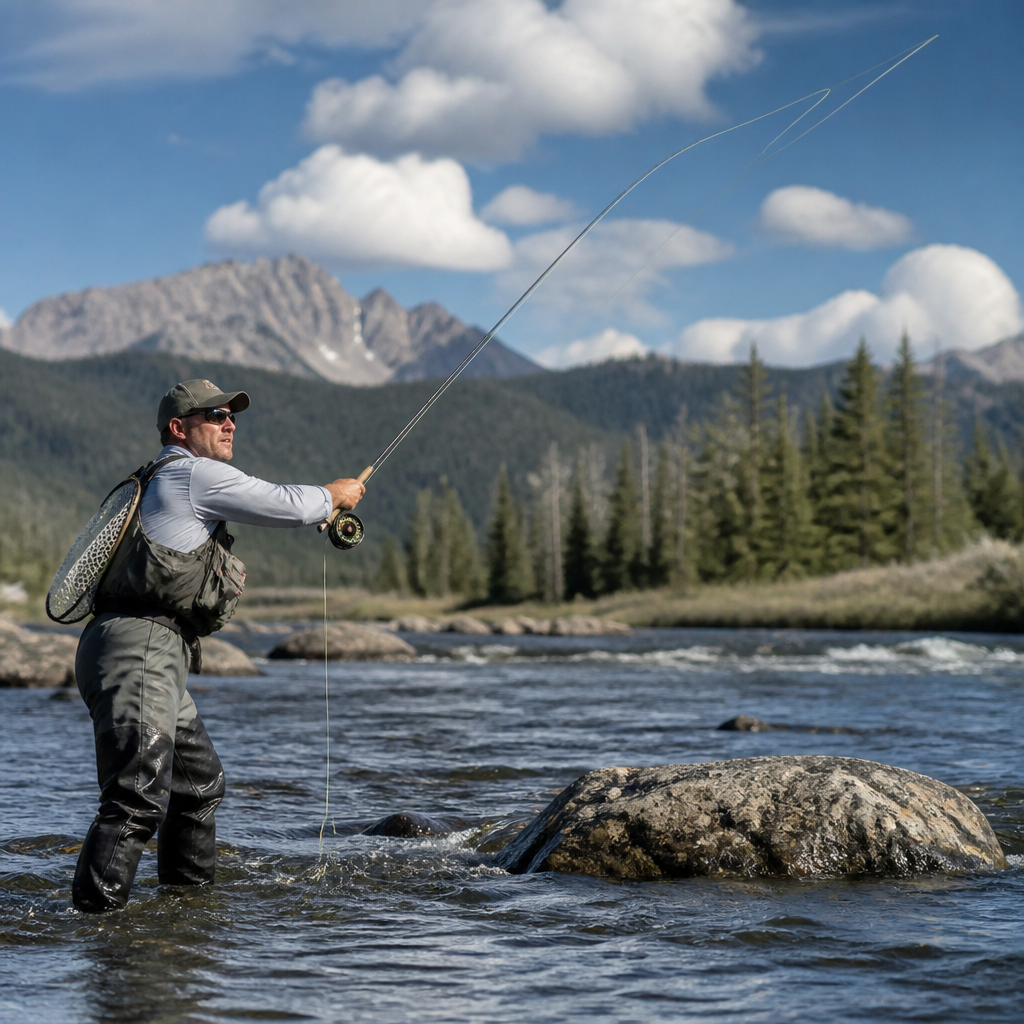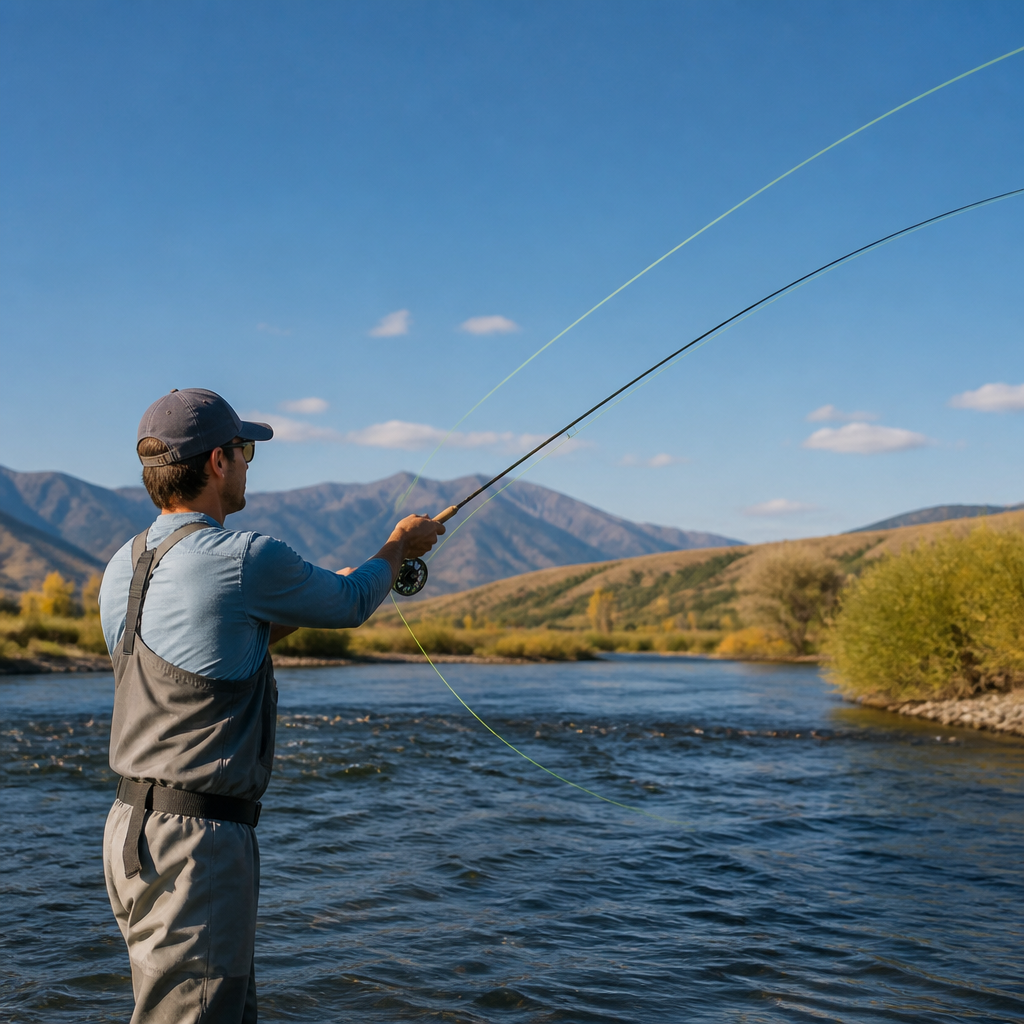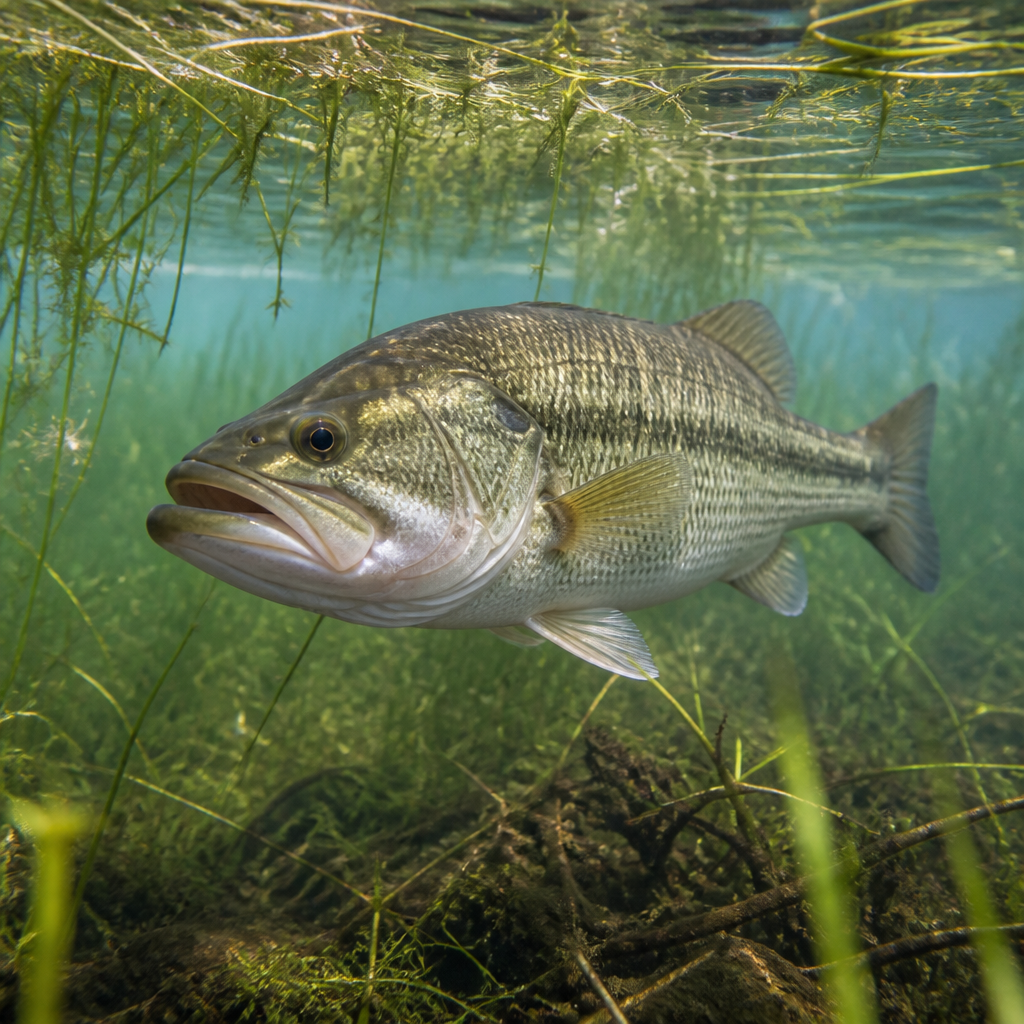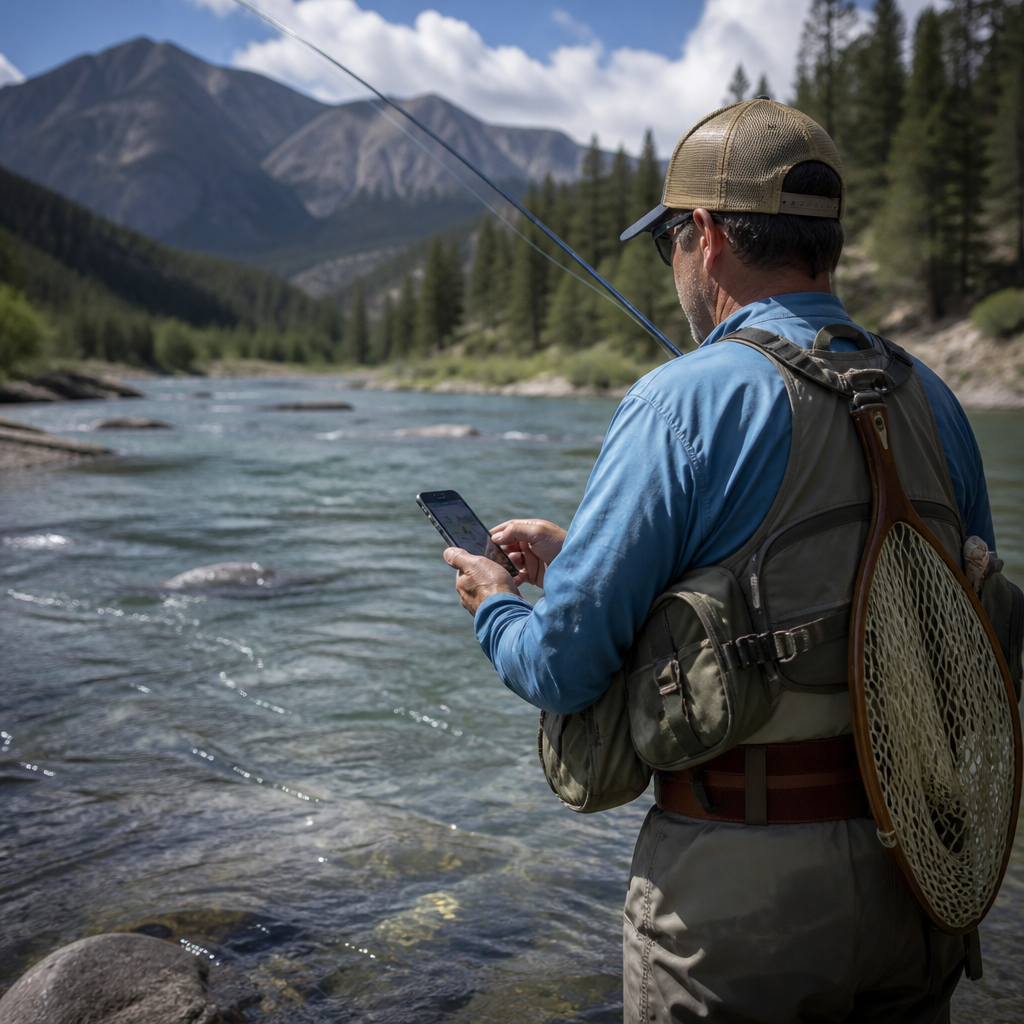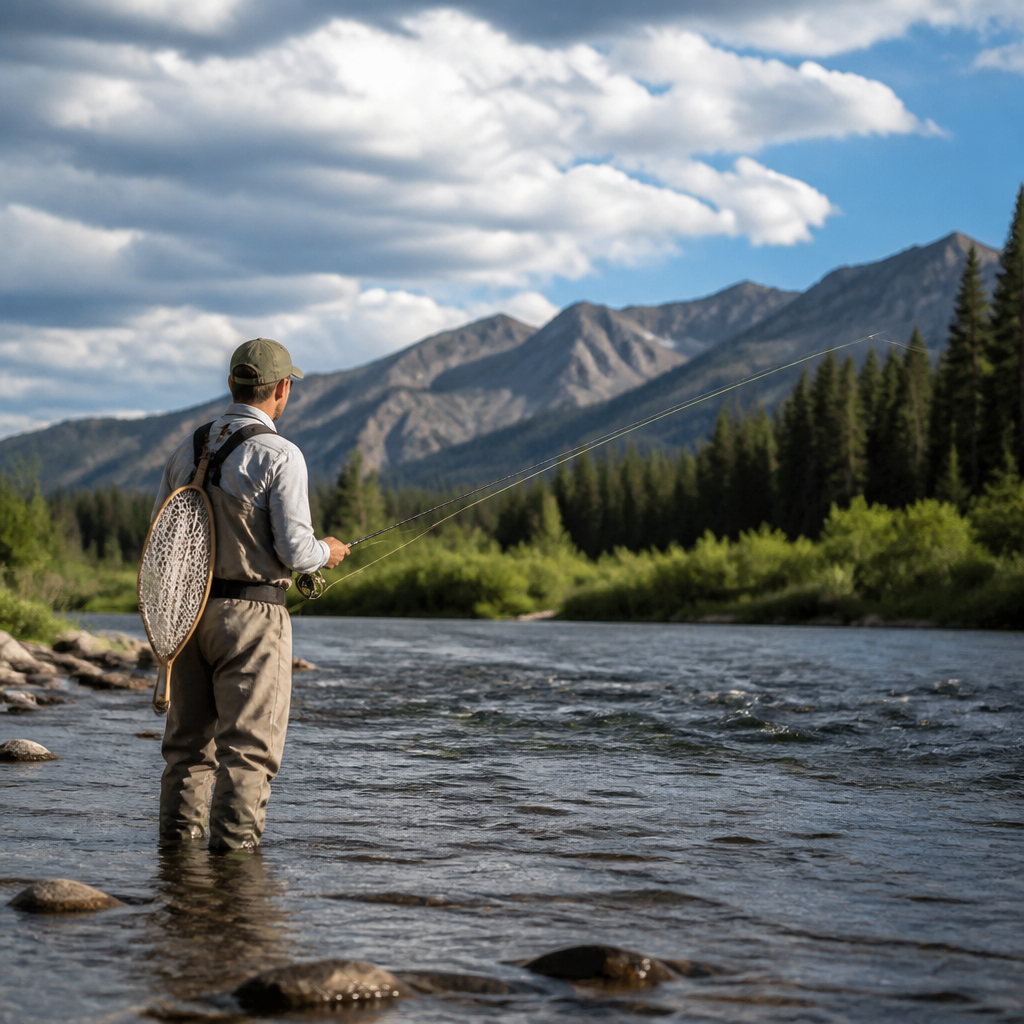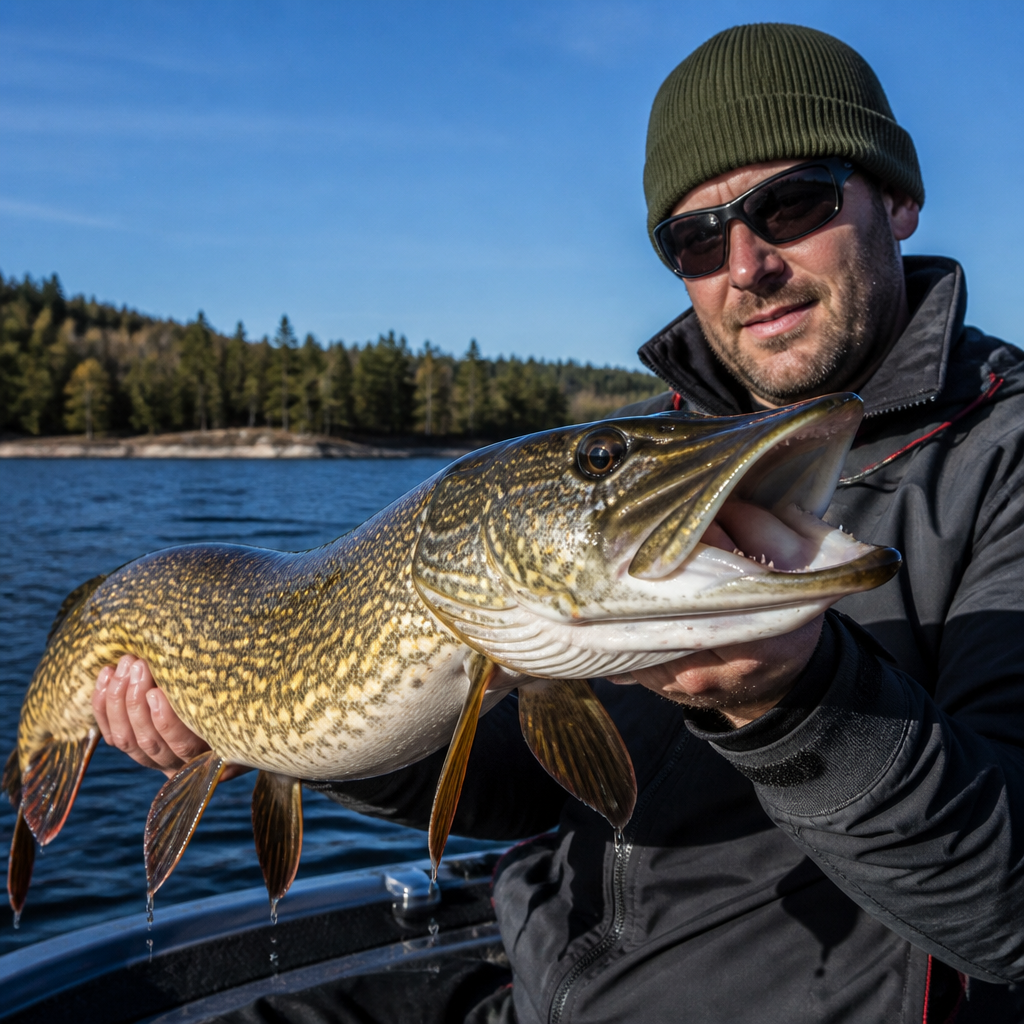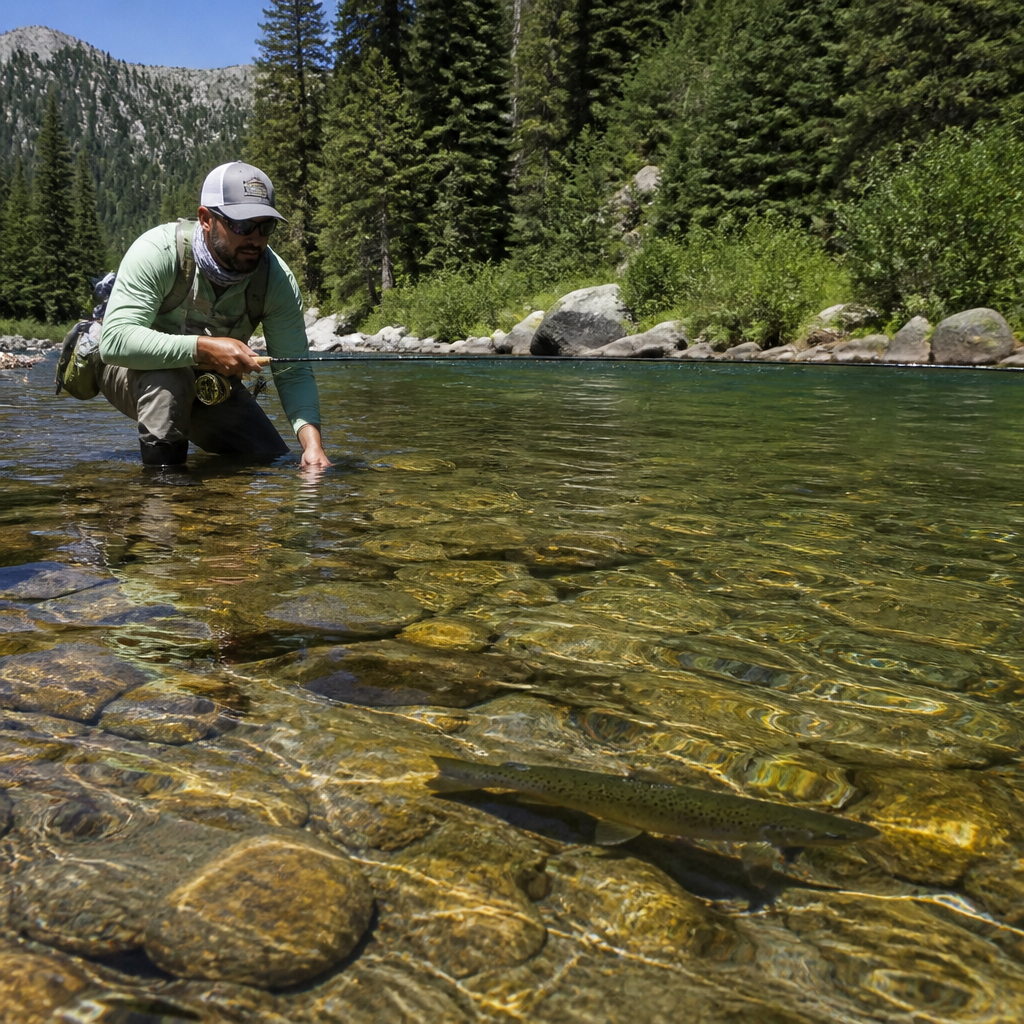
Sight fishing in rivers is the practice of spotting fish with your eyes before making a cast, then using position, presentation, and observation to trigger a take. In moving water, that sounds simple, but anyone who has spent dawn to dusk stalking trout, bass, carp, or redhorse in clear current knows it is one of the most demanding and rewarding forms of angling. You are not fishing blind. You are reading water, sunlight, fish posture, current speed, bottom color, and your own shadow in real time. Every cast becomes a deliberate response to what the fish is doing now, not what you hope might be there.
For a techniques and strategies hub, sight fishing matters because it sits at the intersection of river reading, stealth, tackle control, and fish behavior. It teaches discipline better than almost any other method. Instead of covering water quickly, you learn to slow down, identify feeding lanes, notice subtle refusals, and adjust leader length, lure angle, or fly weight by inches rather than guesses. Those habits improve every other presentation, whether you are nymphing pocket water, drifting soft plastics along seams, or swinging streamers through tailouts.
The term sight fishing is often used loosely, so a clear definition helps. True sight fishing means you can see the fish or, at minimum, see a reliable visual cue tied to a specific fish, such as a white mouth opening over gravel, a bronze back shifting on a shallow flat, or the shadow of a trout holding beside a submerged rock. In rivers, unlike stillwater, current complicates everything. The fish may face upstream while sliding sideways to feed, your lure may accelerate unnaturally across different currents, and one boot step can send a pressure wave ahead of you.
It also matters because river sight fishing is highly adaptable. Trout anglers use polarized glasses and long leaders to pick apart spring creeks and tailwaters. Smallmouth anglers hunt boulders, ledges, and shade lines with jerkbaits, tubes, and finesse jigs. Carp anglers scan warm shallows for mudders, cruisers, and tailing fish, then lead them with small flies or unweighted baits. In each case, the central skill is the same: find the fish, predict its path, and make the easiest possible meal appear naturally.
How to Find Fish You Can Actually See
The first step in successful sight fishing in rivers is understanding where visibility and fish behavior overlap. Clear water alone is not enough. You need manageable glare, a stable viewing angle, and fish willing to use shallow or moderately shallow lies. On many rivers, the best sight fishing happens when flows are normal to slightly low, sunlight is high enough to illuminate the bottom, and wind is light. Midmorning through early afternoon often provides the best viewing, though low-angle morning light can be excellent when it hits from behind you rather than directly in your face.
Start with high-percentage holding water that concentrates fish within visual range. In trout rivers, look at seam edges below riffles, inside bends with gravel transitions, spring creek weed lines, and tailouts where fish slide into slower water to feed. In warmwater systems, smallmouth often reveal themselves around current breaks behind boulders, on shelves beside deeper runs, and in shade pockets under cut banks. Carp favor soft-bottom flats, side channels, and gently sloping margins where they can root for nymphs, snails, and dislodged food.
Depth and bottom color matter more than most anglers think. A dark fish over dark basalt can be nearly invisible in two feet of water, while the same fish over pale gravel stands out in four feet. I have found more trout by looking for movement against stable substrate than by searching for whole fish shapes. Watch for a pectoral fin pulsing, a tail making tiny corrections, or a brief flash as a fish tips to eat. Polarized lenses in copper, amber, or rose bases usually improve contrast in rivers; gray lenses reduce brightness well but can hide detail on overcast days.
Approach from downstream whenever possible because most river fish face into current. That gives you a better chance to stay behind their cone of vision and present upstream or slightly across without lining them. Keep a low profile, use bank vegetation, kneel when needed, and avoid skyline exposure on gravel bars. If you are wading, move one deliberate step at a time. Vibrations transmit through shallow water and hard bottoms fast. In small rivers, I often stop every few steps and scan again because fish that were invisible while moving become obvious when I stand still.
Reading Fish Behavior Before the Cast
Seeing a fish is only half the job. The more important question is whether that fish is catchable right now. Feeding fish show repeatable patterns. A trout that shifts six inches left every few seconds and flashes its mouth is actively intercepting drift. A smallmouth that noses out from a boulder, returns, and repeats is using a defined ambush lane. A carp with its tail elevated and puffs of silt behind it is committed to bottom feeding and usually much more willing than a fast cruiser.
Body posture tells you how alert a fish is. Relaxed fish hold level, make smooth corrections, and resume their lane after minor disturbances. Neutral fish may slide but not feed. Spooked fish tighten their fins, tilt abruptly, or move with a sudden burst rather than a glide. When I guide newer anglers, the biggest mistake I see is casting too quickly to the first visible fish. Spending thirty seconds observing often saves ten wasted presentations. You need to know direction, cadence, and depth before the cast begins.
There is also a difference between visible and available. Fish tucked under broken surface glare, beneath bubble lines, or directly under overhanging limbs may be visible to you but nearly impossible to present to naturally. Others are visible only because they are resting, not feeding. The best targets are fish with predictable lanes and enough open water around them to allow a controlled lead, drag-free drift, or intentional swing. If you cannot imagine the exact path your offering must take, reposition before casting.
| Fish behavior | What it means | Best response |
|---|---|---|
| Stationary with rhythmic mouth movement | Actively feeding in one lane | Present slightly upstream for a natural drift |
| Slow cruising near bank or flat | Searching, but direction may change | Lead by several feet and keep entry soft |
| Tailing or rooting in silt | Focused bottom feeding, low awareness | Drop offering just ahead of head position |
| Holding tight to cover with quick darts | Ambush feeding or defensive posture | Use precise angles and compact casts |
| Sudden acceleration or fin flare | Spooked or suspicious | Stop casting, wait, or move on |
Presentation Angles, Drift Control, and Hookup Timing
The best sight fishing presentation is the one that reaches the fish naturally without announcing itself. In rivers, that usually means controlling angle and speed first, lure or fly choice second. For trout, an upstream or upstream-across drift remains the standard because it keeps the leader and line behind the offering. A reach cast, tuck cast, or simple slack introduction can buy precious seconds of drag-free movement. If the fish is holding deep in quick current, adding split shot or a tungsten nymph may be necessary, but only enough to enter the feeding lane without crashing through it.
For smallmouth, current often allows a quartering presentation that brings the lure past the fish’s face while still looking vulnerable. A tube drifted beside a boulder, a suspending jerkbait paused in an eddy seam, or a ned-style plastic hopped down a ledge all work because they match how river bass feed: short movements, fast decisions, and strong use of current breaks. With carp, the rule is lead the fish, not the nose. Put the fly or bait where the fish will arrive, then let current or a tiny strip complete the invitation.
Hookup timing is a major challenge because visual takes are deceptive. In current, fish often move less than you expect to eat. Trout may open and close on a nymph without obvious displacement. Carp can tip, flare, and reject in one motion. Smallmouth may pin a soft plastic and hold it while facing upstream. Watch the fish first and your line second. If the fish changes track, opens its mouth, flashes white, or stops where your offering should be, set with controlled speed. Violent strikes pull flies away and yank light-wire hooks free.
Mending, line management, and rod angle complete the system. Keep as little line on conflicting currents as possible. High-stick when close, stack mend when drifting farther, and use the rod to follow the lane rather than dragging the offering across it. In spinning gear, a bow in the line can ruin finesse presentations, so close the bail manually, point the rod at the drift, and recover slack with short turns. Good sight anglers are really good line managers. They make difficult current look simple because they remove variables before the fish ever sees the offering.
Best Gear for Sight Fishing in Rivers
Gear for sight fishing in rivers should improve detection, stealth, and precise control. Polarized sunglasses are nonnegotiable. Frames that block side light help more than many lens upgrades. For trout, a 9-foot 4- or 5-weight fly rod covers most dry-dropper, nymph, and small streamer work; on technical spring creeks, longer leaders from 10 to 14 feet and finer tippet in 5X to 7X are common. On larger tailwaters, strike indicators, euro-nymph leaders, or micro split shot each have a place depending on depth and current complexity.
For conventional tackle, a 6-foot 10-inch to 7-foot 3-inch medium-light or medium spinning rod with a fast action is ideal for light jigs, small swimbaits, and soft plastics. Braided main line with a fluorocarbon leader improves sensitivity, but in ultra-clear water straight fluorocarbon can produce fewer refusals. Smallmouth anglers often use 8- to 15-pound braid with a 6- to 10-pound leader. Carp anglers using spinning gear may step up leader strength because fish are powerful and runs in current expose weak knots immediately.
Wading equipment affects success more than many lure purchases. Felt soles are restricted in some regions because of invasive species concerns, so studded rubber boots have become the practical standard on many rivers. A wading staff reduces noise and falls on slick cobble. Neutral clothing matters; bright shirts reflect and move. I prefer drab greens, grays, or earth tones and a brimmed hat that shades the lenses. A small pack beats a bulky vest when stalking because less gear means fewer snagged branches and less temptation to switch flies every minute.
Keep terminal options organized around visibility and sink rate. For flies, carry slim nymphs, small streamers, terrestrials, and a few bright attractors for stained conditions. For lures, cover subtle to reactive: hair jigs, tubes, finesse worms, small paddletails, inline spinners, and suspending minnows. Named tools help too. Hemostats, floatant, split shot, desiccant, tippet rings, and a compact rubber net all solve specific river problems. The goal is not to carry everything. The goal is to carry what lets you adjust without breaking stealth or rhythm.
Conditions, Ethics, and Common Mistakes
River conditions decide whether sight fishing will be exceptional, frustrating, or irresponsible. Clarity is obvious, but flow stability is equally important. Falling water often improves visibility and concentrates fish, while sudden dam releases can darken seams, reposition fish, and create dangerous wading. Temperature shapes behavior too. Trout in very warm water should be left alone because extended fights can be lethal; many anglers use 68 degrees Fahrenheit as a caution point and stop higher still. Warmwater species have broader ranges, but low oxygen during heat can still make ethical handling essential.
Light conditions are a tradeoff. Bright overhead sun improves bottom visibility, yet it can make fish more wary in shallow clear water. Broken cloud cover sometimes provides the best balance, especially for smallmouth that roam more freely when direct light softens. Wind can hide your movement with surface chop, but too much ripple erases visibility. After years on rivers, I plan sight sessions around windows, not whole days: two or three prime hours with right light, stable flow, and manageable glare outperform ten random hours of forcing it.
Common mistakes are predictable. Anglers stand too tall, cast while still moving, and target the fish instead of the feeding lane. They ignore current between themselves and the fish, so the drift drags before it arrives. They use leaders that are too short, weights that are too heavy, or lures that enter like thrown rocks. Another mistake is chasing every visible fish. High-level river sight fishing is selective. If a fish is nervous, inaccessible, or traveling too fast, let it go and keep scanning. Efficiency improves catch rates more than stubbornness.
Respect for fish and other anglers belongs in any serious sight fishing strategy. Do not crowd visible fish another angler is stalking. On spawning runs or redds, avoid targeting fish actively reproducing; many jurisdictions regulate this specifically, and the biological reason is obvious. Handle fish minimally, keep them in water when possible, and match tackle strength to the species so fights stay short. If you want to get better fast, keep notes on light angle, lens color, flow level, and successful leads. Sight fishing rewards observation twice: first on the water, then afterward.
Sight fishing in rivers rewards anglers who combine patience with precise execution. The core principles are clear: find water where fish can be seen, read posture before casting, present from the correct angle, control drift or retrieve speed, and carry gear that supports stealth and line management. Whether you pursue trout in spring creeks, smallmouth in rocky runs, or carp on shallow flats, the method stays consistent. You are solving a visible puzzle, then proving the solution with one accurate presentation.
As a hub within techniques and strategies, this topic connects naturally to river reading, wading safety, nymphing, finesse lure presentation, seasonal fish behavior, and tackle selection. The better you become at spotting fish and understanding what they are doing, the more every related skill sharpens. You waste fewer casts, disturb fewer fish, and learn faster from every refusal or eat. That feedback loop is why sight fishing remains one of the most educational disciplines in angling.
The practical benefit is simple: seeing fish lets you make better decisions. Better decisions lead to cleaner drifts, better hook sets, and more consistent catches in clear moving water. Start small. Pick one river section with good visibility, wear quality polarized glasses, move slower than feels necessary, and spend more time observing than casting. Then build from there. If you want to master river fishing, make sight fishing a regular part of your approach and let the fish show you what matters.
Frequently Asked Questions
What is sight fishing in rivers, and why is it more challenging than fishing blind?
Sight fishing in rivers means locating an individual fish visually before you cast, then making a deliberate presentation based on what that fish is doing in real time. Instead of covering water blindly and hoping a fish intercepts your lure, fly, or bait, you are studying the fish’s position, body angle, movement, feeding lane, and level of alertness. In a river, that process becomes much more complex because current is constantly changing the fish’s window of vision, shifting your lure’s drift speed, and exposing your position if you approach carelessly.
What makes river sight fishing especially demanding is that you are interpreting multiple variables at once. You are reading surface glare, water depth, bottom color, current seams, and how sunlight affects visibility. A fish holding behind a rock in knee-deep current may only offer a subtle flash, a slight tail kick, or a faint shape against gravel. On top of that, flowing water often magnifies mistakes. If your cast lands too hard, if your line drags unnaturally, or if your shadow falls across the run, the fish may spook instantly. That is why sight fishing in rivers is often considered one of the purest tests of observation, stealth, and presentation. It rewards anglers who can slow down, recognize tiny cues, and make the first cast count.
How do you spot fish effectively in moving water without constantly spooking them?
The first step is to stop thinking only about fish and start thinking about conditions. Good sight anglers look for visibility windows rather than randomly scanning the river. Sun angle matters enormously. Early and late light can create glare, while a higher sun often helps you see into the water more clearly, especially with quality polarized sunglasses. Amber, copper, and brown lens tints are popular because they improve contrast and help fish stand out from rock, weed, and sand. Just as important is your vantage point. Standing lower can reduce your profile, but standing slightly elevated can help you read shape and movement more easily if you stay hidden.
When scanning, do not expect fish to appear like bright targets. Often you are looking for unnatural clues: a stationary shadow in a place where current should move everything, a white mouth opening and closing, a tail tipping side to side, or a sudden flash as a fish adjusts in the current. Break the water into sections and inspect likely holding water first, such as current seams, tailouts, shallow flats, soft pockets behind boulders, undercut banks, and transitions where depth or bottom color changes. Fish often reveal themselves by behavior before form.
Stealth is what allows you to keep seeing fish instead of educating them. Approach from downstream or quartering downstream whenever possible, move slowly, and avoid skyline exposure. Keep your shadow off the water and wear muted clothing that blends with the bank. In clear rivers, heavy footfalls on shallow gravel can transmit enough vibration to alert fish before you ever see them. Many experienced anglers pause often, kneel when needed, and spend more time observing than casting. If you can watch a fish for thirty seconds before presenting, you usually gain information that improves your odds dramatically.
What are the best casting and presentation strategies once you have a fish in sight?
The best presentation is usually the one that lets the fish see your offering naturally and early enough to react without feeling threatened. That starts with positioning. In moving water, your angle to the fish determines how your lure or fly will travel through its feeding window. For trout and many other current-oriented species, an upstream or up-and-across cast often creates the most convincing drift because the offering reaches the fish before the line does. For bass holding near current breaks, a cross-current presentation that swings or tracks naturally past the ambush point can be effective. For carp, redhorse, and selective bottom feeders, placement is often more important than animation; you want the offering to enter the zone quietly and arrive at the right depth and speed.
Lead distance is critical. Cast too close and you risk lining or spooking the fish. Cast too far away and the current may pull the offering off track before it reaches the target. The right amount of lead depends on depth, current speed, and the fish’s mood, but the principle is constant: let the water carry the presentation into the fish’s field naturally. Watch the fish, not just your line. If the fish tips, flares its fins, slides sideways, opens its mouth, or accelerates subtly, it may be committing. Many takes in sight fishing are visual and delicate, so strike or set the hook based on fish behavior as much as feel.
One more key point is restraint. If the first drift is wrong, do not immediately pepper the fish with repeated casts from the same position. River fish often tolerate one small mistake but rarely forgive repeated ones. Reposition, change the angle, adjust weight or fly size, or wait for the fish to settle. Successful sight anglers treat each cast like a deliberate shot, not a routine repetition.
What gear is most useful for sight fishing in rivers?
The most important piece of sight-fishing gear is not a rod or reel but a good pair of polarized sunglasses. Without them, surface glare can hide fish, structure, and subtle current breaks. A hat with a dark underside on the brim helps even more by cutting reflected light. After that, the ideal rod, reel, line, and terminal setup depend on your target species, but in general, river sight fishing favors gear that promotes accuracy, control, and quiet presentations. Medium-light to medium spinning tackle works well for many situations, while fly rods in appropriate line weights remain a top choice for delicate drifts and precise placement. Baitcasting gear can excel for larger river bass or when throwing specific lures around visible cover.
Line selection matters because visibility and drift control directly affect success. In clear rivers, thinner diameter line often helps with stealth and natural movement. Fluorocarbon leaders are widely used because they are abrasion resistant and relatively unobtrusive underwater. For sight-fishing with lures, anglers often balance line strength with the need for subtle presentation, choosing the lightest setup that still provides control in current. Wading boots with solid traction are another essential tool, since your ability to move quietly and safely often determines whether you get a shot at the fish at all.
Lure and fly choices should match both the species and what the fish can realistically inspect in clear water. Natural colors usually outperform loud patterns when fish have time to study an offering. Small streamers, nymphs, soft plastics, compact jigs, and lightly weighted presentations are staples because they can be guided precisely through a fish’s lane. It also helps to carry a small selection of weights, leader lengths, and sizes so you can adapt quickly to changing depth and current speed. In sight fishing, gear should help you be exact, not simply cover water.
How do weather, water clarity, and river conditions affect sight fishing success?
These factors affect everything. Water clarity determines whether sight fishing is even practical, but “clear” does not always mean “easy.” Extremely clear, low water can make fish more visible while also making them more cautious. Slightly stained water may reduce your visual range, yet it can also make fish less spooky and more willing to commit. Flow level changes fish positioning as well. In lower flows, fish may concentrate in defined lies and become easier to locate, while higher but still fishable flows can push them into softer edges, back eddies, and protected pockets where they may be less exposed and more catchable.
Light conditions are equally important. Bright overhead sun often gives the best visibility into the water, but it can also sharpen your shadow and make your movement more obvious. Cloud cover reduces contrast and can make spotting fish harder, though some species become more comfortable feeding in those conditions. Wind can create surface chop that either ruins visibility or, in some cases, helps hide your approach. The key is adjusting expectations and tactics instead of forcing the same method every day.
Experienced river sight anglers learn to treat conditions as part of the strategy. On bright, clear days, they emphasize stealth, longer casts, finer presentations, and careful angles. In slightly off-color water, they may target shallower fish, use more contrast in their offering, or focus on places where fish are forced into predictable holding spots. After rain, they often look for side channels, softer margins, and water that is clearing first. In other words, success comes from reading the whole scene, not just spotting a fish. The anglers who do best are the ones who understand that sight fishing is really an exercise in observation, adaptation, and timing.