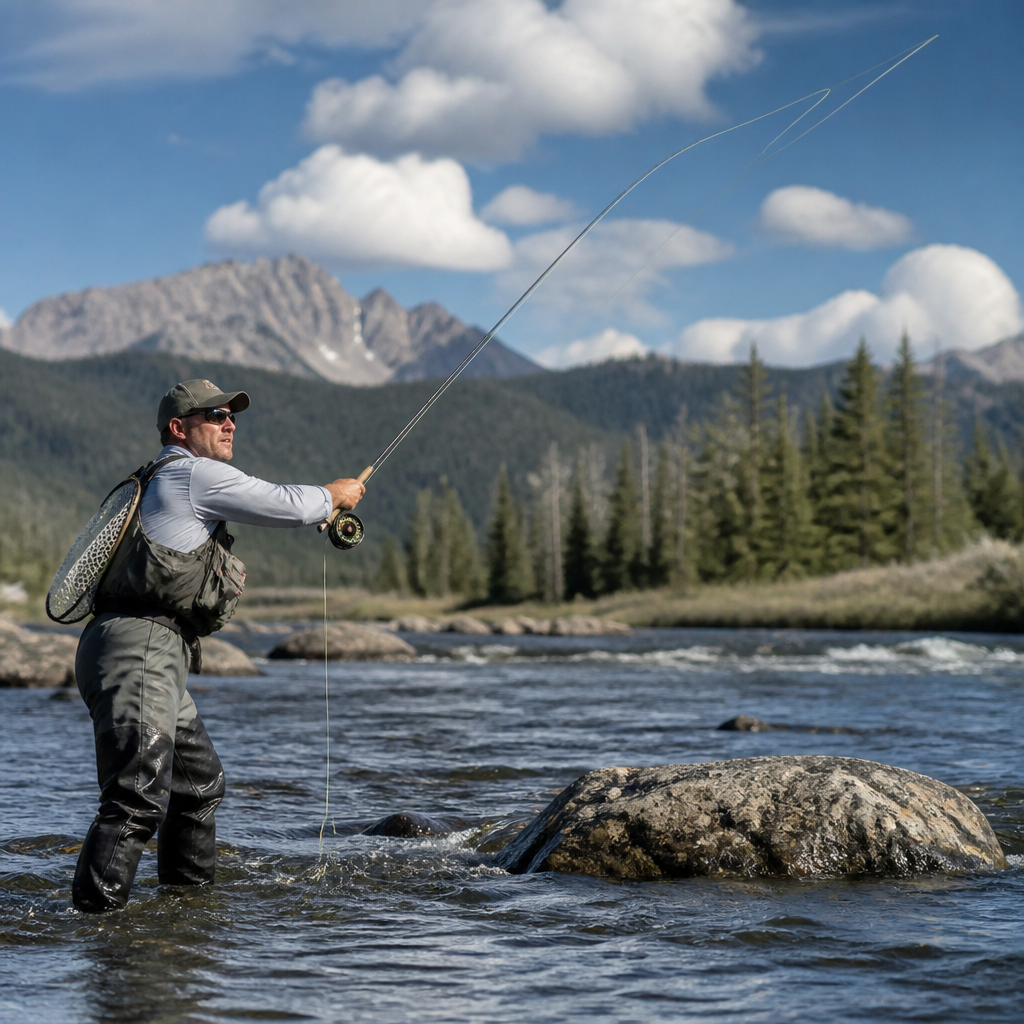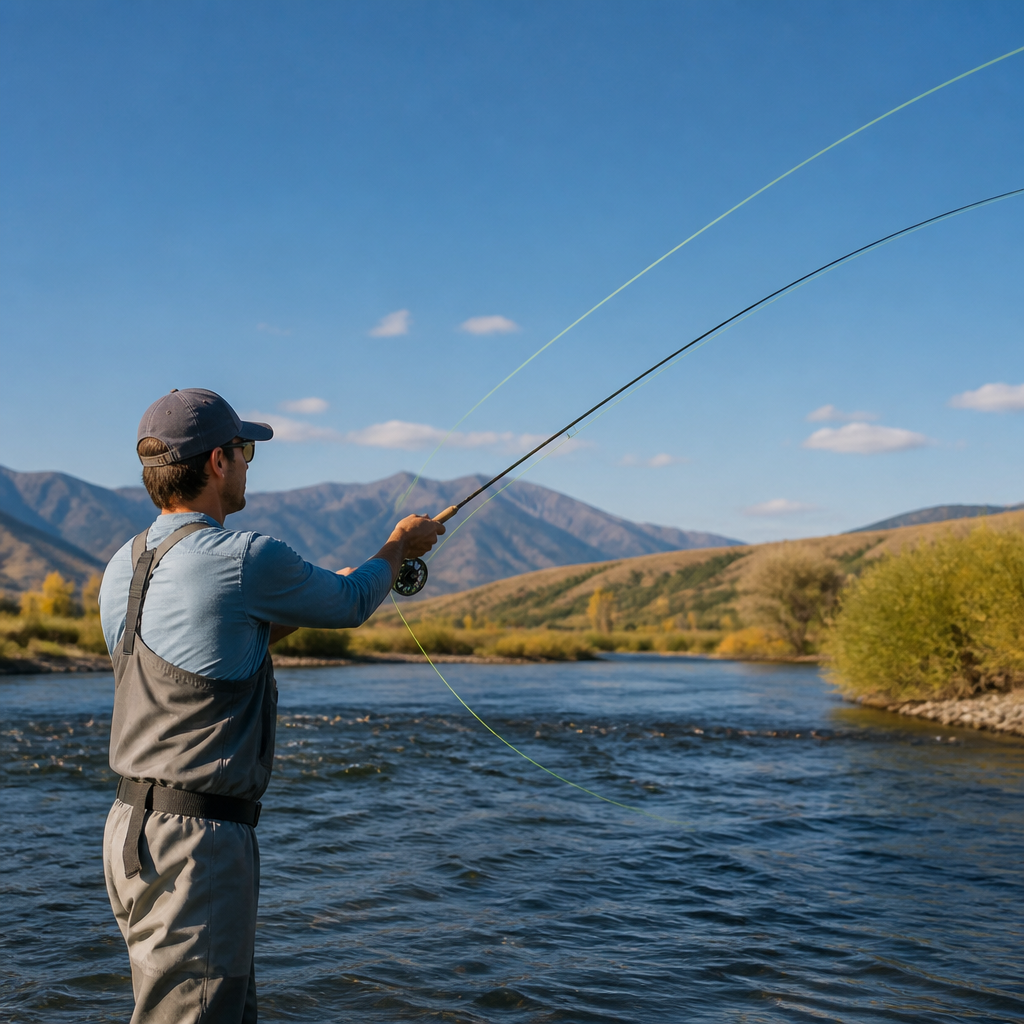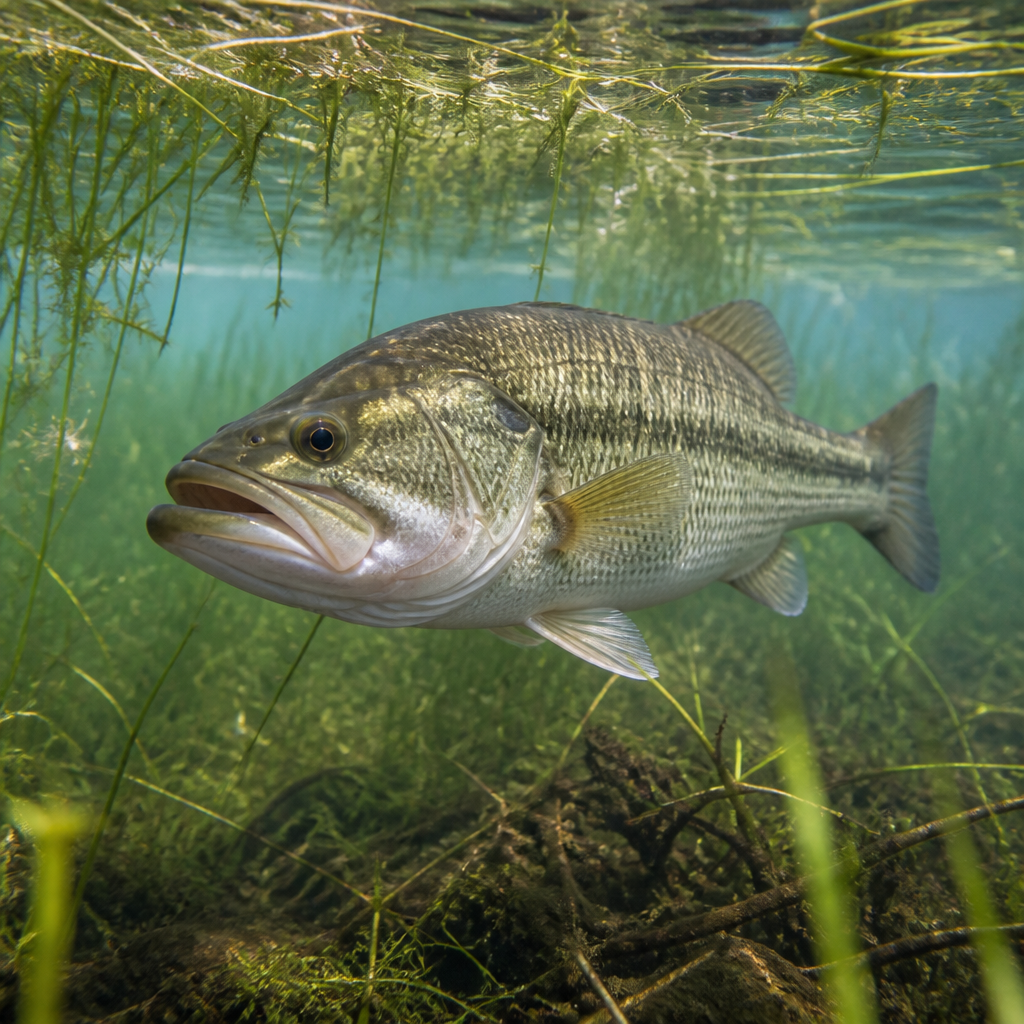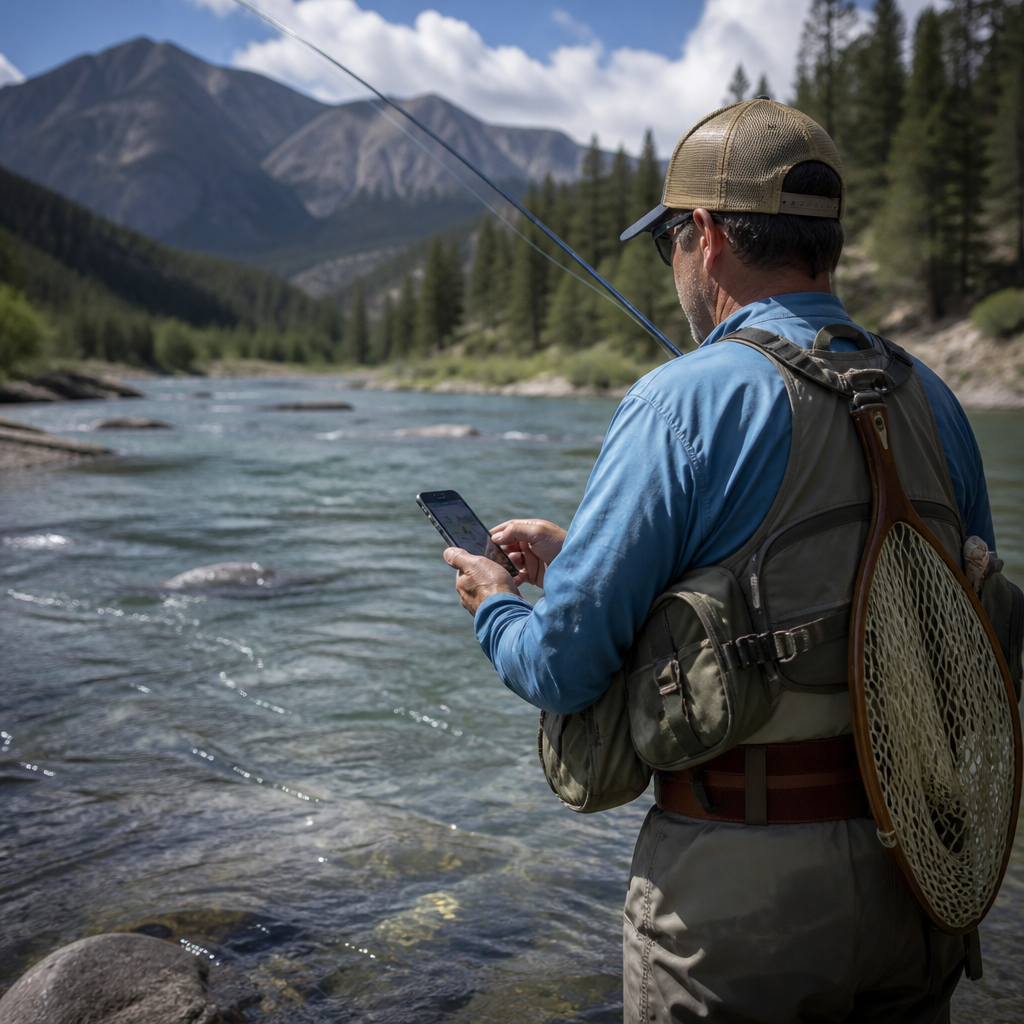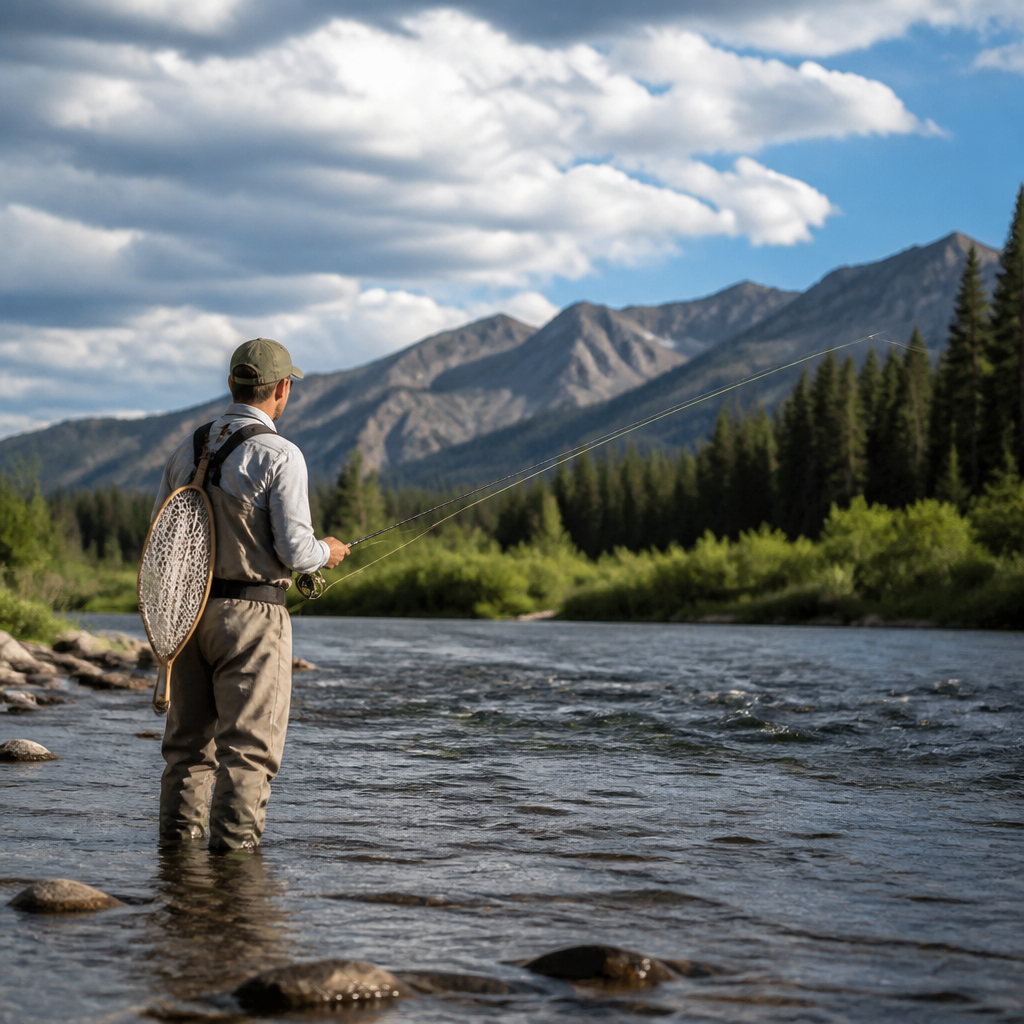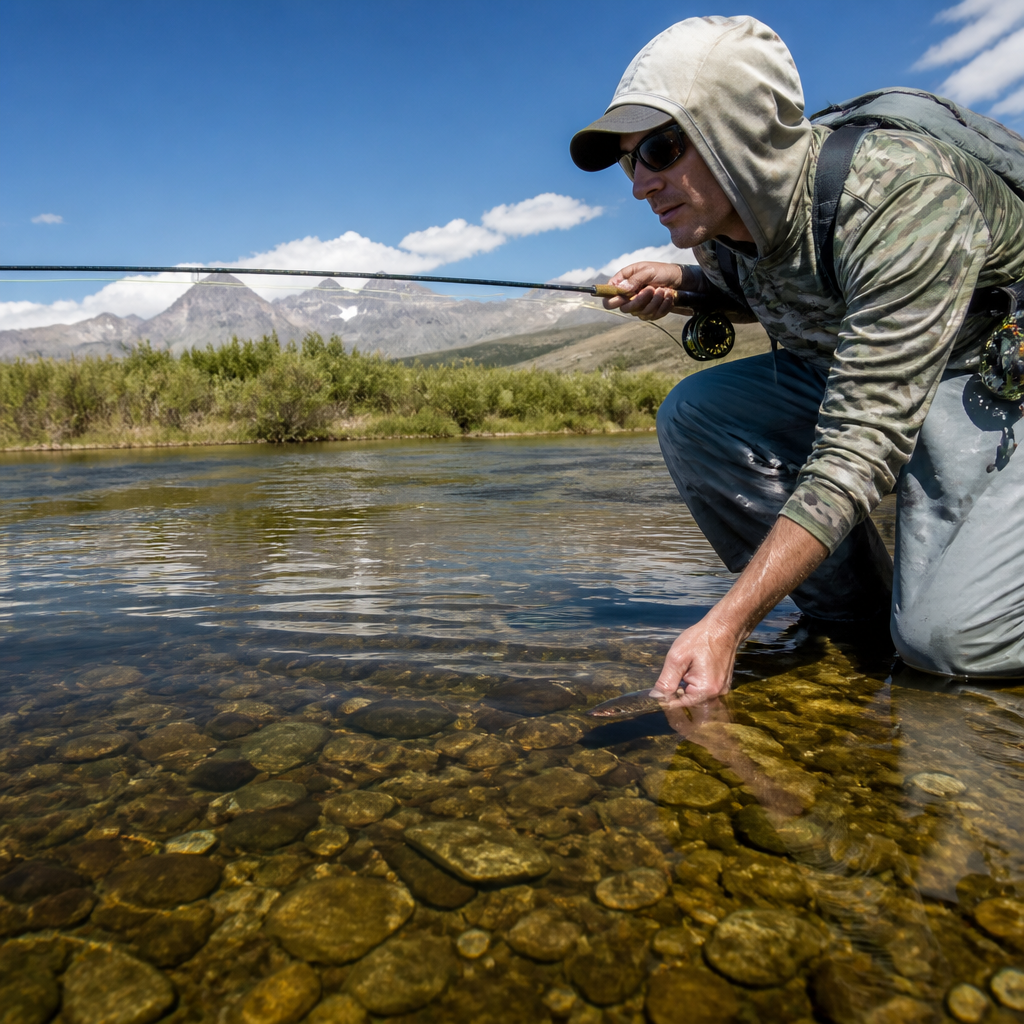
Sight fishing with nymphs is one of the most technical and rewarding forms of fly fishing because it combines fish behavior, underwater presentation, observation, and precise tackle choices into a single visual game. In simple terms, sight fishing means locating the fish before the cast, then making deliberate presentations to a specific target rather than prospecting blindly through likely water. Nymphs are subsurface fly patterns that imitate aquatic insects, crustaceans, worms, or other food forms trout and other freshwater fish eat below the surface. Put together, sight fishing with nymphs is the practice of visually identifying feeding fish, reading their position and rhythm, and delivering a subsurface imitation at the exact depth, speed, and angle that triggers a take.
I have found that anglers often assume sight fishing belongs mostly to dry flies because rises are obvious and the visual element feels intuitive. In practice, nymph sight fishing is frequently more consistent, especially on rivers where fish feed below the surface for most of the day. The challenge is that the take is subtle, and success depends on understanding drift lanes, current seams, refraction, light angles, and how weight and leader design control sink rate. This matters because sight fishing with nymphs can raise catch rates dramatically when done well, while also making you a more thoughtful angler. Instead of covering water mechanically, you begin to interpret the fish’s body language, holding lies, and feeding window.
As a hub within techniques and strategies, this guide covers the full framework: how to find visible fish, how to read what they are doing, what gear actually helps, how to rig for different water types, which presentations work, and what mistakes cost the most fish. On clear spring creeks, tailwaters, alpine lakes, and low summer freestones, these principles repeat. If you want one skill that improves your accuracy, stealth, fly selection, and strike detection all at once, sight fishing with nymphs is that skill.
What sight fishing with nymphs looks like on the water
At its core, sight fishing with nymphs starts before the cast. You scan water with polarized glasses, identify shape or movement that separates a fish from the background, then confirm whether the fish is holding, cruising, or actively feeding. A holding trout might stay fixed behind a rock and tilt occasionally; a feeding trout often shifts laterally, tips its head, opens its mouth, or flashes as it adjusts depth. Those tiny signals tell you whether the fish is catchable and where your fly must travel.
The biggest misconception is that seeing a fish is enough. The more important step is mapping the fish’s feeding lane. Trout do not eat from every direction equally. They hold where current delivers food efficiently, and they slide only a limited distance to intercept a nymph. In steady current, imagine a narrow conveyor belt extending upstream of the fish’s nose. Your cast must place the fly into that belt at the right depth before it reaches the fish. If the nymph is still sinking when it arrives, the trout never notices it. If it drags sideways, the fish rejects it. If it passes too far away, the fish saves energy and stays put.
I treat each visible fish like a separate problem. First, determine window and lane. Second, estimate depth and current speed. Third, choose whether the fish requires an upstream, up-and-across, cross-current, or downstream presentation. Fourth, watch for the take. In shallow, clear water, the take may look like the fish flaring its gills, tipping an inch, or drifting half a body length. In broken surface currents, your indicator, sighter, or leader hesitation may be the only clue. The visual component is direct, but it is rarely dramatic.
Finding fish and reading behavior before you cast
Most successful nymph sight fishing happens because the angler spots fish that other people walk past. Light angle matters more than almost any fly pattern. Early and late sun can produce glare that hides everything, while high overhead light can illuminate fish surprisingly well. A cloudy bright day often gives the best balance. Polarized lenses in copper, amber, or bronze usually improve contrast in rivers; gray lenses work better in harsh open light. Move slowly and scan from near water outward because fish close to the bank are easy to miss.
Look first for likely holding structure: current seams, soft buckets below riffles, undercut banks, the inside edge of weed beds, tailouts, spring creek slots, and the tongues entering pools. Then search for unnatural shapes. A trout can appear as a white mouth flash, a dark torpedo, a paired pectoral fin pulse, or a slight side-to-side shift against gravel. On stillwaters, cruising fish reveal themselves through shadows, wakes, or turns near drop-offs and weed lines.
Behavior determines whether to cast at all. A fish pinned tightly to the bottom in cold water may not move far. A trout that feeds rhythmically every few seconds is ideal because it gives you timing and confidence. A fish that spooks at your first false cast is gone whether your fly is perfect or not. I have learned to wait and watch at least thirty seconds whenever possible. That short pause prevents rushed presentations and often reveals the exact depth and track the fish is using.
| Water type | Best visual clues | Typical fish behavior | Best initial presentation |
|---|---|---|---|
| Spring creek | Body outline, mouth flash, fin movement | Stationary, selective, short feeding lane | Long upstream drift with light weight |
| Tailwater run | Lateral shifts, white mouth, subtle tilt | Consistent feeding in defined seams | Up-and-across dead drift at exact depth |
| Freestone pocket | Quick shadow movement near rocks | Opportunistic, short reaction window | Short-line high-stick presentation |
| Lake edge or inlet | Cruising shadow, turn, wake | Patrolling, route-based feeding | Intercept cast with slow sink or static hang |
Gear that improves visibility, control, and hook-up rate
The best gear for sight fishing with nymphs is not simply the lightest or most expensive. It is the equipment that lets you see fish clearly, cast with minimal false motion, sink flies to the feeding level quickly, and maintain direct contact without dragging the drift. For most trout situations, a 9-foot 4-weight or 5-weight is the most versatile choice. On larger rivers, windy banks, or when using split shot and tandem rigs, a 10-foot 4-weight or 5-weight often gives better line control and strike detection. Euro-style rods in the 10- to 11-foot range are especially useful in close and medium water where direct contact matters.
Reels matter less for fish fighting than for balance. A reel that counterbalances a long rod reduces fatigue during slow stalking sessions. Floating lines cover most river nymph sight fishing, but specialized thin-diameter nymph lines or mono rigs can improve sag and contact at short to medium range. Leaders should match water type. In flat water or slow glides, I prefer 12- to 15-foot leaders tapering to 5X or 6X fluorocarbon because fluorocarbon sinks, resists abrasion, and refracts light differently than nylon. In pocket water, shorter leaders with 4X or 5X are easier to control.
Polarized glasses are mandatory, not optional. Smith, Costa, Bajío, and Oakley all make quality lenses, but the key is lens tint matched to conditions and frames that block side light. A dark hat with a black underbill improves visibility more than most anglers realize by cutting reflected glare. Wading boots need secure traction because stalking slowly in clear water often means careful foot placement over algae, silt, and rounded cobble. A long-handled net helps land fish without stepping into the window and alerting others nearby.
For terminal tackle, carry tungsten bead nymphs in multiple sizes, unweighted patterns, split shot from micro to BB, putty, tippet rings, and small yarn or air-lock indicators. Sighter materials in bi-color or tri-color mono help on contact rigs. The real advantage comes from being able to make tiny adjustments fast. One extra 2 mm tungsten fly, or one removed shot, can turn refusals into eats.
Rigging and presentation strategies for different currents
Rigging for sight fishing with nymphs is about controlling depth and drift while staying as unobtrusive as possible. In shallow clear water, a single lightly weighted nymph often outfishes a heavy two-fly rig because it lands softly and behaves naturally. In runs deeper than three feet, a point fly with tungsten and a lighter dropper can cover both bottom and mid-column feeders. The indicator should be only large enough to suspend the weight you use; oversized indicators splash, cast poorly, and pull against subtle drifts.
In flat pools and spring creeks, the standard approach is a long upstream presentation with slack built into the cast so the fly sinks before entering the fish’s lane. Reach casts, parachute casts, and aerial mends are valuable here. On tailwaters with mixed currents, an up-and-across cast paired with immediate rod tracking keeps the nymph drifting naturally while maintaining enough contact to read a take. In pocket water, high sticking or tight-line nymphing often works best because short drifts reduce drag and keep the fly in the strike zone through fast seams.
Stillwater sight fishing with nymphs uses a different rhythm. Instead of drift, think path interception and sink timing. If a trout patrols parallel to a weed edge, cast ahead of its route, allow the nymph to sink to the fish’s level, then either hold it static or use tiny hand-twist retrieves. Inlets and shoals often favor chironomid, damsel, scud, and midge pupa patterns under an indicator or on a slow-sinking line. The take may be only a pause, tilt, or acceleration of the fish toward the fly.
When anglers ask what matters most in presentation, my answer is consistent: depth first, drag second, pattern third. Fish cannot eat what they do not see, and they reject what does not move naturally. A perfect imitation drifting eighteen inches above a bottom-feeding trout is usually less effective than an average pattern drifting exactly at eye level.
Choosing flies, detecting takes, and avoiding common mistakes
Fly selection for sight fishing with nymphs should begin with what the fish are likely eating in that water, then narrow to size, profile, and sink rate. Pheasant tails, hare’s ears, perdigons, zebra midges, caddis pupae, scuds, sowbugs, and small stonefly nymphs remain staples because they match common food forms across many rivers. On tailwaters with dense midge and sowbug populations, size 18 to 24 patterns can be critical. On freestones during runoff drop or late summer, size 12 to 16 mayfly and stonefly imitations often produce better. Tungsten perdigons are excellent for fast depth gain, but soft-hackle nymphs or lightly weighted naturals can be better when fish inspect flies closely in slow water.
Take detection is where many anglers lose fish they actually fooled. Watch the fish first whenever visibility allows. If the trout opens its mouth, tips, or slides, set smoothly. If the fish is hard to see once the drift begins, shift your eyes to the nearest reliable signal: indicator hesitation, leader stall, sighter twitch, or unexplained speed change. Sets should be short and controlled, not dramatic. Violent trout strikes with a fly rod move the fly out of the fish and blow the spot.
The most common mistakes are approaching too quickly, false casting over the fish, using too much weight, and changing flies before correcting drift or depth. Another mistake is casting at fish that have seen you. If the trout angles away, clamps fins, or stops feeding, back off. A rested fish often resumes in a few minutes. Finally, anglers often stay married to one lane estimate. If three good drifts pass untouched, adjust six inches left, deeper by one small shot, or farther upstream in the entry point. Sight fishing rewards micro-adjustments, not wholesale rig changes.
To improve quickly, keep notes after each outing: water clarity, sun angle, depth, fly size, rig style, and what visible takes looked like that day. Patterns emerge fast. The anglers who become consistently good at sight fishing with nymphs are rarely the ones with the most patterns. They are the ones who observe longer, move quieter, and solve the depth-and-drift equation faster.
Sight fishing with nymphs is the clearest path to becoming a more complete fly angler because it forces observation, precision, patience, and technical control on every cast. You learn to see holding lies, judge feeding lanes, select weight intentionally, and present flies at a fish’s exact level instead of hoping a drift passes through productive water. The process is demanding, but that is also why it accelerates improvement so quickly. Every visible fish gives immediate feedback. You know whether your angle was wrong, your sink rate was late, your drift dragged, or your fly simply failed to convince.
The key takeaways are straightforward. Find fish before you cast. Study behavior long enough to map the feeding lane. Build your rig around depth and current, not habit. Use polarized glasses, stealth, and efficient rods and leaders that improve contact. Present upstream, across, tight-line, or on stillwater intercepts according to the fish’s position and the current structure. Then watch for subtle takes and make small adjustments before changing everything.
As the central guide to sight fishing within techniques and strategies, this article gives you the framework that connects the rest of the subtopic: reading water, nymph rigging, strike detection, stillwater approaches, and seasonal trout behavior. On your next outing, pick one visible fish, slow down, and solve it deliberately. That single discipline will teach you more than covering a mile of water blindly.
Frequently Asked Questions
What makes sight fishing with nymphs different from regular nymph fishing?
Sight fishing with nymphs is different because the angler is targeting a fish that has already been located, rather than casting generally into promising water and hoping a fish is there. That single difference changes everything about the approach. Instead of covering water quickly, you slow down and focus on observation, positioning, drift angle, sink rate, fly choice, and how the fish reacts to the presentation. You are not just fishing water; you are fishing one trout at a time.
In practical terms, sight fishing adds a visual layer to nymphing. You are watching for body language, feeding lanes, subtle movement, and the fish’s response to each drift. A trout may slide left, tilt upward, open its mouth, flare its gills, or simply stop feeding if something looks wrong. Those clues tell you whether your depth is correct, whether your fly is convincing, and whether your cast landed too hard or with too much drag. This makes sight nymphing highly technical, but it also makes feedback immediate. You can learn faster because the fish is showing you, in real time, what it accepts and what it refuses.
It is also more demanding in terms of stealth and accuracy. Since the fish is visible, it can usually see you as well if you approach carelessly. Wading noise, a sloppy false cast, a bright silhouette against the sky, or a shadow crossing the fish can end the opportunity before the drift begins. That is why successful sight nymph anglers spend as much time crawling into position, studying current seams, and planning the first cast as they do actually fishing. When done well, it becomes a precise visual game built on water reading, fish behavior, and exact subsurface presentation.
What kind of water and fish behavior should I look for when sight fishing with nymphs?
The best water for sight fishing with nymphs usually combines three things: visibility, manageable current, and fish that are feeding with some predictability. Clear rivers, spring creeks, tailwaters, and low, stable freestone flows can all be excellent. You want enough water clarity to spot fish and enough control in the drift to place a nymph naturally in the trout’s feeding window. Shallow riffle edges, transition seams, side channels, gravel flats, and soft buckets below current tongues are especially productive because trout often hold there with reduced effort while food funnels toward them.
Look for fish that are comfortable and engaged in feeding. A trout that is calmly holding position and making slight side-to-side adjustments, tipping occasionally, or moving a few inches to intercept food is far more catchable than one that is racing around, pinned to the bottom in alarm, or suspended nervously in featureless water. Feeding rhythm matters. Some fish eat on a regular cadence, while others inspect many items before committing. Watching for a minute before casting can reveal where the fish expects food to appear and how far it is willing to move. That information helps determine where to land the fly and how much weight is needed to reach the fish quickly enough.
Light and viewing angle are also major factors. Polarized lenses are essential, but beyond that, sighting often improves when the sun is at your back or when you can look across a seam instead of directly into glare. Wind riffle can help hide your presence, but too much surface chop makes tracking fish difficult. If you cannot clearly see the fish, pay attention to shapes, shadows, white mouths flashing, or subtle movement against bottom contrast. Experienced anglers often spend more time identifying the right target than casting at the wrong one. The ideal fish is visible, settled, feeding, and positioned in water that lets you deliver a clean dead drift without lining or spooking it.
What gear setup works best for sight fishing with nymphs?
A good sight nymphing setup emphasizes control, sensitivity, and delicate presentation rather than raw casting power. In many trout situations, a 9-foot to 10-foot rod in a 3- to 5-weight range is ideal. A slightly longer rod helps with line control, reach mending, and keeping as much line off conflicting currents as possible. The reel is less important than the rod, but a balanced reel with a smooth drag is still useful, especially if larger trout are involved. Floating lines are standard because they offer versatility and let you manage drifts precisely in a range of current speeds and depths.
Leader design matters a great deal. Many anglers use longer leaders to keep fly line farther from the fish and increase stealth, often adjusting total length based on water clarity, depth, and current complexity. Tippet diameter should be fine enough for natural drift but strong enough for the fish and the flies being used. In clear, technical water, lighter tippet often improves success because it allows better sink and less micro-drag, but it also requires more thoughtful fish-fighting and knot discipline. Indicators can be helpful in some sight fishing scenarios, especially if glare or current complexity makes strike detection difficult, but many anglers prefer tight-line contact or a very subtle visual reference when fishing to visible trout at short to moderate range.
Fly selection and weight should match both the forage and the speed of the water. Common choices include pheasant tails, hare’s ears, midge larvae, caddis larvae, sow bugs, scuds, worms, and small attractor nymphs when fish are opportunistic. The key is less about brand-name patterns and more about profile, size, sink rate, and realism. Carrying the same pattern in multiple weights is often more useful than carrying dozens of unrelated flies. Polarized glasses are non-negotiable, and lens color should suit the conditions. Amber, copper, and bronze tints are versatile in many freshwater settings. A hat with a dark underbill, muted clothing, and a landing net that can be used quickly and quietly round out a practical setup. For sight fishing, the best gear is the gear that helps you see better, approach closer without detection, and maintain natural subsurface drift.
How do I present a nymph naturally to a fish I can see?
The foundation of a natural presentation is putting the fly where the fish is feeding, at the right depth, and at the right speed. That sounds simple, but it requires planning before the cast. First, determine the trout’s lane and feeding window. Most fish are not willing to move far, especially in moderate or fast current. That means your cast must land upstream or up-and-across of the fish at a distance that allows the nymph to sink before it reaches the target. If the fly is still dropping when it passes the trout, it will often be ignored. If it arrives too deep or dragging unnaturally, the result is the same.
Approach angle is critical. Whenever possible, stay low and position yourself so the fish sees the fly before it sees the leader or line. Avoid lining the fish, which happens when the leader or fly line passes directly over its window before the nymph arrives. In many cases, the best cast is not the closest cast but the one that creates the cleanest drift. A short upstream tuck, a gentle reach mend, or a controlled aerial adjustment can be enough to buy the drift time you need without disturbing the water. The first cast is often your best chance, so it should be intentional rather than rushed.
Once the fly is in the water, watch both the fish and any visual reference you are using. If the trout shifts, tips, opens its mouth, or subtly changes posture, set the hook. Many takes on nymphs are almost invisible unless you are focused on the fish itself. If the fish follows but refuses, your problem may be size, weight, drift speed, or leader influence. If it never reacts, your fly may not be reaching the zone, or it may be outside the fish’s lane by only a few inches. Small corrections matter. Change one variable at a time so the fish can teach you something. Often the breakthrough comes from a minor adjustment in weight or placement rather than a completely different fly. Natural presentation in sight fishing is really the combination of stealth, geometry, depth control, and reading the fish’s response with discipline.
What are the most common mistakes anglers make when sight fishing with nymphs?
The biggest mistake is casting too soon. Many anglers spot a fish and immediately throw at it without first studying its position, feeding rhythm, current influences, and escape routes. That usually leads to poor angle, bad depth, or lining the fish. In sight fishing, observation is part of the presentation. Taking an extra minute to analyze the trout often saves several wasted casts and avoids putting the fish down. Another frequent error is focusing only on the fly pattern while ignoring the more important issues of drift and sink rate. A perfect imitation delivered unnaturally will usually fail, while a more generic nymph drifting correctly often gets eaten.
Poor stealth is another common problem. Wading too aggressively, standing upright on the skyline, false casting over the fish, and wearing high-contrast clothing can all alert trout before the first real presentation. Many missed opportunities happen before the line ever touches the water. Anglers also underestimate how precise depth needs to be. If the fish is feeding six inches off the bottom and your nymph is traveling a foot above its window, the trout may never acknowledge it. Conversely, if the flies are constantly snag