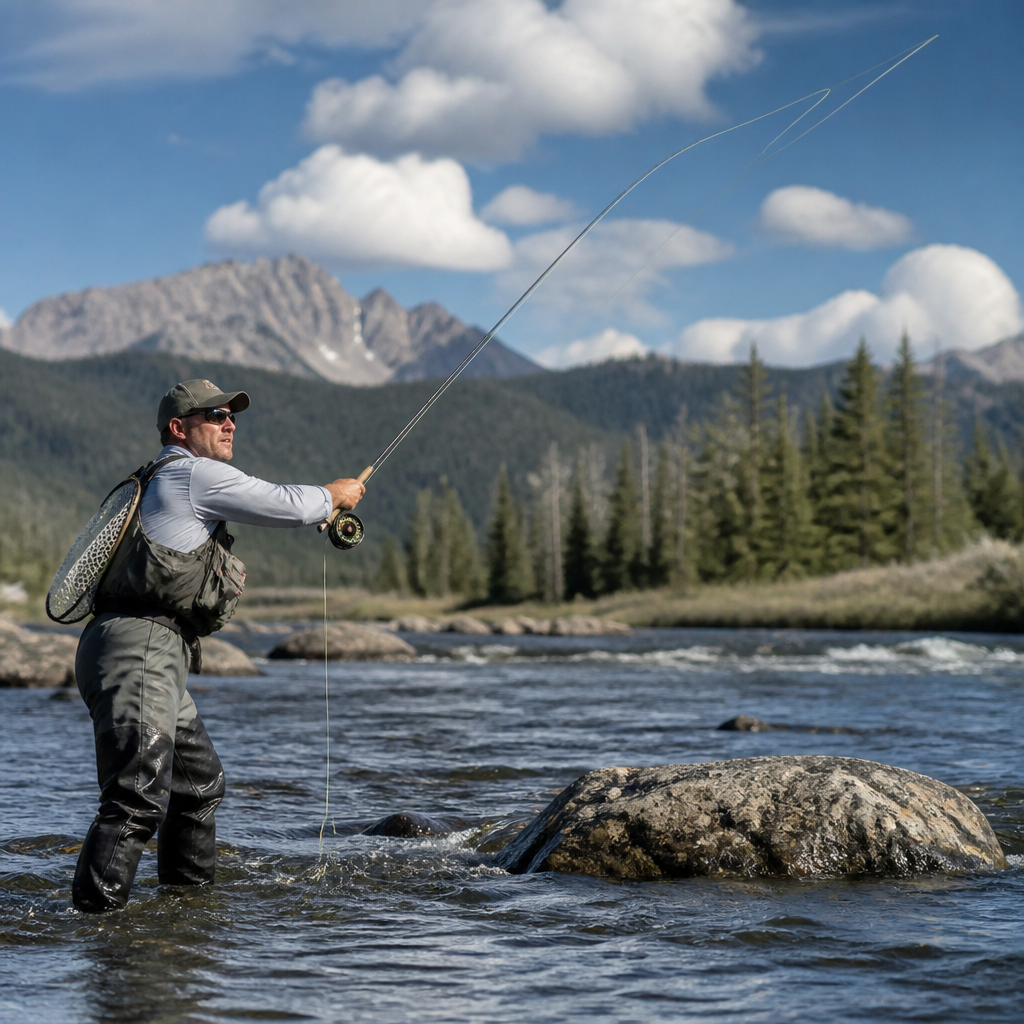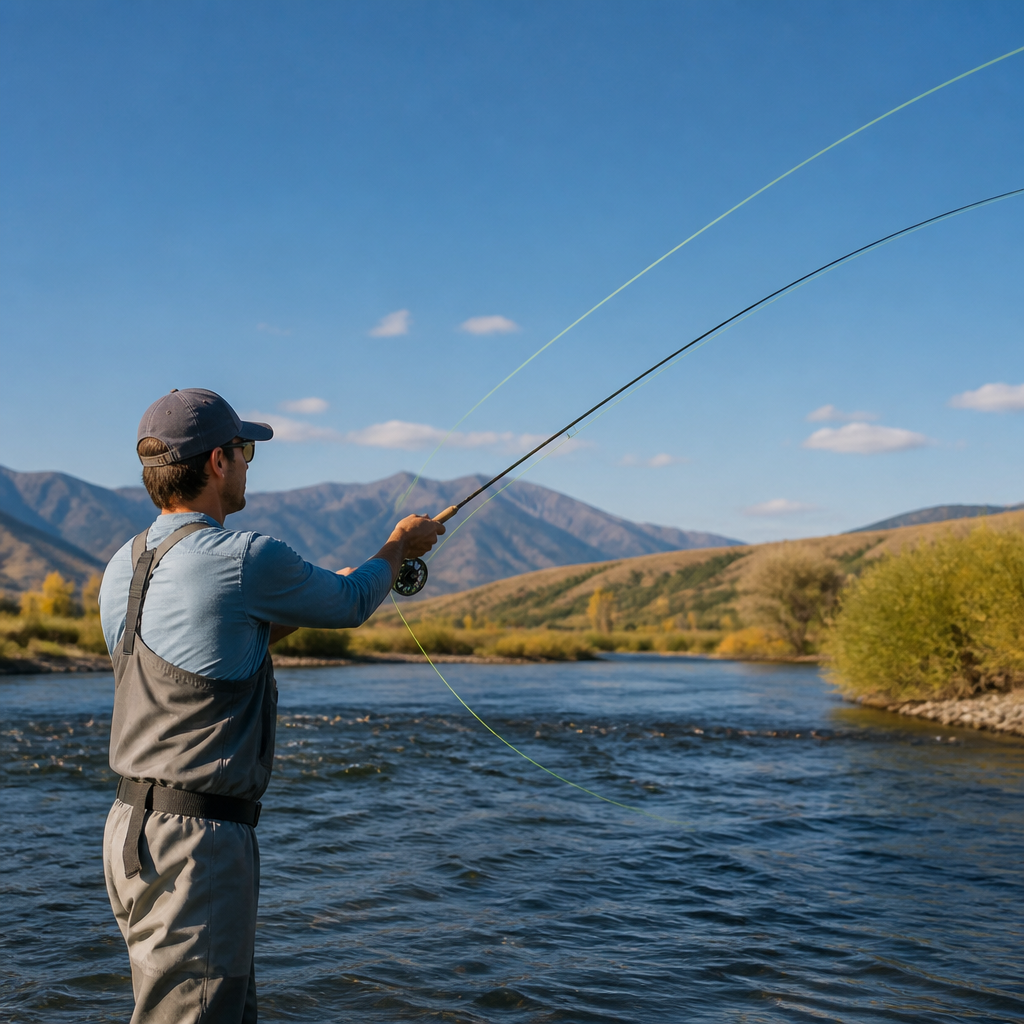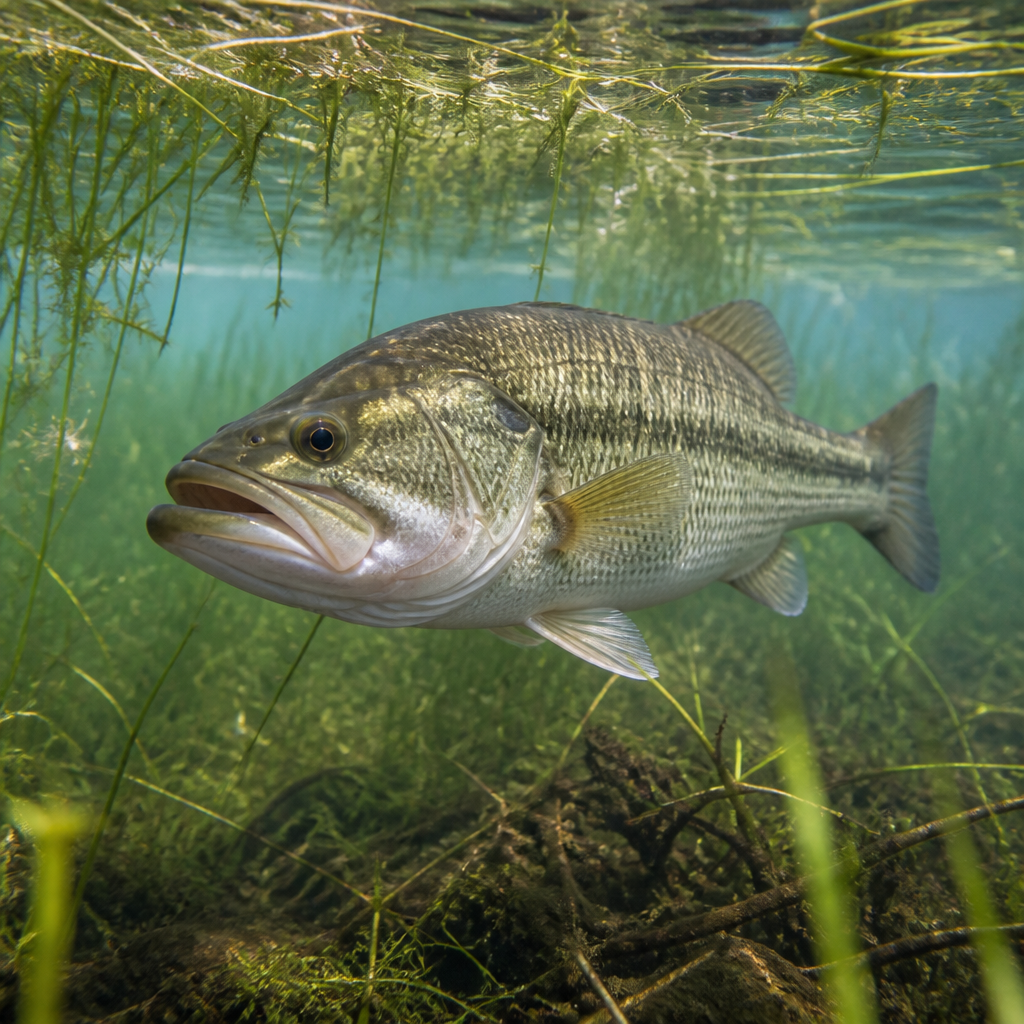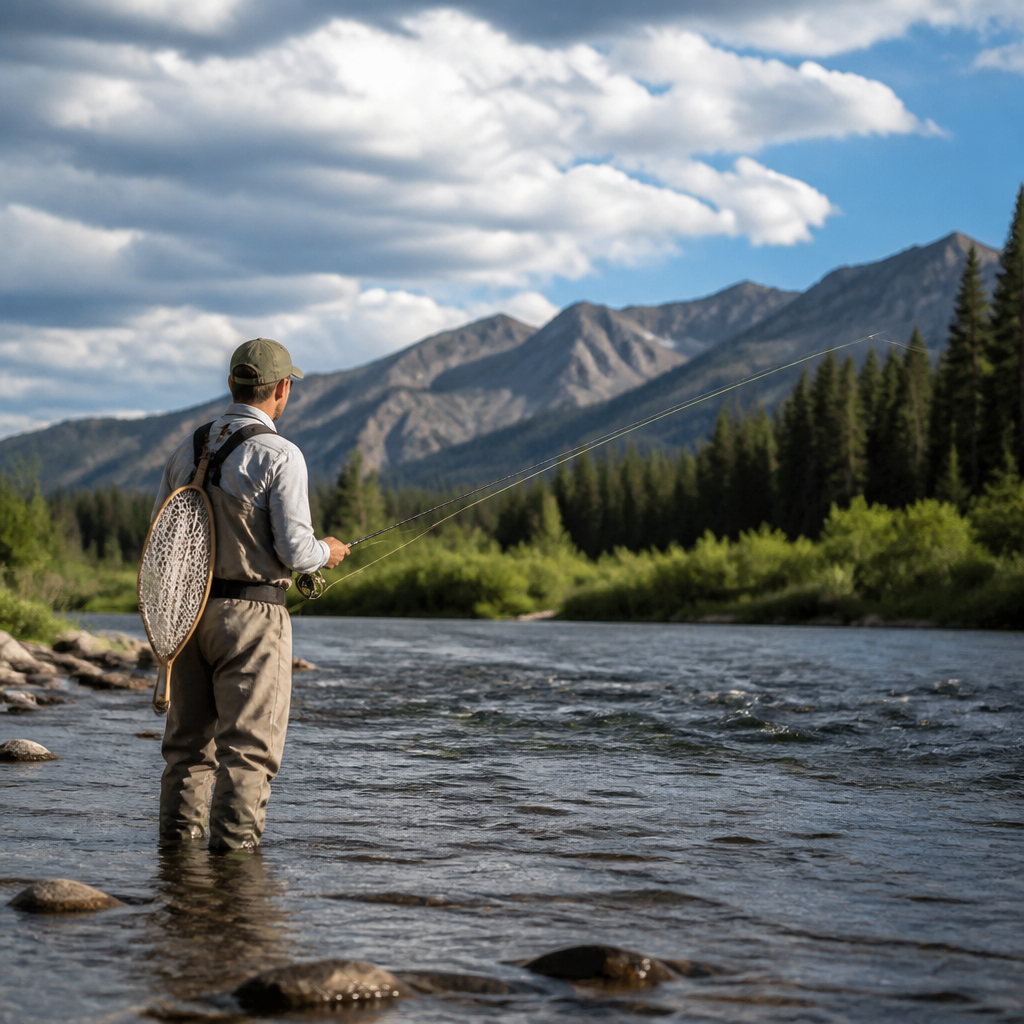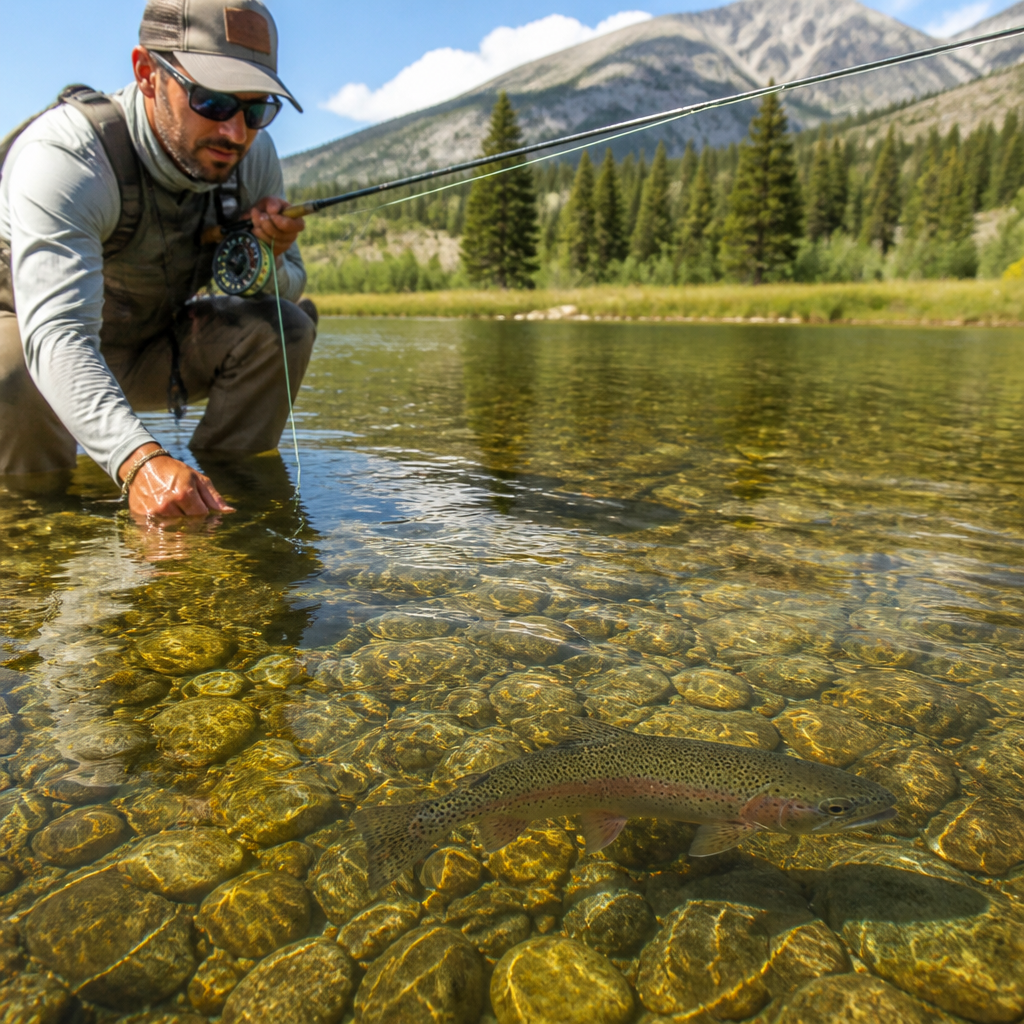
Sight fishing for trout is the most visual, deliberate, and demanding form of trout angling because you target a fish you can actually see, then make tactical decisions based on its position, posture, current lane, and feeding behavior. Unlike blind casting, where the angler searches likely water and hopes to intersect a trout, sight fishing begins with observation. You locate the fish first, interpret what it is doing, and only then choose your approach, fly or lure, casting angle, and presentation. That simple shift changes everything: success depends less on covering water quickly and more on reading fish accurately, moving carefully, and presenting naturally.
In practice, sight fishing means spotting trout in clear water and making a controlled presentation without alerting them. The method is common on spring creeks, tailwaters, clear freestone rivers in low flows, meadow streams, alpine lakes, and shallow flats below riffles. It matters because clear-water trout are often catchable only when an angler slows down enough to see details that would otherwise be missed. I have watched anglers cast repeatedly over productive water without touching a fish, then hook trout immediately once they identified individual targets, noticed feeding rhythm, and adjusted position by just a few feet. Sight fishing turns vague water reading into direct evidence.
For many anglers, the appeal is precision. You can distinguish a trout that is actively feeding from one that is resting, territorial, or stressed. You can tell whether a fish is holding near the bottom, sliding laterally to intercept nymphs, rising in a narrow window, or refusing because of drag. Those observations let you solve the problem instead of guessing. This approach also supports better fish care. When you can see trout clearly, you can avoid spawning fish on redds, recognize overcrowded warm-water refuges, and stop casting to visibly distressed fish during marginal conditions. Sight fishing is not just effective; it encourages more informed decisions on the water.
As a hub topic within trout techniques and strategies, sight fishing connects directly to water reading, stealth, fly selection, indicator nymphing, dry-fly presentation, streamer tactics, and seasonal trout behavior. Mastering it does not require superhuman eyesight. It requires a system: use light and optics well, scan water methodically, interpret body language, approach from the least threatening angle, and deliver a drift that matches the current. Once that system becomes habit, even difficult trout become more understandable. The sections below break down how to find visible trout, judge whether they are catchable, choose the right tackle and presentation, and avoid the mistakes that cause refusals or spook fish before the first cast.
How to Spot Trout Consistently in Clear Water
The first skill in sight fishing for trout is separating fish from background. Trout rarely appear as bright outlines. More often, they show as a soft shift in tone, a white mouth opening, a pectoral fin flick, a lateral slide, or a shape that looks too symmetrical to be rock. Polarized sunglasses are nonnegotiable; copper, amber, and bronze lenses usually give the best contrast on streams, while gray can help under bright overhead light. A dark hat brim matters almost as much as the glasses because it cuts top light and surface glare. I tell anglers to stop looking for a whole trout immediately and instead hunt for movement, rhythm, and contrast.
Your viewing angle determines what you can see. On most rivers, fish are easiest to spot when you look slightly upstream or across current with the sun at an oblique angle rather than directly in front of you. Elevated banks, midstream gravel bars, and kneeling positions can all improve visibility depending on glare. Move slowly and pause often. Trout detect motion faster than shape, so a hasty step can end the opportunity before you ever identify the fish. Scan near seams, bubble lines, undercut edges, tailouts, and shelves where depth changes subtly. In lakes, look along cruising lanes, weed edges, marl flats, and transitions from dark bottom to light bottom where trout silhouettes stand out.
Beginners often overfocus on obvious structure and miss open lies. Large trout, especially in heavily pressured water, may hold over featureless gravel if the current delivers food efficiently and the light gives them cover. Watch for the regular flash of a mouth, a slight side-to-side tilt, or the shadow that remains in place while debris moves past. If you lose a fish visually, do not cast at the last known location immediately. Rebuild the sight picture first by tracing current lines and finding the exact lane where the trout was stationed. Precision matters more than speed when the fish can inspect every mistake.
Reading Trout Behavior Before You Make a Cast
A visible trout is not automatically a willing trout. The most important judgment in sight fishing is whether the fish is feeding, resting, traveling, spawning, or alarmed. Feeding trout usually hold in a defined lane and make repeatable movements: head nods near the bottom for nymphs, short lateral slides for emergers, or regular rises in a consistent window. Resting trout conserve energy and show little positional movement. Traveling trout move steadily without returning to one spot. Alarmed trout often pin fins, shift depth, angle away, or dart a short distance and freeze. Once a fish shows clear stress, the odds of success drop sharply.
Body language provides clues that influence fly choice and presentation. A trout rising with only the snout breaking the surface may be taking emergers or flush-floating adults in a smooth film. A more vertical, confident rise with a visible back or tail can indicate a stronger commitment to surface food. Bottom-feeding trout often tip slightly or open and close the mouth rhythmically while holding almost stationary. In tailwaters, selective fish sometimes feed in narrow microcurrents only inches wide, which is why drifts that look good to the angler still get refused. If the fish moves two inches for naturals, your offering usually must pass in that exact corridor.
Ethics matter here. Never cast to trout actively spawning on redds, which appear as clean, light-colored depressions in suitable gravel. Also avoid repeatedly harassing fish stacked in warm-weather cold-water refuges such as spring seeps or tributary mouths. Sight fishing gives you information, and responsible anglers use it. The point is not merely to see trout; it is to understand when a cast is appropriate and when leaving the fish alone is the right choice. That judgment is part of advanced trout strategy, not separate from it.
Stealth, Positioning, and Approach Angles
Once you find a target, the approach determines whether you get a real chance. Trout perceive vibration, pressure waves, sharp silhouettes, and unnatural movement. Their field of view is constrained by refraction, but within that window they are excellent at noticing threats. In most stream situations, the safest approach is from downstream or slightly downstream and to the side, staying low and using current noise, bank vegetation, or broken surface texture as cover. On stillwaters, an indirect intercept often works better than a direct pursuit because cruising trout react badly to a moving angler or boat closing the distance.
Wading discipline is critical. Enter the water farther away than feels necessary, shuffle lightly, and avoid pushing a wake toward shallow fish. The closer and clearer the water, the more every footstep matters. I often tell anglers that the first cast to a sighted trout is the only cast that truly counts. If your line flashes overhead, your boots click against cobble, or your body skyline crosses bright water, the fish may stay visible but become effectively uncatchable. Distance should be close enough for control yet far enough to preserve concealment. On technical spring creeks that may mean twenty-five to forty feet; on larger riffled rivers, you may get much closer.
Approach angle also affects drift quality. A downstream approach helps hide the angler from the trout’s forward-facing attention, but an upstream cast can create instant drag if currents between you and the fish are complex. Sometimes the better choice is a quartering cast from the side that aligns leader, fly, and feeding lane more cleanly. This is why sight fishing is strategic rather than rigid. You are balancing visibility, geometry, current seams, and fish posture in real time.
Tackle, Flies, and Presentations That Convert Opportunities
Sight fishing rewards simple, controllable tackle. For fly anglers, a nine-foot 4- or 5-weight covers most river situations, with a 10- to 12-foot leader tapering to 5X or 6X for technical dry-fly work and shorter, stronger leaders for nymphs or streamers. Euro-nymph rods excel when fish are visible at moderate distance and currents are complex because direct contact improves strike detection, but they are not ideal for every surface-feeding scenario. Spin anglers can apply the same principles with long fluorocarbon leaders, small natural-colored jigs, trout magnets, micro spoons, or unweighted soft plastics drifted into the fish’s lane.
The right pattern is usually the one that matches size, depth, and behavior, not just species. If a trout is making regular bottom takes, begin with a nymph in the correct weight class rather than forcing a dry because rises happened elsewhere. If the fish is rising but refusing adults, try an emerger, cripple, or spent pattern. On many pressured rivers, changing from 5X to 6X and downsizing one hook size matters more than changing pattern families. The most common presentation error is putting the fly on the fish’s head. The best drift generally lands above and beyond the trout, then enters the feeding window naturally with no leader shadow or immediate drag.
| Trout behavior | Best starting presentation | What to watch for |
|---|---|---|
| Stationary bottom feeding | Single nymph or small jig at eye level | Mouth opening, slight head dip, lateral step |
| Regular gentle rises | Emerger or low-riding dry | Rise interval, exact lane, refusal under the fly |
| Aggressive chase posture | Small streamer stripped across angle of view | Follow speed, turn-away point, spook response |
| Cruising lake fish | Intercept cast with static or slow-twist retrieve | Path consistency, speed change, body tilt |
Hook-set timing changes when you can see the fish. Many anglers strike too fast on visible takes because the visual cue is exciting. With subsurface presentations, set when the fish closes, turns, or you lose sight of the fly at the mouth, not merely when it flares nearby. With dries, wait for the take to complete and the head to turn down. Delayed but decisive beats frantic. Good sight anglers are calm because they expect the eat before it happens.
Common Mistakes, Seasonal Adjustments, and How to Practice
The biggest mistakes in sight fishing for trout are moving too fast, casting too soon, standing too high, and changing flies before diagnosing the refusal. A trout that ignores your fly may have seen drag, leader flash, poor depth, or the wrong angle of entry rather than the wrong imitation. Another common error is fixation on one visible fish while easier, less obvious trout nearby are feeding more openly. Efficiency matters, especially on rivers where sunlight, wind, or dam releases can change visibility quickly. If a fish has refused three excellent drifts, rest it and move on.
Seasonal conditions shape every decision. In spring, flows can be variable and fish often hold softer edges near spawning tributaries or warming flats, but clarity may fluctuate with runoff. Summer brings the best visual opportunities on many western rivers during low clear flows, along with stronger terrestrial patterns such as ants, beetles, and hoppers. It also brings higher water temperatures, so monitor conditions and stop when temperatures approach stressful levels, commonly around 68 degrees Fahrenheit for many trout fisheries. In fall, brown trout become more aggressive but also more sensitive around spawning areas. Winter sight fishing can be excellent on tailwaters and spring creeks because low-angle light and slower fish make feeding lanes easier to interpret.
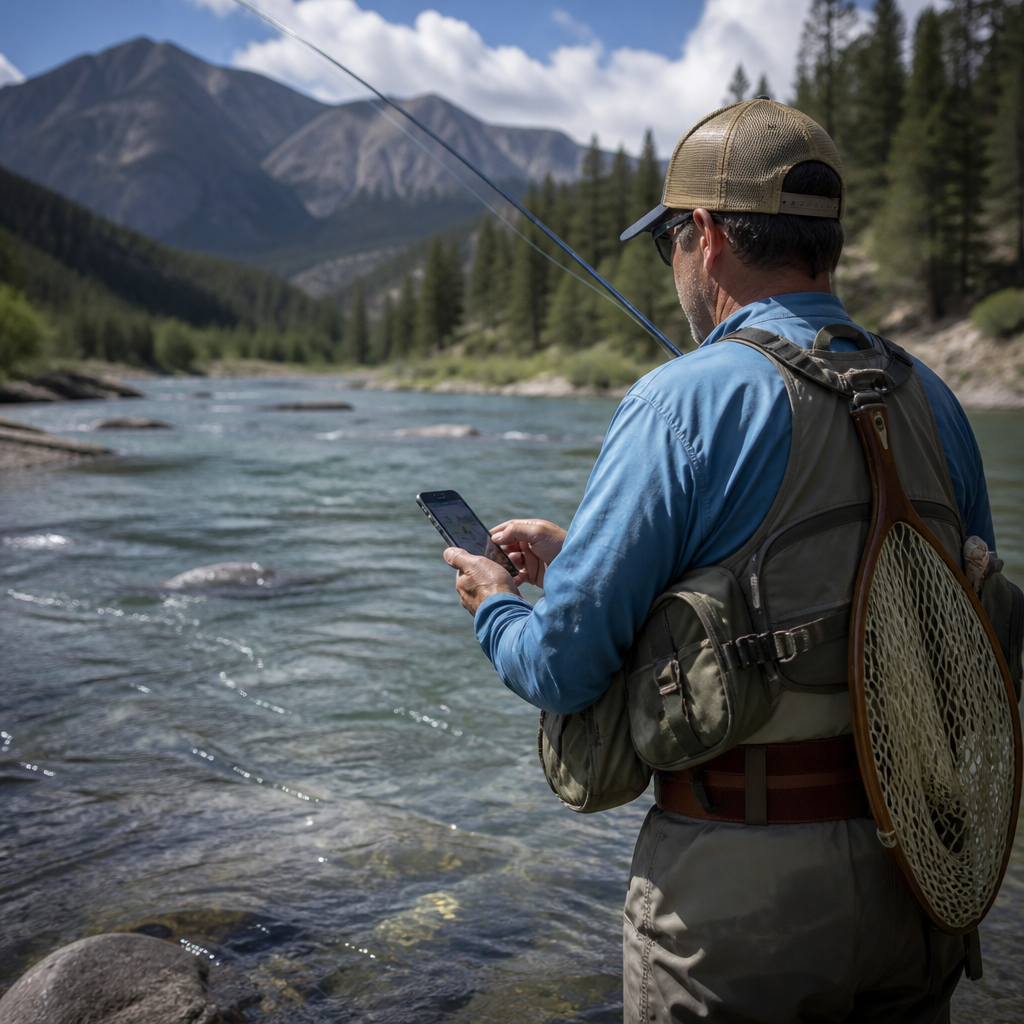
Practice should be deliberate. Spend sessions scouting without casting for the first twenty minutes. Learn to estimate trout length, depth, and lane before ever presenting a fly. Use your phone only after the encounter to note light angle, lens color, water type, and what the fish did. Over time, patterns emerge. You will notice, for example, that fish in soft inside seams accept slightly heavier flies, or that sunny afternoons make bank shade disproportionately important. Those observations build a repeatable system. Sight fishing for trout is difficult, but it is learnable, and it sharpens every other trout tactic you use. Slow down on your next clear-water outing, find one fish before you cast, and let observation lead the entire approach.
Frequently Asked Questions
What makes sight fishing for trout different from blind casting?
Sight fishing for trout is different because the entire process starts with seeing the fish and reading its behavior before you ever make a cast. In blind casting, anglers cover likely holding water and present flies or lures based on probability, hoping a trout is there and willing to eat. In sight fishing, the trout becomes the starting point. You study where it is sitting in the current, whether it is holding steady, shifting side to side, rising in a rhythm, or sliding out of its lane to feed. That information tells you far more than the water alone ever could.
This makes sight fishing more tactical and more demanding. Instead of simply choosing a productive seam or pocket, you must evaluate angle, distance, drift path, and the fish’s level of alertness. A trout that is relaxed and feeding steadily may tolerate a careful presentation, while a fish in skinny water or bright light may spook from one careless step, a flash of fly line, or even your silhouette on the bank. Because of that, sight fishing rewards patience, stealth, and observation as much as casting skill.
It is also one of the most visual and satisfying forms of trout angling. You get immediate feedback. You can often see whether the fish noticed your fly, ignored it, inspected it, or moved to eat it. That real-time information helps you adjust fly size, depth, drift, and approach much faster than you could when fishing blind. In short, blind casting is about searching likely water efficiently, while sight fishing is about making deliberate decisions based on a specific trout’s position, posture, and feeding behavior.
How do you spot trout effectively without spooking them?
Spotting trout consistently begins with slowing down and training your eyes to look for signs of life rather than the entire fish at once. Many anglers expect trout to appear as a clean fish-shaped outline, but in reality you often notice subtler clues first: a white mouth opening, a flicking tail, a dark torpedo shape that does not match the streambed, or a slight side-to-side movement in a feeding lane. Polarized sunglasses are essential because they cut surface glare and help you see through the water column more clearly. Good lens color can help too, with copper, amber, and bronze tones often working well in rivers and varied light conditions.
Your approach matters just as much as your eyesight. Move slowly, stay low, and avoid sudden movements. Trout are extremely sensitive to motion, vibration, and changes in light. If you walk upright along an exposed bank, slap your boots on rocks, or cast a shadow over the fish, you may never know the trout was there because it will slip away before you detect it. It is usually best to scan from farther away first, then close distance only after you have a likely target or lane identified. Kneeling, crouching, or using streamside cover can make a major difference, especially in clear, shallow water.
It also helps to read likely holding water before trying to spot fish in it. Trout commonly hold in current seams, soft edges beside faster water, the heads and tails of pools, undercut banks, and gravelly flats where food drifts naturally. Once you know where a trout should be, your eyes become more efficient. Instead of searching the entire river, you focus on places where a feeding fish can hold with minimal effort and maximum access to drifting food. Often the best sight anglers are not those with perfect vision, but those who combine water reading, patience, and stealth so well that spotting fish becomes a repeatable system rather than a matter of luck.
What is the best way to approach a trout once you have located it?
The best approach is usually the least intrusive one. After locating a trout, resist the urge to cast immediately. First, watch the fish long enough to understand what it is doing. Is it actively feeding? Is it locked into one lane? Does it rise every few seconds, tilt down to eat subsurface, or move only occasionally? These details will determine where you need to stand and how you need to present the fly or lure. A rushed cast made before you understand the fish often ends the opportunity.
In most situations, approaching from downstream or quartering downstream is safest because trout generally face into the current, looking upstream for food. That orientation gives you a better chance of staying out of the fish’s direct line of sight while also setting up a natural drift. Keep your profile low, use available cover, and make sure your shadow does not cross the water. In calm pools and flat glides, even small mistakes are magnified, so distance and stealth become even more important. In broken pocket water, you may be able to get much closer because surface disturbance hides your movement.
Position yourself so your first cast has the highest chance of success. With sight fishing, the first quality presentation is often the best one you will get. Repeated false casts over the fish, lining it with fly line, or changing position noisily can put it on alert. Ideally, you want a casting angle that allows the fly or lure to arrive before the leader or line does, drifting naturally into the trout’s feeding window. If that angle is not available, it is often better to reposition patiently than to force a bad cast. Good sight anglers think like hunters: they stalk carefully, choose one high-percentage shot, and execute with purpose.
Which flies or lures work best for sight fishing for trout?
The best flies or lures are the ones that match both the trout’s feeding behavior and the water conditions you are facing. Because you can actually observe the fish, sight fishing gives you the advantage of selecting presentations based on evidence rather than guesswork. If a trout is rising rhythmically and confidently, dry flies that match the size, silhouette, and drift of the natural insects are usually the right choice. If the fish is holding near the bottom and making subtle head movements, nymphs or small subsurface offerings are often more effective. In lakes or slower pools, where trout may cruise and inspect food more carefully, small streamers, nymphs, or natural-looking lures can be excellent options.
Size and drift are often more important than exact pattern. Many refusals happen not because the fly is wildly wrong, but because it is too large, too flashy, too fast, or drifting unnaturally. When a trout sees your offering and rejects it, simplify before you overcomplicate. Try going smaller, reducing flash, improving your tippet choice, or adjusting weight so the presentation moves at the same speed as the current lane the trout is using. If the fish notices but will not commit, that usually means it is interested enough for small refinements to matter.
For spin anglers, compact and subtle lures generally outperform oversized or aggressive ones in clear-water sight fishing situations. Small spinners, spoons, and soft plastics can work well, but presentation remains critical. Cast beyond the fish whenever possible, retrieve through its lane naturally, and avoid dropping the lure directly on top of it. For fly anglers, trusted starting points often include small mayfly or caddis dries, pheasant tail or hare’s ear style nymphs, midge patterns, and lightly weighted attractors when visibility or current complexity calls for more visibility. Ultimately, the “best” choice is the one the trout can see naturally, inspect comfortably, and eat without sensing danger.
What are the most common mistakes anglers make when sight fishing for trout?
The most common mistake is rushing. Anglers spot a trout, get excited, and cast before they have read the fish, the current, or the feeding window. That usually leads to poor drift, bad angle, or a cast that lands too close and spooks the fish. Sight fishing rewards the angler who pauses and gathers information first. Watching for an extra thirty seconds can reveal whether the trout is actively feeding, what depth it prefers, and exactly where your fly or lure needs to pass.
Another frequent mistake is poor stealth. Trout in clear water are highly alert, and they notice movement, vibration, unnatural shadows, and overhead line quickly. Walking too fast, standing high on the bank, false casting repeatedly over the fish, or wearing bright gear in open terrain can all put the trout on edge. Even if the fish does not bolt immediately, it may stop feeding or begin inspecting offerings much more critically. Many refusals that anglers blame on fly selection are actually caused by a fish that already sensed danger during the approach.
A third major mistake is focusing too much on the fish and not enough on the drift path. It is easy to become so locked onto the trout that you forget to account for conflicting currents, line drag, or how the offering will enter the feeding lane. A perfect fly presented badly rarely works. Likewise, anglers often make too many casts to a fish that has already been educated. If a good trout has seen several unnatural drifts, it is usually smarter to rest it, change angle or setup, and try again later rather than insist on the same presentation. The best sight fishermen are adaptable, disciplined, and willing to reset when conditions or fish behavior tell them their current plan is not working.