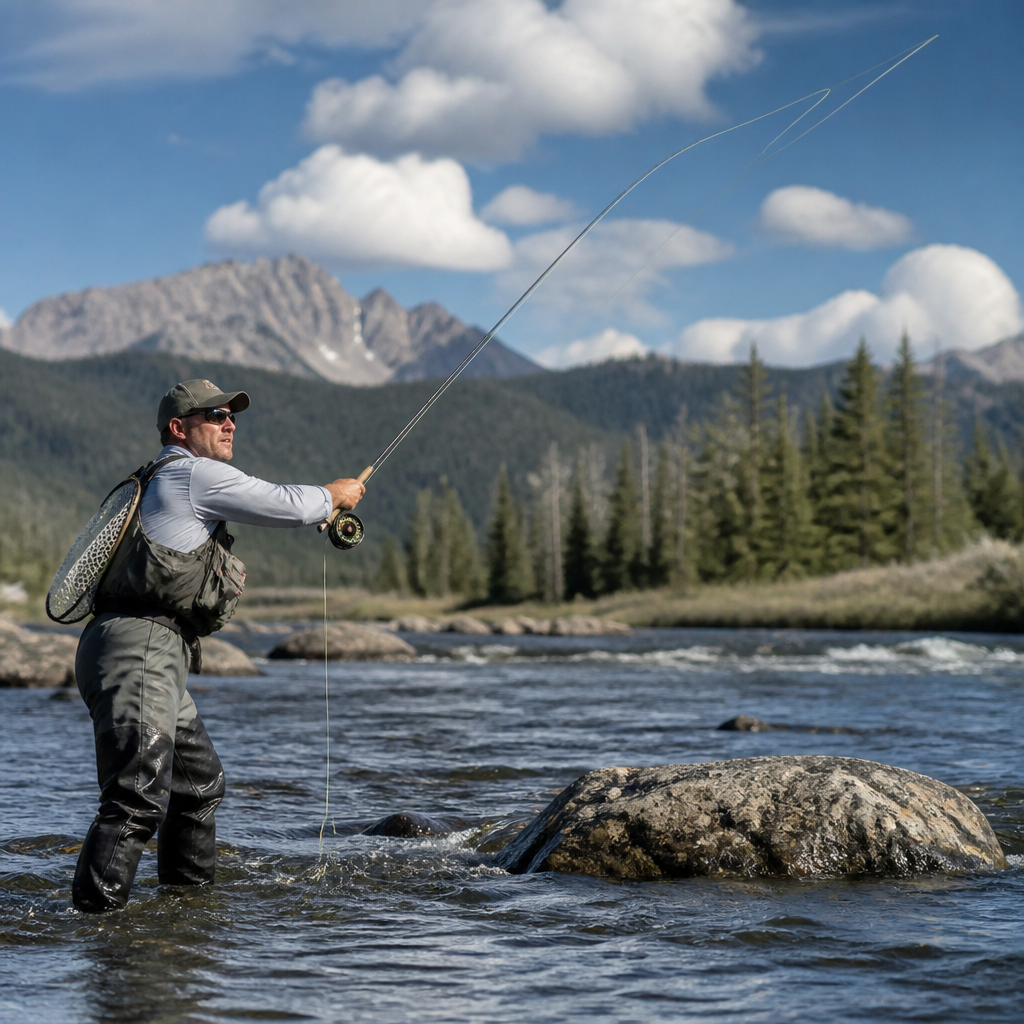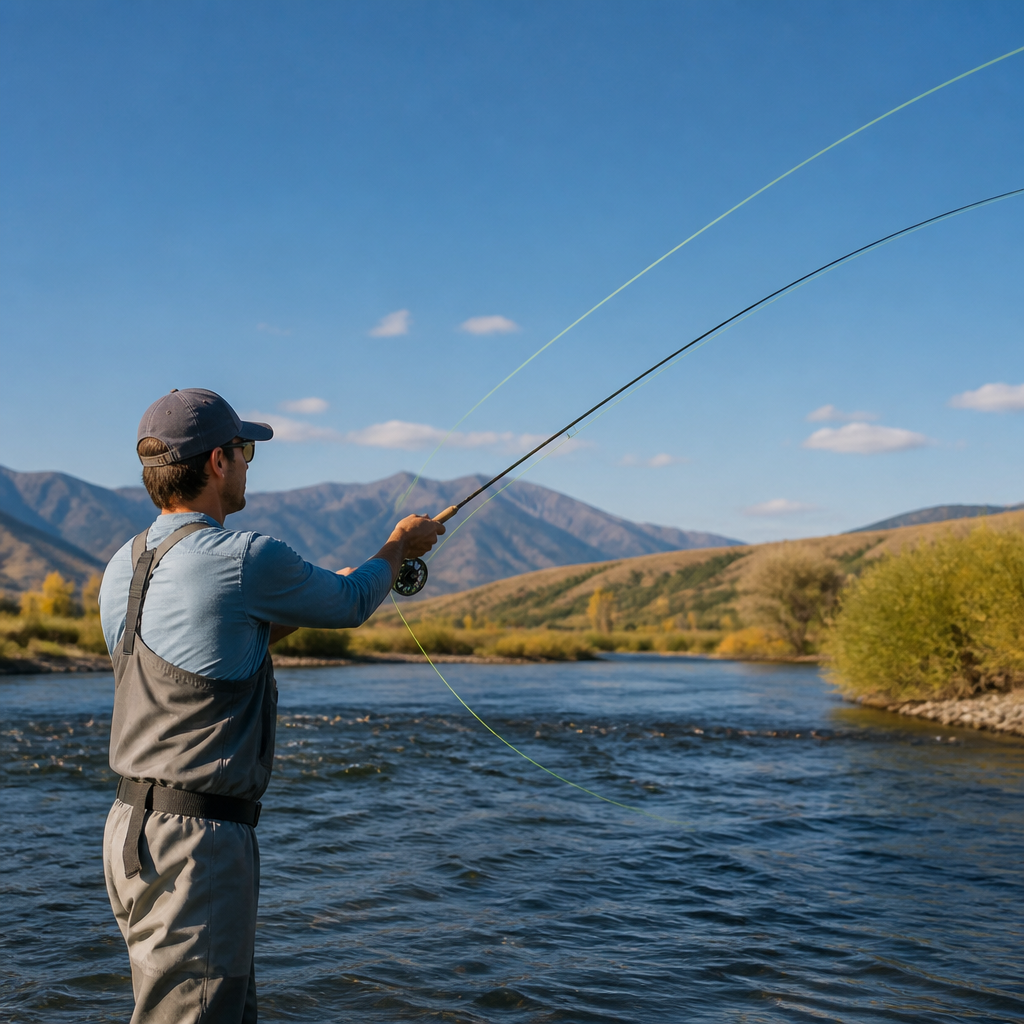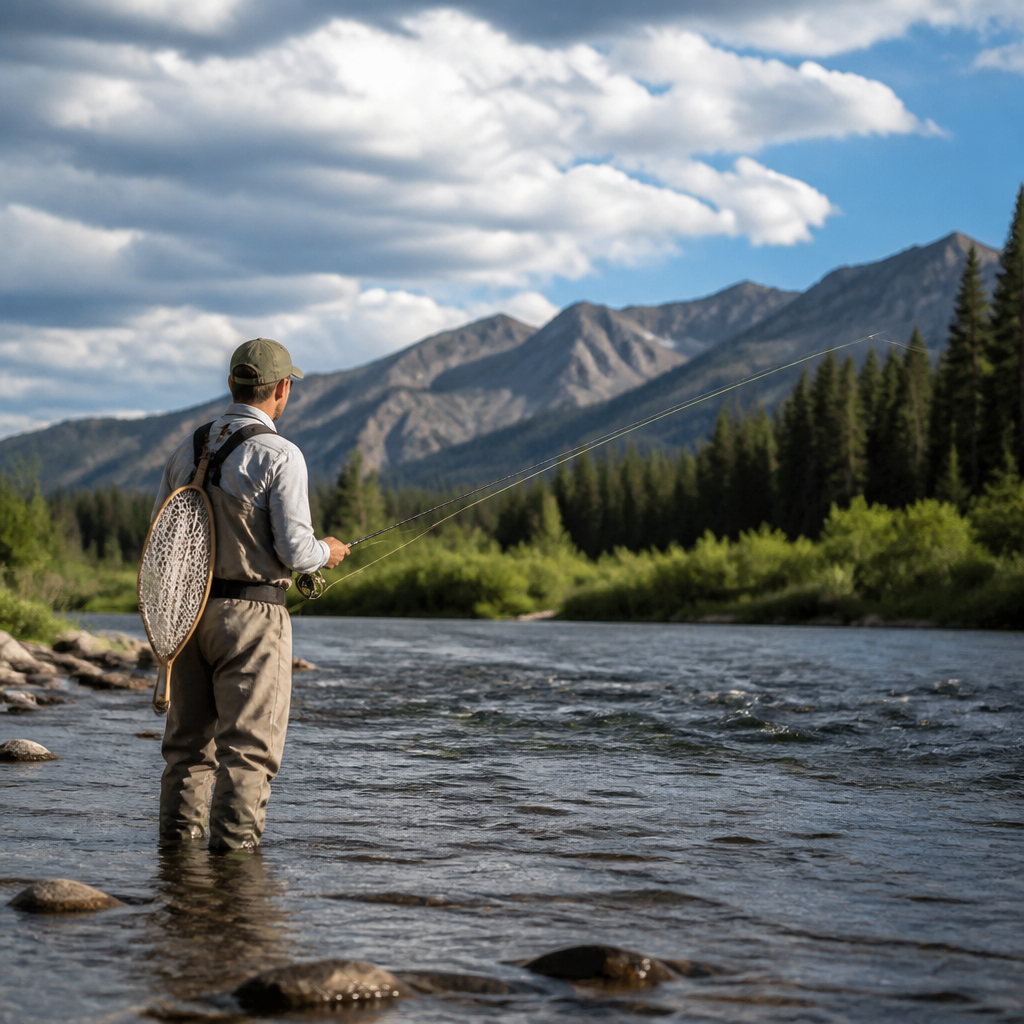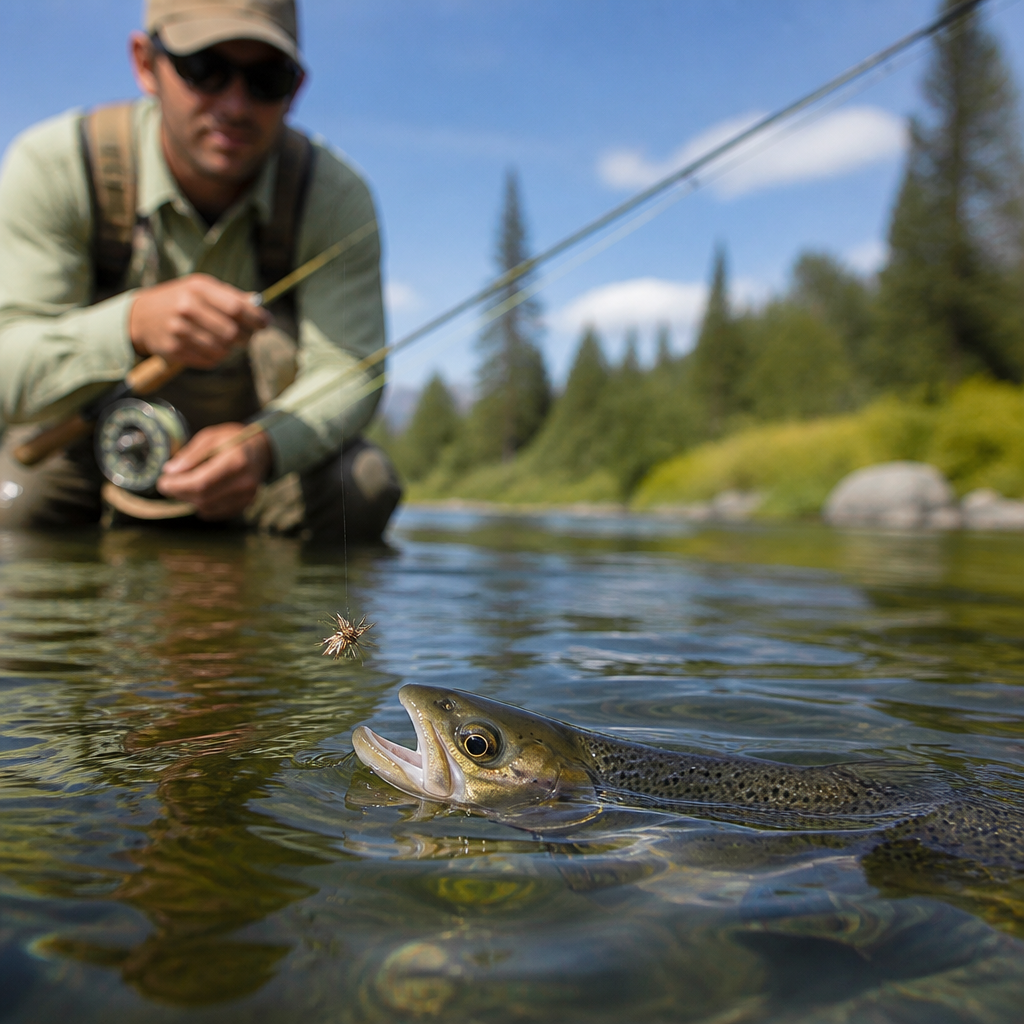
Dry fly fishing with terrestrial patterns sits at the intersection of imitation, observation, and presentation. In simple terms, dry fly fishing means presenting an artificial fly that floats on the surface and is taken by trout, bass, panfish, or other fish as a natural food item drifting or struggling in the film. Terrestrial patterns are surface flies that imitate land-based insects and invertebrates such as grasshoppers, ants, beetles, crickets, and inchworms that fall or are blown into the water. When anglers combine the discipline of dry fly fishing with the opportunistic feeding windows created by terrestrials, they get one of the most visual and reliable warm-season tactics in freshwater fly fishing.
This topic matters because terrestrial fishing solves a problem many anglers face after the glamour of spring mayfly hatches fades. I have seen plenty of rivers go quiet on classic dun patterns by midsummer, only to come alive when a size 12 hopper lands tight to a cut bank or a foam beetle drifts beneath overhanging alders. Fish do not stop feeding on the surface when aquatic hatches become sparse. Instead, they broaden their menu. Streams bordered by pasture, meadow, brush, cornfields, and low trees become conveyor belts for protein-rich land insects. On many freestone rivers, that seasonal shift makes terrestrial dry flies the backbone of daytime surface fishing from late June into early fall.
As a hub within dry fly fishing, terrestrial patterns deserve broad treatment because they connect gear choices, reading water, fly design, seasonal timing, and presentation strategy. They also bridge beginner and advanced tactics. A newcomer can catch fish by simply drifting a foam ant along grassy banks. An experienced angler can refine that same approach by matching wind direction, water speed, leader length, drag profile, and fish position to raise selective trout from difficult lies. Understanding terrestrials improves more than one niche method; it expands a complete dry fly fishing skill set.
Key terms are worth defining up front. A hopper pattern imitates grasshoppers and often uses foam, deer hair, rubber legs, and visible posts. Ant patterns imitate flying ants or black and cinnamon worker ants, usually with segmented bodies and a distinct waist. Beetle patterns suggest hard-backed bugs that commonly drop from streamside vegetation. An attractor dry is not a precise imitation but borrows shape, color, or movement cues that trigger takes. A dead drift means the fly travels naturally at the current speed without drag. Skating and twitching are intentional movements sometimes useful with terrestrials, especially in pocket water or when imitating a struggling insect.
Why Terrestrial Patterns Work So Consistently
Terrestrials work because they are abundant, calorie dense, and vulnerable. Unlike many aquatic insects that emerge in concentrated hatch windows, land insects enter the water over long periods through wind, rain, mowing, grazing disturbance, and simple clumsiness. Fish learn that streamside structure is a food source. On undercut banks, beneath willows, along grassy edges, and beside boulders near shore, a single hopper can be worth several drifting midges in terms of calories. Trout are energy economists. If they can hold in moderate current and intercept large food with little effort, they often do.
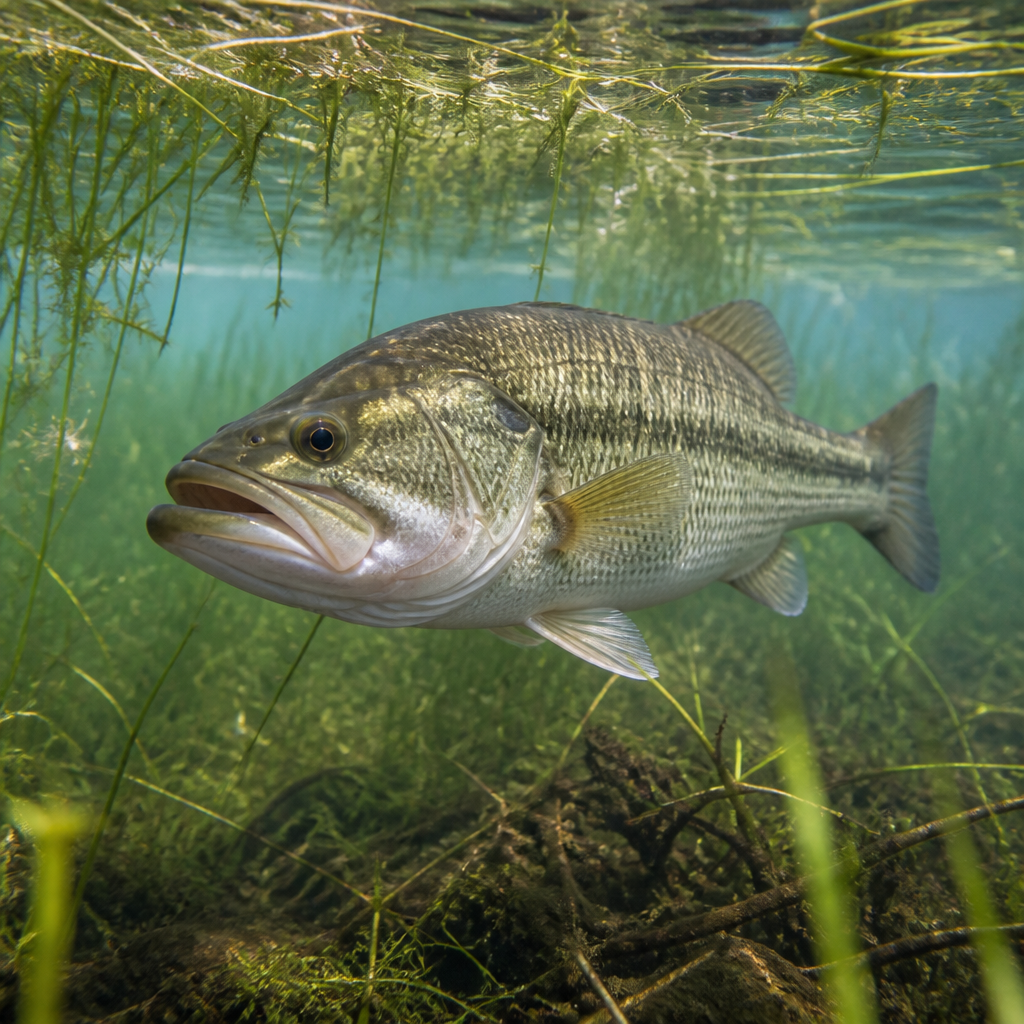
Seasonality strengthens the pattern. Mid to late summer usually brings lower, clearer water and fewer heavy daytime hatches on many trout streams. Terrestrials fill that gap. In the Rockies, hopper fishing can peak from July through September depending on elevation and frost timing. In the East and Midwest, ants and beetles can be excellent from late spring through early fall, especially after thunderstorms and on humid afternoons. Warmwater species such as smallmouth bass and bluegill also feed confidently on surface terrestrials around bankside weeds, laydowns, and shaded edges.
Terrestrial patterns also provoke fish that are not strictly keyed on one species. A trout may ignore a poor mayfly imitation during a technical hatch, but the same fish often rises impulsively to a beetle that lands with authority beside a log. That is not randomness. Real terrestrials often hit the water hard, kick, spin, and drift awkwardly. Fish expect imperfection. This gives anglers more presentation latitude than they usually get with tiny mayflies, while still demanding accuracy and drift control.
Best Water Types and Fish Positioning
The best terrestrial water is usually close to the bank. Look first for grass lines, overhanging shrubs, undercut sod banks, pasture edges, logjams, low limbs, and foam seams that collect surface food. In smaller streams, the prime lane may be only inches from dry land. In larger rivers, side channels, islands, and long cut banks often concentrate terrestrial falls. On breezy days, the windward bank can be dramatically better because it receives the highest number of blown insects.
Fish position according to cover, current relief, and feeding angle. Trout holding under a bank look upward and outward, waiting for food to enter a narrow feeding cone. If your fly lands a foot too far from the edge, the fish may never move. In pocket water, fish commonly station beside rocks where drifting hoppers pause momentarily in soft seams. In meadow streams, brown trout often slide from undercuts into slick edge lanes to inspect beetles and ants. Smallmouth bass favor broken banks, root wads, and shade lines where a popping or skittered terrestrial appears trapped.
Reading water for terrestrials is less about midriver hatch lanes and more about edge ecology. Ask what can fall in here, where will it land, and where can a fish eat it cheaply. That framing consistently leads to higher percentage targets than blind casting to the center of a run.
Essential Dry Fly Gear for Terrestrial Fishing
A versatile setup for dry fly fishing with terrestrial patterns is a 4- to 6-weight rod between 8 feet 6 inches and 9 feet. On most trout rivers, a fast or medium-fast action helps punch accurate casts under branches and turn over foam flies in afternoon wind. I often reach for a 9-foot 5-weight because it handles size 8 hoppers, size 16 ants, and two-fly dry-dropper rigs without sacrificing touch. For smaller brushy creeks, a shorter 4-weight can be more precise at close range.
Weight-forward floating lines are standard. Leaders usually run 9 feet, but they should be adjusted to fly size, wind, and water clarity. A stout 3X or 4X leader is ideal for hoppers and larger beetles because it turns over wind-resistant flies and helps steer fish from bankside cover. For tiny ants in flat water, 5X may produce better drifts. Modern tippet materials matter. Nylon floats better than fluorocarbon and remains the better choice for pure dry fly presentations, especially when you want the terminal section to stay on the film rather than sink and drag the fly.
Floatant, desiccant powder, and amadou patches are practical tools, not accessories. Foam flies are naturally buoyant, but hackled ants, CDC beetles, and parachute terrestrials all fish better when maintained properly. Polarized glasses are equally critical. They reveal bank undercuts, crosscurrents, and following fish that would otherwise stay invisible.
Core Terrestrial Patterns and When to Fish Them
No fly box needs hundreds of options, but it does need range. Grasshopper patterns dominate open meadows, pasture streams, and western rivers with tall summer bankside grass. Ants excel almost everywhere because real ants are ubiquitous and frequently end up in the water, especially during flights. Beetles are indispensable on small wooded streams where fish feed beneath overhanging trees. Crickets and inchworms become specialty patterns in certain regions, often shining when matching local bankside vegetation.
| Pattern | Typical Sizes | Best Conditions | Key Presentation Note |
|---|---|---|---|
| Grasshopper | 8-14 | Breezy afternoons, meadow banks, late summer | Land close to shore with a short dead drift, then slight twitch |
| Foam Beetle | 12-18 | Wooded streams, calm banks, clear water | Prioritize drag-free drifts under limbs and along shade lines |
| Flying Ant | 14-20 | Humid days, after storms, ant fall events | Fish flush in the film; refusals often mean downsize immediately |
| Cinnamon or Black Ant | 14-18 | Summer afternoons on most rivers | Use as a searching dry in seams and near grassy edges |
| Cricket | 10-14 | Undercut banks, brushy margins, low light | Allow a subtle plop on entry; real crickets rarely land delicately |
Guide-proven patterns include the Chubby Chernobyl, Morrish Hopper, Dave’s Hopper, Parachute Ant, Fur Ant, Hi-Vis Beetle, and simple foam beetles with peacock herl underbodies. Exact imitation is less important than silhouette, flotation, and visibility, but proportions still matter. Trout recognize the pinched waist of an ant and the broad profile of a hopper.
Presentation: Drift, Twitch, and Placement
Presentation determines whether a terrestrial pattern looks edible or fake. The first rule is accurate placement. Put the fly where a real insect would land: inches from grass, tight to root edges, beneath limbs, beside rocks, and on inside seams carrying surface debris. A mediocre cast in the right lane usually outfishes a perfect cast in open water. The second rule is controlling drag. Even bulky foam flies need a natural drift in slow or moderate currents. Reach casts, aerial mends, and stack mends buy critical slack.
After the initial dead drift, subtle movement can help. Hoppers often kick. Beetles sometimes struggle. Crickets can skate a few inches before becoming trapped. I prefer a sequence of cast, dead drift, pause, then a tiny twitch if the current slows near cover. That change often triggers fish that tracked the fly but hesitated. However, deliberate movement is situational. In slick water with selective trout, extra action can ruin the presentation.
Hook sets should be calm and lateral. Because surface eats are visual, anglers strike too quickly. Wait until the fish closes its mouth or the fly disappears and you feel weight. Sweep toward the bank or downstream to keep the fish pinned and reduce slack.
Seasonal Strategy and Dry-Dropper Adjustments
Terrestrial fishing improves when tied to weather and seasonal rhythm. Warm, breezy afternoons are classic hopper windows because wind dislodges insects and pushes them onto the water. Overcast, humid conditions can produce excellent ant activity. After rain, beetles and worms may wash from vegetation. During cold mornings, fish may ignore big dries until the day warms, then move shallow by midday. In late summer, the best hours are often from noon through evening rather than dawn.
A dry-dropper rig expands coverage when fish inspect a terrestrial but refuse at the last moment. Suspending a small beadhead nymph or emerger beneath a buoyant hopper lets you fish two zones without giving up the dry fly signal. This is especially effective in riffle corners, pocket water, and bankside troughs where trout may rise short or feed just below the surface. Keep the dropper modest, usually 12 to 24 inches, so the dry still behaves naturally. If pure dry fly fishing is the goal, start with the dry alone, then add the dropper only after repeated look-and-refuse behavior or when water depth demands it.
Common Mistakes and How to Fix Them
The most common mistake is fishing too far from shore. Terrestrials are edge food, and many anglers leave the strike zone by a foot or more. Second is using tippet that is too fine for the fly. Large foam patterns twist weak leaders, land poorly, and drag faster when they fail to turn over. Third is false casting over target water. Bank fish spook from line shadow and repeated motion. Make one or two setup casts away from the target, then deliver.
Another frequent issue is refusing to change size. When fish inspect but decline, the problem is often scale, not color. Dropping from a size 10 hopper to a 12, or from a 14 beetle to a 16, can solve the puzzle immediately. Finally, anglers neglect fly maintenance. A drowned ant or slimed beetle stops looking alive. Dry, powder, and dress the fly before the drift quality deteriorates.
Dry fly fishing with terrestrial patterns rewards anglers who think like both a naturalist and a caster. The central lesson is straightforward: fish the banks, match the seasonal land insects, and make the fly behave credibly. Hoppers, ants, beetles, and crickets are not backup options for hatchless days. On many rivers they are the primary summer surface game, and they routinely move larger fish because they offer substantial calories with little effort.
As a hub for dry fly fishing, this approach connects every major surface skill. It teaches accurate casting, drag control, leader selection, water reading, fly choice, and fish behavior in a way that is visible and measurable on each drift. It also scales well. Beginners can start with a buoyant foam beetle and target obvious bankside lanes. Experienced anglers can refine micro-drag, improve close-range slack placement, and rotate among ants, hoppers, and attractor terrestrials based on weather and river type.
If you want to improve your dry fly fishing, build your next outing around terrestrial water rather than waiting for a headline hatch. Carry a small but deliberate box, watch the wind, and fish every grassy edge and overhanging branch with purpose. Then explore the related dry fly techniques in this subtopic, from drag-free drift fundamentals to reading rise forms, so each surface eat becomes easier to predict and repeat.
Frequently Asked Questions
What are terrestrial patterns in dry fly fishing, and why are they so effective?
Terrestrial patterns are dry flies designed to imitate land-based insects and small invertebrates that accidentally end up on the water. Common examples include grasshoppers, ants, beetles, crickets, and inchworms. Unlike aquatic insects such as mayflies, caddisflies, and stoneflies, terrestrials do not hatch from the stream itself. Instead, they fall, jump, or get blown in from grassy banks, overhanging trees, brush, meadows, and crop edges. That makes them an especially important food source from late spring through early fall, when streamside vegetation is active and fish have learned to patrol the surface for easy, high-calorie meals.
They are effective because they represent opportunity food. Fish do not need a major hatch to key in on terrestrials. A single ant, beetle, or hopper drifting naturally can draw confident strikes because it looks vulnerable and worth eating. In many rivers, creeks, ponds, and lakes, larger trout and warmwater species become conditioned to expect these accidental surface morsels along banks and under cover. Terrestrial patterns also tend to be visible, buoyant, and forgiving to fish, which makes them useful not only for matching what fish are eating but also for prospecting new water. When no obvious hatch is happening, a well-presented terrestrial can still trigger aggressive takes simply because it matches a food source fish already trust.
When is the best time to fish terrestrial dry flies?
The best time to fish terrestrial patterns is usually from late spring into early fall, with peak effectiveness often occurring in midsummer through early autumn. This is when grasses are tall, ant flights are common, beetles are active, and hoppers and crickets are abundant along stream banks. Warm, breezy afternoons can be especially productive because wind knocks insects from vegetation and pushes them onto the water. That said, terrestrials can produce far beyond the stereotypical “hopper season.” Ants and beetles, in particular, can be excellent whenever streamside cover is active, even on days when fish seem reluctant to rise to more traditional dry flies.
Time of day matters, but less rigidly than with hatch-specific fishing. Midday can be surprisingly strong for terrestrials, especially on sunny summer days when grasshoppers are active and fish are holding tight to cut banks, shaded undercuts, and seams near vegetation. Early morning and evening can also be excellent around overhanging trees, meadow creeks, and ponds where beetles, ants, and inchworms are likely to fall in. Weather can elevate the bite dramatically. Wind, light rain, and overcast conditions often increase the number of terrestrials landing on the water. After a gusty stretch or during an ant fall, surface action can become immediate and sustained, even when no aquatic hatch is visible.
Where should you present terrestrial dry flies for the best results?
Terrestrial dry flies are most productive when fished close to the banks and near any structure that naturally drops insects into the water. Focus on undercut banks, grassy edges, overhanging limbs, logjams, root wads, brush lines, weed beds, and seams that run tight to cover. In streams and rivers, fish often hold just inches from shore waiting for hoppers, beetles, or ants to drift by. That means accurate casting matters. A drift two feet off the bank may be ignored, while a drift six inches from the grass can draw an immediate rise. Pocket water, foam lines, slow seams, and current edges are also prime because they collect surface food and give fish a predictable feeding lane.
In stillwaters, the same principle applies, but the targets shift slightly. Look for reed edges, docks, overhanging trees, brushy shorelines, weed pockets, and windblown banks where surface insects accumulate. Bass and panfish are especially willing to take terrestrials around cover, while trout in lakes and ponds often cruise shorelines looking up. On smaller creeks, inchworms and ants can be deadly under tree canopies, while larger freestone rivers may favor hopper and beetle presentations against grassy cut banks. The key is to think like the insect: where would something from land most likely fall into the water and drift helplessly? That is almost always where the fish will expect it.
How should terrestrial flies be presented on the surface?
In most situations, the most effective presentation is a drag-free drift that looks accidental and natural. Cast slightly upstream or up-and-across, allow the fly to land softly, and mend as needed so it floats naturally with the current. Fish usually expect terrestrials to appear clumsy rather than elegant, but that does not mean a heavily dragging fly is ideal. A good terrestrial drift often combines realism with just enough suggestion of struggle. For example, an ant or beetle should usually dead drift cleanly through feeding lanes, while a hopper can sometimes benefit from an occasional twitch, skate, or subtle plop near the bank to imitate a kicking insect trying to escape.
Presentation should match both the pattern and the water type. In fast pocket water, a buoyant foam beetle or hopper can be dropped into likely slots and allowed to drift through broken current. In smooth water, longer leaders and more delicate landings help avoid spooking fish. Along grassy banks, many anglers intentionally cast close enough to let the fly land with a slight splat, especially with hopper patterns, because real hoppers often hit the water with a noticeable impact. If fish inspect but refuse, scale down the fly, improve your drift, or switch from a larger hopper to a subtler ant or beetle. In difficult conditions, a terrestrial can also be used as the visible top fly in a dry-dropper rig, but when fish are clearly feeding on the surface, a single dry often provides the cleanest and most convincing presentation.
What gear, fly patterns, and sizes work best for dry fly fishing with terrestrials?
A versatile trout setup for terrestrial dry fly fishing is usually a 4- to 6-weight rod paired with a floating line and a leader in the 7.5- to 12-foot range, depending on water size and clarity. Shorter leaders can be helpful for accurate bank shots with hoppers in windy conditions, while longer leaders are better for clear, slow water and small ant or beetle patterns. Tippet size often falls between 3X and 6X. Larger foam hoppers and bulky beetles typically turn over better on 3X or 4X, while tiny flying ants or delicate beetles may require 5X or 6X for a more natural drift. For bass and panfish, slightly heavier rods and stronger tippet are often preferable, especially around weeds, wood, and shoreline cover.
As for patterns, it is smart to carry a range rather than rely on one favorite fly. Foam hoppers are excellent for visibility, flotation, and searching bigger water. Beetle patterns are consistent producers almost everywhere because beetles are common, compact, and easy for fish to eat. Ants, including black ants, cinnamon ants, and flying ant patterns, can be exceptionally effective during periods when fish become selective. Crickets and inchworms are more situational but can be outstanding in the right habitat, especially near brushy banks and overhanging trees. Sizes usually range from about 6 to 16 depending on the imitation. Hoppers and crickets commonly fish well in larger sizes, while ants and beetles often shine in smaller profiles. Color matters less than profile, drift, and placement, but black, tan, olive, and cinnamon are reliable starting points. A practical terrestrial box should include high-floating search patterns, smaller realistic imitations, and enough size variation to adjust when fish are looking up but not fully committing.