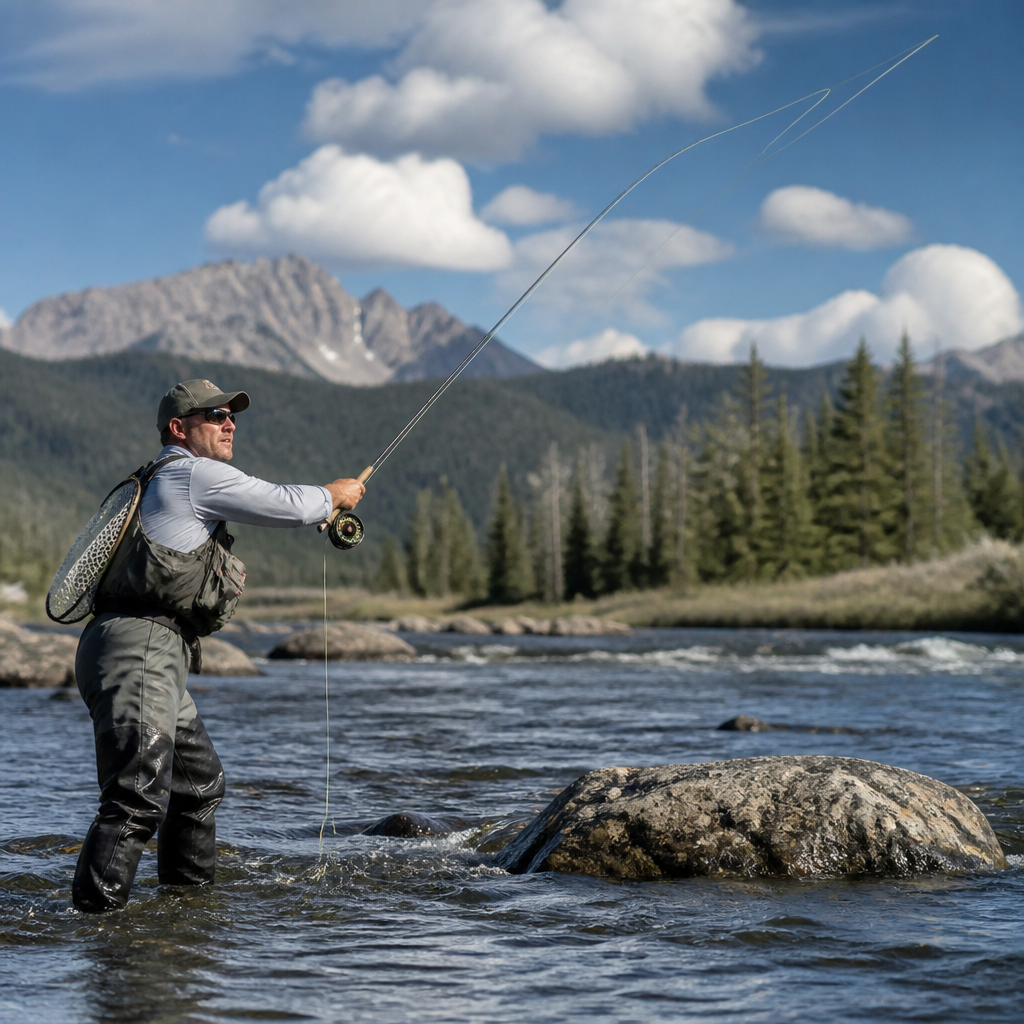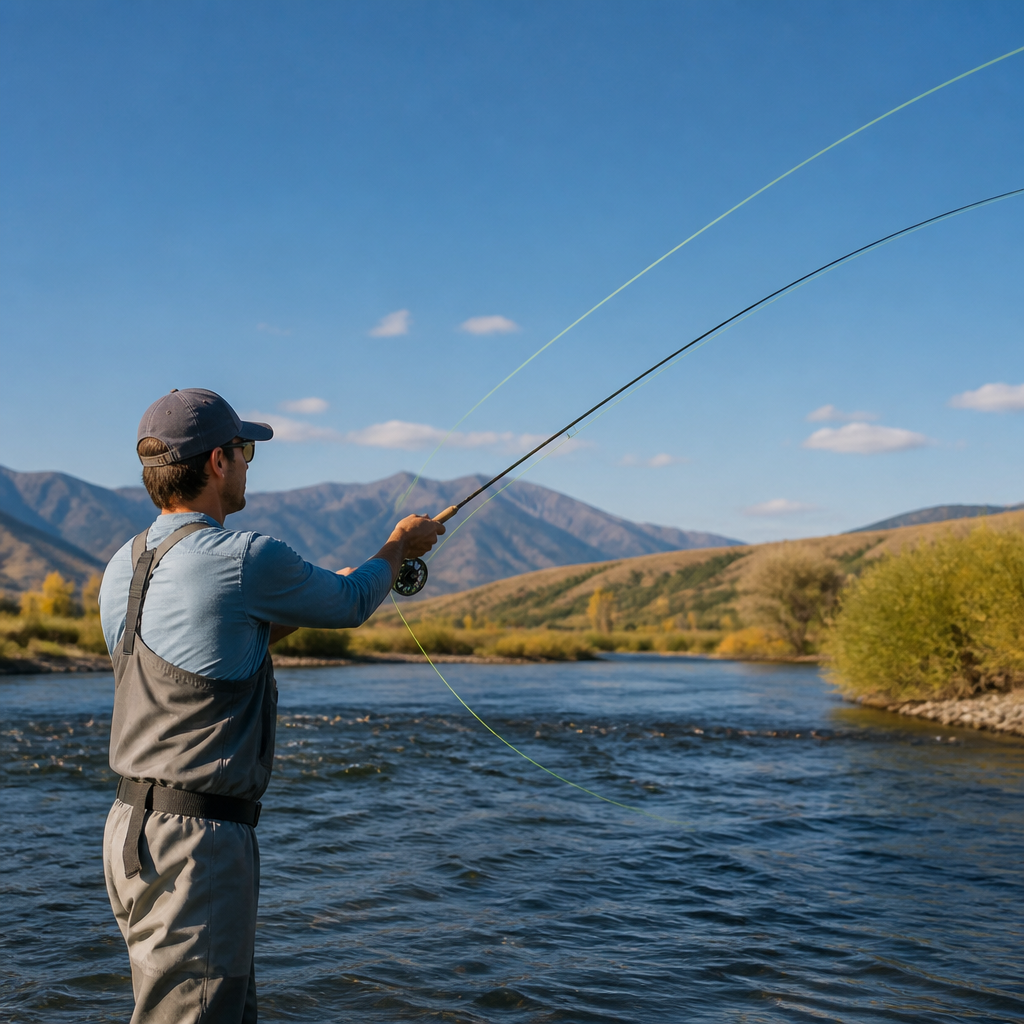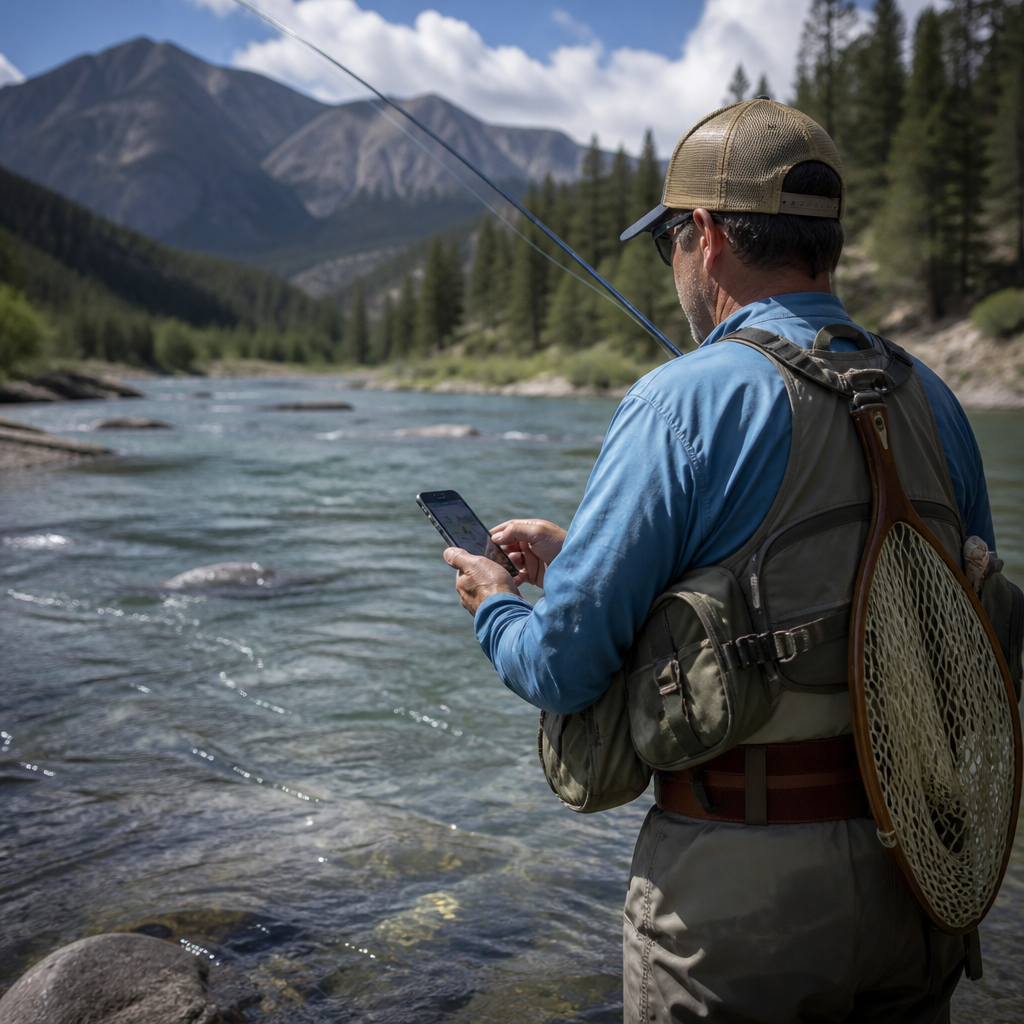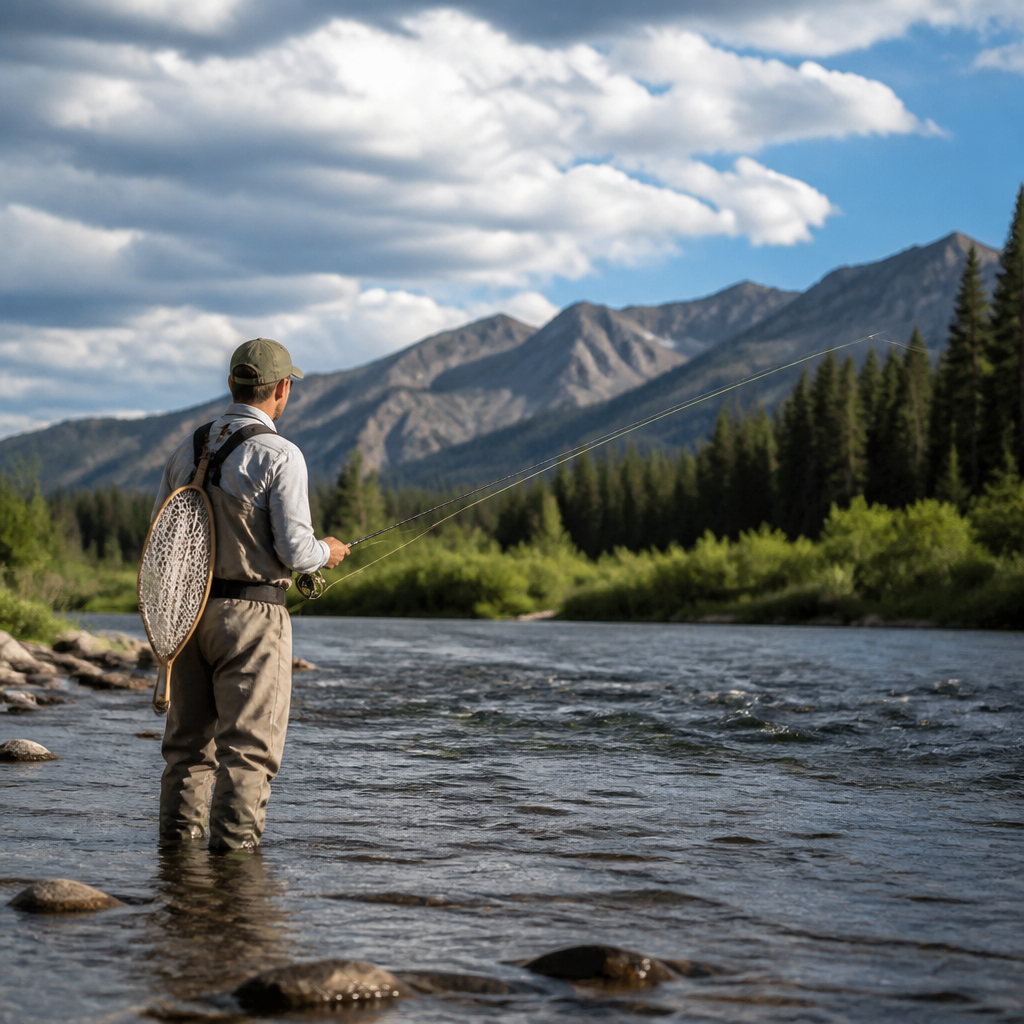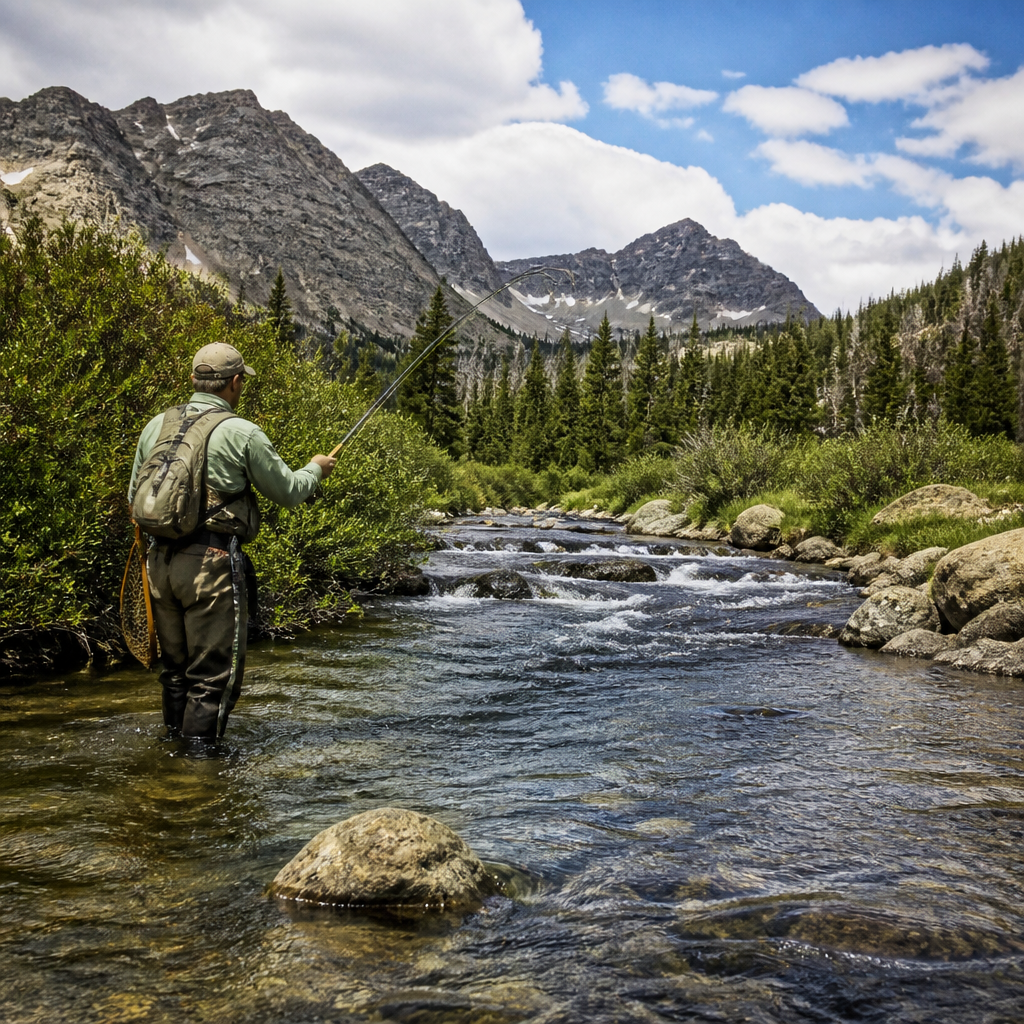
Dry fly fishing in high altitude streams rewards precision, observation, and restraint in ways few other trout techniques can match. In these thin, oxygen-rich waters, anglers present an artificial fly that floats on the surface and imitates natural insects trout are actively eating. High altitude streams generally sit above 5,000 feet, run colder than valley rivers, and change quickly with snowmelt, thunderstorms, and sharp daily temperature swings. Those conditions affect insect hatches, trout metabolism, water clarity, and how long a fish will inspect a drifting fly before refusing it.
I have fished alpine creeks from Colorado freestones to Sierra meadow streams, and the pattern is consistent: success comes less from heroic casting distance and more from reading microcurrents, matching the dominant food form, and keeping a perfect dead drift over short windows. Because trout in these places often hold in pocket water, undercut banks, plunge pools, and meadow bends, dry fly fishing becomes a game of small targets and immediate feedback. A good drift gets eaten fast; a poor drift is ignored just as quickly.
This topic matters because high altitude streams offer some of the most accessible and visually rewarding trout fishing available, yet they punish generic tactics. Anglers who understand dry fly selection, approach angle, seasonal timing, and stream ecology catch more fish while disturbing less water. As a hub for dry fly fishing, this guide explains the core system: when trout look up, which flies work, how to present them, how to manage drag, and how to adapt from steep headwaters to open alpine meadow channels. Master these fundamentals and every related tactic, from hopper fishing to technical mayfly matching, becomes easier to learn and apply.
What makes high altitude dry fly fishing different
High altitude streams are colder, steeper, and more compressed than many lowland trout rivers. Trout lie in compact feeding lanes where current delivers food efficiently with minimal energy cost. In practical terms, that means your fly must drift naturally through a very specific seam, often only a foot wide, before conflicting currents pull the leader and create drag. The challenge is not simply choosing a dry fly; it is placing it where a trout can inspect it without seeing line flash, boot vibration, or an unnatural wake.
Altitude also changes bug activity. Colder water delays hatch timing, so peak surface feeding may happen later in the day after sunlight warms exposed runs by a few degrees. Summer thunderstorms can cool water abruptly and shut down rises, while snowmelt can push flows high and stain the edges. Terrestrials become important in midsummer because windy afternoons knock ants, beetles, and hoppers into the current. In many streams, especially above timberline or near it, trout are opportunistic but not careless. They will eat attractor dries readily in broken water, yet become selective in slick meadow glides where every drift is visible.
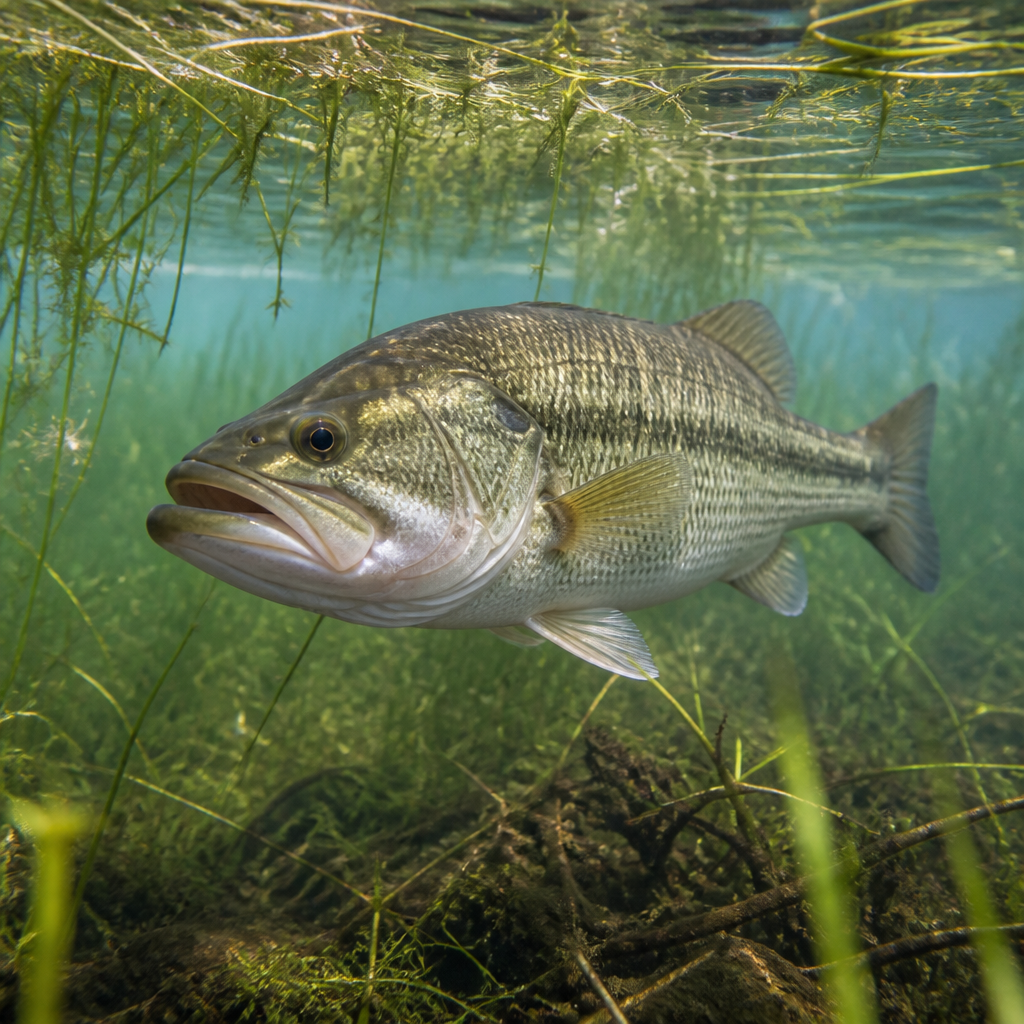
Species behavior matters too. Cutthroat often move farther for a dry fly than brown trout in the same stream. Brook trout in tiny alpine tributaries can be aggressive, especially to high-floating attractors. Rainbow trout in clear pocket water frequently demand cleaner presentations than anglers expect. Knowing the species mix helps with fly size, profile, and how long to rest a pool after a refusal.
Essential dry flies and when to fish them
A strong high altitude dry fly box is compact but intentional. In fast pocket water, attractor patterns such as the Royal Wulff, Parachute Adams, Elk Hair Caddis, Stimulator, and small foam attractors cover enormous ground. These flies are visible, buoyant, and believable enough to trigger opportunistic takes. In meadow streams and flatter runs, you need more exact imitations: Blue-Winged Olive dries in sizes 18 to 22, Pale Morning Dun patterns, Griffith’s Gnat for midge clusters, spent caddis, and ant or beetle patterns for calm afternoons.
For western summer fishing, I rely heavily on a sequence. Early day: small parachute mayflies or caddis adults if I see subtle rises. Late morning through afternoon: attractor dries in riffles and pocket water. Midafternoon in windy meadows: black ants, cinnamon ants, and beetles. During hopper season, usually from mid-July into early fall depending on elevation, a size 10 to 14 hopper becomes both an imitation and an indicator for a smaller trailing fly where regulations allow. Even when trout are not fully keyed on grasshoppers, the larger profile helps pull fish from under banks.
| Condition | Best Dry Fly Types | Typical Sizes | Why They Work |
|---|---|---|---|
| Fast pocket water | Royal Wulff, Stimulator, Parachute Adams | 12-16 | High visibility and buoyancy in broken current |
| Evening caddis activity | Elk Hair Caddis, X-Caddis, spent caddis | 14-18 | Matches common adult profiles on riffles and tails |
| Technical meadow glides | BWO, PMD, midge cluster, small ant | 18-22 | Closer match for selective trout in clear slow water |
| Windy midsummer afternoons | Foam beetle, flying ant, hopper | 10-16 | Terrestrials fall in naturally and draw confident eats |
Color and silhouette usually matter more than exact pattern name. A low-riding caddis with the right tan shade often outfishes a detailed mayfly tied in the wrong posture. Carry floatant for hair-wing and hackled patterns, plus desiccant powder for parachutes and CDC flies. In high gradient streams, a drowned dry stops being useful quickly because conflicting currents grab the film and drag it unnaturally.
Gear, leader design, and line control
The ideal rod for dry fly fishing in high altitude streams is usually between 8 and 9 feet in a 3- to 5-weight, depending on stream size and wind. On tiny brushy tributaries, a 7 1/2-foot 3-weight excels because it roll casts and bow-and-arrow casts easily. On open meadow creeks, a 9-foot 4-weight offers better reach for mending and longer leaders. A true weight-forward floating line is standard. Overlining soft rods can help at close range, but only if it does not compromise delicate presentation.
Leader design is central. In pocket water, a 7 1/2- to 9-foot tapered leader ending in 4X or 5X turns over attractor dries cleanly. In flat water with wary trout, a 10- to 12-foot leader with 5X to 6X tippet buys more separation from the fly line. I often add 18 to 24 inches of tippet to standard leaders because factory tapers can be too abrupt for small dries. If your fly lands before the leader straightens, that slack can be helpful; if the leader piles up uncontrollably, shorten the tippet or use a stiffer butt section.
Line control is what converts good casting into trout. Reach casts, parachute casts, and aerial mends create built-in slack before the fly lands. On short drifts, simply leading the fly with the rod tip is enough. On longer drifts, stack mends keep line off faster seams. Many anglers think dry fly fishing means no mending after the cast; in reality, subtle upstream and downstream corrections are routine as long as they do not move the fly unnaturally. Watch the fly, not the line, and correct before drag becomes visible.
Presentation, approach, and reading water
Dry fly presentation in high altitude streams starts before the cast. Trout in clear shallow water detect movement on the bank more easily than many anglers realize. Approach from downstream or quartering downstream when possible, stay low, and avoid skylining yourself against open ridges. In meadow channels, kneeling often doubles your chances. In pocket water, use boulders and whitewater as cover and fish the closest lies first. The trout nearest you are usually the easiest to spook and the quickest to eat a good drift.
Reading water for dry flies means identifying where surface food accumulates and where trout can feed with minimal effort. In fast streams, key targets include seam lines beside rocks, foam lanes entering pockets, the soft edge below plunge pools, and cushions in front of submerged obstructions. In meadow streams, focus on undercut banks, depth transitions, weed edges, tailouts during evening hatches, and any feeding rhythm that repeats in one lane. If a fish rises twice in the same foot of water, treat that lane like a target zone and plan the cast backward from the trout to your line landing spot.
The best drift is usually short and controlled. I teach anglers to think in feeding windows, not entire pools. If the trout has an 18-inch lane, you only need 2 feet of perfect drift. That changes how you cast. Instead of laying 30 feet of line over mixed currents, move your feet, shorten the cast, and deliver from an angle that keeps the fly line off the primary seam. On tiny streams, dappling and high-sticking a dry can be more effective than classic overhead casting. On wider alpine creeks, a reach cast upstream buys a crucial extra second before drag sets in.
Seasonal strategy and hatch timing
Dry fly fishing at altitude follows a compressed but predictable calendar. In runoff, surface action is limited unless flows drop enough for bankside soft water to form. Once water levels stabilize, usually early to midsummer depending on snowpack, caddis and small mayflies become consistent. Late July through September is often prime because flows are wadable, mornings are cool, and terrestrial insects become a major food source. Fall can be excellent on blue-winged olive days, especially under cloud cover and light rain.
Daily timing matters as much as month. Cold nights suppress morning insect activity, so many streams fish best from late morning through early evening. A two-degree increase in water temperature can start a hatch. I have seen a meadow creek look lifeless at 10:30, then fill with rising cutthroat by noon as sunlight reached the valley floor. Conversely, direct sun can make fish leave shallow slicks in the middle of the day, only to return to the tails and edges by evening.
Weather creates windows. Before a thunderstorm, pressure shifts and wind often intensify terrestrial fishing. During light summer rain, mayflies and midges can become more important than hoppers. After heavy rain, freestone streams may color up and favor larger visible attractors near the banks. Carry a stream thermometer if you want a more systematic approach. In many trout streams, surface feeding becomes more reliable as water moves into the upper 40s and low 50s Fahrenheit, though exact thresholds vary by watershed and species.
Common mistakes and how to fix them
The most common dry fly fishing mistake in high altitude streams is fishing too fast. Anglers cover beautiful water quickly, make one cast to a likely pocket, and move on. Trout often need a second or third drift from a slightly different angle. Another frequent problem is using one leader setup all day. A 4X leader that works in rough riffles may fail repeatedly in a slick pool where 6X and a smaller fly are necessary. Matching your tackle to the water type is not optional; it is the difference between refusals and takes.
Drag is the technical error that costs the most fish. If a trout rises near your fly but turns away, assume presentation first and pattern second. Add slack, shorten the drift, or reposition. False casting over fish is another avoidable issue, especially at altitude where clear air and low streamside cover expose movement. Make one or two false casts at most, then deliver. If your first cast misses the lane badly, pause, let the water rest, and recast with intention rather than slapping the surface repeatedly.
Many anglers also ignore fly maintenance. A dry fly that is waterlogged, twisted in the tippet, or matted with trout slime stops behaving like an insect. Dry it, dress it, or replace it. Finally, treat high altitude fish and habitat carefully. Barbless hooks simplify releases, and wet hands protect trout in cold but fragile fisheries. The same streams that offer intimate dry fly fishing can be damaged by bank trampling, careless wading in spawning areas, and crowding small pools.
Dry fly fishing in high altitude streams is best understood as a system built on observation, fly choice, leader control, and disciplined presentation. The method looks simple from a distance because the fly rides on the surface, yet every visible eat is usually the result of several invisible decisions: reading the current, selecting the right silhouette, choosing a leader that lands softly, and approaching close enough to make the cast easy instead of heroic. When those parts line up, even small alpine trout streams produce memorable fishing with outsized clarity and challenge.
For anglers building a complete dry fly fishing skill set, start with the fundamentals covered here and apply them deliberately. Carry a focused box of attractors, mayflies, caddis, and terrestrials. Learn to fish short drifts first, then extend your line control with reach casts and mends. Pay attention to temperature, light, wind, and the specific lies trout choose in pocket water versus meadow glides. Most of all, let the stream tell you what matters on that day. Rising fish, insect movement, and refusal patterns provide better information than habit does.
This hub page is your foundation for every deeper dry fly tactic under techniques and strategies, from technical mayfly matching to fishing foam hoppers tight to undercut banks. Revisit it before your next alpine trip, tighten one part of your system, and test that improvement on the water. Dry fly fishing becomes more consistent when you simplify decisions, observe carefully, and make each drift count.
Frequently Asked Questions
What makes dry fly fishing in high altitude streams different from fishing lower-elevation trout water?
Dry fly fishing in high altitude streams is shaped by a very specific mix of cold water, thin air, short growing seasons, and rapidly changing weather. Compared with lower-elevation rivers, these streams are usually smaller, clearer, and more temperature-sensitive, which means trout often feed in shorter, more concentrated windows. Water above roughly 5,000 feet tends to stay colder longer into the season, and that delays or compresses insect activity. Instead of broad, all-day hatches, anglers may see bursts of surface feeding tied closely to sunlight, water temperature, cloud cover, and daily runoff patterns.
Presentation also matters more than many anglers expect. In tight mountain currents, trout have less time to inspect a fly, but they are often holding in compact feeding lanes and can be surprisingly selective when they are keyed in on a particular insect. Because the water is usually clear and the fish are more exposed, sloppy casts, drag, and heavy wading pressure can shut down a pool quickly. Success often comes from careful observation, short accurate casts, and a fly that rides naturally without skittering or sinking.
Another major difference is the speed at which conditions can change. Snowmelt can swell flows, an afternoon thunderstorm can stain the water, and a bright alpine morning can turn into windy cloud cover in an hour. That means anglers do best when they stay flexible rather than committed to one pattern or one section of stream. High altitude dry fly fishing rewards those who read the water closely, move deliberately, and adjust to what the trout are actually doing instead of forcing a plan that worked somewhere else.
When is the best time to fish dry flies in high altitude streams?
The best time generally falls between late spring runoff and the onset of true fall cold, but the exact window depends on elevation, snowpack, and yearly weather patterns. In many mountain systems, the most reliable dry fly fishing begins once flows drop and water clarity improves after snowmelt. At very high elevations, that might not happen until midsummer. Earlier in the year, even if access is possible, water temperatures can remain too cold for consistent surface feeding except during the warmest part of the day.
On a daily scale, midday through late afternoon is often the most productive period because sunlight raises water and air temperatures enough to stimulate insect activity. In colder alpine streams, that temperature bump can make the difference between inactive trout hugging the bottom and fish willing to rise confidently. During summer, however, mornings can also be excellent when flows are stable and fish have not yet been disturbed. Evening can be productive too, especially if caddis, small mayflies, or terrestrials are active, but in the highest country temperatures usually fall quickly after sunset, which can shorten the surface bite.
Weather matters as much as the calendar. A mild, overcast day may produce a longer hatch than a bright bluebird afternoon, while strong wind can both help and hurt by blowing terrestrials onto the water but making delicate presentations difficult. After a cold night, trout may not look up until later than expected. After a warm stretch, the surface action may begin earlier. The most dependable approach is to watch for actual signs of life: rising fish, insects on the water, adults in streamside vegetation, and subtle changes in trout position. In high altitude streams, timing is less about a fixed clock and more about matching your effort to the narrow moments when water temperature, light, and insect availability all line up.
What dry flies and tackle work best for high altitude stream fishing?
A practical high altitude setup usually starts with a light, accurate rod and a simple selection of versatile dry flies. A 3- to 5-weight rod is ideal for most mountain streams because it allows delicate presentation while still handling pocket water, wind, and the occasional larger trout. Rod lengths from about 7 1/2 to 9 feet cover most situations. Shorter rods shine in overgrown creeks with tight casting lanes, while slightly longer rods help with reach, line control, and drag-free drifts across broken currents. Pair the rod with a floating line and a leader long enough to separate the fly from the line splash, typically 7 1/2 to 12 feet depending on stream size and fish wariness.
As for flies, attractor dries are often extremely effective because many mountain trout feed opportunistically. Patterns such as Parachute Adams, Elk Hair Caddis, Royal Wulff, stimulators, and small foam terrestrials can cover a lot of water and imitate a broad range of insects. During summer, ants, beetles, and hoppers are especially important in many alpine areas, while small mayfly and caddis imitations become essential when trout are feeding more selectively. In streams with abundant stoneflies, larger buoyant patterns can serve as both hatch matches and search flies. Sizes are often smaller than beginners expect, especially in clear, pressured water, so carrying flies from roughly size 10 down through 18 or even 20 can be valuable.
Floatant, fine tippet, and good fly maintenance are just as important as the pattern itself. A dry fly that rides low, twists the leader, or drags unnaturally will be refused even if the shape is close. Many anglers do best with 5X or 6X tippet in clear, low flows, though stronger tippet may be better around rough current and structure. Keep the fly high, clean, and well dressed, and replace waterlogged patterns promptly. In these streams, confidence often comes less from carrying hundreds of exact imitations and more from having a focused selection of buoyant, visible, realistic flies you can present cleanly in complex current.
How should I approach trout and present a dry fly without spooking fish in clear mountain streams?
Stealth is one of the most important skills in high altitude dry fly fishing because the water is often shallow, transparent, and brightly lit. Trout in these environments are vulnerable to overhead movement, vibrations, and careless wading, so your approach should begin well before the cast. Move slowly, stay low, and use bankside cover, rocks, and streamside vegetation whenever possible. In many cases, the best strategy is to observe first and cast second. Watch for subtle rises, shifting shadows, feeding lanes, and current seams before stepping into the water. If you can reach the target from the bank, do that rather than wading through prime holding lies.
Presentation should focus on a drag-free drift. In steep pocket water, that may mean short casts upstream with very little line on the water. In smoother glides and tailouts, it may require a longer leader, finer tippet, and precise mending to keep conflicting currents from pulling the fly unnaturally. Casting slightly above the fish and allowing the fly to enter the feeding lane first often works better than dropping the line directly over the target. If fish are rising steadily, pay attention to rhythm and position rather than rushing. One accurate cast with a natural drift is worth far more than repeated false casts over the same fish.
It also helps to fish methodically through the stream instead of randomly. Start with the water closest to you, then work outward and upstream so you do not line or wade through fish you have not yet seen. In small high-country streams, trout often hold in surprisingly narrow lies behind boulders, under cutbanks, beside foam lines, and at the heads of plunge pools. Cover those spots carefully, but avoid pounding them with repeated casts if fish refuse. A refusal usually means the drift, fly size, or angle needs to change. High altitude trout can be aggressive, but they are still trout in clear water, and they reward anglers who fish with patience, precision, and restraint.
How do changing weather, runoff, and insect hatches affect dry fly fishing in high altitude streams?
These factors are central to success because high altitude streams are highly responsive to environmental changes. Snowmelt runoff can transform a gentle creek into a cold, pushy torrent that limits visibility and suppresses surface feeding. Even when the water begins to clear, flows may still be too high for consistent dry fly action except along edges, softer seams, and protected pockets. As runoff fades, stream structure becomes more defined, insect activity stabilizes, and trout begin using surface feeding lanes more predictably. That transitional period can produce excellent fishing, but it also changes quickly from week to week.
Weather affects both the trout and the insects in immediate ways. A warm, stable pattern often encourages regular midday hatches, while cold fronts can delay or reduce surface activity. Afternoon thunderstorms are especially important in mountain country. They can cool the air, raise flows briefly, add color to the water, and change feeding behavior almost instantly. Wind can blow terrestrials into the stream and create outstanding opportunistic feeding, but it can also make drag-free drifts difficult. Bright sun may push trout into shaded pockets or broken current, whereas cloud cover can extend rise activity into water that would otherwise feel too exposed.
Hatches themselves tend to be shorter and more localized than on many larger rivers, which is why observation matters so much. Trout may key on small mayflies one hour, caddis later in the afternoon, and terrestrials anytime wind or streamside activity delivers them to the water. Instead of assuming a hatch from the