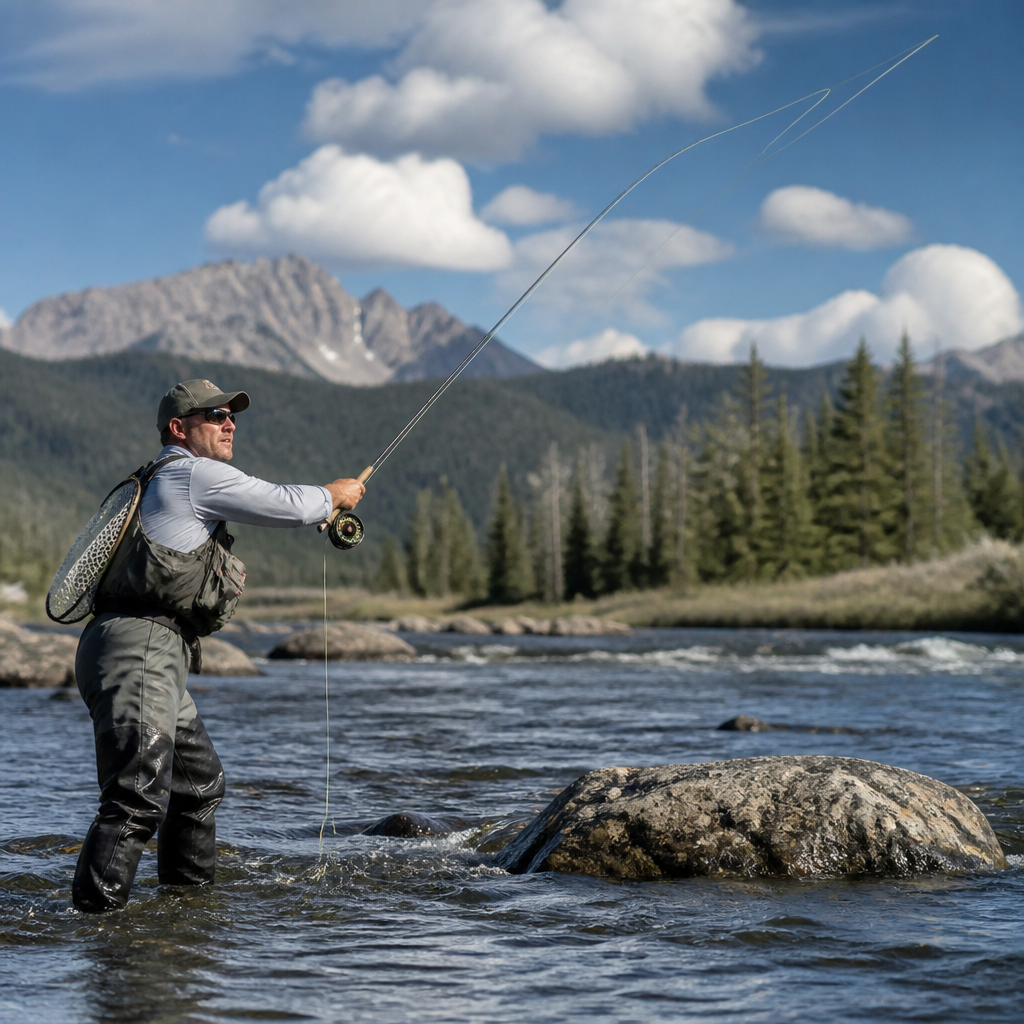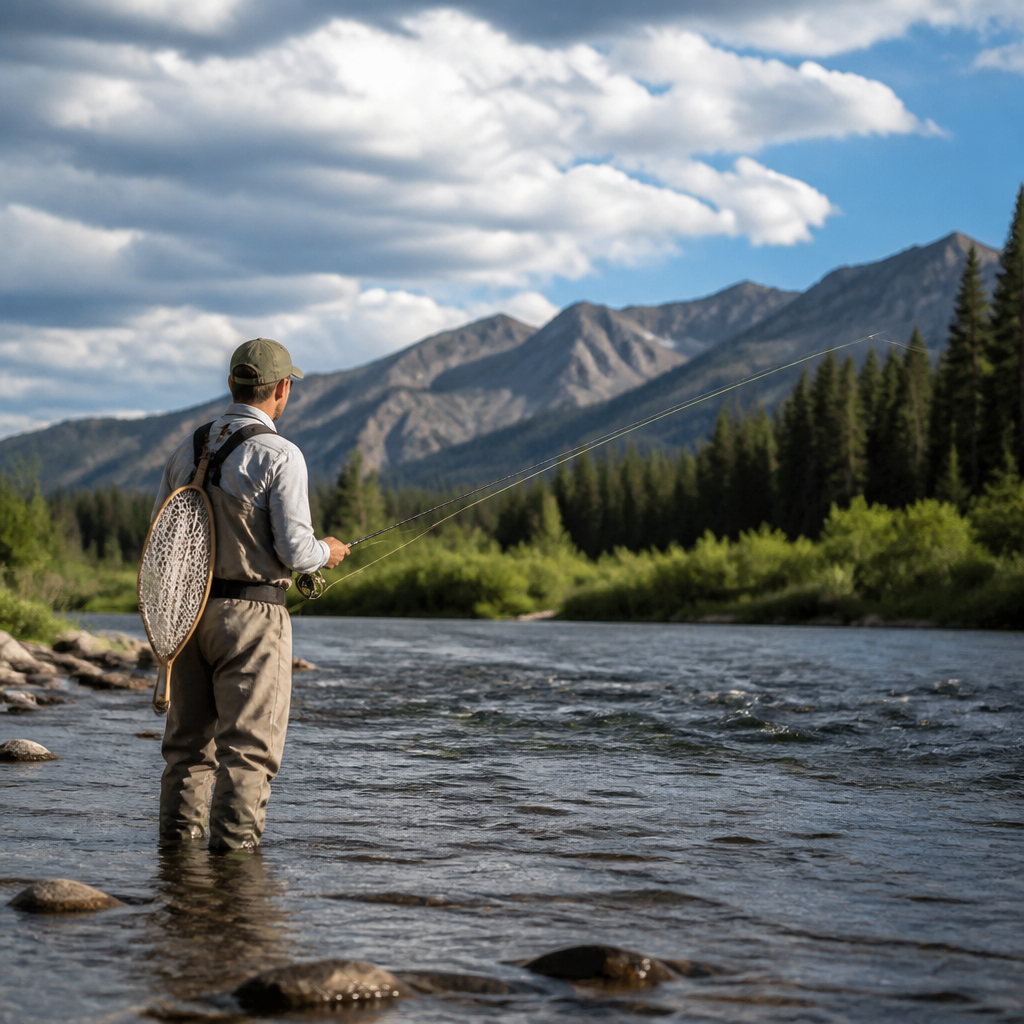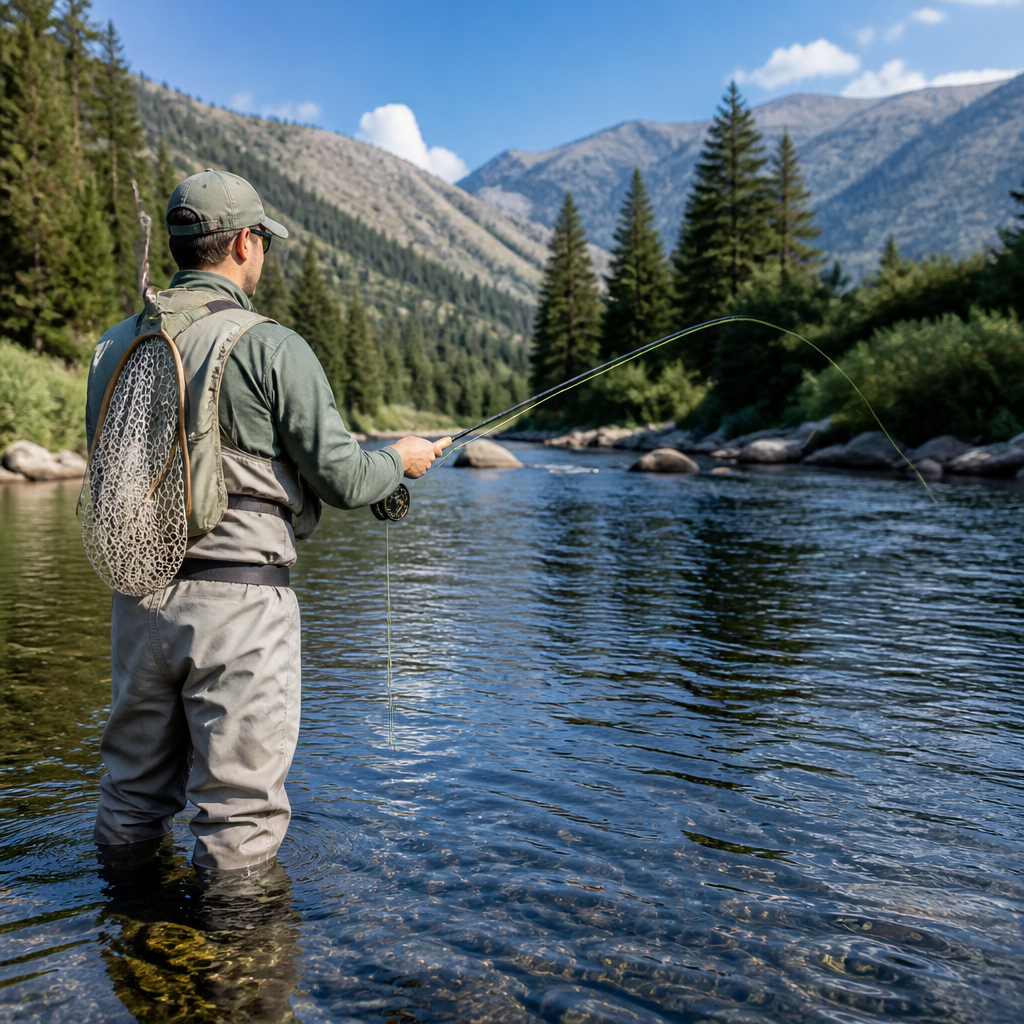
Dry fly fishing is the method of presenting an artificial fly so it floats on the surface and imitates an adult insect, fallen terrestrial, or another food item a trout is willing to rise to eat. For beginners, it is often the most captivating form of fly fishing because the take happens in plain sight: you cast, the fly drifts naturally, a fish noses up, and the surface breaks. That visual element makes dry fly fishing memorable, but it also exposes every mistake in setup, drift, and timing. I have taught new anglers on spring creeks, tailwaters, and freestone streams, and the same pattern appears every season: people assume dry fly fishing is only about fancy casting, when success really comes from understanding insects, current seams, leader design, and fish behavior.
At its core, dry fly fishing depends on three ideas. First, buoyancy: the fly must ride on the water rather than sink. Second, imitation: the fly should match the size, shape, and general profile of what fish expect to see. Third, drag-free drift: the fly must move at the same speed as the surface current around it. If the fly skates unnaturally across conflicting currents, trout often refuse it immediately. Key terms matter here. A hatch is the emergence of aquatic insects such as mayflies, caddisflies, or midges. A rise is the fish’s surface feeding action. Tippet is the fine terminal section of line attached to the leader. Floatant is the treatment used to help natural or synthetic materials stay on top. Learning these basics early prevents a lot of frustration.
This style matters because it teaches observation better than any other fly-fishing method. Dry fly anglers read currents, notice insect activity, and make deliberate presentations instead of covering water blindly. It also connects directly to broader fishing skills. Once you understand where trout hold during a hatch, how they position in feeding lanes, and how micro-drag ruins a drift, you become better at nymphing, fishing emergers, and even streamer presentation. As a subtopic within techniques and strategies, dry fly fishing is a hub because it links to insect matching, casting accuracy, trout lies, knot selection, seasonal hatches, reading rise forms, and leader construction. Beginners who start with a structured approach can shorten the learning curve dramatically and enjoy more consistent surface eats.
What Gear Beginners Need for Dry Fly Fishing
You do not need a complicated setup to begin dry fly fishing, but every component should support delicate presentation. For most trout rivers and streams, a 9-foot 5-weight rod is the standard starting point because it balances casting ease, line control, and enough power for moderate wind. On smaller creeks, a 3-weight or 4-weight can be more enjoyable, while larger western rivers may justify a 6-weight when wind and larger flies are factors. Pair the rod with a quality reel that has smooth line retrieval; drag matters less for average trout than it does for larger species, but balance and reliability still count. A weight-forward floating fly line is essential. Dry fly fishing begins with a floating line because it allows mends, controlled drifts, and easier pickup for repeated casts.
Leader and tippet choice make a visible difference. A common beginner setup is a 9-foot tapered leader in 4X or 5X. If fish are selective in slow water, add 18 to 24 inches of matching tippet to extend the leader and reduce drag. Use 6X for tiny flies and flat water, 4X for larger attractor dries or windy conditions, and 3X when fishing buoyant foam patterns near banks for stronger fish. Essential accessories include silicone gel floatant for dry flies, powder desiccant for reviving waterlogged flies, nippers, forceps, polarized sunglasses, and a landing net with rubber mesh. Polarized lenses are not optional in my view; they help you spot fish, read current seams, and track your fly in glare. Good wading footwear also matters because stable footing lets you focus on presentation instead of balance.
Understanding Trout Food and Surface Feeding Behavior
Beginners often ask a simple question: when will trout actually eat off the top? The short answer is when surface food is abundant enough, vulnerable enough, or familiar enough to make rising efficient. Trout feed on adult mayflies drifting after emergence, caddis skittering or trapped in the film, midges clustering on calm water, terrestrials such as ants and beetles blowing in from banks, and large insects like hoppers during summer. Fish conserve energy by holding where current brings food directly to them. That means dry fly fishing is usually best where there is a predictable feeding lane: a seam beside faster water, the tail of a riffle, the inside edge of a bend, the slick behind a boulder, or a foam line gathering drifting insects.
Rise forms tell you what trout are eating. A slow, gentle sip with little splash often suggests mayflies or midges in calm water. A sharper slash may indicate caddis, especially when adults are active and moving. If fish bulge just under the surface without fully breaking it, they may be taking emergers rather than true dries. This matters because beginners often keep changing flies when the real problem is depth in the film. Time of day and weather also influence surface feeding. Overcast afternoons can extend mayfly activity; warm evenings often bring caddis; windy terrestrial days push beetles and hoppers into the water. Water type changes the equation too. On spring creeks, trout may inspect a fly carefully. On pocketwater streams, they often make quicker decisions, which is why a high-floating attractor can work even without an exact hatch match.
How to Choose the Right Dry Fly Pattern
Choosing a dry fly is easier when you simplify it into size, silhouette, and behavior. Size is usually the first priority. A fly in the correct hook size but imperfect color will often outfish a perfectly colored fly that is too large or too small. Silhouette means the overall shape fish see from below: slim like a mayfly dun, tent-winged like a caddis, or chunky like a hopper. Behavior refers to how the insect sits and moves on the surface. Some mayflies ride upright with visible hackle; spent mayflies lie flat; caddis may bounce or skate. Good beginner patterns include a Parachute Adams for general mayfly imitation, Elk Hair Caddis for caddis activity and rough water, Griffith’s Gnat for midge clusters, Chubby Chernobyl for terrestrials and buoyancy, and a basic ant pattern for summer bankside fishing.
Carry patterns in a practical size range rather than buying dozens of near-duplicates. Sizes 12 through 18 cover many trout situations, with 20 and smaller useful for technical midge or tiny mayfly hatches. Color matters, but less than many beginners think. Trout usually key more on contrast, profile, and drift than on exact shades, especially in broken water. The reason experienced anglers talk about “matching the hatch” is not because you need entomology perfection; it is because fish feeding selectively on one insect stage can ignore everything else. If you see pale mayflies on the water and fish sipping steadily, tie on a comparadun or parachute in the right size before experimenting wildly. Keep notes after trips. Recording insect type, time, weather, and productive patterns builds a reliable personal hatch chart faster than guesswork.
Essential Dry Fly Fishing Techniques and Common Beginner Adjustments
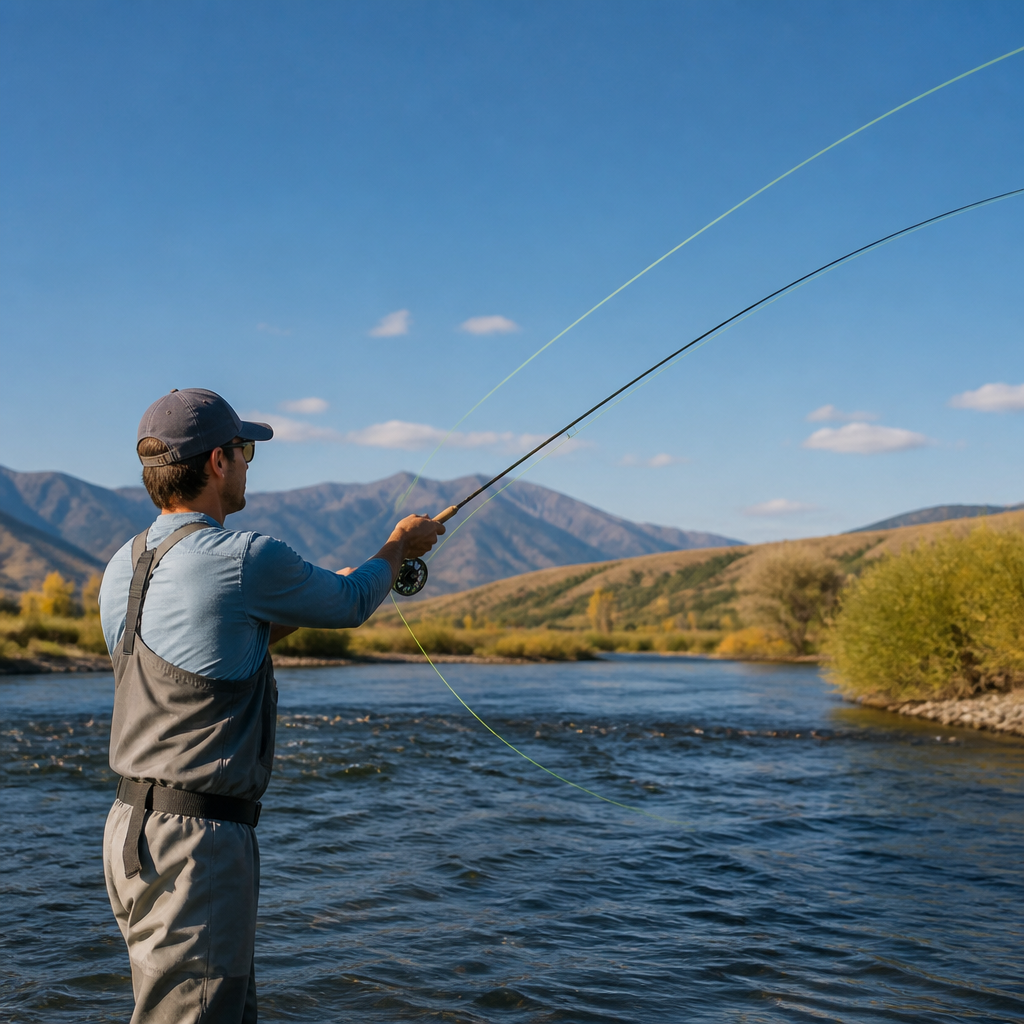
Presentation is the real skill in dry fly fishing. A short, accurate cast with a natural drift beats a long cast that drags. Start by approaching from downstream or quartering downstream when possible so the fish sees the fly before the leader. Cast above the target lane, not directly on the fish’s head. Land the fly softly and immediately remove slack while preserving drift. Mend the line upstream if faster current grabs the floating line before it drags the fly. In close-range stream fishing, reach casts and aerial mends help set up the drift before the line even lands. On small streams, bow-and-arrow casts and short flips under overhanging cover are often more useful than perfect overhead loops. If you cannot control line on the water, your casting distance will not save you.
Beginners also need a decision framework for adjustments. The table below covers the most common dry fly problems I see on guided days and instructional sessions.
| Problem | Likely Cause | Best Adjustment |
|---|---|---|
| Fish rises but refuses | Wrong size, drag, or too much leader flash | Go one size smaller, lengthen tippet, improve drift |
| Fly sinks after a few casts | Waterlogged materials or false casting too little | Dry with amadou or desiccant, reapply floatant, switch flies |
| Cannot see the fly | Glare, distance, or tiny pattern | Use polarized glasses, shorten cast, add a larger visible indicator fly where legal |
| Hooking fish poorly | Striking too fast on the rise form | Pause until the fish turns down, then lift smoothly |
| Frequent drag | Conflicting currents and poor angle | Change position, cast from closer range, mend earlier |
Hook-setting on a dry fly deserves emphasis. New anglers react to the splash instead of the eat. Wait a fraction of a second until the fish closes its mouth and turns. Then lift firmly but not violently. Trout hooked on light tippet are lost more often from hard hook sets than from timid ones. Fight fish from the reel when needed, keep side pressure, and use the current intelligently rather than trying to horse them upstream.
Reading Water, Approaching Fish, and Building a Strategy
Reading water is the bridge between theory and fish in the net. Trout holding for dry flies want overhead security, manageable current speed, and a steady food conveyor. Productive beginner targets include riffle corners, seam lines where two current speeds meet, bubble lines, tailouts during active hatches, and banks with grass or overhanging brush in terrestrial season. Pocketwater rewards short drifts to many targets, while smooth glides demand stealth and selective casting. If a fish is visibly rising, watch it for a full minute before casting. Count the rhythm, note the exact lane, and identify whether multiple fish are feeding. I have seen many beginners rush the first cast only to line the fish and ruin a perfect opportunity. Observation is often the highest-return skill on the river.
Wading and approach matter as much as fly choice. Trout detect pressure waves, sudden shadows, and poor angles. Move slowly, keep a low profile, and use streamside cover when available. In clear water, stop farther away than you think necessary and plan your cast before entering the fish’s window. Build a strategy based on conditions. If fish are rising steadily, focus on one target and perfect the drift. If there is no obvious hatch, prospect likely lies with an attractor dry such as a Parachute Adams or foam terrestrial. During mixed activity, fish the highest-percentage water first: riffle-to-run transitions, undercut banks, and current tongues feeding into quieter holding water. This hub topic also connects to advanced subtopics worth exploring next, including hatch charts, dry-dropper rigs, emerger fishing, leader formulas, and seasonal trout positioning.
Mistakes to Avoid and How to Improve Faster
The most common beginner mistake is fishing too fast. Dry fly fishing rewards patience, repetition, and micro-adjustments, not constant fly changes. Another mistake is using only one leader setup for every river. Fine tippet improves drifts in flat water, while stout tippet helps turn over larger dry flies in wind. Many anglers also neglect fly maintenance. Once hackle and dubbing become saturated, presentation quality drops sharply. Dry the fly, treat it, or replace it. Poor knot discipline is another hidden issue; improved clinch knots tied hastily in cold fingers often fail on light tippet, so practice until each connection is automatic. Finally, many beginners cast from too far away. Closer, controlled drifts almost always outperform heroic distance.
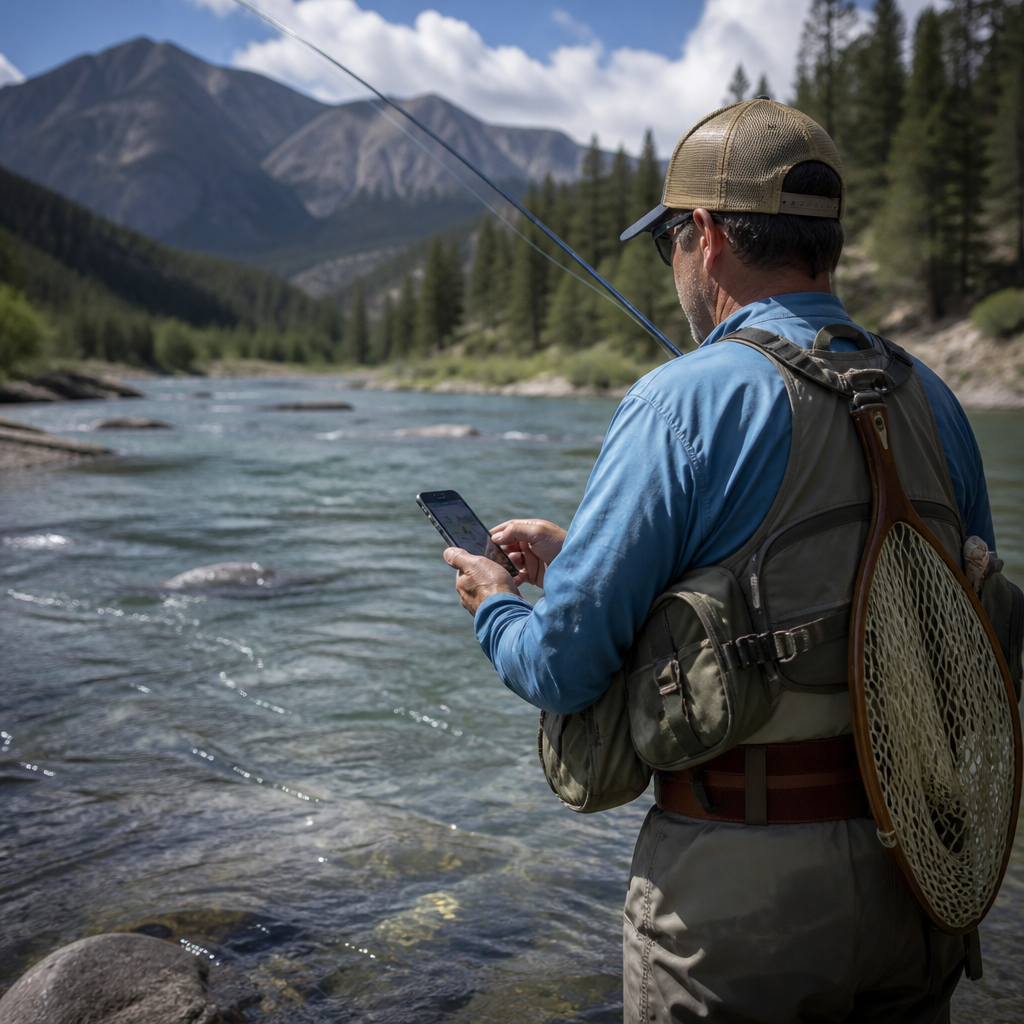
Improvement comes fastest when you narrow the variables on purpose. Fish one river section for an hour with a single pattern and focus only on drag-free drifts. On the next outing, work specifically on line mending. Use your phone or a small notebook to log insect activity, successful flies, refusals, and water types. Watch how experienced anglers position themselves before they cast. If possible, spend one day with a qualified guide and tell them you want dry fly instruction rather than just fish location. Ask them to explain why they changed angle, leader length, or pattern. That kind of reasoning transfers across rivers. Dry fly fishing for beginners becomes far less mysterious when you break it into observation, setup, presentation, and adjustment. Start simple, fish deliberately, and build your confidence one honest rise at a time.
Dry fly fishing for beginners is easiest to master when you focus on the few factors that truly drive success: the right floating setup, a believable fly, a natural drift, and careful observation of trout behavior. Surface takes may look magical, but they follow clear patterns. Trout rise where currents deliver food efficiently, where insects are available at the surface, and where your fly moves like the real thing. If you remember the core sequence—read the water, identify the food source, choose the right size and profile, approach quietly, and manage drag—you will make faster progress than anglers who obsess over gear alone.
The biggest benefit of learning dry fly fishing is that it sharpens every part of your fly-fishing judgment. You become better at spotting feeding lanes, understanding hatches, controlling line, and adjusting tactics to conditions. Those skills carry into dry-dropper fishing, emerger presentations, and nymphing strategy, which is why this topic sits at the center of broader techniques and strategies. Keep your early outings simple: fish proven patterns, target obvious water, and make short controlled casts. Then build outward into more technical situations as your confidence grows.
If you want to get started, assemble a basic 5-weight outfit, carry a small box of proven dries, and dedicate your next trip to watching trout as closely as you cast to them. The more deliberately you practice, the sooner dry fly fishing stops feeling complicated and starts feeling intuitive. Pick one local stream, learn its surface insects, and begin there.
Frequently Asked Questions
What is dry fly fishing, and why is it a great way for beginners to start fly fishing?
Dry fly fishing is the practice of fishing an artificial fly that rides on the surface of the water, imitating something a trout expects to see there, such as an adult mayfly, caddis, midge, ant, beetle, hopper, or other food item that has landed on the surface. What makes it especially appealing to beginners is that the entire moment of truth happens in plain view. You can watch the cast land, track the drift, see the trout rise, and observe exactly how the fish reacts. That visual feedback helps new anglers learn faster because mistakes and successes are easier to connect to what just happened on the water.
It is also a great entry point because it teaches several foundational fly fishing skills all at once: line control, drag-free drift, presentation, observation, and strike timing. If a fish refuses the fly, drags the fly, or spooks from the cast, you get immediate information about what needs improvement. While dry fly fishing can be technically demanding, it is incredibly rewarding and memorable, especially for someone just learning. Few experiences in freshwater fishing compare to seeing a trout break the surface and confidently take a fly you presented well.
What basic gear do I need to get started with dry fly fishing?
For most beginners, a simple, balanced setup is the best choice. A 9-foot 5-weight fly rod is widely considered the most versatile starting rod for trout and dry flies. Paired with a matching 5-weight fly reel and a quality weight-forward floating fly line, it gives you enough casting ease, control, and range for many rivers, streams, and small stillwaters. The floating line is essential because dry fly fishing depends on keeping the fly on the surface, and the line should support that presentation rather than sink below it.
Beyond rod, reel, and line, you will need leaders and tippet. A 9-foot tapered leader in the 4X to 6X range is a common starting point for dry flies, with the exact size depending on fly size, water clarity, and trout wariness. Lighter tippet offers a more delicate presentation, while slightly heavier tippet can be easier to manage when learning. You should also carry a small selection of reliable beginner-friendly dry flies, such as Adams, Elk Hair Caddis, Parachute Adams, Griffith’s Gnat, foam beetles, ants, and hopper patterns in a few practical sizes.
Other useful items include floatant to help natural-hair and feather flies stay buoyant, desiccant or drying powder to revive a waterlogged fly, nippers for trimming line, hemostats or forceps for hook removal, and polarized sunglasses for spotting fish, reading currents, and protecting your eyes. Waders and wading boots may be helpful depending on the water you fish, but they are not mandatory everywhere. The key is not owning a huge amount of gear. It is having a straightforward setup that lets you practice clean presentation and maintain confidence on the water.
How do I choose the right dry fly as a beginner?
Beginners often assume fly selection is mostly about finding the perfect pattern, but in many situations it is more important to choose the right general type, size, and presentation. Start by observing what is happening on the water. Are trout actively rising? If so, look closely at how they are feeding. Splashy rises may suggest caddis or more aggressive feeding, while subtle sips often point to small mayflies, midges, or selective fish. Also check the water surface and streamside vegetation for insects. You do not need to identify every hatch with scientific precision. Matching the category and size usually gets you much closer than overthinking color and minor details.
A practical beginner approach is to carry a small range of proven patterns that cover common situations. A Parachute Adams can imitate many mayfly-like insects. Elk Hair Caddis is excellent when caddis are active and also floats well, which makes it easy to see. Griffith’s Gnat is useful for midge clusters and small surface feeders. Foam ants and beetles are strong choices in summer, especially when trout are looking for terrestrials near banks and overhanging brush. Hopper patterns become important later in the season on many trout streams.
Size matters a lot. If fish are ignoring your fly, you may be too large or too small even if the pattern itself is close. In clear water and on pressured fish, going smaller often helps. In rougher water, pocket water, or faster riffles, a slightly larger and more buoyant fly can be easier for both you and the trout to track. For beginners, confidence flies matter too. If you can see your fly well and trust it to float, you will fish it better. That confidence often leads to better drifts and more fish than constantly changing patterns without a reason.
What does a natural drift mean, and how can I improve my dry fly presentation?
A natural drift means the fly moves at the same speed and in the same manner as the current around it, without unnatural pulling from the fly line or leader. This is one of the most important concepts in dry fly fishing. Trout spend their lives watching food drift downstream, so they are extremely sensitive to anything that behaves unnaturally. If your fly creates a tiny wake, skates across conflicting currents, or suddenly accelerates because the line tightens, fish may refuse it even when the fly itself looks correct.
To improve presentation, begin by focusing on where the fly lands relative to the fish. Cast slightly upstream or up-and-across from a rising trout so the fly reaches the fish before the line does. This gives the trout a cleaner look and reduces the chance of spooking it. After the cast, manage slack carefully. In many cases, a small upstream mend helps reposition the line so different current speeds do not immediately drag the fly. The goal is not just to cast accurately, but to create enough slack and proper line alignment to allow the fly to drift freely.
You should also learn to read current seams, bubbles, and micro-currents. Even on small streams, the water near your fly may move at a different speed than the water touching your fly line. That is what creates drag. Sometimes a shorter cast is better because there is less line on the water to interfere with the drift. Approach fish carefully, stay low, and avoid lining them with your fly line. Finally, practice watching the fly closely from the moment it lands to the end of the drift. If the fly behaves differently from surrounding foam, bubbles, or debris, something in your presentation needs adjustment. Dry fly fishing rewards precision, and better drifts almost always produce more takes than fancier casting.
When should I set the hook on a rising trout, and what are the most common beginner mistakes?
One of the classic beginner mistakes in dry fly fishing is striking too soon. When a trout rises, the visual excitement often causes anglers to react the instant they see the splash or head. But trout do not always take the fly the exact moment you notice the rise. If you lift the rod too early, you pull the fly away before the fish has actually turned down with it. A better rule is to set the hook only after you see the fly disappear and feel or sense the fish’s weight. In practice, this is usually a calm, controlled lift of the rod rather than a sharp, forceful hookset.
Another common mistake is focusing only on the take and not on the drift leading up to it. Many missed opportunities happen because the fly dragged unnaturally, landed too hard, or passed over the fish with leader and line first. Poor drag-free drift is one of the biggest reasons beginners struggle, even when they are casting reasonably well. Using too much false casting, casting from too close, and wading carelessly are also frequent problems. Trout are often more aware of movement, shadows, and line flash than new anglers realize.
Beginners also tend to neglect fly maintenance. A soggy dry fly stops floating naturally and becomes harder to see and less convincing. Applying floatant appropriately, drying the fly when needed, and changing patterns when one becomes waterlogged or chewed up can make a noticeable difference. Finally, many new anglers change flies too quickly without first fixing presentation. If trout are rising but not eating your fly, ask whether the issue is size, drag, angle, or timing before assuming the pattern is wrong. In dry fly fishing, success often comes less from secret flies and more from subtle control, patience, and learning to let the fish tell you what they want.