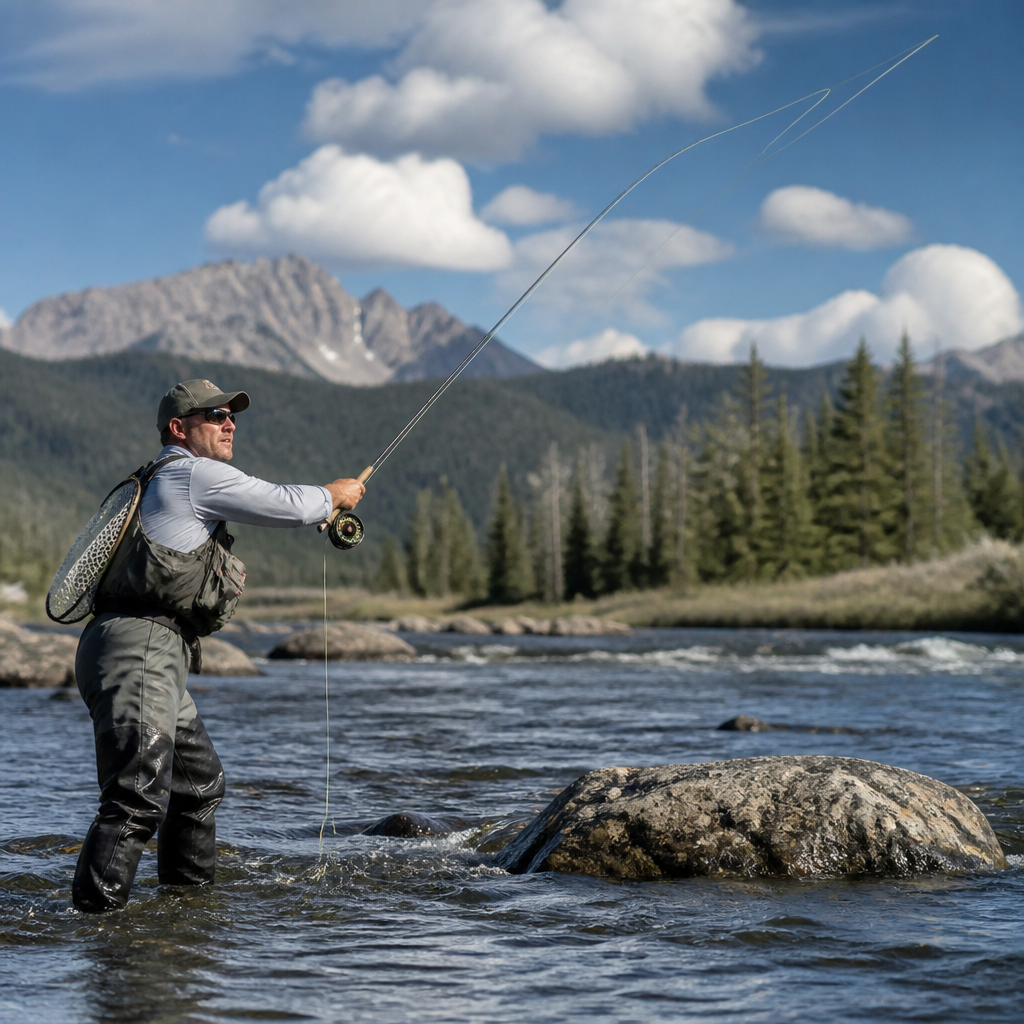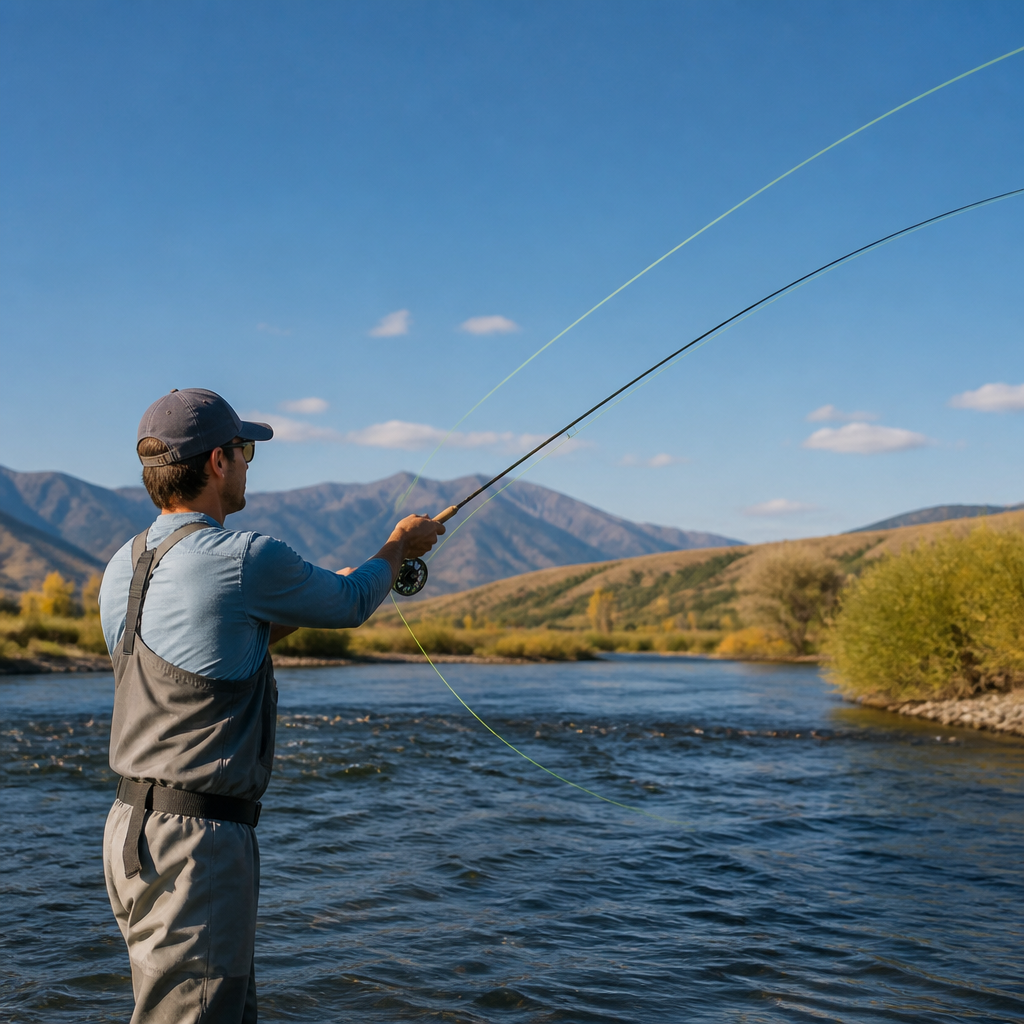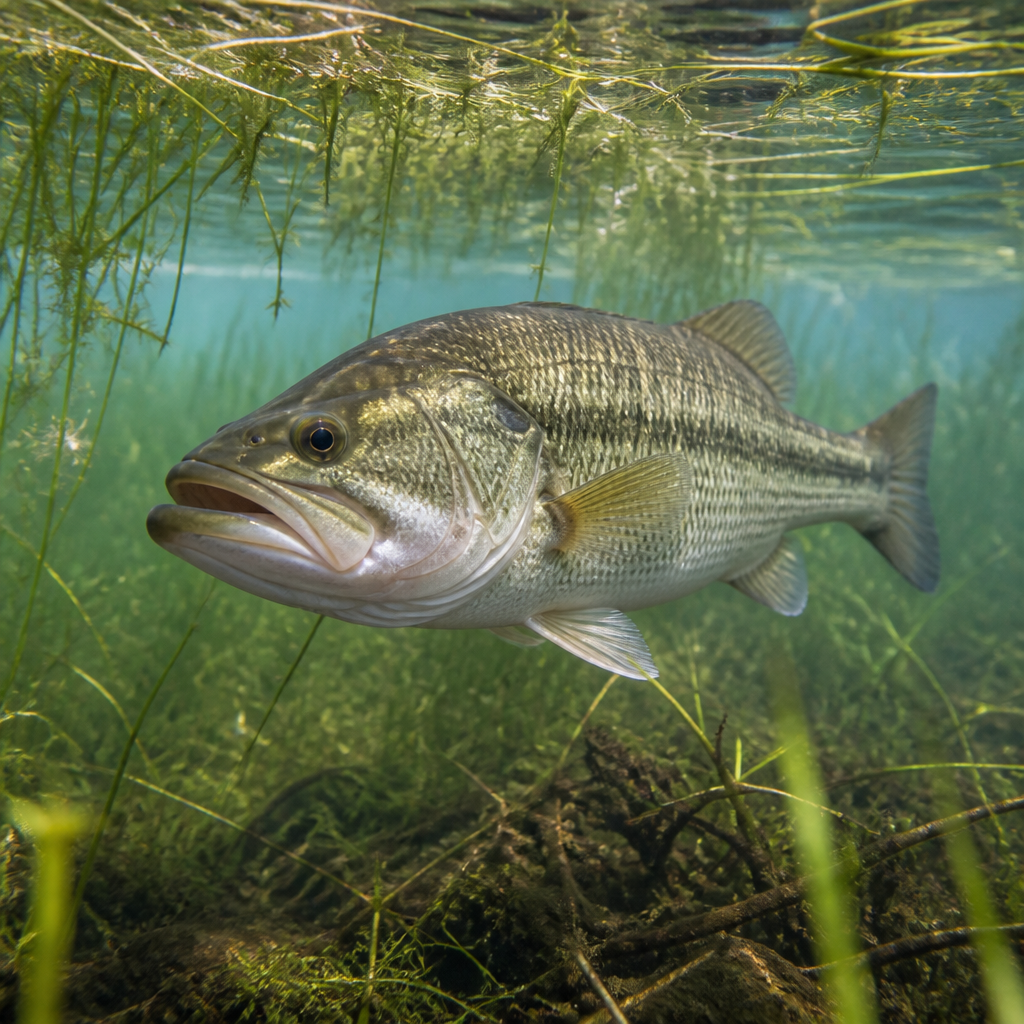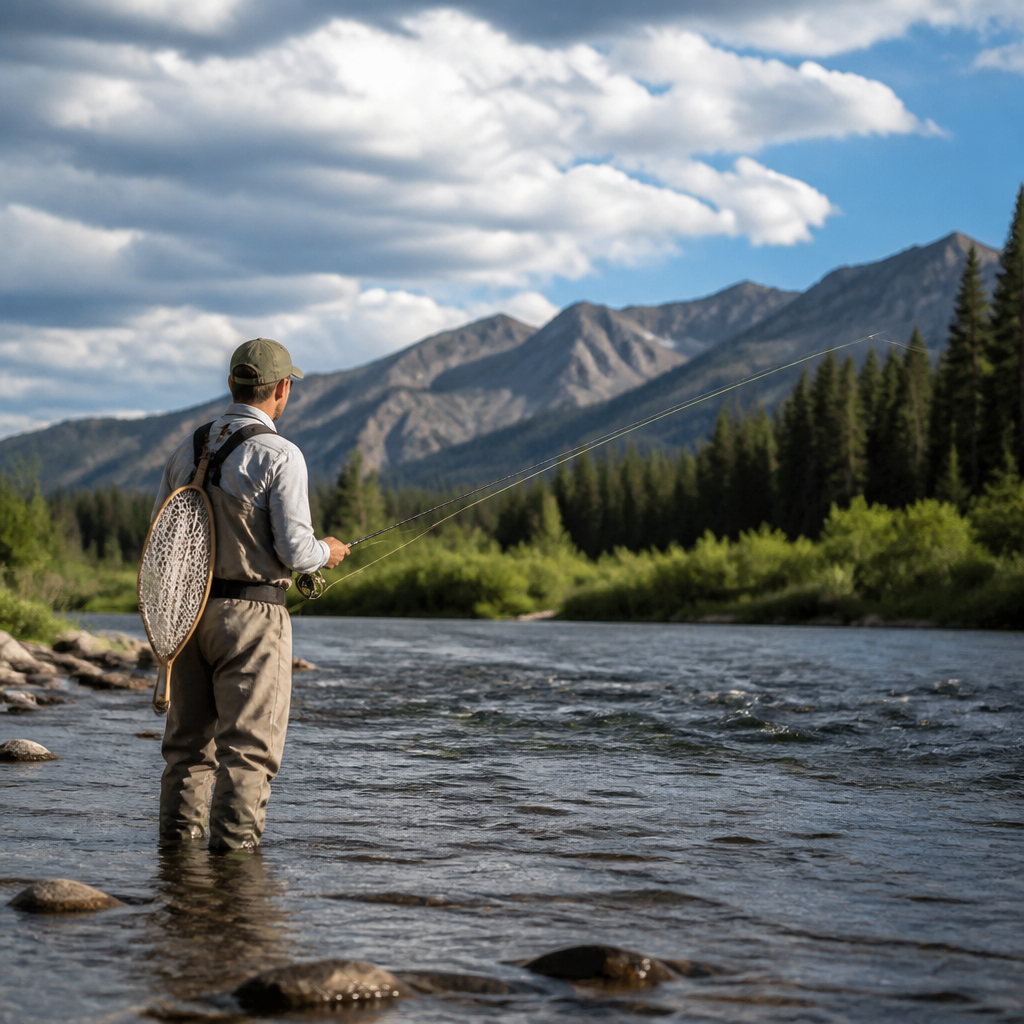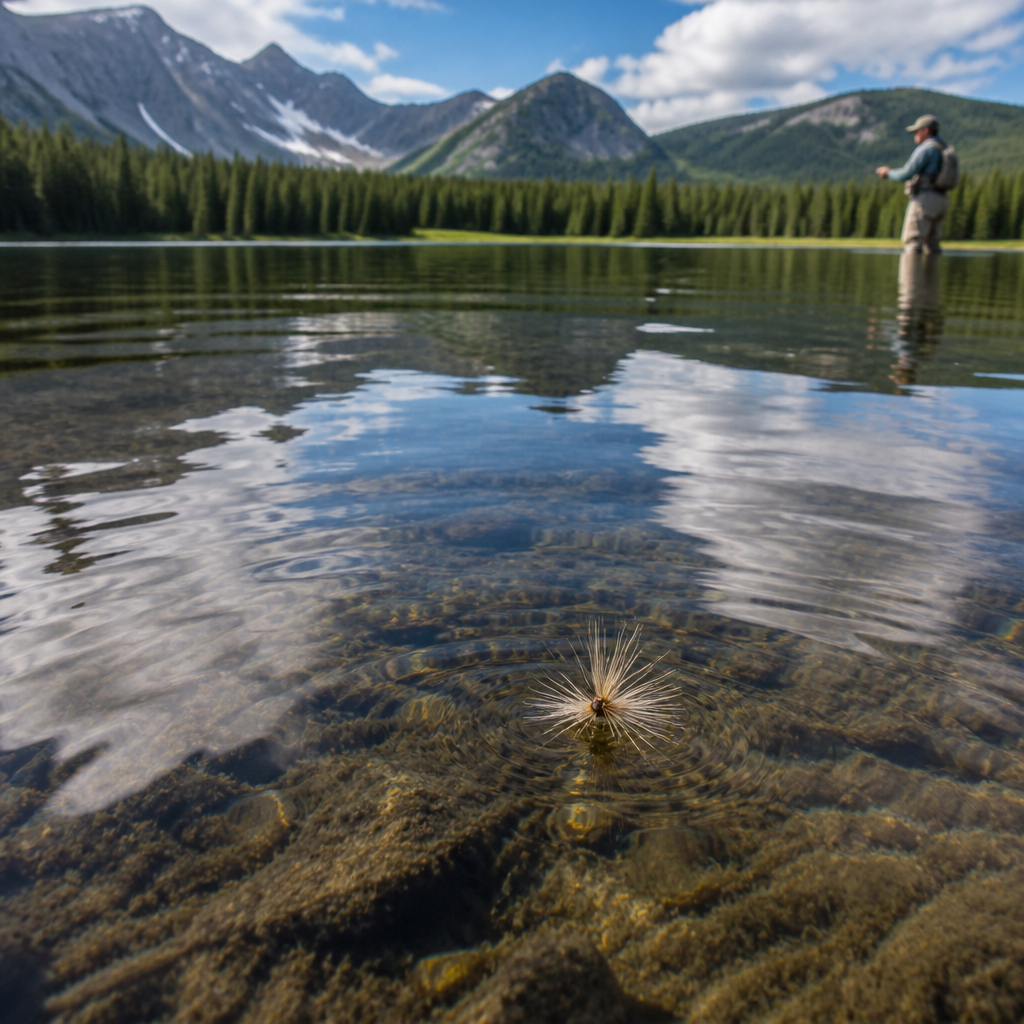
Using dry flies in stillwater lakes and ponds is one of the most visual, technical, and rewarding forms of fly fishing, yet it is often overshadowed by streamer retrieves and nymph suspensions. In this context, stillwater means non-flowing water such as natural lakes, farm ponds, reservoirs, gravel pits, and park impoundments where trout, panfish, bass, and carp feed in relatively stable lies rather than current seams. Dry fly fishing means presenting a floating artificial fly that imitates an insect, terrestrial, or vulnerable food item on or in the surface film. As a hub within techniques and strategies, this guide explains how to use dry flies in stillwater, when surface feeding happens, what patterns matter, how fish behavior differs from rivers, and which tactical decisions consistently produce takes.
I have spent many seasons on lakes where fish ignored every subsurface pattern for hours, then rose confidently during a twenty-minute window that only rewarded anglers ready with the right leader, angle, and fly. Stillwater dry fly fishing matters because it compresses entomology, observation, casting control, and fish behavior into a form that gives immediate feedback. A rise tells you a fish is feeding. A refusal tells you your imitation, drift, or timing is wrong. A confident sip confirms everything lined up. For anglers building a complete dry fly fishing skill set, lakes and ponds teach patience, hatch recognition, and presentation discipline in a way moving water often disguises.
The central difference from river fishing is simple: in stillwater, your fly usually does not drift naturally on current, so you must create believable placement and movement while accounting for wind, light, surface tension, and cruising routes. Fish are not stationed behind rocks. They patrol weed edges, shoals, drop-offs, banks, chironomid lanes, and slicks where food accumulates. Success comes from reading water without visible current, identifying what is on the menu, and delivering a fly where a fish is likely to intercept it. That combination makes dry fly fishing on lakes and ponds both highly analytical and wonderfully direct.
How Stillwater Fish Feed on the Surface
Fish rise in stillwater for four main reasons: aquatic insect hatches, terrestrial fallout, emergers trapped in the film, and opportunistic feeding during calm windows. Trout in particular key on midges, mayflies, caddis, and flying ants, while bluegill and bass will also take beetles, damsels, dragonfly adults, and small frogs or mice. In ponds, a summer evening often brings dense midge activity close to cattails and shaded banks. On larger lakes, a mayfly spinner fall over a shoal can bring pods of trout up in rhythm. Understanding which feeding mode is happening determines your pattern and presentation more than brand, color shade, or exact hook model.
Rise forms provide direct information. A gentle dimple usually signals midges or tiny emergers in the film. A head-and-tail rise often points to mayflies. Splashy takes near reeds can indicate caddis skittering, damselflies, or warmwater species chasing larger prey. Bulging just under the surface means fish are intercepting emergers before they break through, and a high-floating dry may be less effective than an emerger greased to sit low. When I arrive at a lake, I spend the first ten minutes watching before rigging. That quiet observation often saves an hour of blind casting and reveals whether fish are cruising clockwise along a bank, stationed under overhanging grass, or only feeding when cloud cover softens the light.
Wind deserves special attention because it concentrates food. Even a light breeze pushes midges, spent insects, and terrestrials into coves and along shorelines. Fish learn these food lanes and revisit them. Calm water is not always best. Flat water exposes drag and leader flash, but a slight ripple hides tippet and makes fish less selective. Many of my most consistent stillwater dry fly sessions happen with enough wind to drift a float tube slowly along a productive margin, not enough to create whitecaps.
Best Conditions, Seasons, and Times for Dry Fly Fishing
Dry fly opportunities in lakes and ponds exist year-round where climates allow open water, but late spring through early fall is the core season. Water temperature influences both insect activity and fish positioning. Trout commonly feed high in the water column when surface temperatures are moderate and oxygen levels remain good near shoals and weed beds. During midsummer heat, the best dry fly windows often shrink to early morning, evening, and overcast periods. In small ponds, panfish and bass may surface aggressively throughout warm months, especially around shade, lily edges, and areas with constant insect life.
Specific timing matters. Midges can hatch in cold conditions and make winter or early spring surface fishing surprisingly productive. Callibaetis mayflies, a major stillwater food source across the West, typically hatch from late spring into summer and often emerge in waves through the day. Caddis activity commonly intensifies in the evening, with adults skating and egg-laying over open water or near vegetation. Terrestrial fishing peaks when beetles, ants, and hoppers are blown from bankside cover. After thunderstorms, flying ant falls can trigger some of the fastest and most selective feeding you will see all year.
| Condition | Likely Surface Food | Where to Fish | Best Tactic |
|---|---|---|---|
| Cold calm morning | Midges, tiny emergers | Sheltered coves, dark-bottom shallows | Long leader, small low-riding patterns |
| Warm afternoon breeze | Beetles, ants, mixed drift | Windward bank, weed edges | Cast tight to shore and let flies sit |
| Cloudy mayfly hatch | Callibaetis duns and emergers | Shoals, drop-off edges | Intercept cruising fish with accurate placement |
| Summer evening | Caddis, midges, spinners | Reed lines, open lanes, flats | Alternate dead drift with subtle movement |
Light angle changes fish confidence. Bright overhead sun can push trout slightly deeper or make them inspect flies longer. Broken cloud cover often improves surface action because it reduces visibility from above while keeping insects active. Barometric shifts can matter, but in practice I pay more attention to wind direction, insect presence, and water temperature than to pressure readings alone. The best answer to when to use dry flies in stillwater is straightforward: fish dries whenever you see rises, adults on the water, or even a plausible food source gathering at the surface, then stay long enough for the window to develop.
Essential Dry Fly Patterns for Lakes and Ponds
A stillwater dry fly box should be compact but intentional. You do not need dozens of near-duplicates; you need coverage for size, silhouette, and how a fly sits in the film. The core categories are midge adults and clusters, midge emergers, Callibaetis duns and cripples, caddis adults, ant patterns, beetles, hoppers where appropriate, and a few attractors for prospecting. For trout lakes, size 16 to 12 Callibaetis patterns, size 20 to 16 midge adults, and size 16 to 14 elk hair or CDC caddis account for a large share of feeding situations. For ponds with panfish and bass, foam beetles, ants, small poppers, and larger caddis-like attractors can be more practical.
The most important design variable is profile in the film. River anglers often fish high-floating patterns that remain visible in broken current. On lakes, refusals frequently drop when you switch to a lower-floating fly such as a CDC emerger, shuttlecock, cripple, or unhackled adult. Fish feeding in calm water inspect the meniscus carefully. A fly that sits too high can look wrong even if the color and size match. I routinely carry both visible and sparse versions of each hatch pattern, using the visible dry when I need tracking in chop and the sparse fly when fish are clearly feeding on trapped emergers.
Terrestrials deserve a larger place than many anglers give them. Beetles falling from alders, ants blown off grass, and hoppers dropped from banks are common stillwater food. A simple black foam beetle with a small indicator post can save difficult days, especially along windy shorelines where fish cruise inches from land. During ant falls, matching size is critical, and a rusty or black ant can outperform every aquatic imitation in the box. Keep warmwater overlap in mind too. Bluegill often rise eagerly to small dries meant for trout, making ponds ideal places to practice precision and hook-setting on the surface.
Tackle, Leaders, and Presentation Mechanics
A 4- to 6-weight rod covers most stillwater dry fly fishing. On ponds and small lakes, a 9-foot 4- or 5-weight offers delicate delivery and enough control in light wind. On larger, breezier reservoirs, a 5- or 6-weight turns over longer leaders and slightly larger dries more consistently. Floating lines are standard, preferably with a supple front taper that lands softly. I favor lines built for technical trout presentations rather than aggressive bass tapers unless I am specifically throwing larger foam patterns for warmwater fish.
Leader design matters more than many anglers realize because no current masks mistakes. A common starting point is 12 feet ending in 4X or 5X for medium-sized dries, extending to 14 or 15 feet with 5X or 6X for tiny midges in flat conditions. Long, fine leaders reduce splash and keep fly line farther from fish. However, they become difficult in wind, so balance stealth with control. Fluorocarbon sinks and is not ideal for the final dry fly tippet; nylon remains the standard because it floats better and cushions light takes. Degreasing the last few inches can help a low-riding fly sit naturally when fish are feeding in the film.
Presentation in stillwater is not classic dead drift. It is controlled stillness or selected movement. Cast ahead of a cruising fish rather than at the rise ring it already left. Place the fly where the fish is going, then let it sit. If the fish veers, one tiny twitch can trigger commitment, especially with caddis, beetles, or ants. Overworking the fly usually hurts more than helps. For pods feeding on spinners or midges, recast only when necessary, because repeated false casts over fish cause immediate refusals. The discipline to leave a fly motionless for thirty seconds often separates anglers who raise fish from anglers who hook them.
Reading Water, Locating Fish, and Building a Plan
Stillwater appears featureless until you learn its structure. Productive dry fly zones include weed edges, marl flats, dark-bottom warming bays, shoals, creek mouths, reed corridors, and wind lanes. In ponds, the best bank may simply be the one receiving shade and insects in the evening. Polarized glasses help, but observation matters more. Watch for subtle cues: single rise forms repeating every few minutes on a route, swirls along a drop-off, birds picking insects from the film, or adult mayflies collecting in pockets out of the wind.
A practical plan starts with mobility. If no fish rise after ten to fifteen minutes in a likely area, move. Cover banks from a float tube, kayak, pram, or careful wading if access allows. On larger lakes, I begin near structure that creates both food and travel lines, then expand outward only if conditions demand it. Surface feeders often patrol predictable loops. Once you identify the route, your job becomes interception rather than random casting.
Boat position is frequently overlooked. Keep the sun, wind, and casting angle working for you. Drifting broadside across rising fish makes line control difficult. Approaching from downwind often allows longer natural drifts and quieter corrections. Anchoring can help during concentrated hatches, but in shallow ponds it may spook fish if done noisily. Build each session around observation, one probable food source, and one high-percentage area instead of trying every fly in every cove.
Common Mistakes and How to Improve
The biggest mistake in stillwater dry fly fishing is casting at rise rings after the fish has already moved. Fish in lakes are usually traveling, not fixed in feeding stations, so timing and lead distance matter. Another common error is using river assumptions in stillwater, such as expecting drag-free current drift to solve presentation. In lakes, micro-waves, breeze, and line tension create unnatural movement unless you deliberately manage slack. Anglers also choose flies that are too large, too buoyant, or too visible to themselves and not realistic enough to the fish.
Refusals should guide adjustments. If fish rise near the fly but do not take, first change the fly’s height in the film, then size, then exact pattern. If fish take once and stop, check for leader flash, hook point fouling, or repeated false casting over the zone. Set the hook by lifting smoothly rather than striking hard. Surface eats in stillwater are often deliberate sips, and trout especially can be pulled off a tiny fly by an aggressive hook set. Keep notes on weather, hatch timing, shoreline orientation, and successful flies. Over time, your own log becomes more valuable than generic advice because every lake develops patterns.
Using dry flies in stillwater lakes and ponds rewards anglers who combine observation with disciplined presentation. The essentials are clear: learn how surface feeding works, fish the conditions that concentrate insects, carry patterns that match both hatch and film profile, build leaders long enough for stealth, and cast to where fish are going rather than where they were. Lakes and ponds are ideal classrooms for dry fly fishing because every rise offers information and every refusal teaches precision. Start with one local water, spend time watching before casting, and build your strategy around what the fish are actually eating. Do that consistently, and stillwater surface fishing will become one of the most dependable and memorable parts of your fly fishing year.
Frequently Asked Questions
What makes dry fly fishing in stillwater lakes and ponds different from fishing dry flies on rivers?
Dry fly fishing in stillwater is different because fish are not positioned around current seams, riffles, and drift lanes the way they are in moving water. In lakes, ponds, reservoirs, and gravel pits, fish often cruise, suspend, or hold near subtle structure such as weed edges, drop-offs, shoals, timber, marl flats, or wind-blown shorelines. That changes everything about presentation. Instead of relying on a natural downstream drift, the angler has to identify likely feeding zones, watch for rise forms, and place the fly where a fish is already moving or likely to move. Accuracy, timing, and observation become extremely important.
Another major difference is the feeding rhythm of stillwater fish. In calm water, trout, panfish, bass, and even carp may feed in slow, deliberate patterns, especially during insect hatches. A fish may rise once, disappear, then reappear several feet away on a predictable path. That means successful dry fly anglers learn to lead fish rather than cast directly on top of a rise. The take can be more visual and more technical because there is no current to hide drag or reposition the fly naturally. Your cast, leader design, and line control must create a believable, quiet presentation on flat water where fish often have a long look at the imitation.
Stillwater also rewards a broader understanding of aquatic entomology and surface behavior. Midges, callibaetis mayflies, chironomid emergers, damselflies, caddis, terrestrials, and even small baitfish struggling near the film can all bring fish to the top. Wind lanes, slicks, and bankside shade can concentrate insects and feeding fish. In that sense, dry fly fishing on stillwater is less about covering obvious river holding water and more about reading subtle signs on the surface. It is one of the most visual and satisfying ways to fish because every rise, swirl, sip, and refusal tells you something about what is happening in the water.
When is the best time to use dry flies on lakes and ponds?
The best time to use dry flies in stillwater is whenever fish are actively feeding near the surface, but some windows are especially reliable. Early morning and late evening often produce the most consistent topwater action, particularly during warm months when low light makes fish more comfortable cruising shallow water. Calm or lightly riffled conditions can be excellent because they allow insects to collect and make rises easier to spot. Evening midge and mayfly activity can be outstanding on ponds and lakes, with trout and panfish sipping steadily in flats, coves, and along weed lines.
Season matters as well. In spring, warming water brings increased insect activity, and fish often patrol shallows for emerging insects and terrestrials. Summer can be prime time for early and late dry fly opportunities, especially around callibaetis hatches, caddis activity, and shoreline terrestrial falls such as ants, beetles, and hoppers. In smaller farm ponds and park impoundments, bluegill and bass may feed aggressively on the surface throughout warm weather, especially around dusk. Fall can also be productive when cooling temperatures bring trout back into shallower water and insect activity remains strong enough to hold fish high in the water column.
The key is to let the fish and conditions dictate your timing. If you see dimples, head-and-tail rises, cruising fish just under the film, or insects trapped on the surface, it is time to consider a dry fly. Even when there is no obvious hatch, an opportunistic fish may still take a well-presented terrestrial or attractor pattern along a windy bank or over shallow structure. In stillwater, dry fly success often comes from being ready during short feeding windows. Many anglers miss these moments because they assume lakes are better suited to streamers or suspended nymphs. In reality, the surface game can turn on quickly and provide some of the most memorable fishing of the day.
What dry fly patterns work best in stillwater for trout, panfish, bass, and carp?
The best stillwater dry fly patterns depend on the food source, but a few broad categories cover most situations. For trout, adult midge patterns, small parachutes, Griffith’s Gnats, callibaetis dries, comparaduns, CDC emergers, and caddis adults are all proven choices. In many lakes and ponds, fish key as much on emergers and crippled insects as on fully formed adults, so patterns that sit low in the film are often more effective than high-floating, stiff-hackled dries. During mayfly activity, matching size and profile usually matters more than choosing an exact brand-name pattern.
For panfish and bass, foam beetles, ants, hoppers, small poppers, and bushier attractor dries can be excellent. Bluegill and smaller bass are often willing surface feeders, particularly near weed beds, docks, lily pads, and shaded shorelines. A small foam bug or terrestrial can produce steady action even when no obvious hatch is underway. For larger bass, the line between a true dry fly and a surface bug becomes less important. Deer hair divers, gurglers, and small foam-bodied bugs are often deadly because they suggest struggling insects, frogs, or small prey items without sinking out of view.
Carp are the wildcard, but they can be legitimate dry fly targets under the right conditions. When carp are tailing under overhanging trees, sipping cottonwood seeds, mulberries, bread-like debris, or terrestrial insects, simple floating patterns can work surprisingly well. Small foam flies, beetles, ants, and seed or berry imitations are often effective. The main thing is not to think only in terms of classic trout dries. Stillwater fish respond to whatever regularly lands on the surface. If you understand the local food base and carry a mix of natural hatch-matching flies and opportunistic terrestrial patterns, you can cover a wide range of species with confidence.
How should I present a dry fly on a lake or pond to avoid spooking fish and get more takes?
Presentation in stillwater begins with stealth. Because there is no current to help disguise mistakes, fish often notice abrupt movement, heavy line splash, or repeated false casting over the target area. Whenever possible, make your cast from a comfortable distance and let the fly land softly with minimal disturbance. A longer leader is usually helpful on calm days because it separates the fly from the fly line and reduces the visual impact of the presentation. Approach rising fish carefully, whether wading, fishing from shore, tube, kayak, or boat, and try to keep a low profile in clear, shallow water.
Once the fly is on the water, resist the urge to constantly move it. One of the biggest mistakes in stillwater dry fly fishing is overworking the fly. Many naturals simply sit in the surface film, twitch occasionally, or drift with subtle wind movement. If fish are taking stationary insects, a dead-still presentation is often best. If they are chasing caddis, struggling terrestrials, or skittering bugs, a very slight twitch can trigger a response. Watch what natural insects are doing and let that guide your retrieve, if any. The more closely your fly behaves like the real thing, the more convincing it becomes.
Targeting individual risers requires patience and timing. If a trout rises in a repeating pattern, cast not to the rise ring itself but slightly ahead of where you expect the fish to reappear. If fish are cruising, lead them by enough distance that the fly settles before they arrive. In windy conditions, use the drift created by surface chop or wind lanes to carry the fly naturally into feeding zones. Hook-setting also matters: on stillwater, many takes are subtle sips rather than splashy explosions, so wait until you actually feel weight or see the fish turn down before lifting the rod. Calm, measured presentations consistently outfish aggressive ones on flat water.
What tackle, leader setup, and strategy should beginners use when fishing dry flies in stillwater?
For most beginners, a versatile 4- to 6-weight fly rod with a floating line is the ideal starting setup for stillwater dry fly fishing. That range covers common trout situations while still being fun for panfish and capable enough for small bass. If you are mostly fishing small ponds for bluegill and bass, a 5- or 6-weight is practical. If your focus is trout on clear lakes with small dries and longer leaders, a 4- or 5-weight is excellent. A standard weight-forward floating line is all you need in most cases, since the real adjustments happen in your leader and your positioning rather than in specialty lines.
Leader setup is especially important on stillwater because fish often inspect the fly closely. A 9- to 12-foot leader is a strong starting point, with longer leaders generally helping in flat calm conditions. Tippet size depends on fly size and fish behavior, but many anglers do well with 4X to 6X for trout dries, slightly heavier for bass bugs and larger terrestrials. The goal is a leader long enough to land delicately but still turn over the fly you are using. If you are fishing foam terrestrials or larger attractors, you can often get away with stronger tippet. If fish are sipping tiny midges or emerg