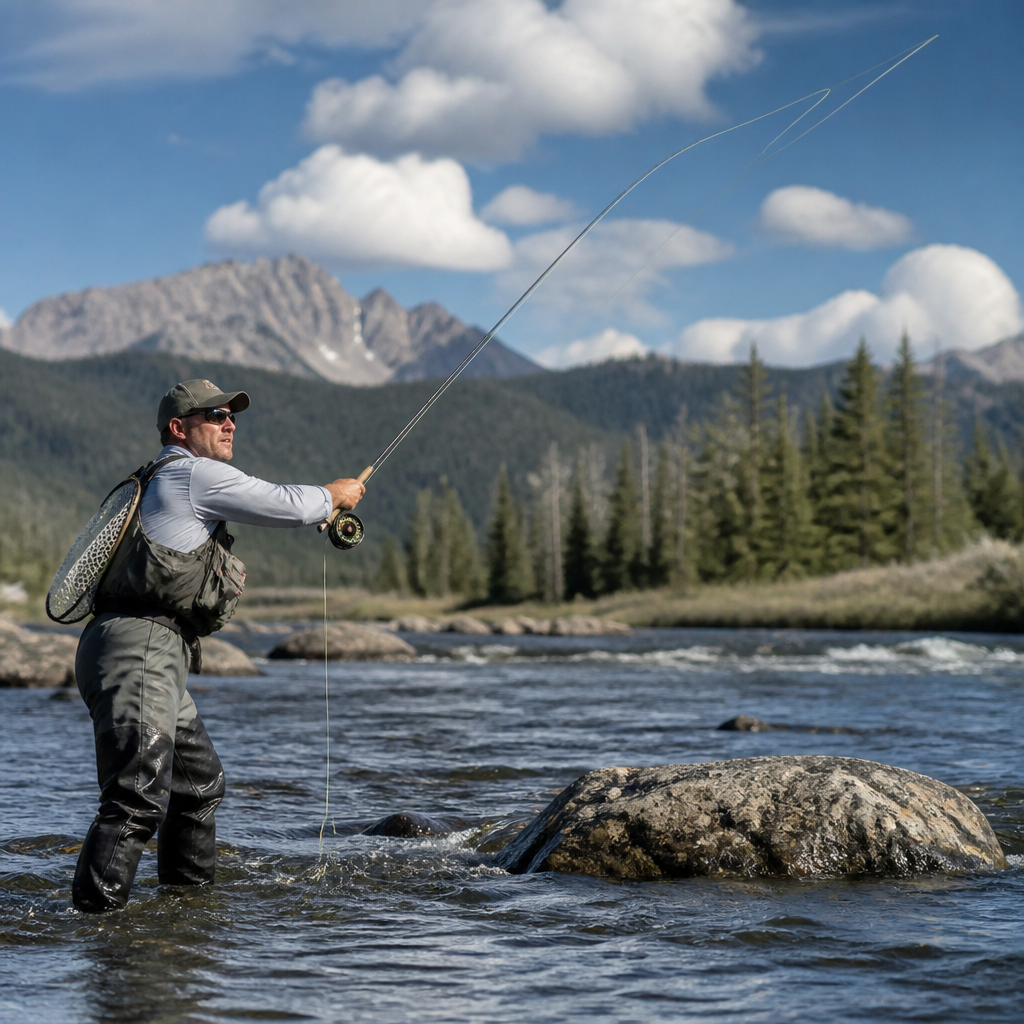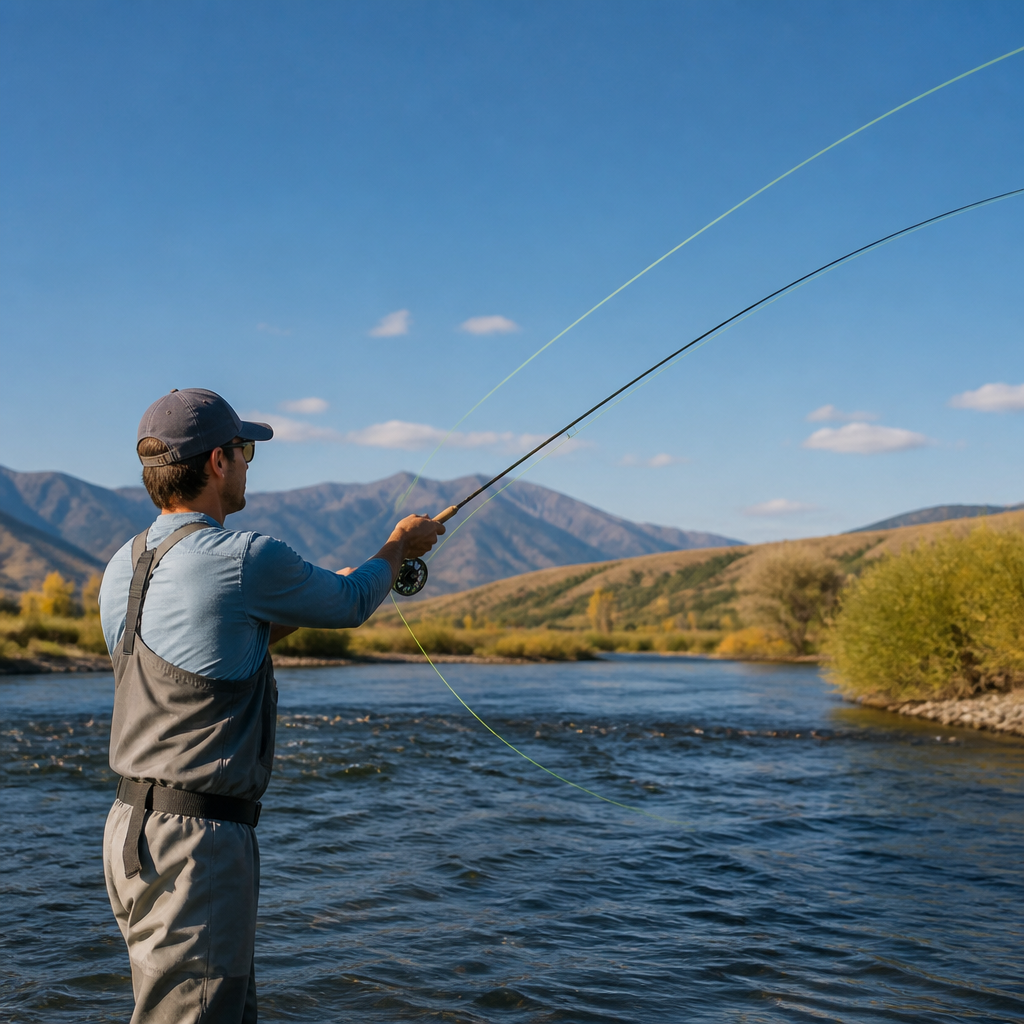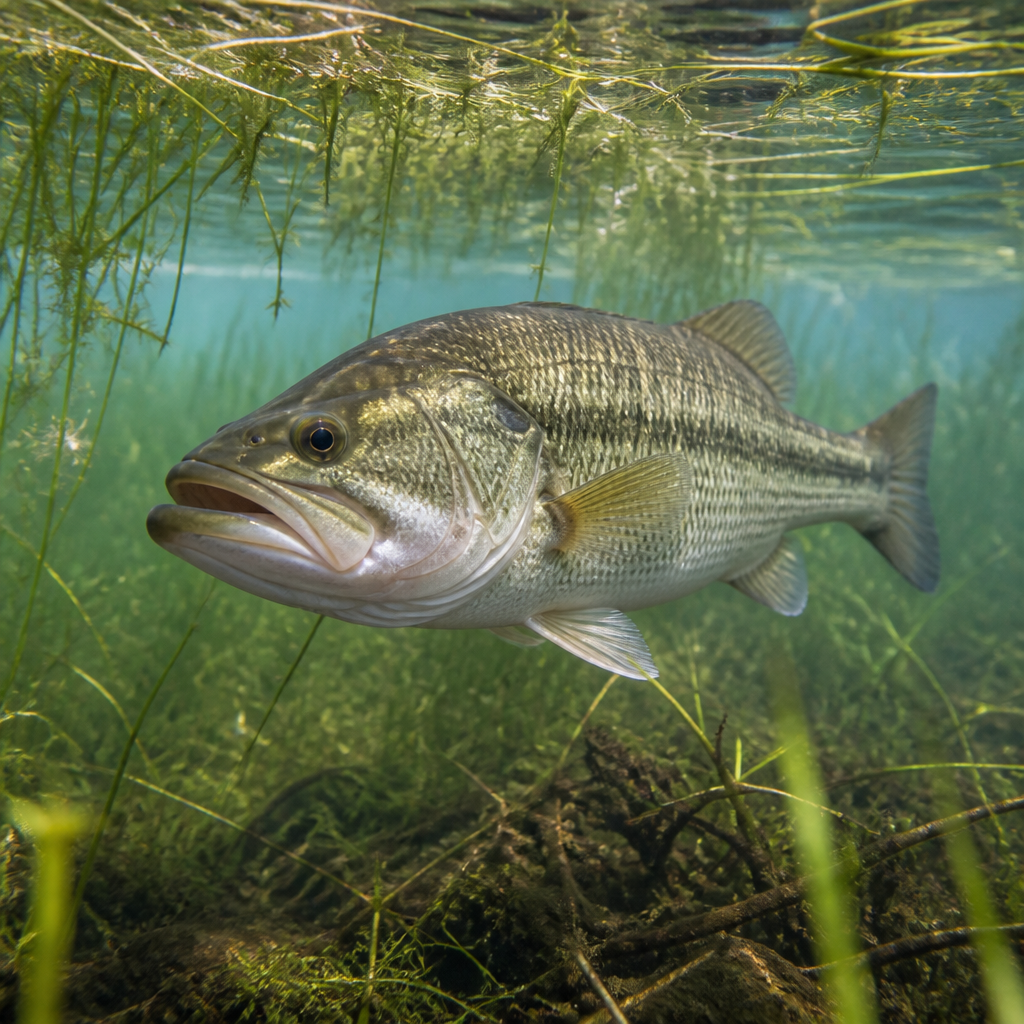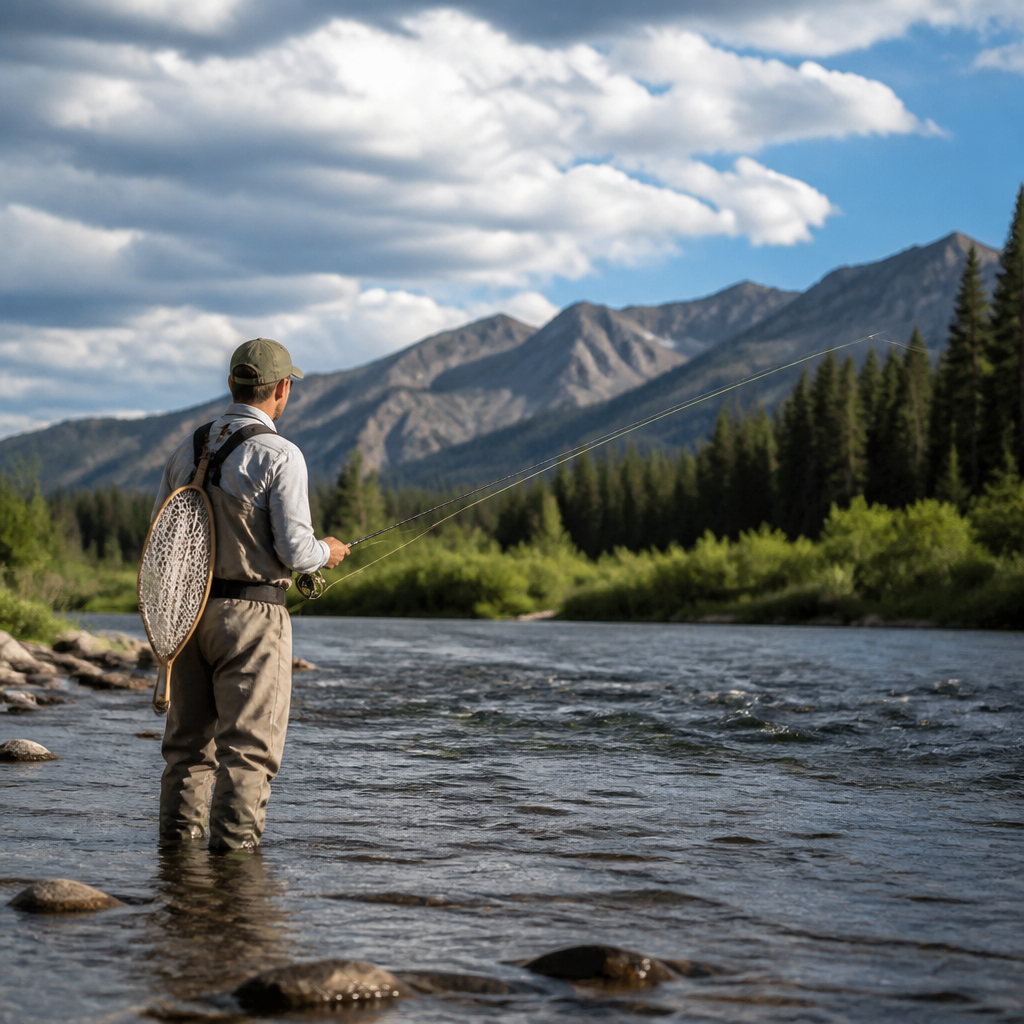
Fly fishing has always balanced craft and intuition, but modern technology now shapes how skilled anglers read water, choose flies, fight fish, and plan entire days on the river. Using technology in fly fishing is no longer a niche practice reserved for gadget lovers; it has become a practical part of advanced techniques for trout, bass, saltwater species, and migratory fish. In my own guiding, trip planning, and post-trip analysis, I have seen the difference that good tools make: fewer wasted hours, better positioning, cleaner presentations, and more informed decisions under changing conditions.
In this context, technology means any digital or engineered tool that improves observation, precision, safety, or learning. That includes GPS mapping apps, sonar on boats, smartwatches, river flow dashboards, weather radar, action cameras, polarized lens technology, advanced fly lines, and rod materials built with high modulus graphite and refined resin systems. It also includes data habits, such as logging water temperature, insect activity, and catch timing to identify repeatable patterns. Advanced techniques are not simply harder versions of basic skills. They are methods used when conditions are variable, fish are pressured, and marginal gains matter, such as European nymphing with tight line contact, streamer fishing with controlled sink rates, or saltwater sight casting with exact leader formulas.
This matters because fly fishing success often hinges on details that anglers cannot reliably judge by instinct alone. River discharge measured in cubic feet per second can tell you whether a crossing is safe or whether fish will hold tight to banks. Water temperature determines trout stress, feeding windows, and ethical handling limits. Wind speed and barometric pressure influence casting strategy and fish location. A mapping layer can reveal access points, side channels, or spring creeks that never appear from road level. Used correctly, technology does not replace watercraft. It sharpens it. For anglers building a serious approach under the broader umbrella of techniques and strategies, this hub explains the core tools, where they fit, and how to use them without becoming dependent on screens.
Digital planning tools for reading water before you arrive
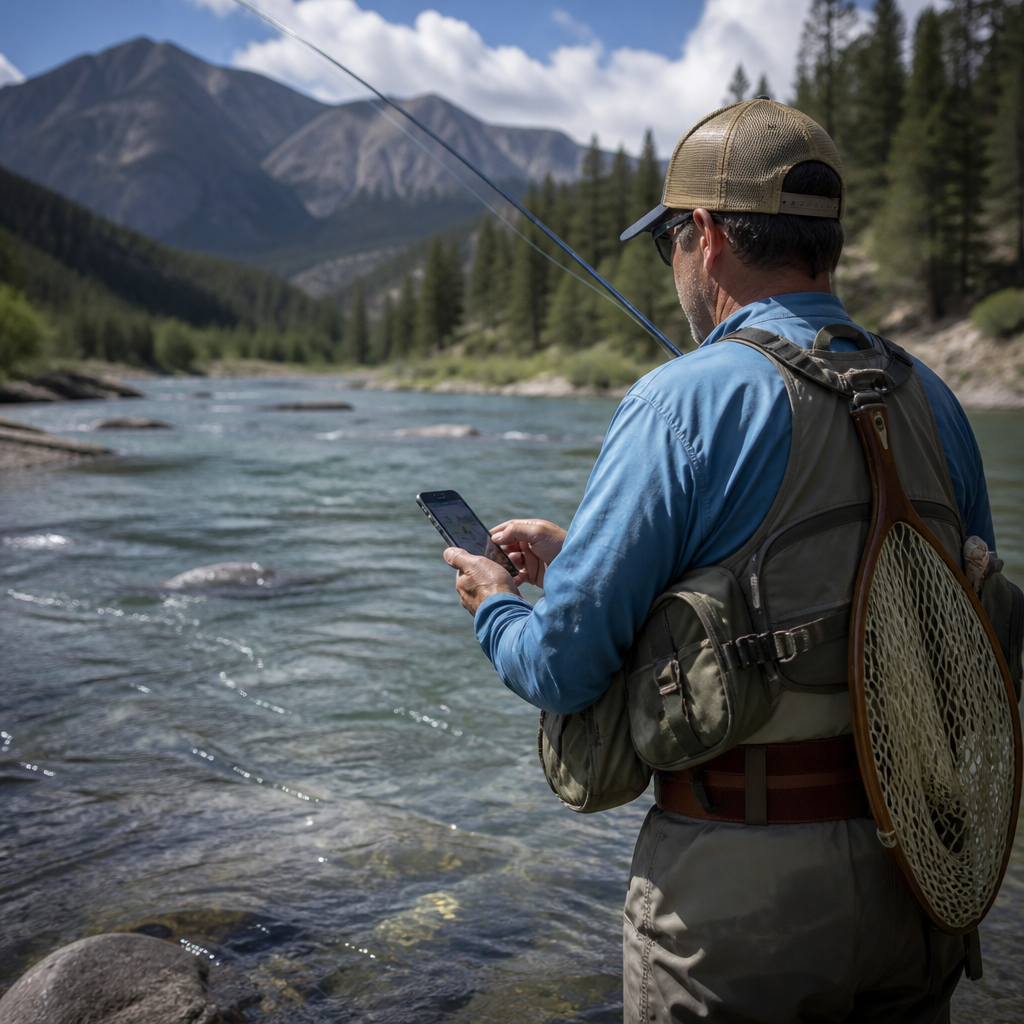
Advanced fly fishing begins before your boots touch the bank. Digital planning tools let anglers evaluate water in ways that once required several scouting trips. The most useful combination is a river gauge source, a detailed weather platform, and a mapping app with public-private land layers. In the United States, many anglers rely on USGS gauges for streamflow and water level trends, while mobile tools such as onX Hunt, TroutRoutes, Google Maps, and satellite imagery help identify bends, riffle shelves, meadow sections, and likely holding structure. The practical benefit is efficiency. When I plan a day on a tailwater, I compare recent releases, hourly wind, and cloud cover before deciding whether nymphing, dry-dropper fishing, or streamers make the most sense.
Gauge data deserves direct interpretation. High water is not automatically bad, and low water is not automatically technical. A freestone river at 900 cfs might fish beautifully if it has broad banks and soft inside seams, while another becomes dangerous and dirty at the same number. Track each river over time and match fishable ranges to your notes. Weather radar adds another layer. Summer storms can spike small tributaries within hours, especially in steep drainages or burned watersheds. A ten-minute check can prevent a long hike into blown-out water. Wind forecasts matter just as much on stillwaters and salt flats, where 15 to 20 mph changes casting angles, fly size, and even whether sight fishing remains realistic.
Mapping technology also supports access strategy, one of the least glamorous but most valuable advanced techniques. Knowing where legal easements, bridges, trailheads, and float sections begin can transform a crowded weekend. Satellite views reveal back channels, gravel bars, and woody structure hidden from roads. On larger rivers, I often mark backup spots at one-mile intervals so I can adapt if flows shift or another group is already fishing a run. That kind of preparation is what separates random exploration from disciplined angling.
Electronics on the water: GPS, sonar, watches, and cameras
Once on the water, electronics become decision tools rather than planning tools. GPS units and smartphone navigation help wading anglers track entry points, private boundaries, and return routes in low light. For float anglers, they improve shuttle timing, speed control, and hazard awareness. On lakes and in saltwater, sonar and chartplotters can be game changing. A modern fish finder does more than show depth. It identifies drop-offs, weed edges, bait concentrations, thermoclines, and submerged timber. In stillwater fly fishing, that means you can suspend chironomid rigs at exact depths instead of guessing whether fish are cruising at twelve feet or twenty.
Smartwatches are often underestimated. A good watch gives wind, storm alerts, barometric trend, sunrise and sunset, moon phase, GPS breadcrumbing, and timer functions for sink countdowns or drift rotation. I use countdown timing regularly when fishing intermediate or full-sinking lines from a boat. If a line sinks roughly 1.5 to 2 inches per second, a twenty-second count places the fly in a very different zone than a ten-second count. Repeating that count on productive drifts turns a vague retrieve into a precise method. Action cameras also have value beyond social media. Reviewing footage shows casting faults, late hook sets, poor boat positioning, and how fish reacted to retrieves. That kind of feedback loop accelerates learning because it converts memory into evidence.
There are limits. Electronics can distract anglers from current seams, insect cues, and fish behavior happening in real time. Battery failure, glare, poor signal, and wet screens are common field problems. The best practice is to treat electronics as short-interval reference tools. Check them, make a decision, then fish with full attention. Technology should reduce uncertainty, not pull your eyes away from the water.
Advanced tackle technology and when it changes results
Not all fly fishing technology is digital. Some of the most important advances are built directly into rods, lines, reels, tippet, and eyewear. High modulus graphite rods recover faster, reduce tip bounce, and improve line speed, which matters when making tight-loop casts into wind or lifting long leaders during tight-line nymphing. Fast rods are not inherently better, but they are useful where quick loading and reach matter. Reel drag systems have also improved substantially. Sealed carbon drags now provide smoother startup inertia, which protects lighter tippet when strong fish surge at close range. That is especially important in saltwater and when targeting carp, steelhead, or large trout on technical rigs.
Fly lines may be the most misunderstood performance upgrade. Line tapers determine turnover, mending ease, shooting distance, and how efficiently energy transfers through long leaders. Textured coatings can reduce friction, though some anglers dislike the noise. Density-compensated sinking lines help keep a straighter connection to the fly because the tip does not plunge while the rear floats higher. In streamer fishing, that produces more consistent depth control and better strike detection. Specialized euro-nymph lines, integrated shooting heads, and coldwater versus tropical coatings all solve specific problems. Matching line design to technique is more important than buying the newest product.
Polarized lenses are another true performance tool. Copper, amber, and rose bases often improve contrast in variable freshwater light, while gray and blue mirror lenses excel in bright open water. Lens material and coatings matter for scratch resistance, glare reduction, and all-day comfort. Better visual penetration means earlier fish detection, clearer current reading, and safer wading. In practical terms, quality eyewear often improves advanced presentations more than an expensive rod because you cannot cast accurately at targets you cannot see.
| Tool | Best use | Main advantage | Common mistake |
|---|---|---|---|
| River gauge app | Trip planning on moving water | Shows safe and fishable flow trends | Using one flow number for every river |
| Fish finder | Stillwater and boat fishing | Finds depth, structure, and suspended fish | Chasing marks instead of fishing productive zones |
| Smartwatch | Timing, navigation, weather checks | Supports repeatable presentations | Checking it constantly |
| Specialized fly line | Nymphing, streamers, distance casting | Improves control and energy transfer | Ignoring taper and sink rate |
| Polarized sunglasses | Sight fishing and wading | Enhances visibility and safety | Choosing lens color for style alone |
Using data to improve advanced techniques
The most effective anglers I know collect and interpret data, even if they never call it that. A simple fishing log can reveal seasonal windows, productive leader formulas, water temperature thresholds, and insect timing with surprising clarity. Record date, river section, flow, weather, water temperature, clarity, fly patterns, retrieve style, and where fish were holding. After a season, patterns emerge. You may find that a certain tailwater fishes best for midges when releases stabilize for twelve hours, or that smallmouth shift from banks to mid-depth rock on bright afternoons after a cold front. These are not abstract insights. They directly shape advanced techniques.
Water temperature deserves special attention. Trout generally feed actively within a moderate range, but exact response varies by species, elevation, oxygen levels, and river type. As temperatures rise into stressful territory, fish often seek deeper pools, tributary mouths, spring inflows, and fast oxygenated water. That changes not only where to fish but whether to fish at all. A reliable thermometer supports both ethics and effectiveness. In saltwater, temperature and tide data are equally powerful. Bonefish, striped bass, redfish, and tarpon all respond to changing current speed, depth, and light angle. Logging these variables builds a stronger decision model than memory alone.
Data also improves casting and presentation. Many anglers film practice sessions, measure leader butt diameters, and compare sink rates against actual drift speed. Competitive anglers have long used this mindset. In euro nymphing, for example, leader construction, sighter visibility, contact angle, and fly weight are adjusted methodically rather than emotionally. If you make one change at a time and note the result, your learning curve shortens dramatically. Technology helps here because apps, spreadsheets, and cloud notes make patterns easy to store and search. The point is not to turn fly fishing into laboratory work. The point is to identify what actually works under repeatable conditions.
Hub strategy: connecting advanced subtopics into a complete system
As a sub-pillar hub under techniques and strategies, this page should help anglers understand how technology connects multiple advanced methods rather than treating tools as isolated purchases. Tight-line nymphing depends on leader design, drift angle, and strike detection, all of which benefit from better rod recovery, high-visibility sighters, and detailed flow data. Streamer fishing improves when sonar, sink-rate knowledge, and watch-based countdown timing work together. Sight fishing relies on lens technology, sun angle awareness, and mapping tools that put anglers on appropriate flats, spring creeks, or shallow lake margins at the right time.
Other advanced articles in this cluster should logically branch into specialized subjects: fish finder setup for stillwaters, best apps for river conditions, how to use GPS for float planning, advanced euro nymph leader formulas, choosing sinking lines for streamers, water temperature thresholds by species, and ethical use of cameras and drones. The value of the hub is that it gives readers a framework. Technology in fly fishing is not one topic. It is a support system for presentation, access, fish location, safety, conservation, and skill development.
That systems view also prevents overspending. Anglers often buy premium gear before solving the real bottleneck. If you cannot see fish, upgrade glasses first. If you waste trips on poor conditions, start with gauges, forecasts, and maps. If your stillwater presentations lack depth control, invest in sonar or calibrated sinking lines before buying another rod. In practice, the best technology decisions come from diagnosing the exact failure point in your current approach and choosing the tool that removes it.
Best practices, limitations, and ethical use on the water
Every tool has tradeoffs. More information can improve results, but it can also narrow creativity and make anglers overconfident. Gauge data may lag local conditions. Weather apps cannot fully predict canyon winds. Sonar does not guarantee fish will eat. Cameras can distract from fish handling. Even advanced rods and lines can encourage poor fundamentals if anglers try to buy distance or accuracy instead of building mechanics. Technology works best when paired with observation, local knowledge, and restraint.
Ethics matter just as much as efficiency. Water temperature monitoring should guide decisions to stop targeting stressed trout during warm periods. GPS access tools should be used to respect boundaries, not test them. Cameras should never prolong air exposure for fish. Drones are restricted or inappropriate in many fisheries because they disturb wildlife and other anglers. Responsible use means asking whether a tool improves skill and stewardship, not just catch rates.
The main lesson is simple: use technology in fly fishing to make better decisions, not to escape the need for judgment. Start with planning data, add on-water tools that solve clear problems, and keep detailed notes so each trip teaches the next one. When technology supports advanced techniques instead of replacing them, you fish more efficiently, adapt faster, and protect the waters you care about. Use this hub as your starting point, then build deeper expertise by exploring each advanced subtopic with intention.
Frequently Asked Questions
How is technology actually improving fly fishing without taking away the skill of the sport?
Technology improves fly fishing best when it supports decision-making rather than replacing it. Tools like weather apps, river flow gauges, GPS mapping, fish finders for certain fisheries, digital thermometers, and advanced fly lines help anglers make smarter choices before they ever step into the water. Instead of guessing whether a river is blown out, too warm, or dropping into ideal shape, you can check current conditions and plan around them. That means more time fishing productive water and less time wasting hours on poor timing, wrong access points, or mismatched tactics.
On the water, technology can sharpen traditional skills instead of dulling them. Polarized lenses still help you read current seams and spot fish, but pairing that with a mapping app or saved waypoints can help you return to productive structure, track side channels, and safely navigate unfamiliar stretches. Likewise, understanding insect activity still matters, but using a hatch chart app, a water temperature reading, and local weather trends can help you narrow down what is likely to happen over the next few hours. The best anglers still observe, adjust, and cast well; technology simply helps them start from a better-informed position.
In practical terms, that often leads to fewer unproductive drifts, better fly selection, more efficient wading decisions, and safer outings overall. For serious trout anglers, that might mean timing spinner falls, avoiding water that is too warm for ethical catch-and-release, or knowing when dam releases will change river levels. For bass, saltwater, or migratory fish, it can mean tracking wind, tide, moon phase, water clarity, and migration windows with much greater precision. The skill is still in how you interpret the information and execute on it.
What are the most useful pieces of technology for fly anglers who want practical results?
The most useful technology is usually the gear that solves real problems consistently. A good smartphone with dependable mapping, weather, and river-condition apps is often the single most valuable tool. It can give you access to streamflow data, radar, wind direction, satellite imagery, tides, moon phases, and offline maps. For anglers fishing remote areas, the ability to mark access points, trails, productive runs, and emergency routes can be just as important as any fishing-specific feature.
A digital thermometer is another highly practical tool, especially for trout anglers. Water temperature affects fish metabolism, oxygen levels, insect activity, and the overall ethical window for fishing. Knowing whether the water is 52 degrees, 61 degrees, or pushing into stressful temperatures can completely change how and where you fish. A compact thermometer helps take the guesswork out of planning nymphing depth, dry-fly timing, streamer windows, and whether it is better to stop fishing altogether in warm conditions.
Wearable electronics and communication devices can also be very useful, particularly in backcountry or saltwater situations. Smartwatches can track barometric changes, sunrise and sunset windows, route location, and weather alerts. Satellite communicators and emergency beacons are worth considering if you fish isolated rivers, mountain creeks, or coastal flats with limited cell service. They are not just convenience items; they can be legitimate safety equipment.
Beyond that, advanced lines, reels, and even cameras have a place. Modern fly lines are highly specialized and built with tapers and coatings that improve turnover, mending, distance control, or tropical performance. Good reels now feature better drag systems, especially important for saltwater species and strong migratory fish. Action cameras and phone photos can be more than souvenirs too; many anglers use them after a trip to analyze current speed, fish behavior, fly placement, and mistakes in presentation. The best technology is the kind that helps you fish more efficiently, safely, and thoughtfully.
Can apps and digital tools really help with fly selection, hatch timing, and reading water conditions?
Yes, but they work best as decision aids rather than as automatic answers. Apps can help you narrow the odds by combining data points that anglers used to gather separately. If you can see recent air temperatures, overnight lows, water levels, current water temperature, wind direction, cloud cover, and seasonal hatch trends all at once, you can make much more informed fly choices. For example, a river that has dropped and cleared after a storm may fish completely differently from the same river on a steady rise, and your nymphing setup, streamer profile, or dry-fly expectations should change with it.
Hatch-related tools are especially helpful for trout anglers. A hatch chart app or regional entomology resource can tell you what insects are likely present by month, but that information becomes much more powerful when paired with real conditions. Water temperature often influences emergence timing. Light conditions affect spinner falls and surface activity. Wind can disrupt delicate dry-fly fishing, while cloud cover may encourage longer feeding windows. Using those factors together can help you choose between midges, Blue-Winged Olives, caddis, mayflies, stoneflies, terrestrials, or attractor patterns with more confidence.
Digital tools can also improve how you read water before you arrive. Satellite imagery can reveal side channels, gravel bars, weed beds, estuary edges, backwaters, and likely holding structure. Flow graphs help you understand whether a run will be wadable, too pushy, or perhaps ideal for swinging flies. On lakes or saltwater flats, wind forecasts and tide tables can shape where fish will position and how they will move. None of that replaces the need to observe insect shucks, watch rise forms, check bait movement, or read current seams in person, but it gives you a much better starting point.
The anglers who get the most from these tools tend to combine them with notes from past trips. Logging which flies worked under certain temperatures, flows, and weather patterns creates a personal database that becomes more valuable over time. That is where digital tools really shine: they help turn scattered experience into repeatable knowledge.
What is the best way to use technology for trip planning and post-trip analysis?
For trip planning, start with the variables that most strongly affect the species you are targeting. If you are chasing trout, focus on streamflow, water temperature, weather trends, access, and hatch timing. If you are targeting bass, look closely at water temperature, structure, light levels, and recent weather swings. For saltwater species, prioritize tide movement, wind direction and strength, water clarity, moon phase, and bait presence. The key is to avoid collecting data just for the sake of it; focus on the conditions that directly influence feeding behavior and your ability to present a fly effectively.
A strong planning routine usually includes checking river gauges, radar, forecast models, sunrise and sunset timing, map access points, and backup locations. If one river is too high or too warm, you should already know your second and third options. Saving waypoints for parking areas, launches, productive runs, and wading hazards helps streamline the day and reduces wasted time. This is especially valuable for guides, traveling anglers, and anyone trying to maximize limited fishing windows.
Post-trip analysis is where many fly anglers leave improvement on the table. After each outing, record what happened in a simple, consistent format. Note the date, location, target species, weather, water temperature, flow level, flies used, successful techniques, missed opportunities, and the time periods when fish were most active. If you took photos or short videos, review them later. You may notice that your drift was faster than you thought, your casting angle was off, your fly rode too high, or fish were holding in softer water than you expected. Those details are easy to forget if you do not capture them.
Over time, this process creates patterns you can trust. You may discover that a certain streamer bite turns on with dropping cloud cover and slightly stained water, or that a favorite tailwater fishes best for dry flies when flows hold steady for 48 hours. You may also identify avoidable mistakes, such as arriving too late for a short morning feeding window or overlooking side-water holding lies in higher flows. Technology is most powerful when it helps you build a feedback loop: plan with better information, fish more intentionally, review what happened, and use that insight to improve the next trip.
Are there any downsides to using technology in fly fishing, and how can anglers avoid overreliance on it?
There are downsides if technology starts replacing observation, adaptability, and water sense. One common mistake is trusting apps and forecasts too literally. Conditions can change faster than data updates, and even excellent tools cannot fully capture local wind funnels, spring inflows, insect density, or how fish are positioned in a very specific run at that exact moment. An angler who relies too much on screens may overlook obvious signs in front of them, such as subtle rises, bait movement, bird activity, current changes, or the fact that fish have shifted into softer holding water.
Another downside is distraction. Fly fishing rewards focus, patience, and close reading of the environment. Constantly checking your phone can break concentration and keep you from noticing the small clues that often matter most. There is also a risk of turning every outing into a data exercise instead of an experience. Good technology should simplify decisions and improve outcomes, not make the sport feel mechanical or detached from the river.
The best way to avoid over