Advanced fly fishing techniques separate anglers who simply cast from anglers who consistently solve moving-water puzzles. In practical terms, “advanced” does not mean flashy or difficult for its own sake. It means using refined methods to control presentation, depth, drag, angle, and timing so a fly behaves like food under real conditions. Over the years, I have found that the best advanced anglers are not always the longest casters or the owners of the most expensive rods. They are the anglers who read current seams quickly, adapt rigging without hesitation, and know exactly why a trout, bass, steelhead, or saltwater predator should eat in a given moment.
Fly fishing technique sits at the center of success because fish do not respond to tackle alone. They respond to position, profile, speed, depth, and confidence. A dry fly drifting one inch faster than the current around it can be refused. A streamer stripped on the wrong line angle can look lifeless. A nymph riding six inches above the strike zone may never be seen. Advanced fly fishing techniques are the collection of methods that solve these problems: reach casts, aerial mends, slack-line presentations, tight-line nymphing, indicator nymphing adjustments, swing control, streamer manipulations, double hauling, fish-fighting pressure angles, and strategic wading.
This hub article covers those techniques as an overview so you can understand when each one applies, what problem it solves, and how it fits into a broader system. That matters because advanced fly fishing is cumulative. Line control improves nymphing. Better mending improves dry fly drifts and wet fly swings. Improved casting mechanics increase accuracy, reduce fatigue, and open presentations that are impossible with brute force. If you are building a serious approach to techniques and strategies, this page gives you the map: presentation first, then depth control, then movement, then efficiency, then fish landing. Mastering those layers creates more takes and converts more of them into fish landed.
At an advanced level, the water dictates the method. Pocket water demands fast setup and short drifts. Long slicks require distance, low-visibility approaches, and drag elimination. Deep runs call for weighted flies, split shot placement, and controlled contact. Wind, conflicting currents, and fish position all alter the decision tree. The goal is not to memorize tricks. The goal is to understand the mechanics behind effective fly presentation so you can adapt anywhere. That is why advanced techniques matter: they turn fly fishing from hopeful casting into repeatable problem solving.
Presentation Control: Drift, Angle, and Line Management
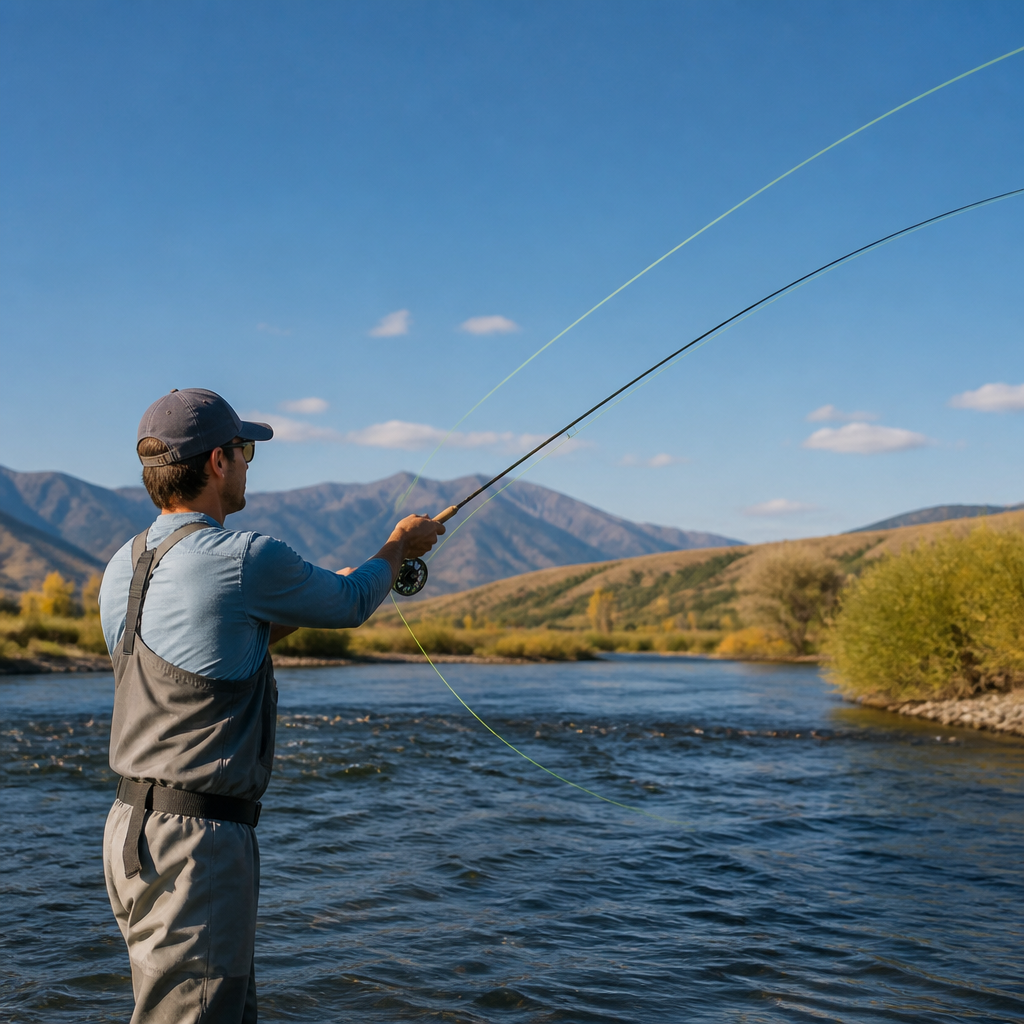
The foundation of advanced fly fishing is presentation control. Every other tactic depends on where the line lands, how quickly it comes under tension, and whether the fly drifts or moves in a believable way. On rivers, drag is usually the first enemy. Different currents pull the fly line, leader, and fly at different speeds, creating unnatural movement. Advanced anglers counter this with reach casts, curve casts, pile casts, aerial mends, and on-water mends. A reach cast places line upstream or downstream before it lands, buying a longer natural drift. A pile cast intentionally drops slack over the water so the fly can drift before the line straightens. A curve cast changes angle around current tongues or structure.
Good line management starts before the cast. I decide where I want the fly to land, where I want the leader to land, and where I do not want the fly line to land. That last point is critical on clear water. If the fly line crosses a feeding lane, presentation often fails before the drift begins. Stack mending is especially useful in longer drifts. By feeding small upstream mends as the fly travels, you extend drag-free time without moving the fly unnaturally. On the flip side, a downstream mend can be the right choice when swinging soft hackles or positioning a streamer broadside. Advanced technique is not just eliminating movement; it is choosing the correct movement.
Rod angle and tracking also matter. Keeping the rod tip high reduces line on the water and slows drag transfer. Lowering the rod can improve direct contact when setting up a swing or stripping presentation. Accurate casting at multiple distances is more valuable than pure distance. In my experience, being able to land a fly first with minimal false casts at twenty-five, forty, and fifty feet catches more fish than a heroic seventy-foot cast. Efficient anglers control drift by combining stance, casting angle, mend timing, and slack creation into one seamless routine.
Advanced Nymphing Systems and Strike Detection
Nymphing becomes advanced when depth, contact, and strike detection are managed deliberately instead of approximately. The key principle is simple: most trout feed near the bottom, but not on the bottom every second. The best nymphing systems keep flies in the strike zone for the longest possible part of the drift while minimizing unnatural drag. Tight-line nymphing, often associated with European competition methods, uses a long leader, thin tippet, weighted flies, and direct contact. The angler leads the flies through the drift with minimal fly line on the water. This increases sensitivity and reduces conflicting currents, making subtle takes easier to detect.
Indicator nymphing remains highly effective, especially in larger rivers, deep slots, and mixed currents where longer drifts matter. Advanced indicator nymphing means more than attaching a bobber and casting upstream. It requires precise depth calibration, thoughtful split shot placement, and constant adjustment to current speed. If your indicator passes over a seam while your flies sink into softer water below, the drift can hinge and stall. Moving the indicator a few inches, changing shot size, or lengthening tippet can transform results. A sighter in tight-line setups or a yarn, foam, or air-lock style indicator in suspension rigs all serve the same purpose: they reveal changes in speed, stop, lift, or hesitation that indicate a fish.
| Technique | Best Water Type | Main Advantage | Primary Limitation |
|---|---|---|---|
| Tight-line nymphing | Moderate depth runs, pocket water, seams | Excellent strike detection and depth control | Less efficient at very long range |
| Indicator nymphing | Deep runs, broad currents, long drifts | Covers distance and suspends flies well | More surface drag from line and indicator |
| Dry-dropper | Shallow riffles, banks, pocket water | Combines surface and subsurface options | Limited in heavy depth or fast plunge pools |
Strike detection is where advanced anglers separate themselves. Trout often inhale and reject a nymph in less than a second. Any pause, straightening, twitch, or slight acceleration deserves a hook set. That does not mean violent lifting. A short, controlled upward or lateral set keeps the rig in the water and ready for a second drift. Weight placement matters too. Shot crimped too far from the flies delays sink rate and separates the rig. Shot too close can reduce natural movement. As a rule, adjust weight until you occasionally touch bottom without constantly hanging up. Bottom contact is data, not failure. Without it, you are often fishing above the fish.
Dry Fly Precision and Drag-Free Drifts
Advanced dry fly fishing is a game of inches and timing. Trout feeding on mayflies, caddis, midges, or terrestrials often inspect a fly carefully, especially in slow water. A correct imitation helps, but sophisticated presentation usually matters more than exact pattern choice. The most important skills are approach angle, leader design, slack management, and micro-mending. On spring creeks and tailwaters, I often lengthen leaders to twelve to fifteen feet and drop tippet diameter to improve separation between fly line and fly. A longer leader does not automatically mean better drifts, but it gives you more room to manage currents without lining fish.
Slack-line casts are essential. The parachute cast, reach cast, and wiggle cast all create controlled slack that protects the fly from immediate drag. In technical water, targeting the feeding lane from the side rather than directly below can produce a better angle for a natural float. Tracking individual risers also matters. Fish usually hold in a repeatable station and eat in a rhythm. Instead of casting at every rise form, pick one fish, observe its cadence, and deliver the fly where it will be when the trout resumes feeding. This reduces wasted casts and false presentations.
Advanced dry fly anglers also understand refusal signals. If a fish rises beneath the fly and turns away, the problem may be drag, profile, size, or leader flash. If multiple fish refuse in flat water, first suspect micro-drag rather than pattern color. A tiny V-wake can ruin an otherwise perfect imitation. High-stick drifts with little fly line on the water can help at short range, while downstream slack presentations can be deadly when fish are facing up in smooth glides. The principle is consistent across rivers: deliver the fly with the least possible influence from the line until the fish commits.
Streamer Tactics, Swinging Flies, and Triggering Predators
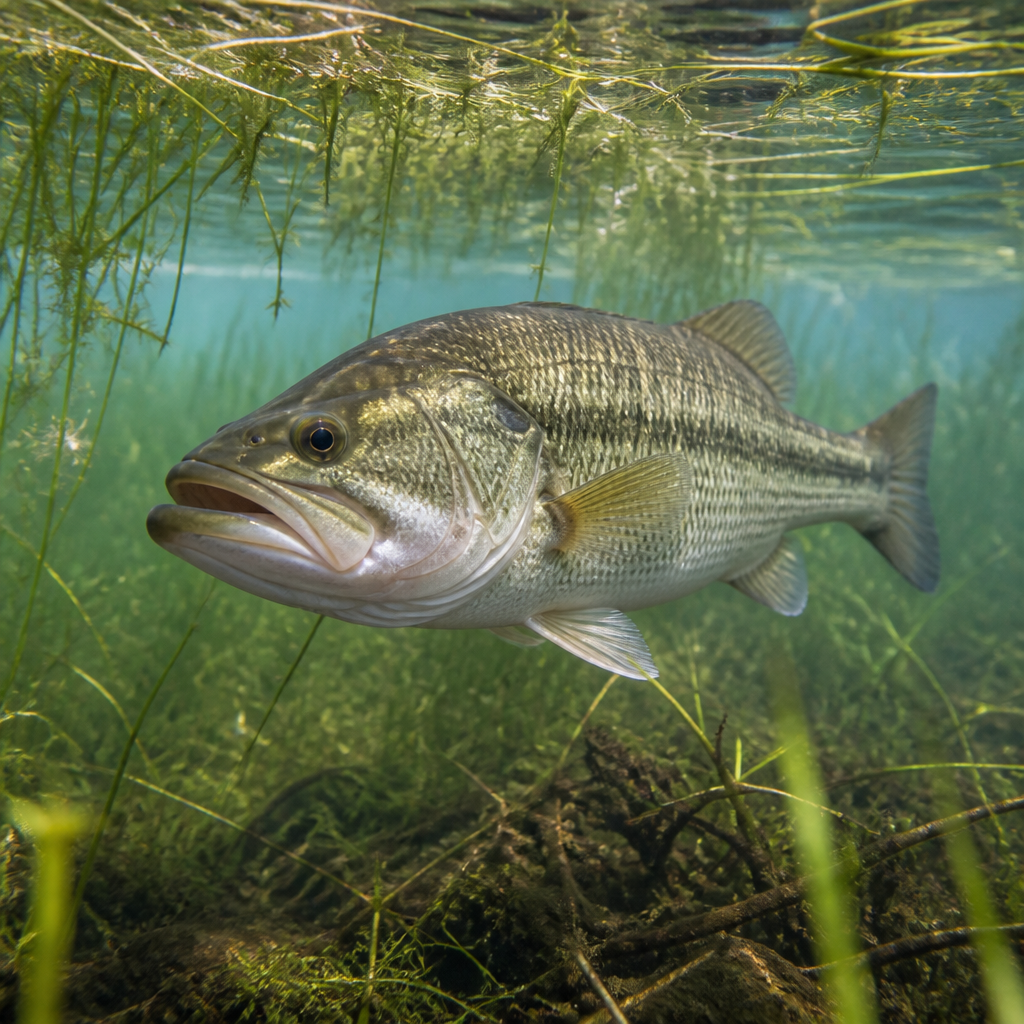
Streamer fishing is often described as aggressive, but advanced streamer technique is highly controlled. The objective is not random stripping. It is to show a larger food item at the right depth, speed, and angle to trigger predatory behavior. For trout, that can mean sculpin, dace, juvenile trout, or crayfish. For bass, it may mean baitfish near weed edges or structure. In anadromous fisheries, swung flies represent intruders or opportunistic prey. Line choice shapes everything here. Floating lines with sink-tip leaders excel in moderate depth and near-bank work. Integrated sink-tip lines maintain cleaner turnover with larger flies. Full sinking lines are often best for deep, even runs where keeping the fly level matters.
Retrieve style changes fish response. Short, sharp strips can imitate a darting baitfish. Long pauses let a weighted streamer jig or glide. The broadside swing with a mend after the cast is classic for soft hackles, steelhead flies, and some trout streamer applications because it presents movement under tension without ripping the fly away. In cold water, slower often wins. In warm conditions or stained water, more speed and contrast can trigger reaction strikes. Advanced anglers vary cadence intentionally rather than fishing one default strip all day.
Boat anglers and wading anglers apply the same principles differently. From a drift boat, casting banks, structure transitions, and undercut edges demands fast recasts and short feeding shots. Wading streamer anglers often do better by covering depth lanes systematically: near bank, seam, center slot, far seam. Figure-eight retrieves, rod-tip drops, and downstream strips can all change the fly’s tracking path. The common denominator is control. If you do not know how deep the fly is running or why you chose that retrieve, you are not yet fishing streamers at an advanced level.
Specialized Casting, Wading Strategy, and Fighting Fish Efficiently
Advanced casting is not tournament casting. It is using mechanics that solve fishing problems under wind, current, and limited backcast space. Double hauling increases line speed, tightens loops, and helps punch through wind, especially with larger dries, weighted nymph rigs, and streamers. The Belgian or oval cast keeps weighted flies moving on a safer, more continuous path. The single Spey, double Spey, and snap-T allow efficient change of direction on rivers where trees or high banks block a backcast. Even for single-hand anglers, learning water-loaded casts improves efficiency on overgrown streams and while fishing from awkward stances.
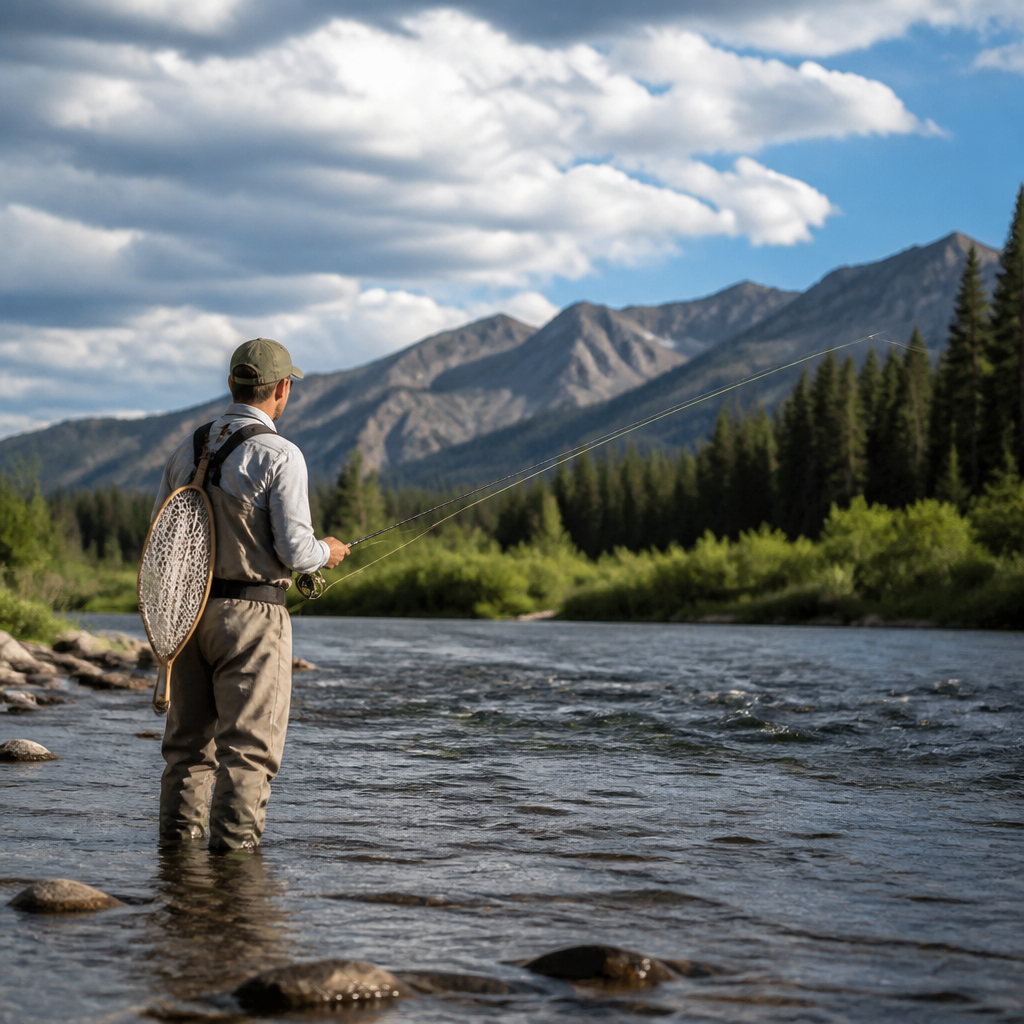
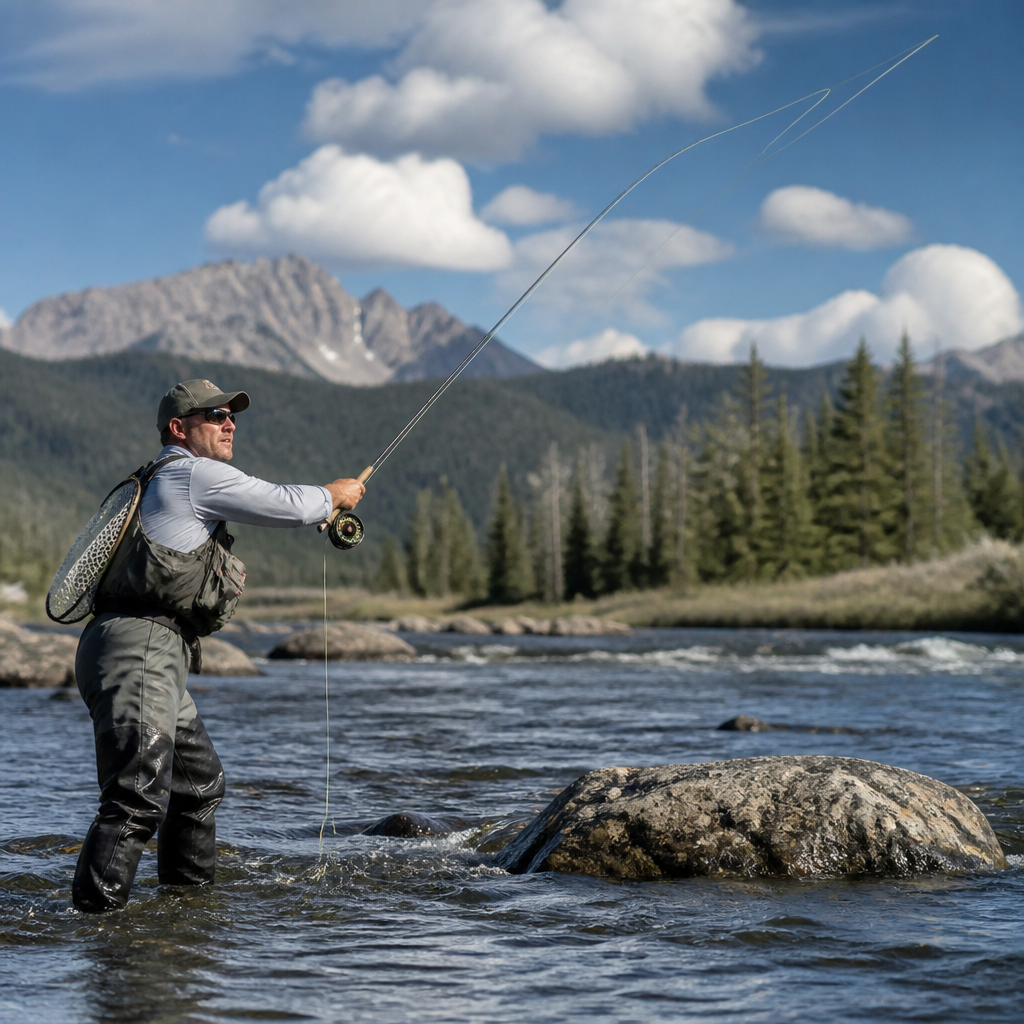
Wading strategy is equally advanced because position determines presentation before the cast begins. Many anglers wade too quickly and too deeply, pushing fish from the very water they should fish first. A disciplined approach starts close, covers near seams, and advances only when necessary. In pocket water, short controlled drifts from close range often outperform long casts. In flats and tailouts, staying low, moving slowly, and avoiding skyline exposure matters as much as fly choice. Good wading also creates better hook-setting angles and line control because the angler is aligned with the current, not fighting across it.
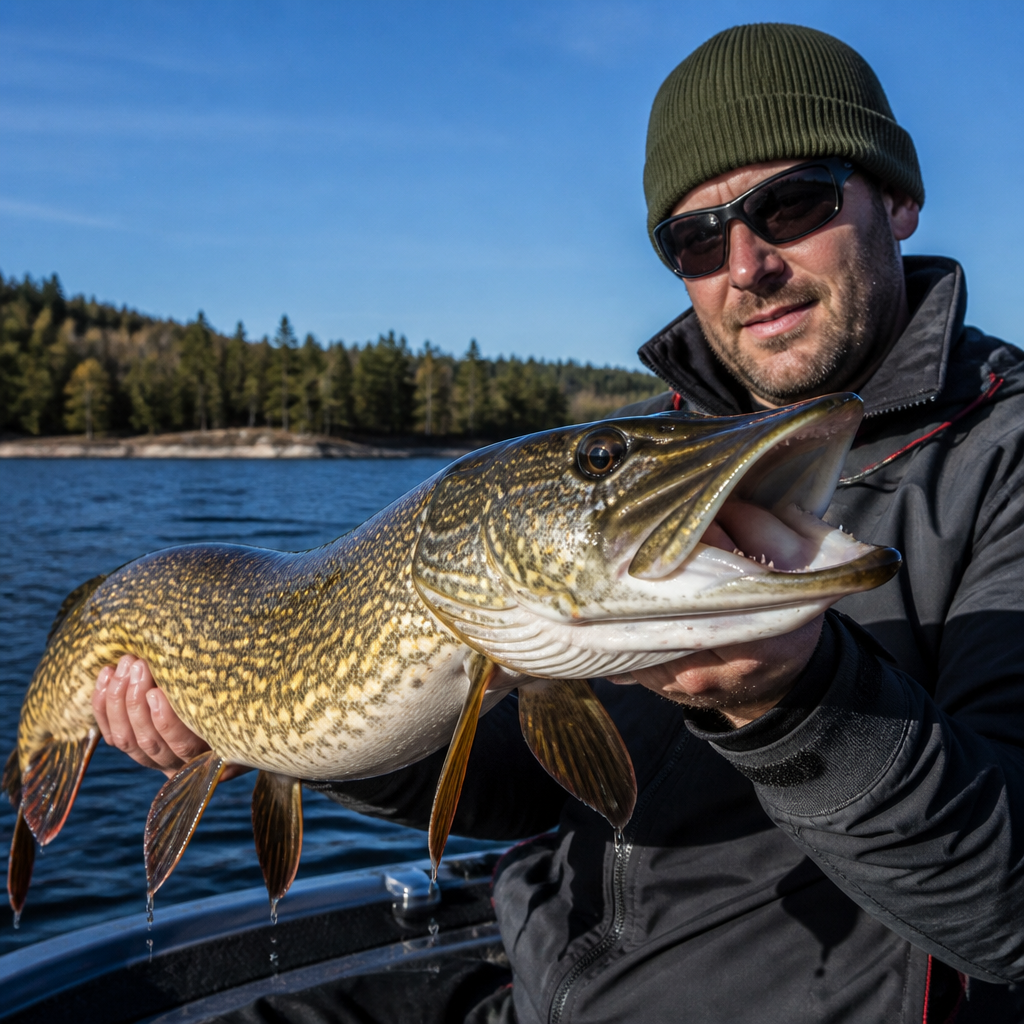
Once hooked, fish fighting becomes a technical skill. Side pressure turns fish more effectively than simply lifting high overhead. Changing rod angle from left to right destabilizes a fish and shortens the fight. On trout, especially in warm water, efficiency is a conservation issue, not just convenience. A strong butt section and smooth drag should do the work. On larger fish such as steelhead, salmon, carp, pike, or saltwater species, clearing line, managing backing, and using the reel properly are mandatory. The best advanced anglers land fish quickly because they prepare for the fight before the cast, keeping stripping baskets, loose line, drag settings, and net position organized.
Advanced fly fishing techniques are best understood as a connected system, not a list of isolated tricks. Presentation control governs everything. Nymphing teaches depth and contact. Dry fly fishing sharpens drag awareness and precision. Streamer tactics teach angle, speed, and predator triggers. Casting and wading create the physical platform that makes every presentation possible. Fighting fish efficiently protects tackle, improves landing rates, and reduces stress on the fish. When these skills work together, you fish with intention rather than hope, and that is the true mark of an advanced angler.
If you are using this page as your hub for advanced techniques, focus on sequence. First improve line control and mending, because every method benefits. Next refine depth management in nymphing and angle management in dry fly and streamer fishing. Then develop specialized casts that solve real conditions, not just practice-field goals. Finally, tighten your wading and fish-fighting habits so your hard-earned chances end in clean landings. Progress comes faster when each technique answers a specific on-water problem.
The benefit of advanced technique is simple: more effective presentations, more detected strikes, more fish landed, and better decisions under changing conditions. Return to this hub as you build your approach across rivers, lakes, and saltwater. Choose one technique each trip, practice it deliberately, and turn skill into consistency.
Frequently Asked Questions
What makes a fly fishing technique “advanced” rather than just more difficult?
In fly fishing, “advanced” should not be confused with complicated, flashy, or unnecessarily technical. A technique becomes advanced when it gives the angler more control over how the fly behaves in real water. That includes managing presentation, depth, drag, casting angle, line tension, mending, and timing so the fly matches what trout or other game fish are actually willing to eat. In other words, advanced methods help solve problems created by current seams, changing water speeds, depth transitions, wary fish, and feeding behavior.
An angler using advanced techniques is usually reading the entire drift, not just making a cast and hoping for the best. They are thinking about how quickly the fly needs to sink, where the current will grab the line, whether a reach mend or aerial mend will improve the presentation, and how the fish is positioned relative to the food lane. They also understand that the right method depends on conditions. A long dead drift may be the answer in one run, while a controlled swing, a tuck cast, high sticking, or contact nymphing may be the better choice in another.
Perhaps most importantly, advanced fly fishing is rooted in efficiency and adaptability. The best anglers are not trying to impress anyone. They are making deliberate choices that increase consistency. That may mean shortening the cast for better control, changing leader construction to improve turnover, or adjusting weight and fly size to match water depth and speed. Advanced techniques are less about doing difficult things for their own sake and more about making the fly look alive, natural, and believable under changing conditions.
How do advanced anglers control drag and improve natural presentation in moving water?
Controlling drag is one of the biggest separators between average and highly skilled fly anglers. Drag happens when currents move the line, leader, or fly at an unnatural speed or direction compared to the surrounding water. Fish often reject even a well-chosen pattern if the drift looks wrong. Advanced anglers reduce drag by controlling the cast before the fly lands, managing the line during the drift, and choosing better angles of approach based on current structure.
One of the most effective tools is the mend. Upstream mends, downstream mends, stack mends, and aerial mends all help reposition line so conflicting currents do not immediately pull the fly off course. Instead of reacting late, experienced anglers often build slack into the cast from the beginning with a reach cast, wiggle cast, parachute cast, or curve cast. These presentations create a cushion of slack that allows the fly to drift naturally before the line starts to influence it. On small streams, this may be subtle. On larger rivers with multiple current seams, it can be the difference between a refusal and a confident take.
Line control also depends on positioning. Sometimes the best answer is not a better mend but a better place to stand. By changing wading position or casting angle, an angler can reduce the amount of conflicting current between rod tip and fly. High rod tracking, careful slack management, and leading the drift without pulling the fly are also critical. With nymphs and emergers, advanced anglers often maintain just enough contact to detect strikes while still allowing a natural drift. With dry flies, they may deliberately introduce slack so the fly rides freely. In both cases, the goal is the same: make the imitation move like food, not like tackle.
Why is depth control so important in advanced fly fishing techniques?
Depth control matters because fish feed where the food is, and in many situations that is not near the surface. Anglers often focus heavily on fly selection, but even the right pattern will fail if it is drifting above or below the feeding zone. Advanced anglers understand that depth is not a static number. It changes with current speed, water temperature, structure, fish mood, and where in the drift the fly begins to sink. A fly that looks perfect near the end of the drift may have spent the most productive section of the run too high in the water column.
Refined depth control comes from combining several variables: fly weight, split shot placement, leader length, indicator placement, line type, cast style, and drift length. For example, a tuck cast helps a nymph rig enter the water with the flies and weight leading downward, allowing a faster sink rate. Euro nymphing or tight-line methods improve direct contact and make it easier to track subsurface flies through changing depth contours. On still deeper or faster runs, a sinking line or sink-tip may be more efficient than simply adding more weight to a floating-line setup.
Advanced anglers constantly adjust until they are in the strike zone consistently. They watch for signs that the flies are too shallow, such as a lack of occasional bottom contact in water where fish are known to hold deep. They also recognize when they are too heavy, causing unnatural drifts or frequent snagging. This process is dynamic, not random. Skilled fly fishers use each drift as feedback and fine-tune based on what the river tells them. In practical terms, depth control is often the hidden factor behind productive days, especially when fish are feeding subsurface and conditions are complex.
Which advanced casting and presentation techniques are most useful on the water?
The most useful advanced casting techniques are the ones that directly improve presentation, accuracy, and drift control under real fishing conditions. A reach cast is extremely valuable because it places line upstream or downstream during the cast, setting up a cleaner drift before the fly lands. A tuck cast is essential for nymphing in faster or deeper water because it drives the weighted flies downward quickly. Curve casts help present around obstacles or feed a fly into tricky seams without lining the fish. A wiggle cast and parachute cast are helpful when extra slack is needed for long drag-free drifts with dry flies.
On top of these specialty presentations, line management skills are equally important. Aerial mending allows correction before the line touches down, while stack mending adds controlled slack throughout the drift on complex currents. On streamer water, advanced presentation may involve changing the retrieve angle, using tension swings, introducing pauses, or making quartering casts to keep the fly broadside to fish. In tight quarters, roll casts, single-hand Spey casts, and other water-loaded deliveries help place flies efficiently without a full back cast. These techniques are especially useful under tree cover, along steep banks, or when fishing from awkward positions.
The key is understanding why and when to use each cast. Skilled anglers do not collect techniques as tricks. They select them based on the problem in front of them. If fish are holding under a seam and refusing a standard dead drift, a reach cast may buy just enough extra drift time. If nymphs are not getting down quickly enough at the head of a slot, a tuck cast may solve the issue. If a dry fly keeps dragging the moment it lands, a wiggle cast or aerial mend may fix the presentation. Advanced casting is really problem-solving through motion, angle, and line placement.
How can an angler start learning advanced fly fishing techniques without getting overwhelmed?
The best way to learn advanced fly fishing is to treat it as a progression in control, not as a list of complicated moves. Start by mastering the fundamentals that advanced techniques depend on: accurate casting at practical fishing distances, clean line handling, basic mending, knot confidence, and the ability to read water. Once those skills are reliable, choose one problem to solve at a time. For example, focus an entire outing on getting longer drag-free drifts, or spend a day learning how depth changes affect strike frequency while nymphing. This kind of focused practice creates much faster improvement than trying to learn everything at once.
It also helps to connect each technique to a clear fishing purpose. Learn a reach cast because it improves drift, not because it sounds advanced. Practice a tuck cast because it helps flies sink faster in pocket water. Experiment with tight-line nymphing because it improves strike detection and depth control in certain runs. When the technique is tied to a real on-the-water problem, it becomes easier to remember, evaluate, and refine. Many anglers benefit from practicing on grass first, but the real breakthrough usually comes from applying the method in current and watching how the fly, leader, and line behave.
Finally, keep your approach observant and patient. Advanced anglers become advanced largely because they pay attention. They notice where fish hold, how current speed changes across a seam, how quickly their rig sinks, and what happens when they alter angle or tension by just a small amount. Taking notes, fishing with a skilled partner or guide, and reviewing what worked in specific conditions can accelerate the learning curve. You do not need to become expert in every modern method immediately. If you gradually build better presentation, better depth control, and better line management, you will already be fishing at a much higher level.