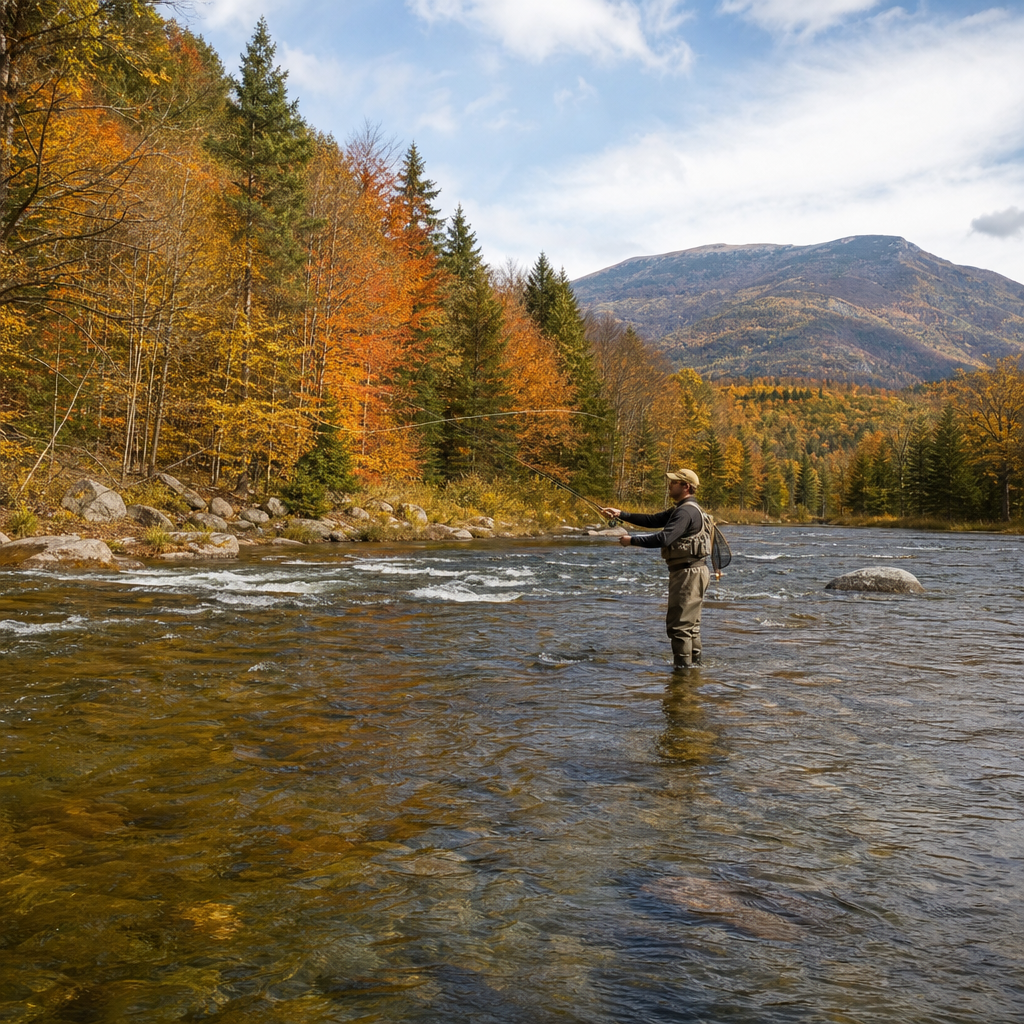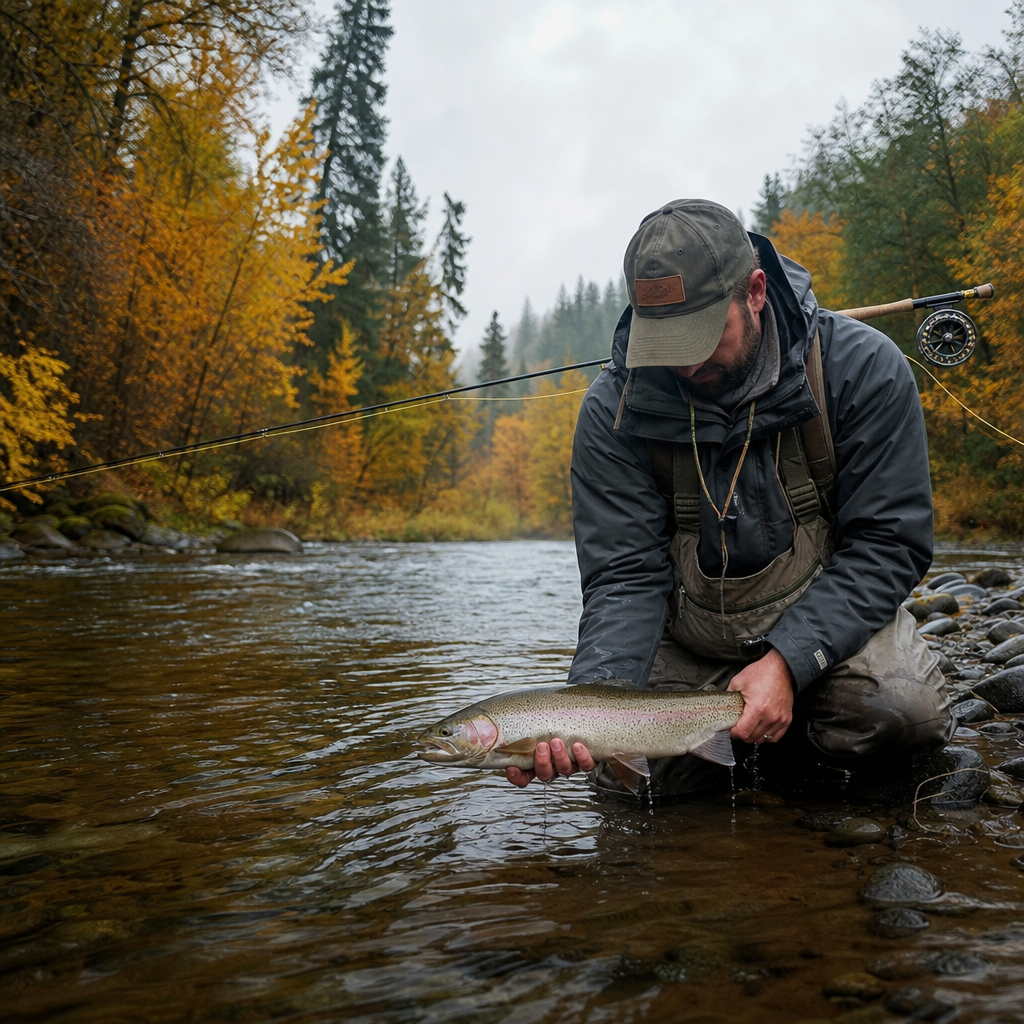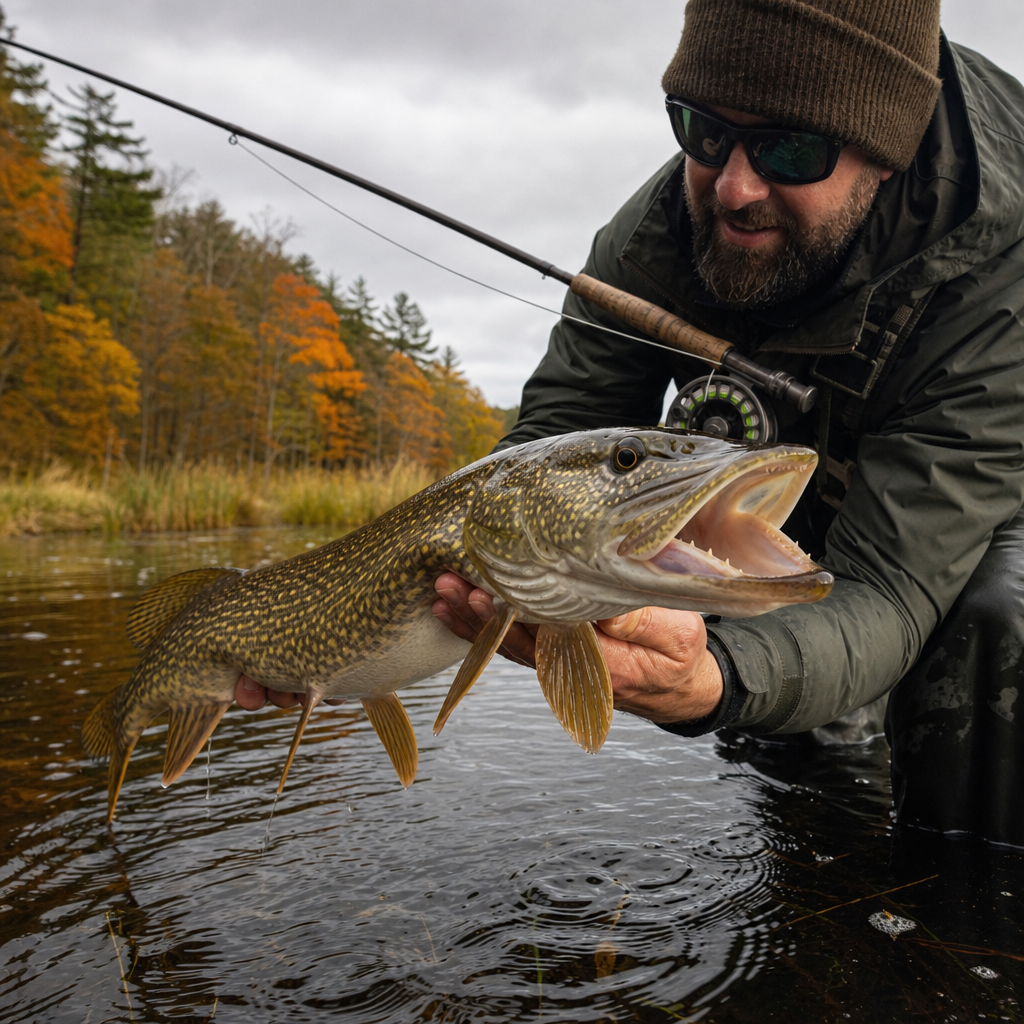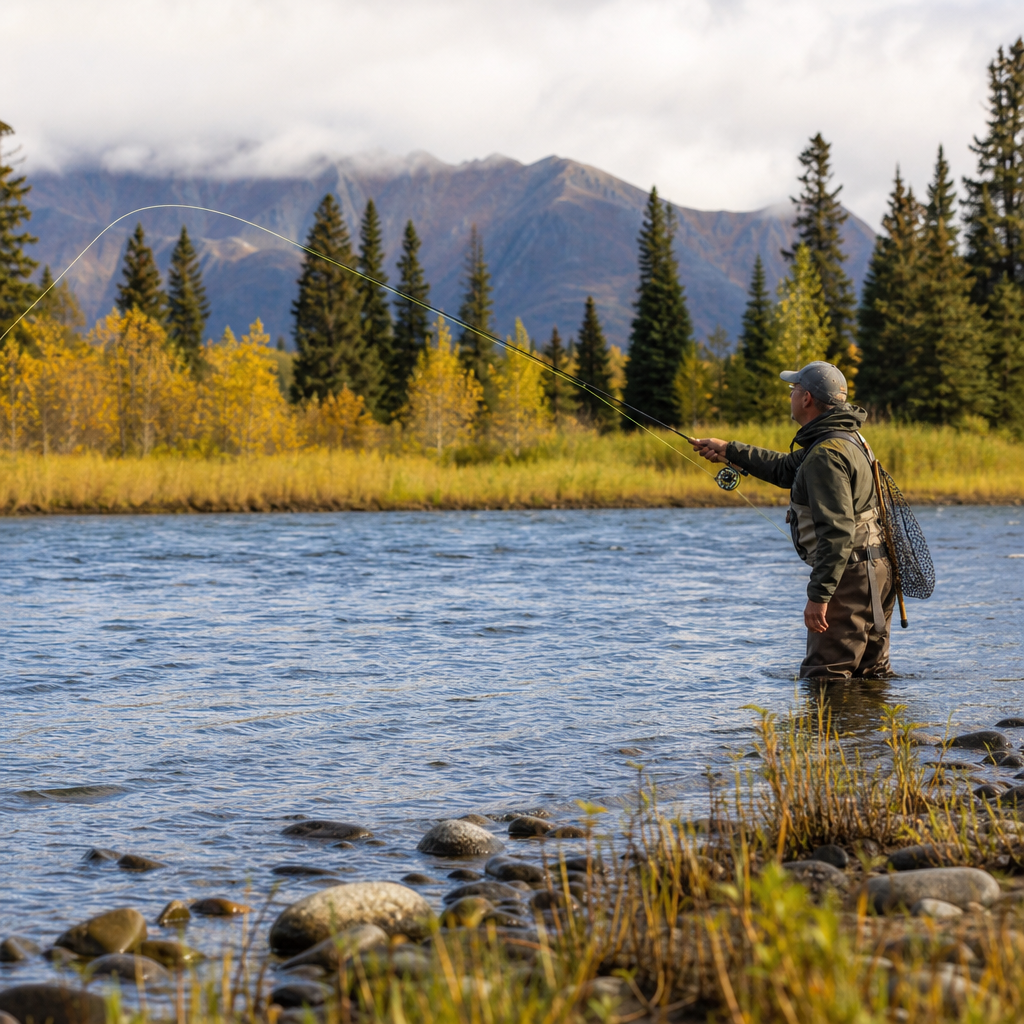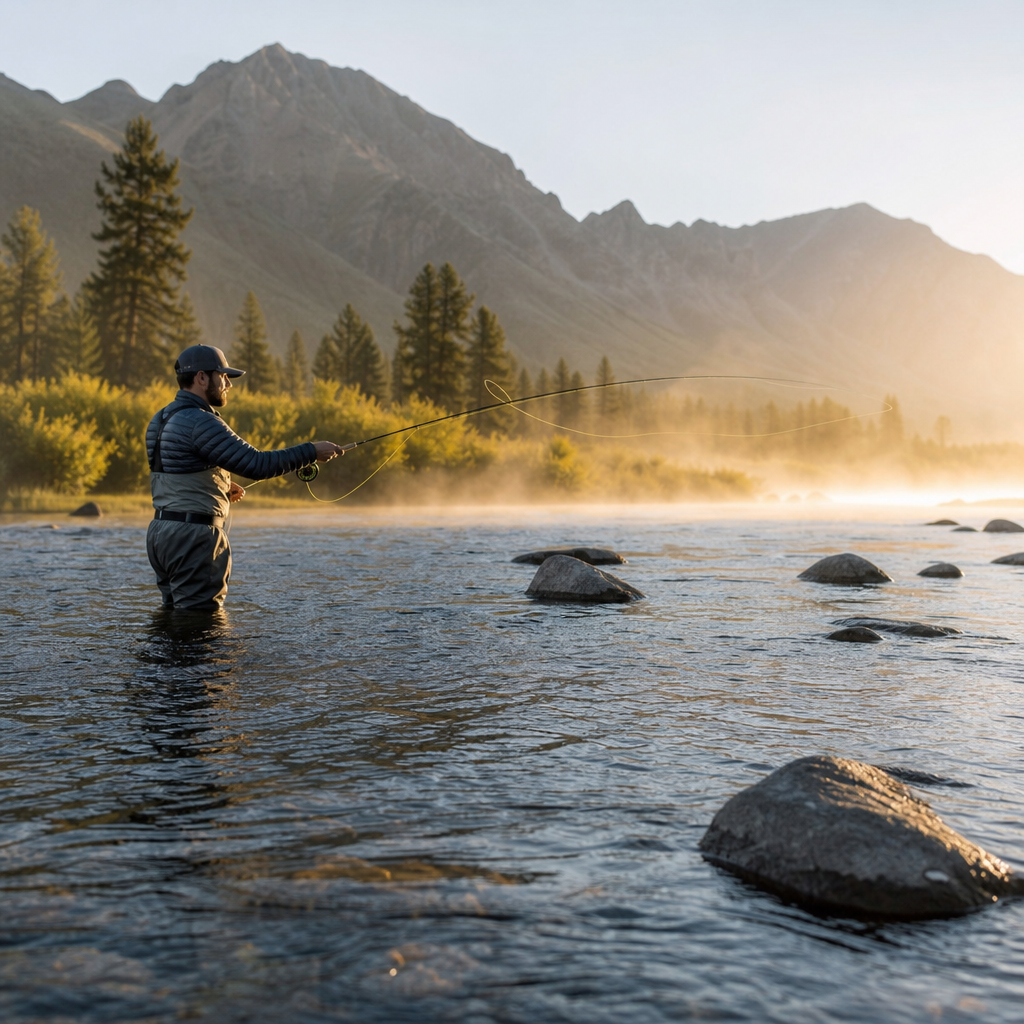
Fly fishing in the morning rewards anglers who understand how low light, cool water, and changing insect activity shape trout behavior. In practical terms, “morning” usually means the period from first legal light through late morning, before sun angle, rising temperatures, and increased recreational pressure alter feeding lanes and holding lies. As a subtopic within seasons and conditions, time of day matters because it affects dissolved oxygen, current use, hatch timing, visibility, and fish confidence. I have consistently found that the first three hours of daylight can produce either the most technical fishing of the day or the easiest, depending on weather, water type, and forage. A river that seems lifeless at noon can come alive at dawn with midges, Blue-Winged Olives, and caddis adults. A tailwater that fishes well all day may still demand smaller, subtler presentations early, when trout inspect flies in softer surface glare. Understanding fly fishing in the morning means matching patterns and strategies to those short-lived windows instead of treating sunrise as just an earlier start.
The key terms are straightforward. A “pattern” is the fly design you choose to imitate insects, baitfish, or attract attention. A “strategy” is the larger plan: where to begin, what water to cover, how deep to fish, how quickly to move, and when to switch from nymphs to dries or streamers. Morning conditions also vary by river class. Freestone streams warm and brighten quickly, tailwaters stay more temperature stable, spring creeks demand precision from the first cast, and stillwaters often have defined early feeding shelves near shore. This topic matters because time-of-day decisions compound everything else in angling. The right fly at the wrong hour underperforms; a good morning strategy can make an average pattern look brilliant. If you are building a reliable approach to changing conditions, morning fishing is the ideal hub because it connects weather, water temperature, hatch charts, trout positioning, and presentation mechanics in one decision-making framework.
Why Morning Conditions Change Fish Behavior
Morning fish behavior is driven by three primary factors: light penetration, water temperature, and food availability. Before the sun climbs, trout feel safer moving into softer, shallower feeding water because overhead visibility to predators is reduced. In clear rivers, I often see larger fish slide from undercut banks or deeper slots into knee-deep riffle seams at first light, then retreat once direct sun reaches the water. That shift alone should determine your starting water. Begin on flats, inside seams, riffle tails, and current transitions that may look too skinny later in the day.
Temperature is equally important. In summer, the morning often offers the best trout fishing because water is coolest and oxygen levels are more favorable. In winter, the opposite can be true: fish may stay sluggish until the water warms a degree or two, so early fishing can require deeper drifts and smaller flies. Food availability creates the final trigger. Midges commonly emerge in cool morning periods, Blue-Winged Olives often hatch under cloudy early conditions, and caddis can show either as pupal movement subsurface or adults skittering once light increases. On waters with sculpins or juvenile trout as forage, low light also boosts streamer opportunities because predatory fish feel secure enough to chase.
Best Morning Fly Patterns by Category
The best fly fishing in the morning rarely depends on one magic fly; it depends on carrying patterns that cover the most likely feeding modes. For subsurface trout feeding, start with midge larvae and pupae in sizes 18 to 24, Pheasant Tail nymphs in 14 to 20, Zebra Midges, RS2s, Hare’s Ears, and Perdigons matched to current speed. These patterns produce because many early feeding trout are taking small drifting food before obvious surface activity begins. On tailwaters, a black or red Zebra Midge under a small sighter remains one of the most reliable first-light setups in clear water.
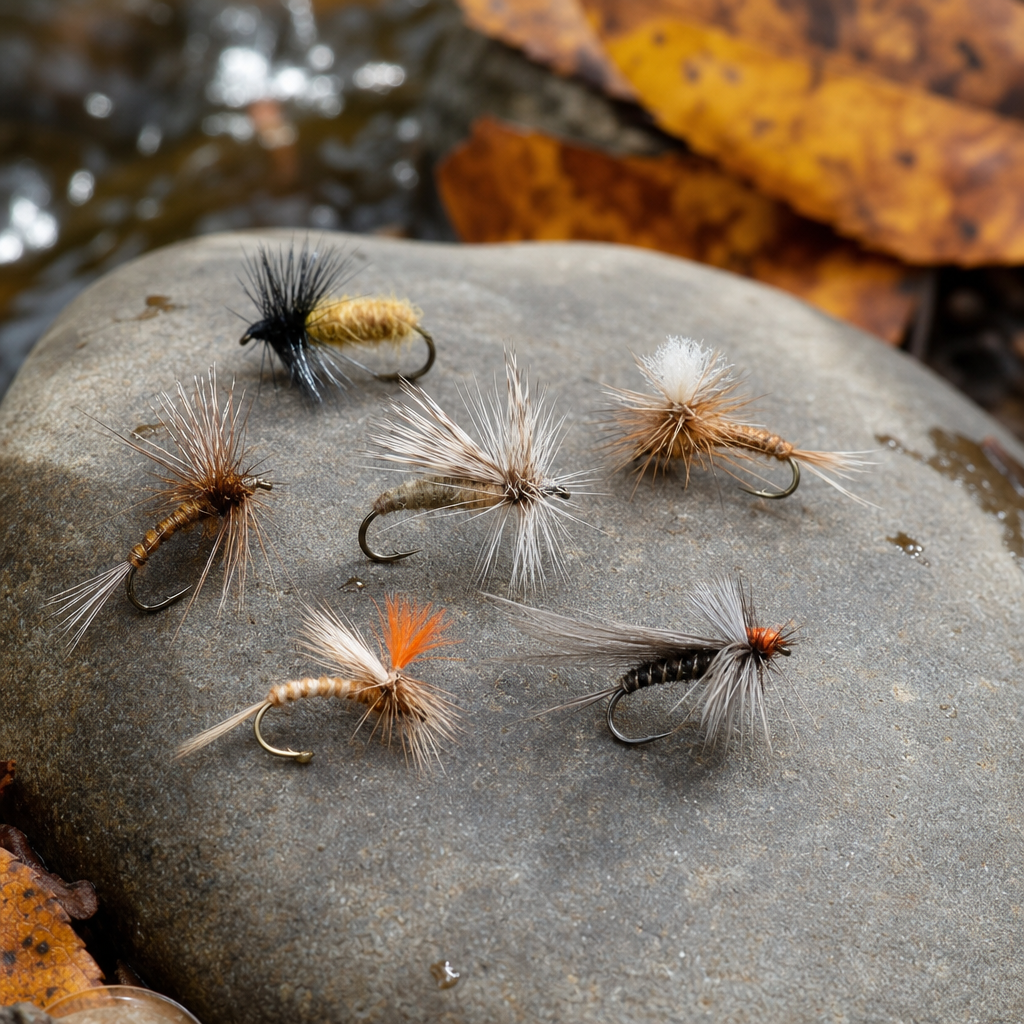
For dry-fly mornings, carry Griffith’s Gnats, Parachute Adams, Sparkle Duns, Comparaduns, elk hair caddis, and CDC emerger patterns. If you fish spring creeks or technical tailwaters, an RS2 or CDC BWO emerger often outperforms high-floating dries because trout key on insects trapped in or just below the film. For streamer windows, small olive Woolly Buggers, sculpin patterns, leech flies, and articulated streamers in black, white, or natural baitfish tones are strong choices. Early in the day, I favor smaller streamers than many anglers expect, especially on pressured rivers. Fish will eat a three-inch sculpin in low light, but they often reject oversized movement in clear, slow morning glides.
| Morning condition | Best starting patterns | Why they work |
|---|---|---|
| Cold, clear dawn on trout river | Zebra Midge, RS2, small Pheasant Tail | Imitates midges and tiny mayflies trout inspect closely in calm water |
| Cloudy spring or fall morning | BWO emerger, Sparkle Dun, soft hackle | Matches frequent olive hatches and ascending emergers |
| Summer freestone before sun hits water | Hare’s Ear, caddis pupa, elk hair caddis | Covers subsurface drift first, then surface adults as activity builds |
| Low-light aggressive window | Olive Bugger, sculpin streamer, leech | Triggers predatory response while fish feel secure moving |
How to Read Morning Water
Reading water in the morning starts with understanding where fish can feed efficiently before direct sun changes the equation. On riffle-driven rivers, target the heads and tails of runs first. These zones concentrate drifting insects and offer oxygen-rich current with nearby depth. Trout often sit shallower than anglers expect at dawn, particularly in late spring through early fall. If you wade straight into the tailout at first light, you may push fish that were feeding actively in ankle-to-knee-deep water. I learned this the hard way on western freestones, where the first ten feet from shore routinely held the best early fish.
Soft seams beside faster current are premium morning lies because they let trout intercept food without burning energy. Look for foam lines, subtle depressions, and current tongues entering pools. On overcast mornings, fish may stay distributed longer across broad runs. On bright, cloudless mornings, they typically compress toward shadow, broken water, cutbanks, depth transitions, and woody cover as light increases. In stillwater, the morning game often centers on shoals, weed edges, and cruising lanes near drop-offs. Chironomid rigs, balanced leeches, and small baitfish patterns are especially strong where trout patrol shallow shelves before moving deeper.
Presentation Strategies That Matter Most
Morning success usually comes down to presentation before pattern. At daybreak, trout are often calm but selective, so drag-free drifts are critical. With nymphs, use enough weight to reach the feeding lane quickly, but not so much that the fly plows unnaturally. Tight-line methods excel in pocket water and short seams, while indicator rigs cover broader runs and softer glides. I often begin with a two-fly rig: a point fly such as a Perdigon or Hare’s Ear for depth and a lighter dropper such as an RS2 or Zebra Midge for realism. That combination answers two morning questions immediately: how deep are fish holding, and are they taking larger or smaller food.
For dry flies and emergers, long leaders and slack presentations matter because early surface water is frequently glassier than afternoon riffles. Reach casts, parachute casts, and careful positioning prevent micro-drag that technical trout detect instantly. With streamers, vary pace before changing patterns. In cold mornings, a slow swing or short strip often beats fast retrieves. In warmer months, an erratic strip-pause cadence can trigger fish using bankside cover. The rule I trust is simple: if you are seeing follows but no eats, reduce size first, then speed, then flash. Morning fish are opportunistic, but they are not careless.
Seasonal Morning Adjustments
Morning fly fishing changes dramatically by season. In spring, fluctuating weather and common olive hatches make emergers and small nymphs reliable anchors. Trout often spread into riffles and transition water as flows stabilize, and cloudy mornings can extend surface action well into late morning. Summer mornings are often the most important fishing window on many trout streams, especially where afternoon water temperatures rise toward stressful levels. Start early, fish cooler tributary influence, prioritize shaded reaches, and stop when temperatures become unsafe. On many rivers, 68 degrees Fahrenheit is a practical caution point, with local regulations and fishery guidance taking priority.
Fall mornings can be superb for both dry-dropper fishing and streamers. Brown trout become more territorial ahead of spawning, baitfish are prominent, and cool nights keep fish comfortable longer into the day. Low, clear conditions still demand stealth. Winter mornings are the most nuanced. On tailwaters with stable temperatures, early fishing can be productive with midges and tiny baetis. On freestones, trout generally feed better later, so the strategy shifts from racing out at dawn to fishing slow winter lies carefully until the sun adds warmth. Morning remains relevant in winter, but often as a scouting and timing exercise rather than an all-out feeding spree.
Building a Reliable Morning Game Plan
A strong morning plan begins before you string the rod. Check water temperature, flow graphs, cloud cover, and wind, then choose a starting tactic based on conditions rather than habit. If the river is cold and clear with no visible rise forms, begin subsurface with small nymphs. If clouds, humidity, and seasonal hatch timing suggest olives or caddis, be ready with emergers from the first run. If you are on a big river with undercut banks and low light, dedicate the first thirty to forty-five minutes to streamers before switching to dead-drift methods. The point is not to try everything; it is to test the most likely feeding mode first, while the window is open.
Stealth should be built into every morning decision. Wear muted colors, approach from downstream when possible, and avoid false casting over feeding lanes. Keep notes on exact timing: when the first bugs appeared, when fish moved off riffles, when sun hit a particular bank, and what fly change produced. Over time, these details create a repeatable morning playbook for each river. That is why this time-of-day hub matters within seasons and conditions. Morning fishing is not a generic concept; it is a set of predictable responses to light, temperature, and food. Learn those responses on your home water, then apply them elsewhere. Start earlier, observe more carefully, and fish the first hours with purpose.
Fly fishing in the morning is most effective when you treat it as a distinct condition, not just the beginning of the day. Low light lets trout move into vulnerable water, cooler temperatures can improve comfort and oxygen, and early insect activity often creates narrow feeding windows that reward preparation. The best patterns are dependable, not exotic: midges, mayfly nymphs, caddis pupae, emergers, proven dry flies, and compact streamers matched to forage and clarity. The best strategies are equally clear: start in shallow feeding lanes, adjust to season, present with precision, and let observed fish behavior dictate every change.
For anglers building a complete understanding of time of day, morning is the foundation because it teaches how fish reposition, how hatches begin, and how quickly conditions evolve. Those lessons carry directly into late morning, midday, evening, and night approaches. If you want more consistent trout fishing across seasons and water types, build your next outing around a deliberate morning plan. Choose three starting patterns, fish the right water before the sun does, and keep detailed notes. That simple discipline will improve catch rates and make every later time-of-day decision easier.
Frequently Asked Questions
Why is morning often one of the best times for fly fishing trout?
Morning can be exceptionally productive because several favorable conditions often overlap at once. Water temperatures are usually cooler and more stable after the night, dissolved oxygen is often high, and trout tend to feel more secure under low-angle light. That combination encourages fish to move out of deep or heavily protected holding water and feed more confidently in seams, riffles, tailouts, and near structure. In many rivers and streams, first light through mid-morning is also a transition window when overnight drift, early insect movement, and the first signs of daily hatch activity begin to line up.
Another major factor is visibility and pressure. Trout generally have an easier time feeding in dimmer conditions because they are less exposed to predators and less selective than they may become later under bright sun. Anglers also benefit from reduced recreational traffic early in the day. Before swimmers, boat traffic, or repeated casts from other anglers disrupt the water, feeding lanes can remain more predictable and fish can hold in softer, shallower lies. In practical terms, morning fishing often rewards anglers who cover water carefully, fish methodically, and match their approach to the changing light rather than assuming the same pattern will work from dawn to late morning.
What fly patterns work best in the morning, and how should I choose between them?
The best morning fly patterns usually fall into three categories: searching patterns, subsurface imitations, and hatch-specific dries or emergers. At first light, trout are often willing to eat opportunistically, so attractor dries, small terrestrials in summer, or classic searching nymphs can all be effective while you figure out what the fish are doing. If there is no obvious surface activity, starting with a nymph rig is often the most reliable choice. Pheasant Tails, Hare’s Ears, Zebra Midges, soft hackles, small caddis pupae, and mayfly nymphs are dependable morning producers because they imitate the kinds of food trout regularly intercept before a hatch fully develops.
As light increases, fly choice should become more observation-driven. If you see dimples, swirls, or trout feeding just below the film, switch toward emergers or soft hackles rather than immediately tying on a high-floating dry. Many morning feeding events begin subsurface, with trout targeting ascending insects before adults are clearly visible to the angler. If you notice adult mayflies or caddis on the water, then a hatch-matching dry becomes the better option. In off-color water or deeper runs, adding a slightly larger stonefly nymph or even a small streamer can trigger aggressive takes from fish using low light to ambush prey. The key is not picking one “magic” morning fly, but selecting patterns that match the stage of insect activity and the depth at which trout are feeding.
How should I adjust my morning strategy from first light to late morning?
The most effective morning strategy is to treat the period as a progression rather than a single bite window. At first legal light, trout may hold closer to banks, current breaks, tailouts, and softer edges where they can feed without expending much energy. This is a strong time to fish streamers, lightly weighted nymphs, or prospecting dry-dropper rigs through likely lanes. Keep presentations controlled and quiet because fish can be close and less disturbed than they will be later. Short drifts in high-percentage water often outperform long, complicated casts early on.
As the sun rises, trout behavior can change quickly. Some fish continue feeding actively if cloud cover, cool air, or hatch activity keeps conditions comfortable. Others slide into slightly deeper slots, undercut banks, shaded runs, or faster water where oxygen and cover remain favorable. By mid- to late morning, success often depends on watching for clues and adapting. If insects begin emerging, focus on transitional water where trout can intercept food efficiently. If no hatch develops and the sun gets bright, move your nymphs deeper, reduce drag, and target structure more precisely. In other words, the best morning anglers are not just early—they are responsive to how current use, light penetration, and insect behavior evolve hour by hour.
Where should I look for trout in the morning on rivers and streams?
In the morning, trout often use water that lets them feed efficiently while feeling secure in low light. On many rivers, that means inside seams, riffle edges, heads of runs, tailouts, pocket water, undercut banks, and current transitions where food funnels naturally. Trout do not need to sit in the deepest possible lie if they can access drifting insects in softer water nearby. Early in the day, fish may slide surprisingly shallow, especially if the stream has overhead cover, broken surface texture, or a strong supply of nymphs and emergers moving through the drift.
As conditions brighten, location becomes more dependent on temperature, flow, and cover. In freestone streams, oxygen-rich riffles and choppy runs can remain productive longer because they provide both food and concealment. In spring creeks or tailwaters, trout may still feed in well-defined lanes, but they can become more position-sensitive and selective as visibility improves. Shade lines, depth changes, woody structure, and foam seams become increasingly important. A good rule is to start by fishing likely feeding lies adjacent to security cover, then shift toward spots where trout can maintain comfort as sunlight reaches the water. Reading morning water well often matters more than changing flies repeatedly.
What are the biggest mistakes anglers make when fly fishing in the morning?
One of the most common mistakes is assuming that “early” automatically means “surface action.” While dry-fly fishing can be outstanding in the morning, trout frequently feed below the surface first, especially during the lead-up to a hatch. Anglers who ignore nymphs, emergers, and soft hackles often miss the most consistent part of the bite. Another mistake is fishing too fast. Morning conditions can make trout less pressured and more willing, but that does not mean sloppy drifts will work. Drag, poor depth control, and noisy wading can shut down fish that were otherwise catchable.
A second major error is failing to adjust as the morning develops. The fly, depth, and location that work at dawn may become ineffective an hour later. Anglers who keep pounding the same bank, running the same indicator depth, or insisting on one pattern often struggle once sun angle and trout positioning change. There is also a tendency to overlook subtle signs such as midges over the water, birds feeding on emerging insects, isolated rises in a seam, or trout flashing just under the film. The best way to avoid these mistakes is to fish with a plan but stay flexible: begin with confidence patterns, observe constantly, refine your drift and depth, and let trout behavior tell you whether to stay subsurface, fish the film, or switch to dries.