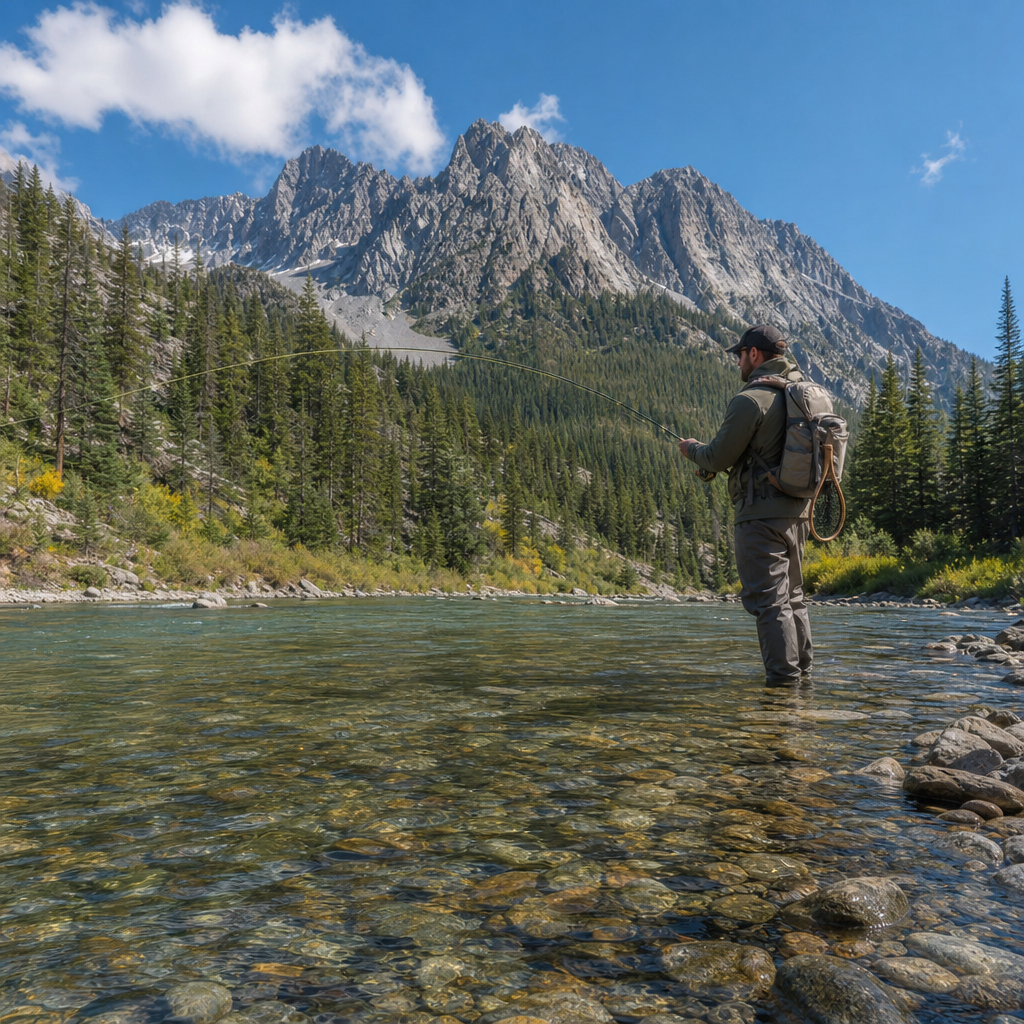
Remote fly fishing destinations offer something crowded rivers cannot: wild fish, intact ecosystems, and the kind of immersion that makes every cast feel earned. In this review of the best fly fishing destinations in remote areas, I am focusing on places that consistently deliver strong fisheries, memorable scenery, and practical access for anglers willing to travel beyond easy day-trip water. “Remote” does not always mean impossible to reach. In fly fishing, it usually means limited road access, low fishing pressure, dependence on bush planes, boats, rafts, horseback travel, or long hikes, and a setting where weather and logistics matter as much as fly choice. A good destination review therefore has to cover more than fish size. It must include species, seasonality, lodging style, guide quality, conservation standards, safety, and the true cost in time and money.
This travel and destination reviews hub is designed for anglers comparing high-value trips across regions, not just daydreaming about trophy photos. I have planned remote trips where a missed baggage connection meant no waders for two days, where a river blown out by glacial melt forced a complete species change, and where the right outfitter turned a difficult week into a productive one. Those experiences shape this guide. The best remote fly fishing destinations are not universally “best” for every angler. Alaska may be ideal for anglers wanting multiple salmon species and giant rainbow trout, while Patagonia suits those prioritizing sight fishing, mixed waters, and broad lodge options. Christmas Island is extraordinary for saltwater flats, but terrible for someone seeking dry-fly trout. The right destination depends on target species, casting skill, tolerance for weather, and appetite for rough travel.
Why does choosing carefully matter? Remote trips are expensive, often limited by permit systems or short seasonal windows, and usually cannot be salvaged easily if expectations are unrealistic. This article reviews the strongest categories within remote fly fishing travel and gives concrete examples you can use to narrow your shortlist. It also serves as the central resource for broader destination planning, including lodge comparisons, packing strategy, guided versus self-guided decisions, and species-specific travel research. If you are evaluating remote fly fishing destinations for trout, salmon, char, taimen, bonefish, permit, or jungle species, start here, then branch into deeper destination-specific reviews based on your budget, goals, and experience level.
What Makes a Remote Fly Fishing Destination Truly Excellent
The best remote fly fishing destinations combine fish quality, habitat integrity, access reliability, and a management structure that protects the resource. Trophy potential alone is not enough. I rank destinations higher when they have stable fisheries supported by catch-and-release rules, limited angling pressure, and outfitters that understand river rotation, fish handling, and weather contingencies. Alaska’s top lodges, for example, often rotate beats and use daily aircraft or jet boats to spread pressure. In Patagonia, the strongest operations mix spring creeks, freestone rivers, and stillwaters so anglers are not ruined by one bad weather pattern. In the Seychelles, elite flats programs match tides, species, and skiff access with military precision because a permit week can collapse if logistics are weak.
Another critical factor is fit. Remote trout anglers often need strong line control, wading balance, and patience for technical hatches. Remote saltwater anglers need endurance, quick shot recognition, and consistent double-haul mechanics in wind. Destination quality rises when the fishing style matches the visiting angler’s realistic skill level. A destination can be world class and still be a poor recommendation for a beginner. That is why the reviews below focus on who each place suits best, not just its headline species.
Top Remote Fly Fishing Destinations by Region and Strength
Alaska remains the benchmark for remote freshwater fly fishing. Bristol Bay, the Naknek system, the Kanektok, and lodges accessing Katmai-region waters offer unmatched diversity: all five Pacific salmon, strong rainbow trout populations, Arctic char, Dolly Varden, and grayling. The key strength is biomass. Salmon runs feed entire river systems, creating trout growth that few places can equal. Peak timing varies, but June through September is the working season. Early summer favors leopard rainbows and fresh chrome fish in some systems, midsummer brings salmon variety, and late season can produce giant trout behind spawning salmon. The tradeoff is weather volatility, high fly-out costs, and the need for quality rain gear, layered insulation, and flexible expectations.
Argentine and Chilean Patagonia is the most complete remote trout destination for anglers who want variety. The region offers dry-fly fishing on spring creeks, streamer fishing for browns, float trips on freestones, and stillwater opportunities in windswept steppe country. Famous names such as the Limay, Malleo, Chimehuin, Rio Grande tributaries, and Coyhaique-area waters all bring different strengths. Patagonia excels because the scenery is spectacular, the lodge infrastructure is mature, and the fishing styles are diverse enough to suit mixed groups. The main limitation is wind. Many first-time visitors underestimate how much Patagonian wind changes casting angles, leader design, and daily plans.
Mongolia stands apart for taimen, the world’s largest salmonid. True taimen water is remote in the strictest sense: long transfers, camp-based operations, conservation rules, and physically demanding wading or boat travel. Taimen are not numbers fish. Anglers go for the chance to move a giant predator with oversized streamers and surface patterns, often while also targeting lenok and grayling. The reason Mongolia ranks highly is uniqueness. There is no substitute for a wild taimen river. The limitation is equally clear: this is a specialized trip with significant expense, uncertain numbers, and an ethical obligation to fish with operators committed to strict catch, handling, and habitat protection.
For remote saltwater fly fishing, the Seychelles and Christmas Island dominate different categories. The Seychelles, particularly Alphonse, Cosmoledo, and Astove, offer elite shots at bonefish, giant trevally, triggerfish, permit-like tailing opportunities, and complex flats scenarios that test even experienced anglers. Christmas Island offers extraordinary numbers of bonefish, accessible flats, and enough triggerfish and trevally shots to remain exciting for a wider range of skill levels. If the Seychelles are the advanced graduate course, Christmas Island is the best remote classroom for anglers moving from trout to flats fishing.
| Destination | Primary Species | Best For | Main Challenge |
|---|---|---|---|
| Alaska | Rainbow trout, salmon, char, grayling | Freshwater variety and trophy trout | Weather and cost of fly-out logistics |
| Patagonia | Brown, rainbow, brook trout | Mixed trout techniques and scenic lodge trips | Persistent wind and long transfers |
| Mongolia | Taimen, lenok, grayling | Unique trophy predator experience | Physical demands and low fish numbers |
| Seychelles | Bonefish, giant trevally, triggerfish | Advanced flats anglers | Technical casting under pressure |
| Christmas Island | Bonefish, triggerfish, trevally | Remote saltwater progression | Travel complexity and heat |
Species Match: Where to Go for the Fishing You Actually Want
Choosing a destination by species is the fastest way to cut through marketing. If your priority is large rainbow trout that aggressively eat mice, flesh flies, eggs, and streamers, southwest Alaska should be at the top of your list. If you care about technical dry-fly fishing for selective trout in visually dramatic landscapes, Patagonia is stronger. For sea-run browns, Tierra del Fuego remains iconic, especially for anglers comfortable with two-handed rods, heavy tips, and low-light windows. For giant trevally, few places compare with the outer atolls of the Indian Ocean. For bonefish volume, Christmas Island is often a better value proposition than more glamorous destinations because repetition builds skill, and skill creates more success later on difficult flats.
Some lesser-discussed remote fisheries deserve attention. Labrador and northern Quebec offer Atlantic salmon and brook trout in wilderness settings with historic camps and helicopter or floatplane access. Kamchatka, when accessible politically and logistically, has been famous for leopard rainbows and extensive untouched water. The Brazilian Amazon offers peacock bass on fly, which is not classic trout-style fishing but absolutely belongs in remote destination reviews because it combines explosive topwater action, live-aboard logistics, and true expedition flavor. I have seen anglers book “the best” trip based on social media, then realize too late that they actually wanted steady action rather than one shot at a fish of a lifetime. Species preference should drive every decision after budget.
Access, Lodges, Guides, and the Real Cost of Going Remote
The biggest planning mistake in remote fly fishing travel is focusing on package price without understanding what access model you are buying. A lodge with daily fly-outs in Alaska may cost more than a road-access lodge, but it can dramatically increase fishable options when weather, water color, or run timing shift. In Patagonia, a higher-end operation may include private beats, bilingual guides, quality loaner tackle, and coordinated transfers that prevent wasted days. In the Seychelles, the premium reflects skiffs, mothership support, specialist guides, and tightly managed angler rotations across giant marine areas. When comparing destinations, ask exactly how many anglers are on the water, how water is rotated, what backup plans exist, and whether guide-to-angler ratios change by species program.
Guides matter more in remote areas than on familiar home water. A strong guide protects safety, shortens the learning curve, and adjusts technique quickly when conditions change. On trout rivers that may mean changing from indicator nymphing to streamer banks or moving from a freestone to a spring creek. On flats it may mean changing from a floating line and crab pattern to a fast-sinking line for edge shots at trevally. Travel cost also includes tips, internal flights, overweight baggage fees, satellite communication, travel insurance, extra hotel nights around charter schedules, and lost fishing time due to weather buffers. The most reliable operators are transparent about all of this before you book.
Season, Weather, Conservation, and Common Booking Mistakes
Timing is not a minor detail; it defines the trip. In Alaska, a late-August week can be entirely different from a late-June week even at the same lodge, because salmon progression changes trout behavior and available species. In Patagonia, early season often brings aggressive fish and lower pressure, while mid to late season may favor specific hatches or streamer conditions depending on watershed. Saltwater destinations are tied to tides, moon phases, and heat as much as simple calendar dates. Ask outfitters what usually happens in your target week, not what happens in the destination generally.
Conservation standards should also influence destination choice. Remote fisheries stay exceptional only when operators support catch-and-release practices, barbless hooks where required, sensible fish fighting pressure, and local employment that gives communities a reason to protect habitat. Programs linked to organizations such as Trout Unlimited, The Nature Conservancy, Bonefish & Tarpon Trust, or regional salmonid research initiatives often signal serious stewardship, though the best indicator is still specific operational behavior on the water. Warning signs include overcrowded beats, poor fish handling for photography, and vague answers about pressure or regulations.
Most booking mistakes are preventable. Anglers overestimate casting readiness for saltwater, underestimate cold and wet conditions in Alaska, ignore wind preparation for Patagonia, or choose a destination requiring technical mobility they do not have. The best approach is to match the destination to your actual strengths, train for its demands, and ask direct questions before paying a deposit.
How to Use This Travel and Destination Reviews Hub
Use this page as the decision point for your broader research. If you want the most complete remote freshwater experience, start with Alaska and Patagonia comparisons. If your goal is a species-specific dream trip, branch into taimen, Atlantic salmon, sea-run brown, or giant trevally destination reviews. If logistics, lodging style, and trip value matter more than pure trophy odds, compare destinations by access model and guide structure rather than magazine reputation. This hub sits within product reviews and recommendations because destination choice is, in practice, a buying decision: you are selecting an outfitter, a fishery model, and a risk profile.
The best fly fishing destinations in remote areas reward careful planning with extraordinary experiences: wild fish, low pressure, and a level of immersion that local water rarely provides. Alaska leads for biomass and diversity, Patagonia for trout variety and lodge depth, Mongolia for singular trophy taimen, and the Seychelles and Christmas Island for remote flats performance. Start by identifying the species and fishing style you truly want, then evaluate season, access, conservation, and guide quality with equal discipline. Use this hub to build a shortlist, compare destination-specific reviews, and book the trip that matches your skills instead of your fantasies.
Frequently Asked Questions
What makes a fly fishing destination truly “remote” rather than just less crowded?
A truly remote fly fishing destination is defined by more than low angling pressure. In most cases, it means limited road access, fewer nearby services, and a stronger sense of separation from towns, boat launches, and heavily managed day-use fisheries. You may need to reach the water by bush plane, raft, jet boat, horseback, hiking trail, or a long gravel-road approach followed by a float or backpack-in section. That added distance matters because it usually reduces pressure, protects habitat quality, and creates a more natural experience for both fish and anglers.
Remote does not always mean extreme or dangerous, though. Some of the best remote destinations are still logistically realistic for committed travelers. They may have established lodges, seasonal guide operations, or proven access routes that make planning manageable while preserving the feeling of isolation once you arrive. In practical terms, what separates a remote destination from a merely quiet one is the combination of difficult access, minimal development, and an environment where weather, water conditions, and local logistics play a much larger role in the trip than convenience does on popular roadside fisheries.
Why are remote areas often considered some of the best fly fishing destinations?
Remote areas consistently rank among the best fly fishing destinations because distance tends to protect what anglers value most: healthy fish populations, intact ecosystems, and lower fishing pressure. In many remote watersheds, fish are less conditioned to repeated presentations, habitat is less fragmented, and seasonal migrations can still function with fewer human disruptions. That often leads to stronger wild fisheries, more natural fish behavior, and a broader range of productive water types, from spring creeks and tundra rivers to coastal estuaries and alpine lakes.
There is also a quality-of-experience factor that is hard to overstate. In remote settings, the trip becomes more than numbers or size. Anglers often remember the silence, wildlife encounters, dramatic weather shifts, and the feeling of working for each opportunity. That immersion changes the rhythm of fishing in a good way. You spend more time observing current seams, insect activity, and fish movement, and less time competing for position with other anglers. While not every remote destination guarantees easy fishing, many offer a more complete version of the sport—one where scenery, solitude, and ecological integrity are as important as the catch itself.
How should anglers evaluate the best remote fly fishing destinations before booking a trip?
The smartest way to evaluate a remote fly fishing destination is to look beyond marketing photos and focus on fishery quality, seasonal timing, access reliability, and match between the water and your skill set. Start with the species. Ask whether the destination is known for trout, salmon, char, grayling, pike, or another target, and whether the fishery is wild, stocked, resident, or migratory. Then examine the time of year carefully. A great river during a short migration window may fish very differently outside that period, and some destinations are heavily dependent on water levels, runoff timing, or weather patterns that can shift from year to year.
Next, assess logistics with the same seriousness as fishing reports. In remote travel, access is part of the trip’s success. Look into flight schedules, baggage limits for rods and waders, charter transfer reliability, weather-related delays, emergency communication options, and the degree of physical effort required once on site. It is also wise to research guide quality, conservation ethics, catch-and-release practices, and how much water a lodge or outfitter actually controls or rotates. A destination may be remote on paper but still see concentrated pressure if all anglers are funneled into the same few beats. The best choices usually combine proven fisheries, thoughtful trip management, and enough logistical structure to make the adventure rewarding rather than chaotic.
What gear and preparation matter most for fly fishing in remote areas?
Preparation matters more in remote fly fishing than it does on convenient home water because you cannot assume a fly shop, replacement parts, or quick backup options will be nearby. The essentials start with versatile tackle matched to the fishery: the right rod weights, floating and sinking lines if needed, leaders for a range of conditions, and fly patterns that reflect local forage and insect life. It is also important to bring duplicates of high-risk items such as reels, fly lines, leaders, tippet, boots laces, and polarized glasses. In remote conditions, a broken tip section or damaged line can affect multiple days of fishing if you do not have a replacement.
Clothing and safety planning are just as important as rods and flies. Layering for cold mornings, rain, wind, and sudden temperature swings is critical, even in summer. Remote destinations often involve prolonged exposure to wet weather, uneven terrain, and long days away from shelter. A dependable waterproof shell, quality waders, a well-fitted pack, dry storage, and basic first-aid supplies are not optional. Depending on the region, anglers may also need satellite communication, bear awareness tools, boat safety equipment, and a clear understanding of evacuation procedures. The best remote trips come from preparing for failure points before they happen, so that when conditions change, you can stay focused on fishing instead of reacting to preventable problems.
Are remote fly fishing destinations only for expert anglers, or can intermediate anglers still enjoy them?
Remote fly fishing destinations are not reserved only for experts, but they do reward realism, preparation, and a willingness to adapt. An intermediate angler can absolutely have an excellent trip in a remote setting, especially when the destination offers experienced guides, manageable wading, clear target species, and a fishing style that matches the angler’s strengths. For example, an angler comfortable with drift boats, indicator rigs, streamers, or basic dry-fly presentations may do very well in many remote fisheries if expectations are grounded in the actual conditions rather than in trophy-fish fantasy.
What matters most is choosing the right kind of remoteness. Some locations demand technical casting in strong wind, difficult wading, long physical days, and fast decision-making around migratory fish windows. Others are remote mainly because of access, not because the fishing itself is unusually technical. Intermediate anglers often do best when they book with outfitters who communicate honestly about skill requirements, average daily pace, and likely scenarios on the water. Remote fishing is most rewarding when the challenge feels engaging rather than overwhelming. With the right destination, solid preparation, and an open attitude, anglers do not need to be elite casters to enjoy the solitude, scenery, and quality fisheries that make remote fly fishing so memorable.