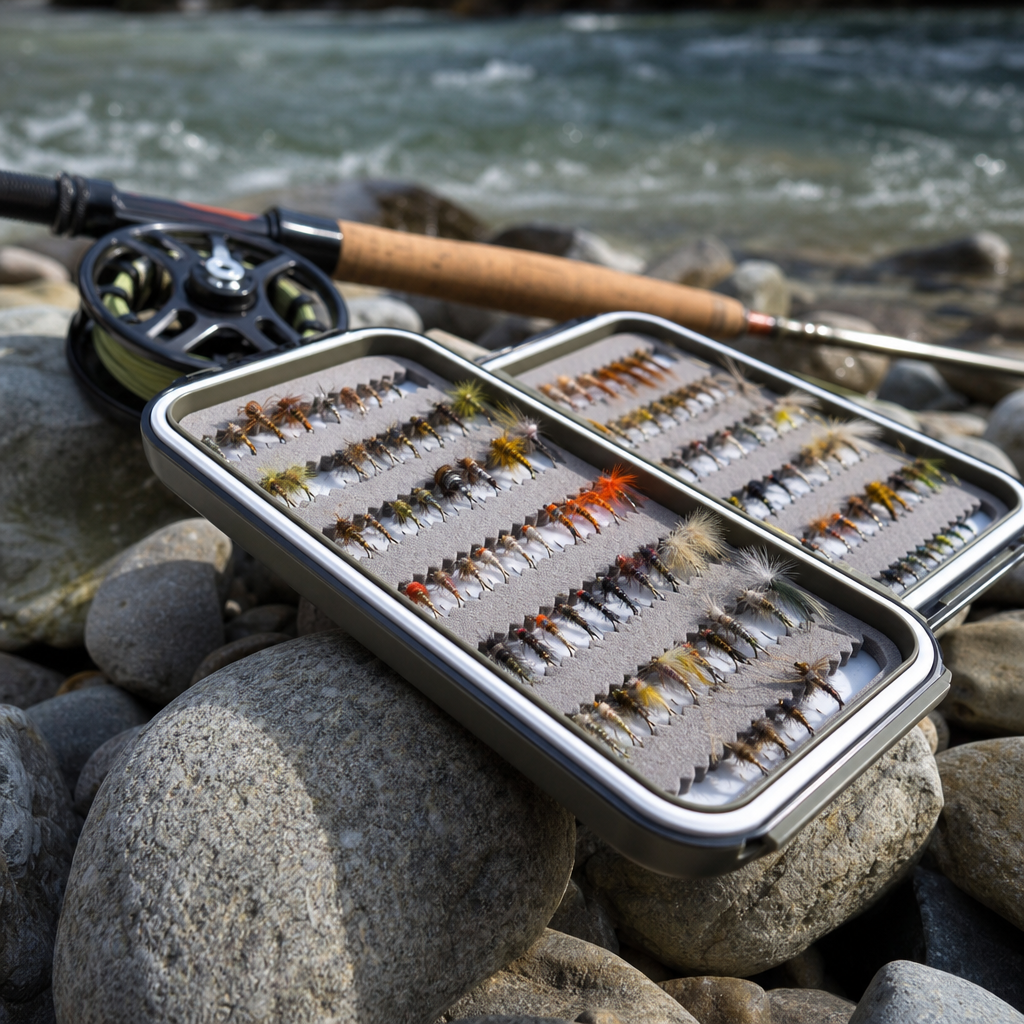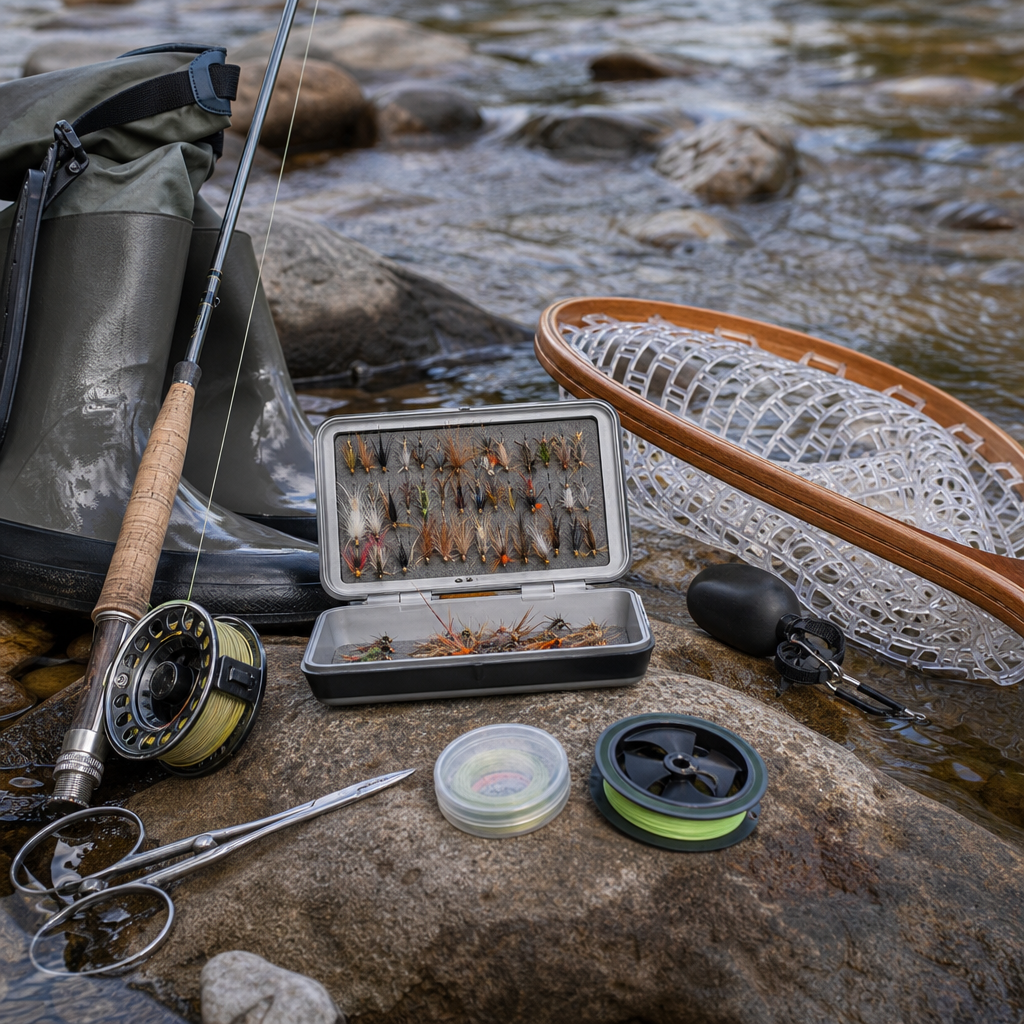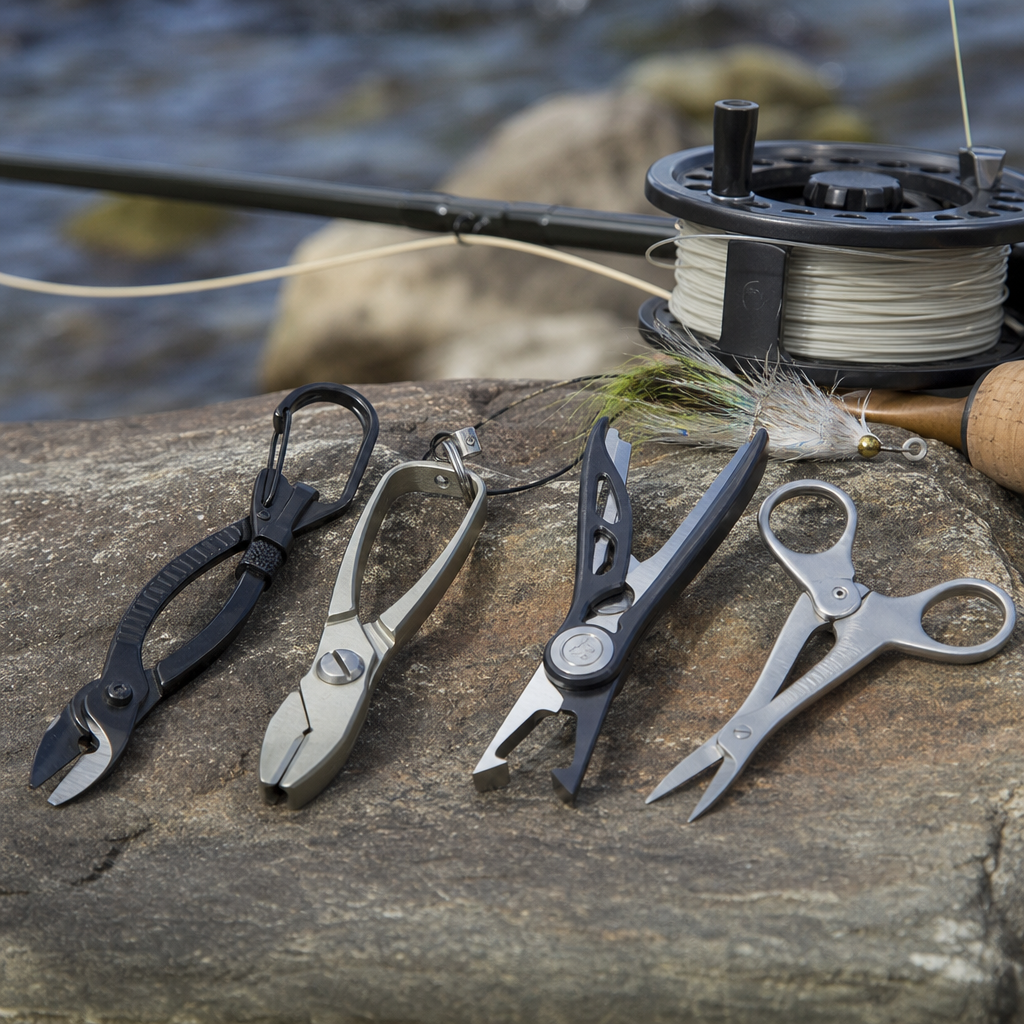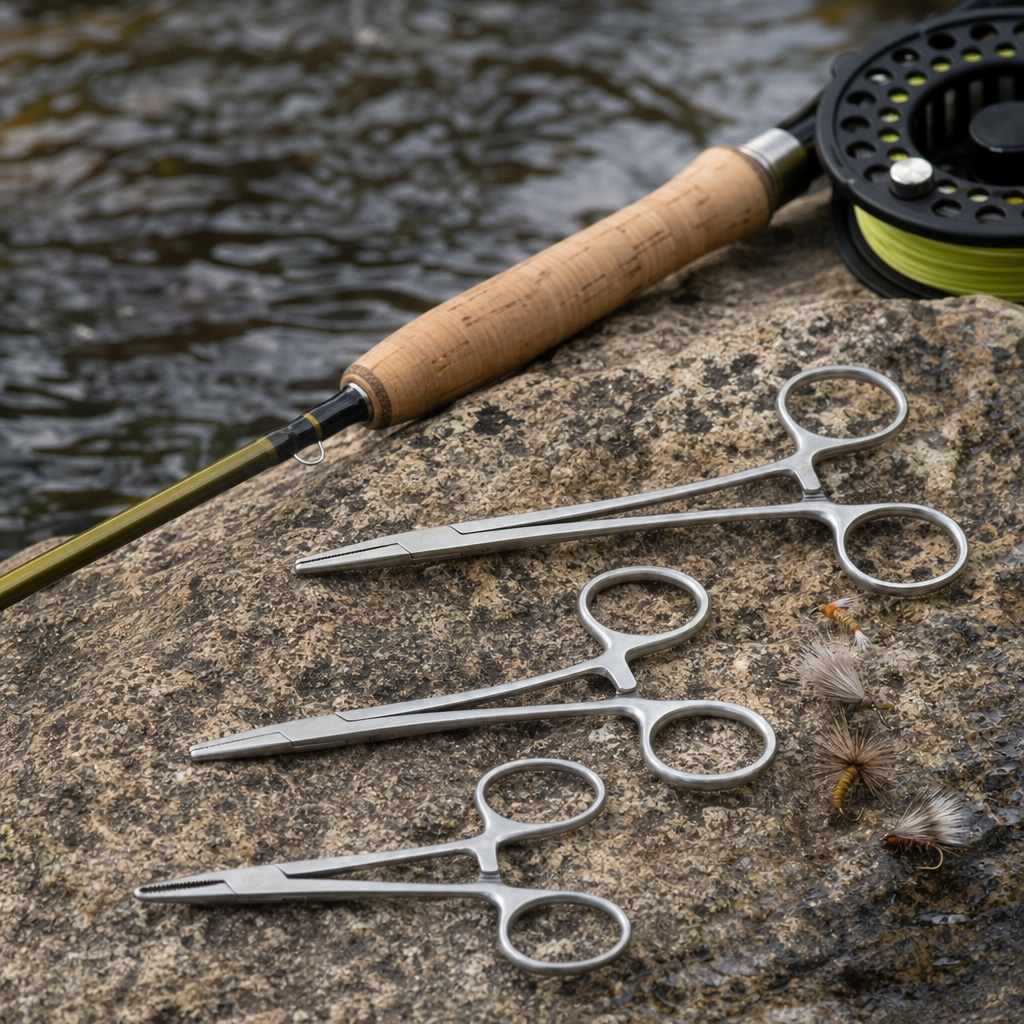
Spring is the season when fly anglers start circling maps, watching river gauges, and planning trips around hatches, runoff windows, and fish behavior. Reviewing the best fly fishing spots for spring means judging destinations by more than postcard scenery. The right spring fishery offers reliable access, healthy trout or warmwater populations, manageable flows, productive insect life, and enough local infrastructure to help anglers fish effectively in changing conditions. For travelers using this page as a starting point for destination research, the goal is simple: identify where spring fishing is consistently good, what makes each place work, and how to match a destination to your skill level, budget, and timing.
In my experience planning and reviewing fishing travel, spring creates the widest gap between average trips and excellent ones. A famous river can fish poorly if snowmelt hits early, while a less celebrated tailwater can produce steady dry-fly action for weeks. That is why destination reviews matter. A useful review explains hydrology, water temperature, forage, major hatches, public access, wading difficulty, guide availability, and nearby lodging. It also sets realistic expectations. Spring conditions are dynamic. Flows rise, road access changes, and fish shift from winter holding water toward feeding lanes and spawning zones. Good destination advice helps anglers adapt instead of arriving with a single tactic and hoping conditions cooperate.
This hub covers travel and destination reviews through a spring lens, with an emphasis on fly fishing spots that repeatedly justify the drive or flight. The best spring destinations usually fall into clear categories. Tailwaters stay cold and stable, freestones wake up as temperatures climb, spring creeks deliver technical sight fishing, and stillwaters can offer explosive chironomid, leech, and damselfly action before summer crowds build. Within those categories, some waters stand out year after year because they combine fish density, seasonal timing, and access in a way that rewards visiting anglers. The sections below review the strongest types of spring water and the specific places that belong on a serious angler’s shortlist.
What makes a spring fly fishing destination worth the trip
The best spring fly fishing spots share five traits. First, water conditions remain fishable through much of the season. Second, fish feed predictably as temperatures move into productive ranges. Third, local hatches or forage are established enough that anglers can build repeatable game plans. Fourth, public access is clear and substantial. Fifth, nearby services such as fly shops, guides, shuttle providers, and weather reporting reduce guesswork. When I review destinations, I weigh these factors before I consider scenery or reputation, because success in spring is largely about consistency.
Timing is the biggest variable. In the Rocky Mountains, spring can mean two distinct periods: the pre-runoff window of March through early May and the lower-elevation post-thaw phase before heavy snowmelt muddies freestones. In the South and parts of the Midwest, spring may already be prime by late February. In the Northeast, ice-out stillwater fishing and Hendrickson hatches define the season. Understanding this regional timing is essential. “Best” is never universal in fly fishing; it is always tied to a calendar, water source, and target species.
Access deserves equal attention. A river with legendary fish counts is less useful to traveling anglers if public easements are scarce, parking is limited, or floating is the only practical option during spring flows. Destinations that deserve hub-level recommendation typically offer a mix of wade water and float water, well-marked regulations, and towns with enough lodging and food options to support multiday trips. That practical layer often determines whether a destination is ideal for a first visit or better reserved for anglers with local knowledge.
Top spring destination types and where they shine
Tailwaters are usually the safest spring recommendation because dam releases moderate temperature and flow swings. The South Platte near Deckers and Cheesman Canyon in Colorado, the Green River below Flaming Gorge in Utah, and the White River system in Arkansas all fit this profile. These waters often fish well when nearby freestones are still cold or already blowing out. Midges, blue-winged olives, scuds, sowbugs, and small baetis patterns drive much of the action, and nymphing remains the highest-percentage tactic until hatches concentrate fish near the surface.
Spring creeks reward more technical anglers. Pennsylvania’s Letort Spring Run and Big Spring Creek, or Idaho’s Silver Creek once temperatures stabilize, offer clear water, selective trout, and strong aquatic insect populations. These fisheries are excellent for anglers who enjoy long leaders, precise drifts, and careful observation. They are less forgiving than many tailwaters, but as destination reviews they score highly because they provide distinct experiences that are difficult to duplicate elsewhere.
Freestone rivers become excellent spring options when water temperatures rise before peak runoff. Montana’s Yellowstone tributaries at lower elevation, sections of the Madison before heavy melt, and parts of the Delaware system in the East can all deliver brief but memorable windows. On these rivers, the review focus shifts to elevation, snowpack, and daily temperature swings. A freestone that is mediocre at 9 a.m. can fish beautifully from noon to dusk once the water warms a few degrees.
Stillwaters belong in every serious spring travel plan, yet they are often overlooked by trout anglers fixated on rivers. Lakes such as Henry’s Lake in Idaho, Davis Lake in Oregon, and British Columbia’s interior trout lakes can be exceptional in spring because fish cruise the shoals, feed aggressively after ice-out, and respond well to balanced leeches, chironomids, and slow-stripped attractors. For anglers willing to use a float tube, pontoon, or boat, stillwater destination reviews often reveal the most consistent spring action available.
| Destination Type | Best Spring Advantage | Common Fly Patterns | Ideal Angler |
|---|---|---|---|
| Tailwater | Stable flows and temperatures | Midges, baetis, scuds, sowbugs | Travelers seeking consistency |
| Spring Creek | Clear water and technical sight fishing | Small mayflies, emergers, terrestrials later | Experienced presentation-focused anglers |
| Freestone | Brief but excellent warming windows | Stonefly nymphs, mayflies, streamers | Flexible anglers watching weather and runoff |
| Stillwater | Aggressive fish in shallow feeding zones | Chironomids, leeches, damsels | Anglers comfortable with boats or tubes |
Standout Western spring fly fishing spots
The Green River below Flaming Gorge Dam is one of the most dependable spring trout destinations in the West. The A, B, and C sections offer different experiences, but the upper reaches are especially famous for high trout density, prolific midge and baetis activity, and long drifts through classic tailwater structure. Spring is productive because the river remains cold and clear while many surrounding freestones are unstable. Guides here lean heavily on small nymph rigs, but overcast days can bring excellent dry-fly fishing.
The Missouri River near Craig, Montana, is another benchmark spring destination. This is a large tailwater with substantial public access, strong guide infrastructure, and one of the most important baetis spring fisheries in the country. Wind is the tradeoff. Anglers who can handle changing weather are rewarded with pods of rising fish, productive sowbug and midge nymphing, and enough river mileage to spread pressure. For destination review purposes, the Missouri stands out because it offers both numbers and size with relatively straightforward logistics.
In Colorado, the South Platte system earns its reputation every spring. Deckers, Cheesman Canyon, and the Dream Stream each fish differently, but all offer technical trout water close to major population centers. Cheesman is the most physically demanding and often the most exacting. Deckers provides easier access and abundant fish. The Dream Stream can produce large trout moving around reservoirs and spawning corridors, though crowds are intense. A balanced review should note that this system can humble anglers with tiny flies, pressured trout, and leader-shy conditions, but it remains one of the strongest spring options in the Rockies.
For anglers open to spring creeks and iconic dry-fly culture, Silver Creek in Idaho belongs on the list. Its best known summer reputation can obscure how good shoulder-season fishing can be when weather aligns and insect activity builds. The creek’s slow, weedy, alkaline water demands stealth and precision. It is not the place to rush casts. But for anglers wanting a destination where observation matters as much as fly choice, Silver Creek is a deeply rewarding spring review candidate.
Top Eastern and Southern spring destinations
The Delaware River system, especially the West Branch and Main Stem, deserves hub status for spring travel research. Snowpack, reservoir releases, and temperature all shape conditions, but the system is nationally respected for wild trout, major mayfly hatches, and the chance to fish large dry flies to selective risers. April and May can bring Hendricksons, blue-winged olives, caddis, and later sulfurs depending on section and weather. This is not a beginner river in every stretch, but it is one of the most important destination fisheries in the East.
Pennsylvania remains a spring powerhouse because it offers diversity within manageable driving distances. Penns Creek is famous for its green drakes later, yet its spring fishing before peak crowds is often excellent. Spring creeks such as Letort, Big Spring, and Falling Spring provide technical alternatives when freestones fluctuate. Limestone influence, fertile water, and robust insect life give the state remarkable consistency. For destination reviewers, Pennsylvania scores highly because anglers can build multi-river trips and adjust daily based on weather and flow.
In the South, the White and Norfolk rivers in Arkansas are elite spring tailwater choices. Cold releases from Bull Shoals and Norfork dams support strong trout populations, including large browns and rainbows. Generation schedules matter, so floating and access planning are critical, but local fly shops and guides provide excellent real-time information. Midges, sowbugs, eggs, and streamers all play. When spring storms muddy nearby warmwater options, these tailwaters often remain among the most fishable destinations in the region.
Tennessee’s South Holston and Watauga rivers also deserve serious attention. The South Holston, in particular, is known for dense sulfur and blue-winged olive hatches and extraordinary numbers of wild brown trout. These are technical rivers where matching size and drift is crucial, but they reward disciplined anglers with genuine dry-fly opportunities in spring. For travelers in the Southeast, few destinations offer this combination of hatch quality, fish density, and convenient lodging.
How to review access, lodging, and guide quality before booking
Strong destination reviews go beyond fish counts. Before recommending any spring fly fishing spot, I check three practical areas: access, accommodations, and guide quality. Start with state agency maps, U.S. Forest Service or Bureau of Land Management access points, and current flow data from USGS gauges or dam release schedules. Rivers that look easy on a map may have limited bank access or dangerous wading at spring levels. Many costly travel mistakes come from confusing summer access with spring access.
Lodging should be judged by proximity to put-ins, early breakfast availability, gear storage, and cancellation policies. In towns like Craig, Last Chance, or Cotter, anglers benefit from staying close to the river because hatches and weather windows can dictate quick changes. Fly-shop-adjacent lodging is often more useful than upscale resorts because it improves shuttle logistics and gives you immediate local information. On technical waters, that information can save an entire day.
Guide quality is best assessed through specificity. Look for outfitters who discuss seasonal tactics, not generic promises. A credible spring guide report mentions flow ranges, typical bug activity, boat versus wade tradeoffs, and how conditions have shifted over the last week. Ask what flies they have actually been fishing, what sections are best right now, and whether beginners or experienced anglers are better suited to the current window. Detailed answers are usually a sign that the operation is actively dialed in rather than selling reputation alone.
Matching destinations to angler goals, skill, and budget
The best fly fishing spot for spring depends on what kind of trip you want. If your priority is steady action and simple planning, choose a tailwater with robust guide support. If you want visual fishing and technical challenge, book a spring creek or a hatch-driven Eastern river. If you value solitude and flexibility, consider stillwaters or secondary freestones near major headline rivers. Destination reviews are most useful when they help anglers eliminate poor fits, not just chase famous names.
Budget matters more than many anglers admit. A do-it-yourself trip to a well-mapped tailwater can be highly effective if you invest in current local intel, rent the right boat, and stay near access. On the other hand, a single guided day on a complex river can flatten the learning curve enough to make the rest of the trip far more productive. I often advise travelers to spend on knowledge first. One strong guide day, quality maps, and flies matched to current hatches usually beat luxury lodging and random fly boxes.
Skill level should shape destination choice honestly. Newer anglers often have the most fun on broad, forgiving tailwaters or lakes with clear tactical frameworks. Advanced anglers may prefer rivers where presentation, reading subtle rises, or timing a hatch matters more than sheer fish density. The best spring destination is the one that gives you repeatable chances, teaches you something, and leaves enough room to adapt when weather changes. Use this hub to shortlist waters by seasonality, access, and style, then compare individual destination reviews before you book your next trip.
Spring fly fishing rewards preparation more than almost any other season. The destinations that stand out year after year do so because they combine fishable conditions, seasonal food sources, practical access, and reliable local support. Tailwaters such as the Missouri, Green, White, South Holston, and South Platte offer consistency when runoff threatens other plans. Spring creeks like Silver Creek and Pennsylvania’s limestone waters provide precision and challenge. Freestones can deliver unforgettable pre-runoff windows, while stillwaters may offer the best overlooked action of all.
As a hub for travel and destination reviews, this page is meant to help you narrow the field intelligently. Look first at water type, regional timing, and access. Then evaluate guides, lodging, and the realism of current reports. The best fly fishing spots for spring are not simply the most famous places. They are the places where conditions align with your goals, experience, and travel window. Start with the destinations outlined here, compare them against current flows and hatch timing, and build a plan that gives you options instead of forcing one fixed outcome.
If you are choosing your next trip now, shortlist three destinations, check their spring flow history, call a local fly shop at each, and book the one with the strongest current window. That simple process leads to better travel decisions and better days on the water.
Frequently Asked Questions
What makes a fly fishing spot truly good in spring?
A great spring fly fishing destination is usually defined by consistency, not just scenery. In spring, anglers are dealing with changing water temperatures, snowmelt runoff, shifting insect activity, and fish that are transitioning out of winter patterns. The best spots are places where trout or warmwater species become reliably active as conditions improve, where flows remain fishable for a good portion of the season, and where access is practical even when weather changes quickly. A spring fishery should also have enough habitat diversity to give anglers options, including riffles, seams, tailouts, soft edges, deeper buckets, and side channels where fish can hold during fluctuating flows.
Another major factor is hatch timing. Productive spring rivers and lakes often offer dependable bug activity such as blue-winged olives, caddis, March browns, stoneflies, midges, or local baitfish movements. Even when hatches are not explosive, the best destinations provide enough food activity to keep fish feeding predictably. Local infrastructure matters too. Good fly shops, current river reports, nearby lodging, public access, shuttle options, and knowledgeable guides can make a major difference when conditions change overnight. In short, the best spring fly fishing spots combine healthy fish populations, manageable water, seasonal food sources, and practical support that helps anglers adjust and succeed.
How do runoff and river conditions affect where to fish in spring?
Runoff is one of the biggest variables in spring fly fishing, especially in snowmelt-driven watersheds. As mountain snow begins to melt, rivers can rise quickly, become off-color, and fish very differently from one week to the next. That does not automatically mean fishing is bad, but it does mean spot selection becomes more strategic. Freestone rivers often fish well before peak runoff and again after flows begin to drop, while tailwaters, spring creeks, and stillwaters can provide more stable alternatives during high-water periods. Anglers reviewing spring destinations should always look at whether a fishery is runoff-sensitive or buffered by dams, groundwater input, or lake systems.
High water changes fish behavior in predictable ways. Fish often move out of heavy current and into softer edges, flooded banks, inside bends, back eddies, and slower holding water. If a river has plenty of these softer structures, it can remain productive even when flows rise. Water clarity is another key detail. Slightly stained water can actually improve fishing by making fish less wary, but muddy, debris-filled flows usually reduce visibility and feeding efficiency. Before choosing a destination, anglers should check river gauges, weather trends, snowpack levels, and local reports. The best spring fisheries are often the ones that still offer fishable options when conditions are not perfect, which is why many experienced anglers build their trips around flexible drainages rather than a single famous stretch of river.
Are trout rivers always the best choice in spring, or should anglers consider warmwater fisheries too?
Trout get most of the attention in spring, but warmwater fisheries can be outstanding and are often overlooked. In many regions, spring is one of the best times to target smallmouth bass, largemouth bass, panfish, and even carp on the fly because fish are moving into shallower water, feeding more actively, and responding well before summer boating pressure peaks. If an article is reviewing the best fly fishing spots for spring, it should not automatically limit the conversation to classic trout water. The right warmwater destination may offer easier access, more stable flows, less crowding, and excellent action during weather windows when cold trout streams are still inconsistent or blown out.
That said, trout fisheries remain a top spring option because they align so well with insect-driven fly fishing. Rivers with healthy populations of wild or well-managed trout, strong mayfly and caddis hatches, and cold, oxygen-rich water can be exceptional once temperatures climb into the feeding zone. The smartest approach is to match species and destination to regional spring timing. In lower elevations, warmwater fisheries may turn on earlier. In tailwaters and spring creeks, trout fishing can be excellent even while nearby freestones are unstable. In higher elevations, some trout waters may still be too cold or inaccessible early in the season. The best spring fly fishing plans recognize that “best” depends on conditions, and anglers who stay open to both trout and warmwater options often enjoy more consistent success.
What should anglers look for in local access, guides, and fishing support when choosing a spring destination?
Local support is a huge part of what separates a beautiful destination from a practical one. Spring fishing changes fast, and the most useful destinations are those with reliable public access, current fishing reports, and nearby services that help anglers adapt. Public easements, boat ramps, walk-in sections, and clearly marked regulations all matter because spring flows can limit where and how people fish. A river that looks ideal on a map may be difficult to wade safely, may require a drift boat during certain flow levels, or may have limited legal access. Reviewing the best spring spots should always include a realistic look at how anglers can actually fish the water under seasonal conditions.
Guides and fly shops are especially valuable in spring because they track water levels, hatch progression, fish movement, and productive patterns in real time. A good local shop can tell visiting anglers whether to bring nymph rigs, streamers, dry-dropper setups, or sinking lines, and whether a river is worth fishing at all that week. Lodging, shuttle services, nearby restaurants, and backup fisheries also add real value, especially for travelers on multi-day trips. If weather blows out one stream, a strong destination often provides another nearby option such as a tailwater, lake, or small tributary. In other words, the best spring fly fishing spots are supported by enough local knowledge and infrastructure to help anglers pivot quickly and spend more time on fishable water.
What flies and tactics are usually most effective when fishing the best spring spots?
Spring tactics usually revolve around flexibility because fish behavior can change with water temperature, light levels, clarity, and insect activity. In many spring fisheries, nymphing is the most reliable starting point. Patterns that imitate mayfly nymphs, caddis larvae, midge pupae, stonefly nymphs, scuds, worms, and attractor-style searching bugs often produce consistently, especially during cool mornings or unstable weather. As flows rise, heavier rigs and larger flies can help get down into softer holding water where fish conserve energy. Streamers can also be excellent in spring because fish are often aggressive after winter and willing to chase baitfish imitations, particularly in slightly stained water or during pre-spawn and territorial phases.
Dry fly opportunities improve when hatches become more consistent, and this is where top spring destinations really separate themselves. Blue-winged olive hatches on overcast afternoons, caddis emergences in warming valleys, March browns on the right rivers, and midge activity on tailwaters can all create memorable surface feeding. Anglers should pay close attention to water temperature and timing, since even a few degrees of warming can trigger better activity. Presentation matters just as much as fly choice. In higher, faster water, targeting seams, banks, inside edges, and transition lanes is often more productive than casting into the main current. On lakes and warmwater fisheries, slow strips, hovering presentations, and shoreline-focused retrieves can be especially effective. The best spring anglers are the ones who let conditions dictate tactics rather than forcing a single style all day.