Summer fly fishing rewards anglers who match seasonal food sources, water conditions, and fish behavior with precision. The best fly patterns for summer fishing are not simply the most popular flies in a shop bin; they are the patterns that solve specific problems on specific days, whether that means tempting trout during a sulfur hatch, drawing bass from shaded banks with a deer hair popper, or getting a nymph deep enough during low, clear water. In my own summer fishing, the difference between a slow outing and a memorable one is usually not dramatic casting skill. It is fly selection, presentation, and a clear understanding of what fish are feeding on right now.
As a hub page for fly reviews, this guide explains which summer fly patterns matter most, why they work, and how to evaluate them before you buy or tie them. A fly pattern is the recipe of materials, proportions, and hook style used to imitate an insect, baitfish, or attractor. Summer fishing refers to the warm-water period when hatches change, terrestrial insects become important, flows often drop, and fish shift feeding windows toward mornings, evenings, and oxygen-rich current. Those changes make summer one of the most technical and most rewarding times to fish with a fly rod.
This topic matters because anglers waste money on flies that look good in packaging but fail on the water. Good fly reviews should go beyond color and brand. They should consider hook quality, flotation, durability, profile, sink rate, visibility, and how closely a pattern matches real forage. They should also acknowledge regional variation. A size 16 parachute Adams can be a summer staple almost anywhere, but a cicada, hopper, PMD emerger, or chartreuse clouser becomes essential only when local conditions support it. Understanding those distinctions turns a random fly box into an effective system.
Summer also expands the menu. Trout eat mayflies, caddis, stoneflies, midges, beetles, ants, hoppers, craneflies, and small baitfish. Smallmouth bass often crush streamers, crayfish patterns, and topwater bugs. Panfish respond to foam spiders and small poppers. Carp tail over mud for nymphs and worm imitations. Because this page sits under product reviews and recommendations, it serves as a practical starting point for every category of fly reviews: dry flies, nymphs, emergers, streamers, terrestrials, and warmwater surface patterns. If you want one reference that explains what to carry, what to trust, and what to test, start here.
How to Choose Summer Fly Patterns That Actually Work
The best summer fly patterns share four traits: they match common forage, present naturally, survive multiple fish, and remain fishable in heat, glare, and low water. When I review flies for summer use, I begin with profile before color. Fish usually recognize shape, size, and behavior first. A slim sulfur dun in the correct size outperforms a beautifully tied but oversized imitation. The same principle applies to streamers. A sparse baitfish pattern with a clear silhouette often beats a bulky fly that pushes too much water in calm summer flows.
Hook quality is nonnegotiable. Many budget flies use chemically sharpened hooks that dull quickly or open under pressure. Strong hooks from makers such as Tiemco, Ahrex, Gamakatsu, Hanak, or Firehole add cost, but they improve penetration and fish retention. On dry flies, hackle quality and post visibility matter more in summer than many anglers realize. Long drifts in flat water demand clean flotation, while bright parachute posts, CDC wings, or foam indicators help you track a fly at distance during evening glare.
Durability should be part of every fly review. Summer fish often feed aggressively, and foam, UV resin, deer hair, and synthetic wing materials can extend a fly’s life. A chubby-style attractor may survive dozens of trout, while a delicate traditional comparadun can collapse after several fish unless treated carefully. That does not make one pattern objectively better; it means each has a use case. Reviews should explain whether a fly is built for rough pocket water, selective spring creek trout, or warmwater species that shred materials.
Weight and sink rate are equally important. In low summer flows, lightly weighted perdigons, pheasant tails, or unweighted soft hackles can drift naturally without constant snagging. In deep runs or tailwaters, tungsten bead nymphs and jig hooks maintain depth and improve hook angle. Streamer reviews should note whether a fly uses dumbbell eyes, coneheads, or neutral materials suited to swing, strip, or dead drift presentations. If a review skips these functional details, it is not helping you choose the best fly patterns for summer fishing.
Best Summer Dry Flies for Trout and Surface Feeders
Summer dry fly fishing centers on visibility, buoyancy, and hatch accuracy. Three of the most dependable categories are classic mayfly imitations, caddis patterns, and attractor dries. The parachute Adams remains a benchmark because it suggests many mayflies without looking too specific. In sizes 12 through 20, it covers everything from pale morning duns to general evening spinner activity. A good review of a parachute Adams should assess post brightness, hackle stiffness, tail alignment, and whether the body is slim enough for flat-water fish.
Elk hair caddis patterns deserve equal attention. Summer caddis are widespread, and fish often take adults skittering near the surface. Reviews should examine hair density, wing taper, body durability, and hackle proportions. Too much hair can make a fly spin your leader; too little can reduce flotation. CDC caddis patterns fish lower in the film and can be excellent for selective trout, though they demand more maintenance. On technical rivers, I often carry both high-floating elk hair versions and sparse CDC adults to cover different feeding moods.
Attractor dries become critical when fish key on mixed insect activity or opportunistic surface food. Chubby Chernobyl variants, stimulators, and large stonefly dries work as searching patterns, indicators, and hopper-dropper anchors. They are especially effective on freestone rivers where trout hold along seams, under cut banks, and near pocket water. These patterns are not subtle, but that is the point. Their foam bodies and visible wings let anglers fish confidently in rough current while supporting a beadhead nymph beneath.
For warmwater species, surface bugs and poppers are the summer equivalent of dry flies. Bluegill, largemouth bass, and smallmouth bass often feed high during dawn and dusk. Foam beetles, small cork poppers, and deer hair sliders all deserve review coverage. The best versions land softly enough for panfish but push enough water to trigger bass. A strong review should explain not just the pattern, but the retrieve: dead stop for bluegill, short strips for bass, and pauses beside lily pads, timber, or shade lines.
Best Nymphs, Emergers, and Wet Flies for Summer Depth Control
Even in summer, most trout still feed below the surface most of the time. That makes nymphs, emergers, and soft hackles essential. Pheasant tail nymphs, hare’s ear nymphs, perdigons, zebra midges, and caddis pupae form the backbone of an effective summer box. Reviews should evaluate bead size, dubbing taper, flash restraint, and how the pattern behaves in different currents. A perdigon with a slim UV-coated body sinks fast and excels in pocket water. A soft, buggy hare’s ear drifts more naturally in moderate runs and can imitate a wider range of prey.
Emergers are often the difference-maker during summer hatches. Trout frequently feed in the film on insects that have not fully escaped the shuck. RS2s, CDC emergers, sparkle duns, and unweighted pheasant tail emergers all deserve a place in fly reviews because they address that transitional feeding zone. Good reviews should note whether a pattern hangs just under the surface, rides flush in the film, or benefits from floatant only on the wing. Those small rigging details determine whether fish confidently eat the fly or refuse at the last second.
Soft hackles and wet flies are underrated in modern fly recommendations. During caddis activity, sulfurs, and mixed evening hatches, a simple partridge-and-orange or soft hackle pheasant tail can outfish more complex patterns. These flies suggest movement rather than exact appearance, and in summer currents that matters. I have seen trout ignore dead-drifted dries yet hammer a swung soft hackle through the same seam. Reviews should explain when to fish these patterns across-and-down, under an indicator, or as a dropper behind a dry.
| Pattern Type | Best Summer Use | Key Review Criteria | Typical Sizes |
|---|---|---|---|
| Parachute Adams | General mayfly coverage, evening rises | Post visibility, hackle stiffness, body profile | 12-20 |
| Elk Hair Caddis | Caddis hatches, skittering adults | Hair density, flotation, wing shape | 12-18 |
| Chubby Chernobyl | Searching, hopper-dropper rigs, rough water | Foam quality, rubber legs, buoyancy | 6-14 |
| Pheasant Tail Nymph | Mayfly nymph imitation, clear water | Taper, bead balance, durability | 14-20 |
| Perdigon | Fast sink in pocket water and tailwaters | Hook strength, body slimness, bead fit | 12-20 |
| Woolly Bugger | Trout, bass, panfish, leeches and baitfish | Marabou quality, palmered hackle, weight options | 4-12 |
Terrestrials, Streamers, and Warmwater Flies Worth Reviewing
If there is one summer category that anglers underprepare for, it is terrestrials. By midsummer, trout expect land-based insects to fall into the water, especially on windy afternoons. Foam ants, beetles, hoppers, and cicadas can be the best fly patterns for summer fishing when aquatic hatches are sparse. Reviews should look at leg placement, foam density, silhouette, and whether the pattern lands naturally. A beetle with too much flash can spook fish in calm water; a hopper with excessive bulk may splash too hard on small streams.
Hopper patterns deserve special scrutiny because many commercial versions are durable but poorly proportioned. Effective hoppers typically have a strong underbody color contrast, visible wing or post, and enough foam or deer hair to stay afloat with a dropper. On western rivers, tan, pink, yellow, and olive all have moments, but size usually matters more than exact shade. On eastern freestones, smaller hoppers and black ants often outperform the giant foam patterns sold for broad western banks. Regional fit should be central to any honest recommendation.
Streamers remain productive all summer, especially early, late, or after storms. For trout, woolly buggers, sculpin patterns, zonkers, and articulated baitfish are staples. Reviews should identify action at different retrieve speeds, whether the fly sheds water well for easier casting, and what line system matches it. A heavily weighted articulated streamer may look impressive, but if it is exhausting to cast on a six-weight in hot weather, it becomes a niche tool rather than a daily choice. Balanced recommendations should say that clearly.
For bass and panfish, summer fly reviews should include clouser minnows, craw patterns, foam poppers, and baitfish streamers with synthetic fibers. Smallmouth in rivers often respond to olive, brown, and chartreuse baitfish profiles worked near current breaks and rock ledges. Largemouth around weeds and timber can be selective about weedlessness, so hook orientation and mono guards matter. Panfish flies should be simple, durable, and small enough to match their mouth size. In every case, a useful review ties pattern design directly to target species, habitat, and retrieve style.
How to Build a Summer Fly Box and Judge Fly Reviews
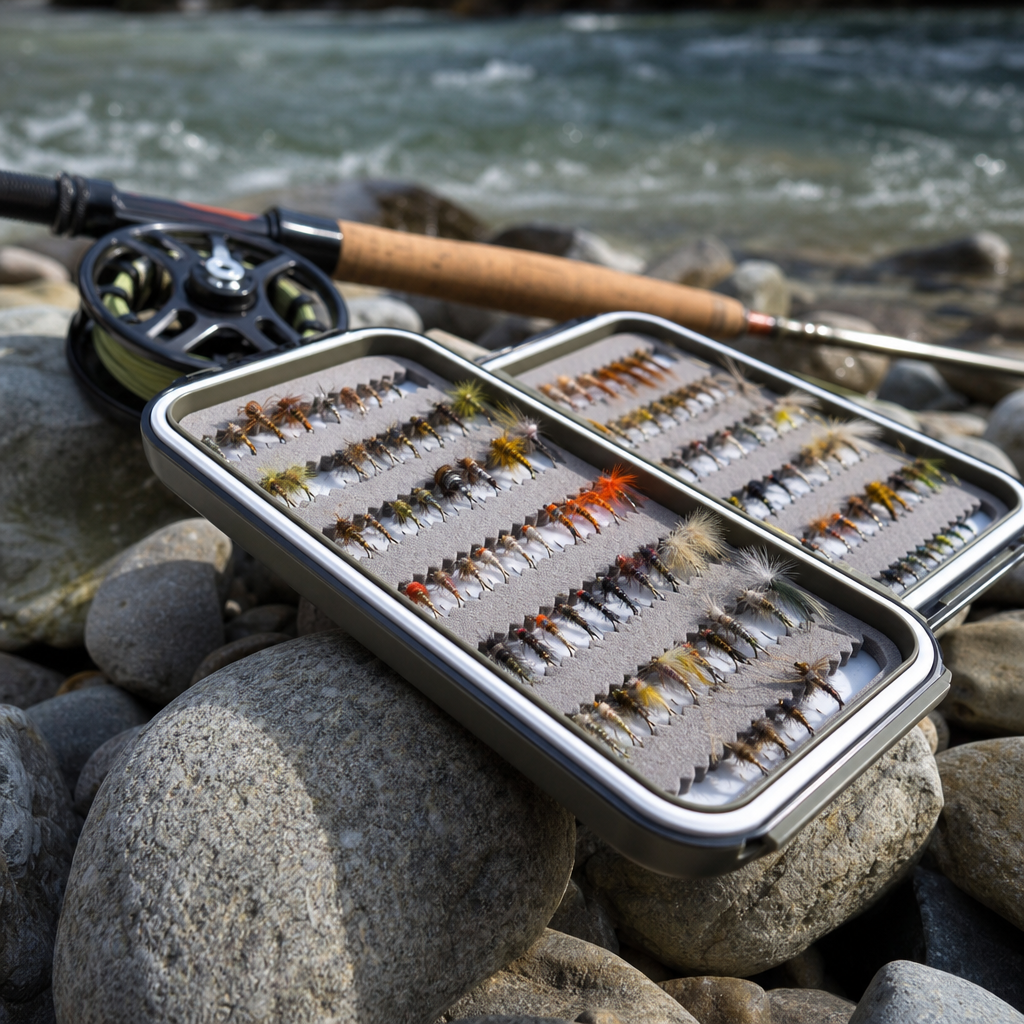
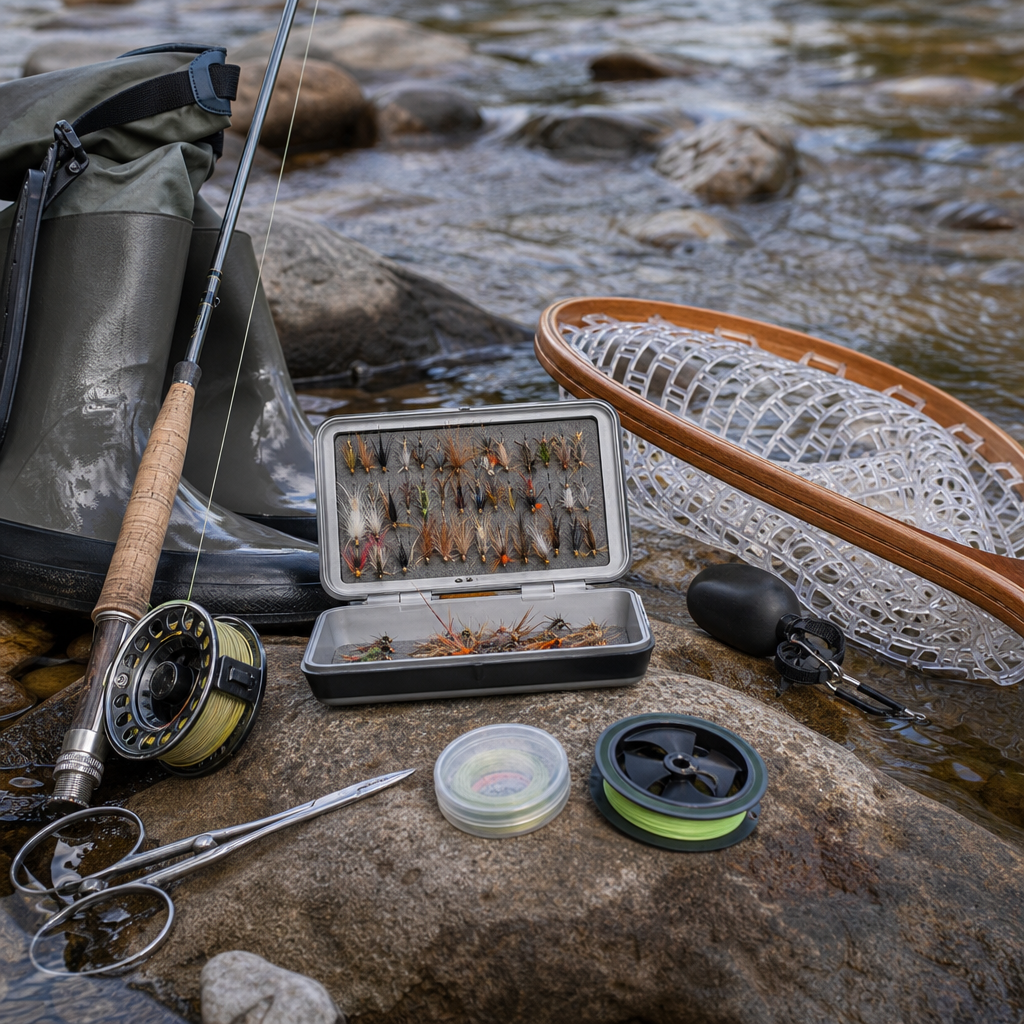
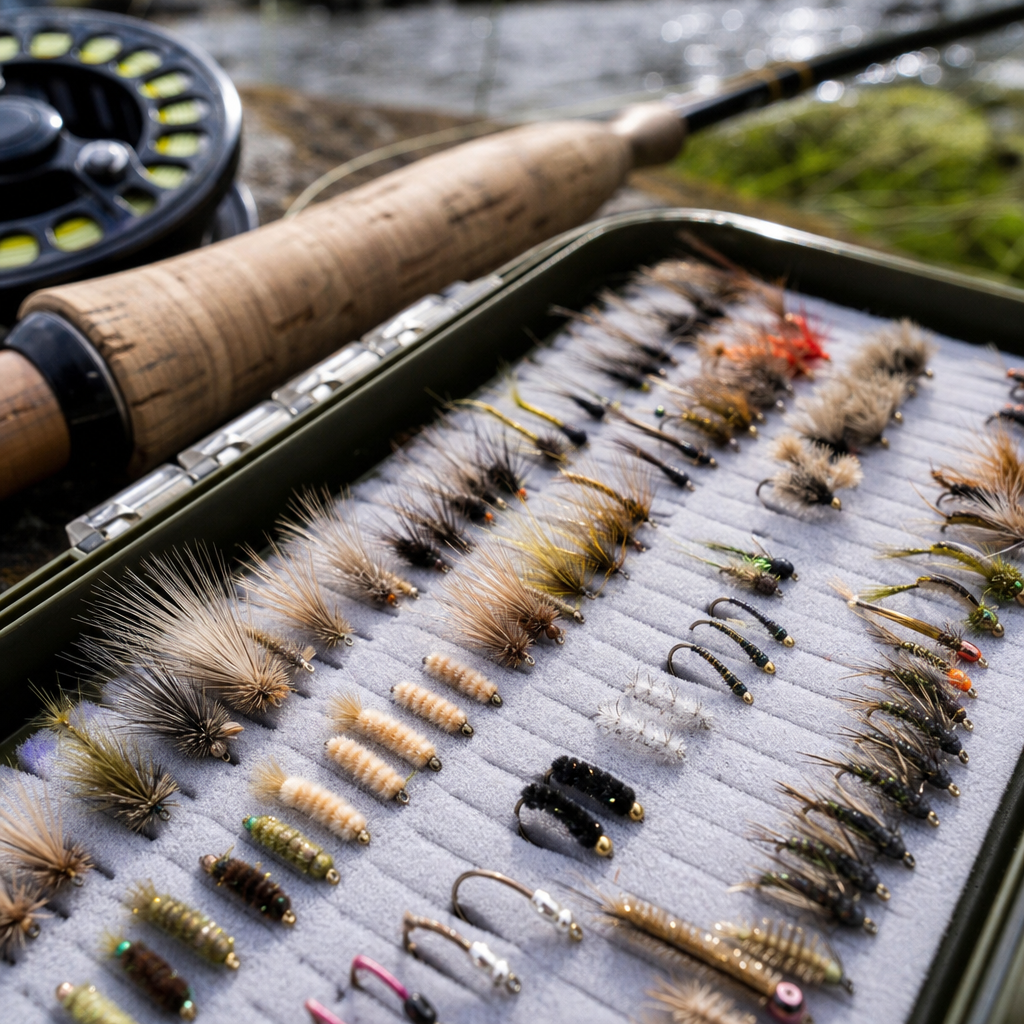
A smart summer fly box is compact, seasonal, and species-specific. For trout, I recommend carrying three confidence dries, three nymph families, two emerger styles, two terrestrial patterns, and two streamer options before adding local specialists. In practice, that might mean parachute Adams, elk hair caddis, chubby attractors, pheasant tails, perdigons, caddis pupae, RS2s, foam ants, hoppers, and woolly buggers. For bass and panfish, substitute poppers, clousers, craws, and foam spiders. This approach reduces clutter and forces every pattern to justify its place.
When reading fly reviews, look for evidence, not adjectives. The best reviews explain where a fly was tested, what species ate it, how many fish it survived, and what limitations appeared. A trustworthy review will say, for example, that a CDC emerger outfished standard duns on slow spring creek water but required drying powder after every fish. It will note that a conehead bugger produced in stained water but was too heavy for skinny runs. Those specifics help you buy flies that match your own fisheries instead of chasing trends.
Brand matters less than consistency, but consistency matters a lot. Umpqua, Fulling Mill, Orvis, Montana Fly Company, Hareline-tied shop assortments, and strong local fly shops all produce fishable patterns, yet quality varies by model and tier. That is why this hub page exists. Fly reviews should compare patterns within categories, identify standout hooks and materials, and point anglers toward the right sub-articles for deeper recommendations on dries, nymphs, streamers, terrestrials, or warmwater flies. Use this page as your starting point, then build a box that reflects your water, your quarry, and your season.
The central lesson is simple: the best fly patterns for summer fishing are the patterns that align with seasonal food, water type, and fish behavior. Reliable summer flies float correctly, sink at the intended rate, hold up under repeated use, and match what fish expect to see in that moment. Dry flies shine during hatches and low-light feeding. Nymphs and emergers cover the majority of subsurface feeding. Terrestrials dominate midsummer afternoons. Streamers and topwater bugs open opportunities for trout, bass, and panfish when bigger prey becomes the trigger.
As a fly reviews hub, this page should help you judge patterns with more discipline. Prioritize profile over cosmetic detail, hook quality over bargain pricing, and on-water function over catalog appeal. Build around proven categories, then refine by region and species. If you want better summer fishing, review your fly box before your next trip, replace weak links with proven patterns, and explore the related fly reviews that break each category down in detail.
Frequently Asked Questions
What are the best fly patterns for summer fishing in rivers, streams, and lakes?
The best fly patterns for summer fishing depend on the species you are targeting, the type of water you are fishing, and the stage of seasonal insect and baitfish activity. In moving water for trout, summer staples usually include dry flies such as parachute-style mayfly imitations, elk hair caddis, terrestrials like foam ants and beetles, and hopper patterns once bankside grass becomes active. Nymphs remain essential as well, especially pheasant tails, hare’s ears, perdigons, midge patterns, and small caddis pupae that can reach fish feeding below the surface during bright conditions. In tailwaters and clear freestone streams, anglers often do best with smaller, cleaner patterns that match the natural insects closely.
For warmwater species such as bass and panfish, summer fly boxes should lean more heavily on surface bugs, baitfish streamers, and swimming patterns. Deer hair poppers, foam sliders, small baitfish imitations, woolly buggers, and crayfish flies are all highly productive in summer because bass often hunt along weed lines, under shade, and around structure. In lakes and ponds, chironomid patterns, damselfly nymphs, leech flies, and balanced stillwater nymphs can be excellent when fish are cruising drop-offs or feeding just under the surface film in the morning and evening. The key point is that there is no single “best” fly for summer. The best pattern is the one that matches what fish are eating at that moment while also fitting water depth, clarity, light level, and presentation needs.
How do I choose the right summer fly pattern based on hatches and natural food sources?
Choosing the right summer fly pattern starts with observation before casting. Summer fishing can change quickly, and the anglers who consistently catch fish are usually the ones who pause to read the water, check the air, and look closely at what is happening around them. If you see trout rising steadily in slow seams or slicks, start by identifying whether they are taking mayflies, caddis, midges, or terrestrials. A gentle sip often suggests small mayflies or midges, while splashier takes can point to caddis or larger surface prey. If fish are not visibly rising, turning over rocks, using a small seine, or inspecting streamside vegetation can tell you whether nymphs, larvae, or drifting terrestrials are the main food source.
Summer often brings overlapping food options, which is why pattern selection should be practical rather than overly complicated. During a sulfur or PMD hatch, a mayfly emerger or dun pattern in the correct size and silhouette is often more important than exact color perfection. During caddis activity, an elk hair caddis, soft hackle, or pupa pattern may outperform a standard dry if fish are feeding just below the surface. On windy afternoons, ants, beetles, inchworms, and hoppers become increasingly important, especially near undercut banks and grassy edges. In lakes, fish may key on damselflies, leeches, or small minnows instead of insects drifting in current. The smartest approach is to match the dominant food source first, then fine-tune size, profile, and presentation if fish refuse the fly.
Are dry flies, nymphs, or streamers most effective during summer fishing?
All three can be highly effective in summer, but each shines under different conditions. Dry flies are often the most exciting and can be extremely productive during morning and evening hatches, spinner falls, and terrestrial activity. Summer is famous for dependable dry-fly windows, especially when trout are feeding on caddis, mayflies, or hoppers. Dry flies also work well when fish are holding in shallow riffles, along grassy edges, or in shaded pockets where surface food collects. However, many anglers overcommit to dries simply because surface takes are more visible. In reality, fish often feed subsurface for much of the day, especially in bright midday light or during low, clear flows.
Nymphs are usually the most consistently effective summer choice because they cover the part of the water column where fish spend most of their feeding time. A carefully drifted nymph can be deadly when trout stop rising but continue eating mayfly nymphs, caddis larvae, midges, or small attractor patterns. In low summer water, slim flies with enough weight to get down quickly often outperform bushier, bulkier patterns. Streamers, meanwhile, become excellent tools when targeting larger trout, bass, and other predatory fish near structure, cutbanks, deeper pools, and shaded lies. They are especially useful early and late in the day, after rain, in stained water, or when fish are chasing minnows or crayfish rather than insects. The most effective anglers rotate among dries, nymphs, and streamers based on fish behavior rather than personal preference.
What fly sizes and colors work best for summer fishing when water is low and clear?
When summer water gets low and clear, fish usually become more selective, and that means fly size, profile, and presentation matter more than ever. In those conditions, smaller patterns often produce better results because natural insects are easier for fish to inspect and because oversized flies can look suspicious. For trout, common summer sizes often range from 12 to 20 depending on the hatch, with terrestrials sometimes running larger and midge or technical mayfly patterns running smaller. Slim nymphs, sparse emergers, and neatly tied dry flies tend to outperform bulky patterns in clear water because they drift more naturally and create less visual alarm.
Color should generally stay close to natural tones unless you need an attractor element to help fish notice the fly in broken water. Olive, tan, brown, cream, gray, black, and rusty shades cover a huge amount of summer fishing. Sulfur hatches call for pale yellow to orange-tinged patterns, caddis are often tan, olive, or brown, and terrestrials commonly fall into black, cinnamon, green, or beetle-like iridescent dark tones. In warmwater fishing, white, chartreuse, black, and olive streamers can all be effective, but even then, clarity and forage should guide the choice. The biggest mistake anglers make in low clear water is focusing only on the fly itself. Long leaders, fine tippet, stealthy wading, accurate casting, and drag-free drift are often just as important as pattern color or size.
How should I build a reliable summer fly box for trout, bass, and other species?
A reliable summer fly box should be built around categories of problems rather than random popular patterns. Start with surface flies for hatch-matching and opportunistic feeding: mayfly dries in a few sizes, caddis adults, ants, beetles, and hopper patterns. Then add a subsurface section with confidence nymphs such as pheasant tails, hare’s ears, perdigons, caddis pupae, and midge larvae or emergers. Include a few attractor patterns for faster water or searching unknown water. If you fish for trout in technical summer conditions, carry duplicates in smaller sizes and lower-profile ties because fish often key on subtle details when flows drop.
For bass, panfish, and mixed-species summer fishing, expand that box with deer hair poppers, foam bugs, baitfish streamers, crayfish patterns, woolly buggers, and swimming nymphs or leeches. Think about when and where each fly solves a problem. Poppers call fish up from weed edges and shaded banks. Streamers cover aggressive fish in deeper pockets and around structure. Smaller bugs and nymphs save the day when fish are pressured or feeding selectively. It is also smart to carry the same productive idea in multiple weights or sink rates so you can fish shallow, mid-depth, or deep without changing your overall approach. A strong summer fly box is not necessarily huge, but it is versatile, well organized, and matched to real seasonal feeding behavior rather than impulse purchases at the fly shop.