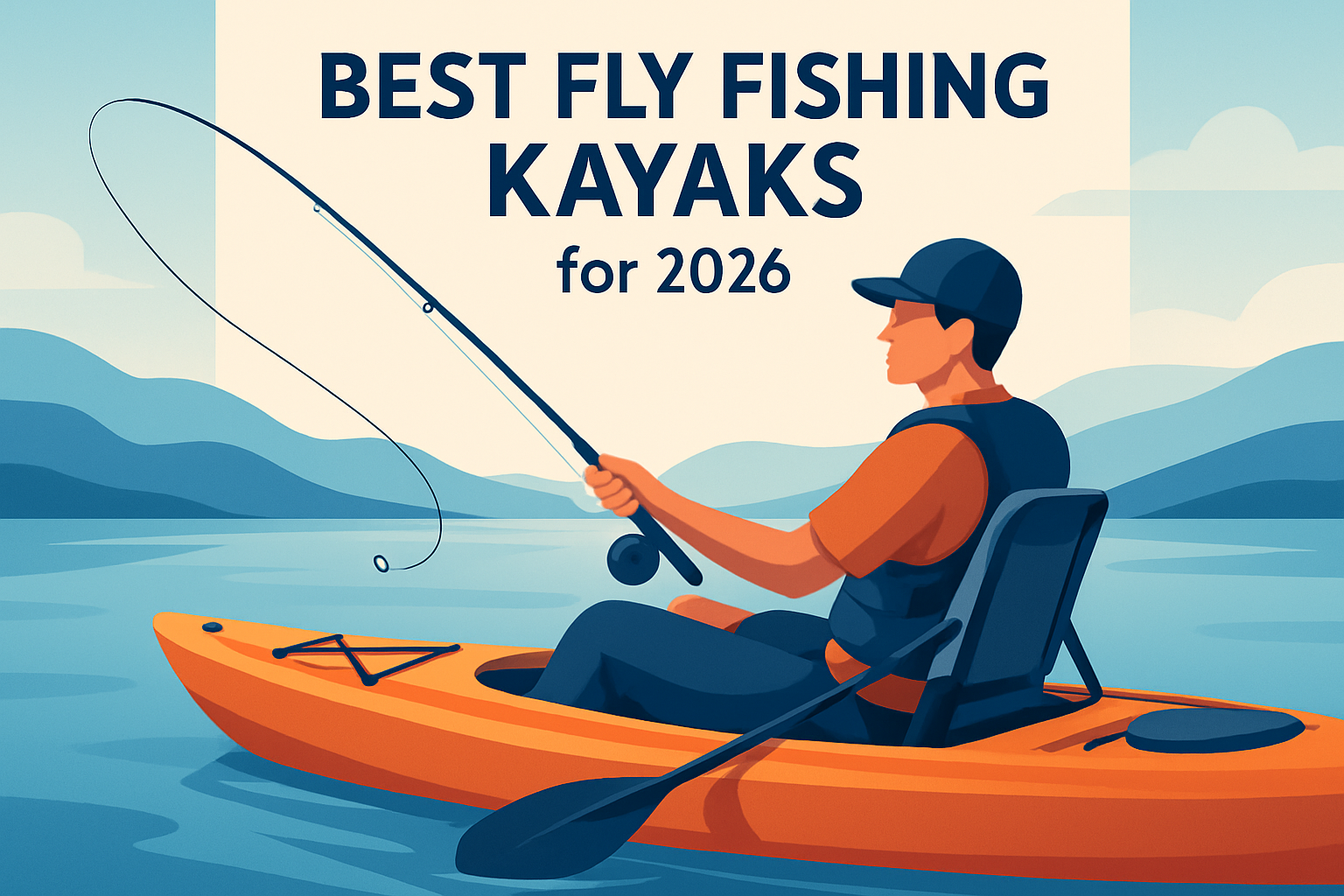
Choosing the best fly fishing kayaks for 2026 means balancing stability, deck layout, transport weight, and fishability in real conditions, not just reading spec sheets. A fly fishing kayak is a sit-on-top or specialized paddle craft designed to let anglers cast, manage line, and land fish while staying low to the water and highly mobile. For fly anglers, that definition matters because a kayak that works for casual spinning tackle can become frustrating once loose fly line, stripping baskets, anchor systems, and standing casts enter the picture. I have spent enough dawn launches untangling running line around seat frames and accessory tracks to know that small design details decide whether a day feels effortless or exhausting.
In 2026, the category is stronger than ever because manufacturers now build kayaks specifically for stand-up casting, shallow-water positioning, and electronics integration. Wider hulls, framed seats, stern motor options, and cleaner cockpit layouts make today’s models more capable than older recreational designs. At the same time, “best” is not one universal answer. A backwater redfish angler needs different features than a river smallmouth angler or a stillwater trout specialist covering windy reservoirs. Price also matters. Premium pedal-drive platforms can exceed the cost of a small used skiff, while lighter paddle kayaks still deliver excellent performance for anglers who value simplicity and car-top convenience.
This guide explains what separates a strong fly fishing kayak from a generic fishing kayak, which 2026 models stand out, and how to choose the right platform for your water. The focus is practical: stability you can trust, layouts that protect fly line, and features that genuinely improve time on the water. If you are comparing top options for saltwater flats, rivers, lakes, or all-around use, the sections below answer the core questions directly and with the kind of detail serious anglers actually need.
What Makes a Kayak Good for Fly Fishing
The best fly fishing kayaks share five essential traits: primary stability, open deck space, line-friendly rigging, efficient propulsion, and manageable transport. Stability comes first because fly anglers often cast while standing or half-rising from the seat. A hull in the 34- to 40-inch range usually inspires confidence, especially on stillwater or slow-moving flats. But width alone is not enough. Hull shape matters. Tunnel hulls, tri-hulls, and pontoon-style designs typically provide the solid standing platform many anglers want, though they can trade away top-end paddling speed.
Deck layout is equally important. In my experience, the worst fly fishing kayaks are cluttered with protruding rod holders, bungee cords, and recesses that grab running line on every cast. The best ones keep the cockpit clean, with flush mounting points, thoughtful gear tracks, and enough flat space near the feet for line control. Elevated framed seats help visibility and comfort, but they also need to avoid creating line traps beneath or behind the angler. Better brands now design around this issue with tighter seat bases and cleaner side rails.
Propulsion choice deserves careful thought. Paddle kayaks remain lighter, quieter, cheaper, and easier to maintain. Pedal kayaks excel when you need hands-free boat control in wind or current, particularly while scanning shorelines or adjusting position between casts. Fin drives often run shallower than prop drives, while prop drives usually feel more intuitive and faster in open water. Motor-ready kayaks are increasingly popular for large lakes and coastal marshes, but the added battery weight changes transport and launch logistics. There is no perfect system; there is only the system that matches your water and fishing style.
Best Fly Fishing Kayaks for 2026: Top Picks by Use Case
For all-around fly fishing performance in 2026, the Bonafide PWR 129 continues to impress because it combines an extremely stable platform with a deck that feels intentionally built for standing casts. At 12 feet 9 inches and notably wide, it is not a speed machine, but it offers confidence, gear capacity, and excellent rigging flexibility. The high, open deck makes line management easier than on many pedal boats, and the hull handles motors well for anglers who fish bigger water. If your priority is a stable casting platform with room to customize, this is one of the strongest choices available.
The Jackson Knarr FD remains a top premium option for anglers who want pedal propulsion and offshore-capable confidence. Its Flex Drive system gives practical hands-free movement, and the hull carries speed better than many ultra-wide stand-up kayaks. For fly fishing specifically, the deck is reasonably clean, and the high-low seat supports long days on the water. It shines for saltwater marshes, larger lakes, and anglers covering distance. The tradeoff is weight. This is a serious fishing platform, and solo loading onto a tall vehicle is not realistic for many people.
For lighter-weight paddle performance, the Crescent Shoalie stands out. River anglers and minimalist fly fishers appreciate how easy it is to paddle, drag, and car-top compared with heavier fully rigged fishing barges. It has enough stability for confident seated casting and limited standing for experienced paddlers, but its real strength is versatility on moving water. It accelerates efficiently, handles current well, and avoids the sluggish feel common in wider kayaks. If your fishing includes smallmouth rivers, creeks, and mixed paddling trips, the Shoalie deserves close attention.
The Native Watercraft TitanX 12.5 is one of the strongest dedicated stand-up fishing kayaks for anglers who prioritize deck space and confidence above all else. It is broad, highly stable, and ideal for sight-fishing environments where you want to stand, pole lightly, or cast repeatedly without worrying about balance. Native’s propulsion ecosystem and accessory support are mature and practical. The downside is obvious: this category of kayak is heavy, expensive, and better suited to trailer transport or short launch distances than frequent rooftop loading.
For budget-conscious buyers, the Vibe Shearwater 125 remains a compelling value. It offers a flexible platform with paddle, pedal, and motor adaptability, and the hull gives newer anglers reassuring stability. The deck is usable for fly fishing if rigged carefully, and the price-to-feature ratio is strong compared with premium brands. It is not the most refined kayak in fit, finish, or paddling efficiency, but for anglers entering the sport and wanting room to grow, it delivers legitimate capability without premium pricing.
| Model | Best For | Main Strength | Main Tradeoff |
|---|---|---|---|
| Bonafide PWR 129 | All-around fly fishing | Exceptional stand-up stability and deck space | Heavy and slower to paddle |
| Jackson Knarr FD | Pedal-driven lakes and saltwater | Hands-free control and range | High weight and cost |
| Crescent Shoalie | Rivers and lighter setups | Efficient paddling and easier transport | Less stand-up stability than wider platforms |
| Native TitanX 12.5 | Sight fishing and maximum stability | Huge, confidence-inspiring platform | Bulky to move and store |
| Vibe Shearwater 125 | Value-focused buyers | Versatile features at a lower price | Less refined overall performance |
How to Choose the Right Kayak for Your Water
If you fish shallow saltwater flats, prioritize standing stability, wind control, and clean deck design. Redfish and striped bass anglers often benefit from wider hulls, stakeout poles, and pedal or motor capability for covering open sections between marsh drains. In these environments, boats like the Bonafide PWR 129, Native TitanX 12.5, and Jackson Knarr FD make sense because they support repeated sight-casting and controlled repositioning. Corrosion resistance also matters. Saltwater use demands disciplined rinsing, especially around pedal drives, rudder hardware, and electronics terminals.
If you fish rivers, weight and hull responsiveness climb the priority list. Heavy kayaks feel secure on flatwater, but they become a burden on steep launches, around strainers, or during portages. River fly anglers chasing smallmouth, trout, or carp usually benefit from paddle kayaks that track well yet still maneuver quickly. The Crescent Shoalie is a smart example of a river-friendly compromise: enough fishing stability without completely sacrificing paddling performance. On technical rivers, simpler is usually better. Minimal rigging reduces snag hazards, improves safety, and makes line management cleaner in moving current.
Lake anglers need to think about distance, wind, and session length. On large reservoirs, a pedal kayak can be transformative because it preserves casting rhythm while helping you hold on structure or move along shorelines. On smaller ponds, a lighter paddle kayak may be the wiser buy because launch convenience often determines how often you actually fish. This is a point many buyers miss. The best kayak on paper is not the best kayak if it is so awkward to load, store, and launch that it leaves the garage half the season. Practical ownership always beats aspirational ownership.
Body size matters too. Taller anglers need more legroom and often prefer higher framed seats for easier stand-up transitions. Smaller anglers should not assume a giant platform is automatically better; oversized kayaks can feel cumbersome and tiring to manage off the water. Before buying, check capacity ratings, seat ergonomics, standing area length, and whether the side rails interfere with your casting stroke. If possible, demo the kayak wearing the same footwear and PFD you fish in. That small step reveals more than any online review.
Rigging, Setup, and Common Mistakes Fly Anglers Make
A well-rigged kayak improves fly fishing more than most accessory purchases. Start with line management. Keep the cockpit as bare as possible, remove unnecessary bungees, and secure loose straps. Many anglers add too much gear in the first month and spend the next season fighting tangles. I prefer a simple setup: one crate or rear storage solution, one landing net clipped behind the seat, forceps on a retractor, and only the rods I actually plan to use. Less clutter means cleaner casts, faster landing sequences, and fewer expensive fly lines wrapped around hardware.
An anchor system can be valuable, but choose the right one for your water. In shallow marshes and calm lakes, a stakeout pole is often quieter and faster than a traditional anchor. On deeper lakes, a trolley system with a lightweight anchor gives useful positioning control. In rivers, anchors can be dangerous in current and should be used conservatively, if at all. Electronics are another area where anglers often overbuild. A compact fish finder such as a Garmin Striker or Lowrance Eagle can be extremely useful on stillwater, but only if the battery, transducer mount, and wiring stay clean and out of the fly line’s path.
Safety and comfort upgrades deserve equal attention. A high-quality personal flotation device designed for paddlesports is non-negotiable. So is a reliable paddle leash or retention plan if you stand frequently. Good kayak footwear helps on muddy launches and protects footing when standing on wet decks. For longer sessions, sun protection matters more than another tackle accessory: hooded UPF layers, gloves, and a brimmed cap reduce fatigue and extend useful time on the water. Small refinements like traction pads and a better seat cushion can noticeably improve casting confidence and posture over a full day.
The most common mistake I see is buying for features instead of workflow. Anglers get excited by motor mounts, massive dashboards, and storage options, then discover their kayak has become a floating obstacle course. Ask a simpler question: can you launch quickly, control your line, cast comfortably, land fish safely, and load the kayak home without dreading the process? If the answer is yes, you probably chose well.
What to Expect in 2026 and Which Buyers Should Upgrade
The big trend for 2026 is refinement, not reinvention. Leading brands are improving hull efficiency, seat ergonomics, and accessory integration rather than chasing gimmicks. More kayaks now come motor-ready, sonar-ready, and compatible with power systems from brands like Newport, Torqeedo, and Minn Kota. There is also a clear push toward cleaner deck architecture because manufacturers understand that modern anglers mix fly, light tackle, and electronics in the same platform. Expect better track systems, smarter transducer mounting, and more stable standing areas without quite as much penalty in paddling performance.
Should you upgrade this year? Yes, if your current kayak limits your fishing more than your budget does. Specific signs include constant line snags on deck hardware, poor standing confidence, inadequate seat comfort, or a hull that cannot handle the wind and distance demands of your water. Upgrade if your fishing has evolved from short pond sessions to larger lakes or marshes where propulsion and storage now matter. Wait if your current platform still launches easily, fishes cleanly, and suits your local water. Newer models are better, but a well-matched older kayak remains fully capable in skilled hands.
The best fly fishing kayaks for 2026 are the ones that let you focus on reading water, spotting fish, and making clean presentations instead of fighting the boat. For most anglers, that means choosing a stable, uncluttered platform matched to the places they actually fish, not the places they imagine visiting once a year. Start with your water type, transport reality, and preferred propulsion, then narrow the field to proven models like the Bonafide PWR 129, Jackson Knarr FD, Crescent Shoalie, Native TitanX 12.5, and Vibe Shearwater 125. Demo if you can, rig simply, and buy for repeatable use. The right kayak will not just carry your gear; it will make you a more efficient, more confident fly angler every time you launch.
Frequently Asked Questions
What makes a kayak good specifically for fly fishing instead of general kayak fishing?
A good fly fishing kayak has to do more than simply float well and hold a few rod holders. Fly anglers need a clean, open layout that allows line to move freely without constantly catching on cleats, bungees, exposed gear tracks, or crate corners. That is one of the biggest differences between a kayak that works for conventional fishing and one that truly supports fly casting. When you are stripping line, making quick shots at cruising fish, or trying to land a fish while line runs across the deck, every snag point becomes a problem.
Stability is another major factor. For 2026, many of the best fly fishing kayaks focus on confidence-inspiring primary stability for seated casting and strong secondary stability for leaning, fighting fish, and making controlled movements. Some anglers want stand-up capability, but even then, the best platform is not always the widest or heaviest model. A useful fly fishing kayak balances enough stability for accurate casting with hull efficiency that still lets you cover water without feeling like you are dragging a barge.
Deck layout matters just as much as hull design. Fly anglers benefit from a flatter standing area, minimal clutter around the feet, smart storage placement, and easy access to tools without creating obstacles. Elevated seating can improve visibility and comfort, but it also changes casting mechanics and center of gravity, so the best designs make seating work with the kayak rather than against it. In short, the best fly fishing kayak is one that helps you cast cleanly, manage line efficiently, and fish naturally in real conditions—not just one with a long list of accessories.
Is stability the most important feature in a fly fishing kayak for 2026?
Stability is extremely important, but it should not be viewed in isolation. Many anglers shop for the “most stable” kayak assuming that more width automatically means better fly fishing performance. In reality, too much emphasis on width and raw platform feel can leave you with a kayak that is heavy, slow, hard to transport, and tiring to paddle over a full day. The best fly fishing kayaks for 2026 are stable enough to support your fishing style while still being practical to launch, move, and fish from consistently.
For seated fly fishing, a kayak with solid initial stability and a low-clutter deck is often more effective than an oversized hull built primarily for standing. If you like to sight fish or stand to cast in calm water, then stand-up stability becomes more important. Even then, secondary stability—the way the kayak behaves as you shift weight, edge, or turn—is just as valuable as the first impression you get when stepping aboard. A kayak that feels stable at the dock but reacts unpredictably in chop, boat wake, or current can be less fishable than one with better overall balance.
It is also important to consider how stability interacts with wind, drift, and boat control. A very high-profile, ultra-wide kayak may feel secure underfoot but can become difficult to position on windy flats or open lakes. That hurts presentation, which is a core part of fly fishing success. So yes, stability is essential, but the smartest buyers look at it alongside hull efficiency, tracking, deck simplicity, weight, and how the kayak behaves while actually casting and landing fish.
Should I choose a lightweight kayak or a larger fully rigged model for fly fishing?
That depends on where and how you fish, but for many anglers, transport weight is one of the most overlooked buying factors. A bigger kayak often promises more stability, storage, and comfort, but those advantages can disappear quickly if the boat is difficult to car-top, drag to the launch, or load by yourself after a long day on the water. A kayak that is slightly less feature-heavy but easy to move often gets used more, and that alone can make it the better fishing platform in real life.
Lightweight fly fishing kayaks are especially appealing for anglers who fish solo, access smaller waters, or launch frequently in unimproved areas. They are generally faster to set up, simpler to handle, and less intimidating for spontaneous trips. If you fish ponds, small rivers, back bays, or marshes where mobility matters more than carrying a huge amount of gear, a lighter model can be a smart choice. You may give up some deck space or stand-up confidence, but you gain flexibility and convenience.
Larger fully rigged kayaks make more sense for anglers who prioritize long sessions, extensive storage, electronics, pedal drives if applicable, or a highly stable platform for standing and sight casting. They can be excellent tools, especially in big water or when you want a more technical setup. The tradeoff is that heavier kayaks demand more from your vehicle, storage space, and body. For 2026, one of the best buying strategies is to be honest about your launch routine. If transporting the kayak becomes a hassle, even the best on-water design can turn into the wrong purchase.
What deck and cockpit features help the most with fly line management?
Fly line management is one of the defining challenges of kayak fly fishing, so deck design deserves close attention. The most helpful feature is simplicity. A relatively open cockpit with few protrusions gives stripped line fewer places to wrap, snag, or disappear under gear. Recessed hardware, low-profile fittings, and thoughtfully placed accessories are all more valuable to a fly angler than a crowded deck loaded with add-ons. In many cases, less is more.
A clear area around your feet is especially important. If you plan to cast seated, you want enough room to strip line comfortably and keep it under control without tangling around pedals, seat frames, tackle trays, or loose gear. If you plan to stand, a stable standing pad and clean transition area matter even more. Some anglers also like using a stripping mat or line tray, and the best fly fishing kayaks have enough usable space to make that practical. Elevated seats can help with comfort and visibility, but they should not interfere with line flow or force awkward rod angles during the cast.
Storage placement also plays a role. Hatches, tank wells, and side storage should be accessible without creating clutter in the working zone. Rod storage should protect spare outfits while keeping them out of the path of fly line. Tool mounts, landing nets, and electronics should be positioned for reach, but not where they create constant snags. Ultimately, the best cockpit for fly fishing is one that feels intentionally organized, with every feature serving fishability instead of just adding complexity.
How do I choose the best fly fishing kayak for the type of water I fish most often?
Start by matching the kayak to your primary water type rather than chasing the most versatile-looking option on paper. Small lakes, ponds, and protected marshes usually reward a lighter, easier-to-handle kayak with a clean deck and enough stability for relaxed casting. In these environments, stealth, maneuverability, and simple transport may matter more than maximum capacity. If you fish tight water with frequent launches, a kayak that is easy to carry and quick to deploy can dramatically improve your overall experience.
For rivers and moving water, control and predictability become more important. You want a kayak that responds well to paddle input, handles current cleanly, and lets you reposition without excessive effort. In river fishing, too much size and weight can work against you, especially around shoals, eddies, or shallow access points. A manageable hull with dependable stability and a streamlined deck is often a better fly fishing tool than a large platform built for open-water comfort.
For coastal flats, larger lakes, and exposed water, you may benefit from a longer kayak with better tracking, improved efficiency, and enough stability to cast confidently in wind or chop. Here, seat comfort, fish-fighting balance, storage, and overall hull performance matter more over longer distances. The key is to think about your actual fishing days: how far you paddle, how often you stand, what conditions you face, and how much gear you truly use. The best fly fishing kayak for 2026 is the one that fits your water, your style, and your launch reality—not just the one with the biggest feature list.