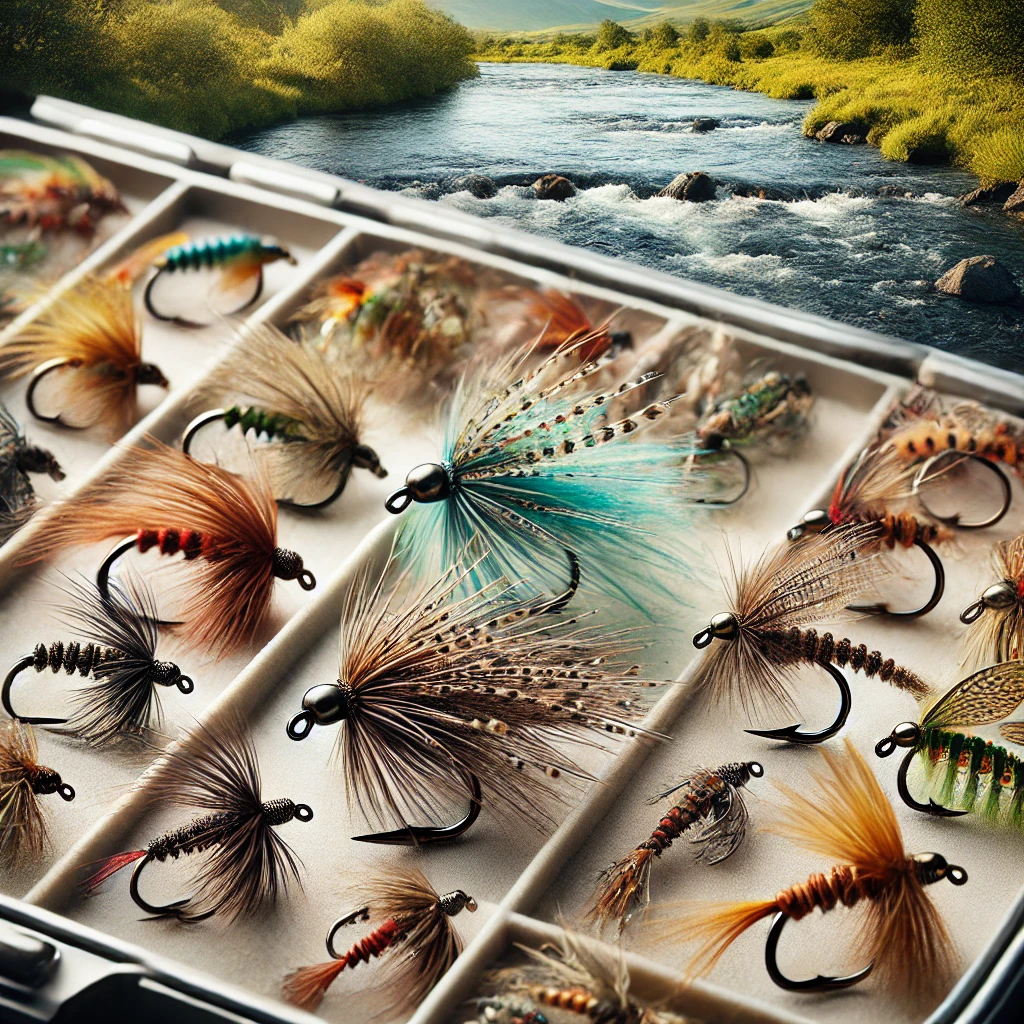
Fly tying is an age-old craft associated with the art of fly fishing, where the aim is to create artificial flies that mimic the appearance and behavior of natural prey to entice fish. Hackle feathers have long been one of the vital components of fly tying. These feathers, usually sourced from birds such as chickens and roosters, are used predominantly to create the legs, wings, and bodies of various fly patterns. The use of hackle feathers in fly tying is not only a testament to traditional craftsmanship but also a key factor in enhancing the fly’s effectiveness on the water.
The term “hackle” refers to the soft, pliable feathers found on the neck of certain birds, particularly domestic chickens bred specifically for their feathers. Hackle feathers come in numerous colors and sizes, allowing fly tyers to devise a wide array of fly patterns. The versatility and functionality of these feathers make them indispensable to fly tying enthusiasts and professional anglers alike. Understanding how to correctly utilize hackle feathers allows an angler to replicate the behavior of insects more accurately, thus increasing the chances of a successful catch.
The significance of using hackle feathers in fly tying cannot be overstated. They add buoyancy, movement, and realism to the fly, mimicking the natural habits of aquatic insects. The right choice and application of hackle feathers can dramatically increase an angler’s success rate, making this an important skill for anyone passionate about fly fishing. By delving deeper into this subject, readers will learn not just the practical applications of hackle feathers in fly tying but also appreciate the intricate blend of art and science that this pursuit embodies.
Types of Hackle Feathers and Their Uses
Different types of hackle feathers serve different purposes in fly tying. Among the most commonly used are neck hackles and saddle hackles. Each type has its unique characteristics and is suitable for specific fly tying techniques. Let’s delve into these types and their uses to better understand how they contribute to fly tying.
Neck hackles are slender feathers taken from the neck of the bird. These feathers are prized for their length and consistent barbs, making them ideal for tying dry flies meant to float on the water surface. A classic example is the Adams Fly, a staple pattern used effectively to catch a variety of fish in rivers and streams.
Saddle hackles, on the other hand, come from the saddle area of the bird’s back and are broader and longer than neck hackles. They are beneficial for tying larger flies meant to imitate terrestrial insects or small fish. A vivid real-world example is the Woolly Bugger, which utilizes saddle hackles to create its voluminous silhouette, making it highly effective for catching brown and rainbow trout.
Techniques for Incorporating Hackle Feathers
The skillful incorporation of hackle feathers in fly tying requires a few specific techniques. Not only do these techniques vary based on the fly being tied, but they also adapt depending on whether the fly is designed for dry, wet, or nymph categories.
Hackling techniques include palmering, collar hackling, and parachute hackling. Palmering involves wrapping the hackle feather around the hook in a spiral pattern, commonly used in dry flies like the Griffith’s Gnat. Collar hackling refers to applying the hackle feather in a more compact arrangement around the hook, used in wet flies like traditional soft hackles.
Parachute hackling involves suspending the hackle feather horizontally around an upright post, creating a disc-shaped appearance on the water surface. The Parachute Adams demonstrates this method, offering superior floatation and maintaining visibility even in fast currents.
Choosing The Right Hackle Feather for the Cone Head Woolly Bugger
For anglers interested in tying the popular Cone Head Woolly Bugger, selecting the right hackle feather is crucial. This fly employs a saddle hackle for its body, giving the fly a lifelike movement in the water. The hackle softens the outline of the fly, imitating the undulating motion of a small fish or aquatic creature, and enhances its appeal to predatory species.
The Woolly Bugger is a prime example of a successful fly that employs hackle feathers to mimic natural prey. Its effectiveness lies in its versatility; it’s equally effective in fresh and saltwater environments. When tying the Cone Head version of this fly, ensure to select hackle feathers with the appropriate length and density to match the desired water type and target species.
The Practical Application of Hackle Feathers in Fly Tying
Incorporating hackle feathers into your fly tying routine involves understanding their physical properties and learning how to manipulate them to create effective fly patterns. The choice of feather—its color, size, and stiffness—affects the fly’s buoyancy, movement, and appearance.
Realize that using colors that contrast or match the natural environment can make a significant difference. Experimenting with dyed hackle feathers allows for creativity in design and increases the likelihood of capturing the attention of the fish.
- Grizzly Hackle: Provides a mottled effect, mimicking many terrestrial and aquatic insects.
- Dun Hackle: Used for patterns demanding subtlety with a muted appearance.
- Black Hackle: Excellent for creating the stark, contrasting effect in shadowy water.
- Brown Hackle: Perfect for emulating various hues of natural insect bodies.
Enhancing Fly Tying Skills Using Hackle Feathers
Enhancing your fly tying skill set involves not only mastering the use of hackle feathers but also utilizing them to explore new patterns and techniques. Regular practice, alongside studying various tying methods, diversifies your repertoire and sharpens your expertise. Learning how to select, prepare, and secure the hackle feathers properly ensures that the tied fly performs to its utmost potential.
Moreover, participating in fly tying workshops or local clubs can offer critical insights into innovative ways of using hackle feathers. Engaging with seasoned fly tyers and exchanging ideas can further enrich one’s understanding and proficiency with these essential materials.
The Influence of Hackle Quality on the Finished Fly
The quality of hackle feathers profoundly impacts the effectiveness of the finished fly. High-grade feathers often yield more durable and more consistent flies, ensuring the fly maintains its structural integrity in challenging conditions. Recognizing the subtle differences in feather quality and learning how to assess them is intrinsic to the crafting process.
| Hackle Quality | Characteristics | Application |
|---|---|---|
| Premium | Long, consistent barb length, minimal flare | Professional tier, precise dry flies |
| Standard | Medium consistency, average barbs | General use in various fly patterns |
| Economy | Shorter barbs, more uneven | Beginner friendly, larger patterns |
Utilizing premium-grade hackle feathers improves the performance and appearance of dry flies, while standard or economy-quality feathers are often suited for larger patterns or for those beginning their fly tying journey.
Summarizing the Importance of Hackle Feathers in Fly Tying
The role of hackle feathers in fly tying is fundamental, offering creative avenues and functional benefits to both amateur and professional fly tyers. The art of choosing and applying hackle feathers requires a combined understanding of entomology, angling strategies, and materials science. When executed well, it results in flies that authentically replicate the behavior and appearance of natural prey, thus increasing the angler’s success and enjoyment of the sport.
Mastery of hackle feathers can significantly enhance the fish-catching capability of fly anglers. Equipping oneself with the knowledge of various feather types, tying techniques, and quality assessment serves as a valuable asset for any fly fishing enthusiast. We encourage you to experiment with hackle feathers in your fly designs, attend local workshops or clubs to broaden your understanding, and continually refine your skills. Capitalizing on the versatility and effectiveness of hackle feathers in fly tying can undoubtedly enrich your fishing experiences.
Frequently Asked Questions
1. What are hackle feathers and why are they important in fly tying?
Hackle feathers are the delicate, fluffy feathers typically harvested from the neck or saddle area of birds like chickens and roosters. In fly tying, these feathers are revered for their unique qualities and versatility. The specific characteristics of hackle feathers — such as their color, texture, and natural movement in water — make them ideal for replicating the intricate details of insects and other prey that fish find irresistible. These feathers are crucial for tying flies because they can convincingly mimic the legs and wings of insects, add lifelike movement, and enhance floatation on the water. Whether you’re crafting dry flies, wet flies, or streamers, hackle feathers are indispensable for creating an effective and enticing fly pattern.
2. How do I choose the right hackle feathers for my fly tying project?
Choosing the right hackle feathers for your fly tying project hinges on understanding what fly pattern you’re aiming to replicate and what fish you’re trying to catch. Consider the size of the insect or prey you need to imitate; smaller flies will require smaller hackle feathers, often sourced from the neck region, while larger flies might use longer feathers from the saddle. Color is another critical factor — natural brown, ginger, and grizzly hackles are popular choices for imitating common insects, while dyed feathers can help match more specific hatches or attract fish in particular water conditions. Ultimately, the flexibility, stiffness, and barb density of the feathers should align with the fly’s intended action and durability in water. Beginners may benefit from starter kits that offer a selection of versatile hackle feathers, guiding them as they learn to match feather to fly.
3. How do I prepare hackle feathers for use in fly tying?
Preparing hackle feathers for fly tying involves a few key steps to ensure they are in pristine condition for winding onto hooks. Start by selecting a feather that fits the fly pattern’s size and color requirements. Clean any dirt or residual oils on the feathers by lightly washing them in warm, soapy water, taking care to rinse thoroughly to maintain the feather’s natural properties. Gently dry the feather using a soft cloth, and avoid direct heat to prevent damage. Once dry, you might need to “strip” the feather, which means removing unwanted barbules from the base and sides, leaving just the right amount to tie onto the hook. Finally, a regular inspection under good lighting helps identify any imperfections or inconsistencies, ensuring that each feather used enhances the appearance and performance of your fly.
4. What are some tips for working with hackle feathers when tying flies?
When working with hackle feathers, consider the following tips to maximize your fly tying success. First, ensure you have a high-quality hackle plier, a tool designed specifically to hold and wrap fine feather barbs around your hook without slippage. Apply gentle tension as you wind the feather, aiming for evenly spaced wraps to achieve a natural look and proper buoyancy, especially in dry flies. Maintain a steady hand and pace; rushing often leads to mistakes like snapped feathers or uneven wraps. Practice controlling the direction of feather fibers by using minimal pressure with your fingers, allowing the fibers to sit optimally against the hook shank. Always keep an eye on the proportion — hackles that are too long or uneven can look unrealistic or hinder the fly’s performance. Finally, don’t hesitate to experiment with different colors and textures to see what varieties attract fish best on your local waters.
5. Can I reuse hackle feathers after they’ve been used in a fly?
Reusing hackle feathers is theoretically possible but generally not recommended due to the wear and tear these feathers endure during fishing. When a fly is cast, dragged, and retrieved through water, the hackle feathers can get bent, broken, or weighed down by water and debris. This damage compromises their ability to mimic prey effectively. Moreover, when deconstructing a fly to salvage materials, the process can further damage or destroy the feathers. For the best outcomes in fly tying, fresh hackle feathers will always offer better aesthetics and functionality. However, if costs are a concern or sustainability is a priority, consider conserving whole feathers from deconstructed flies that have minimal wear for possible reuse in less demanding fly patterns.