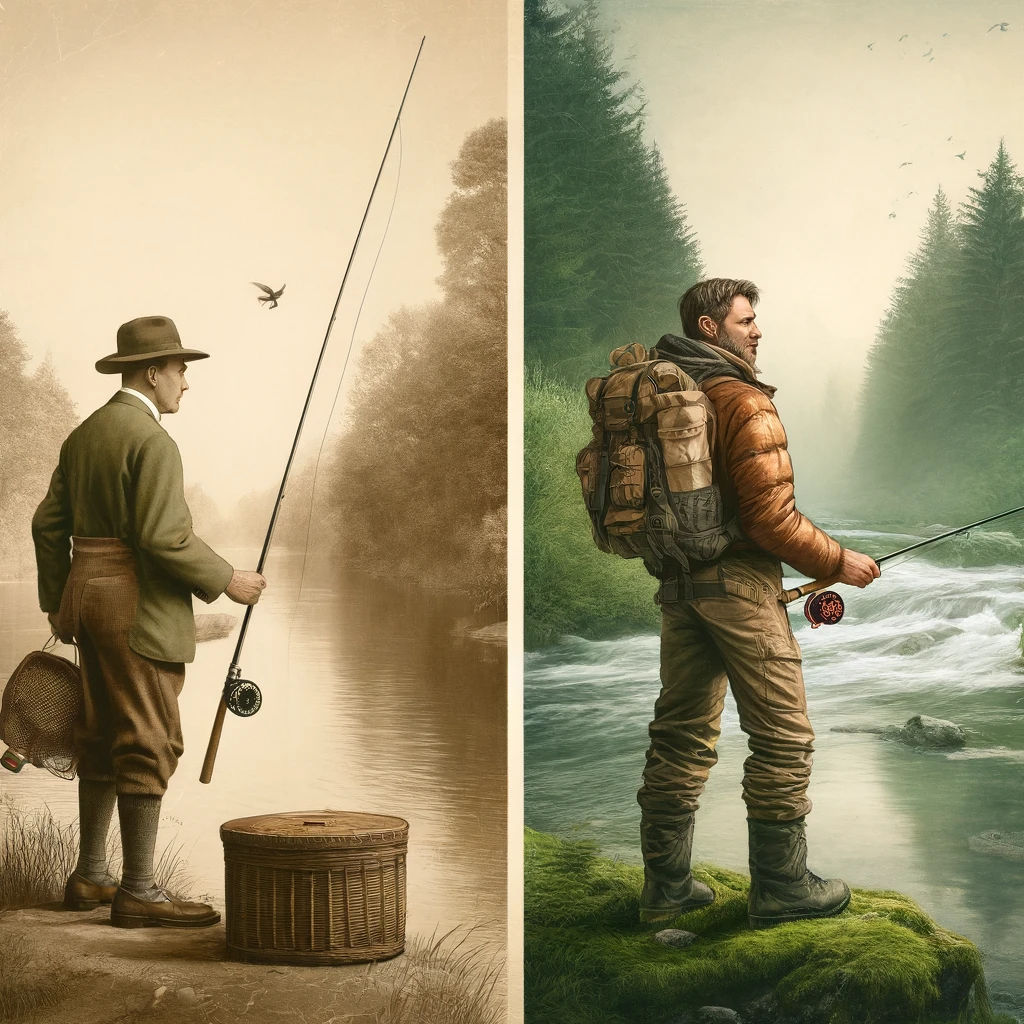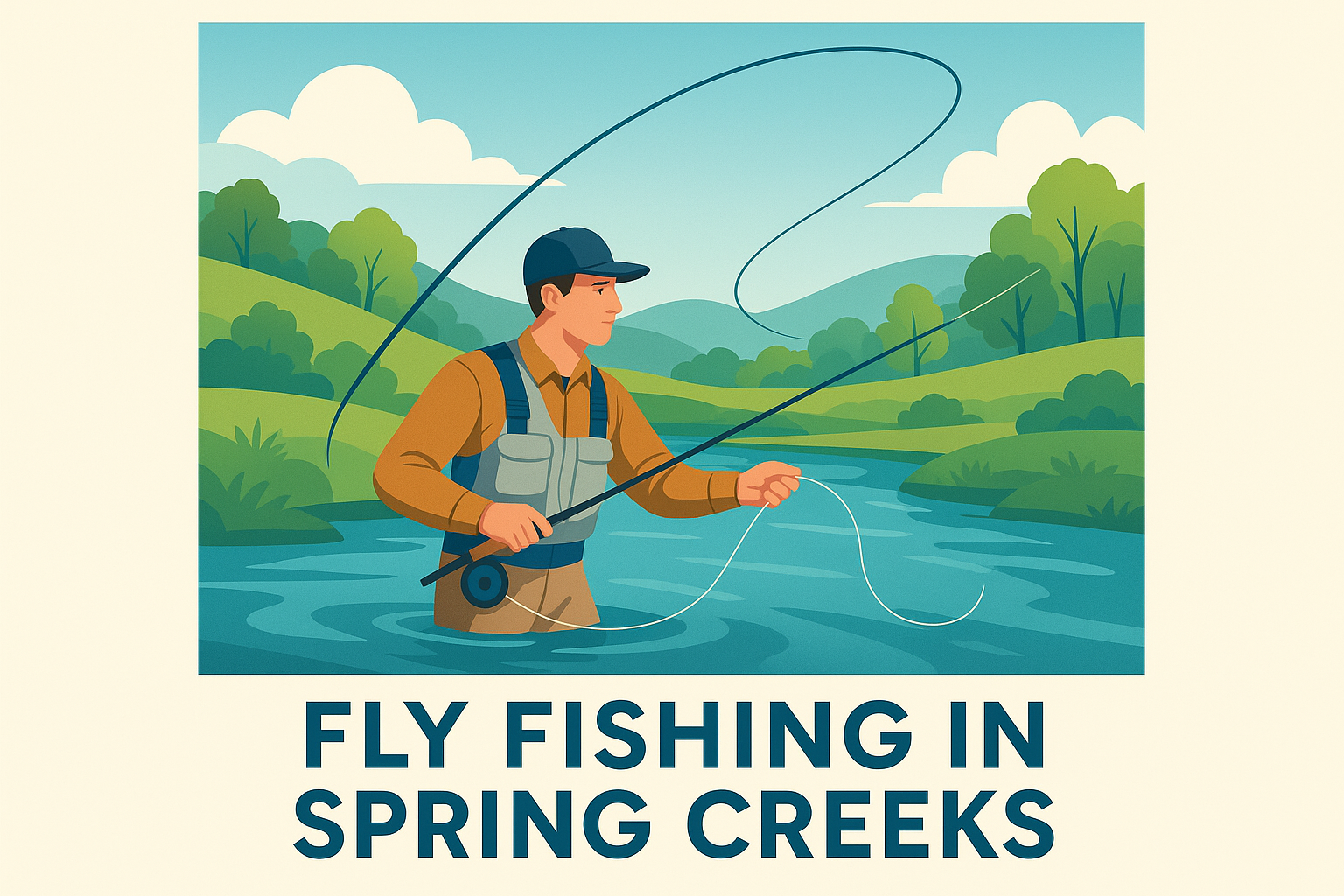
Fly fishing in spring creeks is both an art and a science. Spring creeks, which are streams fed by underground springs, provide an ideal environment for trout fishing and have unique characteristics that make them highly sought after by anglers. In contrast to larger rivers and lakes, spring creeks offer consistent water temperatures and clarity, providing prime conditions for trout to thrive. This setting demands a distinct set of skills and techniques, as the fish can be particularly wary due to the clear waters and abundant food sources.
Understanding the nature and challenges of spring creek fly fishing is key. The environment offers an oasis of calm where fish are active throughout the year, but it also requires anglers to adapt their approach. Fly fishing in these waters matters because it not only enhances the angler’s experience but also aids in conservation efforts by encouraging sustainable fishing practices. By mastering the techniques required for successful fly fishing in spring creeks, anglers can enjoy the benefits of catching beautiful fish while preserving the delicate ecosystem they call home.
Understanding Spring Creek Behavior
Spring creeks are unique because they are fed by underground aquifers, which means they maintain relatively constant temperatures and flow throughout the year. This consistency is a double-edged sword for anglers. On one hand, it provides an environment where fish are active all year round; on the other, it also creates a habitat where fish become highly selective feeders.
A classic example of this can be found in the spring creeks of Pennsylvania, USA. Here, trout have a never-ending supply of aquatic insects to choose from, making them particularly discerning. Anglers must therefore be familiar with the specific insects hatching at any given time to select the most effective fly patterns.
To succeed in these waters, it’s essential to observe the behavior of both the fish and the insects. Observe hatch patterns, water flow, and positions of fish – taking note of their feeding habits will aid in choosing the right technique and presentation.
Choosing the Right Gear
Fly fishing in spring creeks requires specialized gear tailored to the unique environment. The key elements include rods, reels, lines, and flies. Each must be chosen with precision to adapt to the nuanced conditions of spring creeks.
Rods should be light and highly sensitive to detect the subtle takes of fish. A 3 to 5 weight rod is typically ideal for this environment. As for lines, a weight-forward floating line helps with the delicate presentation needed in clear waters. Reels should have a smooth drag system to handle the quick bursts that trout are known for.
Flies are a critical component, with dry flies, nymphs, and emergers being the most effective. Consider the example of fly fishing in Montana’s spring creeks, where anglers often utilize patterns such as the Blue Winged Olive and Pale Morning Duns during peak hatching times. Tailoring your fly selection to match the local hatch is indispensable for success in spring creeks.
Stealth and Presentation
One of the most crucial aspects of fly fishing in spring creeks is stealth. The clear, calm water allows fish to easily detect movement and vibrations, making them more cautious. Thus, anglers must approach with care and awareness.
Use long leaders and fine tippets to achieve the most natural presentation possible. Casting techniques should focus on accuracy and minimizing surface disruptions. A gentle approach, with low-positioned rods and a smooth line control, will reduce the chances of spooking the fish.
An angling community in Wisconsin provides a clear demonstration of this principle. Experienced anglers often dress in muted colors and move slowly along the banks, blending effortlessly into their surroundings. Consideration of the environment and proper technique can dramatically increase the chances of a successful catch.
Reading the Water
Effectively reading water is an essential skill in fly fishing, especially in spring creeks. Identifying where fish are likely to hold, feed, and rest can make all the difference.
Spring creek environments are characterized by riffles, runs, pools, and undercut banks. Recognizing these features can guide an angler’s approach. Fish often position themselves to take advantage of food brought in by the current, so focusing on these areas will increase your hookup rate.
In Idaho’s spring creeks, anglers often target riffles in the early morning and pools as the sun rises and shadows become more apparent. By observing how fish behave throughout the day and adjusting your strategies, you can enhance your experience and improve your catch rate.
| Spring Creek Feature | Fish Activity | Recommended Technique |
|---|---|---|
| Riffles | Active feeding, high oxygenation | Dry fly fishing, Emerger patterns |
| Runs | Transition feeding, moderate flow | Nymphing, Small streamers |
| Pools | Resting, occasional feeding | Sight fishing, Light presentations |
Adapting Techniques Throughout the Season
Spring creeks offer the unique challenge and opportunity of fishing throughout the season, with each period necessitating different strategies based on the conditions and lifecycle of the fish.
In early spring, the waters are colder, and fish are more lethargic. Here, slower presentations work best. Mid-spring brings warmer temperatures and increased insect hatches, which calls for faster action and more varied fly selections. As summer arrives, fishing is best done early in the morning or late in the evening to avoid the heat, requiring anglers to adapt their strategies accordingly.
The seasonal fluctuations are exemplified by the experiences of anglers in the Driftless Area of the Upper Midwest. This region’s climatic conditions provide a diverse fishing experience, allowing anglers to refine their skills year-round. A flexible approach, understanding the fish’s behavior, and recognizing the influences of seasonal changes are pivotal for those looking to embrace the full span of spring creek fishing.
Conservation and Ethical Practices
Sustainable fishing practices are paramount when discussing fly fishing in delicate ecosystems such as spring creeks. Conservation helps maintain fish populations and ensures the preservation of the natural environment for future generations.
Practicing catch and release, using barbless hooks, and avoiding fishing during spawning periods are all ethical principles adopted by responsible anglers. Engaging with local conservation efforts and supporting organizations that protect these precious water bodies is another way to contribute to long-term sustainability.
Consider the conservation practices at Silver Creek in Idaho, where regulations and community efforts have successfully preserved the creek’s natural state. Such initiatives demonstrate the power of community-driven conservation work, ensuring that these unique habitats continue to thrive.
Conclusion: Harness the Beauty of Spring Creek Fly Fishing
Fly fishing in spring creeks offers an unrivaled connection with nature, where every cast becomes an opportunity to engage with a pristine environment. Understanding creek behavior, selecting the right gear, and approaching with stealth are fundamental to success. The ability to read water and adapt techniques ensures a productive and enjoyable fishing experience.
As anglers, embracing conservation and ethical practices protects these environments for the future. There’s beauty not only in the catch but also in preserving the delicate balance of the ecosystem. By honing your skills and recognizing the importance of sustainable fishing, you can fully enjoy the blend of challenge and reward that spring creek fly fishing presents.
Next time you stand at the edge of a spring creek, take a moment to observe, adapt, and respect the natural world. Your next fishing adventure awaits, full of potential and the promise of an unforgettable experience.
Harness its tranquility and preserve its beauty for generations to come—start planning your spring creek fly fishing trip today.
Frequently Asked Questions
1. What makes spring creeks ideal for fly fishing?
Spring creeks offer a unique set of conditions that are highly favorable for trout fishing, making them an angler’s paradise. Fed by underground springs, these streams exhibit consistent water temperatures and clarity, crucial for both the fish and the fisherman. The steady temperature means that these waters remain productive year-round, unlike other water bodies that might fluctuate dramatically with the seasons. This stability in temperature and clarity provides an ideal habitat for trout to thrive, ensuring a healthy and sustainable fish population.
Another aspect that sets spring creeks apart is their typical environment. Because they often flow through pastoral landscapes, spring creeks tend to have more gentle currents and more defined aquatic vegetation compared to larger rivers. The ample vegetation provides both cover and food for the trout, allowing them to grow large and healthy. This also means that anglers searching for a challenging and rewarding experience will find themselves confronted with crafty, seasoned fish that have adapted cleverly to their habitat.
Fishing in these rich waters demands a deft combination of art and science. The creeks’ clarity means fish are more than capable of observing their surroundings, including any potentially suspicious fly presentations from anglers. Therefore, the necessity for precise and delicate casting techniques becomes evident—anything out of place might spook the trout, sending them quickly darting from the fly. For these reasons, fly fishing in spring creeks is regarded as a pinnacle achievement for many fly fishers.
2. What techniques should I focus on when fly fishing in spring creeks?
Fly fishing in spring creeks requires mastery over certain specific techniques to increase your chances of success. First and foremost, stealth and subtlety are paramount. Due to the water’s clarity, angler visibility is high, and the fish are easily spooked. Approach the creek with caution, walking softly, and utilizing the natural cover provided by the environment to reduce your silhouette.
One of the most important techniques is mastering the art of casting. A soft presentation is essential in these waters where trout are incredibly observant and may turn away if they sense anything unnatural or aggressive. The key is in your approach, honing your casting skills to deliver the fly lightly and precisely. Practicing roll casts and reach casts is beneficial, as often spring creeks are surrounded by brush and tight quarters, making traditional back casting challenging.
Fly selection is also crucial—another facet that necessitates a blend of knowledge and adaptation. Spring creeks are often rich in different types of aquatic insects, with hatches occurring throughout the day. Tremendous success can come from observing these hatches and matching your fly selection to the predominant insect at that time—something known as “matching the hatch.” Pay attention to the shape, color, and size of these insects, as trout in spring creeks are often selective and discerning.
3. Why is stealth so important when fishing spring creeks and how can I achieve it?
Stealth is arguably the most critical factor when fishing spring creeks due to the excessive wariness of the trout. The clear, calm, and often shallow waters make it simple for them to detect disturbances, shadows, or abrupt movements. The heightened awareness of the fish demands a highly strategic approach from the angler to avoid alarming them.
To achieve optimal stealth, start by minimizing your visual impact. Wear neutral-colored clothing or gear that blends into the environment to avoid becoming an imposing figure against the natural backdrop. Many anglers prefer earth tones like greens, browns, and greys to help camouflage themselves effectively.
Next, consider reducing noise and vibrations. Move slowly and cautiously along the bank, taking careful and light steps to ensure you don’t disturb the water’s surface or bed. In some cases, crouching or even crawling to your chosen fishing spot can make a significant difference in keeping yourself hidden from the ever-watchful trout.
Utilize the natural environment to your advantage, hiding behind tall grass, reeds, or using overhanging branches to shield your movements. When it finally comes time to cast, maintain the same level of discretion. Avoid abrupt or wild motions that could create splashes or noise, and perform your cast with a gentle and controlled motion.
4. What type of equipment is best suited for fly fishing in spring creeks?
Choosing the right fly fishing equipment for spring creeks can make a significant impact on your experience and success rate. Given the environment’s subtle nature, prioritization of certain aspects over others becomes necessary. Starting with the rod, opt for a shorter, lighter rod in the 7 to 9-foot range with a weight between 2 and 5. This type of rod will help you navigate the more restricted spaces often found along spring creeks while providing you with the necessary sensitivity to detect soft bites from cautious trout.
A reel with a smooth drag system—essential for maintaining control if you manage to hook into an energetic fish—is recommended. This is especially true when facing larger trout that might rush for cover or try to break the line with abrupt bursts of energy.
When it comes to the line, a weight-forward fly line can provide you with the right balance between casting distance and delicacy of presentation. Coupled with a long leader, typically around 9 to 12 feet in length, with a tippet on the lighter side (ex: 4x to 6x) allows for an undisturbed presentation of your fly.
Lastly, fly selection is highly dependent on the local hatch and insect life cycle. Carrying a well-stocked fly box with an array of dry flies, nymphs, and emergers that mimic the common insects in the creek’s ecosystem should remain a priority. Popular choices often include small midges, mayflies, and caddisflies in various stages.
5. How can I improve my cast to avoid spooking fish in spring creeks?
Improving your casting technique to avoid spooking fish in spring creeks requires practice, precision, and a gentle touch. Begin by focusing on controlling the power and speed of your cast. The aim is to land your fly softly on the water’s surface without creating disturbances that might alert wary trout.
Start with your grip, ensuring it’s relaxed but firm enough to provide control. For this, the thumb-on-top technique is commonly recommended as it allows for a more natural and fluid casting stroke. Practice your casting motion on dry land, emphasizing smooth acceleration followed by a soft stop to ensure your line unfurls perfectly towards your target.
Roll casts and reach casts are invaluable techniques in the context of spring creeks, as they enable you to make casts with less effort and disturbance, especially in areas with limited overhead space or heavy undergrowth. The roll cast minimizes the need for backcasting, instead relying on the water’s tension to load the rod effectively.
When you’re ready to cast on the water, focus intently on your target zone, aiming just upstream or slightly beyond the intended area to account for the current’s influence. The goal is to lead the fish naturally to the fly, rather than landing the fly directly over them, which could cause panic. Finally, position your body appropriately along the bank to minimize your presence while maximizing your casting angle—a subtle hip or shoulder shift can refine the presentation.