Fly fishing is an ancient but continually evolving sport, blending the art of casting with the science of imitating the prey fish feed on. One of the most effective types of fly patterns in an angler’s arsenal is the streamer. Streamers are designed to mimic baitfish and other underwater creatures that larger predatory fish hunt. This article dives deep into what streamers are, their importance in fly fishing, and expert tips on how to use them effectively.
The first thing to understand about streamers is their purpose. Unlike dry flies that sit on the water’s surface or nymphs that drift just below, streamers are designed to be stripped or swung through the water to imitate the erratic swimming patterns of distressed fish. This movement triggers the predatory instincts of fish like trout, bass, and pike, making them prone to aggressive bites.
Streamers have a special place in fly fishing due to their versatility. They can be used in both stillwaters and rivers, making them particularly useful for anglers who like to fish in diverse environments. Additionally, they can target a wide variety of species, not just the usual suspects like trout. For those looking to catch trophy-sized fish, streamers are often the go-to pattern because larger fish tend to prefer the higher caloric intake provided by baitfish.
The Anatomy of a Streamer
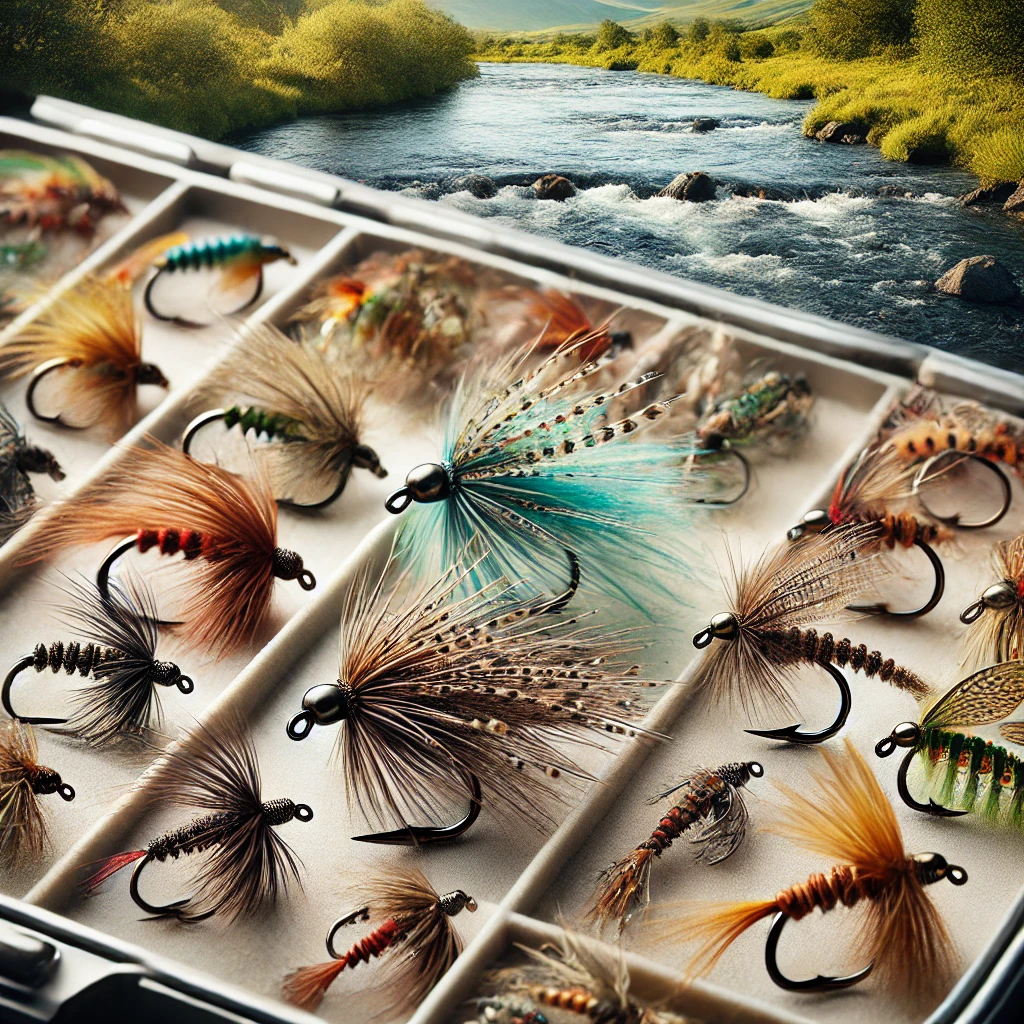
Understanding the anatomy of a streamer is crucial for effective use. Most streamers consist of three main parts: the head, the body, and the tail. The head often includes a weight like bead heads or weighted eyes, which help the streamer sink and move in a lifelike manner. The body can be constructed from a variety of materials like chenille, marabou, or synthetic fibers. Each material adds different textures and colors, mimicking the subtle variations in a real baitfish’s appearance. The tail usually consists of long, flowing materials that undulate through the water, adding to the streamer’s realistic movement.
One essential aspect to consider when tying or selecting a streamer is the hook size. Larger hooks are generally more suitable for larger fish and deeper waters, while smaller hooks work well in smaller streams or clear water where fish might be more cautious. The weight of the streamer can be adjusted according to the fishing conditions. For deeper or faster waters, weighted streamers will dive quickly, getting down to where the fish are feeding. Conversely, unweighted or lightly weighted streamers move more naturally in shallower water.
Types of Streamers
Streamers come in an array of patterns and styles, designed to mimic different types of prey. Some of the popular patterns include:
- Woolly Bugger: This versatile pattern can imitate anything from a leech to a minnow, making it one of the most widely used streamers.
- Zonker: Characterized by a rabbit fur strip along its back, the Zonker’s realistic movement in water makes it highly effective.
- Clouser Minnow: Known for its heavy eyes and distinct profile, this pattern is particularly good for targeting species like bass and saltwater fish.
- Muddler Minnow: With a deer hair head that provides a unique buoyancy and action, the Muddler Minnow is perfect for skimming across or just below the water surface.
Each of these patterns has variations that can be tailored to match the specific baitfish in your local waters. Whether it’s changing the color, adding flash, or using a different type of hair, there’s a streamer for every situation and type of water.
When to Use Streamers
Knowing when to use streamers can significantly boost your success rate on the water. Streamers are especially effective under low light conditions, such as early morning, late evening, or on overcast days, when predatory fish are more active and less cautious. Seasonal changes also affect streamer effectiveness. For example, in the fall, many fish go on a feeding frenzy to bulk up for winter, making them more receptive to larger prey imitations like streamers.
Weather can also play a role. After heavy rain, when rivers and lakes are high and muddy, fish have a harder time seeing smaller flies but can more easily spot larger streamers. In fast-moving or deep water, weighted streamers get down quickly and remain visible, making them a go-to choice in such conditions.
Techniques for Fishing Streamers
The technique used to fish streamers is as important as the pattern itself. Here are some popular methods:
- Stripping: This involves retrieving the fly using a series of pulls, or “strips,” on the line. Varying the length and speed of these strips can mimic the erratic motion of a prey fish, enticing strikes from predatory fish.
- Dead Drifting: Letting the streamer drift naturally in the current can be effective, especially in rivers. This technique works well with weighted streamers that maintain a natural appearance even as they sink.
- Swinging: Cast the streamer across the river and let it swing downstream in the current. This covers a lot of water and is highly adaptive to the natural motion of the river, making it very appealing to fish.
- Jigging: Using a rod tip to lift and drop the streamer can imitate the hopping movement of injured baitfish, often triggering aggressive strikes.
Each of these techniques can be further refined based on the specific conditions and the behavior of the target species. Experimenting with different retrieves and presentations is often the key to unlocking a successful streamer fishing outing.
How to Tie Streamers
Tying your own streamers can be both rewarding and cost-effective. Start with understanding the basic materials needed: hooks, thread, weighting materials, body material like chenille or fur, and tail material like marabou. Here is a simple guide to tying a basic Woolly Bugger:
- Step 1: Attach your hook to the vise, wrap the thread from the hook eye to the bend.
- Step 2: Attach lead wire or bead head for weight by wrapping it around the hook shank.
- Step 3: Secure the tail by tying in a clump of marabou at the hook bend.
- Step 4: Attach the body material (chenille) at the tail and wrap it towards the eye, creating a thick, segmented body.
- Step 5: Tie in a hackle feather by its tip and wrap it forward in evenly spaced turns, then secure it just behind the eye.
- Step 6: Form a small thread head, whip finish, and apply head cement for durability.
This is a basic pattern and can be adjusted in many ways—by adding flash, using different colors, or changing the weighting to match specific fishing conditions. The key is practice and experimentation to develop patterns that work best in your local waters.
Troubleshooting Common Streamer Issues
Even seasoned anglers occasionally face issues when fishing with streamers. Here are some common problems and how to troubleshoot them:
- Short Strikes: If fish are nipping at the tail without getting hooked, try using a smaller streamer, adding a stinger hook, or varying your retrieve speed to create a more enticing action.
- Tangling: Long streamers can sometimes tangle around the hook or line. To avoid this, ensure that your materials are properly secured during tying and consider using a loop knot to allow free movement.
- No Bites: If you’re not getting any action, switch up your location or presentation. Try different depths, speeds, or even changing to a brighter or more subdued color pattern to attract attention.
- Hooking Bottom: In shallow waters, using heavily weighted streamers can lead to snagging. Opt for lighter weights or even unweighted patterns to maintain a realistic swim without getting caught.
Addressing these issues promptly can keep your time on the water enjoyable and productive, ensuring you make the most out of each outing.
Conclusion
Streamers hold a unique spot in the world of fly fishing, offering unmatched versatility and allure for a wide range of fish species. Understanding their anatomy, knowing when to use them, mastering various techniques, and even tying your own can enhance your fly fishing experience exponentially. Each streamer pattern carries its distinct charm and functionality, ensuring that the art and science of fly fishing continue to evolve.
Whether you’re a seasoned angler looking to refine your techniques or a newcomer eager to dive into the world of streamers, there’s always something new to learn. So the next time you hit the water, make sure to have a trusty streamer or two in your fly box. Watch as predatory fish aggressively chase and strike, turning a quiet day of fishing into an exhilarating adventure.