When it comes to saltwater fly fishing, few experiences are as exhilarating as the pursuit of bonefish, affectionately known as the “Gray Ghost”. These sleek, powerful fish are a bucket-list species for many anglers, and for good reason. Not only are bonefish renowned for their incredible speed and elusive nature, but they also inhabit some of the most beautiful and pristine tropical waters in the world. Whether you’re a seasoned angler or a newbie itching to cast into saltwater for the first time, understanding the fundamentals of fly fishing for bonefish is crucial. This article explores essential techniques, gear, and tactics to help you succeed in your quest for the Gray Ghost.
Bonefish are typically found in shallow coastal waters of tropical and subtropical regions. Their keen senses and natural camouflage make them a challenging target, but with the right approach, you can increase your chances of landing one. Proper preparation is essential, from selecting the right gear to mastering the crucial aspects of casting and presentation. As we delve into the ultimate guide to fly fishing for bonefish, you’ll gain practical insights and actionable tips to enhance your angling prowess.
From understanding the behavior of bonefish to choosing the ideal flies, let’s dive into the key elements that will set you up for success on your next bonefishing adventure.
Gear and Equipment
Your fly fishing gear plays a crucial role in successfully targeting bonefish. Given their strength and speed, using equipment that can withstand rigorous conditions is vital. Here’s what you’ll need:
Rod: A 9-foot, 8-weight fly rod is considered the standard for bonefish. This rod provides the perfect balance of strength and flexibility to handle the fight bonefish put up.
Reel: Your reel must have a strong, smooth drag system to handle the blistering runs of a hooked bonefish. A large arbor design is preferred to facilitate faster line retrieval.
Line: A weight-forward floating line is ideal for bonefishing. These lines allow for longer casts and better line control, crucial when targeting bonefish at a distance.
Leader: A 9 to 12-foot leader tapering down to a 10 to 12-pound test tippet is standard. Bonefish have excellent vision and are easily spooked, so a clear, invisible leader helps avoid detection.
Flies: Crab and shrimp imitations are particularly effective in enticing bonefish. Bonefish flies usually feature lightweight constructions to ensure gentle presentations. Examples include the Gotcha, Crazy Charlie, and Clouser Minnow.
Investing in quality gear tailored for bonefishing can significantly enhance your fishing experience, making your time on the water more enjoyable and effective.
Essential Techniques for Bonefishing
Understanding and mastering essential techniques can greatly influence your success rate in bonefishing. Here are some key practices:
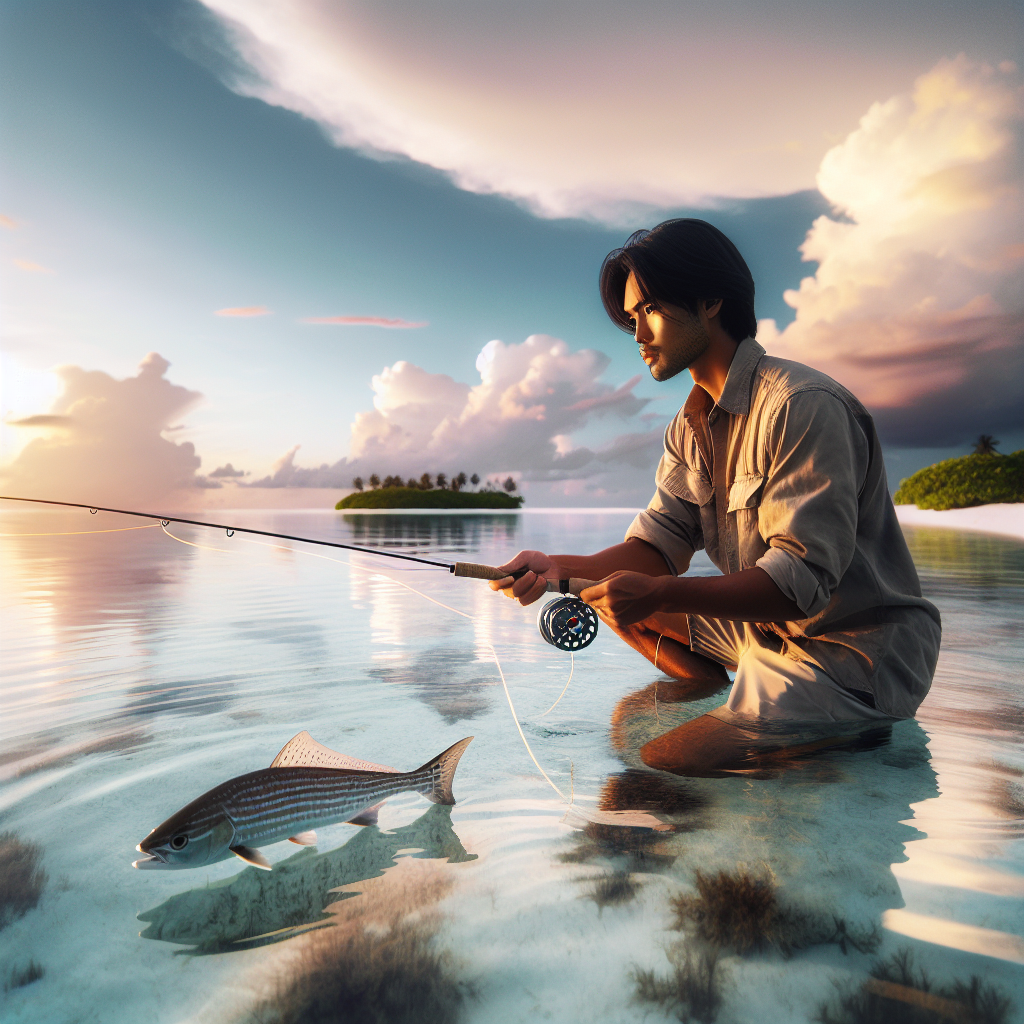
Spotting and Stalking: Bonefish blend perfectly with their surroundings, making them hard to spot. Polarized sunglasses are a must to reduce glare and improve visibility. Move slowly and quietly, as even slight disturbances can scare off these wary fish.
Casting: Precision casting is crucial when targeting bonefish. Practice casting in windy conditions and aim to place your fly a few feet ahead of the fish rather than directly on it. This presentation mimics the natural movement of crustaceans and reduces the chance of spooking the fish.
Strip Set: Traditional trout fishing often employs a “lift set” technique, but this doesn’t work well in saltwater fishing. Instead, employ a “strip set” by pulling the line with your non-rod hand to hook the fish.
Fighting the Fish: Once hooked, bonefish will make several fast, powerful runs. Always keep the rod tip low to avoid putting too much pressure on the fish and let the reel’s drag system do its job. Avoid trying to muscle the fish in, as this can lead to broken lines and lost fish.
Practicing these techniques can significantly enhance your ability to hook and land bonefish, adding depth and excitement to your fly fishing adventures.
Choosing the Right Location
Bonefish are often found in flats, shallow coastal waters where they feed on crustaceans and small fish. These environments are typically characterized by clear waters and sandy or muddy bottoms. Here are some prime bonefishing destinations:
Bahamas: Known for its expansive flats and high bonefish populations, the Bahamas is a top destination. Andros Island, Grand Bahama, and the Exumas are particularly popular.
Florida Keys: The flats of the Florida Keys offer fantastic bonefishing opportunities, especially in areas like Islamorada and Key West.
Mexico: The Yucatan Peninsula, particularly Ascension Bay, is renowned for its flourishing bonefish populations.
Bermuda: With its turquoise waters and plentiful flats, Bermuda is a bonefishing paradise.
Finding the right location to fish is as important as the technique you use. Researching and choosing a prime destination can significantly increase your chances of a successful outing.
Understanding Bonefish Behavior
Bonefish are fascinating creatures with distinct behaviors and patterns that, once understood, can greatly improve your fishing tactics. Here are some behavioral aspects to consider:
Feeding Habits: Bonefish typically feed on crabs, shrimp, and small fish, often found in shallow flats. They use their keen sense of smell to locate prey buried in the sand. Observing tailing bonefish—where the fish’s tail breaks the water surface as they dig for food—can indicate active feeding zones.
Tidal Influence: Tides significantly impact bonefish behavior. During high tide, bonefish move onto the flats to feed, while low tide often sees them retreat to deeper waters. Understanding tidal patterns can help you predict and locate bonefish more effectively.
Sensitivity to Pressure: Bonefish are extremely sensitive to disturbances. Heavy pressure from anglers can make them cautious and harder to catch. It’s essential to approach fishing spots stealthily and minimize noise and vibration.
Understanding these behaviors allows you to anticipate bonefish movements and adapt your strategy accordingly, leading to a more successful fishing experience.
Best Practices for Conservation
Bonefish are a prized species, and their populations need to be protected to ensure future generations can enjoy the thrill of fishing for the Gray Ghost. Here are some best practices for conservation:
Catch and Release: Always practice catch and release when fishing for bonefish. Handle the fish as minimally as possible, using a wet hand or a soft, knotless net to avoid removing their protective slime coating.
Proper Handling: Minimize the time bonefish spend out of water. If you must lift them for a photo, support their weight adequately and get them back in water quickly to reduce stress and increase survival rates.
Respect Habitats: Avoid damaging delicate flats habitats by wading carefully and not disturbing vegetation or bottom structures. Also, be mindful of littering and always clean up after yourself.
By following these conservation best practices, you can help preserve bonefish populations and their natural habitats, ensuring that these incredible fish remain available for future generations of anglers to enjoy.
Conclusion
Fly fishing for bonefish, the elusive Gray Ghost, is an experience unlike any other. The combination of beautiful tropical settings, challenging techniques, and the sheer thrill of hooking a bonefish make it a must-try adventure for any serious angler. By understanding and employing the right gear, techniques, and knowledge about bonefish behavior, you can significantly increase your chances of success.
From the initial preparation and gear selection to mastering the casting and stripping techniques, every aspect plays a vital role in your overall experience. Equally important is the choice of location, as prime bonefishing destinations like the Bahamas, Florida Keys, and the Yucatan Peninsula offer incredible opportunities to hook the fish of a lifetime.
Moreover, appreciating and respecting the bonefish through conservation practices ensures that these magnificent creatures remain a viable target for future anglers. Practicing catch and release, proper handling, and respecting their habitats are all part of being a responsible angler.
Your pursuit of the Gray Ghost will not only test your skills as an angler but also immerse you in the stunning beauty of saltwater environments. Each bonefishing trip is an opportunity to learn, improve, and connect with nature in a deeply rewarding way. So equip yourself with the right knowledge, gear up, and get ready for an unforgettable fly fishing adventure with bonefish.