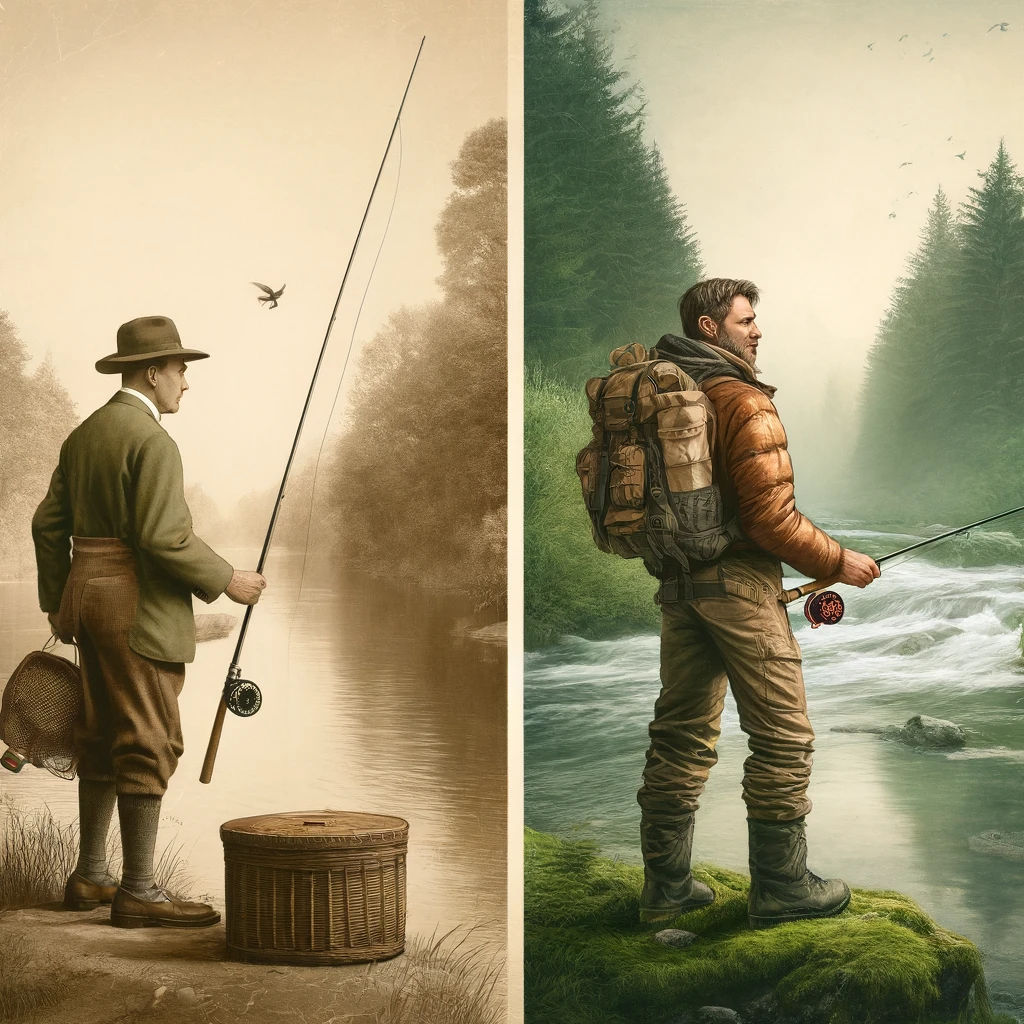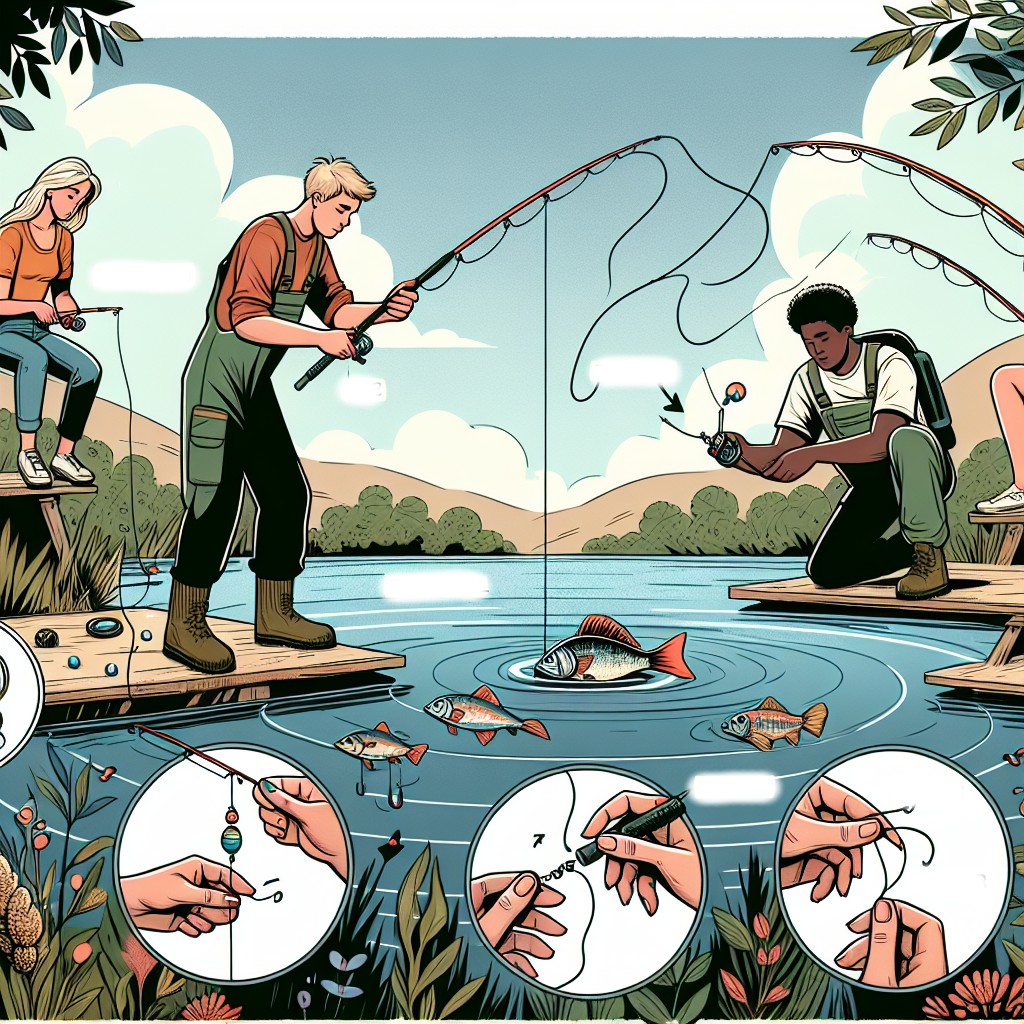
Fly fishing is often romanticized as an art form that balances precision, patience, and a connection to nature. It’s a pursuit that demands both skill and serenity, making it a captivating endeavor for anglers worldwide. Among the various environments where fly fishing can be practiced, deep pools in rivers and streams present a unique challenge. These areas often harbor large and elusive fish, making them highly rewarding yet difficult to fish effectively. Understanding how to reach the bottom of these deep pools is critical for maximizing your success and enhancing your fly fishing experience.
In this comprehensive guide, we will delve into the essentials of fishing deep pools, focusing on techniques and strategies to help you reach the bottom. Whether you’re a novice looking to expand your skills or an experienced fly fisher seeking advanced tips, this article aims to provide you with useful insights and actionable advice. From choosing the right equipment to mastering specific casting techniques, we’ve got you covered.
Deep pools are not just an arbitrary segment of the water body; they are often the home of some of the largest and most prized fish. These fish tend to linger in these areas due to the protection, food supply, and favorable temperatures that deep pools offer. Therefore, the ability to effectively fish these areas can significantly improve your catch rate and the overall quality of your fly fishing outings.
Understanding Deep Pools
Before diving into the techniques, it’s crucial to understand the nature of deep pools. Typically, deep pools are found in sections of a river or stream where the current slows down, causing the water to deepen. These areas are created by various factors such as the natural flow of the river, the presence of large rocks, or man-made structures like dams. The slow, deep water in these pools makes them ideal habitats for fish, particularly larger species that prefer cooler and more stable conditions.
When fishing deep pools, water temperature, depth, and the presence of cover are key factors to consider. During summer, for example, fish tend to stay deeper to escape the heat, while in winter, they might seek shallower areas where the water is warmer. Understanding these seasonal shifts can greatly aid in predicting fish behavior.
Another important aspect is the stratification of the water column. Fish in different layers of the water column may behave differently and require varied techniques to catch. For instance, fish near the bottom might be more lethargic and require slower, more deliberate fly presentations. Conversely, fish in mid-water might respond better to quicker retrieves.
Given the variability in conditions and fish behavior, it’s essential to be observant and adaptable. Spend some time studying the pool, noting any fish activity, insect hatches, and underwater structures. This initial observation can provide valuable clues on where to cast and the type of techniques that might be most effective.
Selecting the Right Equipment
One of the most critical steps in successfully fishing deep pools is choosing the appropriate equipment. This starts with selecting the right rod, reel, and line. For deep pool fishing, you’ll want a rod with a fast action that can handle heavier lines and flies. An 8-weight rod is often a good choice, as it provides the necessary power and flexibility.
The reel should have a strong drag system to handle larger fish that reside in deep pools. A high-quality reel also helps in maintaining smooth line retrieval, which is crucial when dealing with big, powerful fish. Fly lines come in various types, but for deep pool fishing, sinking lines or sink-tip lines are ideal. These options allow your fly to descend quickly to the desired depth without excessive line mending.
Leaders and tippets should be chosen based on the conditions and the species of fish you’re targeting. Heavier pound test leaders are generally recommended for deep pools to avoid breakoffs when fighting larger fish. Additionally, using fluorocarbon leaders can help in making your presentation more subtle and less visible to fish.
Don’t forget about your flies. Weighted flies, bead-head nymphs, and streamers are excellent choices for reaching the bottom of deep pools. Flies with additional weight can help you get deeper quicker and maintain contact with the fish at lower depths. The color and size of the flies should be adjusted based on the water clarity and the specific type of insects or baitfish present in the pool.
Nymphing Techniques
Nymphing is one of the most effective techniques for fishing deep pools. This method involves using weighted flies that imitate underwater insects, which are a primary food source for many fish. The goal of nymphing is to get your fly to drift naturally along the bottom of the pool, where fish are most likely to be feeding.
To start nymphing in a deep pool, begin by casting upstream and allowing your fly to sink as it drifts back towards you. Use a strike indicator to help you detect subtle bites, which can be difficult to notice in deep, slow-moving water. The best strike indicators are highly visible and sensitive enough to register even the slightest of takes.
Once your fly has reached the bottom, maintain a tight line to ensure you can feel any strikes. This often involves a technique called “high sticking,” where you hold your rod tip high to minimize the amount of line on the water, reducing drag and allowing for better strike detection.
You can also use a technique called “Czech nymphing,” which involves using multiple nymphs of varying weights. This allows you to cover different depths and increase your chances of encountering fish. Switch between different nymph patterns and sizes to match the local insect life and entice more bites.
Properly setting the hook is essential when nymphing. Due to the depth and slow water movement, fish may lightly take your fly, and a delayed or overly aggressive hook set can lead to missed opportunities. Practice gentle but quick hook sets to improve your success rate.
Streamer Fishing
Streamer fishing is another powerful technique for targeting fish in deep pools. Streamers are larger flies that imitate baitfish, leeches, and other prey. They are particularly effective for targeting larger, more aggressive fish that are hunting for food rather than feeding passively.
To fish a streamer in a deep pool, start with a sink-tip or full sinking line to get your fly down to the desired depth. Cast your streamer across or slightly upstream, allowing it to sink for a few moments before beginning your retrieve. Vary the speed and style of your retrieve to mimic the movements of an injured or fleeing baitfish.
A common approach is the “strip and pause” retrieve, where you pull the line in short, quick bursts followed by brief pauses. This erratic movement can trigger instinctive strikes from predatory fish that are used to feeding on distressed prey. Experimenting with longer pulls and pauses can also be effective, as it allows your streamer to cover more ground and maintain an enticing action.
Another technique to try is the “swing” method. Cast your streamer across the pool and allow it to drift and swing downstream on a tight line. This mimics a wounded baitfish being carried by the current and can be irresistible to nearby fish. Use your rod tip to guide the fly’s movement and impart additional action if needed.
Because streamers often attract aggressive strikes, it’s crucial to remain alert and ready to set the hook at any moment. Keep a firm grip on your rod and maintain tension on the line to feel for strikes. When a fish takes your streamer, set the hook with a strong, deliberate motion to ensure it penetrates and holds.
Adjusting Your Approach: Depth and Drift
Reaching and effectively fishing the bottom of a deep pool often requires you to adjust your approach based on the conditions and fish behavior. Two critical factors to consider are depth and drift.
First, consider the depth of the pool and how to get your fly to the bottom. Increasing the weight of your flies or adding split shot can help you achieve greater depth. Choosing the right line is also essential; sinking lines and sink-tip lines can significantly improve your ability to get deep quickly. Experimenting with different combinations of weight and line type will help you find the optimal setup for each pool.
It’s also important to monitor and adjust your drift. Your goal is to present the fly as naturally as possible, imitating the drift of insects or prey being carried by the current. Pay attention to the flow of the water and adjust your mending and line management techniques accordingly. Reducing drag and ensuring a smooth, natural drift can make a significant difference in enticing fish to strike.
Another factor to consider is the water temperature and how it affects fish behavior. As mentioned earlier, fish may move to different depths based on temperature changes. Pay attention to seasonal variations and adjust your fishing depth and presentation techniques accordingly. For example, during colder seasons, fish may hold closer to the bottom, requiring you to use heavier flies and slower retrieves.
Finally, don’t be afraid to experiment and adapt your approach based on the conditions and fish behavior. Spend time observing the pool, noting any signs of fish activity, and adjusting your techniques to match. Trust your instincts and remain patient, as fishing deep pools can be challenging but highly rewarding.
Conclusion
Fishing deep pools is a skill that requires a combination of knowledge, technique, and adaptability. By understanding the nature of deep pools, selecting the right equipment, and mastering various fishing techniques, you can significantly increase your success rate and enjoyment of fly fishing in these challenging environments.
Remember to be observant and flexible in your approach, taking into account factors such as water depth, temperature, and fish behavior. Whether you’re using nymphing, streamer fishing, or other methods, pay attention to the details and continually refine your techniques to match the conditions.
Ultimately, fishing deep pools is about connecting with the natural environment and honing your skills as an angler. Embrace the challenge and enjoy the process, knowing that each outing provides an opportunity to learn and improve. With practice and persistence, you’ll become more adept at reaching the bottom and successfully catching fish in deep pools.
So, next time you encounter a deep pool on your fly fishing adventures, approach it with confidence and a well-thought-out plan. Use the techniques and strategies outlined in this guide to reach the bottom and unlock the secrets of these captivating and rewarding fishing spots.