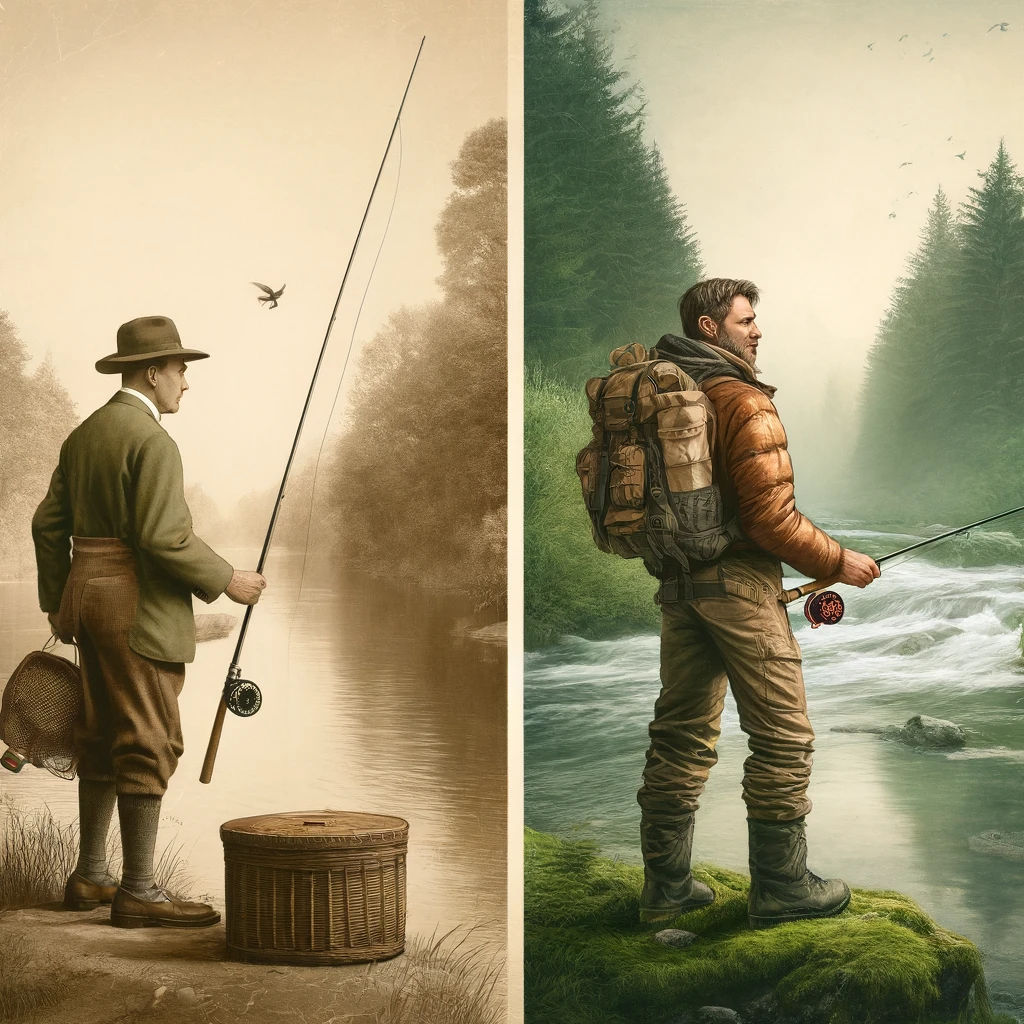
Welcome to the exciting world of fly fishing! Fly fishing is not only a relaxing pastime but also an intricate sport with a rich history. Among the various methods employed by anglers, Czech Nymphing has established itself as one of the most effective. This article delves deeply into the basics, techniques, and strategies of Czech Nymphing. Whether you are a novice or an experienced angler, this comprehensive guide will help you enhance your fly fishing skills using this highly effective method.
Introduction to Czech Nymphing
Fly fishing has evolved significantly, offering various techniques tailored to different conditions and targets. Among these, Czech Nymphing holds a special place due to its effectiveness, simplicity, and versatility. Originating from the Czech Republic, this fast-paced form of angling has made waves across the globe, particularly in competitive fly fishing circles. But what makes Czech Nymphing so special?
At its core, Czech Nymphing is a method where weighted nymphs are used to target fish feeding close to the riverbed. Unlike traditional fly fishing, which often relies on the visual allure of floating flies, Czech Nymphing capitalizes on the natural feeding habits of fish. By presenting the bait close to the bottom, anglers can effectively target fish hiding under rocks, debris, and other underwater structures.
One of the notable aspects of Czech Nymphing is its emphasis on short, controlled drifts and minimal drag. This approach helps maintain a natural presentation, significantly increasing the chances of a strike. Furthermore, the method employs high-stick tactics, meaning the angler keeps the rod tip high and leads the line upstream to ensure a lifelike drift. This level of control is ideal for fishing in fast-moving waters and deep pools.
So, whether you’re looking to diversify your fly fishing techniques or simply want to catch more fish, Czech Nymphing is an excellent strategy to master. Read on to uncover the essential techniques, equipment, and strategies that will make you proficient in this highly effective method.
Essential Equipment for Czech Nymphing
Before diving into the nitty-gritty of Czech Nymphing techniques, it’s crucial to know what gear will best support your endeavors. Having the right equipment not only makes the experience more enjoyable but also enhances your effectiveness on the water.
Rods: A specialized nymphing rod, usually in the range of 9 to 11 feet, is highly recommended. A longer rod provides better reach, allowing for more precise control when navigating drifts. Look for rods with a lightweight design to reduce fatigue during extended sessions.
Reels: While the reel is less critical in Czech Nymphing compared to other types of fly fishing, choosing a reel with a smooth drag system can help when dealing with larger fish. The balance between the rod and the reel should feel comfortable for extended periods of casting and controlling the line.
Lines: A weight-forward floating line is generally suitable, but many anglers prefer using a Euro-style nymphing line. These lines are designed with minimal stretch, providing better sensitivity and improved strike detection.
Leaders: Czech Nymphing employs a specialized leader setup, often consisting of a tapered leader that transitions into a longer, fine-diameter tippet. The overall length can vary but typically ranges from 9 to 15 feet. Using a brightly colored sighter material can further enhance strike detection.
Flies: The hallmark flies for Czech Nymphing are heavily weighted nymphs such as pheasant tails, hare’s ears, and caddis larvae patterns. Tungsten beads are often used to get the flies down quickly. The goal is to have the flies bounce along the bottom naturally.
Having the appropriate gear will significantly enhance your Czech Nymphing experience, providing the foundation for effective techniques and strategies that we’ll cover next.
Czech Nymphing Techniques
Mastering Czech Nymphing requires a combination of specific techniques designed to keep your flies in the strike zone for the longest possible duration. Here are some key techniques to focus on:
High Stick Nymphing: This is one of the most recognized techniques in Czech Nymphing. By holding your rod tip high and upstream, you can maintain maximum control over the drift. The high rod tip keeps most of the line off the water, reducing drag and allowing the nymphs to move naturally with the current.
Short Line Tactics: Unlike traditional fly fishing, which may involve long casts, Czech Nymphing focuses on short, controlled casts. The goal is to keep a tight line to your flies, facilitating better strike detection and quicker hook sets. Casts generally range from 10 to 20 feet.
Upstream Drifts: The upstream drift is crucial for presenting your flies naturally. Cast slightly upstream and let the flies drift back towards you, maintaining a tight line and high rod tip. As the flies drift, gently lead them with your rod, minimizing any unnatural movement. This technique ensures that your nymphs stay in the feeding lane longer, increasing your chances of success.
Strike Detection: Detecting strikes in Czech Nymphing relies heavily on observing the sighter material in your leader. Any unnatural movement, pause, or change in speed of the sighter should be treated as a potential strike. Quick reflexes are essential, so be prepared to set the hook at the slightest indication of a bite.
With these techniques in your arsenal, you’ll be well on your way to becoming a proficient Czech Nymph fisherman. Practice is key, so get out on the water and refine your skills.
Choosing the Right Water for Czech Nymphing
Selecting the appropriate water to fish can significantly impact your success rate with Czech Nymphing. While this technique is versatile and adaptable to various environments, certain types of water offer the most promise.
Pocket Water: Pocket water, characterized by small pools and runs between boulders and riffles, is ideal for Czech Nymphing. The natural breaks in the current provide excellent hiding spots for fish, making them prime targets for short, precise drifts. The method’s high stick approach works exceptionally well in these fast-moving, complex water sections.
Riffles: Riffles are shallow, fast-flowing sections of a river, often over a gravel or rocky bed. These areas are rich in oxygen and attract various aquatic insects, making them prime feeding grounds for fish. Czech Nymphing’s ability to present weighted nymphs close to the bottom makes it highly effective in these conditions.
Runs: Runs are deeper, faster-flowing sections of the river that offer a continuous flow of food to the fish. Targeting the seams where slower and faster water meets can be particularly productive. The controlled drifts of Czech Nymphing can keep your flies in these productive zones longer.
Pools: While not traditionally associated with nymphing, deeper pools can still be effectively fished using Czech Nymphing techniques. Focus on areas around submerged rocks, logs, or other structures where fish are likely to congregate.
Troublesome Waters: One of the strengths of Czech Nymphing is its adaptability to difficult fishing conditions such as high, muddy waters, or areas with heavy vegetation. The precise control over the drift and close-quarter nature of this method allows anglers to fish effectively even when conditions are less than ideal.
By understanding and selecting the right water types, you’ll enhance your Czech Nymphing experience and maximize your catch potential.
Advanced Strategies for Czech Nymphing
Once you have grasped the basic techniques of Czech Nymphing, refining your strategy can further enhance your effectiveness on the water. Here are some advanced strategies to consider:
Double Nymph Rig: Using a two-fly setup can increase your chances of enticing a strike. The top fly is often heavier, helping both flies get down quickly, while the second fly can imitate a smaller nymph or larva. This setup covers more of the water column and can appeal to different feeding fish.
Adjusting Weight: Fine-tuning the weight of your flies is crucial for maintaining the right depth and drift speed. Adjust your fly weights based on water speed, depth, and fish behavior. Tungsten beads come in various sizes, allowing for quick adjustments in different conditions.
Changing Flies: Don’t be afraid to change flies frequently. If one pattern isn’t producing, switch to another that might better mimic the local forage. Pay attention to the types of insects present and match your fly selection accordingly.
Stealth and Positioning: Approach your fishing spots with caution to avoid spooking fish. Position yourself to fish upstream or across the current whenever possible, minimizing your presence and disturbances in the water. Stealthy wading and considerate movement can make a significant difference.
Reading the Water: Develop the skill to “read” the water, identifying productive zones like seams, eddies, and drop-offs. Understanding fish behavior and their preferred holding spots allows for more strategic placement of your drifts.
Continuous Learning: Fly fishing is a dynamic sport with endless opportunities for learning and improvement. Attend workshops, watch instructional videos, and engage with other anglers to gain diverse insights and refine your Czech Nymphing techniques.
These advanced strategies will help you stay adaptable and effective, regardless of the conditions you encounter.
Common Mistakes and How to Avoid Them
Even seasoned anglers can make mistakes when practicing Czech Nymphing. Here are some common pitfalls and ways to avoid them:
Overcasting: One of the most common mistakes is making casts that are too long. Overcasting can lead to poor control and reduced strike detection. Focus on shorter, more precise casts to maintain a tight line and better control over your drifts.
Poor Strike Detection: Missing subtle strikes is another frequent issue. Always keep a close eye on your sighter material and react to the slightest movement. Setting the hook quickly and decisively can mean the difference between a missed opportunity and a landed fish.
Inadequate Weighting: Using flies with insufficient weight often keeps them from reaching the strike zone. Ensure your nymphs are weighted adequately to get down to the bottom quickly. If necessary, add split shots or use heavier flies.
Neglecting Depth Adjustments: Fishing at the wrong depth can severely impact your success. Regularly adjust your leader length and fly weight to match the changing water conditions, ensuring your flies stay in the productive zone.
Inconsistent Drifts: Strive for consistent drifts with minimal drag. Any unnatural movement in your flies can alert fish and reduce your chances of a strike. Practice maintaining a smooth, natural drift by adjusting your rod position and line control continuously.
Poor Water Selection: Not all waters are suitable for Czech Nymphing. Focus on areas with faster currents, pocket waters, and riffles for the best results. Avoid overly still waters where the technique may be less effective.
By being aware of these common mistakes and proactively addressing them, you’ll improve your Czech Nymphing proficiency and overall fly fishing experience.
Conclusion
Czech Nymphing is undeniably a highly effective method for fly fishing, offering both novice and experienced anglers a powerful tool for targeting fish in various conditions. By understanding the basics, equipping yourself with the right gear, and mastering essential techniques, you can significantly enhance your fly fishing success.
Remember to start with the fundamentals, refine your approach through practice, and gradually incorporate advanced strategies to stay adaptable and efficient. Pay close attention to your environment, adjust your tactics as necessary, and remain patient and persistent.
Fly fishing is not just about catching fish; it’s about immersing yourself in nature, learning continuously, and enjoying the journey. With Czech Nymphing in your skill set, you’re better equipped to explore new waters, face different challenges, and savor the thrill of a well-executed catch.
So grab your gear, head out to the water, and let the magic of Czech Nymphing elevate your fly fishing adventures. Tight lines and happy fishing!