Sustainable travel tips for fly fishers matter because the trip itself can protect a fishery or quietly degrade it. In practical terms, sustainable travel means reducing avoidable environmental impact, supporting local communities that steward rivers and flats, and making choices that keep wild fish, healthy habitats, and access intact for the next season and the next generation. For fly fishers, that goes beyond packing a reusable bottle. It includes how you choose a destination, what gear you buy, how you move between waters, where your money goes, how you handle fish, and whether your presence adds pressure during vulnerable periods such as low flows, spawning windows, or extreme heat.
I have planned and fished trips where the right decision was not the easiest one: skipping a famous beat during drought, paying more for a guide with clear fish handling standards, cleaning boots and boats between drainages, and choosing fewer flights with longer stays. Those choices usually improve the fishing experience rather than diminish it. You get better local knowledge, more meaningful access, less rushed travel, and the confidence that your trip aligns with the conservation values most anglers claim to hold. That is why this topic sits at the center of modern fly fishing ethics. Sustainable practices are not separate from success on the water; they are part of responsible angling.
As a hub page, this guide covers the full framework of sustainable travel for fly fishers: destination research, transport, lodging, gear, biosecurity, fish handling, local economies, waste, and trip timing. It also points toward deeper subtopics you can build into planning checklists and future reading. If you want a simple definition, here it is: sustainable travel for fly fishers means meeting today’s angling goals without reducing the ecological health, social value, or economic resilience of the places you fish. That standard is useful because it forces tradeoffs into the open. Some choices lower carbon but cost more. Some protect fish but require changing when or where you fish. Good decisions start with understanding those tradeoffs clearly.
Choose destinations with fishery health and local capacity in mind
The most sustainable fly fishing trip often begins before you book anything. Start by asking whether a destination can absorb additional angling pressure at the time you plan to visit. A blue-ribbon river during normal flows may be resilient, while that same river during heat stress or drought may be one of the worst places to add pressure. Check agency reports, river gauge data from the USGS or local authorities, voluntary hoot owl restrictions, wildfire closures, invasive species advisories, and recent guide reports that discuss water temperature honestly rather than just advertising conditions. For trout, sustained water temperatures around 68 degrees Fahrenheit and above can sharply increase post-release mortality, especially when fish are fought too long or handled poorly. In many western fisheries, responsible anglers stop targeting trout well before mandatory closures if afternoon temperatures keep climbing.
Destination choice also has a social dimension. Some fisheries are biologically healthy but stretched by crowding, weak local infrastructure, housing pressure, or conflicts between residents and tourism businesses. I favor places where local management is active, angler education is visible, and visitor spending clearly supports guides, lodges, access programs, restoration groups, and rural communities. That can mean choosing a less famous watershed, traveling in shoulder season when conditions allow, or staying longer in one region instead of chasing multiple hotspots. The goal is not simply to avoid popular water; it is to avoid becoming one more extractive visitor who takes from a place without understanding how that place functions. Good destination research should answer three questions directly: Are the fish and habitat stable, can the community support visitors responsibly, and does your spending reinforce stewardship rather than undermine it?
Reduce travel emissions without sacrificing trip quality
Transportation is usually the largest climate impact of a fly fishing trip, especially when flights are involved. The most effective way to reduce that footprint is straightforward: take fewer long-haul trips, combine more fishing days into each journey, and favor direct routes over multiple short connections when possible. A single extended trip generally creates less emissions per day fished than several quick trips with repeated air travel, rental cars, and hotel turnover. If a fishery is reachable by train or shared vehicle, that option often lowers impact substantially while making logistics simpler. Once you arrive, consolidate shuttle runs, carpool with partners, and fish waters that minimize daily driving loops.
Not every angler can avoid flying, and sustainability should not be framed as all or nothing. When flights are necessary, economy class has a lower per-passenger footprint than premium seating because more travelers share the same aircraft emissions. Packing lighter matters too, particularly on small regional flights and bush planes common in destination fishing. Over the years I have become stricter about one-rod-tube limits, versatile clothing systems, and fly selections matched to a region rather than carrying half the tying bench. Carbon calculators and offset programs can be useful, but they are secondary measures. The primary rule is to cut avoidable miles first. Better itineraries, longer stays, and fewer transfers do more for emissions than any after-the-fact purchase.
Stay where water, energy, and waste are managed responsibly
Lodging choices shape both environmental impact and the economics of a destination. Look for operators that can explain their practices in concrete terms: refill water stations instead of endless plastic bottles, efficient laundry schedules, renewable energy where feasible, greywater or wastewater treatment appropriate to local conditions, and clear recycling or compost systems. In remote fisheries, these basics matter more than polished marketing claims. A lodge that trucks in cases of bottled water, burns fuel inefficiently, and sends waste to an unmanaged dump should not get a sustainability pass because it hangs a conservation poster in the dining room.
Ask direct questions before booking. How is drinking water provided? What happens to food waste? Are linens changed on request rather than daily? Does the property employ local staff in skilled roles and buy from local suppliers when possible? In coastal and saltwater destinations, sewage handling is especially important because poorly managed discharge affects estuaries, mangroves, and flats nurseries that support bonefish, tarpon, permit, snook, and juvenile reef species. I also pay attention to scale. Small owner-operated lodges, community guesthouses, and guide houses often keep more money local than international chains, though they may have fewer formal certifications. The right choice is the one that combines transparency, sound operations, and meaningful local benefit.
Buy and pack gear with durability, repair, and biosecurity in mind
Sustainable gear decisions start with resisting unnecessary turnover. The greenest waders, boots, packs, and rods are often the ones you already own, provided they still perform safely. In my experience, a durable shell, repairable wader construction, replaceable boot soles, and quality rain layers reduce both waste and trip stress. Brands that offer repair services, spare parts, and realistic product life expectations deserve preference over companies that push constant upgrades. This matters because fly fishing equipment is material-intensive, using petroleum-based fabrics, coatings, aluminum, carbon fiber, and global shipping networks. Keeping gear in use longer is one of the highest-value decisions an angler can make.
Biosecurity belongs in the same conversation as packing lists. Aquatic invasive species and fish pathogens move easily on felt, rubber, laces, nets, boats, trailers, and damp bags. Many regions now discourage or ban felt soles because they retain moisture and organic material. Whether regulations require it or not, clean, drain, and dry gear between watersheds. Use approved disinfectants when moving between sensitive fisheries, especially where whirling disease, didymo, New Zealand mudsnails, or invasive plants are concerns. Bring a simple kit: brush, spray bottle, dry bag for contaminated items, and enough time in your itinerary to decontaminate properly. The inconvenience is minor compared with the cost of introducing a persistent invader to a river system.
Match your fishing methods to species, season, and stress conditions
Sustainable fly fishing travel is not just about getting to a destination responsibly; it is about adjusting your angling once you arrive. Method choice should reflect water temperature, species sensitivity, spawning behavior, and fight duration. Trout in warm summer water require shorter fights, heavier tippet, and minimal air exposure. Steelhead and salmon around redds demand strict avoidance of spawning fish and protected areas. On tropical flats, tarpon, bonefish, and permit benefit from tackle that lands fish quickly and handling that keeps them fully supported in the water. For pike and musky, long pliers, jaw spreaders used carefully when appropriate, and hook cutters can prevent damaging delays during unhooking.
Hooks and materials matter too. Barbless or debarbed hooks speed release and reduce tissue damage without meaningfully lowering landing rates for competent anglers. Lead is increasingly restricted in some places because lost tackle can poison birds and other wildlife; local rules should guide your fly and split-shot choices. Sunscreen and insect repellent are another overlooked issue. Choose reef-safer mineral formulations where marine habitats are involved, and avoid getting lotions directly into the water through careless application. Responsible method selection means constantly asking: does this tactic increase fish stress, habitat damage, or avoidable mortality under current conditions? If the answer is yes, change the tactic or stop fishing.
Support local guides, communities, and conservation groups
Where your money goes determines whether tourism strengthens a fishery or simply extracts value from it. Hiring local guides is one of the best decisions you can make because experienced residents know seasonal closures, access etiquette, fish handling expectations, and community norms. They also provide accountability. A guide rooted in a fishery has a direct stake in protecting it, while a volume operator focused only on client turnover may not. When I evaluate guide services, I look for signs of stewardship: support for river cleanups, catch care standards, respectful spacing on the water, realistic messaging about conditions, and participation in local conservation organizations.
Spend beyond the guide day when you can. Buy flies from local shops, eat in locally owned restaurants, tip fairly, donate to watershed groups, and pay access or permit fees gladly when they fund maintenance and habitat work. Many destination fisheries depend on permit systems, user fees, or community-based management to sustain patrols, restoration, scientific monitoring, and infrastructure. In places such as Belize, the Bahamas, Patagonia, Alaska, and western trout towns, visitor dollars can either help preserve working waterfronts, guide livelihoods, and access corridors or accelerate outside ownership that prices out residents. Sustainable travel is economic behavior as much as environmental behavior.
| Decision Area | Lower-Impact Choice | Why It Matters |
|---|---|---|
| Transportation | One longer trip with direct routing | Reduces per-day emissions and repeated transfers |
| Lodging | Locally owned stay with refill water systems | Keeps money local and cuts single-use plastic |
| Gear | Repairable waders and rubber soles | Extends product life and improves biosecurity |
| Angling method | Heavier tippet and barbless hooks | Shortens fight time and improves release outcomes |
| Community support | Local guides, shops, and conservation donations | Funds stewardship and reinforces responsible tourism |
Cut waste, plastics, and food impact during the trip
Waste reduction is one of the easiest sustainable travel practices to implement, yet many fly fishing trips still generate piles of disposable bottles, snack wrappers, leader packaging, and takeout containers. Start with a refillable water bottle or hydration bladder and confirm safe refill options before you travel. Carry a compact food kit with a reusable container, utensils, and coffee mug. If you are boat fishing, assign one dry bag or bin for trash so monofilament scraps, tippet tags, and beverage containers do not blow overboard. Pack out every clipping. Birds, fish, and mammals can be injured by discarded line, and access sites quickly degrade when anglers assume small litter does not matter.
Food choices also carry environmental weight. In remote destinations, imported luxury items often involve substantial cold-chain transport and packaging. Eating local foods that match the region usually lowers impact while supporting nearby producers. This is not about rigid rules; it is about favoring sensible defaults. On multi-day trips, buy in bulk where possible, avoid individually wrapped convenience items, and store meals in reusable containers. If your lodge offers daily towel changes, bottled water in every room, and excessive single-use amenities, opt out. Sustainability is often won through small systems repeated consistently, not dramatic gestures.
Use this hub as a planning checklist for every fly fishing trip
The strongest sustainable travel habits are the ones that become routine. Before any trip, run a short checklist. Is the fishery healthy for the dates you chose? Are there temperature, spawning, or low-flow concerns? Can you reduce flights or daily driving? Does your lodging manage water, energy, and waste credibly? Is your gear durable, repaired, and cleaned for invasive species prevention? Are your tackle choices suited to quick releases? Have you booked local guides and identified local businesses and conservation groups to support? These questions turn sustainability from a vague intention into a planning process.
This page serves as the hub for all sustainable practices within conservation and ethics because travel decisions connect every other part of responsible angling. Fish handling, invasive species prevention, access etiquette, low-impact gear, and community stewardship are not isolated topics. They reinforce one another. A traveler who researches river conditions carefully is more likely to respect closures. An angler who values local guides is more likely to learn local etiquette. Someone who repairs gear and cleans boots is usually thinking about long-term consequences, not just personal convenience.
The main benefit is simple: sustainable travel protects the quality of fly fishing itself. Healthier rivers, stronger local communities, cleaner access sites, and better fish survival all lead to better trips now and better opportunities later. Use this guide as your baseline, apply it to your next itinerary, and then go deeper into each subtopic as you plan. Better travel choices are one of the most effective conservation tools a fly fisher controls directly.
Frequently Asked Questions
What does sustainable travel actually mean for fly fishers?
Sustainable travel for fly fishers means making trip decisions that reduce unnecessary environmental harm, respect local communities, and help protect the fisheries you came to enjoy. It starts long before you step into the water. Your choice of destination, lodge, guide, transportation, gear, and daily habits all affect fish, habitat, and access. In a fly-fishing context, sustainability is not just about using less plastic or bringing a reusable water bottle, though those habits help. It also means avoiding the spread of invasive species by cleaning and drying boots, waders, and nets between fisheries, following local regulations designed to protect spawning fish and fragile habitats, and practicing fish handling that gives released fish the best chance of survival.
It also includes where your money goes. Choosing local guides, independently owned lodges, community-based outfitters, and businesses that employ local residents can strengthen the economies that depend on healthy rivers, flats, and watersheds. When local people benefit from conservation, there is often stronger long-term support for habitat protection, access management, and enforcement. Sustainable travel for fly fishers is really about understanding that every trip has an ecological and social footprint. The goal is not perfection, but a series of informed choices that leave a fishery healthier, more valued, and more resilient after your visit.
How can I choose a fly-fishing destination and outfitter more responsibly?
Start by looking beyond the fish photos and asking how the fishery is managed. A more responsible destination is one with science-based regulations, a visible conservation ethic, and local businesses that operate within the limits of the ecosystem. Research whether the area has issues with overcrowding, seasonal closures, habitat degradation, weak enforcement, or pressure on sensitive species. A destination that limits angling pressure during spawning periods, uses permit systems where needed, or promotes low-impact access often signals a healthier long-term approach than one focused only on maximizing visitor numbers.
When evaluating outfitters, ask specific questions. Do they follow best practices for catch-and-release? Do they pinch barbs or encourage barbless hooks? How do they handle fish for photos? Do they avoid targeting fish that are spawning or overly stressed by warm water? What is their policy on cleaning boats and gear to prevent the spread of invasive species? Do they hire and train local staff, source food and supplies locally when possible, and support habitat restoration or community projects? The best outfitters can answer these questions clearly and without defensiveness because sustainability is already built into how they operate.
It is also worth considering how you get there. If two destinations offer similar quality fishing, the closer one may be the more sustainable choice because it reduces travel emissions and often makes repeat, lower-impact trips easier. That does not mean you can never take a dream trip far from home. It means balancing ambition with awareness. A responsible fly-fishing destination is not just where the fishing is good today. It is where management, community support, and angler behavior are helping ensure the fishing will still be good in the future.
What are the best low-impact gear and packing choices for a sustainable fly-fishing trip?
Low-impact gear choices begin with durability. The most sustainable piece of equipment is often the one you do not have to replace for years. Prioritize well-made rods, reels, waders, boots, packs, and outerwear that can be repaired instead of discarded. Brands with repair programs, replaceable parts, and transparent manufacturing practices are often better long-term choices than cheaper gear that fails quickly and becomes waste. Packing thoughtfully also reduces overconsumption. Bring versatile layers, a streamlined fly selection matched to the fishery, and only the accessories you will realistically use. Fewer items generally mean less weight, less clutter, and less unnecessary purchasing.
From a fishery-health standpoint, some gear choices matter immediately. Use rubber or rubber-coated landing nets instead of abrasive knotted nets, as they are easier on fish slime and fins. Consider barbless hooks or pinch your barbs to speed releases and reduce handling damage. Avoid felt soles where they are restricted or where invasive species transfer is a concern, and always clean, disinfect, and dry boots, waders, and nets when moving between waters. Pack reusable food containers, a refillable bottle, and a small trash bag so you can pack out tippet clippings, packaging, and any litter you find. Monofilament and fluorocarbon scraps are especially important to secure because they can injure birds and wildlife.
Finally, think about consumables. Choose reef-safe sun protection if you are fishing coastal environments, minimize single-use toiletries, and bring only the floatants, cleaners, and treatments you need. Rechargeable headlamps, power banks, and batteries can cut waste over time. Sustainable packing is less about buying a whole new eco-themed kit and more about traveling with durable, repairable, reusable gear that protects fish, reduces waste, and helps you move through a destination with a lighter footprint.
How can my behavior on the water help protect wild fish and habitat?
Your conduct on the water may be the single most important part of sustainable fly-fishing travel. Follow all local rules, but do not stop there. Respect seasonal closures, sanctuary zones, and private access boundaries, even when enforcement seems light. Those protections often exist because fish are vulnerable during spawning, migration, low flows, or high water temperatures. If water temperatures are elevated, consider fishing early, switching species, or not fishing at all. Catch-and-release is not automatically harmless, especially when fish are stressed by heat, long fights, or excessive handling.
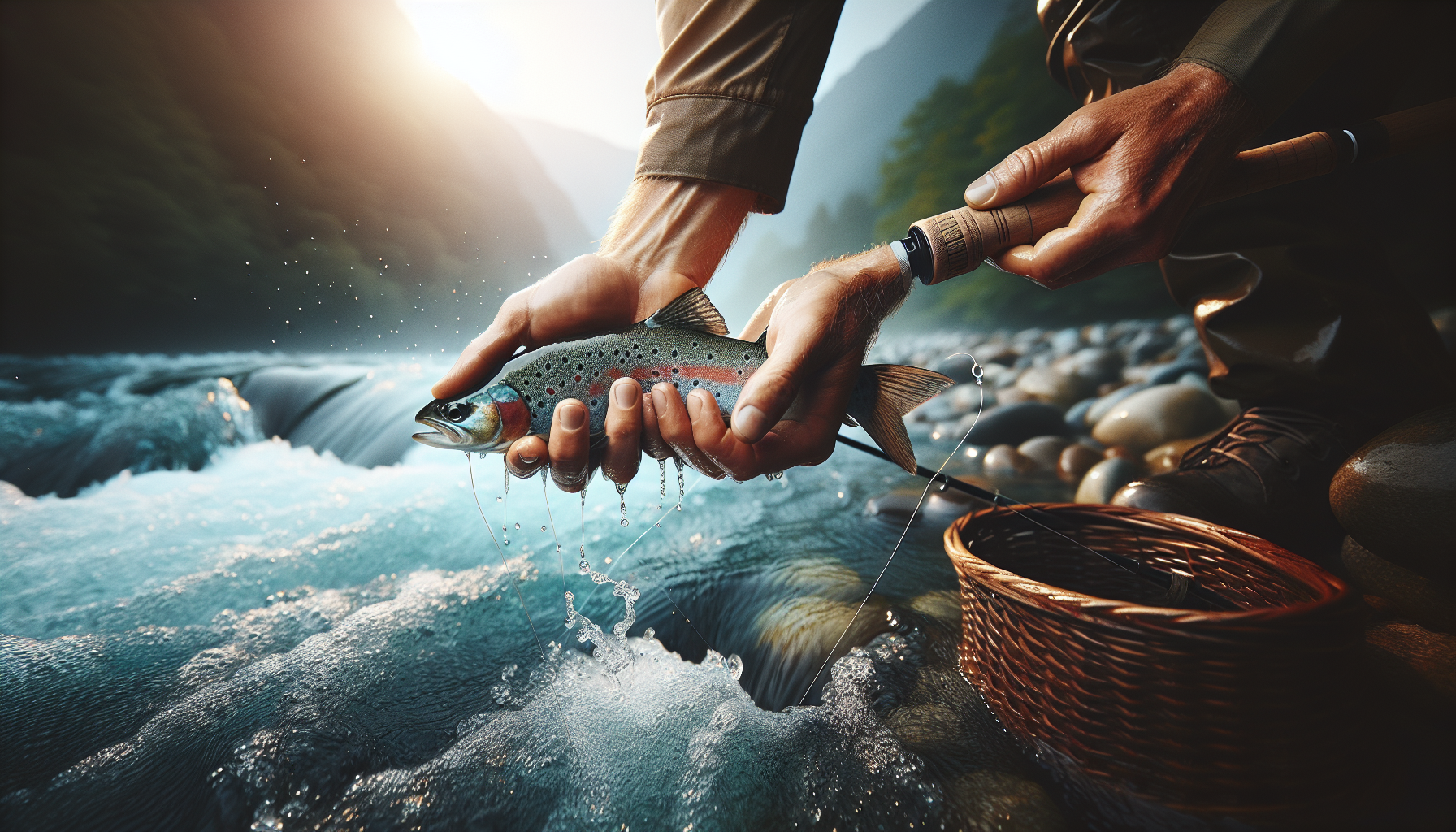
Fight fish efficiently with appropriately strong tackle, keep them in the water as much as possible, wet your hands before handling them, and skip hero shots that require prolonged air exposure. A quick, controlled release is usually far better for the fish than multiple photos from different angles. Be cautious when wading in spawning areas or fragile flats, because trampling redds, aquatic vegetation, or shorelines can cause damage that lasts longer than your visit. On rivers, avoid crowding other anglers and resist the urge to chase every social-media-famous run. Spreading out pressure can reduce stress on both fish and people.
Habitat protection also includes small decisions that add up. Stay on established paths where possible, avoid driving through sensitive areas, secure loose gear and trash in boats and vehicles, and never leave clipped line behind. If you are in a guided setting, pay attention to how experienced local guides position boats, approach fish, and navigate access points. Their methods often reflect years of learning what the ecosystem can tolerate. Sustainable behavior on the water is really about restraint, awareness, and understanding that the fishery is more important than any single fish you might land.
How does supporting local communities make a fly-fishing trip more sustainable?
Healthy fisheries rarely stay healthy by accident. They are usually connected to people who live there, work there, and have a direct stake in keeping rivers, lakes, and flats productive. Supporting local communities helps align tourism with conservation by making intact habitat and strong fish populations economically valuable in a way that benefits residents, not just visitors. Hiring local guides, staying in locally owned accommodations, eating at local restaurants, and purchasing from local fly shops can keep more of your travel spending in the region. That income can support jobs, conservation partnerships, youth programs, access maintenance, and local advocacy for clean water and habitat protection.
There is also a knowledge and respect component. Local guides and shop owners often understand seasonal conditions, fish handling practices, cultural norms, and access issues better than outside visitors. Listening to that expertise can help you avoid harmful mistakes, whether that means staying off a vulnerable flat at a certain tide, avoiding a spawning reach, or understanding why a community has rules around specific access points. In some destinations, Indigenous and traditional communities have long-standing relationships with the fishery, and respectful engagement means learning local expectations, asking permission where needed, and recognizing that angling exists within a broader cultural and ecological landscape.
In practical terms, a more sustainable trip usually leaves the place better supported, not just better photographed. Tip fairly, follow local guidance, be courteous at access points, and contribute to conservation groups or watershed organizations when appropriate. If you post about the trip online, think carefully before geotagging fragile or small fisheries that cannot handle sudden spikes in pressure. Supporting local communities is not a side issue to sustainable fly-fishing travel. It is one of the clearest ways to help ensure that the people closest to a fishery have strong reasons and adequate resources to protect it for years to come.