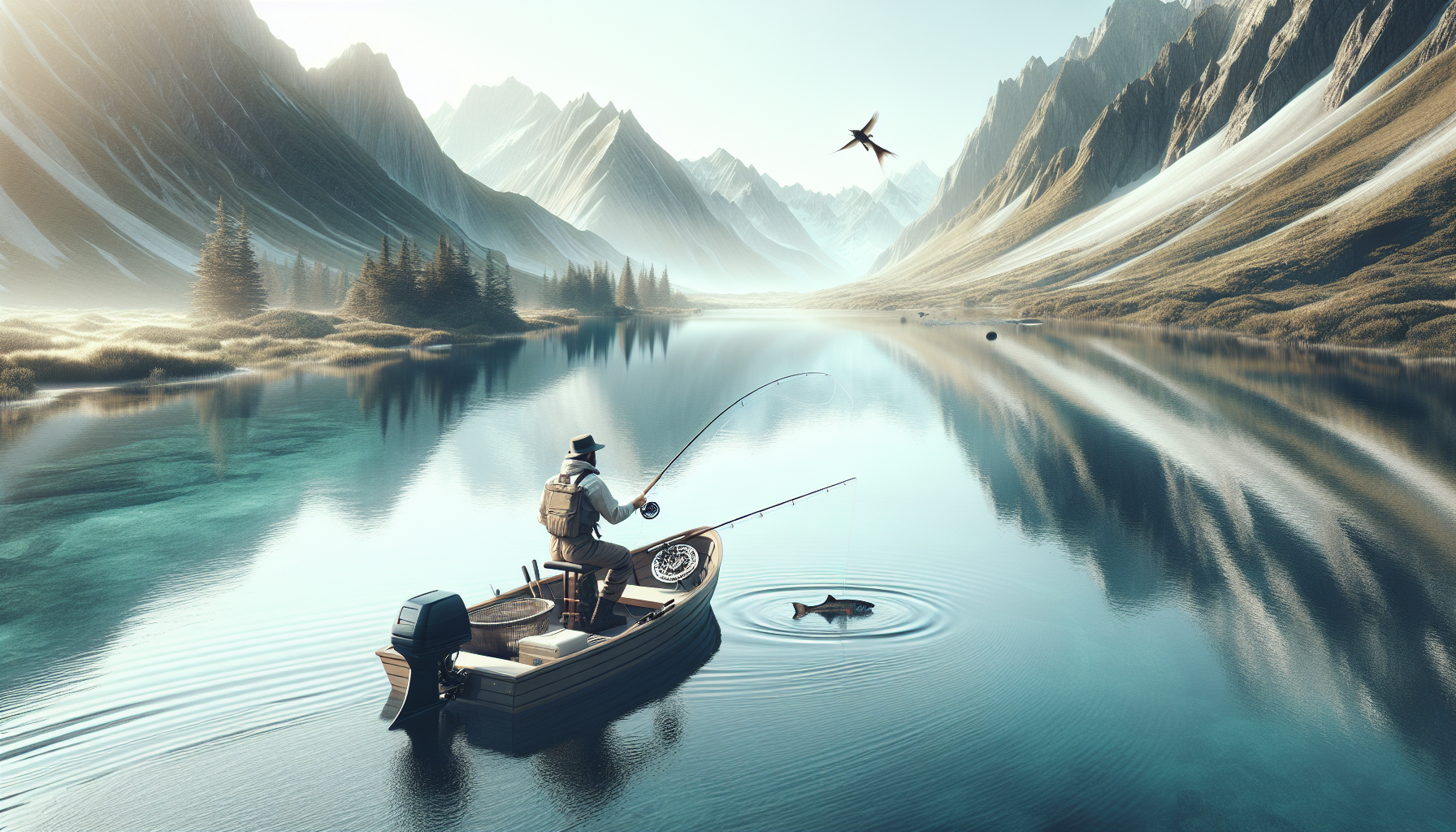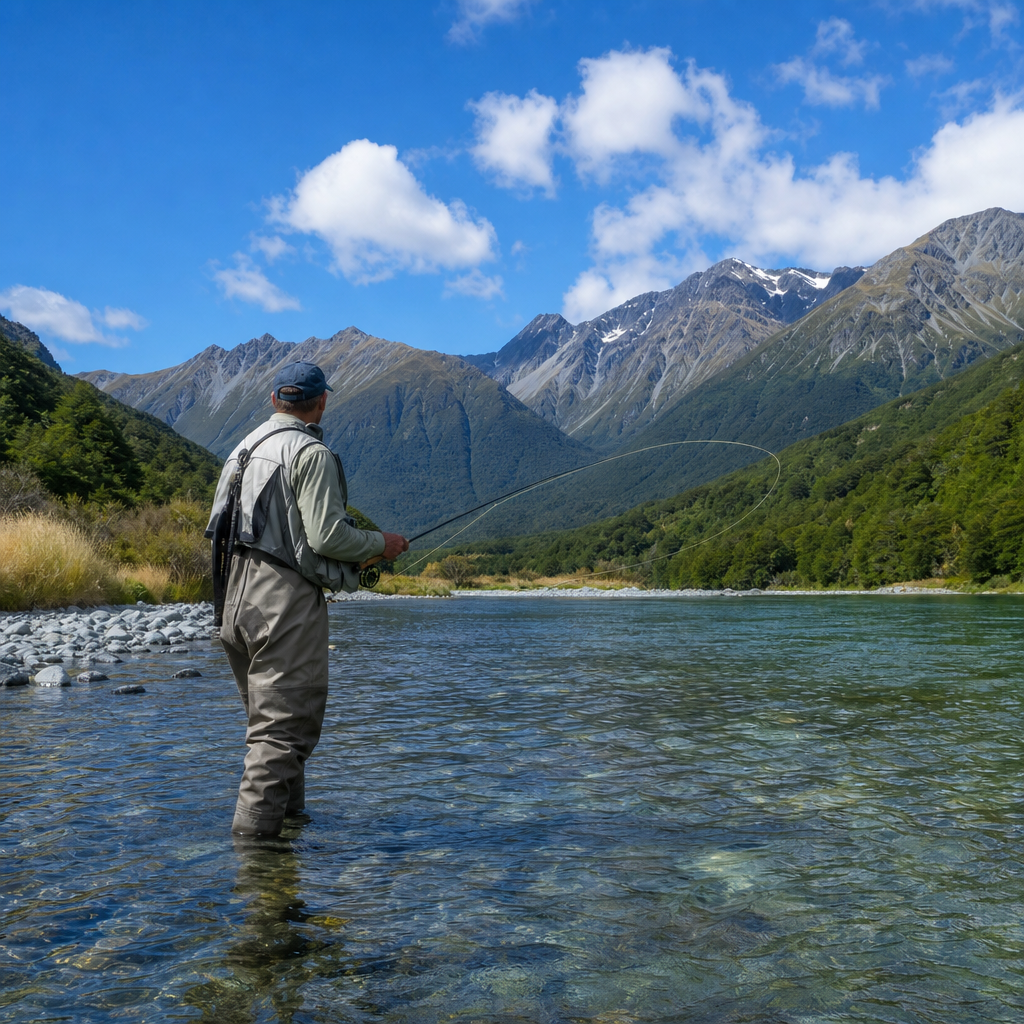
New Zealand is one of the world’s defining fly fishing destinations, and for anglers focused on Oceania, it is the natural hub from which the region is best understood. The country combines clear freestone rivers, productive spring creeks, alpine lakes, backcountry access, and a trout fishery that rewards sight fishing skill more than blind luck. In practical terms, that means many visiting anglers are casting to visible fish in water so transparent that every approach, false cast, and footstep matters. When people speak about New Zealand fly fishing, they usually mean wild brown trout and rainbow trout in rivers and lakes spread across the North Island and South Island, with the latter earning most of the international attention for size, scenery, and technical challenge.
As a hub within fly fishing destinations in Oceania, New Zealand matters for several reasons. First, it offers the broadest combination of access, infrastructure, and internationally recognized trout water in the region. Second, it sets expectations for how anglers often compare nearby options such as Tasmania or select Australian highland fisheries. Third, it is a destination where regulations, guide culture, and environmental stewardship directly affect trip quality. I have planned and fished itineraries here across both islands, and the same lesson always holds: success comes less from long casting and more from observation, wading discipline, and matching local conditions. Understanding where to go, when to travel, what species dominate each watershed, and how access works will make the difference between a scenic holiday and a truly productive fly fishing trip.
Why New Zealand stands apart in Oceania
New Zealand’s reputation rests on water clarity, wild trout, and a relatively low-density angling experience outside peak hotspots. Unlike many heavily stocked fisheries elsewhere, much of the appeal here is self-sustaining trout populations in rivers shaped by snowmelt, rain, beech forest catchments, and pastoral valleys. Brown trout dominate many iconic South Island systems, often growing large on aquatic insects, terrestrials, and small baitfish. Rainbow trout are especially significant in the central North Island, where volcanic lakes and connected rivers create a different but equally compelling fishery. The result is variety within one country: technical dry-fly sight fishing in Canterbury, helicopter-supported backcountry sessions in the South Island high country, and indicator nymphing for strong rainbows around Taupo and Rotorua.
For anglers researching fly fishing destinations in Oceania, New Zealand also stands apart because its fisheries are shaped by management rather than heavy commercialization. Fish & Game New Zealand oversees most sports fish resources, and regional regulations matter. Licenses are required, seasons vary, and some waters have bag limits, fly-fishing-only rules, or backcountry endorsement requirements. That framework protects quality. It also means visitors need to read regulations before they travel rather than assuming one nationwide standard covers every river. Compared with larger countries where access can be fragmented, New Zealand often feels refreshingly straightforward, but only if you understand the local rule set and respect private land, biosecurity cleaning requirements, and angler etiquette around visible fish.
North Island fly fishing destinations
The North Island is often introduced through Taupo and Rotorua, but that shorthand misses its range. Lake Taupo and its tributaries are famous for migratory rainbow trout that run upstream from the lake, especially in cooler months. Rivers such as the Tongariro are internationally known for indicator nymphing, bead-head setups, and swing techniques that produce powerful fish accustomed to current. This is one of the most accessible entry points for visiting anglers because there is a deep guide network, well-developed lodging, and a long history of welcoming overseas fishermen. If you want numbers, consistent opportunity, and less emphasis on spotting every individual fish before casting, the central plateau is an excellent starting point.
Rotorua offers a complementary mix of lakes and streams with strong rainbow populations and seasonal movement patterns. The region’s geothermal character influences water temperatures and insect life, and local knowledge matters because productivity shifts across lake edges, stream mouths, and spawning tributaries. Farther north and east, smaller rivers can produce quality trout in pastoral settings, though fish are often more sensitive to pressure and weather. The North Island generally suits anglers who want a blend of approachable river techniques, lake options, and high catch potential without sacrificing the chance at memorable wild fish. It is also the best choice for travelers building a broader Oceania trip that combines fly fishing with family-friendly tourism, volcanic landscapes, and easier transport logistics.
South Island fly fishing destinations
The South Island is the image most anglers carry when they dream about New Zealand fly fishing: braided rivers, glacial valleys, willow-lined runs, and oversized brown trout holding in clear current. Regions including Nelson, Marlborough, Canterbury, Otago, Southland, and the West Coast each offer distinct water types. Nelson and Marlborough provide a mix of freestone rivers and backcountry opportunities, often with summer terrestrial action and sight-fishing conditions that can be extraordinary when flows settle. Canterbury is known for technical fishing and varied water, from hill-country streams to larger systems. Otago and Southland combine classic brown trout rivers with stillwaters and spring creeks, while the lower South Island supports some of the country’s most revered trophy hunting.
What makes the South Island different is not merely scenery or fish size. It is the style of fishing. On many rivers, anglers spend as much time scanning as casting. You may walk long distances for a handful of legitimate shots, then make one presentation that determines the outcome. That format attracts experienced dry-fly anglers and those comfortable with long leaders, fine tippet, and precise drifts. It can also humble visitors used to faster-paced fisheries. Wind, glare, changing light, and fish movement all complicate the game. Still, for many serious travelers evaluating Oceania’s best trout destinations, the South Island sits at the top because nowhere else in the region combines this level of visual hunting with such a realistic chance of encountering truly large wild browns.
Best regions, species, and travel timing
Seasonality defines success in New Zealand. The core trout season for many rivers runs from spring through autumn, generally beginning around October and extending into April, though exact dates vary by region and water. Early season often brings cooler temperatures, higher flows, and fish that have seen less pressure. Mid-summer offers the most consistent sight-fishing conditions in many South Island rivers, especially when stable weather drops flows and improves visibility. Late season can be excellent for aggressive fish feeding hard before colder conditions, but low water and educated trout can increase difficulty. Winter opportunities exist, especially around Taupo tributaries for rainbow runs, yet that is a specialized trip rather than the standard first visit.
| Region | Main species | Best known for | Typical prime timing |
|---|---|---|---|
| Taupo | Rainbow trout | River runs, indicator nymphing, accessibility | Winter through spring, plus broader season opportunities |
| Rotorua | Rainbow trout | Lakes, stream mouths, seasonal migrations | Autumn through spring depending on system |
| Nelson/Marlborough | Brown trout | Clear freestone rivers, backcountry sight fishing | December through March |
| Canterbury | Brown trout | Technical river fishing, varied water types | November through March |
| Otago/Southland | Brown trout, some rainbow trout | Trophy browns, spring creeks, stillwaters | December through April |
For most first-time visitors, January through March is the safest window for a South Island-focused trip because river clarity, weather stability, and terrestrial food sources often align. If your priority is powerful rainbow trout and easier access, the Taupo area broadens the calendar substantially. Matching your destination to your preferred style matters more than chasing a single “best” month. Anglers who love indicator rigs and swinging wets may prefer central North Island conditions, while those obsessed with dry-dropper presentations to visible browns should prioritize South Island summer.
Core techniques that actually work
The phrase “New Zealand rig” gets used loosely, but effective tactics depend on water type rather than trend. In clear South Island rivers, a dry-dropper setup is often the most efficient searching method because the dry fly functions as both an attractor and strike indicator while keeping the presentation lighter than a conventional bobber rig. Large buoyant dries paired with small nymphs are common, especially in broken water where fish can be hard to detect before they feed. On flatter, glassier water, single dry flies, unweighted nymphs, and careful upstream presentations become more important. Long leaders are standard, and drag-free drift matters more than pattern novelty.
In the North Island, especially around Taupo tributaries, indicator nymphing remains fundamental. Heavier flies, split shot where legal and appropriate, and controlled dead drifts through defined lanes account for many fish. Swinging streamers or wet flies also works during seasonal runs when fish are moving and aggressive. Lake fishing introduces other tactics, including retrieving smelt imitations, fishing stream mouths, and targeting cruising fish in low light. Across both islands, anglers often overestimate the importance of long-distance casting. In practice, stealth, angle, and first-shot accuracy are far more decisive. I have seen excellent casters fail by lining fish repeatedly, while disciplined anglers with average distance succeed because they kneel, wait, and present once.
Guides, access, and trip planning
Hiring a guide in New Zealand is not a luxury add-on; for many visitors it is the fastest route to understanding the fishery. Guides solve three critical problems: access, spotting, and adaptation. Access matters because legal entry points, private land permissions, and river conditions are not always obvious from a map. Spotting matters because many newcomers simply cannot see fish in New Zealand light conditions until a guide trains their eye. Adaptation matters because wind shifts, recent rain, and angling pressure can make Plan A unworkable by breakfast. A strong guide changes water, changes tactics, or changes the daily objective before a client wastes valuable time.
Self-guided trips are still viable, especially around well-known North Island systems and more accessible South Island waters. The key tools are regional regulation booklets, topographic maps, weather forecasts, and honest daily decision-making. New Zealand Mountain Safety Council resources, MetService forecasts, and river flow information can help, but local fly shops often provide the most actionable advice. Biosecurity is equally important. Didymo and other invasive threats mean gear cleaning is not optional. Felt sole restrictions, check-clean-dry protocols, and moving between waters responsibly protect the fishery. For travelers building a larger Oceania fly fishing itinerary, New Zealand also offers the strongest support network of guides, lodges, rental vehicles, domestic flights, and specialized fly shops, which is why it functions so effectively as the regional hub.
How New Zealand connects to the wider Oceania fly fishing map
A hub page on Oceania should place New Zealand in context. Within the region, Tasmania is the closest parallel for dedicated trout travel, particularly for lake fishing, mayfly hatches, and technical sight fishing on highland waters. Mainland Australia offers more dispersed trout opportunities in Victoria, New South Wales, and alpine areas, but it does not match New Zealand’s concentration of internationally recognized wild trout rivers. Papua New Guinea, Christmas Island, and other Pacific destinations shift the conversation toward saltwater species such as giant trevally, bonefish, and triggerfish rather than trout. That makes New Zealand the anchor destination for freshwater fly anglers researching Oceania, while other regional articles naturally branch into niche alternatives based on species, climate, and travel style.
The practical benefit of using New Zealand as the sub-pillar hub is that many planning principles transfer outward. Questions about season timing, guide value, licensing, and wading preparedness all begin here. From this foundation, anglers can compare whether they want New Zealand’s river-based trophy browns, Tasmania’s stillwater culture, or Pacific saltwater flats. New Zealand remains the benchmark because it consistently delivers a combination that few destinations can match: wild fish, visual fishing, public information, strong conservation norms, and enough regional diversity to support repeat visits. If you are exploring fly fishing destinations in Oceania, start with New Zealand, narrow your ideal experience, and then use that profile to choose the specific island, region, and season that fit your goals. Book early, study the regulations, and fish the country with the patience its trout demand.
Frequently Asked Questions
Why is New Zealand considered one of the world’s top fly fishing destinations?
New Zealand has earned its reputation because it offers a rare combination of water quality, fish behavior, landscape diversity, and angling style that is difficult to find anywhere else in one country. Its rivers are famously clear, which creates the kind of visual fishing many fly anglers dream about: spotting individual trout, studying how they hold in current, planning an approach, and then making a precise cast. In many places, success depends less on covering water blindly and more on observation, stealth, presentation, and patience. That makes the experience especially rewarding for anglers who enjoy technical fishing rather than simply casting repeatedly and hoping for a strike.
The country also delivers impressive variety. Anglers can fish freestone rivers, limestone-influenced spring creeks, braided systems, stillwaters, alpine lakes, and remote backcountry tributaries, often within the same region or trip. Brown trout are particularly iconic in New Zealand because they are frequently visible in clear water and can grow large on rich aquatic food sources. Rainbow trout are also important in several fisheries, bringing a different style of fight and often different habitat preferences. Add in strong fisheries management, remarkable scenery, and a culture that values access and outdoor travel, and New Zealand becomes much more than a place to catch trout. It becomes a destination where the whole fishing process—spotting, stalking, casting, and landing fish in beautiful water—is the central attraction.
What types of fly fishing waters can anglers expect to find across New Zealand?
One of New Zealand’s greatest strengths is the diversity of its trout waters. Freestone rivers are among the country’s most recognized fisheries, especially on both the North and South Islands. These rivers often flow clear over gravel and boulder bottoms, with riffles, runs, pools, pocket water, and long glides that hold fish in highly visible lies. They are excellent for classic sight fishing, dry-dropper setups, and nymphing to individual trout. In many valleys, these rivers are framed by open farmland, beech forest, or mountain terrain, giving anglers very different visual and tactical experiences depending on where they fish.
Spring creeks and lowland tributaries offer another dimension. These waters may demand even more precision because trout often feed in slower, smoother currents where drag is immediately obvious. They can be ideal places to refine delicate presentations, long leaders, and exact fly placement. Braided rivers, which are common in parts of the South Island, create shifting channels and extensive trout habitat but can require more reading of water and movement to find productive holding areas. Lakes and lake edges bring yet another style, with opportunities to fish cruising trout, inflows, drop-offs, and shoal areas. For anglers interested in adventure, backcountry waters accessed by foot, boat, or helicopter can provide remote fishing with little pressure, but they also require sound planning, physical readiness, and respect for fast-changing weather and terrain. Together, these environments make New Zealand unusually complete as a fly fishing destination.
When is the best time to go fly fishing in New Zealand?
The best time depends on the type of water you want to fish, the style of angling you prefer, and how comfortable you are with changing weather. Broadly speaking, the main trout season runs through the Southern Hemisphere spring, summer, and early autumn, with many visiting anglers targeting the period from late spring into autumn for the most reliable combination of access, insect activity, and sight-fishing conditions. Early season can be excellent when rivers are in shape and fish are less pressured, although snowmelt, spring rain, or cooler conditions can affect water clarity and wading. As the season settles, many rivers become more predictable and sight fishing opportunities improve.
Summer offers long daylight hours and strong terrestrial activity, including cicadas in some regions, which can make dry-fly fishing especially exciting. This is also a popular travel period, so well-known rivers may see more angling pressure. Late summer and autumn can be outstanding for experienced anglers because fish are often settled into regular feeding patterns and the light can still favor visual fishing, though weather systems become increasingly important and some areas may run lower or warmer depending on local conditions. The North Island and South Island each have regional differences, and some fisheries are managed under specific seasonal rules, so it is essential to check current regulations before traveling. For many anglers, the most productive trip is built not around a single “perfect month,” but around flexibility—watching flows, choosing regions strategically, and adapting tactics to local conditions.
Do I need a guide to fish New Zealand successfully?
No, a guide is not strictly necessary, but hiring one is often one of the smartest decisions a visiting angler can make, especially on a first trip. New Zealand’s trout fishing is famous for rewarding stealth, watercraft, and accurate sight-based presentation. Those are all skills that improve dramatically when you spend time with someone who understands the local rivers, seasonal patterns, access points, light angles, fish behavior, and etiquette. A good guide does far more than take you to fish. They teach how to scan water efficiently, how to approach visible trout without being detected, how to position for the right casting lane, and how to match local food sources and river conditions with the right fly and leader system.
Guides are particularly valuable because New Zealand fishing can be humbling even for very experienced anglers. Fish may be large, but they are often cautious and quick to reject poor drifts or heavy footsteps. Clear water removes many mistakes from hiding. A guide shortens the learning curve and can help you make the most of limited travel time, especially if weather forces changes in region or elevation. That said, independent anglers can absolutely have excellent trips if they are prepared to research access, regulations, private land considerations, weather, and river levels in advance. Many anglers choose a balanced approach: book a guide for the first few days to learn local methods and then fish on their own afterward. For most visitors, that combination delivers both education and freedom.
What gear and techniques work best for fly fishing in New Zealand?
New Zealand tackle selection usually centers on versatility, presentation, and control rather than heavy gear. A 9-foot 5-weight or 6-weight rod is a common all-around choice for many river situations, giving anglers enough finesse for delicate dry-fly work and enough backbone for weighted nymph rigs, longer casts, and windy conditions. Leaders are often longer than what many visitors use at home because clear water and wary trout demand subtle presentations. Fine tippet may be necessary in smooth water, while slightly stronger material is useful when fishing larger rivers, heavier nymphs, or areas where stronger current can quickly test knots and fish-fighting angles.
Technique matters at least as much as equipment. Sight fishing is central to the New Zealand experience, so polarized glasses are essential and stealth is non-negotiable. Anglers should expect to spend significant time scanning before casting. Once a fish is located, success often depends on a careful approach, a minimum number of false casts, and placing the fly on the trout’s feeding line with a natural drift. Dry flies, nymphs, and dry-dropper combinations are all important, with local patterns often chosen to imitate mayflies, caddis, terrestrials, and general attractor food forms rather than one highly narrow match. In some waters, streamer fishing can also be effective, particularly for aggressive fish or specific conditions, but many classic New Zealand scenarios revolve around single visible trout feeding in clear current. Wading boots with strong traction, weather layers, a quality rain shell, and a pack system that supports long walks are also important because conditions can change quickly and access may involve real hiking rather than short roadside stops.