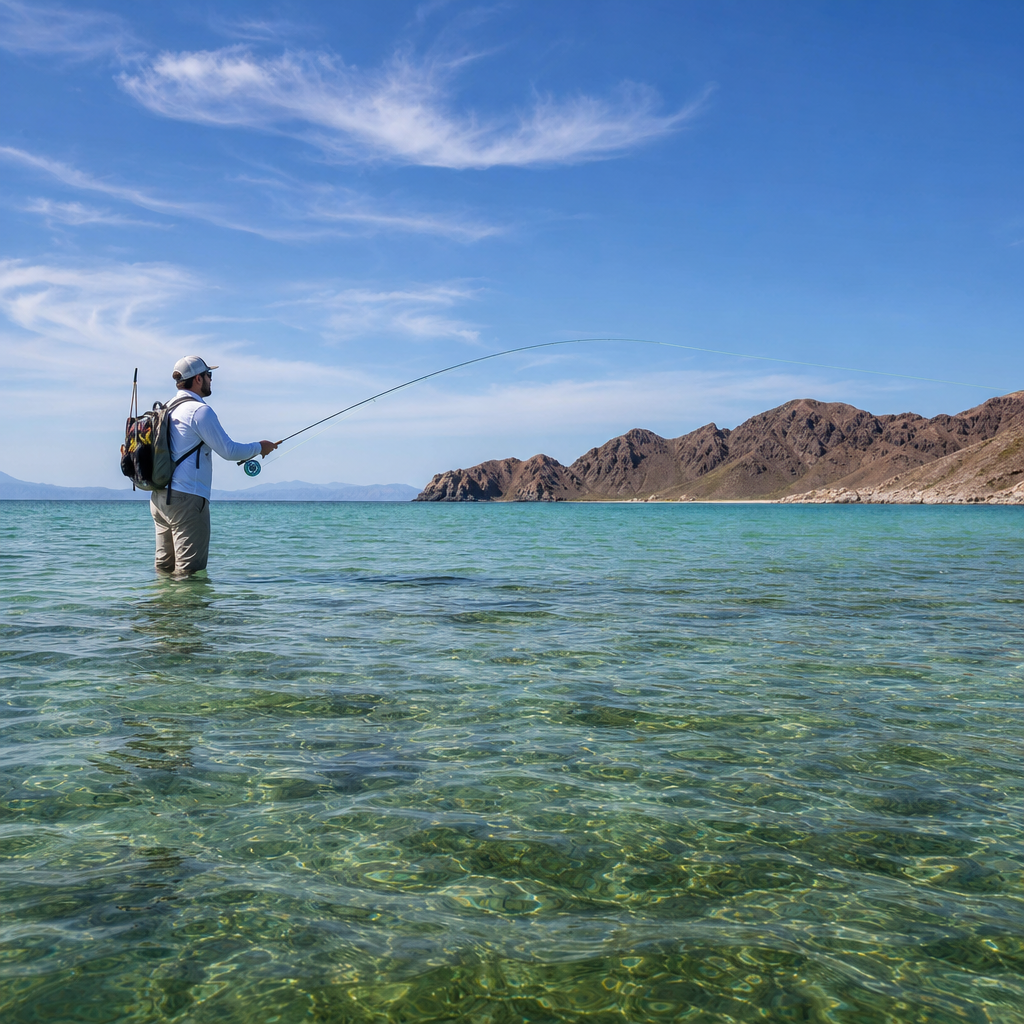
Fly fishing in the Sea of Cortez offers one of North America’s most varied saltwater angling experiences, combining desert coastlines, shallow mangrove estuaries, offshore structure, and rich pelagic migration routes in a single fishery. Often called the Gulf of California, the Sea of Cortez runs between the Baja California Peninsula and mainland Mexico, and it supports an unusual overlap of warm-water gamefish that can be targeted on fly. For anglers researching fly fishing destinations in North America, this region deserves hub-level attention because it contains multiple distinct fisheries rather than one uniform destination. In practice, I have found that choosing the right launch point matters as much as choosing the right fly line: a beach panga trip out of La Ventana fishes very differently from a bluewater run out of Loreto or a roosterfish-focused session near East Cape. Understanding premier locations means understanding habitat, seasonality, weather windows, target species, access style, and angler expectations. The Sea of Cortez matters not only for its biodiversity, but also because it can serve beginners seeking action on dorado and jacks, as well as advanced saltwater fly anglers hunting roosterfish, sailfish, marlin, and tuna under highly specific conditions. This guide covers the leading locations, what each area is best known for, when to go, and how to match destination choice with species, technique, and logistics across this important corner of North American fly fishing travel.
Why the Sea of Cortez stands out among North American fly fishing destinations
The Sea of Cortez is exceptional because it compresses an unusually broad range of saltwater fly opportunities into a relatively accessible region. Jacques Cousteau famously described it as the world’s aquarium, and while that phrase is often repeated casually, the underlying point remains true for anglers: nutrient mixing, bait concentration, reef systems, esteros, sandy beaches, and steep offshore drop-offs create food-rich habitats that hold many fly-rod targets. Within North America, few saltwater destination clusters offer the same chance to cast to roosterfish in the surf, tease billfish offshore, blind-cast around bait for dorado, and probe mangrove edges for snapper and jacks during the same trip.
Another reason this fishery stands apart is the way local conditions shape strategy. Wind is not a detail here; it is often the planning variable. In winter, strong north winds can make some zones unfishable while opening others. Summer and early fall bring warmer water, tropical humidity, and the best chance at bluewater species, but also weather risk from storms. Tides influence inshore beach fishing, while current lines, floating debris, and temperature breaks matter offshore. Successful anglers do not just book a lodge and hope. They choose a base that aligns with the month, target species, and boat style.
For trip planning across North America, the Sea of Cortez also works well as a sub-pillar hub because each major area supports its own detailed guide. Los Cabos links naturally to billfish and mixed-species offshore articles. East Cape deserves dedicated coverage for roosterfish and beach-and-boat combinations. Loreto connects to island structure, dorado, and seasonal pelagics. La Paz and La Ventana pair well with inshore and nearshore species, especially jack crevalle, sierra, and seasonal roosterfish. Farther north, Mulegé and Bahía de los Ángeles fit a more exploratory model with less polished infrastructure but excellent potential.
East Cape: the premier roosterfish and mixed inshore destination
If one location best represents classic Sea of Cortez fly fishing, it is the East Cape. Stretching roughly from San José del Cabo north toward Los Barriles and Punta Pescadero, this coast is famous for surf-running roosterfish, dorado within panga range, jack crevalle, skipjack, sierra mackerel, and occasional billfish. In my experience, East Cape gives traveling anglers the strongest balance of iconic species, reliable local guide culture, and manageable logistics. You can fish beaches, structure, and bluewater edges without committing to extremely long runs.
Roosterfish are the headline species. They patrol bait-rich shorelines, especially where mullet or sardina bunch against beaches, points, and color changes. On fly, guides often use teasers to raise fish before presenting large baitfish patterns on 10- to 12-weight tackle. This is a visual, high-pressure game requiring fast pickups and accurate casts. The best months commonly run from late spring into early autumn, though exact timing varies with bait presence and water temperature. June through September is often considered prime, especially for anglers focused on larger fish.
East Cape is also a useful base for anglers who want variety in one week. If surf conditions are slow for roosterfish, pangas can shift to dorado around current lines or floating debris, probe rips for tuna, or work beaches for jacks. That flexibility matters because the Sea of Cortez rewards adaptable anglers. A dedicated roosterfish trip can still produce snapper, needlefish, ladyfish, and small tunas, making East Cape one of the strongest all-around fly fishing destinations in North America.
Los Cabos: best for billfish, dorado, and full-service access
Los Cabos, including Cabo San Lucas and San José del Cabo, sits at the junction of the Pacific Ocean and the Sea of Cortez, giving it a broader pelagic profile than purely inside-gulf locations. For fly anglers, this is the premier access point for striped marlin, sailfish, dorado, wahoo, and tuna, usually by conventional boat with a dedicated fly strategy built around teasers, pitch opportunities, and quick line management. It is not the easiest place for novice saltwater fly casters, but it is one of the most productive destinations on the continent for anglers who want a realistic shot at billfish on fly.
Striped marlin are a major draw, especially in cooler months when bait concentrations can bring fish within range of day boats. The standard method involves raising fish behind hookless teasers, then dropping a large fly once the mate clears the teaser. This system demands coordination between captain, mate, and angler. A 14-weight with a strong drag, large-arbor reel, and heavy shock tippet is standard, and fight management becomes as important as the cast. Sailfish and dorado are common warm-season targets, while yellowfin tuna can appear around porpoise schools, temperature edges, and offshore feeding activity.
Los Cabos also stands out because the infrastructure is mature. International flights are easy, boat fleets are large, and anglers can choose between luxury resort stays and practical marina-based lodging. For a North America hub page, this matters: some readers prioritize species quality, while others need simple travel, spouse-friendly amenities, or short transfer times. Los Cabos is not as intimate or beach-focused as East Cape, but for bluewater fly fishing logistics, it is often the most efficient choice in the entire Sea of Cortez region.
Loreto and the central gulf: islands, structure, and seasonal variety
Loreto offers a different Sea of Cortez experience centered on island structure, protected water options, and a strong seasonal rhythm. Set along the western shore of the gulf in Baja California Sur, Loreto provides access to Isla Coronado, Carmen, Danzante, Monserrat, and farther-ranging offshore zones. This geography creates a fishery built on reefs, drop-offs, bait concentrations, and current seams rather than the surf-oriented roosterfish program associated with East Cape.
For fly anglers, Loreto shines when dorado move into range, when sierra and jacks are active around bait, and when tuna schools push close enough for practical casting shots. Depending on season, anglers may also tangle with amberjack-like structure fish, cabrilla, pargo, and occasional billfish. The water can be cooler in winter and early spring, which changes species mix and may reduce tropical pelagic action, but it can also produce steady nearshore opportunities. Summer and fall generally bring warmer water and stronger dorado prospects.
What makes Loreto particularly valuable is fishability under mixed conditions. The islands can provide lee-side shelter when open water becomes rough, allowing guides to salvage productive days by shifting to structure or bait schools. For intermediate anglers, this often translates into more actual casting time and fewer weather cancellations. Loreto also appeals to travelers who want a lower-key town with a strong local identity rather than a major tourism corridor. As a North American destination hub, it deserves attention because it broadens the definition of Sea of Cortez fly fishing beyond beaches and marlin spreads.
La Paz and La Ventana: accessible inshore action and versatile day trips
La Paz and nearby La Ventana give anglers excellent access to productive nearshore waters without the higher-profile marketing of Cabo or East Cape. This area is especially appealing for anglers who value action, mixed-species possibilities, and practical costs. Around islands, beaches, and bait zones, fly fishers can encounter jack crevalle, roosterfish, sierra mackerel, dorado, bonito, triggerfish, and snapper. Seasonal whale shark tourism has raised the region’s profile, but its fly fishing value remains underappreciated.
La Ventana, on the gulf side southeast of La Paz, is often associated with winter wind sports, which tells you something important for fishing: wind planning is crucial. When conditions line up, however, this coast can produce exciting roosterfish and jack fishing from pangas working beaches and points. La Paz itself offers a stronger urban base with hotels, restaurants, marinas, and easier self-directed trip organization. The fishing style tends to reward mobility. Guides may start around bait schools, run to structure, then shift to beach cruising if signs develop.
| Location | Best known for | Typical fly targets | Best fit for |
|---|---|---|---|
| East Cape | Roosterfish and mixed inshore | Roosterfish, dorado, jacks, sierra | Anglers wanting iconic beaches and variety |
| Los Cabos | Bluewater access and billfish | Striped marlin, sailfish, dorado, tuna | Advanced anglers and full-service travelers |
| Loreto | Island structure and seasonal pelagics | Dorado, cabrilla, jacks, tuna | Travelers seeking versatile central-gulf fishing |
| La Paz/La Ventana | Nearshore variety and practical access | Jacks, roosterfish, sierra, dorado | Value-focused anglers and mixed-species trips |
This zone is often a smart choice for anglers who want strong odds of frequent shots rather than a single trophy obsession. It is also a useful launch area for broader North America travel itineraries because connections through La Paz can pair well with other Baja destinations. The tradeoff is that species consistency can be more variable than at highly specialized operations, so matching expectations to season and guide specialty is essential.
Remote northern options: Mulegé, Bahía Concepción, and Bahía de los Ángeles
Farther north, the Sea of Cortez becomes more exploratory, and that appeals to a specific type of fly angler. Mulegé and Bahía Concepción offer beautiful, lightly developed coastlines with beaches, coves, rocky points, and smaller-boat opportunities. Bahía de los Ángeles, much farther north, is a remote desert-and-sea environment known for dramatic scenery, bait abundance, and periods of exceptional fish activity. These are not plug-and-play destinations in the same way as Cabo or East Cape. They demand flexibility, local knowledge, and realistic expectations about infrastructure.
The payoff is access to less-pressured water and a strong sense of discovery. Anglers can find jacks, sierra, small tuna, cabrilla, triggerfish, and seasonal dorado, with some opportunities from shore as well as boat. In calmer periods, sight-fishing along beaches or working rocky structure with sinking lines can be highly productive. Because guide networks are thinner, trip quality depends heavily on research. Some anglers hire pangas through general sportfishing operators rather than fly-specific outfits, so discussing rod storage, teaser use, line management space, and casting angles ahead of time is important.
These northern zones matter within a North America hub because not every angler wants a resort-centered experience. Some are building road trips through Baja, towing skiffs, or combining fishing with natural history travel. For them, the northern Sea of Cortez expands the destination map considerably. It also reinforces a key truth about this fishery: premier locations are not just the most famous ones, but the places best aligned with the angler’s method, season, and appetite for adventure.
When to go, what to bring, and how to choose the right base
Timing shapes everything in the Sea of Cortez. Late spring through early fall is generally strongest for warm-water species such as roosterfish, dorado, sailfish, and marlin, with summer bringing peak heat and early fall often offering excellent bluewater potential. Winter can still be productive, particularly around Los Cabos for striped marlin and in some nearshore zones for sierra and jacks, but winds increase and tropical inshore options narrow. Water temperature, bait movement, and storm cycles all influence outcomes more than calendar labels alone.
Most anglers should pack 10-, 11-, and 12-weight outfits, with a 14-weight for dedicated billfish. Intermediate lines cover many nearshore situations, while floating lines are useful for teasers and surface presentations. Fast-sinking heads help around structure and deeper bait schools. Flies should include large sardina and mullet imitations, deceiver-style baitfish, poppers for jacks, brush flies for billfish, and durable dorado patterns with bright profiles. Leaders must be simple and strong. In tropical salt, abrasion resistance matters more than delicacy.
To choose the right base, start with one question: what fish matters most? If the answer is roosterfish, prioritize East Cape and parts of La Ventana. If it is marlin or sailfish, book Los Cabos. If you want a central-gulf town with island options and a broad seasonal mix, choose Loreto. If you prefer lower-profile variety and easier budgeting, look at La Paz. If you value remote exploration over polished logistics, investigate Mulegé or Bahía de los Ángeles. Match destination to primary species, then verify season, wind exposure, and guide specialization before paying deposits.
The Sea of Cortez earns its place among the best fly fishing destinations in North America because it offers multiple world-class fisheries within one region, each with a distinct personality. East Cape leads for roosterfish and all-around inshore excitement. Los Cabos dominates bluewater access, especially for billfish, dorado, and tuna. Loreto provides island-based versatility and a central-gulf rhythm that suits anglers who want options under changing conditions. La Paz and La Ventana deliver practical, productive nearshore fishing, while Mulegé, Bahía Concepción, and Bahía de los Ángeles reward anglers willing to trade convenience for exploration.
The main benefit of treating this page as a hub is clarity. Instead of thinking of the Sea of Cortez as one destination, think of it as a network of specialized launch points. That approach leads to better planning, better guide selection, and a much higher chance of fishing the right water at the right time with the right tackle. I have seen trips transformed simply by shifting base towns to fit wind direction, bait presence, and target species. In this fishery, those details are the difference between hoping and consistently getting shots.
If you are planning a North America fly fishing trip, use the Sea of Cortez as a strategic choice rather than a generic bucket-list stop. Decide your priority species, narrow the season, and build around the location that best supports that goal. Then explore the related destination guides under this North America hub to compare towns, seasons, and species in greater detail before you book.
Frequently Asked Questions
What makes the Sea of Cortez such a premier destination for saltwater fly fishing?
The Sea of Cortez stands out because it offers remarkable diversity in a relatively compact region. Anglers can fish shallow beaches, rocky points, mangrove-lined estuaries, reef systems, island drop-offs, and bluewater offshore zones without needing to travel between entirely different fisheries. That variety creates opportunities to target a broad range of species on fly, from inshore roosterfish, jacks, and snapper to offshore dorado, tuna, and even billfish when conditions align. Few places in North America combine desert scenery, warm water, migratory pelagic routes, and productive inshore habitat as effectively as the Gulf of California.
Another major advantage is the way seasonal movement influences species availability. Water temperatures, bait concentrations, and weather patterns create rotating windows where different parts of the fishery come alive. This means the Sea of Cortez can reward anglers across multiple times of year rather than functioning as a short, one-note destination. It also appeals to a wide range of skill levels. A first-time saltwater fly angler can focus on visible beach and inshore targets, while more experienced casters can pursue demanding offshore fish that require fast presentations, heavy tackle, and precise boat positioning.
Just as important, the fishery is visually and technically engaging. Many presentations are sight-oriented, especially around shorelines, structure, and surface-feeding bait. You are not simply blind-casting into open water all day. You may scan a beach for roosterfish pushing bait, watch dorado appear under floating debris, or present flies to jacks along current edges near rocky structure. That combination of visual fishing, varied terrain, and strong, athletic gamefish is exactly why the Sea of Cortez is widely regarded as one of the most compelling saltwater fly fishing destinations in the region.
Which locations in the Sea of Cortez are considered best for fly anglers?
Several areas consistently rank among the top choices, and the “best” location usually depends on whether you want inshore action, bluewater opportunities, or a mix of both. The East Cape of Baja is one of the best-known and most versatile zones. It offers beach fishing, nearshore structure, and offshore access, making it a classic starting point for anglers who want a realistic chance at roosterfish, jacks, dorado, and seasonal tuna. Its long stretches of accessible coastline and established fly-fishing infrastructure also make it especially attractive for traveling anglers.
La Paz is another premier hub because of its access to islands, protected water, and productive nearshore structure. The surrounding area can offer excellent fishing for jacks, roosterfish, skipjack, dorado, and other mobile predators depending on season and bait activity. It is often favored by anglers who want a broad menu of options within reasonable day-trip range. Further north, Loreto is highly regarded for its mix of scenic island structure, reef-oriented fishing, and seasonal pelagic possibilities. Loreto combines stunning geography with the kind of broken habitat that can hold bait and predator species in close proximity.
Other standout areas include Los Barriles and Buena Vista along the East Cape, as well as selected mainland zones where estuaries, beaches, and nearshore structure create excellent fly water. For anglers interested in a broader exploration, remote camps and guided mothership-style trips can open access to less-pressured shorelines and islands where fish see fewer flies. In practical terms, East Cape is often the headline destination for a classic Sea of Cortez experience, La Paz is excellent for versatility and access, and Loreto is ideal for anglers who value a combination of structure, scenery, and multi-species potential. Choosing among them comes down to your preferred fishing style, time of year, and target species.
What species can you realistically target on fly in the Sea of Cortez?
The Sea of Cortez supports one of the most exciting species lists in North American saltwater fly fishing. Roosterfish are often the iconic target because of their aggressive takes, visual appeal, and willingness to hunt bait in surprisingly shallow water. They are frequently pursued along beaches, points, and bait-rich shorelines, often with fast-stripped baitfish patterns. Jacks, especially jack crevalle, are another major draw. They pull hard, travel in packs, and readily attack flies around structure, current seams, and bait schools. Dorado are also high on most anglers’ wish lists because they are acrobatic, aggressive, and often accessible on fly when found around weed lines, floating debris, or active offshore bait.
Other realistic targets include bonito, skipjack tuna, Sierra mackerel, various snapper species, grouper near structure, triggerfish in select settings, and seasonal yellowfin tuna. Depending on local conditions and the style of trip, anglers may also encounter wahoo, amberjack, or billfish such as striped marlin, though these are more specialized targets and generally require the right season, suitable offshore conditions, and a guide experienced in setting up fly opportunities. In estuarine or mangrove-influenced zones, species composition can shift again, bringing additional inshore variety.
What makes the fishery especially compelling is not just the number of species, but the overlap between them. In a single trip, an angler might spend the morning looking for roosterfish along the beach and the afternoon chasing dorado or tuna offshore. That kind of range is unusual. It is still important to set realistic expectations: some species are seasonal, some are highly dependent on bait presence, and some are opportunistic bonus fish rather than dependable daily targets. A good guide will help define which species are primary targets during your travel window and which ones are possible but less predictable.
When is the best time of year to go fly fishing in the Sea of Cortez?
The best time depends on what you want to catch and the kind of conditions you enjoy fishing. In general, warmer months tend to bring stronger pelagic opportunities, with dorado, tuna, and other offshore species becoming more prominent as water temperatures rise and bait becomes concentrated. Late spring through fall is often productive across much of the region, though exact timing varies by area and annual conditions. Summer can produce outstanding fishing, but it also brings heat, humidity, and, in some years, tropical weather concerns that anglers should factor into trip planning.
For inshore fishing, many anglers prefer shoulder seasons when temperatures are more comfortable and there is still strong bait activity along beaches and structure. Roosterfish, jacks, and other nearshore predators can be available across broad portions of the calendar, but their consistency improves dramatically when water temperatures, forage, and local weather patterns line up. Some areas fish well in spring with stable conditions and manageable winds, while others really shine later when warm currents push bait and pelagic species closer. Wind is an important planning factor in the Sea of Cortez, especially for fly anglers, because casting efficiency and boat positioning matter so much in both inshore and offshore scenarios.
The most practical approach is to match your travel dates to a primary species and region rather than searching for one universal “best month.” If roosterfish are your priority, target a destination and season known for reliable beach and nearshore bait. If dorado or tuna are your focus, look for periods when warm blue water and offshore life are established. If you want a multi-species trip, ask a local outfitter about transition periods when inshore and offshore options overlap. That kind of planning usually produces a better experience than choosing dates based on general tourism seasons alone.
What gear, flies, and preparation are recommended for a successful Sea of Cortez fly fishing trip?
A well-rounded setup usually starts with multiple rod weights because the Sea of Cortez is a true multi-species fishery. An 8- or 9-weight can be excellent for smaller inshore species, lighter beach work, and situations where accurate casts to visible fish matter more than brute lifting power. A 10-weight is often the most versatile all-around choice for anglers wanting one primary setup, especially for roosterfish, jacks, and general nearshore work. An 11- or 12-weight is often preferred for larger dorado, tuna, heavy wind, and any serious offshore or billfish-oriented fishing. Reels should be saltwater-sealed, have smooth drags, and hold ample backing because many Sea of Cortez species are fast and unforgiving once hooked.
Fly selection should emphasize baitfish patterns in a range of sizes, profiles, and sink rates. Deceivers, Clousers, Half & Halfs, sardine and mullet imitations, and synthetic streamers are standard choices. Surface patterns can also be effective and exciting, especially for aggressive fish feeding near the top. Color selection often follows local forage, so carrying white, chartreuse, olive, blue, tan, and combinations with flash is smart. Leaders are typically stronger and simpler than many freshwater anglers expect. Abrasion resistance matters around rocks, structure, and toothy or rough-mouthed species. Guides often favor straightforward fluorocarbon or hard-mono leader systems tailored to the target fish rather than highly tapered, delicate setups.
Preparation goes beyond tackle. Saltwater fly success in this region depends heavily on casting readiness. You should be comfortable making quick shots, casting into wind, stripping line efficiently, and delivering flies at varying distances without excessive false casting. Practice