Fly fishing in the Yucatan Peninsula offers one of North America’s most technical and rewarding saltwater experiences, combining clear flats, migratory fish, and year-round opportunities within a compact coastal region. For anglers researching fly fishing destinations, the Yucatan stands out because it delivers the classic shallow-water challenge—spotting fish, making accurate casts in wind, and presenting small flies naturally—while also giving access to several marquee species in a single trip. When I help anglers plan saltwater travel, this is one of the first destinations I discuss because it teaches core flats skills fast and rewards preparation immediately.
The Yucatan Peninsula spans coastal systems in Mexico that face both the Gulf of Mexico and the Caribbean Sea, with the most talked-about fly water concentrated around Ascension Bay, Espiritu Santo Bay, Campeche, Isla Blanca, Holbox, and the mangrove lagoons and turtle grass flats near Cancun, Tulum, and Punta Allen. In practical terms, “Yucatan fly fishing” usually means stalking bonefish, permit, tarpon, and snook from skiffs or on foot across shallow saltwater flats, channels, lagoons, and mangrove edges. These fisheries matter within North America because they offer a tropical contrast to destinations such as the Florida Keys, Belize border waters, and Louisiana marshes, yet remain comparatively accessible for U.S. and Canadian travelers.
Success here depends on understanding habitat, weather, species behavior, and logistics rather than simply booking a boat and packing random flies. Wind direction can change the fishable side of a bay. Tides influence whether permit tail on crabs or slide off deeper edges. Water temperature affects tarpon movement in lagoons and channels. Even your line choice matters more than many first-time visitors expect because tropical coatings, clear intermediate options, and strong leaders all perform differently in heat and salt. This hub article covers the full North America context for the Yucatan Peninsula, explains what to expect, and gives you a practical framework for choosing locations, seasons, tackle, and guide strategies that improve your odds.
Why the Yucatan Peninsula matters within North America
Among North American fly fishing destinations, the Yucatan fills a distinct role: it is one of the most reliable places to pursue a true inshore grand slam of bonefish, permit, and tarpon on fly, with snook often available as a bonus species. The region is not interchangeable with the Florida Keys. The Keys offer historic flats culture and broad infrastructure, but the Yucatan often provides larger expanses of lightly developed habitat, especially inside protected biosphere areas such as Sian Ka’an. That habitat diversity matters because each species uses the system differently. Bonefish favor firm flats and channels, permit roam turtle grass and pale sand edges searching for crabs, tarpon hold in lagoons and travel channels, and snook station near mangroves and current seams.
It also matters because travel efficiency is unusually strong for a saltwater destination. Cancun International Airport gives anglers direct access to multiple fisheries, from day-trip zones near Isla Blanca to lodge-based operations farther south in Punta Allen and Ascension Bay. In my experience, that combination of airport access and genuine technical fishing makes the Yucatan ideal for both first-time saltwater fly anglers and experienced flats anglers who want species variety without making a remote expedition. The region also serves as a hub within the broader North America category because it connects naturally to neighboring destination research. Anglers comparing this fishery often also evaluate the Florida Keys, Belize, Cuba, and the Texas coast, making strong location-specific planning essential.
Another reason the Yucatan deserves hub status is consistency across skill levels. Beginners can find shots at bonefish and juvenile tarpon, while advanced anglers can spend full weeks hunting permit with crab patterns in stiff wind. That range is rare. Many destinations are either forgiving but limited in species diversity, or prestigious but too specialized for most traveling anglers. The Yucatan does both, provided expectations are realistic. Permit remain difficult everywhere. Wind still ruins presentations. Guides still need anglers to cast accurately at moving targets. But compared with many famous flats systems, this peninsula gives more ways to adapt when one species or habitat is not cooperating.
Core fisheries: bonefish, permit, tarpon, and snook
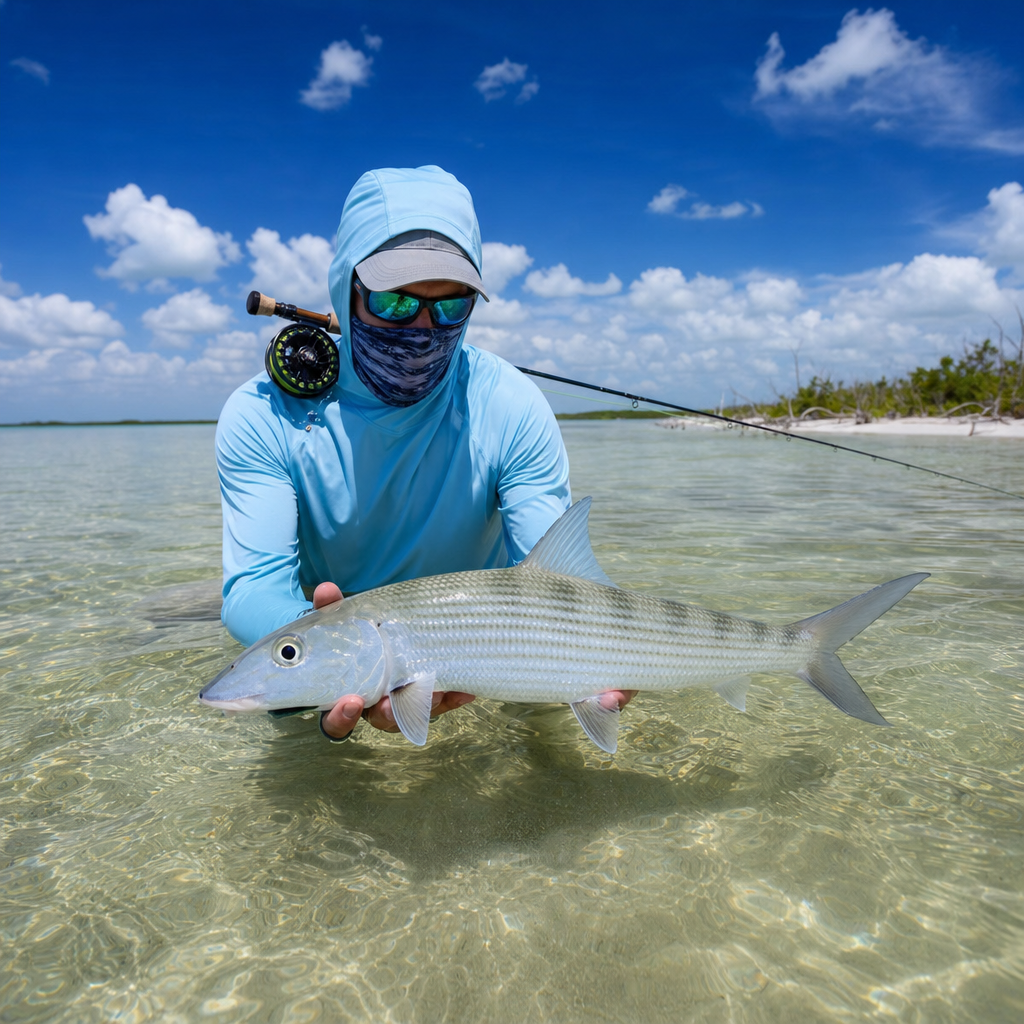
Bonefish are often the entry point. On Yucatan flats, they commonly appear in small schools or singles over sand and mixed turtle grass, and they reward quick, accurate presentations with lightly weighted shrimp or spawning shrimp patterns. Average fish vary by zone, but two- to five-pound bonefish are common in many areas, with larger fish certainly available. The challenge is less about seeing huge schools and more about reading movement, angle, and light while minimizing false casts. A standard 7- or 8-weight with a floating tropical line and 10- to 12-pound fluorocarbon tippet covers most bonefish situations well.
Permit are the species that define the Yucatan’s reputation. They cruise shallow flats, tail over crabs, and regularly expose weaknesses in timing and line control. Anglers romanticize permit, but the reality is simple: they are hard because they are selective, fast to spook, and often encountered in wind. Good guides shorten the odds by poling specific tides, reading bottom composition, and carrying exact fly styles for each scenario, including Merkin variants, spawning crabs, Flexo crabs, and small tan or olive crab patterns with carefully balanced sink rates. A 9-weight is standard, though many anglers carry a 10-weight when wind increases or larger fish are expected.
Tarpon in the Yucatan range from juveniles in mangrove lagoons to migratory adults in channels and coastal zones. Juvenile fish offer exceptional sport on 8- or 9-weight rods, especially when laid up in dark backcountry water where accurate casts under overhanging structure matter more than distance. Migratory fish demand heavier tackle, stronger shock tippets, and disciplined strip-set mechanics. Black and purple baitfish patterns, cockroach-style flies, toads, and brush flies all have a place depending on water clarity and target size. Snook, meanwhile, are often the most underrated option. They sit tight to mangrove roots, ambush bait on moving water, and respond to precise presentations with EP-style baitfish, deceivers, and shrimp patterns. If permit shut down, a mixed snook and baby tarpon day can salvage a trip while still sharpening saltwater skills.
Best regions and what each one offers
The Yucatan is not a single fishery, and choosing the right base determines your trip quality. Punta Allen and Ascension Bay are the classic choice for anglers seeking variety and a realistic grand slam chance. The bay includes white-sand flats, turtle grass, mangrove shorelines, and interior lagoons, allowing guides to switch species with changing weather. Espiritu Santo Bay, farther north of Ascension, offers a similarly rich protected system with strong permit and tarpon opportunities and less mainstream name recognition. Campeche on the Gulf side is known for very good juvenile tarpon fishing in mangrove-lined lagoons and can be excellent when anglers want numbers of eats rather than purely trophy hunting.
Isla Blanca, north of Cancun, works well for shorter trips and DIY-curious anglers who still want guide support close to major infrastructure. Holbox is associated with migratory tarpon in season and can be spectacular when conditions align, though it is more specialized than all-around flats programs farther south. The broader Riviera Maya corridor, including areas near Puerto Morelos, Tulum, and Boca Paila, gives access to mixed fisheries but quality depends heavily on exact launch point, season, and guide network. I usually advise anglers to decide first whether their priority is permit, juvenile tarpon action, grand slam variety, or convenience. Once that is clear, the correct region becomes obvious.
| Region | Primary strengths | Best fit for anglers | Typical setup |
|---|---|---|---|
| Ascension Bay | Permit, bonefish, tarpon, snook diversity | First Yucatan trip, grand slam focus | Lodge or guide skiff from Punta Allen |
| Espiritu Santo Bay | Protected flats, permit, tarpon variety | Experienced flats anglers wanting less crowding | Skiff-based lodge program |
| Campeche | Juvenile tarpon, snook, backcountry action | Action-oriented anglers and intermediate casters | Lagoon skiffs and mangrove channels |
| Isla Blanca | Accessible day fishing, bonefish, permit shots | Short stays near Cancun | Day guides from hotel base |
| Holbox | Migratory tarpon opportunities | Species-specific tarpon trips | Seasonal guided program |
Seasonality, weather, and how conditions shape success
One of the most common questions is when to go fly fishing in the Yucatan Peninsula. The practical answer is that the fishery is available year-round, but species emphasis changes. Late spring through summer is often favored for permit and migratory tarpon, with warm water, active flats life, and good multi-species potential. Winter can still produce excellent fishing, especially for bonefish, juvenile tarpon, and resident species, but cold fronts called norte events can bring strong wind, lower temperatures, and abrupt shifts in fish behavior. Those fronts do not automatically ruin trips, yet they do reward flexible plans and guides with access to protected water.
Moon phase and tides matter more than many visiting anglers realize. Permit often feed more predictably on certain tide stages over specific bottoms, while juvenile tarpon may roll and feed more actively in low-light windows or when bait is pushed through drains. Wind direction also reshapes your day. East wind may leave one shoreline clean and another dirty. Heavy cloud reduces visibility on the flats, turning an excellent sight-fishing destination into a largely blind-casting game. That is why experienced operations stress communication each evening about launch time, target species, and backup options. In my own trip planning, I never judge Yucatan success by a single weather snapshot; I judge it by how many fishable environments a guide team can access under changing conditions.
Hurricane season must also be acknowledged honestly. The Atlantic season officially runs from June through November, with peak storm risk generally later in summer and early fall. Many excellent fishing weeks occur during those months, but travel insurance is sensible and flexible flight plans help. Heat is another factor. Tropical sun is punishing, and dehydration degrades casting, focus, and reaction time by midday. Lightweight sun protection, electrolyte intake, and disciplined hydration are not comfort extras; they directly improve fishing performance.
Tackle, flies, and guide strategies that actually work
A well-built Yucatan setup is simple but specialized. Most anglers should carry a 7- or 8-weight for bonefish, an 8- or 9-weight for juvenile tarpon and snook, and a 9- or 10-weight for permit and larger tarpon scenarios. Reels need smooth sealed drags because salt intrusion destroys lesser gear quickly. Floating tropical lines cover most situations, but intermediate lines can help with deeper edges, channels, or windy presentations to moving tarpon. Leaders should match the target rather than follow a one-size rule: around 9 feet with fluorocarbon tippets for bonefish and permit, heavier bite or shock material for tarpon, and abrasion resistance for snook near structure.
Flies should be selected by sink rate, profile, and bottom type. For bonefish, small tan, pink, and pearl shrimp patterns with bead-chain or light lead eyes are staples. For permit, carry multiple crab styles in cream, tan, olive, and darker mottled tones, with different weights to land softly on skinny flats or drop faster on deeper edges. For tarpon and snook, black-purple, chartreuse-white, and natural baitfish patterns remain reliable standards. Hooks matter. Chemically sharpened, corrosion-resistant saltwater hooks from recognized manufacturers such as Gamakatsu, Ahrex, and Tiemco hold up better and penetrate faster on short-strip eats.
The guide strategy that produces most consistently is not blind adherence to a target species. It is intelligent sequencing. A good day may begin with laid-up tarpon before sun climbs, shift to permit on the right tide, and finish with bonefish or snook when the light angle changes. On skiffs, efficiency is everything: fly in hand, line managed, rod tip low, and eyes where the guide points immediately. Most missed opportunities happen before the cast—late spotting, excess false casting, or dropping a fly on the fish’s head. Anglers preparing for this destination should practice 40- to 70-foot casts in wind, quick pickups, backhand deliveries, and strip-setting without lifting the rod. Those skills convert dramatically more shots than buying another dozen flies.
Planning your trip and using the Yucatan as a North America hub
Trip planning starts with choosing between a lodge-centered program and a hotel-based guided trip. Lodges in Punta Allen and nearby fisheries usually provide the highest efficiency because boats, meals, transfers, and guide coordination are built around tides and distance. Hotel-based trips near Cancun can cost less and work well for anglers combining fishing with family travel, but daily transport can reduce time on the water. Either way, verify what is included: ground transfers, park fees, flies, leaders, beverages, loaner tackle, and credit card capability for guide tips. Small omissions become real costs in remote areas.
As a sub-pillar within Fly Fishing Destinations, the Yucatan also helps anglers map the wider North America saltwater picture. If you want easier logistics and historic flats culture, compare this hub with the Florida Keys. If you want similarly rich permit and bonefish opportunities with a different lodge model, look at Belize. If juvenile tarpon and backcountry shots matter most, compare Campeche with parts of the Everglades and Mexican Gulf lagoons. Building those comparisons into your destination research leads to better expectations, better packing, and better use of guide days.
The main takeaway is clear: fly fishing in the Yucatan Peninsula rewards preparation more than luck. Pick the right region, match the season to your target species, bring tackle suited to tropical saltwater, and work with guides who can adapt to wind, tide, and light. Do that, and this corner of North America becomes far more than a vacation add-on; it becomes a serious flats fishery where skills improve quickly and memorable shots happen every day. Use this hub as your starting point, then narrow your plans by species, season, and base location to build a trip with real saltwater success.
Frequently Asked Questions
What makes fly fishing in the Yucatan Peninsula different from other saltwater destinations?
Fly fishing in the Yucatan Peninsula is distinct because it combines technical shallow-water sight fishing with exceptional species variety in a relatively compact area. Unlike destinations that center on one primary fishery, the Yucatan gives anglers access to classic saltwater flats species such as bonefish, permit, and tarpon, often within the same trip and sometimes within the same day depending on tides, weather, and location. The region’s clear water, white sand and turtle grass flats, lagoons, mangrove shorelines, and nearshore channels create a diverse environment where fish behavior changes constantly, rewarding anglers who can adapt quickly.
Another major difference is the style of fishing itself. This is not usually a numbers game where repeated blind casting produces easy action. In much of the Yucatan, success depends on spotting fish before they detect you, judging direction and speed, and delivering accurate presentations in wind. Permit may appear for only a few seconds and vanish just as fast, while bonefish can materialize over pale bottom and require immediate but controlled casting. Tarpon in mangrove edges or channels often demand a different setup and presentation entirely. That mix of visual hunting, technical casting, and species diversity is what gives the Yucatan its reputation as one of the most rewarding saltwater fly fishing destinations in North America.
What species can anglers realistically target on a fly fishing trip to the Yucatan Peninsula?
The Yucatan Peninsula is best known for its “grand slam” potential, meaning the chance to catch bonefish, permit, and tarpon on fly during a single outing, though accomplishing that remains difficult and is never guaranteed. Bonefish are commonly the most accessible of the three in many areas, especially on shallow flats where they cruise in small schools or tail over productive bottom. They offer exciting sight fishing and can provide more consistent shots, making them a great species for building confidence and refining presentations.
Permit are often the headliner and the species many traveling fly anglers come specifically to pursue. They are famous for their caution, speed, and selectivity, and the Yucatan is one of the best places in the world to target them on foot or from a skiff. Successful permit fishing usually means spotting singles or small groups on the flats and making precise casts with crab patterns while managing line, angle, and fly sink rate perfectly. Tarpon are another major draw, ranging from smaller juveniles in protected lagoons and mangrove systems to larger migratory fish in certain seasons and coastal zones. Depending on where you fish, anglers may also encounter snook, barracuda, jack crevalle, and other opportunistic saltwater species, giving the trip even more variety beyond the famous trio.
When is the best time of year to go fly fishing in the Yucatan Peninsula?
One of the strengths of the Yucatan Peninsula is that it offers fishable conditions year-round, but the best timing depends on which species you want to prioritize and the type of experience you prefer. Bonefish can usually be targeted across much of the year, and permit fishing is a key attraction in many seasons, though weather patterns, tides, and localized fish movements can affect day-to-day quality. Tarpon opportunities also vary by area and season, with some locations producing resident juvenile fish more consistently while others improve when migratory fish are present.
In practical terms, many anglers plan trips based on a balance of weather, species focus, and travel logistics rather than chasing a single perfect month. Spring is often highly regarded because conditions can align well for multiple species, while summer can provide excellent fishing but may also bring greater heat and changing weather systems. Fall can be productive in the right areas, though tropical weather risk becomes a bigger factor. Winter remains viable, especially for anglers willing to adapt to wind fronts and changing conditions. The most reliable approach is to choose a destination within the Yucatan that matches your target species, then coordinate with a reputable lodge or guide who understands local seasonal patterns, tide windows, and how fish behavior changes through the year.
What gear and fly patterns should anglers bring for saltwater success in the Yucatan?
A well-planned gear setup matters in the Yucatan because the fishery can shift quickly from delicate bonefish presentations to wind-resistant permit shots or powerful tarpon encounters. Most anglers do well bringing a 7- or 8-weight rod for bonefish, a 9- or 10-weight for permit, and a 10- to 12-weight for tarpon depending on the average fish size and destination. Fast-action rods are common because they help generate line speed in wind, which is a frequent factor on the flats. Matching these rods with quality saltwater reels and reliable drag systems is essential, especially when permit or tarpon make long, fast runs. Floating tropical lines are standard for flats work, and lines designed for warm climates perform better in the Yucatan than general-purpose saltwater lines that can become limp or difficult to manage in heat.
For flies, bonefish patterns are usually modestly sized and tied to match shrimp or small crustaceans, often in tan, pink, or light natural tones that suit clear, shallow water. Permit anglers typically rely on crab patterns in varying weights so the fly lands softly but still reaches the fish’s feeding zone quickly enough. Tarpon flies often include baitfish and toad-style patterns, with color choices adjusted for water clarity and light conditions. Beyond rods and flies, practical equipment is just as important: good polarized sunglasses for spotting fish, sun-protective clothing, a stripping guard or tape for line fingers, and flats boots if wading is part of the plan. In this fishery, careful preparation helps convert short, high-pressure opportunities into real chances at success.
Do you need a guide to fly fish the Yucatan Peninsula successfully, or can you do it on your own?
While independent travel is possible in some parts of the Yucatan Peninsula, most visiting anglers dramatically improve their odds by fishing with an experienced local guide. This is a highly visual, technical fishery where local knowledge makes a major difference. Guides understand how tide movement affects each flat, when fish are likely to push onto specific areas, how changing wind shifts boat positioning, and where different species are most likely to appear throughout the day. Just as importantly, they help anglers see fish that would otherwise go unnoticed and provide immediate instruction on casting angle, lead distance, stripping pace, and fly choice.
For anglers new to saltwater flats fishing, a guide also shortens the learning curve. Many missed opportunities in the Yucatan happen not because fish are absent, but because shots develop fast and require calm, practiced execution. A good guide prepares you before the fish appears, keeps the skiff in position, and helps you adjust after every presentation. Even experienced anglers benefit from this local insight, especially when targeting permit or planning for multi-species days. If you do choose a DIY approach, it is important to research access rules, tides, weather, and protected areas thoroughly, but for most travelers seeking true saltwater success, guided fishing is the smartest and most productive choice.