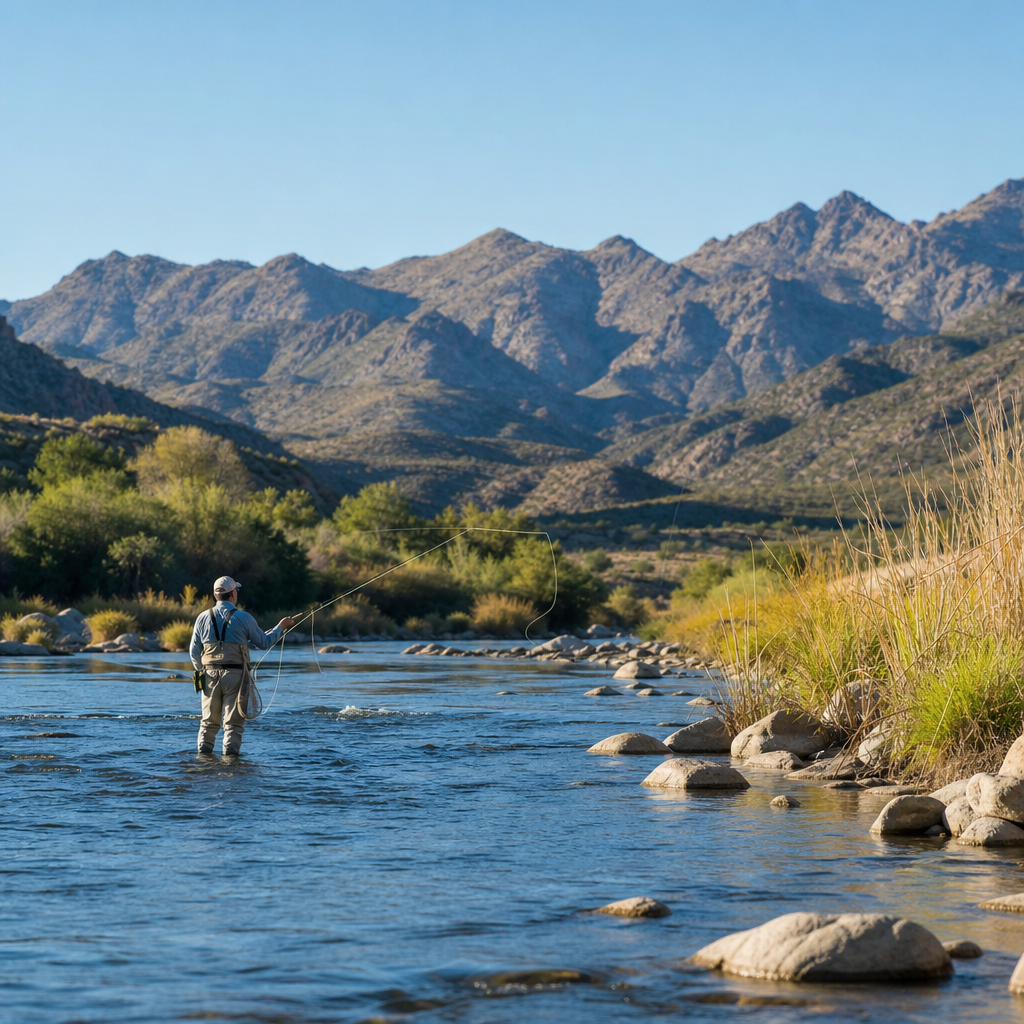
Baja California offers one of North America’s most underrated fly fishing frontiers, where desert mountains meet two productive seas and anglers can target roosterfish, dorado, yellowtail, corvina, and billfish within the same broad region. For travelers researching fly fishing destinations in North America, Baja matters because it combines accessible saltwater flats, rocky inshore structure, migratory pelagics, and long seasons into a destination that can suit beginners and veteran casters alike. In practical terms, Baja California usually refers to the Mexican peninsula stretching south from the United States border, divided politically into Baja California and Baja California Sur, with the Pacific Ocean on one side and the Gulf of California, also called the Sea of Cortez, on the other. Those two coastlines fish differently. The Pacific side is often cooler, wind influenced, and shaped by surf, kelp, and offshore banks, while the Sea of Cortez is generally warmer, calmer in selected windows, and famous for bait concentrations that attract gamefish close to shore.
I have planned trips, hired pangas, checked tide charts at dawn, and rigged fly rods on both coasts, and Baja consistently rewards anglers who match expectations to season, weather, and local geography. It is not a one-species destination. It is a network of fisheries, each with its own timing, access style, and technical demands. That is why this page works well as a hub within a larger North America fly fishing destinations section: Baja connects naturally to articles about saltwater fly fishing, beach species, bluewater options, travel logistics, and destination-specific planning for places such as Los Cabos, La Ventana, Loreto, and Magdalena Bay. If you understand the peninsula’s main zones, target species, and seasonal patterns, you can narrow your search quickly and book the right trip instead of chasing generic advice that ignores local conditions. The key is to think of Baja not as one fishery, but as several distinct fly fishing systems spread across a long, ecologically varied coastline.
Why Baja California stands out for fly anglers
Baja stands out because few destinations in North America offer this mix of variety, affordability relative to other saltwater destinations, and genuine adventure. On a single trip, an angler might fish surf beaches for corbina, run a panga along rocky points for roosterfish, blind-cast bait balls for jack crevalle, or head offshore with a 10- to 12-weight looking for dorado, tuna, sailfish, or striped marlin. That diversity exists because the peninsula channels nutrients, currents, and migrating baitfish through narrow seasonal windows. Upwelling on the Pacific side cools water and concentrates life. Summer and fall warmth in the Sea of Cortez can push dorado and billfish within range. Winter can bring yellowtail and sierra mackerel into productive inshore areas. Spring often offers transitional fishing, with less heat and fewer crowds in some zones.
For fly tackle, Baja is also unusually flexible. A 6- or 7-weight can be useful for smaller inshore species, schoolie fish, and sheltered estuary work, but most dedicated anglers bring an 8-weight for all-around use and a 10- to 12-weight for big roosters, jacks, dorado, tuna, and billfish. Intermediate lines are often the workhorse choice because much of Baja fly fishing happens from pangas around beaches, points, bait schools, and surface activity rather than on classic shallow flats. Fast-sinking heads matter when fishing deeper structure for yellowtail or probing around current edges. Leaders are usually shorter and stronger than freshwater anglers expect; abrasion from rocks, fish mouths, and heavy current is part of the game. In many cases, 20- to 40-pound fluorocarbon is standard, and heavier shock tippet is necessary for toothy species and billfish.
The other reason Baja deserves hub status in a North America destination guide is its range of trip styles. Some anglers base in resort towns and book full-service guided days. Others trailer skiffs, stay in simple hotels, or fish from the beach with local advice. That means Baja can support multiple linked destination pages: luxury lodge experiences, DIY road-trip itineraries, species-focused trips, seasonal planning guides, and gear breakdowns for travel anglers. Good destination research should answer direct questions clearly: where to go, when to go, what to target, what tackle to carry, and what conditions to expect. Baja is ideal for that kind of structured planning because success is highly location specific.
Key fly fishing regions across the peninsula
The easiest way to understand Baja California’s fly fishing spots is by region. Los Cabos, at the southern tip, is the best-known area and the easiest starting point for many visitors because it offers major airport access, abundant pangas and charter boats, and a realistic shot at roosterfish, jacks, dorado, tuna, sailfish, and marlin. The East Cape, including areas around La Ribera, Buena Vista, and Los Barriles, is especially respected among fly anglers for roosterfish along beaches and points. Early morning presentations to cruising fish in shallow water can be spectacular, but success depends on quick boat positioning and long, accurate casts with baitfish patterns.
Farther north on the Gulf side, La Ventana and nearby Cerralvo Channel have built a strong reputation for winter and spring fishing. This zone is known for large roosterfish at times, plus jacks, sierra, bonito, and occasional tuna or dorado depending on the season. Wind is a defining variable here. La Ventana is famous for strong seasonal winds that attract kiteboarders, so anglers need realistic expectations and flexible plans. When the weather lines up, however, this area can produce memorable inshore action. Loreto is another important hub, particularly for yellowtail around islands and structure during cooler months. Anglers fishing sinking lines and larger baitfish flies can do very well when bait is present and captains locate fish on sonar or bird activity.
On the Pacific side, Magdalena Bay is a destination with a different personality. It is less about polished tourism and more about mangroves, bait, estuary channels, and seasonal offshore opportunities. The bay system can hold snook, corvina, halibut, and various inshore predators, while the outer coast and nearby offshore waters can produce dorado, tuna, wahoo, and billfish in the right periods. farther north, the central and northern Pacific coast have surf species potential and strong conventional fisheries, but fly opportunities become more weather dependent and niche. Serious travelers also look at Bahía de los Ángeles, San Felipe, Mulegé, and Loreto-side areas for specialized Sea of Cortez fishing. Each subregion merits its own detailed guide because launch logistics, fish behavior, and ideal tackle differ substantially.
| Region | Best Known For | Typical Season Window | Primary Fly Setups |
|---|---|---|---|
| Los Cabos | Roosterfish, dorado, billfish, jacks | Late spring through fall | 8-weight and 10-12-weight with intermediate lines |
| East Cape | Beach roosterfish, jack crevalle, dorado | Summer through early fall | 9-weight and 10-weight with baitfish flies |
| La Ventana | Roosterfish, sierra, bonito, seasonal pelagics | Winter through spring | 8-weight to 10-weight with intermediate or sinking lines |
| Loreto | Yellowtail, bonito, dorado, inshore structure fishing | Winter for yellowtail, summer for warm-water species | 10-weight with sinking heads and stout leaders |
| Magdalena Bay | Estuary species, offshore tuna, dorado, billfish | Fall peak, variable by species | 8-weight for estuary, 10-12-weight offshore |
Target species and how Baja fisheries change by season
Roosterfish are the signature species for many traveling fly anglers in Baja, and for good reason. They are visual, aggressive, and often hunt in shallow water where takes are explosive and memorable. They are not true members of the jack family despite similar behavior, and they demand strong tackle because they pull hard and often run toward rocks or deeper water immediately after eating. Most captains present anglers to roosters by spotting fish along beaches, over bait, or around current seams, then positioning the boat for a fast cast with a sardina imitation, deceiver-style fly, or synthetic baitfish pattern. Hookups can be frequent in the right conditions, but converting follows into eats requires good strip speed and no hesitation at boatside.
Dorado, also called mahi-mahi, are another major draw. In warm months they may hold under floating debris, around current breaks, or near weed lines offshore. On fly, dorado are ideal because they are curious, fast, and often willing to eat flashy patterns stripped quickly. Tuna and billfish raise the technical stakes. Skipjack and smaller yellowfin can be excellent on a 10-weight when found on surface boils. Striped marlin and sailfish require heavier outfits, specialized boat handling, and disciplined technique during teasing and pitch presentations. A good Baja billfish captain will tease the fish close, drop a fly back cleanly, and coach the angler through the bite and clearing line. It is thrilling, but it is not beginner-level fishing.
Seasonal timing matters more than marketing copy. Summer and early fall usually bring the broadest warm-water options in the south, including dorado, billfish, roosterfish, and jacks. Winter and spring can be excellent for yellowtail around Loreto and for mixed inshore action around La Ventana, though wind may limit access. On the Pacific side, bait movement and water temperature shifts can radically change the available species. That is why anglers should verify current reports from captains rather than relying on generalized “best months” lists. A week of strong north wind, an unusual cold-water push, or reduced sardina availability can change fly fishing outcomes dramatically even during a traditionally productive season.
Planning the trip: access, guides, gear, and local realities
Most visiting anglers enter through Los Cabos International Airport, La Paz, Loreto, or Tijuana depending on which section of the peninsula they plan to fish. Los Cabos is the simplest for first-time visitors because transfer times are short and guide infrastructure is strong. Loreto is efficient for yellowtail-focused trips and Sea of Cortez exploration. La Paz opens access to La Ventana and nearby fisheries. For more remote zones such as Magdalena Bay, travel often involves a flight plus a long drive, and that extra logistics layer should be factored into the budget and schedule. If your goal is maximizing fishing time on a shorter trip, convenience matters.
Guide quality is decisive in Baja because fish location changes daily. A skilled panga captain who understands bait, birds, tide movement, and fly-friendly boat positioning is worth far more than a cheap rate attached to poor communication. When I vet a guide, I ask specific questions: Which species are realistic during my dates? What rod weights should I bring? Are intermediate or sinking lines more important? How often are shots visual versus blind-casting? What footwear is needed for beach fishing? Good operators answer directly, admit uncertainty, and discuss backup plans. Be cautious of anyone promising every species in every month. Credible guides describe probabilities, not fantasies.
Gear should be packed with Baja’s salt, sun, and abuse in mind. Bring reels with reliable sealed drags, tropical fly lines that resist wilting in heat, stripping guards if you cast often with heavy flies, and rod tubes sturdy enough for rough transfers. Polarized glasses with copper or amber lenses help on bright beaches, while blue mirror lenses can be useful offshore. Sun protection is nonnegotiable: hooded sun shirts, buffs, gloves, and high-SPF sunscreen are standard. Flies usually center on baitfish profiles in white, chartreuse, olive, blue, and tan, tied on corrosion-resistant hooks. EP-style patterns, deceivers, Clousers, tube flies for billfish, and durable poppers all have a place. Carry duplicates. Toothy fish, rocks, and hard use destroy flies quickly.
There are also practical realities that belong in any honest destination guide. Licenses and reserve permits may be required depending on location and launch. Cash is often useful for tips, fuel adjustments, small-town meals, and incidental purchases. Weather cancellations happen. Road conditions outside major corridors can be rough. Cell service may be limited in remote camps. Fish handling standards vary, so if you care about catch-and-release practices, discuss expectations before leaving the dock. Baja remains one of the most exciting fly fishing destinations in North America, but the best trips come from informed preparation rather than assumption.
How to choose the right Baja destination for your goals
If your priority is a first Baja fly fishing trip with the highest chance of varied action and easy logistics, start with Los Cabos or the East Cape. You will have access to established guides, multiple target species, and enough nearby water to adapt to conditions. If your dream is a visual inshore challenge centered on roosterfish, focus on the East Cape and ask guides specifically about beach patterns, sardina availability, and average shot distances. If you want a cooler-season trip and are comfortable with weather variability, La Ventana deserves attention. If deep structure, island scenery, and yellowtail appeal more than beach predators, Loreto is often the better match. If you prefer less-traveled water and a rougher expedition feel, Magdalena Bay can be outstanding with the right operator.
As a hub within North America’s fly fishing destinations, Baja also works best when compared honestly with alternatives. It is generally more varied than a single-species trout or salmon destination, warmer and more salt-focused than most U.S. coastal trips, and often more logistically approachable than far-flung tropical islands. At the same time, it can be windier, less predictable, and more physically demanding than brochures suggest. Good casters get more shots. Flexible travelers fish more effectively. Anglers who embrace local knowledge, carry the right tackle, and choose a region aligned with the season usually leave with a far better impression than those who try to force one generic plan onto a huge peninsula.
The main takeaway is simple: Baja California is not just one fly fishing spot, but a collection of highly productive North American fisheries that reward targeted planning. Learn the regions, match your trip to the season, and book guides who speak clearly about conditions and species. From roosterfish on surf lines to dorado offshore and yellowtail around island structure, Baja delivers range that few destinations can match. Use this page as your starting point, then explore deeper regional guides, seasonal species articles, and gear-specific resources to build the trip that fits your goals.
Frequently Asked Questions
What makes Baja California such a unique fly fishing destination?
Baja California stands out because very few places in North America offer the same mix of environments, species diversity, and seasonal opportunity in one broad region. On a single trip, anglers can explore surf beaches, shallow estuaries, rocky shorelines, offshore structure, and bluewater zones where migratory gamefish move through. That means fly fishers are not limited to one style of fishing. Depending on conditions and location, you might cast to roosterfish in the wash, target corvina and other inshore species on calmer flats and estuary edges, probe rocky points for yellowtail, or head farther out for dorado and even billfish when warm-water currents bring them within range.
Another reason Baja is so compelling is the contrast between its landscapes and fisheries. The peninsula’s desert backdrop meets two highly productive marine systems, creating a setting that feels remote and dramatic while still being relatively accessible for travelers from the United States and Canada. For fly anglers, that translates into a destination with real adventure but without requiring an expedition to the other side of the world. Baja can reward technical presentations in shallow water, aggressive stripping for fast pelagics, and opportunistic sight fishing when bait and conditions line up. That range is exactly why it appeals to both experienced saltwater anglers and newcomers who want a destination with multiple ways to succeed.
What species can fly anglers realistically target in Baja California?
Baja offers one of the most exciting species lists in North American fly fishing, especially for anglers interested in saltwater. Roosterfish are often at the top of the list because they are iconic, visual, and powerful, frequently encountered in the surf line or along beaches where bait is concentrated. Dorado are another major draw, especially during warmer months, because they are aggressive feeders that often respond well to flies when found around current lines, floating debris, or bait schools. Yellowtail provide a different challenge, often relating to structure and requiring anglers to fish deeper or around rocky areas where strong currents and fast retrieves can make the difference.
Corvina and other inshore species add another dimension, particularly for anglers who enjoy lighter tackle or more technical presentations in shallower water. Depending on the exact area and season, fly fishers may also encounter jacks, sierra, snapper, triggerfish, and billfish. The billfish potential is one of Baja’s most remarkable advantages. While not every angler comes specifically for marlin or sailfish on fly, the fact that such opportunities exist within the same regional fishery says a lot about Baja’s productivity. Realistically, success depends on timing, weather, water temperatures, and local knowledge, but the diversity is absolutely real. Baja is not a one-species destination; it is a place where your target list can change day by day based on conditions and ambition.
When is the best time of year to go fly fishing in Baja California?
The best time depends on which species you want to prioritize, but one of Baja’s biggest strengths is that it offers a long and flexible fishing calendar. In general, warmer months tend to increase the chances for pelagic species such as dorado and billfish, especially when bluewater conditions stabilize and bait becomes abundant. Summer into early fall is often considered prime time for anglers focused on offshore action, while beach and inshore opportunities can remain productive across broader parts of the year depending on local water temperatures and bait movements.
Cooler seasons can still fish very well, particularly for certain inshore species and structure-oriented fish, and many anglers prefer shoulder seasons because weather can be more comfortable and crowds may be lighter. Roosterfish, for example, are often associated with warmer periods, but regional timing matters and local guides can be invaluable in narrowing down the best windows. Wind is another major consideration in Baja, sometimes even more important than the calendar itself. A month with traditionally strong fishing can still be difficult if persistent wind limits boat access or makes beach casting challenging. For that reason, the smartest approach is to match your target species to a realistic seasonal window and then speak with a local lodge, guide, or outfitter about current patterns. Baja rewards anglers who plan around species and conditions rather than assuming there is one perfect month for everything.
Is Baja California a good choice for beginner fly anglers, or is it better suited to experts?
Baja can be excellent for both beginners and experienced anglers, which is part of its appeal. For newer fly fishers, the destination offers a chance to learn saltwater fundamentals in a setting where fish are often aggressive and a variety of techniques can produce results. Casting from beaches, working baitfish patterns through likely structure, and learning how current, wind, and bait movement affect feeding fish are all highly practical lessons in Baja. A beginner who hires a good guide and arrives willing to practice can have a genuine shot at memorable fish without needing years of technical flats experience.
At the same time, Baja offers plenty to challenge veteran casters. Wind management, long casts into surf, fast strip presentations, accurate placement around structure, and adapting to rapidly changing offshore conditions all demand skill. Pursuing roosterfish from shore, teasing billfish into fly range, or dialing in deeper presentations for yellowtail can be highly technical and physically demanding. The key is that Baja scales well. A first-time saltwater angler can focus on accessible species and straightforward scenarios, while a seasoned angler can build an itinerary around more specialized opportunities. In practical terms, that means Baja works especially well for mixed-skill travel groups too. One angler can chase a bucket-list challenge while another enjoys productive and less complex inshore fishing on the same trip.
What should anglers know before planning a fly fishing trip to Baja California?
The first thing to understand is that preparation matters because Baja’s opportunities are broad, but conditions can change quickly. Before booking, decide whether your priority is surf fishing, inshore structure, estuaries, panga-based coastal fishing, or bluewater fly fishing. That choice will shape everything from your travel base to your tackle selection and guide needs. In many cases, an 8- to 10-weight setup covers a lot of Baja inshore fishing, while heavier rods may be necessary for offshore species or billfish. Strong reels with reliable drags, saltwater-safe lines, durable leaders, and flies that imitate sardina, mullet, anchovies, and other local baitfish are all important. Because sun and wind exposure can be intense, proper clothing, eye protection, hydration, and stripping gloves are more than comfort items; they are practical necessities.
It is also wise to think beyond gear. Local knowledge is a major advantage in Baja because fish movement often tracks bait, tide, weather, and water temperature in ways that are highly location-specific. A respected guide can dramatically shorten the learning curve and help you fish safely and efficiently, especially if you are navigating launches, surf zones, or offshore conditions for the first time. Travelers should also research access points, licensing requirements, seasonal regulations, and transportation logistics in advance. Some fisheries are easy to reach, while others feel much more remote and reward careful planning. Finally, go in with flexible expectations. Baja is a destination where conditions may shift overnight, but that same unpredictability is part of what makes it exciting. The anglers who do best are usually those who arrive prepared, stay adaptable, and embrace the wide range of opportunities the peninsula offers.