Fly fishing in Croatia combines clear karst rivers, wild trout, and a compact geography that lets anglers sample several distinct waters in one trip. As a European fly fishing destination, Croatia sits at the meeting point of Mediterranean climate, Dinaric limestone, and Alpine-style coldwater systems, producing rivers that are unusually transparent, mineral rich, and structurally diverse. For anglers building a Europe itinerary, Croatia matters because it offers both iconic sight-fishing streams and less publicized waters where technical presentation still matters more than distance. In practical terms, fly fishing here usually means pursuing brown trout, grayling, rainbow trout in stocked sections, and in a few places huchen or softmouth trout, a rare Balkan species tied to Adriatic drainage systems. The key terms are straightforward: spring creeks are groundwater-fed rivers with stable flows and prolific insect life; freestone rivers respond more directly to rain and snowmelt; catch-and-release sections protect larger fish and improve age structure. I have fished these rivers in changing water levels and bright summer light, and Croatia rewards anglers who arrive with accurate casts, light leaders, and realistic expectations about stealth. It is not simply a scenic alternative to Slovenia or Bosnia. It is a serious destination in its own right, with regulated beats, local club management, and a growing role within European fly fishing travel.
Why Croatia stands out in Europe
Croatia stands out because its best fly waters are highly fishable, geographically concentrated, and still underrepresented compared with famous Western European rivers. The country’s strongest trout and grayling fisheries are mainly in the inland karst belt and Gorski Kotar region, where cold springs and porous limestone create rivers with long sight lines and steady summer temperatures. Unlike some larger European destinations, travel times between rivers can be short enough to change plans based on weather, hatches, or permit access. That flexibility matters. On one trip, I moved from the Gacka’s slow glides to smaller pocket water tributaries within a few hours, changing from long-leader dry fly fishing to tight-line nymphing without changing regions entirely.
For European anglers, Croatia also offers a different species mix and watershed story. Adriatic-draining rivers hold native lineages that require more careful handling and stricter local awareness than many put-and-take systems elsewhere. Softmouth trout, where protected or regionally significant, are not just another checklist fish; they are part of a conservation narrative shared across the western Balkans. In addition, Croatia’s fisheries often operate through angling associations that manage beats, day permits, and stocking decisions locally. That means rules can vary by river and section. Barbless hooks may be required, lure restrictions may differ, and some waters are fly-only while others are mixed-use. For a Europe hub article, that local structure is important because Croatia teaches a broader lesson about continental fly travel: always treat regulations as river specific, not countrywide assumptions.
Best fly fishing locations in Croatia
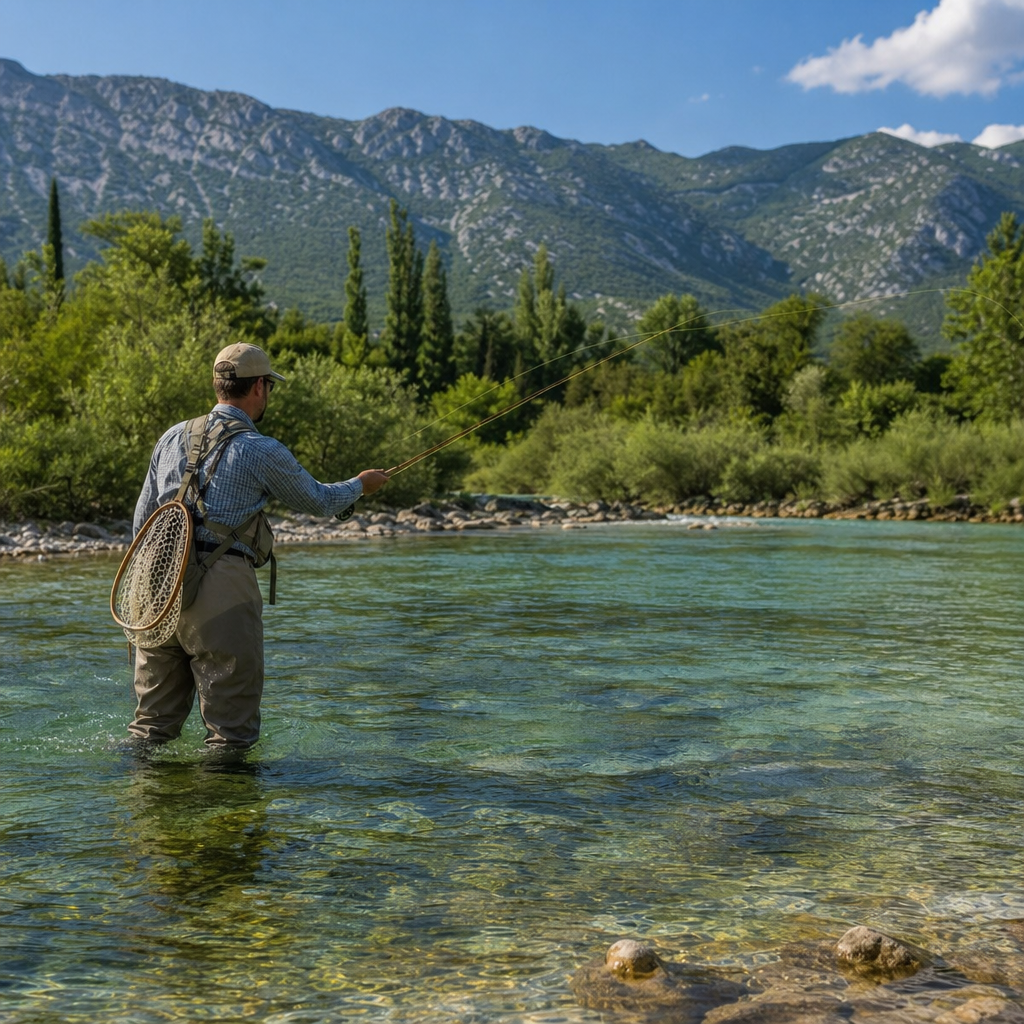
The Gacka River is Croatia’s flagship fly fishing water and one of Europe’s classic spring creeks. Near Otočac, it flows slow, smooth, and startlingly clear over weed beds, undercut edges, and gentle bends that magnify every mistake in approach. Brown trout and grayling are the main draw. Fish often hold in deceptively shallow water, feeding selectively on midges, mayflies, and caddis, so long leaders and exact drag-free drifts are essential. The Gacka is not difficult because of current speed; it is difficult because fish see everything. Wading can be limited or unnecessary in many reaches, and that suits anglers who prefer bank stalking and carefully chosen shots.
The Kupa and Kupica rivers in Gorski Kotar provide a different experience. These waters are more varied, with runs, riffles, pools, and wooded banks that create intermittent opportunities for dry flies, nymphs, and streamers. The Kupa is also notable in parts for huchen fishing during legal seasons and under strict rules, though most visiting fly anglers focus on trout and grayling opportunities. The Kupica is smaller and often more intimate, rewarding precise short-to-medium casts. If the Gacka is a technical spring creek classroom, the Kupa system is where versatile river skills pay off.
The Una, especially near the Croatian border region, is better known from the Bosnia and Herzegovina side, yet it influences how many anglers plan regional trips because it forms part of a broader cross-border Balkan fly circuit. Mentioning it in a Croatia hub is useful because anglers often combine Croatian accommodation and transport with sessions on neighboring rivers. The same applies to the Korana, Mrežnica, and Dobra, which can fish well for trout and provide quieter alternatives when famous waters are crowded. These rivers may not all carry the international reputation of the Gacka, but they are important for anglers who value exploration over destination branding.
| River | Primary Species | Water Type | Best Approach | What Makes It Special |
|---|---|---|---|---|
| Gacka | Brown trout, grayling | Spring creek | Long leaders, dry flies, small nymphs | Exceptional clarity and sight fishing |
| Kupa | Trout, grayling, seasonal huchen | Mixed current river | Nymphing, dry-dropper, streamers | Versatile structure and larger-water options |
| Kupica | Brown trout, grayling | Smaller freestone-karst mix | Accurate short casts, pocket-water reads | Technical fishing in intimate settings |
| Korana/Mrežnica | Trout | Clear karst rivers | Stealth, dry flies, light nymph rigs | Lower pressure and exploratory value |
Best seasons, hatches, and river conditions
The best time for fly fishing in Croatia usually runs from spring through autumn, but the ideal window depends on river type and target technique. Spring brings cool water, active nymphing, and the first reliable mayfly and caddis activity. On the Gacka, late spring is often the most balanced period because weed growth has not yet peaked, fish are active after winter, and hatches become consistent enough for dedicated dry fly sessions. Summer can be excellent in spring-fed systems because water temperatures remain comparatively stable, but bright sun and low clear flows make stealth mandatory. Early starts, late evenings, and overcast days become disproportionately valuable.
Autumn is a strong choice for anglers who prefer subsurface fishing and fewer crowds. Fish feed hard before winter, terrestrial patterns lose importance, and weighted nymphs or small streamers can move larger trout. However, autumn also requires attention to spawning periods and local closures, particularly on rivers with sensitive wild stocks. Winter opportunities are limited and highly regulation dependent, so visiting anglers should not assume year-round access. River condition awareness matters as much as calendar timing. Karst rivers can remain clear longer than classic freestones after rain, but sudden weather shifts still affect visibility and fish behavior. I have had Croatian days where a river looked perfect at midday yet became technically difficult because direct overhead light exposed every leader flash. In these systems, cloud cover can matter as much as water level.
Core techniques that consistently work
The most productive techniques in Croatia are dry fly fishing, European-style nymphing, dry-dropper setups in mixed water, and selective streamer use in deeper pools or during low-light periods. On clear spring creeks like the Gacka, the default method is a long leader with a small dry fly or lightly weighted nymph. Think size 16 to 22 patterns rather than oversized attractors. CDC emergers, pheasant tails, zebra midges, F-flies, and sparse caddis imitations all earn space in the box. Presentation beats pattern obsession. A perfect cast six feet above the fish with natural drift is better than the exact entomological match with micro drag.
On the Kupa and Kupica, contact nymphing becomes more useful because current seams, depth changes, and broken surface texture allow closer approaches. A 10-foot 3-weight or 4-weight rod handles much of this work well, though a 9-foot 5-weight offers better versatility if you plan to carry one setup across multiple rivers. In pocket water, short drifts with tungsten nymphs can be effective, but avoid over-weighting in clear shallows where fish spook from unnatural bottom contact. Dry-dropper rigs shine during mixed hatch periods, especially when fish opportunistically rise but still take subsurface food.
Streamer fishing in Croatia is not the first technique most visiting anglers imagine, yet it can be decisive on overcast autumn days, in higher flows, or when pursuing larger predatory fish. Keep patterns modest. Natural olive, black, white, and tan baitfish profiles outperform gaudy options on pressured clear rivers. Strip speed should match water temperature and fish mood. In cold conditions, slower swings and short pulses are often better than aggressive retrieves. The Croatian lesson is simple: fish realistically, move carefully, and let water type determine method.
Gear, permits, guides, and planning details
For most Croatian fly fishing, a 3-weight to 5-weight trout outfit covers nearly everything. Bring floating lines first; sink tips are secondary and mainly useful on deeper sections of larger rivers. Leaders from 12 to 15 feet are standard on spring creeks, with fluorocarbon tippet in fine diameters for nymphing and nylon preferred by many anglers for dry fly turnover. Polarized glasses are mandatory, not optional. On rivers this clear, they are part of fish detection, safety, and strategy. Wading gear depends on season and beat access. Some stretches are easily fished from the bank, while others reward careful wet wading in summer or light breathable waders in spring and autumn.
Permits are generally managed locally through clubs, lodges, or outfitters, and rules can change between neighboring waters. Always verify whether a beat is fly-only, catch-and-release, barbless-only, or limited by daily quota. In my experience, hiring a local guide for at least the first day saves time not just through fish location but through reading access points, understanding beat rotation, and identifying what fish are actually eating. Croatia is not a destination where brute-force coverage solves unfamiliarity. Subtle rises, aquatic weed channels, and bank-side approach angles matter. Guides also help with language, permit logistics, and current local closures. If you are planning a broader Europe fly fishing trip, Croatia works best when paired with Slovenia or Bosnia and Herzegovina, but it also stands on its own for a focused week centered on the Gacka and Gorski Kotar.
Fly fishing in Croatia is at its best when anglers treat it as a technical, conservation-aware European destination rather than a scenic afterthought. The country offers famous water like the Gacka, versatile systems like the Kupa and Kupica, and enough secondary rivers to reward repeat visits. Success comes from matching method to river type: long leaders and stealth on spring creeks, adaptive nymphing on mixed-current rivers, and restrained streamer tactics when conditions justify them. Timing matters, especially around spring hatches, summer light, and autumn regulations, but planning matters even more. Verify permits locally, respect species protections, and expect rules to differ by beat. The main benefit of fishing Croatia is not simply numbers of fish. It is the quality of the challenge: clear water, visible trout, meaningful presentation, and river systems that reflect the best of fly fishing in Europe. If Croatia is on your destination shortlist, build your itinerary around two or three contrasting rivers, book at least one guided day, and fish it with patience.
Frequently Asked Questions
What are the best fly fishing locations in Croatia for trout and grayling?
Croatia has several standout fly fishing rivers, but the best location depends on whether you want technical sight-fishing, easy access, or a mix of species and water types. The most talked-about trout and grayling destinations are the Gacka, Kupa, Mrežnica, Una border stretches, and parts of the upper Kupa and its tributaries. The Gacka River is often the headline water because of its exceptional clarity, stable flow, rich weed growth, and large wild trout. It is a classic spring-creek style river where long leaders, accurate presentation, and careful wading matter. Anglers visit Gacka for selective fish, smooth glides, and visible feeding lanes that reward patience and refined dry-fly or nymph tactics.
The Kupa system offers a different experience. In its upper reaches, especially near forested mountain sections, the river feels more alpine and can hold healthy populations of trout and grayling in varied runs, riffles, and pools. This makes it appealing if you want more diverse structure and less purely technical spring-creek fishing. The Mrežnica is another attractive option because of its clear water, cascades, and scenic beauty, though local regulations and fishable sectors should always be checked in advance. Depending on the section, it can provide excellent dry-fly opportunities in warmer months.
For anglers planning a multi-river trip, Croatia’s compact geography is a major advantage. It is possible to fish one style of river in the morning and be in a completely different watershed within a manageable drive. That means you can combine iconic sight-fishing on a limestone spring river with freestone-style pocket water or wider glides on another system. If your goal is a classic Croatian first trip, many experienced anglers prioritize the Gacka for technical trout fishing, then add one or two contrasting rivers such as the Kupa or Mrežnica to experience the range that makes Croatia so compelling.
When is the best time of year to go fly fishing in Croatia?
The best time to fly fish in Croatia generally runs from spring through early autumn, but the ideal window depends on river type, weather patterns, and the techniques you most enjoy. Late spring and early summer are often considered prime because water levels are usually more favorable than in early runoff periods, insect activity increases, and fish become more consistently active. On many Croatian rivers, May and June offer some of the most balanced conditions for dry flies, nymphing, and general trout fishing. This is the period when anglers can encounter strong mayfly and caddis activity, comfortable temperatures, and enough daylight to fish both morning and evening sessions.
Summer can be excellent, especially on cold, spring-fed and karst systems that maintain clear, cool flows even when temperatures rise. This is one reason Croatia stands out in Europe. Rivers influenced by limestone geology often remain highly fishable and visually spectacular, creating ideal conditions for sight-fishing. However, midsummer also means fish can become selective, especially on famous waters that see angling pressure. During hot bright days, early mornings and evening rises may be more productive than the middle of the afternoon. Terrestrial patterns, fine tippets, and stealth become increasingly important.
Early autumn is another strong option, particularly for anglers who enjoy fewer crowds, changing colors, and aggressive fish feeding before colder weather sets in. September can be superb on some rivers, with stable conditions and excellent dry-dropper or nymph fishing. That said, exact timing varies by watershed and annual rainfall. Before finalizing a trip, it is wise to check local season openings, current regulations, and river conditions with a guide, lodge, or local club. Croatia’s fisheries can be outstanding across several months, but matching your visit to the right river and hatch calendar will significantly improve the experience.
What fly fishing techniques work best on Croatia’s clear karst rivers?
Croatia’s clear karst rivers reward precision, subtlety, and observation more than brute-force coverage. Because the water is so transparent, fish often see the angler long before the angler gets a cast. The most effective approach usually starts with careful positioning, slow movement, and a willingness to spend time watching current seams, weed lines, and feeding rhythm. On spring-creek style rivers such as the Gacka, long leaders and delicate presentations are essential. Dry-fly fishing can be exceptional when trout are visibly rising, but success often depends on matching not only the hatch but also the exact drift speed and angle. A perfectly good pattern presented poorly will often be refused in these conditions.
Euro nymphing and other tight-line methods can also be highly effective, especially in deeper slots, transition water, and days when fish are not rising confidently. On clearer rivers, the advantage of controlled depth and direct contact helps anglers detect subtle takes from fish holding close to weed beds or just off current tongues. That said, lighter flies, finer tippet diameters, and natural drifts usually outperform heavy, splashy presentations. In some sections, a tandem rig with a slim anchor fly and small natural imitation above can be especially productive.
Dry-dropper setups work well when covering mixed water, particularly on rivers with riffles leading into glides. They let you prospect efficiently while still offering a visible surface reference. During summer, terrestrial patterns such as beetles, ants, and small hoppers can be excellent, especially on quieter banks or under overhanging vegetation. Streamers have a place too, mainly for larger trout in lower light or during higher, slightly colored conditions, but streamer fishing is typically more situational than on bigger or less transparent rivers. Overall, the key to Croatian fly fishing is adapting to visibility: fish can inspect everything, so stealth, leader construction, fly size, and drift quality matter as much as fly selection itself.
Do I need a guide, permits, or special planning for a fly fishing trip in Croatia?
Yes, permits and advance planning are important, and for many visiting anglers a guide is highly recommended, especially on a first trip. Croatian fishing rights are often managed locally, which means rules, access systems, daily permits, catch-and-release requirements, and beat structures can vary from one river to another. You should never assume that one permit covers all waters. Some rivers or sections may be fly-only, some may have specific seasonal restrictions, and others may limit the number of anglers per day. Checking the current rules for each river is essential, as regulations can change and may differ even within the same watershed.
Hiring a local guide can save a great deal of time and improve both logistics and fishing results. On highly technical clear-water rivers, local knowledge is incredibly valuable. A guide can help you understand where fish hold under changing light, which hatches are relevant that week, how local anglers rig for specific beats, and when certain sectors fish best. Guides also help with practical details such as permit acquisition, transport between waters, language barriers, and identifying the most suitable river based on recent rain, temperature, and water level. In a destination with multiple compact but distinct fisheries, this flexibility can make the difference between a good trip and an exceptional one.
It also pays to plan around geography. Croatia allows anglers to combine fishing with relatively short transfers compared with many larger European destinations, but you still want a sensible route. Consider whether you want one base near a flagship river or an itinerary that samples several regions. Book permits and accommodation early for peak periods, especially if targeting famous trout waters. Bring wading gear suited to slick limestone and variable riverbeds, and always confirm whether felt soles are allowed or discouraged. A well-planned trip in Croatia is straightforward and rewarding, but the best results come from treating each river as its own fishery with its own rules, tactics, and seasonal rhythm.
What gear and fly patterns should I bring for fly fishing in Croatia?
A versatile trout setup is ideal for Croatia, but the exact gear should reflect the kinds of rivers you plan to fish. For most situations, a 9-foot 4-weight or 5-weight rod is the best all-around choice. A 4-weight excels on technical dry-fly water and delicate presentations, while a 5-weight gives you more range if you expect nymphing, wind, or larger fish. If your trip focuses heavily on spring creeks and selective trout, many anglers also like a softer 3-weight or light 4-weight for close, refined work. For Euro nymphing, a longer specialized rod in the 10- to 11-foot range can be a major advantage on certain rivers, especially when controlling drifts in complex current seams.
Leader and tippet selection are especially important because Croatian waters are so clear. Long tapered leaders, often 12 feet or more, are extremely useful for dry flies. Carry fluorocarbon and nylon tippet in fine diameters so you can adjust to cautious fish and changing conditions. Polarized glasses are non-negotiable in Croatia; they are essential for spotting fish, reading structure, and moving safely through transparent but often deceptively deep water. Good wading boots with strong grip matter as well, since karst and limestone riverbeds can be very slippery.
As for flies, bring a broad but refined selection rather than a huge box of oversized patterns. Small mayfly duns, emergers, caddis adults, and midge imitations