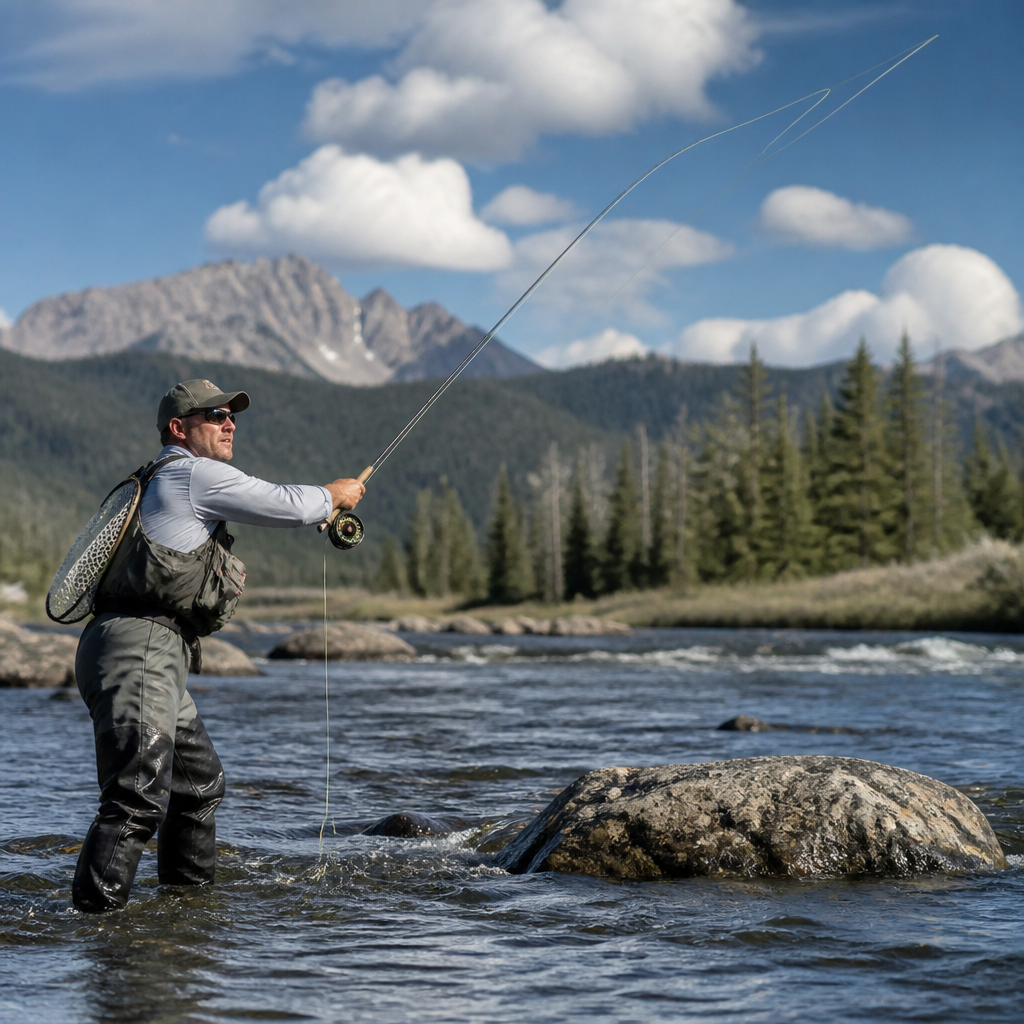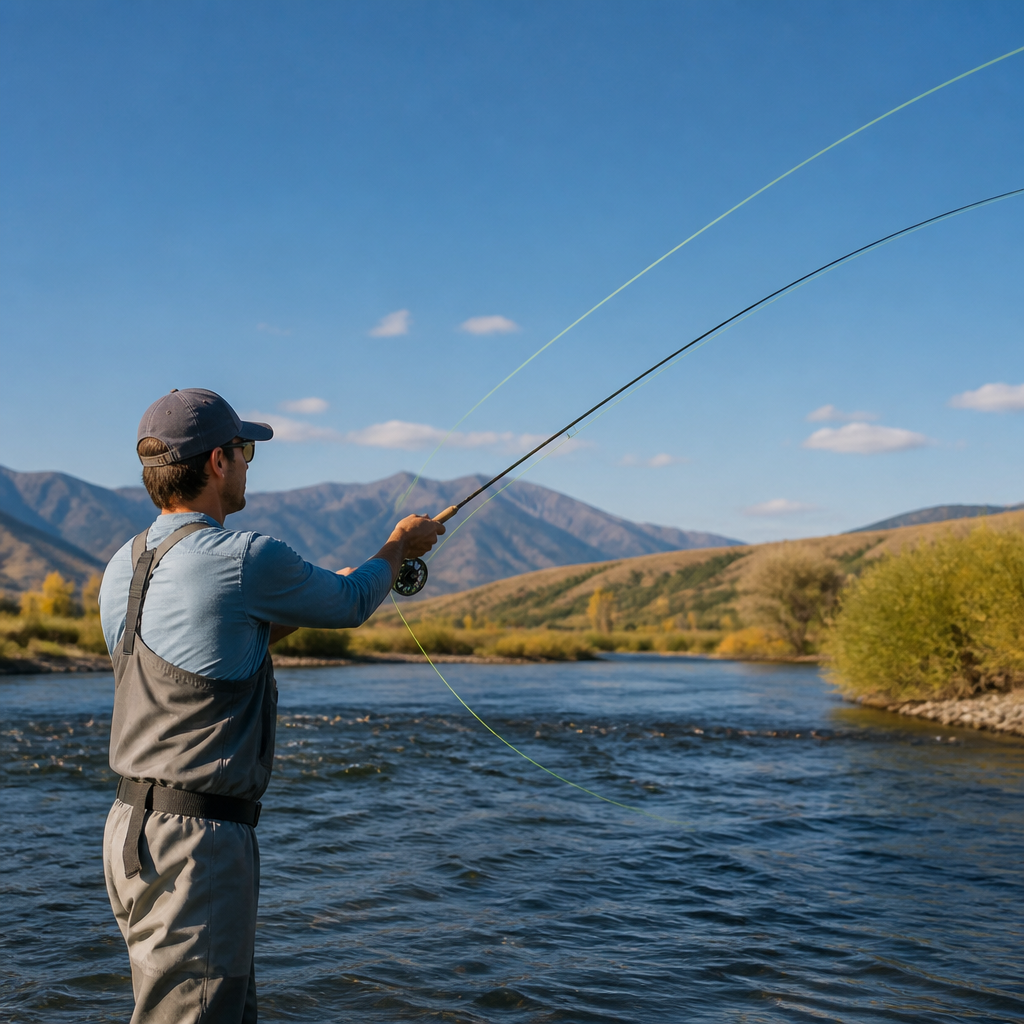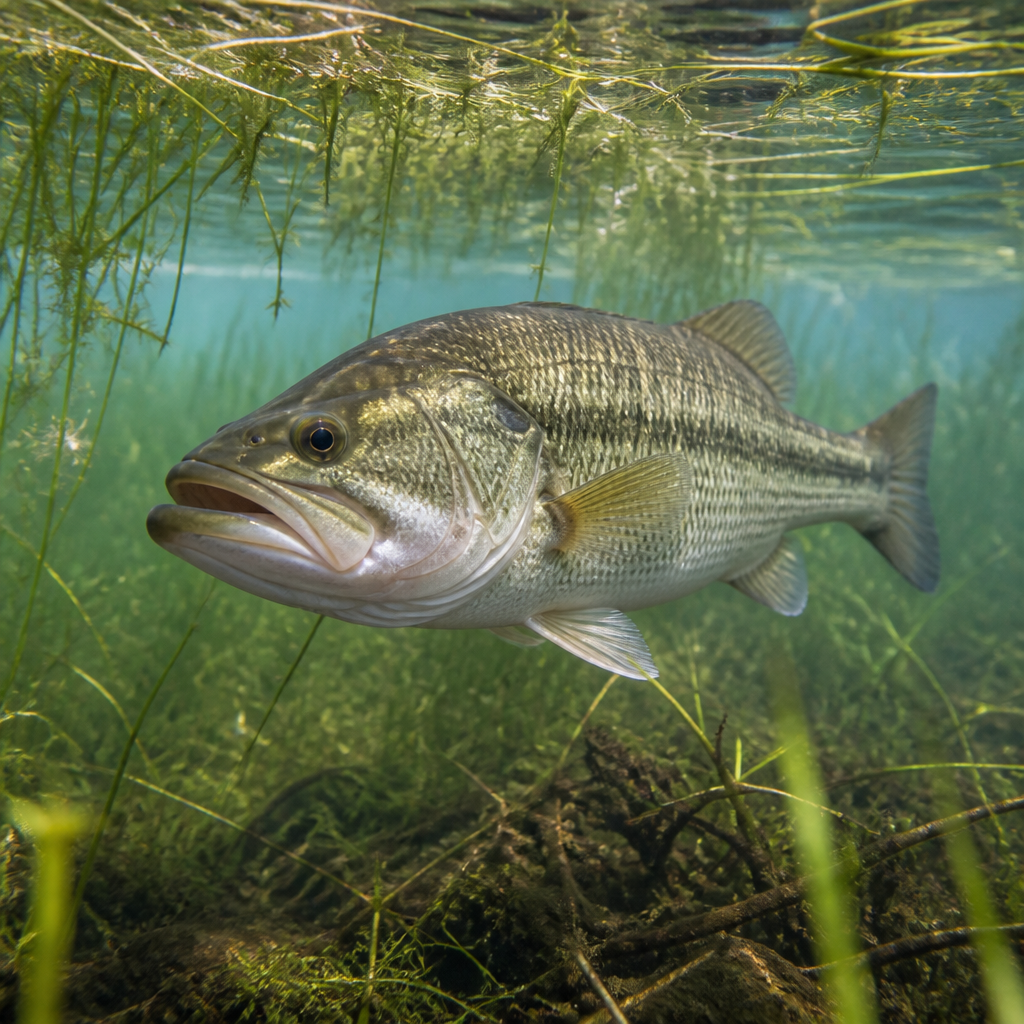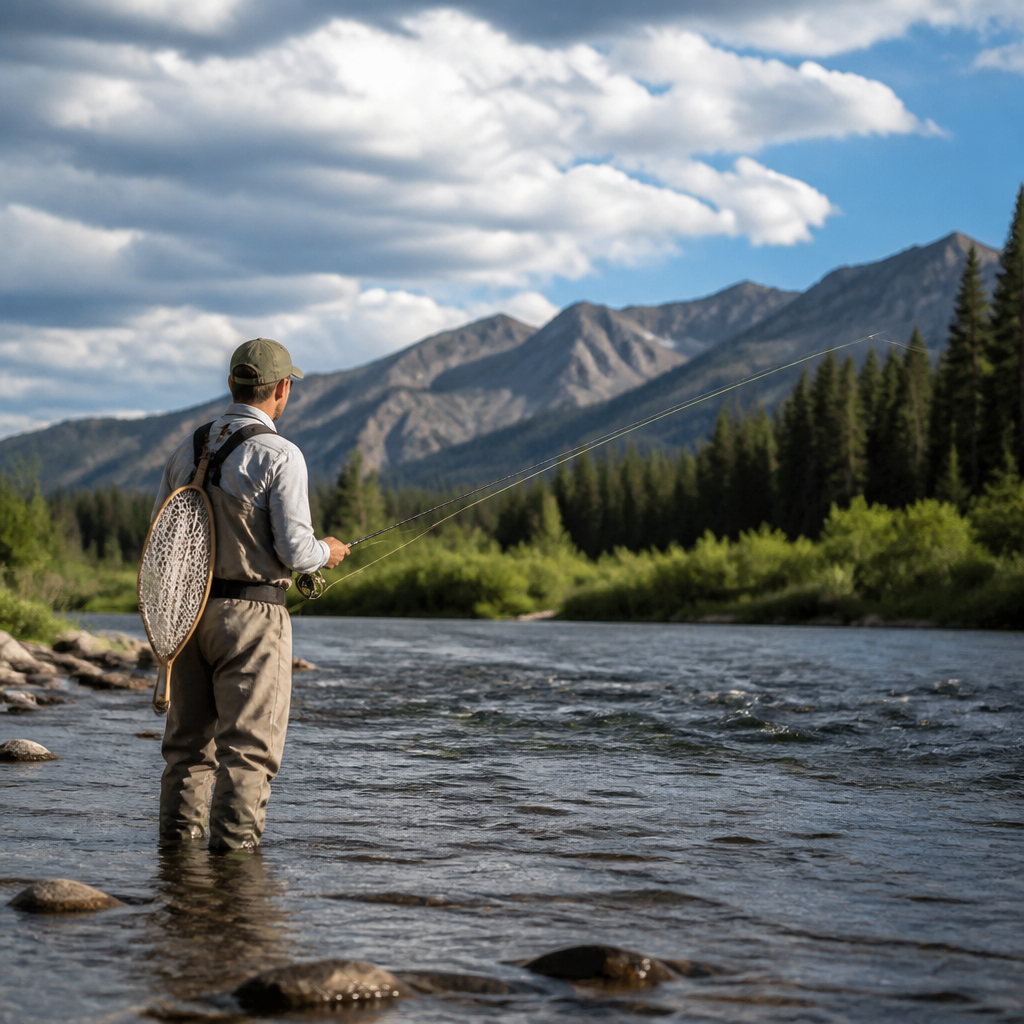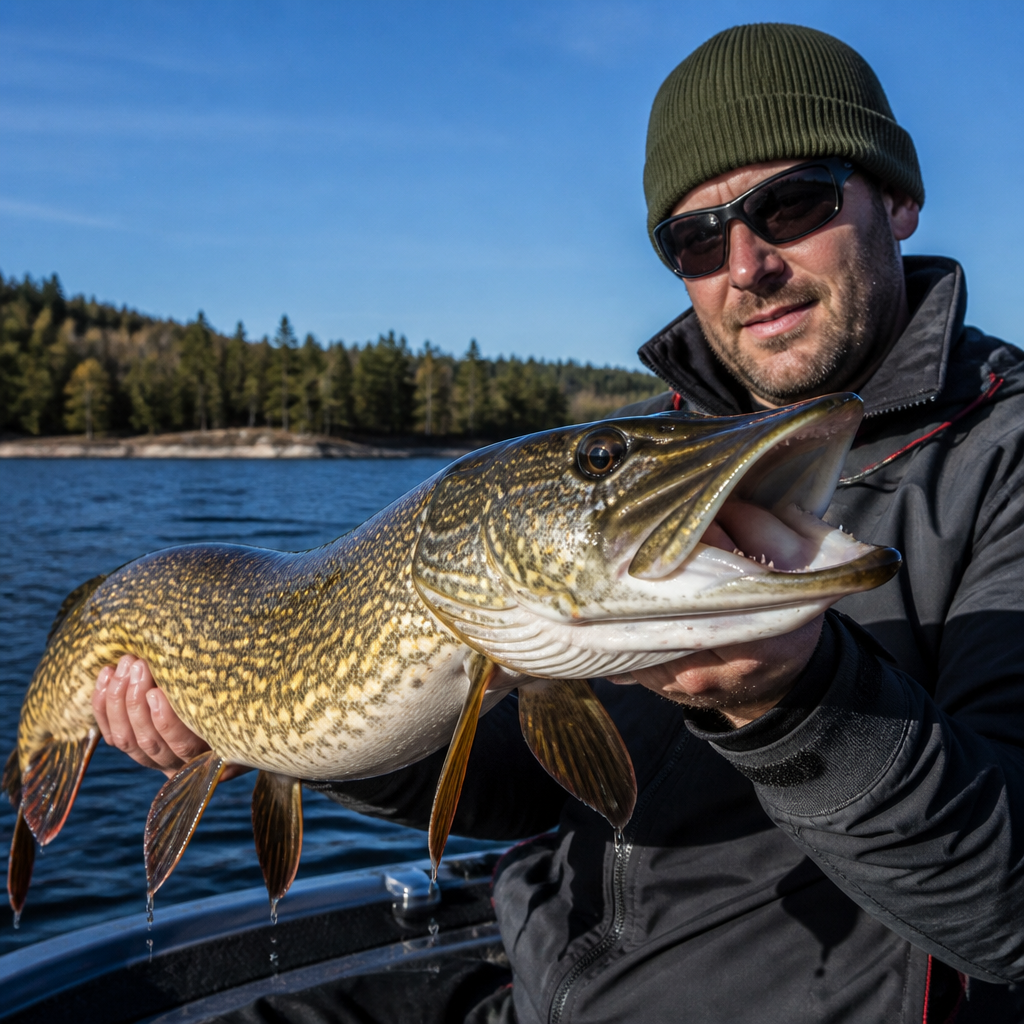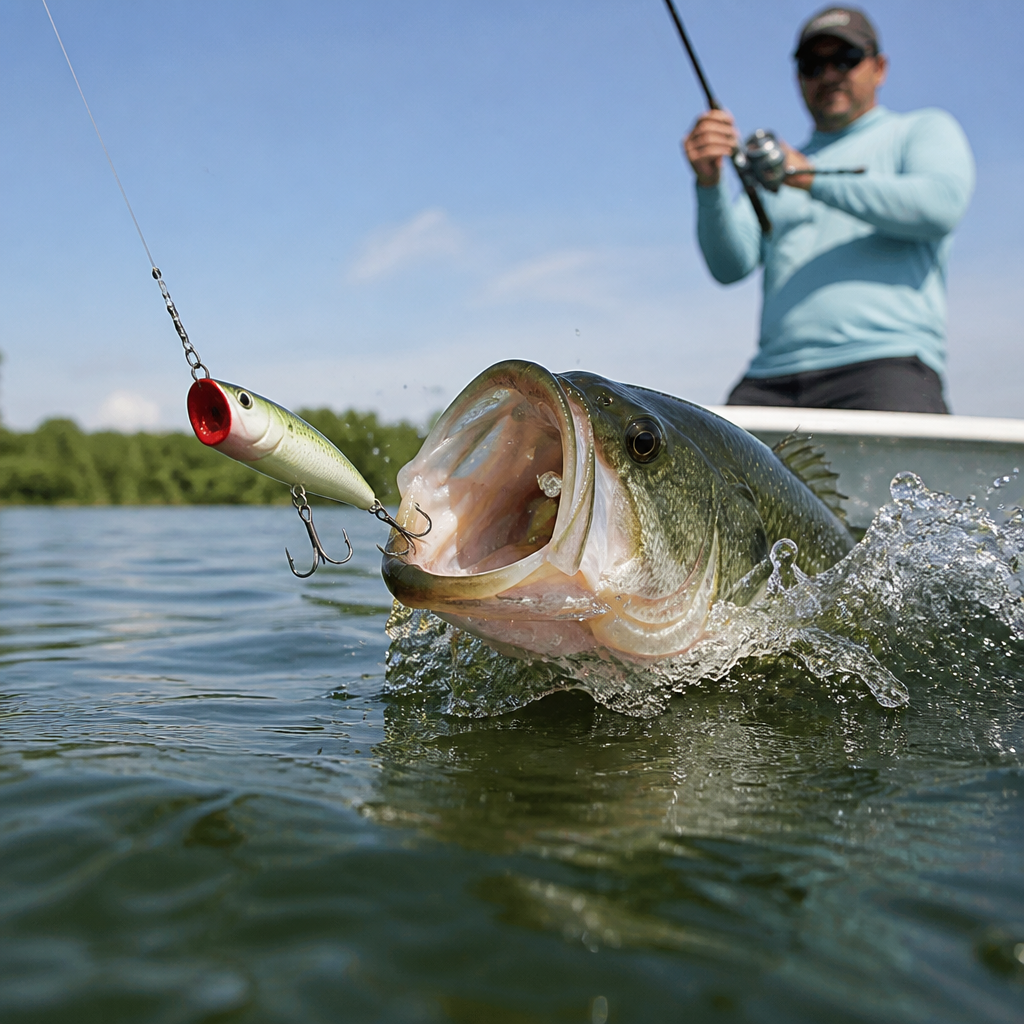
Fishing with poppers is one of the most visual, aggressive, and rewarding ways to catch predatory fish, because the strike happens on the surface where you can see every move. In angling terms, a popper is a hard-bodied topwater lure with a concave or cupped face designed to push water, create a popping sound, and imitate a distressed baitfish, frog, insect, or fleeing prey. Anglers use poppers across freshwater and saltwater fisheries for species such as largemouth bass, smallmouth bass, peacock bass, striped bass, bluefish, roosterfish, trevally, tuna, and many inshore predators. I have spent enough dawns walking banks, poling flats, and casting reef edges to know that popper fishing is not random excitement. It is a method built on lure design, retrieve cadence, boat position, seasonal timing, and disciplined hook-setting.
This specialized technique matters because surface feeding windows are often brief, highly pattern-driven, and easy to miss if you do not understand what triggers a strike. Poppers excel when fish are hunting upward, pinning bait against structure, or reacting to sound and commotion in low light, wind chop, or feeding frenzies. They also cover water efficiently. A single lure can call fish from distance, probe weed edges, skip under docks, or tempt offshore predators busting bait. As a hub within advanced fishing methods, popper fishing connects directly to casting accuracy, reading water, matching forage, line selection, boat control, and fish-specific strategy. Learn those connections, and poppers stop being occasional “fun baits” and become dependable tools for targeting aggressive fish in the right conditions.
The key terms are straightforward. “Walking” refers to making a lure zigzag across the surface. “Popping” means a short rod snap that makes the cup face spit or chug water. “Pause cadence” describes the rhythm of movement and rest. “Slack management” is controlling line so the lure reacts cleanly without being dragged unnaturally. “Sweep set” is a controlled sideways hook set used when fish slash at topwater lures. Understanding these concepts is essential because the biggest mistake beginners make is overworking the bait. Experienced anglers know that the right amount of commotion, followed by dead-still hesitation, often converts follows into committed strikes.
Poppers are not all the same. Small finesse models imitate insects, fry, and tiny shad in calm freshwater. Mid-size bass poppers usually range from 2 to 3 inches and are tuned for precise casts around cover. Large cup-faced saltwater poppers are built to move substantial water, withstand heavy drag pressure, and call pelagic predators from depth. Material, weight transfer systems, hook size, tail dressing, and body posture all affect sound and action. A feathered rear treble can extend the bite window on a pause. Through-wire construction matters when targeting powerful saltwater fish. Internal rattles can help in stained water, but in heavily pressured lakes a silent popper may get more bites. Choosing correctly starts with understanding where and how the lure will be fished.
How poppers work and when to use them
Poppers trigger fish through three signals: sound, surface disturbance, and silhouette. The cupped face bites into water during a rod twitch, producing a bloop, spit, or chug that resembles injured prey struggling at the surface. Predators are conditioned to investigate those cues because wounded baitfish are easy meals. In clear water, fish often rise because they can see the lure’s outline against the sky. In dirty water or wind, they may home in more on vibration and noise. This is why poppers often outperform subtle topwaters when chop breaks up the surface or when bait is being harassed in shallow cover.
Best conditions include early morning, late evening, overcast skies, light wind, bait presence, and water temperatures warm enough to encourage upward feeding. That said, I have seen poppers produce at midday when bluegill were bedding, mullet were showering, or current concentrated bait. Around current seams, reef wash, points, riprap, weed lanes, mangroves, and dock shade, poppers can draw reaction strikes from fish holding ambush positions. In freshwater, post-spawn bass often guard fry or feed around bream colonies and attack a paused popper violently. In saltwater, schools of jacks, bluefish, or trevally can be called up from deeper water by repeated chugs over structure or bait marks.
Poppers are less effective in a few scenarios. Thick mats usually favor frogs. Extremely cold water often calls for slower subsurface presentations. Ultra-calm, high-pressure conditions on heavily pressured waters may require a tiny profile, longer pauses, and softer spits rather than loud chugs. Knowing when not to throw a popper is part of mastering the technique.
Choosing the right popper, rod, reel, and line
Proper tackle should match lure size, cover, and fish strength. For bass, a 6’8″ to 7’2″ medium or medium-heavy rod with a fast action gives casting control and enough tip to impart action without ripping hooks free. Many accomplished topwater anglers prefer monofilament because it floats and has stretch, which helps keep treble-hooked fish pinned during boatside surges. Braid works well around vegetation or for long casts, especially with a short monofilament leader to add shock absorption. Fluorocarbon is generally a poor main line choice for poppers because it sinks and can dampen action.
In inshore and offshore fishing, line classes step up dramatically. A heavy spinning setup with a strong drag, braid main line, and abrasion-resistant leader is standard for species that hit hard and run fast. Large GT and tuna poppers are often worked on PE-rated popping rods designed to cast heavy lures repeatedly while protecting the angler’s body under load. Hardware quality matters. Split rings and hooks should be saltwater-grade and matched to the lure’s balance. Oversized hooks may kill action; undersized hooks may straighten.
| Situation | Recommended Setup | Why It Works |
|---|---|---|
| Ponds and calm lakes for bass | Medium rod, 10-15 lb mono, 1/4-1/2 oz popper | Accurate casts, floating line, forgiving stretch on treble hooks |
| Weedy cover or long casts | Medium-heavy rod, 20-30 lb braid, short mono leader | Better hook control, improved cutting power, cleaner lure action |
| Inshore flats and jetties | 7′ to 7’6″ spinning rod, 20-30 lb braid, 20-40 lb leader | Distance, wind management, abrasion resistance near structure |
| Offshore surface feeders | Heavy popping rod, 50-80 lb braid, 80-130 lb leader | Handles large cup-faced poppers and sustained pressure on powerful fish |
Lure color is usually secondary to profile and action, but it still matters. Bone, white, chrome, translucent shad, and black are proven staples. I lean on black in low light because it throws a distinct silhouette upward. Clear baitfish finishes shine in calm, bright conditions. Bright accents help in stained water. More important than paint is whether the popper sits correctly: tail-down for easy chugs, level for subtle spits, or slightly nose-up for walk-and-pop versatility.
Core retrieves and presentation mechanics
The most productive popper retrieve is rarely constant. Start by making the lure land softly whenever possible, then let the rings fade. Many strikes come in the first five seconds. From there, use short downward or sideways rod twitches with controlled slack. A sharp snap creates a loud bloop. A lighter twitch makes the lure spit and slide. Two pops and a pause is a classic search cadence. Pop-pop-pause works when fish are active. A single pop followed by a long dead stop often excels on pressured bass. In saltwater, repeated hard chugs can imitate panicked bait and pull fish from distance, but even giant trevally or striped bass may eat on the stall after the commotion.
Rod angle changes the sound. Pointing the rod tip lower, near the water, helps dig the face and create a deeper chug. Holding it slightly higher softens the spit and can make the lure track more subtly. Reel speed matters less than line pickup between twitches. The objective is to recover just enough slack to stay connected while preserving freedom of movement. If the lure skates straight toward you, you are probably too tight. If you cannot move it crisply, you have too much slack.
Hook-setting is another make-or-break detail. When a fish explodes, do not jerk instantly at the splash. Wait until you feel weight, then sweep firmly while reeling. This pause is difficult, especially when the strike is violent, but it prevents pulling the lure away from fish that slap first and eat second. With trebles, steady pressure lands more fish than dramatic swings.
Reading water, structure, and feeding behavior
Popper fishing improves dramatically when you cast with intent rather than covering water blindly. In lakes, target shade lines, seawalls, points, secondary points, dock corners, isolated grass, laydowns, and bluegill beds. Predatory fish use these places to trap prey near the surface. In rivers, current breaks behind boulders, eddies, creek mouths, and foam seams are high-percentage zones because oxygen and drifting food gather there. In saltwater, look for nervous bait, birds, tide rips, mangrove edges, oyster bars, surf cuts, and reef pressure points where current pushes bait upward.
Watch what bait is doing. If shad are flicking and dimpling, use a smaller popper with quick spits. If mullet are scattering hard, a louder profile may match the panic. If fish boil but miss repeatedly, change cadence before changing spots. A longer pause, smaller lure, or feathered tail often converts lookers. I have repeatedly seen bass follow a noisy popper to the boat and finally commit only after the lure sat still beside a dock post. The lesson is simple: fish are reading vulnerability, not merely responding to noise.
Wind should not automatically push you away from topwater. A light ripple can camouflage the lure and make predators bolder. Position yourself so you can cast across or slightly upwind, then work the lure back naturally with the surface drift. Heavy wind requires heavier poppers, braided line for casting efficiency, and often a more aggressive chugging style.
Species-specific popper strategies
For largemouth bass, focus on low light, shoreline cover, bluegill spawn areas, and summer shade. Tight casts matter. Skip or pitch small poppers beside overhangs and let them rest. Smallmouth bass often respond better to faster cadence around rock, current, and flats where baitfish roam. Striped bass love poppers around rips, bridge current, and schooling bait, especially during low-light tide movements. Bluefish and jacks are less subtle; speed and disturbance can trigger immediate aggression, but wire or heavy leader may be necessary around teeth and abrasive mouths.
Roosterfish, trevally, and tuna demand commitment to casting distance, lure durability, and physical endurance. Offshore or surf popper sessions can involve hundreds of hard casts. The retrieve is usually stronger: long sweeps, rod underarm, rhythmic chugs, and short stalls. Yet even for these bruisers, matching lure size to bait remains decisive. Throwing an oversized lure into micro-bait often looks wrong to predators despite ideal action.
Panfish and trout are not classic popper targets, but they can be excellent on ultralight versions. Tiny foam or hard poppers twitched near bankside cover imitate insects and struggling terrestrials. This is a specialized but highly effective warm-season pattern that teaches precision and restraint.
Common mistakes, adjustments, and a practical game plan
The most common mistakes are choosing a lure that is too large, retrieving too fast, setting the hook too early, and ignoring pause length. Anglers also fish poppers in the wrong places by making long casts into featureless water instead of targeting edges, corners, and current changes. Another frequent issue is poor hook maintenance. Topwater strikes are chaotic, and dull trebles cost fish. Check points constantly, especially after contact with rock, docks, or toothy species.
If fish swirl and miss, downsize first or add a feathered rear hook. If they follow without eating, extend the pause. If they strike short in stained water, increase sound with a deeper cup or internal rattle. If they are blowing up under schooling bait but ignoring your lure, match the hatch more closely in size and color. Keep a walking bait, prop bait, and soft jerkbait ready as follow-up options, because some fish reveal themselves to a popper but finish on something subtler.
A reliable game plan starts with observation. Spend the first minutes studying bait activity, wind direction, light angle, and current. Begin with a moderate-size popper in a proven color such as bone or white. Fish high-percentage targets first, making repeated casts from different angles. Rotate through three cadences: aggressive pop-pop-pause, subtle spit-pause, and long-pause single pops. After a strike, return immediately to the exact spot. Surface predators often travel in pairs or remain positioned near the same ambush point.
Fishing with poppers rewards anglers who combine excitement with discipline. The lure’s surface commotion grabs attention, but consistent success comes from understanding how lure design, tackle balance, cadence, and fish position work together. Use poppers when predators are feeding upward, when structure concentrates bait, and when a visible, audible presentation can pull fish from cover or depth. Choose gear that preserves action and landing power, present the lure with controlled slack, and delay the hook set until you feel weight. Those details turn random blowups into repeatable catches.
As a specialized technique, popper fishing also serves as a gateway to broader surface strategies. It sharpens casting accuracy, teaches better water reading, and helps you interpret predator behavior in real time. Whether you are targeting pond bass at sunrise, stripers in moving tide, or aggressive saltwater fish over reefs, the fundamentals stay consistent: match the lure to the forage and conditions, vary cadence with purpose, and let fish tell you what they want. Build your approach around those principles, and poppers become more than exciting lures; they become precision tools.
The next step is simple. Take one box of poppers, rig the right floating line, and commit a full session to surface fishing under favorable conditions. Track which cadence, pause length, and target type produce strikes. That record will shorten the learning curve faster than buying more lures. Once you dial in the pattern, explore related specialized techniques across your broader system, because the same observational discipline that improves popper fishing will strengthen every part of your angling strategy.
Frequently Asked Questions
What exactly is a popper, and why is it so effective for topwater fishing?
A popper is a hard-bodied topwater lure with a cupped or concave face designed to grab water and throw it forward when twitched or snapped. That design creates the signature “pop,” “bloop,” or splash that makes the lure so effective. Instead of diving beneath the surface, a popper stays on top and imitates vulnerable prey such as a wounded baitfish, frog, insect, or any small creature struggling on the water. Predatory fish are naturally tuned to notice that kind of surface disturbance, especially when it looks and sounds like an easy meal.
One of the biggest reasons poppers work so well is that they combine sound, motion, and visual commotion in a very compact presentation. The splash gets attention, the pause gives fish a target, and the silhouette on the surface makes the lure easy to track. That combination can trigger both feeding behavior and reaction strikes. Even fish that are not aggressively chasing bait may rise to inspect or attack a popper simply because it appears injured or trapped.
Poppers are also versatile across a wide range of fisheries. Freshwater anglers use them for largemouth bass, smallmouth bass, and peacock bass, while saltwater anglers often throw them for species that feed explosively near the surface. They shine around weed edges, lily pads, docks, laydowns, rocky banks, and schooling bait. Because the lure remains on top, it can be worked slowly through strike zones where submerged lures might snag or move past too quickly. That makes poppers especially valuable when fish are keyed in on surface prey or when you want to keep a lure in front of cover-oriented predators for as long as possible.
When is the best time to fish with poppers?
Poppers are most productive when fish are willing to look up and feed near the surface, and that often happens during low-light periods and stable conditions. Early morning and late evening are classic topwater windows because surface temperatures are usually more comfortable, bait is active, and reduced light gives predators confidence to ambush upward. Calm or lightly rippled water also helps because the lure’s popping sound and surface disturbance stand out more clearly, making it easier for fish to locate.
That said, poppers are not limited to dawn and dusk. They can be excellent throughout the day when cloud cover, shade lines, wind-protected pockets, or active bait schools concentrate fish near the surface. In warmer months, especially late spring through early fall, fish often feed aggressively on top around grass beds, points, wood cover, and shallow flats. In tropical and subtropical fisheries, surface feeding can remain productive for much longer stretches. In saltwater, tidal movement can be just as important as time of day, since moving water positions bait and stimulates feeding activity.
Seasonal timing matters too. In freshwater, poppers often excel during the post-spawn, summer, and early fall periods, when bass and other predators are actively feeding around shallow cover or chasing forage. During colder periods, fish may still strike topwater, but the bite is usually more selective and slower presentations become critical. The best rule is to let fish behavior guide you: if you see bait flicking, surface boils, nervous water, or predators busting baitfish, a popper deserves immediate consideration.
What is the best way to retrieve a popper?
The best popper retrieve is rarely just one speed or rhythm. The most effective approach is to make the lure look vulnerable and unpredictable. A standard starting retrieve is simple: cast beyond the target area, let the lure settle completely, then give it one or two short twitches to produce a sharp pop, followed by a pause. That pause is critical. Many strikes happen after the splash, when the lure sits still and appears stunned or injured. Beginners often work the bait too fast and move it away from fish before they commit.
You can vary the retrieve based on fish mood and water conditions. In calm water or when fish are cautious, smaller twitches and longer pauses often work best. In wind, stained water, or when fish are actively feeding, harder pops and a more aggressive cadence can help the lure stand out. Some days fish want a steady pop-pop-pause rhythm, while on others they respond to a single loud bloop followed by several seconds of stillness. If fish are following but not striking, lengthening the pause or reducing the amount of splash can make a big difference.
Target positioning is equally important. Work the popper tight to cover such as weed edges, overhanging trees, dock corners, rock transitions, or current seams. Let it sit after splashdown because the initial ring disturbance can draw attention before you even move the lure. When fishing open water around schooling fish, a faster, more urgent retrieve can mimic fleeing baitfish. If you get a miss, resist the urge to rip the lure away. Often the best move is to stop it briefly or give it a subtle follow-up twitch, allowing the fish a second chance to commit.
What tackle setup works best for fishing with poppers?
A balanced popper setup should make the lure easy to cast, easy to work, and effective at landing fish without pulling hooks free. For many freshwater situations, a medium to medium-heavy rod with a fast tip is a strong all-around choice. That kind of rod has enough backbone to cast accurately and control fish around cover, while the tip still allows crisp twitches that make the lure spit and pop properly. Many anglers prefer a rod in the 6’6″ to 7′ range for better accuracy and leverage, though exact length depends on cover, casting distance, and personal style.
Reel choice matters less than comfort and control, but a baitcasting reel is common for bass fishing because it offers precise casting around targets. In lighter applications, spinning gear can be excellent, especially with smaller poppers. Line choice is more nuanced. Braided line offers excellent sensitivity and instant hook-setting power, and it works well in vegetation or heavy cover. However, braid can sometimes overpower small trebles or tangle more easily on topwater baits if the setup is too stiff. Monofilament remains a favorite for poppers because it floats, has a little stretch, and helps keep fish pinned during explosive fights. In clearer water or when fish are line-shy, some anglers use a short mono or fluorocarbon leader depending on conditions, though mono is generally preferred for topwater because it does not sink like fluorocarbon.
Lure size should match the forage and the species you are targeting. Smaller poppers can be deadly when fish are feeding on insects or small baitfish, while larger models call up aggressive fish from farther away and displace more water. Hook quality is also important. Sharp treble hooks increase landing percentage, especially on fish that swipe at the lure. No matter the setup, the goal is the same: cast accurately, work the lure cleanly, and maintain enough control to handle sudden, violent surface strikes without overpowering the fish.
How do you improve hook-up ratio and avoid common mistakes when fishing with poppers?
The most common mistake with poppers is setting the hook too soon. Because the strike is visual and dramatic, anglers instinctively react the moment the water explodes. That usually pulls the lure away before the fish actually has it. A better approach is to wait until you feel weight or see the line move, then sweep firmly into the fish. That short delay can dramatically improve hook-up percentage, especially with bass and other predators that may slap or stun prey before turning to eat it.
Another major mistake is fishing the lure too quickly. Poppers are at their best when they spend time in the strike zone. If you cast to a likely target and immediately start chugging the lure back at a constant pace, you lose much of what makes a popper effective. Instead, let the lure rest after it lands, then vary your cadence with pops, spits, and pauses. In many cases, the pause is what seals the strike. Overworking the lure is especially counterproductive in clear water, calm conditions, or when fish are pressured.
It also helps to tune your equipment and technique for landing fish. Use sharp hooks, check split rings, and make sure your drag is not locked down too tight. Treble-hooked topwater fish often come unbuttoned when they jump, so maintaining steady pressure is more important than forcing them in. A rod with some tip and line with a little give can help absorb sudden surges. Finally, pay close attention to fish behavior. If fish are blowing up but missing, they may be targeting smaller forage or reacting to too much noise. Downsizing the lure, softening the pop, changing the pause length, or switching the angle of your cast can turn dramatic near-misses into solid hook-ups.