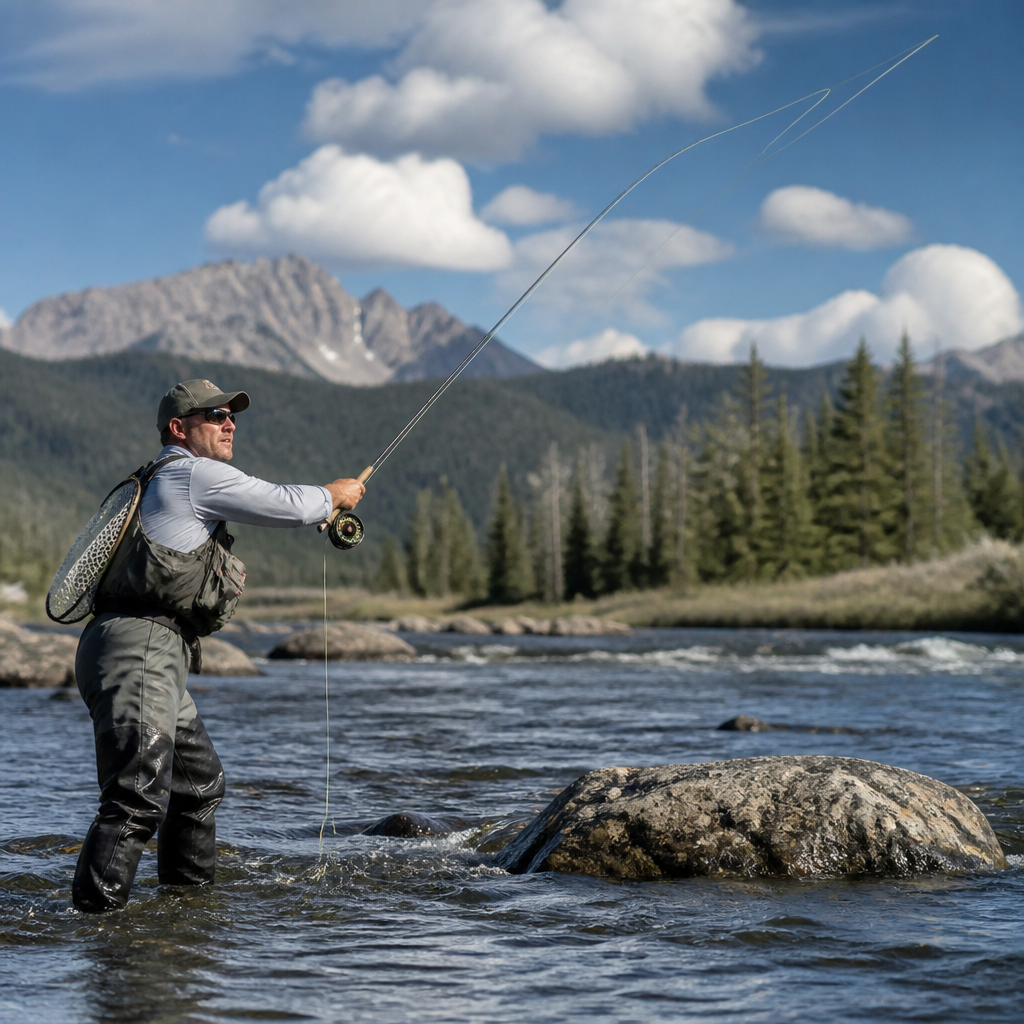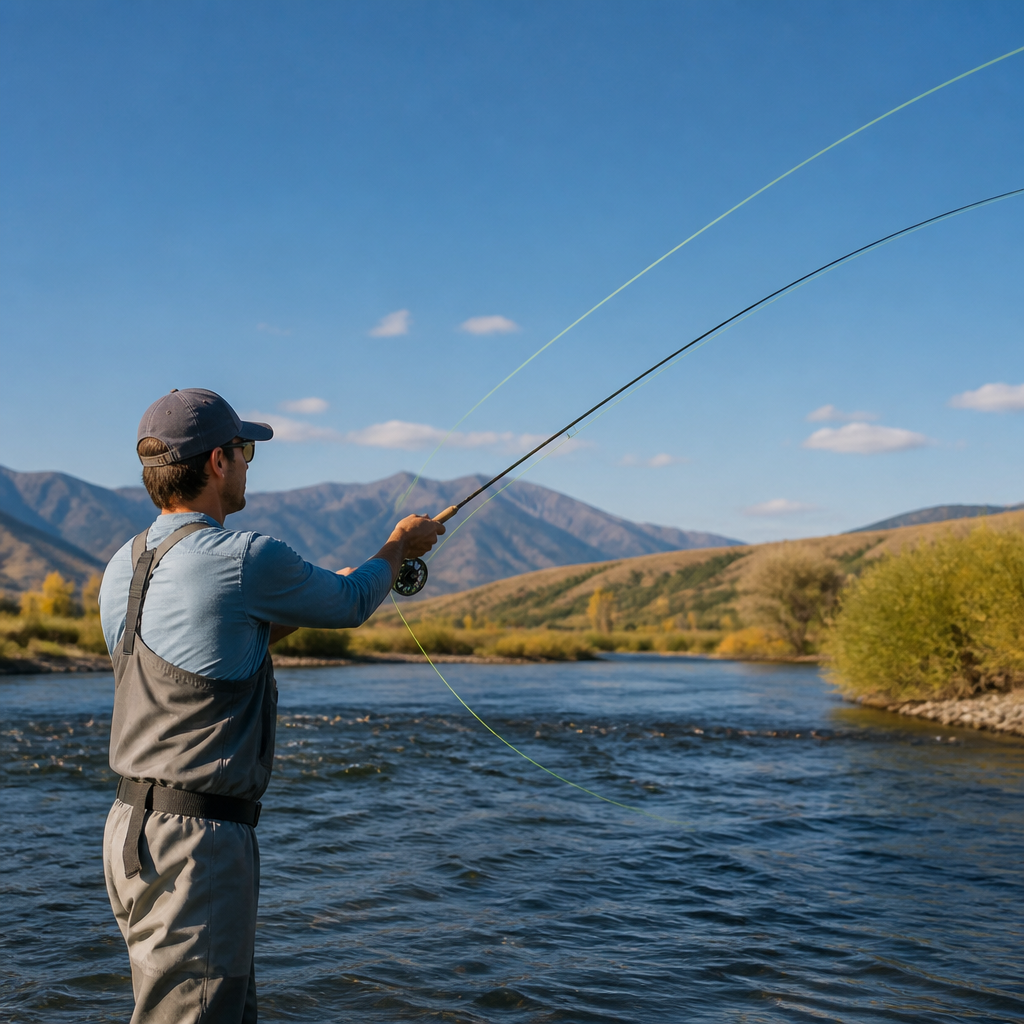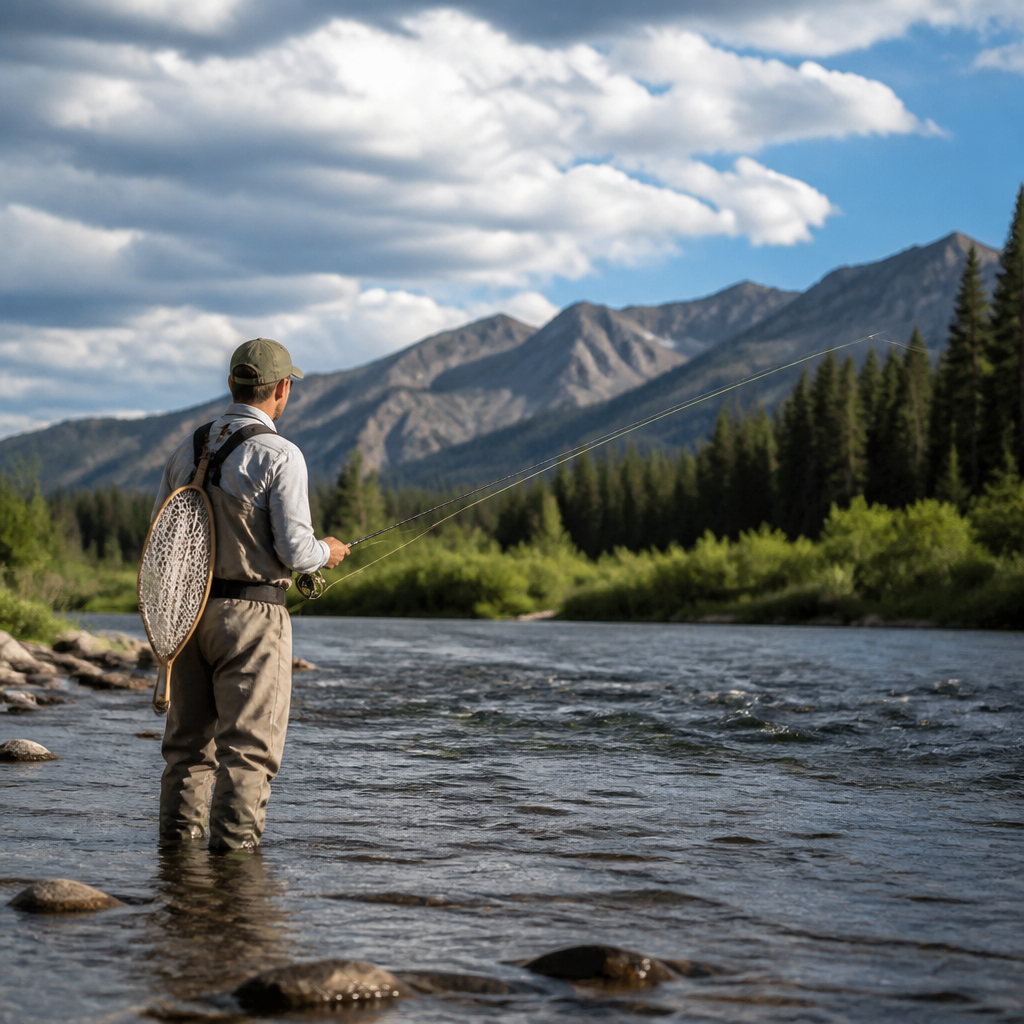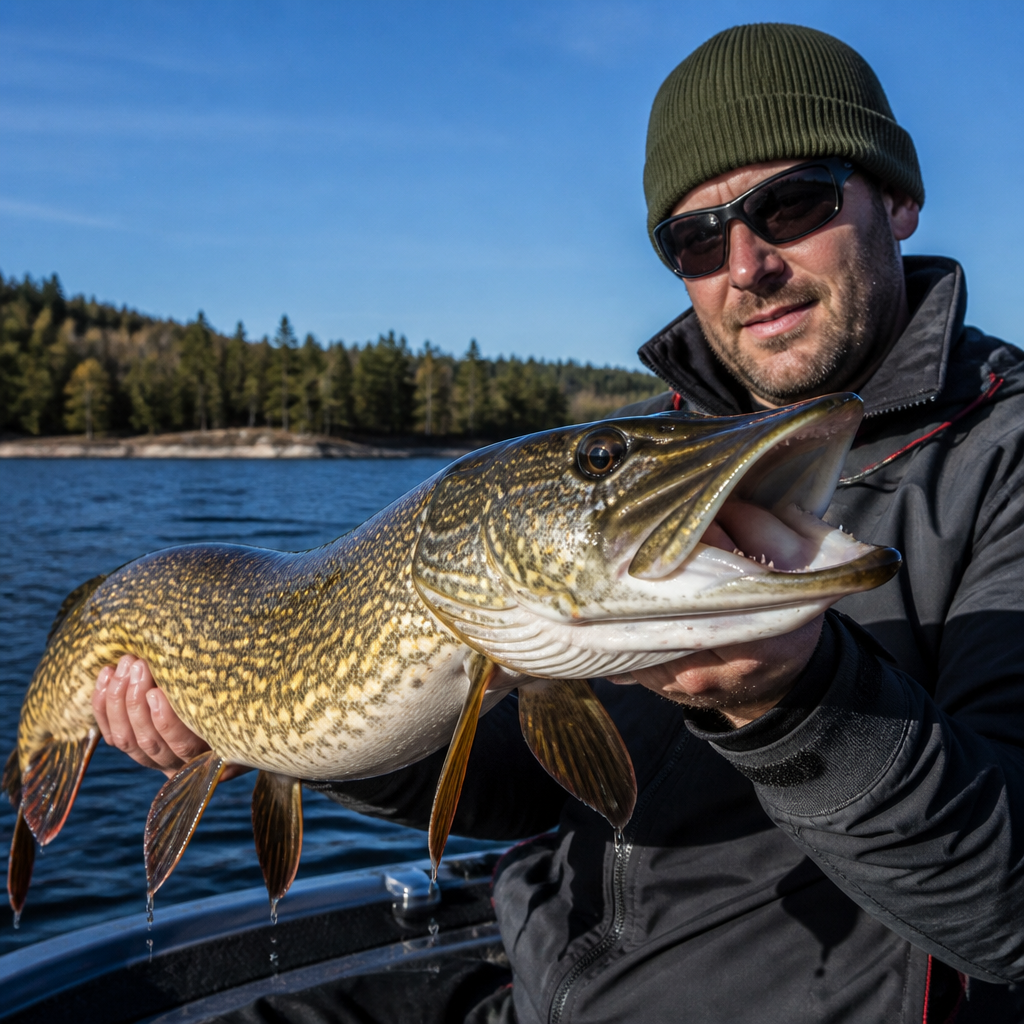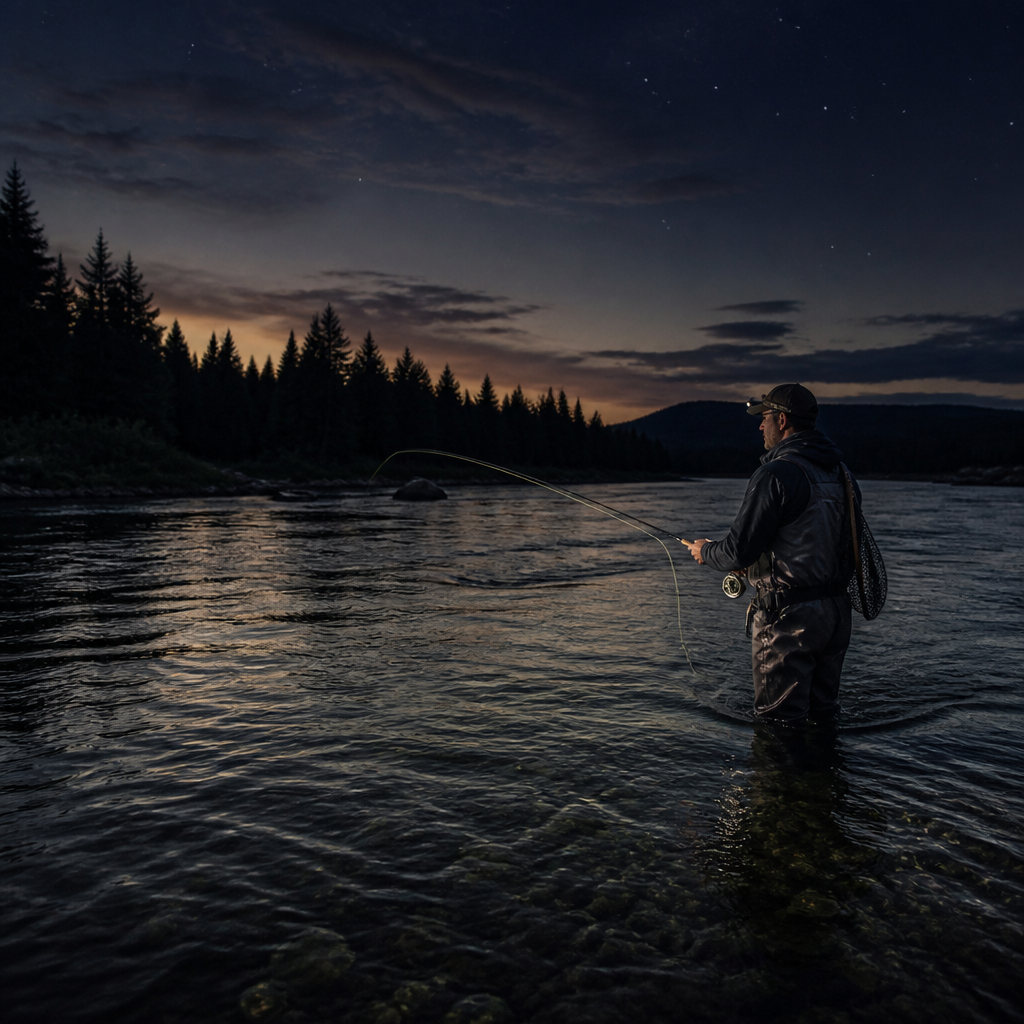
Dry fly fishing at night sounds contradictory to many anglers because dry flies are usually associated with visible rises, delicate presentations, and careful observation, yet some of the most memorable surface takes I have ever guided anglers into have happened well after sunset. In this context, dry fly fishing means presenting an artificial floating fly that imitates an adult insect, terrestrial, or waking baitfish on the water’s surface, while night fishing refers to the hours from dusk through full darkness and into the pre-dawn period. As a sub-pillar within techniques and strategies, this guide covers the foundations of dry fly fishing first, then shows how those principles change after dark. That matters because fish behavior, insect activity, visibility, safety, and gear selection all shift dramatically at night, and anglers who understand those shifts can fish more effectively, more safely, and with far more confidence on rivers, spring creeks, and stillwaters.
Dry fly fishing is one of fly angling’s most technical and rewarding methods because it asks you to solve three problems at once: choose a convincing pattern, achieve a natural drift or wake, and detect takes quickly enough to set the hook without pulling the fly away. During daylight, those decisions are supported by visual clues such as hatch intensity, rise form, current seams, and drift lanes. At night, the clues become subtler. You rely more on pre-fishing observation, memory of structure, touch, sound, moonlight, and disciplined presentations. Trout, char, and even bass often become less cautious after dark, especially on pressured waters, but they also feed differently. Some key on emerging caddis skittering in low light, some cruise foam lines for spent mayflies, and larger fish may patrol banks for beetles, moths, mice, or waking attractors. Understanding those feeding windows is the difference between blind casting and intentional fishing.
This article serves as the central guide for the dry fly fishing subtopic by covering the gear, fly categories, reading water, presentation methods, seasonal timing, and night-specific safety considerations that connect to every deeper article an angler might explore later. If you want to understand when to fish a parachute versus an elk hair caddis, how leader design changes in darkness, why a short accurate cast often outfishes a long one at night, or what headlamp settings protect your natural vision, those answers begin here. Night dry fly fishing is not a gimmick. It is a practical, proven strategy rooted in insect behavior, trout positioning, and careful control of line, leader, and fly.
What Night Dry Fly Fishing Really Means
Night dry fly fishing is not simply daylight fishing performed with a headlamp. The method changes because fish use current breaks, bank shadows, undercut edges, and slower feeding lanes differently after sunset. In my experience, the most productive night sessions happen on water I have already studied in daylight. I note casting positions, wading routes, submerged boulders, overhanging trees, and the exact line where fast water softens into a cushion. Once darkness settles in, those remembered reference points replace much of the visual information I normally depend on.
For trout, the night surface game is usually strongest during one of three windows: the evening hatch, the transition after visible rises stop, and the pre-dawn hour when nocturnal insects and opportunistic predators are still active. Summer and early fall often produce best because water temperatures are stable, insect life is abundant, and larger fish move shallow with less risk. On freestone rivers, caddis and attractor dries can be excellent. On spring creeks and tailwaters, spinner falls and tiny terrestrials may still matter, though presentation remains critical. On lakes, chironomids dominate much of the season below the surface, but calm warm nights can bring callibaetis, moths, and shoreline insects within range of dry-fly tactics.
Best Gear for Dry Fly Fishing at Night
The best setup balances casting precision, line control, and fish-fighting authority without becoming cumbersome in the dark. A 4- to 6-weight rod between 8 feet 6 inches and 9 feet is the most versatile choice for trout dry fly fishing. A moderate-fast action helps load short casts, protects fine tippet, and still turns over slightly bushy patterns. If I expect larger western rivers, wind, or bigger attractor dries, I move to a 6-weight. For technical spring creeks with smaller patterns, a 4- or light 5-weight is ideal, though at night I rarely go as light as I might during midday hatches because stronger tippet and firmer hook sets are useful when you cannot track every movement visually.
A weight-forward floating line is standard. Choose a line with a high-visibility section near the tip if available, but avoid neon coatings that reflect too much artificial light and disrupt dark-adjusted vision. Leaders are usually shorter and stouter at night than in daytime. Instead of a 12-foot 6X setup, many anglers fish 7.5- to 9-foot leaders tapered to 3X, 4X, or 5X depending on fly size and fish size. The logic is simple: turnover improves, drag is easier to manage at closer range, and landing fish quickly is better for both control and fish health. Grease the leader butt and first few feet of tippet with floatant when fishing gentle currents; that can help you track the drift by feel and occasional reflected light.
Accessories matter more at night than many anglers expect. A headlamp with red-light mode preserves night vision better than white light. A backup flashlight belongs in every pack. Hemostats on a retractor, a net with a rubber bag, and a wading staff reduce fumbling. I strongly prefer chest packs or sling packs with consistent organization so every fly box, tippet spool, and floatant can be found by touch. Avoid loose gear that clicks or snags. Polarized glasses are irrelevant after dark, but clear protective glasses can still shield your eyes from errant casts and overhanging branches.
| Item | Best Choice | Why It Works at Night |
|---|---|---|
| Rod | 8’6″ to 9′ 5-weight | Versatile for short accurate casts, line control, and medium trout |
| Fly line | Weight-forward floating | Supports dry flies, mends cleanly, and handles mixed currents |
| Leader | 7.5′ to 9′ tapered leader | Turns over bushier flies and is easier to manage in darkness |
| Tippet | 3X to 5X nylon | Floats better than fluorocarbon and cushions sudden takes |
| Lighting | Headlamp with red mode | Preserves night vision and limits disturbance |
| Net | Rubber-bag landing net | Controls fish quickly and reduces tangles with dry flies |
Choosing Dry Flies That Fish Well After Dark
At night, silhouette often matters more than exact imitation. That does not mean any big dark fly will work, but it does mean pattern selection should emphasize visibility to fish from below, buoyancy, and a profile that matches the food source or suggests vulnerability. Effective categories include caddis adults, mayfly spinners, foam terrestrials, bushy attractors, waking patterns, and, where legal and appropriate, mouse-style surface flies. For classic trout situations, black, brown, cream, and natural deer-hair tones are reliable because they create strong contrast against the night sky when viewed from beneath the film.
Elk Hair Caddis, X-Caddis, Parachute Adams, Purple Haze, beetle patterns, ant patterns, and foam-bodied attractors all deserve space in a night dry fly box. On rivers with strong caddis flights, a slightly oversized Elk Hair Caddis skated occasionally across the current can trigger explosive takes after visible rises disappear. During spinner falls, spent-wing patterns with low-riding silhouettes often outperform high-floating flies because fish key on trapped adults flush in the film. On meadow streams and under cutbanks, beetles and ants become especially important in summer because terrestrials continue to fall in after the main hatch fades. If targeting larger fish in the dark, a Bomber-style dry, waking muddler, or mouse pattern can draw fish that ignore standard size 16 offerings.
Buoyancy is not optional. Use powder desiccant, gel floatant on hackle and hair, and dry your fly often. Night drifts are usually shorter, so there is no reason to fish a waterlogged pattern hoping it still rides. Barbless hooks or pinched barbs simplify releases in the dark and make accidental hook removal much safer.
Presentation, Reading Water, and Detecting Takes
The first rule of night dry fly fishing is to simplify the cast. Most anglers catch more by shortening distance and improving angle than by covering water with long blind presentations. Fish lies you can identify in daylight: seam edges, tailouts, bubble lines, bank eddies, undercut margins, and the soft side of current tongues. Position yourself for the cleanest drift, not the farthest cast. Quartering upstream or across with controlled slack is often enough. Excess false casting creates tangles, catches bankside brush, and serves no purpose once the target lane is known.
A dead drift remains fundamental, but movement can be useful at night. Adult caddis commonly skitter, drowned terrestrials twitch, and waking flies can imitate larger surface prey. The key is intentionality. If fishing a caddis, let the fly dead drift first, then allow the line to tighten slightly at the end of the drift so the pattern wakes. If fish are hunting larger prey, a broad V-wake tight to structure can outperform delicate drifts. I have seen fish refuse a perfectly dead-drifted attractor three times, then crush it the moment it began to wake near a grassy bank.
Take detection changes the most after dark. You will not always see the fly. Instead, watch the leader butt, listen for the rise, and stay connected through the rod hand. Any interruption, swirl, sip, or unexplained tension where the fly should be is reason to lift smoothly. Do not trout set violently. A controlled lift keeps the fly in the zone and avoids snapping tippet or pulling the pattern free. If moonlight or bank lighting provides enough contrast, track the drift against a seam. Otherwise, fish by rhythm and expected drift length. Once the drift exceeds where a fish could reasonably be holding, recast.
Timing, Safety, and Building a Repeatable System
The best night dry fly sessions begin before dark. Arrive early, observe hatches, tie knots in good light, and fish the transition. That period teaches you which insect is active, where fish are showing, and whether they continue feeding after the visible rise forms fade. Weather matters. Warm evenings after stable days are generally best. Heavy wind ruins both insect activity and drift control. A rising moon can improve orientation, but complete darkness can still fish well if the water is familiar and the approach disciplined. In many rivers, the first two hours after sunset are more productive than the middle of the night, though midsummer pre-dawn can be exceptional.
Safety is part of strategy, not an afterthought. Wading at night magnifies every mistake. Fish easier access points, wade less, and avoid aggressive crossings. Tell someone where you will be and when you plan to leave. Carry a fully charged phone in a waterproof pouch. Check local regulations because some fisheries close at night or restrict lure types. If boating, navigation lights and local boating rules are mandatory, not optional.
To build consistency, keep notes after each outing. Record moon phase, water temperature, insect activity, fly size, rise type, and the hour fish actually ate on top. Over time, patterns emerge. You may learn that a certain riffle only comes alive during caddis flights on warm overcast nights, or that a spring creek’s best surface feeding happens in the last thirty minutes before full dark. That accumulated information is what turns night dry fly fishing from occasional luck into a repeatable technique. Start with familiar water, carry simple reliable gear, fish proven floating patterns, and focus on short controlled presentations. If you do that, the surface strike you hear in the dark will stop feeling mysterious and start feeling earned. Plan one evening on water you know well, and treat the last light not as the end of dry fly fishing, but as the beginning of a different and often better game.
Frequently Asked Questions
Can you really catch fish on dry flies at night, and why does it work?
Yes, absolutely. Dry fly fishing at night is very real, and in the right conditions it can be spectacular. The main reason it works is that many fish, especially trout and bass in moving water or near structure, become far less cautious after dark. Low light gives them cover, reduces angling pressure, and often shifts their feeding activity toward the surface. While daytime dry fly fishing often depends on seeing precise rises and matching a visible hatch, nighttime surface fishing relies more on fish behavior, silhouettes, vibration, and confidence in where fish are likely to feed.
Fish do not need bright light to find a floating fly. They can key in on the outline of a bug against the dim sky, detect subtle surface disturbance, and intercept food moving through predictable lanes. During evenings with spinner falls, caddis activity, moths, beetles, hoppers near banks, or even mouse and waking baitfish patterns, the surface can become a major feeding zone. In many rivers, the biggest trout of the day may not show themselves until after sunset, when they slide out of cover and patrol softer seams, tailouts, banks, and current transitions.
The contradiction only seems strong if you define dry fly fishing as a purely visual game. At night, it becomes a game of positioning, drift control, listening, and fishing likely water with purpose. Instead of watching every rise form, you are anticipating where fish should be and presenting a floating pattern they can detect and trust. Done well, nighttime dry fly fishing can produce explosive takes, larger-than-average fish, and some of the most exciting surface eats an angler will ever experience.
What types of dry flies work best for night fishing?
The best nighttime dry flies are usually easier for fish to detect and easier for anglers to manage than tiny, technical daytime patterns. In most situations, larger-profile flies outperform small imitations because they create a stronger silhouette and may push a little more water. Think in terms of visible shape and surface presence rather than fine detail. Classic choices include large caddis, attractor dries, stimulators, foam terrestrials, skaters, waking patterns, and in some fisheries, mouse flies or deer hair bugs that ride high and leave a wake.
Color matters differently at night than many anglers assume. Rather than obsessing over exact hatch shades, focus on contrast and silhouette. Darker flies often create a stronger outline against the night sky when viewed from below, which can make them easier for fish to locate. Black, dark brown, and other deep-toned patterns are longtime favorites for that reason. That said, pale flies can still work during twilight, under moonlight, or during strong evening hatches. The key is matching the fly to the level of surface disturbance and profile fish are willing to eat, not just to the nominal insect species.
Buoyancy is also critical. A good night dry fly should float reliably without constant maintenance, especially because repeated false casting and delicate visual adjustments are harder in the dark. Foam-bodied patterns, well-hackled attractors, and deer hair designs are especially practical. If fish are feeding selectively during a known hatch, you can absolutely use a more imitative fly, but even then it helps to choose a pattern large enough to track by feel and drift confidence. In general, start with a buoyant, high-confidence pattern that fishes cleanly, then refine only if fish are showing clear preferences.
What gear should I bring for dry fly fishing at night?
Night fishing rewards simple, dependable gear. A versatile rod in the 4- to 6-weight range covers most trout dry fly situations, while a slightly heavier setup may make sense for larger rivers, bigger surface patterns, or warmwater species. Pair it with a reliable reel and a floating line that loads easily at short to moderate distances, since nighttime presentations are usually built around control and accuracy rather than long casts. Leaders should generally be shorter and more manageable than delicate daytime dry fly leaders; many anglers do well with stout, straightforward tapers that help turn over larger flies and reduce tangles in the dark.
Your fly selection should prioritize buoyancy and organization. Bring a compact box with a limited range of proven night patterns rather than a huge assortment of tiny dries. Include floatant, desiccant if needed, and enough tippet in appropriate sizes to handle strong fish in low light. A wading staff can be invaluable, especially if you are on unfamiliar rivers or uneven bottoms. Good footwear, a properly fitted vest or sling, and a net that is easy to access matter even more at night because fumbling wastes time and increases risk.
Lighting is essential, but it should be used intelligently. A headlamp with both white and red light modes is ideal. Red light helps preserve night vision when tying knots or moving between spots, while bright white light should be used sparingly for safety-critical tasks. Pack backup batteries or a second light. Beyond that, think safety and efficiency: polarized glasses for the last light period, a phone in a waterproof case, insect repellent, weather-appropriate layers, and a small first-aid kit. The best night-fishing kit is not elaborate; it is streamlined, familiar, and easy to operate by touch.
How do you present and detect a dry fly effectively when you can’t see rises well?
At night, success comes from disciplined presentation and reading water before darkness fully settles in. Start by identifying likely holding and feeding lanes during daylight or at dusk: seams, tailouts, undercut banks, current soft spots beside heavier flow, edges of riffles, and places where insects or terrestrials naturally collect. Once it gets dark, you are no longer reacting primarily to visible rises. You are making educated casts to water that should hold active fish and letting the drift work.
Presentation is usually more important than distance. Short to medium casts are easier to control, easier to mend, and far safer in the dark. Make deliberate casts with a clear target line, keep slack under control, and avoid excessive false casting. Many anglers do best by fishing slightly across or downstream so they can maintain contact without dragging the fly unnaturally. In some situations, especially with skaters or waking patterns, a controlled wake can be the trigger. In others, a dead drift remains the best approach. Let the fish tell you whether they want subtle or animated surface movement.
Strike detection changes at night. You may hear the take before you feel it, or feel tension before you ever see the fly disappear. Sometimes the only clue is that the drift stops where it should not. Resist the urge to strike wildly at every sound; large fish can miss, slash, or push water around the fly before eating it. A calm, controlled hook set after you feel weight or definite contact is more effective than an instant panic response. Over time, experienced night anglers learn to combine listening, line feel, drift timing, and knowledge of the current to know when a fish has truly eaten.
What are the biggest mistakes anglers make with dry fly fishing at night?
One of the most common mistakes is trying to fish at night exactly the way they fish in daylight. Nighttime dry fly fishing is not a visual precision contest built around spotting every individual rise. Anglers who overcomplicate fly choice, use overly long leaders, or insist on tiny technical patterns often make the job harder than it needs to be. Simpler rigs, more durable flies, and confidence in likely holding water usually produce better results. Another major mistake is casting too far. Long casts reduce control, increase tangles, and make it much harder to manage drift and detect takes in darkness.
Safety errors are equally important. Wading aggressively in the dark, exploring unfamiliar water without scouting it first, or relying too heavily on bright lights can quickly ruin the experience. Strong headlamp use can destroy your night vision, spook fish in shallow water, and make the entire outing less efficient. A better approach is to move carefully, fish water you have already studied, and treat nighttime mobility with extra caution. Knowing where access points, deep slots, slick rocks, and cut banks are before full darkness arrives is part of good angling judgment.
Finally, many anglers quit too soon or fish the wrong window. The period from dusk through the first few hours of darkness can be excellent, and some nights build gradually rather than starting fast. If there is an evening hatch, warm weather, stable conditions, or a good moon phase, the surface bite may improve after many anglers have already left. Patience, confidence, and attention to conditions matter. The anglers who do best at night are rarely the ones making the most casts; they are the ones fishing methodically, staying organized, and giving proven water enough time for a quality fish to make a move.