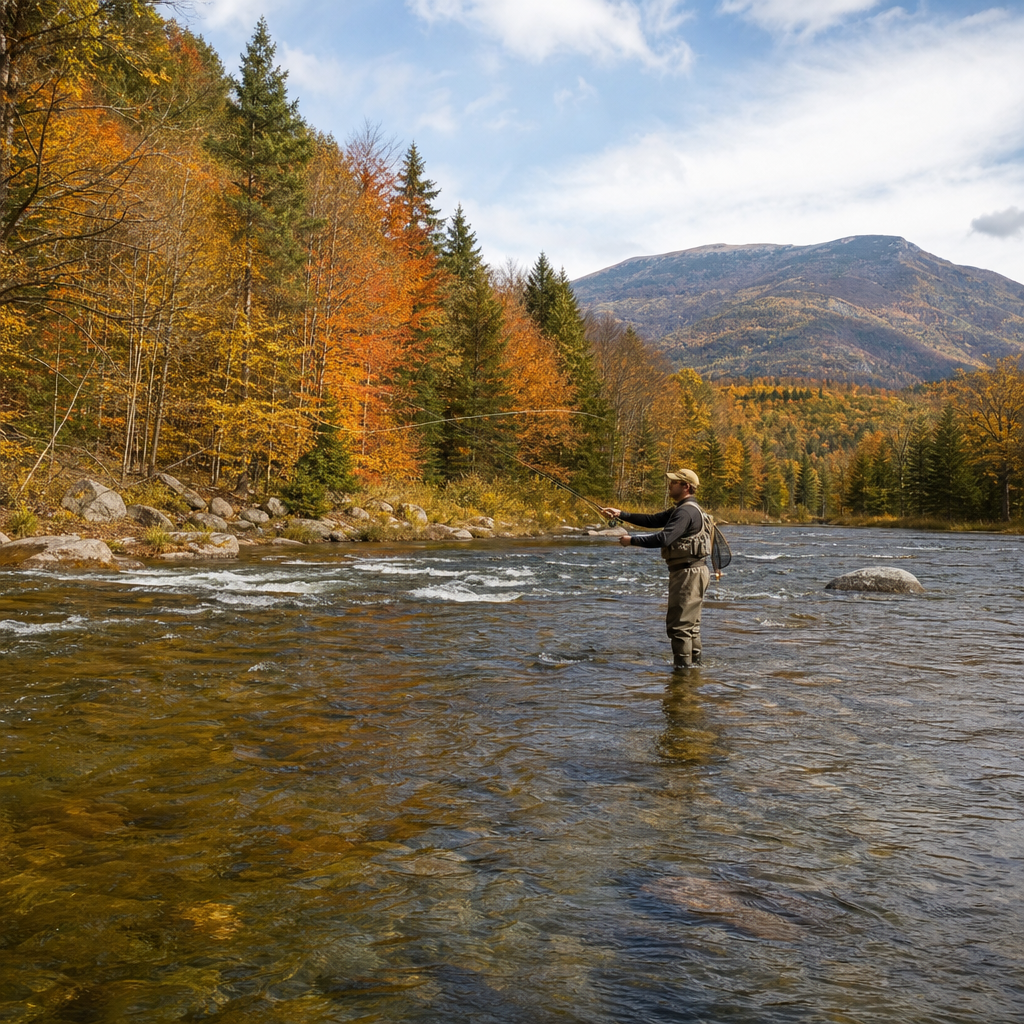
Fall stonefly hatches are one of the most overlooked opportunities in fly fishing, yet they can produce some of the most predictable dry-fly and nymph action of the year. In practical terms, a hatch is the emergence of aquatic insects from their immature stage into winged adults, and stoneflies are a major order of those insects in cold, clean, well-oxygenated rivers. When anglers talk about seasonal hatches, they usually focus on famous spring mayflies, but autumn deserves equal attention because water temperatures, river flows, and trout feeding behavior often align in ways that make fish both visible and catchable. I have planned entire late September and October trips around stoneflies on freestone rivers, and the pattern repeats: fewer crowds, more aggressive trout, and fish willing to move for well-presented flies. As a hub within seasonal hatches, this guide explains what fall stoneflies are, where they fit in the broader hatch calendar, which patterns matter, and how to fish them effectively.
Understanding the category matters because “fall stonefly” is not a single insect. It usually refers to several late-season species groups, including small brown stoneflies, little yellow stoneflies lingering into early fall in some waters, and the large salmonfly relatives known as fall stones in parts of the West. Their life cycles differ by river, elevation, and latitude, but they share key traits that help anglers. Stoneflies require high dissolved oxygen, so their presence often signals healthy habitat. Unlike mayflies that emerge directly from the surface, many stoneflies crawl to shoreline rocks, logs, or grass before hatching, which changes how trout intercept them. Fish may key on nymphs drifting near banks, adults skittering back onto the water, or egg-laying females that flutter low and vulnerable. That combination creates multiple feeding windows in a single day. For anyone building a serious understanding of seasonal hatches, fall stoneflies are essential because they connect entomology, river reading, and presentation more tightly than many headline hatches do.
Where Fall Stoneflies Fit in the Seasonal Hatch Calendar
Seasonal hatches are best understood as a progression tied to daylight, runoff, water temperature, and insect biology. Spring usually brings the broadest mayfly diversity, summer adds terrestrials and caddis abundance, and fall narrows the menu while concentrating trout feeding into distinct windows. Stoneflies occupy an important place in that fall transition. On many Western rivers, late summer golden stones fade, and smaller autumn stoneflies begin appearing from September into November. In Appalachian and some Northern systems, capniid and other dark stoneflies can become increasingly relevant as temperatures drop. The exact species names matter to entomologists, but for anglers the important point is timing: as other hatches become less dense, trout can lock onto the available stonefly stages with surprising consistency.
This is why a seasonal hatches hub should not treat autumn as an afterthought. Fall often combines stable base flows, clearer water, and fewer aquatic insects than peak summer. A reduced buffet means trout can feed selectively on what is present, yet they are also motivated to eat heavily before winter. I have seen browns patrol grassy banks for stonefly adults on the Yellowstone drainage while rainbows in tailouts ate drifting nymphs below riffles. The same week, blue-winged olives were present, but the larger stonefly profile pulled better fish. In other words, fall stoneflies do not always create blanket rises, but they frequently create the highest-value rises and the most efficient nymphing targets of the day.
Key Species, Sizes, and Identification Cues
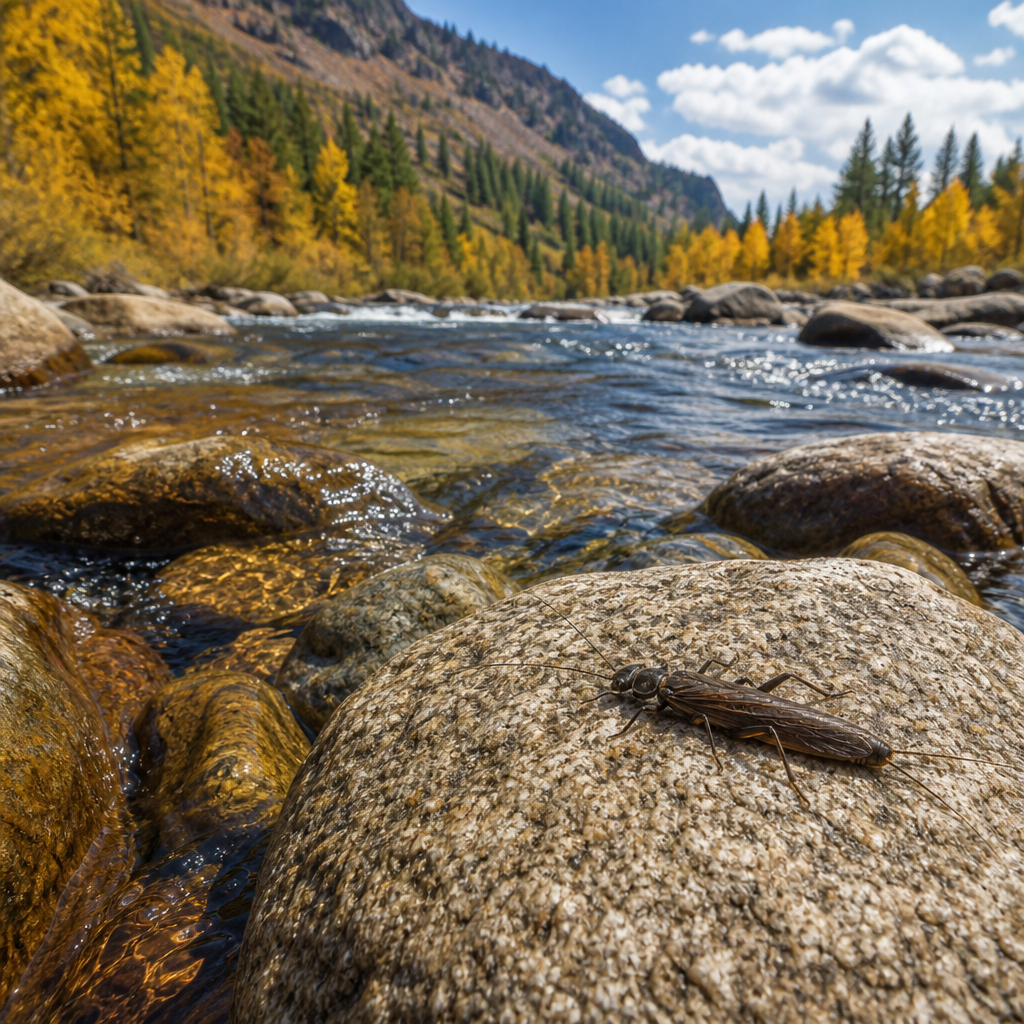
Most anglers do not need a graduate course in taxonomy to fish fall stonefly hatches well, but they do need a working identification system. Start with size, color, and behavior. Small autumn stones are often black, dark brown, chestnut, or olive-brown and commonly range from hook sizes 14 to 18, though some waters have larger individuals. Their bodies are elongated, the wings lie flat over the back, and the adults often appear on streamside rocks before you ever notice them on the water. Larger fall stones, where present, can run from size 6 to 12 and may show yellow-brown, orange-brown, or smoky wing tones. Nymphs are similarly elongated, with two tails, obvious legs, and a robust thorax that distinguishes them from mayfly nymphs.
Behavior is often the faster field clue. If you turn over cobble and find active, flattened nymphs hugging the undersides in fast water, stoneflies are likely in the system. If adults are crawling on bridge abutments, willow trunks, or boulders near riffles during midday warmth, you are in the hatch window. Egg-laying flights usually happen later in the day, especially when air temperatures rise enough to encourage flight. In practical fishing terms, this means you can carry fewer patterns if you match the main signals correctly: dark, slim adults for the surface; weighted, mobile-looking nymphs for the subsurface; and larger attractor stones where local rivers support them.
Best Water Types for Fall Stonefly Hatches
Fall stoneflies are most reliable in rivers with cold, oxygen-rich current and abundant cobble structure. Think riffles entering runs, pocketwater, broken seams near grassy banks, and the shallow edges of faster channels where nymphs migrate before emergence. Freestone rivers are classic because they support strong stonefly populations, but tailwaters with suitable substrate and temperature regimes can also produce excellent autumn activity. The common denominator is clean current. Fine sediment can reduce stonefly abundance because many species need stable rock habitat and high oxygen exchange around the streambed.
When I prospect for a fall hatch on unfamiliar water, I start with three checks. First, I sample nearshore rocks for shucks or crawling adults. Second, I watch foam lines below riffles for drifting nymphs and disabled adults. Third, I inspect bank structure, especially overhanging grass, rootwads, and logjams, because egg-laying females often return there. Trout positions reflect these movements. During emergence, fish may sit just off the bank or in soft cushions beside heavy current. During egg laying, they often shift into edge lanes where adults get blown or spent onto the water. This is a recurring pattern across seasonal hatches: the best feeding lies are determined less by textbook pool structure and more by the path insects must travel.
Fly Patterns That Consistently Work
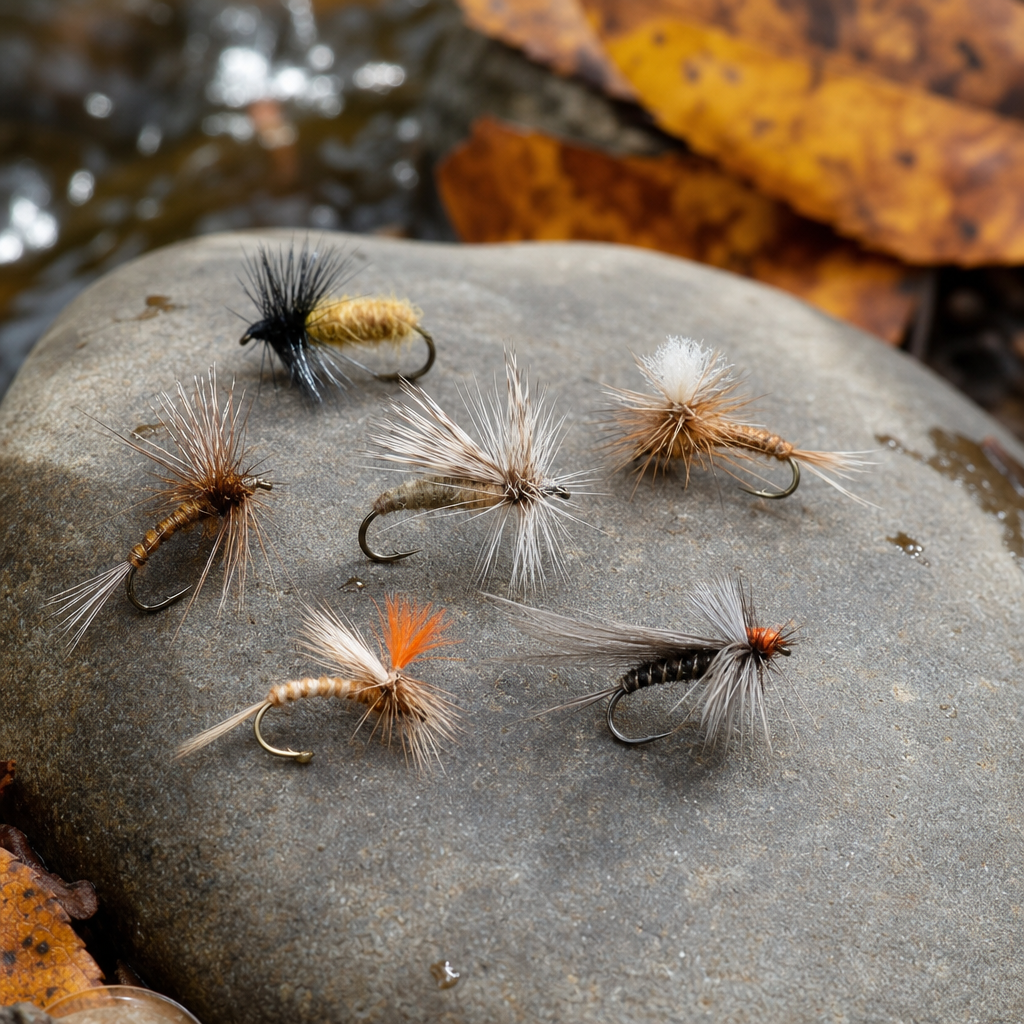
The best fall stonefly patterns are not always exact imitations; they are accurate enough in shape, size, and behavior to match what trout expect. For nymphing, I rely on Pat’s Rubber Legs in dark brown or coffee for larger stones, a 20-Incher for a more segmented profile, and slender beadhead stonefly nymphs in black, dark olive, or mahogany for smaller species. A Kaufmann Stone in reduced sizes still works when fish want a denser silhouette. For dries, a Stimulator remains one of the most effective searching and matching patterns ever designed, especially in orange-brown, yellow-brown, or dark tan. For small adults, a simple elk-hair style stonefly, a foam-bodied adult, or a low-riding CDC-and-hackle pattern in size 14 to 18 can outperform bushier flies during flat-light conditions.
The reason these patterns work is straightforward. Stonefly nymphs are protein-rich and drift more than anglers assume, especially during migration and flow changes. Adults are poor sailors and become vulnerable when they return to oviposit. Foam improves visibility and flotation, rubber legs add motion, and a slightly exaggerated profile helps trout notice the fly in broken current. Keep the color palette disciplined. On pressured rivers, black, dark brown, rust, and muted golden tones usually beat bright, generic attractor colors unless you are fishing pocketwater where reaction takes over. Pattern choice matters, but stage choice matters more: fish nymphs before and during emergence, then switch to adults when you see shoreline activity or splashy takes near banks.
Rigging, Presentation, and Timing on the Water
Presentation separates anglers who merely know that fall stoneflies exist from those who consistently catch trout during the hatch. The default subsurface rig is a two-fly setup with a larger stonefly nymph as the anchor and a smaller mayfly or midge dropper when fish are opportunistic. In stronger autumn hatches, however, a single well-weighted stonefly nymph often produces cleaner drifts and more decisive takes, especially around boulders and bank seams. Use enough split shot or a tungsten fly to touch the lower third of the water column. Stonefly nymphs live near the bottom, and a fly drifting a foot too high is effectively out of the game.
| Situation | Recommended Pattern | Typical Size | Presentation |
|---|---|---|---|
| Pre-hatch riffles | Dark stonefly nymph | 10–16 | Dead drift deep along seams and pocket edges |
| Bank migration | Rubber-leg stone nymph | 8–12 | Short-line drift tight to grass, rocks, and logs |
| Adult activity midday | Stimulator or foam adult | 8–16 | High-stick drift, then subtle twitch near shore |
| Egg-laying evening flights | Low-riding adult stonefly | 12–18 | Across-and-down with occasional skitter |
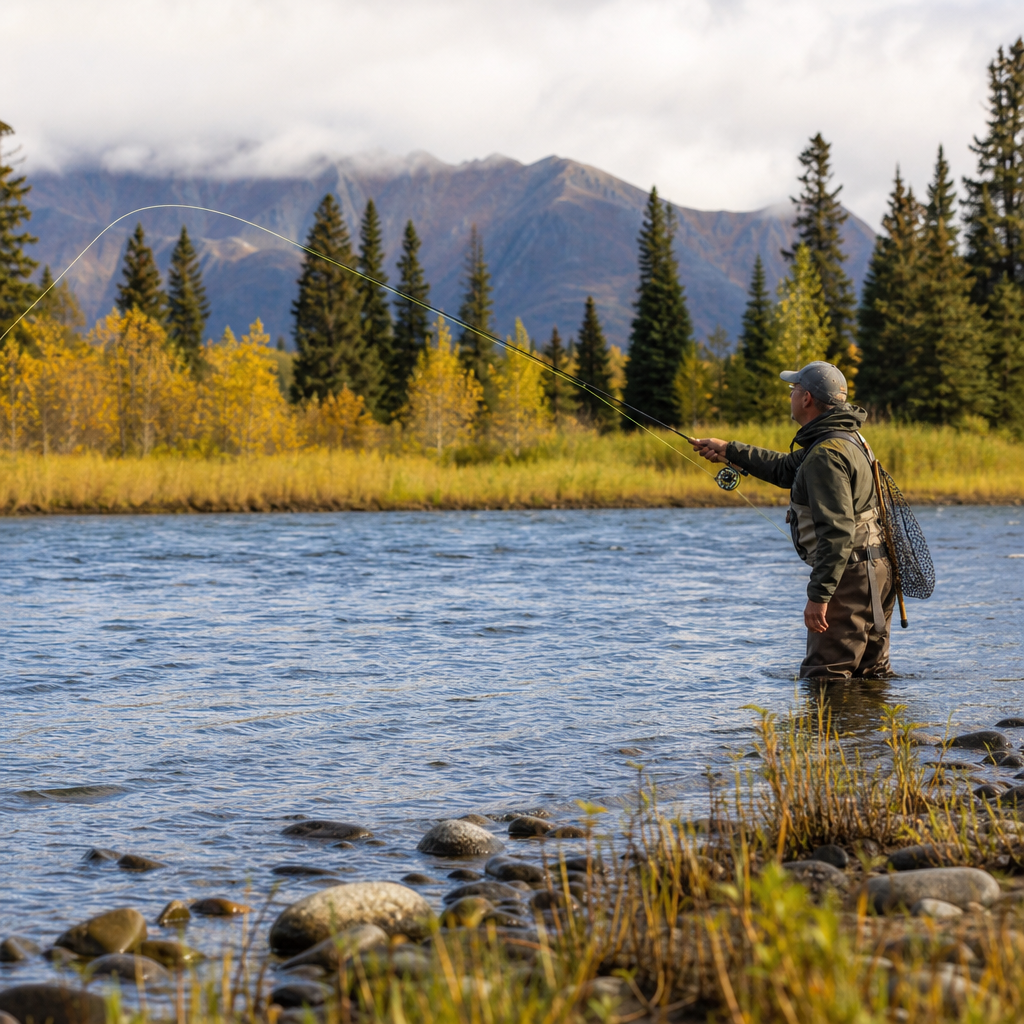
For dry-fly fishing, cast closer to the bank than most anglers find comfortable. Many naturals enter the water within inches of shore, and the largest trout often feed in water that looks too skinny to hold them. A dead drift is the baseline, but a slight twitch or skate can be deadly when females are laying eggs. Timing is usually best from late morning into afternoon on cool days, extending toward evening if the air warms and adults become active. After the first hard frosts, windows can shorten, but the fish often become even more position-oriented. Watch for one clue above all others: repeated rises tight to structure with no obvious mayfly duns. That pattern often screams stoneflies.
Common Mistakes and How to Avoid Them
The biggest mistake is assuming all fall surface activity belongs to blue-winged olives. BWOs are important, but anglers who lock into tiny olive mayflies often miss trout eating larger, darker stonefly adults along the edges. The second mistake is fishing stonefly nymphs only in spring runoff conditions. In reality, autumn is prime time because nymph migration and reduced competing forage make them stand out. Third, many anglers fish too far from the bank. If your drift never passes within a rod length of grass, roots, or rock ledges, you are ignoring where many stoneflies emerge and return.
Another common error is overmatching color while undermatching size and depth. Trout generally notice profile and location before they inspect subtle shade differences in broken water. A size 12 dark nymph near the bottom will usually outfish a perfectly shaded size 18 riding too high. Finally, anglers often leave too soon. Fall hatches can build slowly. A river that looks dead at 10:30 can come alive at 1:00 when sunlight reaches the canyon wall or air temperature climbs a few degrees. Patience matters in seasonal hatches, and few situations reward it more clearly than autumn stoneflies.
How This Hub Connects to the Broader Seasonal Hatches Strategy
As a hub for seasonal hatches, fall stoneflies should guide how you approach related topics across the calendar. They teach the core method that applies to every hatch: identify the insect, locate the life stage trout are targeting, fish the right water type, and adjust presentation before swapping patterns endlessly. The same framework carries into spring mayflies, summer caddis, midge fisheries, and terrestrial windows. What changes is the insect behavior and the feeding lane it creates. Stoneflies are especially useful as a teaching hatch because their shoreline emergence and egg-laying flights make insect movement visible, which helps anglers understand why trout sit where they do.
They also remind us that hatch fishing is not only about matching a bug; it is about matching a seasonal system. Weather, flow, substrate, and trout metabolism all interact. A cool, bright October day on a cobbled freestone may favor nymphing until early afternoon, then switch to adult activity along grassy banks. A warmer overcast day may keep fish willing on small dries longer. If you want to improve your seasonal hatch fishing overall, build notes river by river: first sightings, water temperature, productive bank types, and effective fly sizes. That logbook approach turns fall stoneflies from a pleasant surprise into a repeatable plan.
Fall stonefly hatches reward anglers who pay attention to insect behavior, not just fly names. The essential lessons are simple: stoneflies thrive in cold, clean current; trout often feed on them near banks and riffle seams; nymphs usually matter before adults; and presentation depth and location beat obsessive fine-tuning of color. As part of a complete seasonal hatches strategy, this hatch deserves a permanent place in your calendar because it offers reliable opportunities when many anglers assume the best insect fishing has already passed.
If you remember one practical takeaway, let it be this: in autumn, fish a dark stonefly nymph deep through riffle edges and bank seams, then switch to an adult pattern when you see shoreline movement or tight-to-bank rises. Carry a small range of sizes, watch structure closely, and give the hatch time to develop. Done well, fall stonefly fishing can produce larger trout, cleaner reads of the river, and a more complete understanding of seasonal hatches overall. Use this hub as your starting point, then apply these principles on your home water and refine them with a notebook, a thermometer, and careful observation every trip.
Frequently Asked Questions
What makes fall stonefly hatches so important for fly anglers?
Fall stonefly hatches matter because they offer one of the most consistent and overlooked feeding windows of the year. While many anglers key in on spring mayflies and ignore autumn insect activity, trout and other river fish often become very tuned in to stoneflies as temperatures cool and flows stabilize. Stoneflies are common in cold, clean, oxygen-rich rivers, and their emergence can create dependable opportunities for both surface and subsurface fishing. In many systems, these hatches do not produce the frantic blanket emergence associated with famous mayfly events, but that is exactly why they are so effective: fish often feed with less competition from anglers and with more confidence.
Another reason fall stoneflies are so important is that they provide multiple stages for fish to target. Before adults appear, nymphs migrate toward shoreline rocks and shallower structure, making them vulnerable to trout. During emergence, fish may intercept rising insects or focus near banks where adults collect. After adults hatch, egg-laying flights can trigger splashy surface takes, especially in the warmest part of the day. That means anglers are not limited to a single brief moment. Instead, they can fish nymphs, emergers, dries, or even attractor patterns based on what they observe. For anglers willing to slow down, watch the water, and match the hatch stage rather than just the species, fall stoneflies can deliver some of the most predictable action of the season.
What fly patterns work best during a fall stonefly hatch?
The best patterns depend on which stage of the insect fish are feeding on, but a strong fall stonefly box should include both nymphs and dries in a range of sizes and tones. For nymphs, reliable choices include rubber-leg stonefly nymphs, Pat’s Rubber Legs, Kaufmann-style stoneflies, and other realistic imitations in dark brown, golden brown, black, or amber shades. Fall species are often smaller than the giant salmonflies and golden stones of earlier seasons, so many effective patterns fall in the size 8 to 14 range, though local variation matters. Slimmer profiles can be surprisingly effective when fish are feeding selectively on active migrating nymphs near shore.
For dry flies, low-riding adult stonefly patterns, foam stoneflies, elk-hair styles, and lightly skittered attractor patterns all have a place. Adult fall stoneflies often end up on the water accidentally while crawling, emerging, or returning to lay eggs, so a fly that floats well near grassy banks, under overhanging limbs, and along broken current can be highly effective. It is also smart to carry patterns in black, dark brown, and yellow-brown combinations because coloration differs by watershed and species. If fish refuse a high-floating dry, dropping a small stonefly nymph or soft emerger beneath it can solve the problem quickly. In practice, the most effective pattern is usually the one that matches not only the insect’s size and color, but also its behavior in that exact moment.
When and where should you look for fall stonefly activity on the river?
Fall stonefly activity is often most noticeable during mild afternoons, especially after cool mornings give way to a slight temperature rise. Unlike some dramatic spring hatches that explode over broad sections of river, fall stoneflies can be concentrated in very specific water. Productive areas often include riffle edges, pocket water, rocky banks, tailouts below broken current, and shoreline structure where nymphs migrate before emergence. Because many stonefly nymphs crawl toward the edges before becoming adults, the water nearest the bank can be much more important than many anglers realize. Fish may slide out of midstream lies and patrol these margins for easy food.
It also pays to watch for adults on streamside rocks, bridge abutments, vegetation, and exposed logs. Seeing adults off the water often tells you a hatch is underway even when rises are limited. Wind can knock adults onto the surface, and egg-laying females may return in bursts that create short but excellent dry-fly windows. If you are not seeing much on top, turn over a few rocks in shallow current to check for active nymphs, empty shucks, or mature insects with dark wing pads. Those clues can tell you whether to fish a nymph deep, swing an emerger, or focus on a bank-side dry presentation. In many rivers, the best water during a fall stonefly hatch is not the obvious center seam, but the overlooked edge where insect movement is concentrated.
Should you fish nymphs or dry flies during fall stonefly hatches?
The honest answer is both, but the better starting point is usually nymphs unless you are actively seeing adults on the water or fish rising with purpose. Stonefly nymphs are available to fish for far longer than the brief adult stage, and in fall they often become especially vulnerable as they move toward shore to hatch. A well-presented stonefly nymph drifted along current breaks, undercut banks, and rocky transition zones can be extremely productive. Adding weight as needed, keeping the drift close to the bottom without constant snagging, and fishing through short lanes thoroughly are all key. Many successful anglers pair a stonefly nymph with a smaller trailing fly to cover both the main hatch and additional subsurface food sources.
Dry flies become the better option when adults are visibly present, when fish begin taking near banks, or when egg-laying flights trigger splashy rises. In those moments, a carefully placed adult stonefly imitation can outfish subsurface rigs because fish are looking up with intent. Even then, presentation often matters more than exact imitation. A natural drift close to structure, occasional twitching when appropriate, and accurate placement under overhanging cover can make a huge difference. A very effective compromise is a dry-dropper setup, which lets you fish an adult pattern on top while suspending a stonefly nymph below. That approach matches multiple stages at once and is especially useful during transitional periods when the hatch is happening, but fish have not fully committed to the surface.
What presentation tips help anglers catch more fish during fall stonefly hatches?
The first major tip is to fish closer to the bank than you think. During fall stonefly activity, trout frequently shift toward shallow margins, bouldery edges, and broken water beside the main current because that is where migrating nymphs and struggling adults often appear. Many anglers waste time casting only to classic midstream seams while the better fish are feeding in a rod-length of water near shore. Approach quietly, keep a low profile, and make short, controlled casts before wading too deep. On smaller rivers especially, your first few presentations to likely edge water can be the most important of the day.
The second key is to match your presentation to the insect’s stage. If you are nymphing, focus on a dead drift with enough weight to keep the fly in the strike zone, then allow a slight lift at the end of the drift because ascending or dislodged nymphs can trigger takes. If you are fishing adults, prioritize drag-free drifts tight to structure, but do not be afraid to add subtle movement when egg-laying behavior is likely. Stoneflies are not always motionless on the surface, and a light twitch can sometimes turn a follow into an eat. Finally, pay attention to timing and observation. Check rocks for shucks, watch streamside vegetation for adults, and be ready to switch methods quickly. Fall stonefly fishing rewards anglers who stay flexible, fish methodically, and let the river’s clues dictate whether they should go deep, fish a dry, or combine both in the same rig.