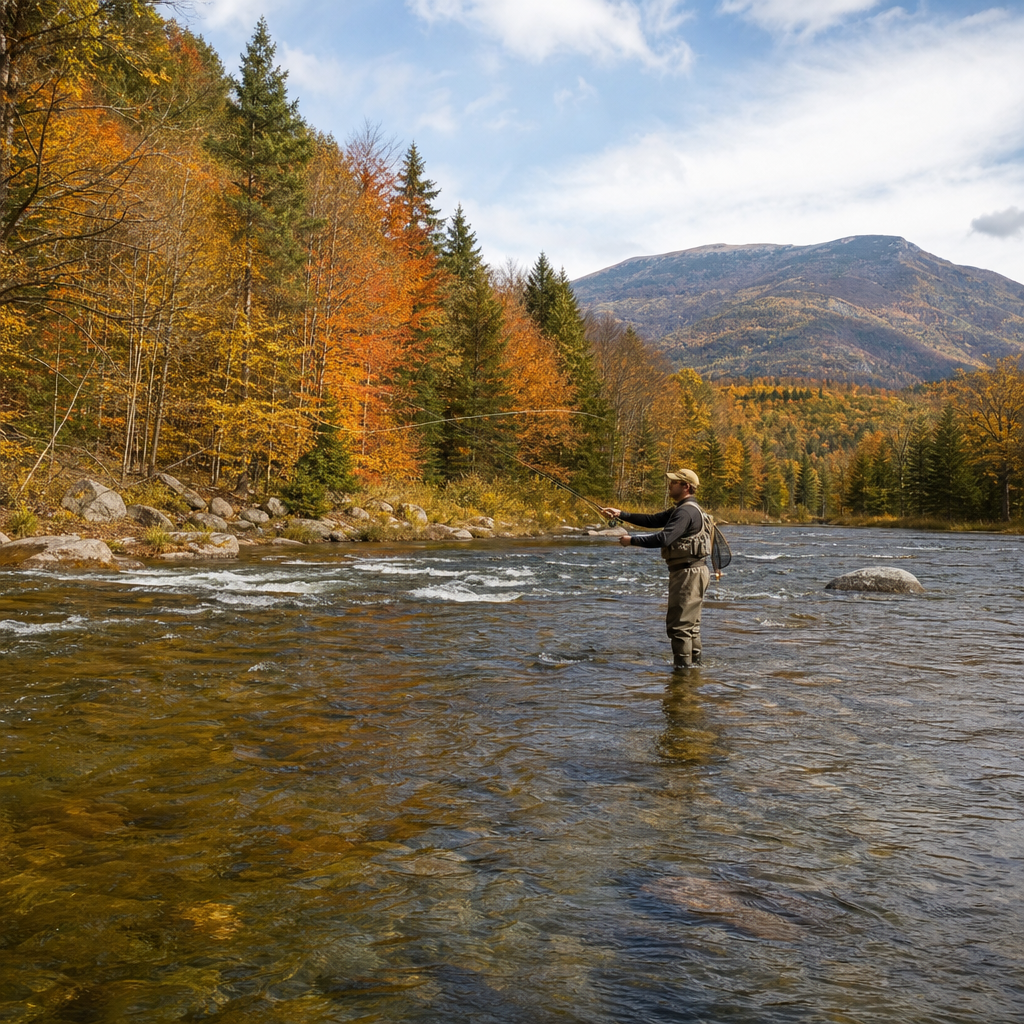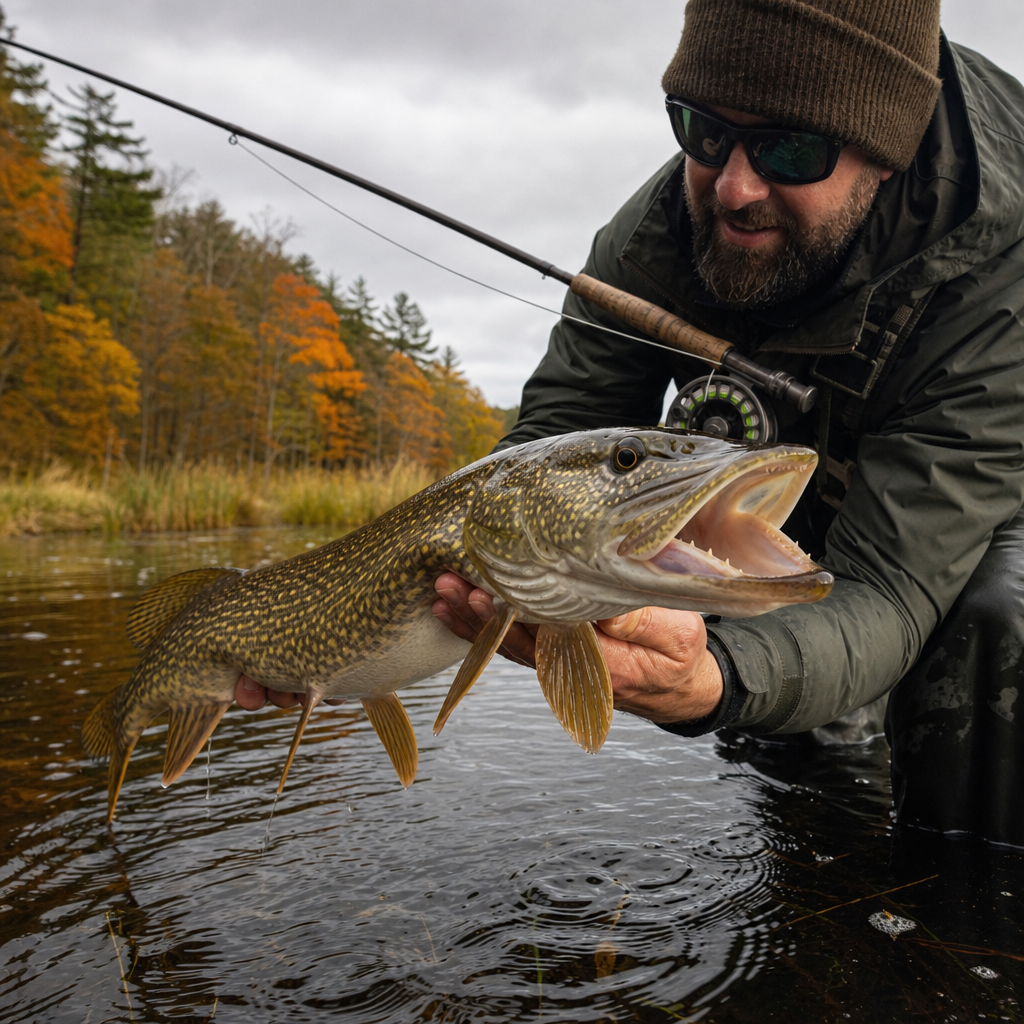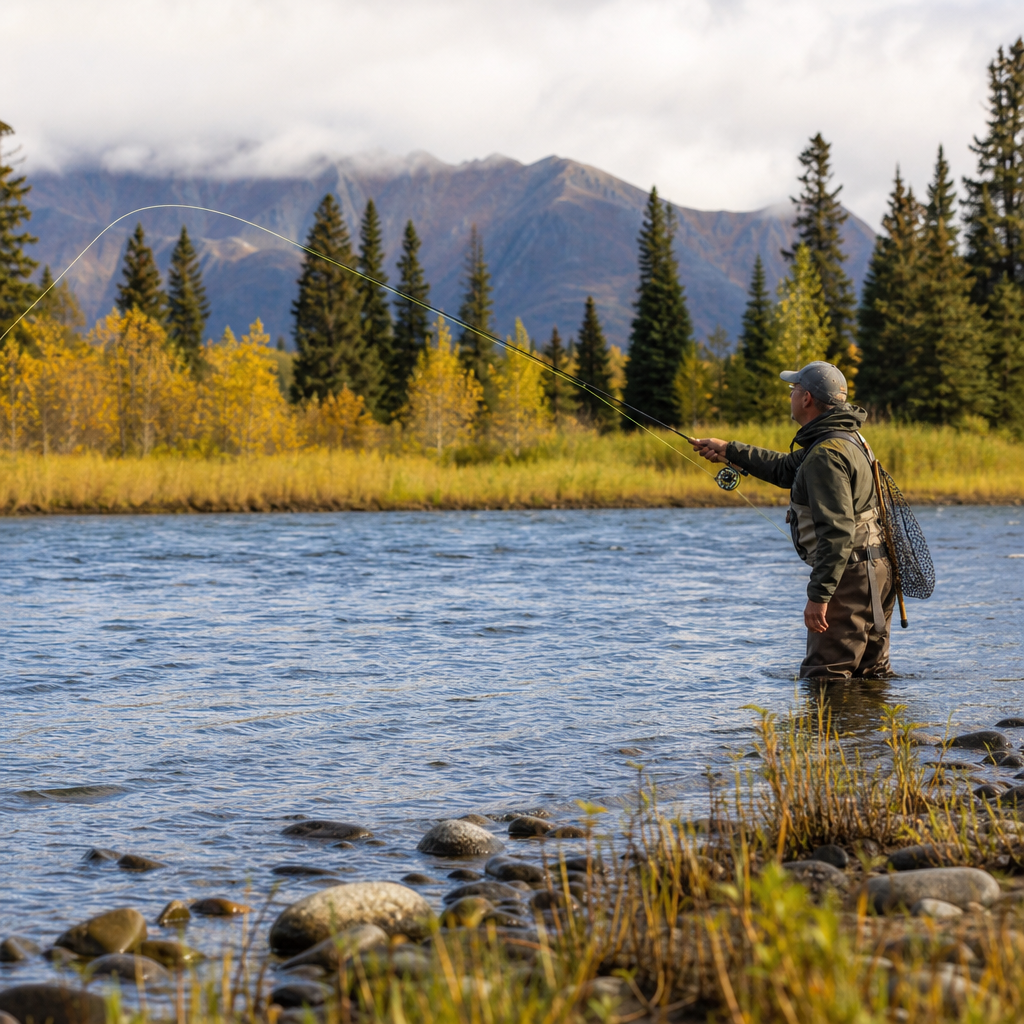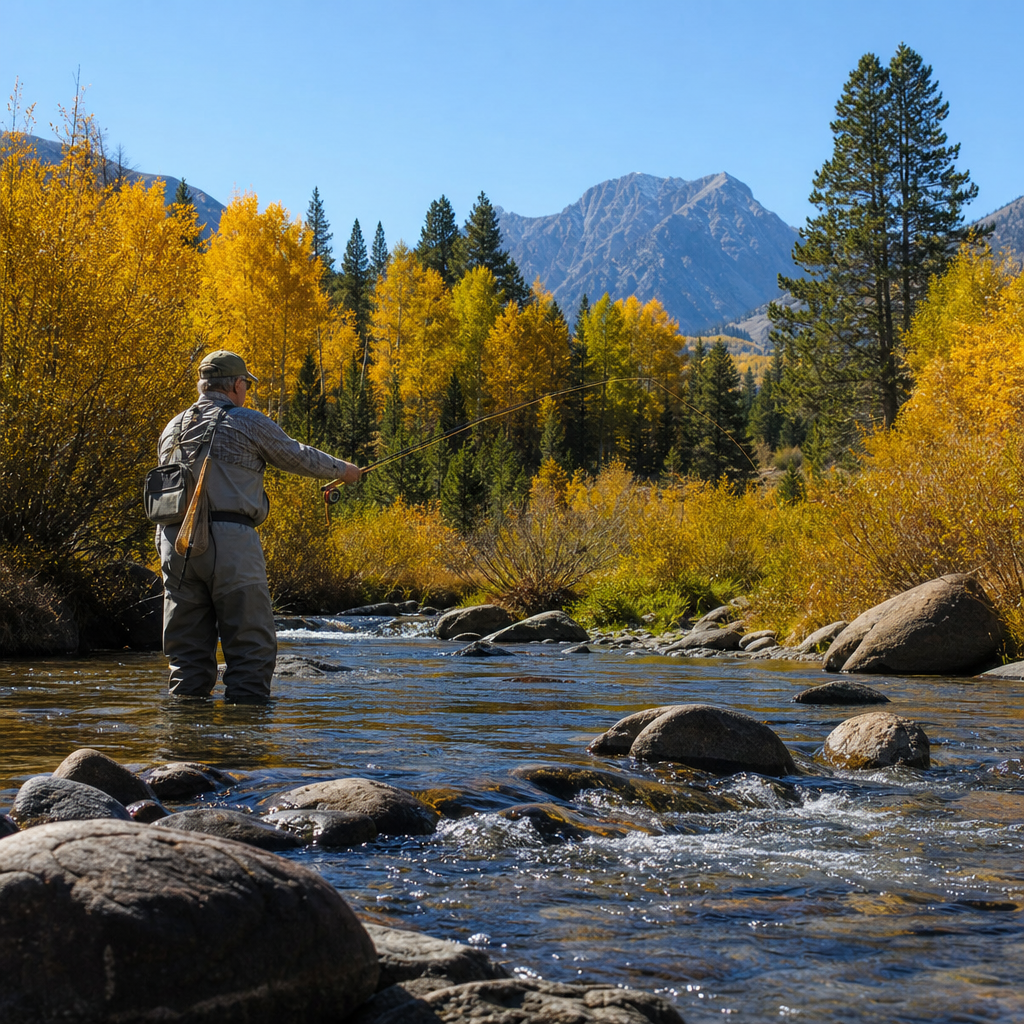
Fall fly fishing in high altitude streams combines thinning crowds, aggressive trout, and rapidly changing mountain conditions into one of the most technical and rewarding periods of the year. In practical terms, “high altitude streams” usually means freestone creeks, alpine tributaries, meadow channels, and pocketwater systems above roughly 6,000 feet, where water temperatures, insect timing, and fish behavior respond quickly to shorter days and cold nights. “Fall fly fishing” refers to the post-summer, pre-winter window when trout feed with urgency, aquatic insect hatches shift, terrestrial opportunities taper, and spawning movements begin for certain species. I have planned entire guiding calendars around this season because a single October day can offer blue-winged olives at noon, streamer eats under cutbanks in the afternoon, and a midge-driven evening bite if weather holds.
This season matters because it rewards preparation more than luck. In summer, anglers can cover mistakes with abundant bug activity and forgiving flows. In fall, fish become more selective in some windows and more predatory in others, while weather can swing from shirtsleeves to sleet within hours. On high altitude streams, those shifts are magnified. Nighttime freezes lower morning water temperatures, early snow can stain tributaries, and bright skies can push trout into short, intense feeding windows. At the same time, reduced irrigation demand and lower runoff create clearer reading water, exposing seams, tailouts, undercut banks, plunge pools, and spawning gravel with unusual precision. For anglers targeting wild brown trout, brook trout, cutthroat, or rainbow trout, fall offers a rare mix of visual water clarity and fish that often feed as if winter scarcity is approaching.
As a sub-pillar within seasons and conditions, this hub page covers the core decisions that shape success: understanding fall trout behavior, reading high country water, selecting flies for mayflies, caddis, midges, streamers, and late terrestrials, adjusting presentations to temperature and light, and fishing responsibly around spawning fish and fragile habitat. The goal is simple. If you are planning fall fly fishing in mountain streams, this page should help you choose where to go, what to carry, when to fish, and how to adapt when the mountain weather changes faster than the hatch chart.
How Fall Changes Trout Behavior in High Altitude Streams
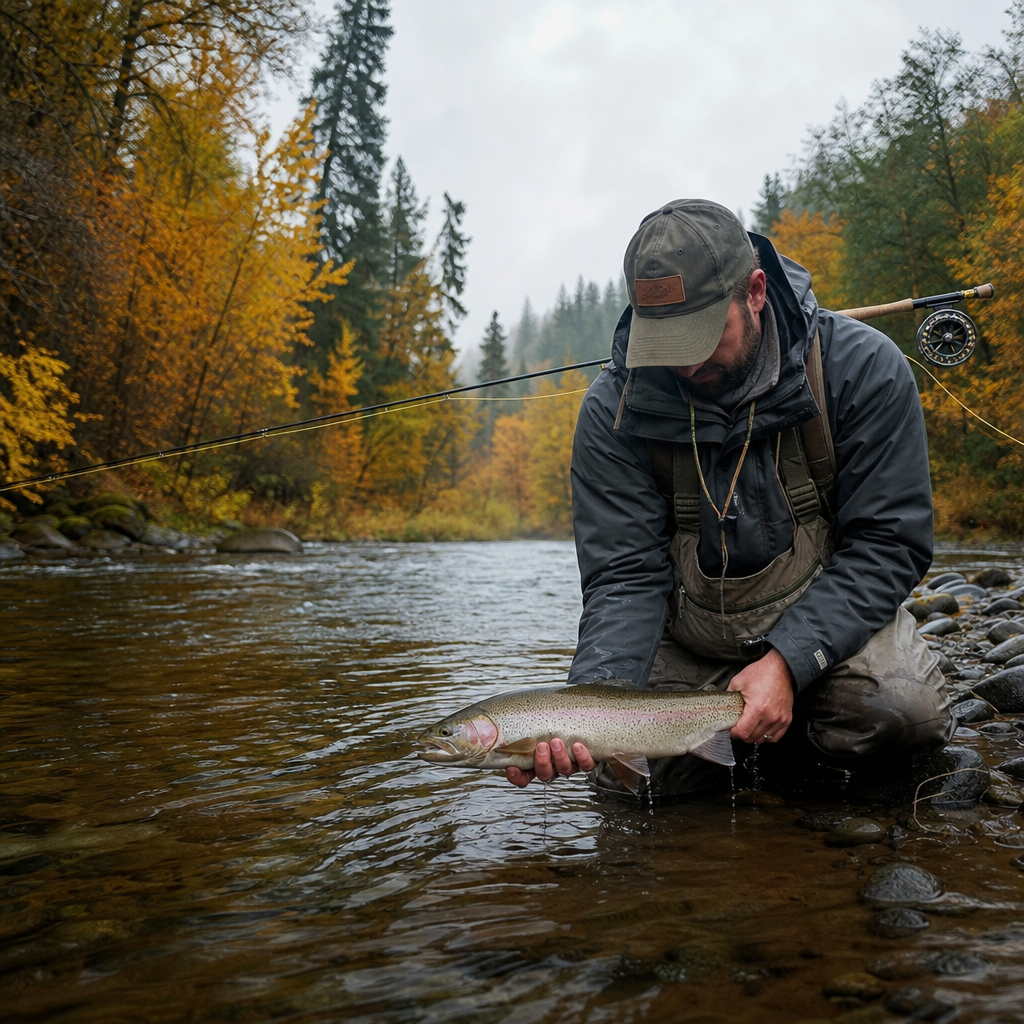
Trout in alpine and subalpine streams behave differently in fall because metabolism, daylight, food availability, and reproductive instincts begin converging. Brown trout become notably more aggressive ahead of the spawn, often moving farther than they do in midsummer and responding to streamers, larger nymphs, and territorial presentations. Brook trout, especially in small headwaters, develop vivid coloration and can crowd into shallow gravelly areas. Rainbow trout generally do not spawn in fall, but they still shift into winter lies as water cools and daytime insect activity narrows. Cutthroat often feed hard through stable weather but become cautious during bright, low-water conditions.
The most important practical change is that feeding windows tighten. Instead of broad all-day summer opportunity, many high altitude streams fish best from late morning through midafternoon, when the sun has lifted water temperatures enough to stimulate insect movement. I routinely check temperature with a stream thermometer, and if water is below about 44 degrees early, I slow down, fish deeper, and expect the best action later. Once temperatures reach the upper 40s to low 50s, nymphing and hatch activity often improve quickly. Conversely, when a warm spell pushes small streams above the mid-50s in early fall, terrestrials and attractor dries can briefly return to prominence.
Trout also reposition within the channel. In summer, fast pocketwater can support fish across many micro-lies because oxygen is abundant and food drifts continuously. In fall, the most consistent fish often slide into buckets below riffles, softer slots beside boulders, inside bends with depth, tailouts during mayfly activity, and undercut banks where larger browns feel secure. This is one reason fall fly fishing in high altitude streams can feel so methodical: once you identify the productive water type for the day, the pattern tends to repeat through the drainage.
Where to Fish: Stream Types, Elevation Bands, and Seasonal Positioning
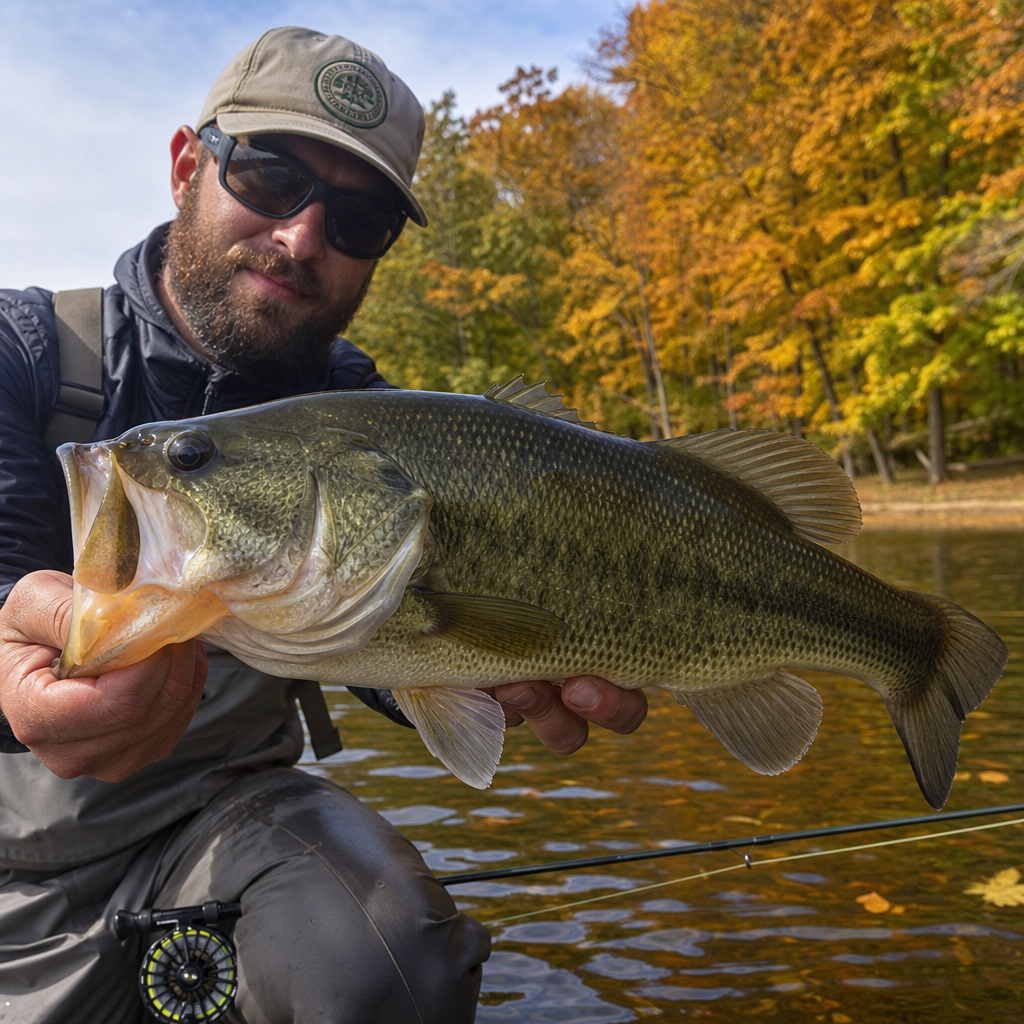
Not every mountain stream peaks at the same time in fall. Very high headwaters above treeline or near it can cool too quickly after the first hard frosts, making them beautiful but inconsistent except during the warmest part of the day. Mid-elevation tributaries often provide the best balance of active fish, manageable flows, and insect diversity from late September through October. Larger valley-connected freestones can fish even longer because they retain heat, support baitfish, and draw migratory brown trout from bigger rivers or reservoirs.
When I scout a drainage for autumn, I divide it into elevation bands rather than treating the whole watershed as one fishery. The top band offers eager but smaller resident fish and spectacular scenery, especially early in the season before repeated freezes. The middle band usually becomes the workhorse zone, with pocketwater, plunge pools, meadow bends, and enough thermal stability for dependable midday fishing. The lower band often holds the biggest fish in fall because depth, cover, and seasonal movement all increase there.
Water type matters as much as elevation. Meadow streams can produce subtle but excellent blue-winged olive hatches and sight-fishing to selective trout in slow seams. Steeper freestones favor high-stick nymphing, pocketwater dries during short windows, and streamer work under overcast skies. Spring-influenced tributaries deserve special attention because they stay a few degrees warmer and can support more stable midge and mayfly activity after cold fronts. If you are building a season plan, start with streams that have public access across multiple elevations. That lets you follow temperature and bug activity instead of being locked into one unproductive stretch.
Flies, Rigs, and Presentations That Consistently Work
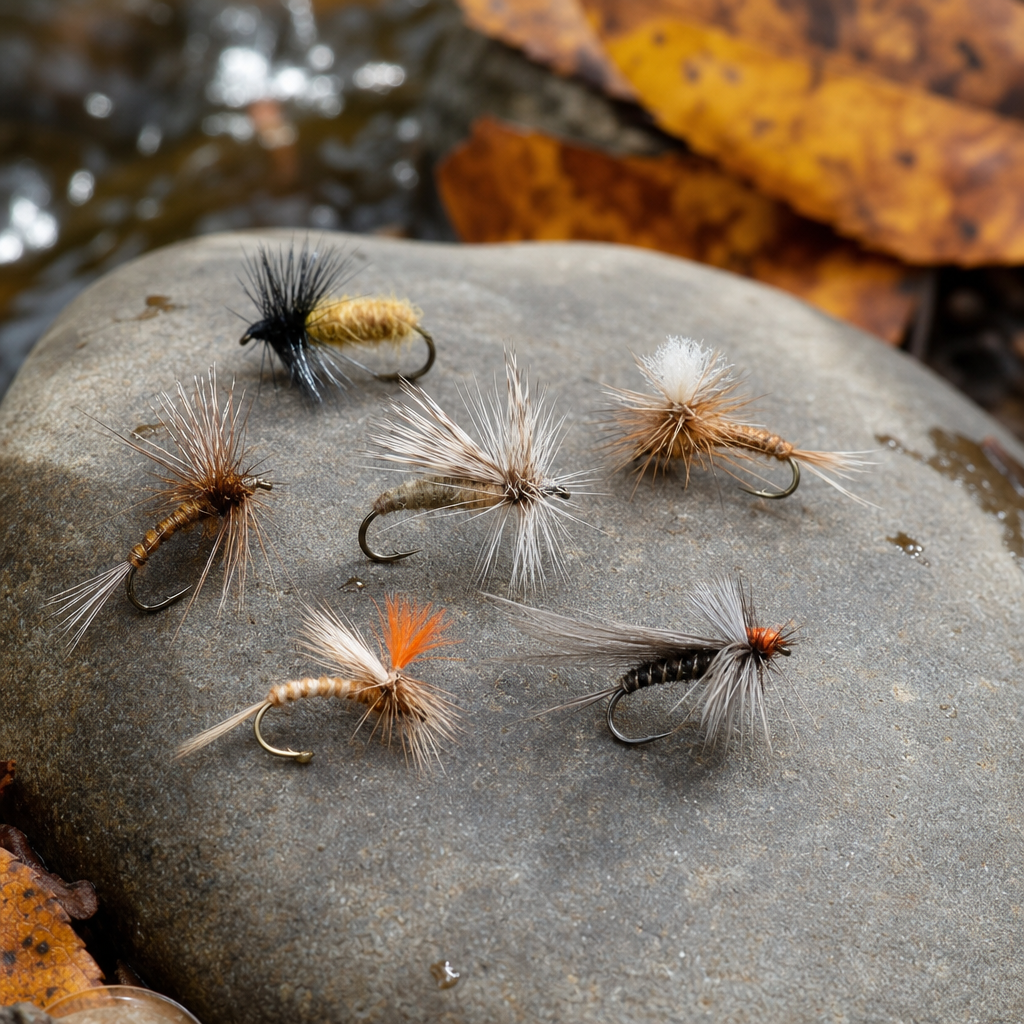
Fall fly selection in high altitude streams should be narrower and more deliberate than in midsummer. You do not need a giant box; you need confidence patterns that match the season’s food sources and water clarity. My standard autumn kit includes small to medium blue-winged olive dries, parachute Adams for mixed mayfly situations, elk hair caddis in subdued tones, zebra midges, pheasant tails, perdigons, hare’s ears, stonefly nymphs, small jig streamers, Woolly Buggers, and a few ant or beetle patterns for warm afternoons. In many streams, size matters more than exact imitation. A size 18 olive mayfly or a size 20 midge often outfishes a close-but-bulky substitute.
Presentation changes with the season. Dry-dropper rigs still work, particularly in early fall and on warmer afternoons, but by midseason I usually shift toward indicator nymphing or tight-line approaches that keep flies near the bottom in slower current. Fall trout often hold in defined lanes and feed opportunistically rather than moving far. That means drag-free drifts and depth control are decisive. Add split shot sooner than you would in summer, shorten casts in complex pocketwater, and make repeated drifts through the same lie before stepping on.
| Condition | Best Approach | Recommended Flies | Why It Works |
|---|---|---|---|
| Cold morning below 45°F | Deep nymphing in slower runs | Zebra Midge, Pheasant Tail, small Stonefly | Trout conserve energy and feed near the bottom |
| Cloud cover with light drizzle | Dry-dropper or emerger setup | BWO dry, RS2, soft hackle | Mayflies hatch longer under low light |
| Bright low water | Long leader, fine tippet, short drifts | Small mayfly nymphs, midges | Clear water increases trout caution |
| Afternoon warm-up | Pocketwater dry fly or dry-dropper | Parachute Adams, ant, beetle | Surface activity rises as insects loosen up |
| Pre-storm or stained flow | Streamer along banks and structure | Bugger, sculpin, small articulated pattern | Aggressive trout attack larger prey in low visibility |
Streamer fishing deserves special emphasis because fall is when many anglers finally connect with the largest fish in a drainage. You do not always need oversized articulated patterns. In narrow mountain channels, a size 6 or 8 olive, black, or white streamer often tracks more naturally and lands softly enough for shallow lies. Fish it across and slightly downstream, then vary the retrieve from short strips to a dead swing. Brown trout commonly eat at the end of the swing near root wads or submerged rock shelves. If you are seeing follows but no commits, change angle before changing flies.
Reading Weather, Water Temperature, and Daily Timing
Successful fall fly fishing depends on tracking conditions with precision. Air temperature alone tells very little in the mountains. A sunny 50-degree day after a 20-degree night can fish slower than a cloudy 42-degree day that held overnight warmth. Water temperature drives insect activity and trout movement more directly, so carry a thermometer and use it. On many high altitude streams, the difference between 43 and 48 degrees is the difference between tentative bottom-feeding and a visible hatch.
Barometric shifts also matter. Before a storm, fish often feed more aggressively, especially on nymphs and streamers. During the first hours of snow or cold rain, blue-winged olive activity can spike if water temperatures stay within a productive range. After a sharp cold front, expect a slower morning and concentrate on the deepest, slowest holding water until the sun reaches the channel. Wind deserves respect as well. In open alpine valleys, afternoon gusts can shut down dry fly precision, making a tight-line or short-indicator system more efficient than stubbornly forcing a long cast.
Timing usually narrows into three useful windows. Late morning is the transition period when nymphing improves as water warms. Midday through early afternoon is often prime for mayflies, caddis, or mixed subsurface feeding. Late afternoon can bring a brief streamer window as shadows lengthen and larger trout leave cover. This schedule is not universal, but it is reliable enough that I plan access hikes, lunch breaks, and section changes around it. If a stream is not producing by midday, moving to a lower or spring-influenced reach is often smarter than changing flies endlessly.
Ethics, Safety, and Seasonal Planning for Better Fall Fishing
Autumn in trout water carries ethical responsibilities that matter more than catch totals. Brown trout and brook trout may be spawning, and redds are easier to see in clear low water than many anglers realize. A redd is a cleaned patch of gravel, often lighter than the surrounding bottom, where fish deposit eggs. Do not wade through it, cast repeatedly to fish actively spawning on it, or target trout stacked immediately behind redds for easy catches. Those fish are concentrated for biological reasons, not because the fishing is legitimately better. Responsible fall fly fishing means identifying spawning habitat and giving it space.
Safety is equally seasonal. High altitude weather changes fast, daylight shrinks quickly, and simple mistakes become expensive when roads ice over or creek crossings freeze at dusk. I pack a puffy layer, waterproof shell, gloves, headlamp, map or offline navigation, extra socks, and a thermos on every serious fall outing. Felt or rubber soles both work, but studs become increasingly useful once streamside rocks glaze over. If you are fishing remote tributaries, tell someone which drainage you will enter and when you expect to be out.
As a hub topic, fall fly fishing should also be planned across the season rather than as a single trip. Early fall favors terrestrials, attractor dries, and higher elevations. Mid-fall centers on blue-winged olives, nymphing, and pre-spawn aggression from browns. Late fall shifts toward deeper water, smaller flies, slower presentations, and lower stream sections with thermal stability. Organizing your approach this way prevents the most common mistake I see: anglers fishing the same water, with the same summer tactics, from September into November and wondering why results fade. Match the phase of fall to the phase of the watershed.
Fall fly fishing in high altitude streams rewards anglers who pay attention to temperature, elevation, fish movement, and seasonal ethics. The best days are rarely accidental. They come from choosing the right elevation for current conditions, fishing the most likely holding water at the right hour, and carrying a compact fly selection built around blue-winged olives, midges, nymphs, and modest streamers. Clear water and reduced summer pressure make the season visually appealing, but the real advantage is predictability: once you learn how trout respond to cold nights, warming afternoons, cloud cover, and pre-spawn behavior, the puzzle becomes easier to solve.
The main benefit of mastering this season is efficiency. You spend less time blind-casting attractive water and more time fishing proven lies with purpose. You also become safer and more responsible, avoiding redds, planning around weather, and adjusting to short daylight instead of getting surprised by it. Whether you fish tiny headwaters for brightly colored brook trout or larger mountain tributaries for migratory browns, the fundamentals remain consistent: watch the thermometer, read the light, fish deeper first, and stay flexible enough to switch from nymphs to dries or streamers when conditions call for it.
Use this page as your starting point for the broader fall fly fishing season. Build trip plans by elevation band, keep notes on water temperature and hatch timing, and refine a small set of confidence patterns for your local streams. If you do that, each autumn outing becomes less about guessing and more about recognizing repeatable signals the mountain gives you. Start with one high altitude stream this fall, fish it through changing conditions, and let the season teach you where its trout want to be.
Frequently Asked Questions
What makes fall fly fishing in high altitude streams different from fishing the same water in summer?
Fall changes nearly every variable that matters in high altitude streams. Water temperatures drop, daylight shortens, insect activity shifts, and trout behavior becomes more urgent and opportunistic. In summer, fish in alpine creeks and freestone tributaries often feed around stable daily windows, with stronger terrestrial action and more predictable surface opportunities. By contrast, fall brings colder nights, sharper morning temperature drops, and a noticeable increase in trout aggression, especially as fish try to build energy reserves before winter. In some waters, spawning instincts also influence movement and positioning, particularly among larger trout in connected systems.
Another major difference is stream character. Above roughly 6,000 feet, flows can become lower and clearer after summer runoff is long gone, which makes fish easier to locate but harder to fool. Trout may stack in deeper plunge pools, undercut meadow bends, shaded pocketwater seams, and tailouts that offer both cover and access to drifting food. At the same time, the absence of summer crowds often means less pressured fish and more room to fish methodically. The tradeoff is that mountain weather becomes less forgiving. A warm afternoon can turn into sleet, wind, or freezing temperatures quickly, so successful fall anglers pay close attention not just to hatches and flies, but also to timing, safety, and how rapidly conditions can change over the course of a single day.
What flies work best for trout in high altitude streams during the fall?
Fall fly selection in high altitude streams is usually built around three categories: small mayfly and midge patterns, attractor dries and terrestrials, and subsurface nymphs or streamers that match more aggressive feeding behavior. Blue-winged olives are often among the most reliable hatch-driven options in autumn, especially on overcast or damp days, and small parachutes, emergers, and comparaduns can all be effective. Midges matter more as temperatures fall, particularly in slower meadow sections and calmer pools. In many streams, caddis activity fades compared to summer, but it should not be dismissed entirely, especially during warm spells. Hopper fishing may continue early in the season, and beetles or ants can still produce when daytime temperatures remain comfortable.
Below the surface, nymphs are frequently the most consistent producers. Pheasant tails, hare’s ears, perdigons, small stonefly imitations, midge larvae, and baetis nymphs all deserve space in a fall box. In pocketwater and plunge-pool streams, a tight-line or high-stick approach with a compact weighted nymph can be especially effective because trout often hold in defined feeding lanes. Streamers also become more important in fall than many anglers expect. Sculpin patterns, woolly buggers, leeches, and smaller baitfish imitations can trigger territorial or pre-winter feeding responses from larger trout. The best overall approach is to carry a range of sizes rather than relying on one hatch. In high altitude water, insect windows may be brief, and fish often shift from surface feeding to subsurface opportunism quickly as light, temperature, and cloud cover change.
What time of day is best for fall fly fishing in high altitude streams?
In most high altitude streams, late morning through midafternoon is the most dependable window in fall. Cold nights can suppress insect activity and slow trout metabolism early in the day, especially in narrow valleys, meadow creeks with frost, and streams shaded by canyon walls or evergreen cover. Water that looks perfect at dawn may actually fish better several hours later once sunlight reaches the channel and temperatures climb enough to activate both bugs and fish. For that reason, many experienced fall anglers start more deliberately than they would in summer, focusing first on deeper runs, slower pockets, and nymphing water before expecting meaningful dry-fly action.
That said, there is no single universal rule. Weather patterns matter more in autumn because they can compress the feeding window. Overcast conditions may extend active periods, while bright bluebird days can push fish tighter to cover once the sun gets high. Windy afternoons can reduce casting efficiency in exposed alpine terrain, even if the trout are willing. If a hatch develops, especially a baetis emergence, the best fishing may happen in a short but intense burst. Evening can still be productive, but falling temperatures often shut things down faster than they do in lower elevation water. A practical strategy is to monitor water temperature, sunlight, and bug activity rather than fishing strictly by the clock. In fall, the best hour is usually the one when the stream finally reaches a biologically active temperature range and trout begin feeding with intent.
How should I adjust my techniques for low, clear water and spooky trout in mountain streams?
Low, clear fall conditions call for a quieter, more disciplined approach than many anglers use during runoff or peak summer pocketwater fishing. Trout in high altitude streams can become extremely aware of movement, especially in meadow channels, thin glides, and tailouts where visibility is excellent. Start by slowing down. Approach from downstream when possible, keep a low profile, use streamside cover, and avoid stepping into the water unless it improves your angle enough to justify the disturbance. In small creeks, simply staying back from the bank and making a longer first cast can dramatically improve results. Often, your initial drift over a fish is your best chance before it becomes alert.
Presentation matters at least as much as fly choice. Lighter tippet, finer leaders, smaller indicators, and less splashy casts are often necessary in fall. On the dry-fly side, downstream or quartering presentations can reduce drag and help the fly reach fish naturally. With nymphs, using fewer but better-placed drifts usually outperforms repeatedly lining the same holding water. In compact pocketwater, fish may still respond well to short-line control and precise depth adjustment, but in flatter sections subtlety is everything. Watch for micro-seams, undercut edges, submerged structure, and depth transitions rather than only obvious pools. Many fall trout hold where they can conserve energy while remaining one short move away from food, and the angler who reads those small positions accurately will often outfish someone who simply covers more water.
What gear, clothing, and safety considerations are most important for fall fly fishing at high elevation?
Fall conditions in high altitude streams can be ideal one hour and hazardous the next, so preparation matters as much as technique. A versatile rod in the 3- to 5-weight range covers most small to medium mountain streams, though a 6-weight can be useful if streamer fishing or dealing with wind. Floating lines handle the majority of fall situations, but leaders should be adaptable, with longer and finer setups for low clear water and stronger tippet for tight pocketwater or streamer work. Waders and sturdy boots become increasingly important as water and air temperatures fall, and traction should never be overlooked because snow-dusted rocks, leaf-covered banks, and icy edges are common in autumn.
Layering is essential. High-elevation weather can shift from frosty dawn to sunny afternoon to sleet before dark, so moisture-wicking base layers, an insulating mid-layer, and a waterproof shell are the standard system. Gloves, a warm hat, and extra dry clothing in the vehicle can make the difference between a productive day and a dangerous one. Safety also includes planning around shorter days, limited cell service, and rapid weather changes. Let someone know where you are going, carry water and high-energy food, and pay attention to signs of fatigue or altitude stress if you are hiking to remote tributaries. In fall, many anglers focus on fly boxes and forget the larger picture, but mountain safety is part of fishing effectively. The more comfortable and prepared you are, the better you can adapt to changing trout behavior without rushing decisions or overstaying conditions that are turning unsafe.