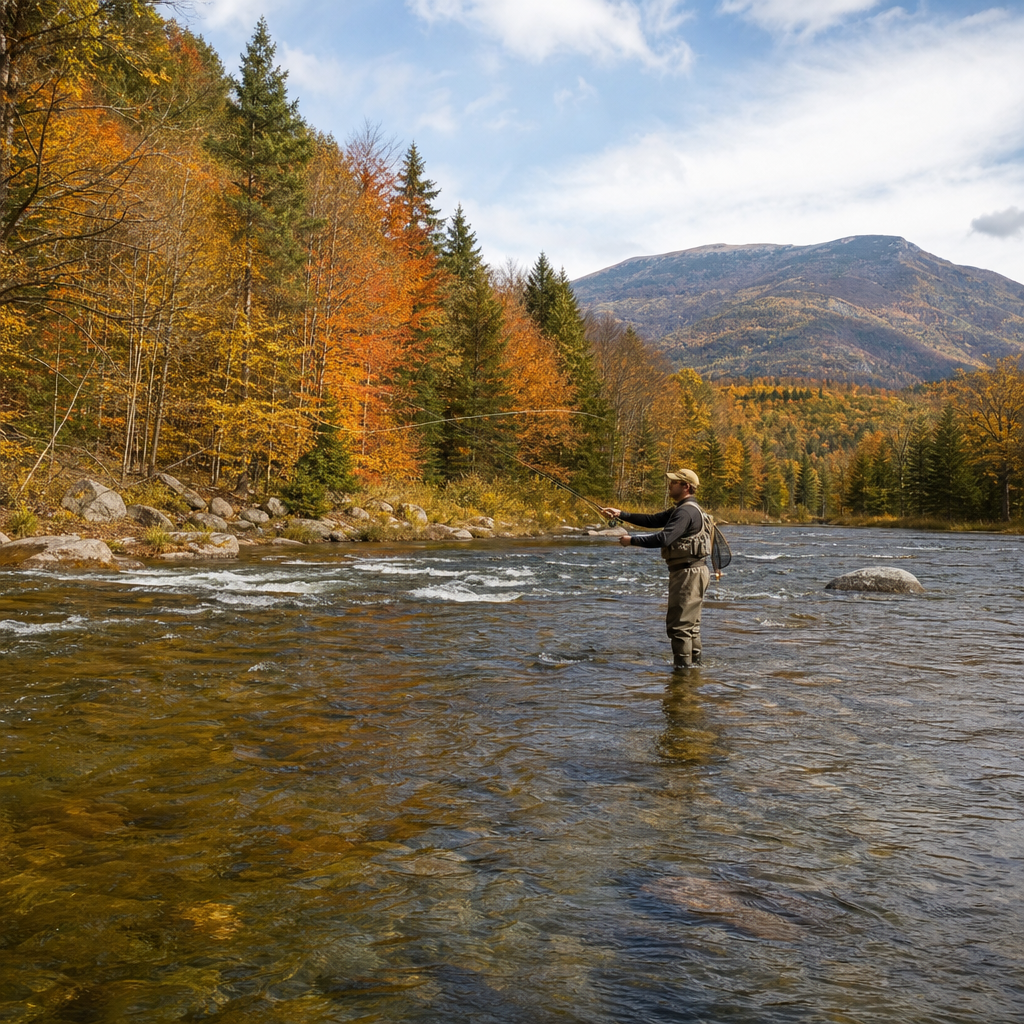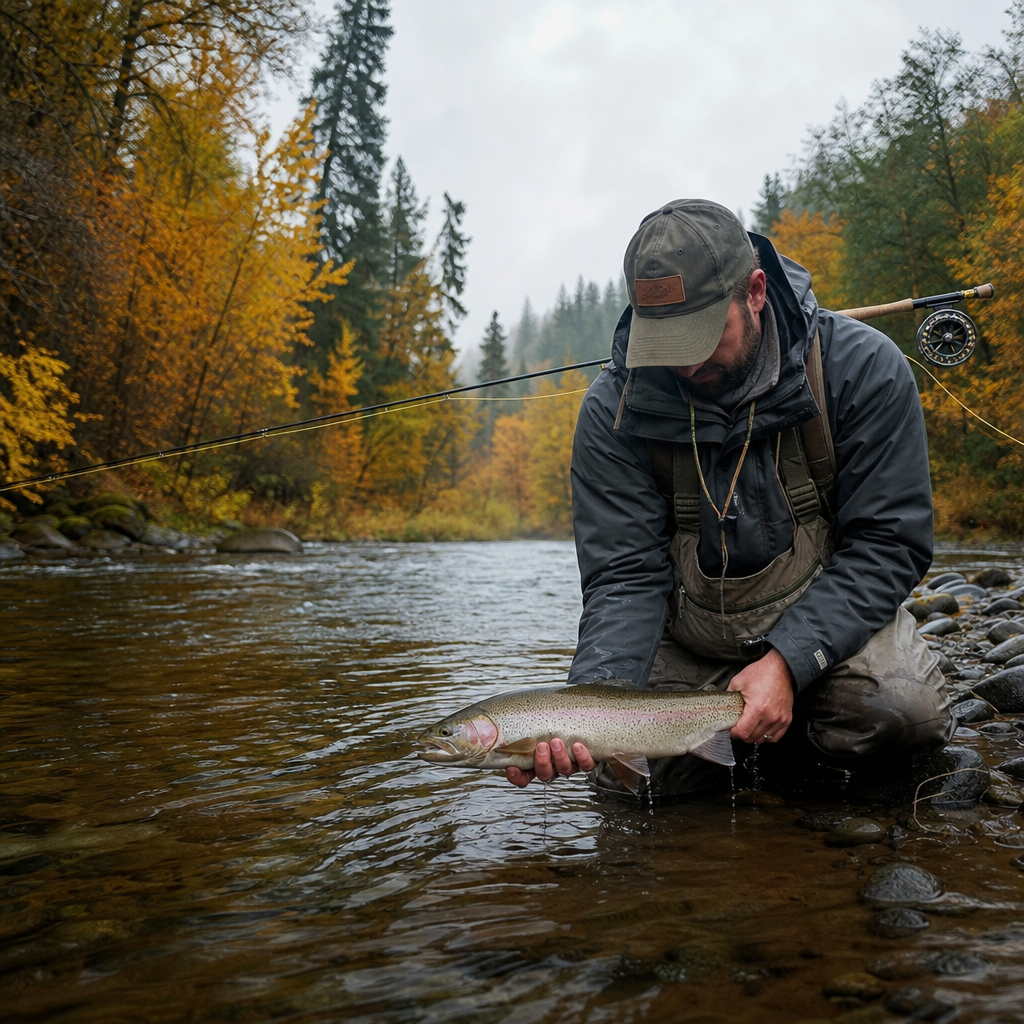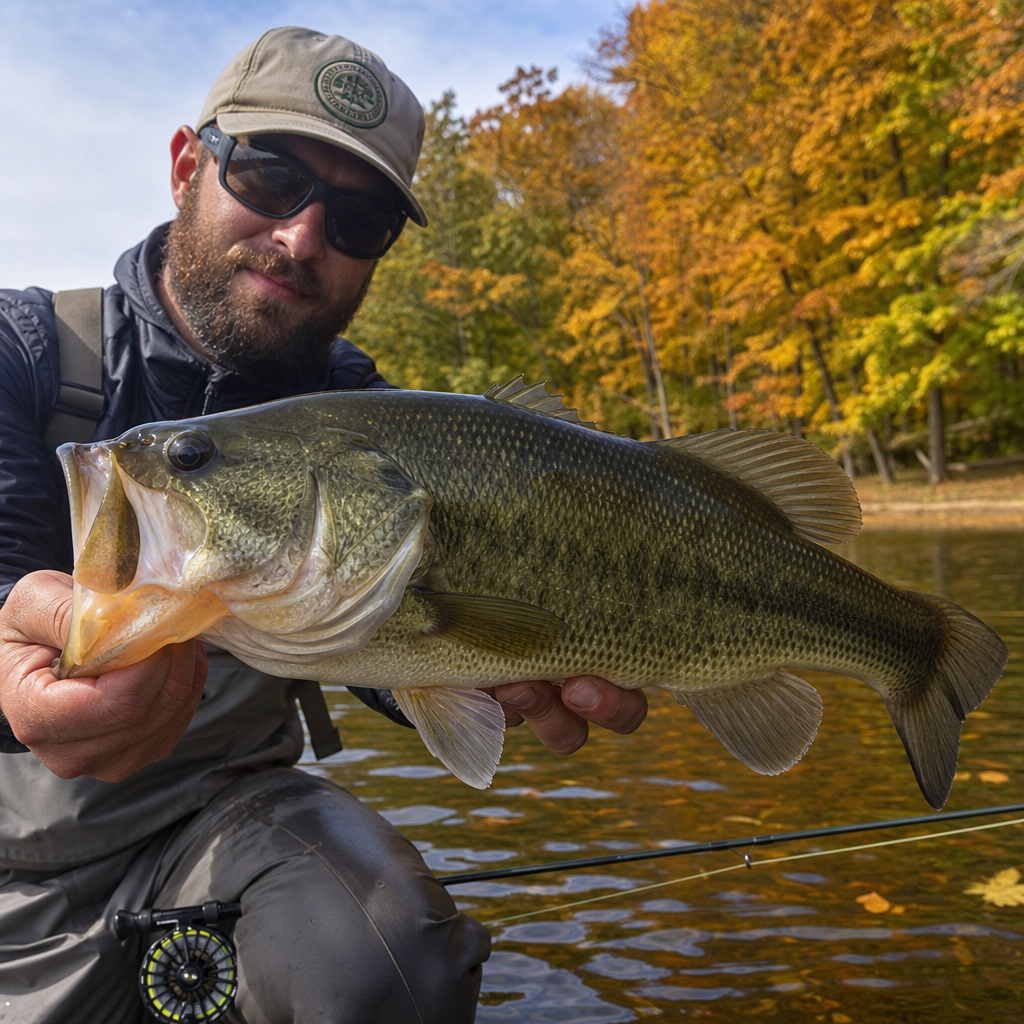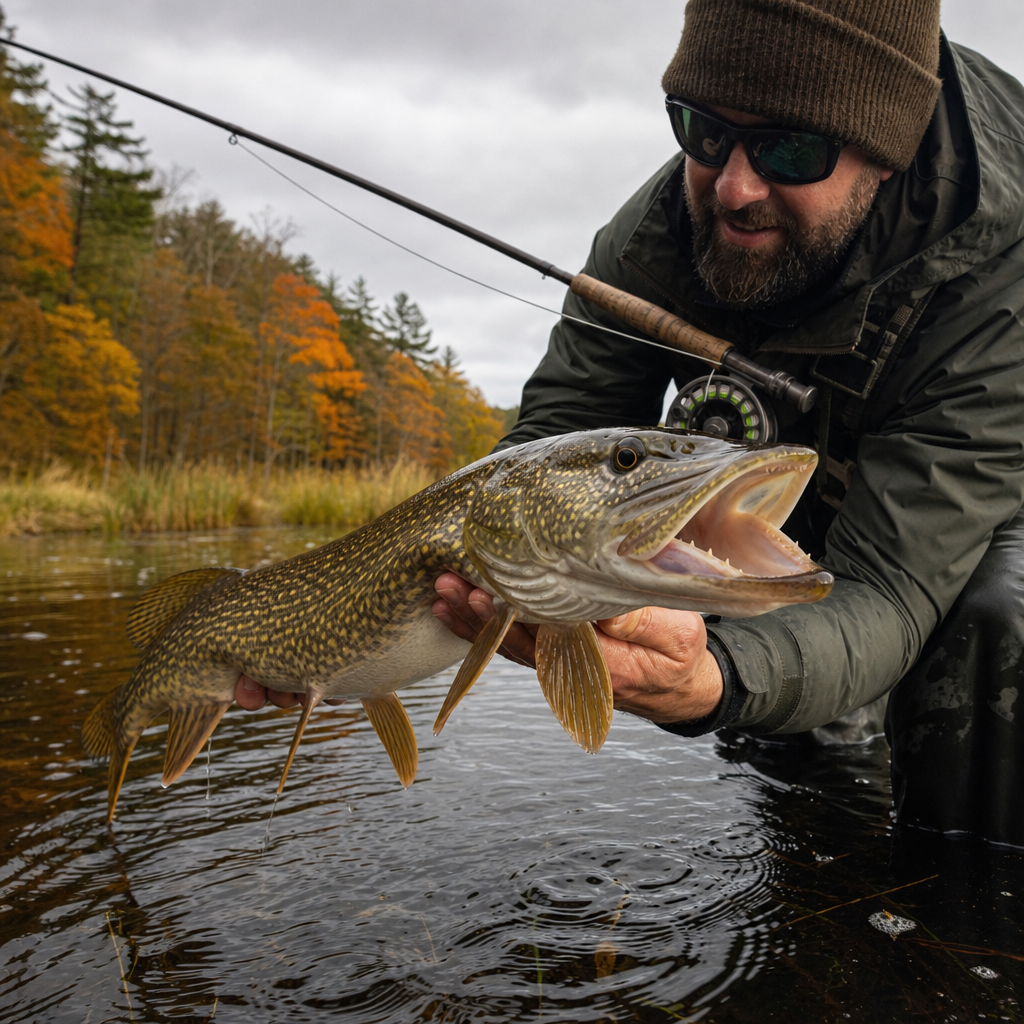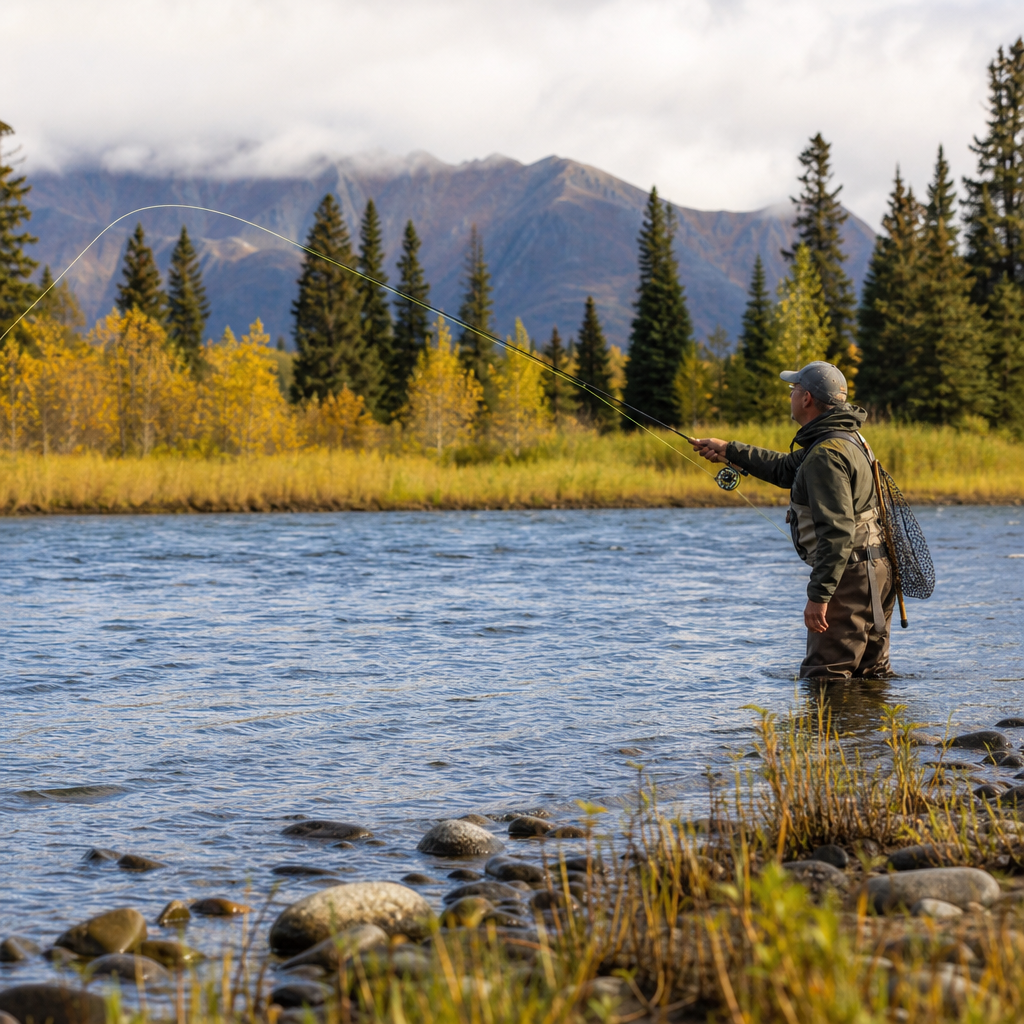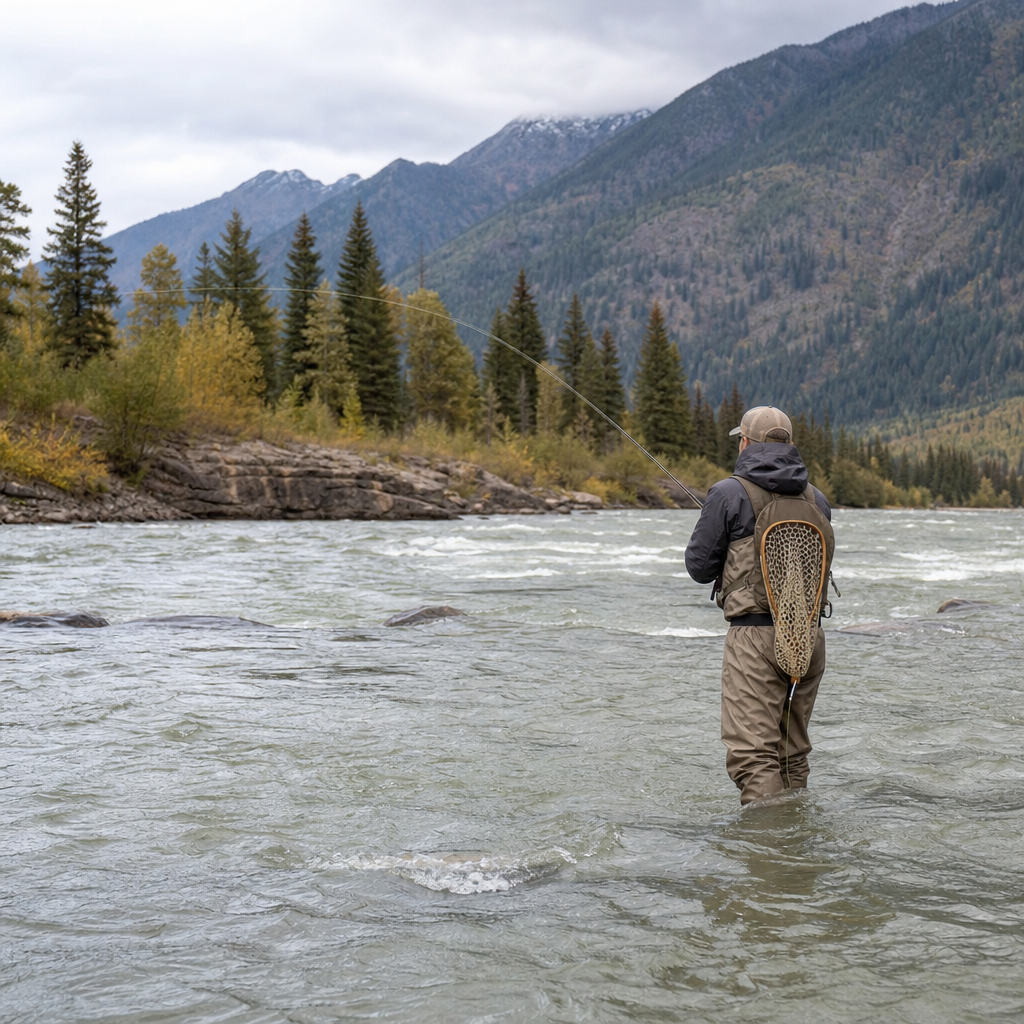
Fly fishing in fall runoff demands a different playbook than bright summer mornings or stable spring afternoons because water temperatures drop, flows change fast, and trout reposition almost daily. Anglers often think of runoff as a spring event, yet many tailwaters, freestone rivers, and regulated systems see autumn spikes from rain, reservoir releases, irrigation shifts, or early snowmelt at elevation. Fall fly fishing during runoff is not simply about casting heavier flies. It means understanding current seams, oxygen levels, visibility, insect timing, spawning behavior, and safe wading decisions, then matching tactics to those conditions. In my own guiding and late-season scouting, the best fall runoff days were rarely the prettiest. They were the days when slightly stained water pushed fish against soft edges and made them feed with confidence.
As a hub topic, fall fly fishing includes several connected ideas: reading seasonal water, selecting flies for dirty or rising flows, adjusting leaders and weight, targeting trout before winter, and knowing when to leave spawning fish alone. It matters because autumn can offer some of the year’s most consistent trout feeding, especially when terrestrial leftovers, Blue-Winged Olives, October Caddis, midges, eggs, and streamers overlap. At the same time, runoff can erase obvious holding lies and make familiar rivers dangerous. The anglers who catch fish consistently in these conditions are rarely the strongest casters. They are the ones who diagnose the river correctly, move efficiently, and fish at the depth and speed trout can actually intercept. That combination of observation and control is the foundation of successful fly fishing in fall runoff.
What Fall Runoff Looks Like on Different Rivers
Fall runoff is a broad term, so start by identifying the river type in front of you. On freestone streams, autumn rain can create short, steep hydrographs: flows rise quickly, color turns from green to tea or chocolate, then the river drops back within a day or two. On tailwaters, runoff may come from dam releases rather than weather, and the change can be colder, steadier, and less muddy. Spring creeks often show the least drama, but even they can become off-color after surrounding fields drain or side channels add sediment. Lakes and reservoirs upstream matter too. A release from a stratified reservoir can alter temperature and clarity enough to shift trout feeding windows by hours.
These distinctions drive your approach. A trout in a rain-swollen freestone usually moves to softer margins, inside bends, flooded grass, and current breaks behind large rocks. A trout in a release-driven tailwater may still hold near standard structure, but it generally drops deeper and feeds in narrower lanes. Brown trout, especially pre-spawn fish, often become more aggressive in stained fall water. Rainbow trout and cutthroat tend to stay predictable if oxygen remains high and the temperature stays within their feeding range. The practical lesson is simple: do not hear “runoff” and assume one universal strategy. First decide whether you are fishing a freestone pulse, a dam release, or a moderate stain event, then build your rig and presentation around that specific hydrology.
How Trout Behave in Rising, Stained, and Cooling Water
Trout respond to three main changes during fall runoff: speed, visibility, and temperature. Rising water increases the river’s total energy, so fish conserve calories by shifting to slower water beside or beneath the main current. Stained water reduces how far they can see, which often makes them less wary and more willing to attack larger food items at short range. Cooling water generally improves dissolved oxygen, but it also slows metabolism compared with summer. The result is a fish that wants a substantial meal presented close to its face without forcing a long chase.
That is why productive lies in fall runoff are usually near structure and near transition lines. Look for soft cushions in front of boulders, frog water along cutbanks, submerged timber, side channels with walking-speed flow, and tailouts where food funnels but current slackens. In many rivers, the first foot or two off the bank becomes prime water when flows rise. I have watched anglers cast repeatedly to the center of a swollen run while trout ate nymphs ten inches from flooded grass. If visibility is twelve to twenty-four inches, trout often station even tighter to cover. If visibility improves to two or three feet, they may slide slightly back into classic riffle edges, bucket water, and drop-offs.
Best Times, Best Water, and When to Stay Home
The best fall runoff fishing usually happens during one of three windows: the beginning of a rise before water turns too dirty, the first leveling period after a spike, or the drop when clarity returns but flows remain elevated. Each window has a reason. Early in the rise, dislodged nymphs, worms, eggs, and baitfish create a concentrated food event. During the level phase, trout settle into new lies and feed steadily if they can still track flies. On the drop, fish often spread slightly while keeping the confidence that stained water provides. This is why checking real-time gauges matters. The U.S. Geological Survey, regional water data portals, and dam release schedules often tell you more than a weather app.
There are also times to skip the trip or change venues entirely. If a freestone is carrying heavy debris, visibility is near zero, and banks are sloughing, fishing is inefficient and unsafe. If water temperatures crash into the high thirties after a severe cold front, the bite may compress into a narrow afternoon window. If brown trout are actively spawning on obvious redds, that area should be left alone even if fish are visible. Good fall anglers know that restraint is part of effective fishing. Sometimes the right call is moving downstream to clearer tributary influence, choosing a tailwater with stable release patterns, or targeting warmest afternoon hours instead of forcing a dawn start.
Fly Selection for Fall Runoff Conditions
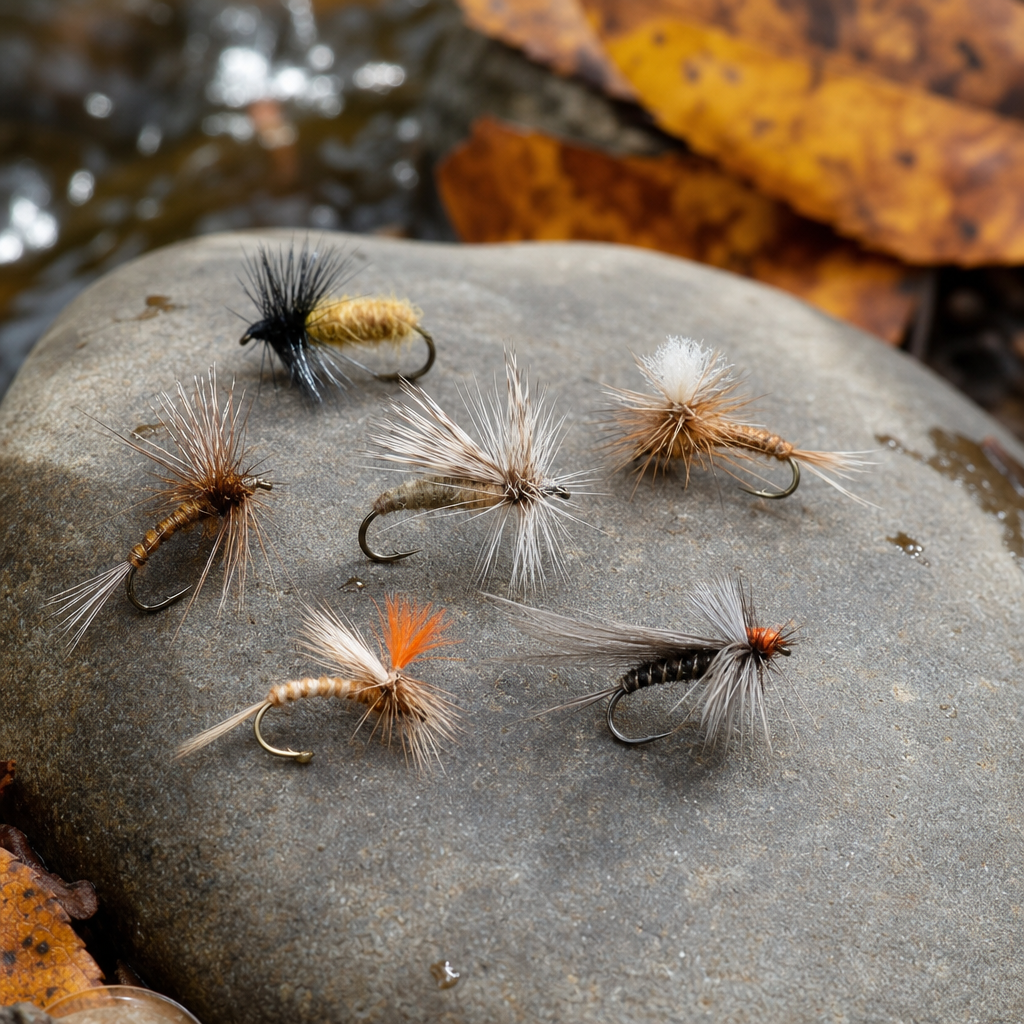
Fly selection in fall runoff should solve a visibility problem and a depth problem at the same time. In moderate stain, I rely on high-contrast nymphs like black and olive stonefly patterns, Pat’s Rubber Legs, dark Hare’s Ear variants, Perdigons with tungsten beads, and flashy attractor nymphs in sizes 10 through 18 depending on the river. Egg patterns are especially effective where browns, brook trout, or salmonids are spawning nearby, but they should be drifted below likely feeding fish, not through active redds. Worm patterns also earn their place after rain events because real annelids and terrestrial debris wash free during bank erosion.
Streamers become more important in autumn because larger trout are willing to ambush. Sculpin profiles, leeches, and articulated baitfish in black, olive, white, and tan stand out well in dirty water. The key is silhouette first, flash second. Too much flash in very stained water can become irrelevant, while a broad profile and pulsing material help fish locate the fly. Dry-fly opportunities still happen during fall fly fishing, especially on calm afternoons with Blue-Winged Olive hatches, Mahogany Duns, midges, and October Caddis activity. But runoff conditions usually reward subsurface rigs, often with one anchor fly and one smaller trailer that matches the actual drifting food.
| Condition | Recommended Flies | Why They Work |
|---|---|---|
| Light stain, dropping flows | Perdigon, pheasant tail, BWO emerger | Natural size and depth with enough flash to be seen |
| Moderate stain, steady rise | Stonefly nymph, worm, egg | Imitates common dislodged food during flow change |
| Heavy stain, soft banks | Black streamer, sculpin, leech | Large silhouette helps trout find the fly quickly |
| Calm afternoon edges | BWO dry, midge cluster, October Caddis | Matches selective surface feeding when hatches appear |
Rigging, Weight, and Presentation Adjustments
Most missed opportunities in fall runoff come from poor depth control, not the wrong pattern. If trout slide into softer edge water that is three to five feet deep, your flies must get down early and stay near the bottom without dragging unnaturally. That usually means shorter casts, heavier flies, split shot adjusted in small increments, and a highly visible strike indicator or tight-line contact system suited to the current speed. On many runoff days, I shorten the leader butt and fish a more compact nymph rig because turnover matters less than sink rate. Fluorocarbon tippet can help cut through the surface and resist abrasion around rock and wood.
Presentation should match the reduced reaction window of fish in stained water. High-stick short drifts, quartering casts to the near seam, stack mends, and controlled swings all outperform long hero casts across conflicting currents. With streamers, vary retrieve speed until fish tell you whether they want a slow crawl, broadside swing, or sharp strip. In colder water, a pause often triggers the eat because the fly hangs in the strike zone. For dry-dropper setups, use them selectively in shallower side channels and bankside slots rather than deep main flows. The cleanest rule is this: fish the shortest effective line, keep direct contact whenever possible, and make repeated drifts through any soft lie that looks too small to matter.
Safety, Ethics, and Practical Rivercraft
Fall runoff rewards discipline. Wading staffs, felt alternatives with studs where legal, layered insulation, and a waterproof shell are not optional when flows are unstable and water is cold. A river that was knee deep in September can become thigh deep and pushy after one storm or release change. Enter slowly, test every step, and remember that off-color water hides drop-offs. From a boat, watch for floating debris, side-channel braids that have gone dry, and ramps affected by fluctuating releases. Tell someone your float plan if weather is moving in quickly. Cold shock and simple slips become serious fast in late season.
Ethics matter just as much as safety. During fall fly fishing, spawning fish and redds deserve protection. A redd usually appears as a clean, light-colored patch of gravel in suitable current. Fish holding directly on that patch should be left alone, and anglers should avoid walking through it because crushed eggs affect future recruitment. Better targets are the deeper buckets, tailouts, and side seams below spawning zones where non-spawning trout and posturing browns intercept drifting eggs. Respecting private land, seasonal closures, and species-specific regulations is part of being effective, not separate from it. The anglers who return to productive rivers year after year are the ones who protect the fishery while learning its seasonal patterns.
Building a Complete Fall Fly Fishing Strategy
A complete fall fly fishing strategy starts before you string the rod. Check gauges, recent precipitation, release schedules, and water temperature trends. Then choose a river section with at least some walking-speed edge water and enough clarity for trout to see a fly at close range. On arrival, spend ten minutes observing before casting. Note debris lines, foam seams, bank softness, and where current slows abruptly. Fish likely holding water in order: near-bank seams, inside bends, structure cushions, side channels, and tailouts below spawning areas. Start with a confidence nymph rig or a streamer if visibility is poor, then adjust according to follows, ticks, refusals, or empty drifts.
As this hub for fall fly fishing shows, success in runoff comes from combining seasonal awareness with technical control. Learn how different rivers rise, how trout reposition, how clarity changes fly choice, and how depth determines almost everything. Keep safety and spawning ethics central. If you do those things, fall runoff stops looking like a problem and starts looking like opportunity: fewer crowds, aggressive fish, and some of the most memorable trout of the year. Use this page as your starting point, then build deeper skills around hatch timing, streamer tactics, nymph rigging, and reading autumn water on your home rivers. The payoff is simple: more confident decisions and more fishable days all fall long.
Frequently Asked Questions
What makes fall runoff different from spring runoff for fly anglers?
Fall runoff often catches anglers off guard because it does not always look or behave like the classic spring melt most people plan around. In autumn, rising or fluctuating water can come from heavy rain, reservoir releases, irrigation changes, or even early high-elevation snow events rather than a long, predictable warming trend. That means water levels may spike quickly, drop just as fast, and change multiple times in a single week. Trout respond to those shifts by relocating into softer holding water, hugging structure more tightly, and feeding during shorter, more specific windows.
Another major difference is water temperature. In spring, runoff often arrives as temperatures gradually rise. In fall, runoff usually comes as air temperatures are falling, nights are longer, and overall metabolism is slowing. Trout can still feed aggressively, especially before winter, but they tend to conserve energy when flows increase and colder water reduces insect activity. As a result, presentation, depth control, and location matter even more than they do during stable conditions. The best fall runoff anglers treat every outing like a moving target: they watch the gauge, note clarity changes, and adjust throughout the day instead of assuming yesterday’s pattern still applies.
Where should I look for trout when rivers rise and turn off-color in the fall?
When flows jump and visibility drops, trout rarely stay in the obvious summer lies. Fast riffles, exposed mid-river shelves, and broad shallow flats often become too costly or unstable for fish to hold in comfortably. Instead, trout slide into slower, protected water where they can avoid the heaviest current while still intercepting food. Productive places include inside seams, eddies, soft pockets behind boulders, tailouts that are not too shallow, current breaks along cut banks, side channels, and the softer edges of deeper runs. On bigger rivers, the near-bank water is often far more important during runoff than many anglers realize.
Think in terms of energy balance. Trout want the shortest path to food with the least amount of effort. During fall runoff, that usually means water that is one or two speed levels softer than the main push, with enough depth to provide security. Transition zones are especially valuable: where muddy water meets clearer water, where fast current dumps into a softer bucket, or where a flooded bank creates a gentle cushion behind grass, roots, or timber. If the river is heavily stained, fish may hold surprisingly shallow and tight to cover because they feel protected. Make short, controlled drifts close to structure before wading too aggressively, since many fish during runoff are much nearer to your boots than they would be in low, clear conditions.
What fly patterns and rig setups work best during fall runoff?
During fall runoff, your setup should be built around depth, visibility, and control rather than pure variety. In many cases, a two-nymph rig with enough weight to reach the strike zone is the most consistent producer. Stonefly nymphs, larger mayfly nymphs, caddis larvae, worms, and egg patterns often perform well because they match the kinds of food that become dislodged or suddenly noticeable during changing flows. In stained water, flies with a stronger silhouette can outfish tiny technical patterns. Dark bodies, flash accents, hot spots, and slightly larger sizes help trout find the fly without making it look unnatural.
If fish are tight to the bottom, do not hesitate to use split shot or tungsten flies to get down quickly. One of the biggest mistakes anglers make in runoff is fishing too high in the water column. A practical rig might include a buoyant indicator, a heavier anchor fly, and a smaller trailing fly that adds realism without sacrificing sink rate. Streamers also deserve serious attention in fall runoff, especially when visibility is reduced and trout are willing to ambush larger meals. Patterns with movement, contrast, and a defined profile can trigger fish that ignore dead-drifted nymphs. Carry a range of weights and be willing to shorten or lengthen the leader depending on current speed and depth. In runoff, the best rig is usually the one that puts your flies in front of fish consistently and keeps them there long enough to matter.
How should I adjust my presentation and drift when flows are changing fast?
Fast-changing flows demand a tighter, more deliberate style of fishing. Long, elegant drifts that work in stable summer water are often less effective when runoff concentrates fish into short feeding lanes. Focus on short to medium drifts with immediate line control. Mend early, keep as much conflicting current off the leader as possible, and maintain direct contact without dragging the flies. In many runoff situations, the strike window is compact, so your first few feet of drift after the flies sink are often the most important. If you are not ticking bottom occasionally or seeing some evidence that the flies are getting down, you may not be fishing deep enough.
Approach angles matter too. Rather than casting far across heavy current, try quartering upstream into softer seams or positioning yourself to fish water in narrow, controlled lanes. This reduces drag and improves strike detection. If the river is rising through the day, reassess often. A seam that looked ideal an hour ago may become too fast, while a flooded edge may suddenly turn into prime holding water. With streamers, slow down more than you think. Fish in cold, pushy water often prefer a controlled swing, short strip, or pause-heavy retrieve over a fast, flashy chase pattern. Overall, the goal is not to cover maximum water quickly. It is to present efficiently to the best soft spots, adjust depth constantly, and fish every likely refuge with precision.
How can I stay safe and still fish effectively during fall runoff conditions?
Safety has to come first because fall runoff can create deceptively dangerous water. Cold temperatures, unstable footing, stronger-than-expected bank currents, and sudden release changes from dams all raise the stakes. Before leaving home, check streamflows, weather, and dam-release schedules if they are available. Once on the river, pay attention to water color, debris, shoreline wet marks, and the speed of edge currents. If the river is rising enough to flood gravel bars, erase safe crossings, or push heavy current against your legs near shore, it is time to back off. No fish is worth forcing a crossing in cold, powerful water.
Fishing effectively in these conditions often means wading less, not more. Many of the best runoff lies are along the bank or just off the main current, so a cautious shoreline approach can improve both safety and catch rates. Use a wading staff if you have one, tighten your belt, and avoid stepping into water you have not carefully read first. Fish with a partner when possible, especially on remote freestones or regulated rivers known for sudden level changes. From a tactical standpoint, safety and success often overlap: the smartest runoff anglers choose accessible soft water, keep their drifts short, and let the fish come to them rather than chasing distant spots through hazardous current. That disciplined approach usually leads to better presentations, better decisions, and a much more productive day on the water.