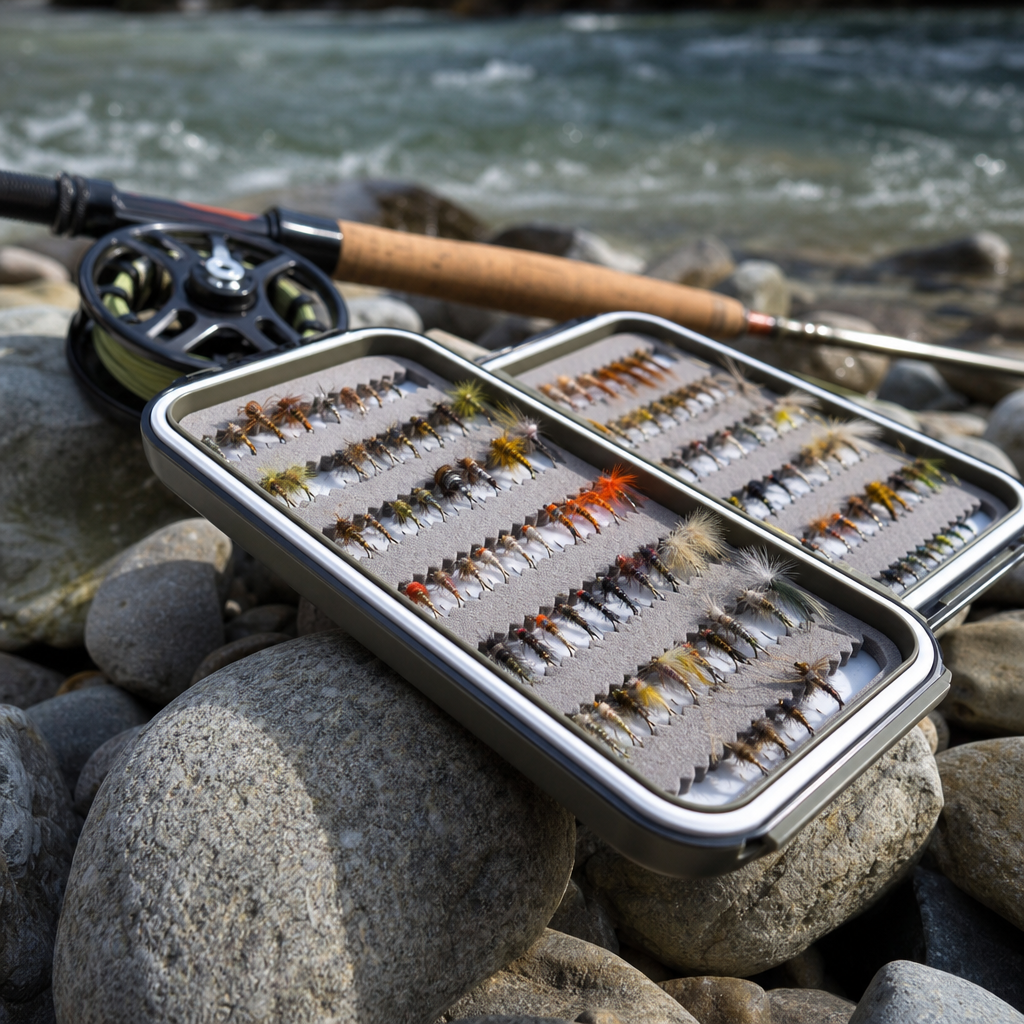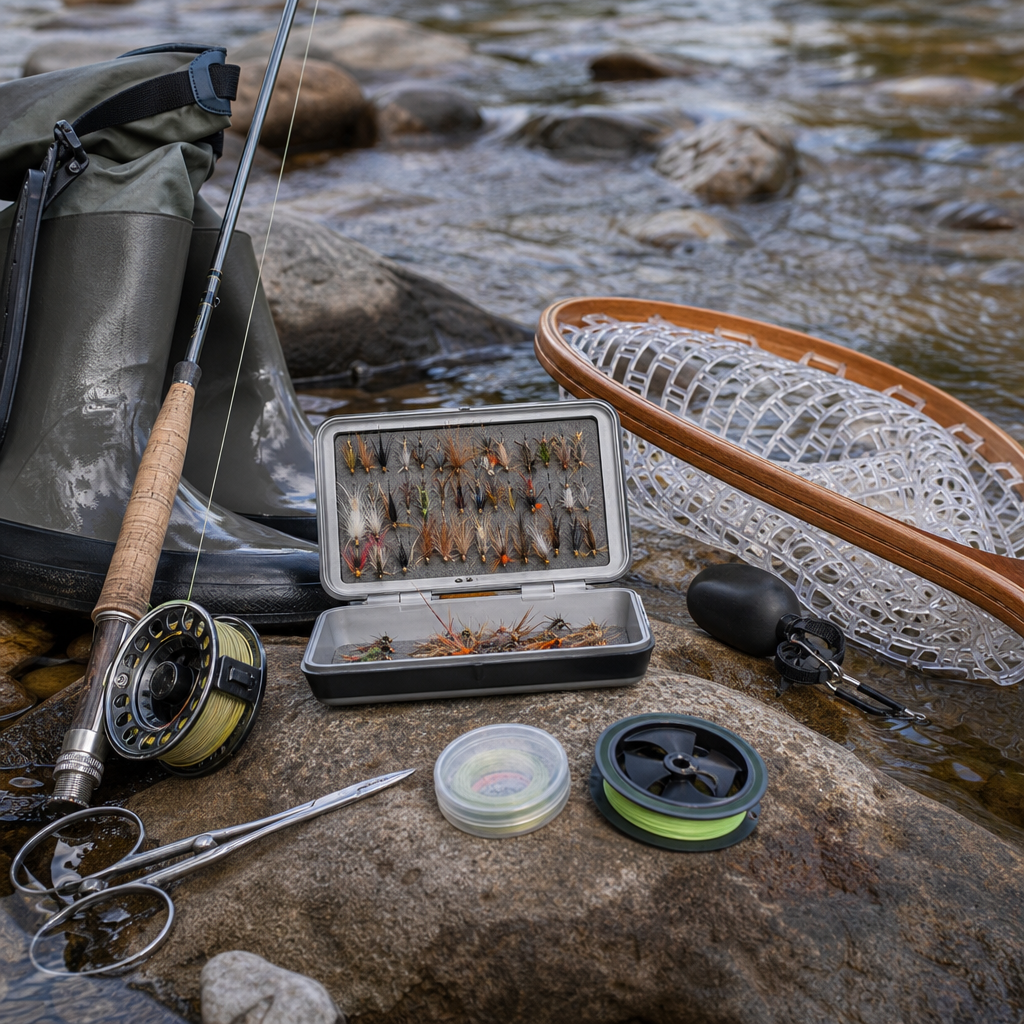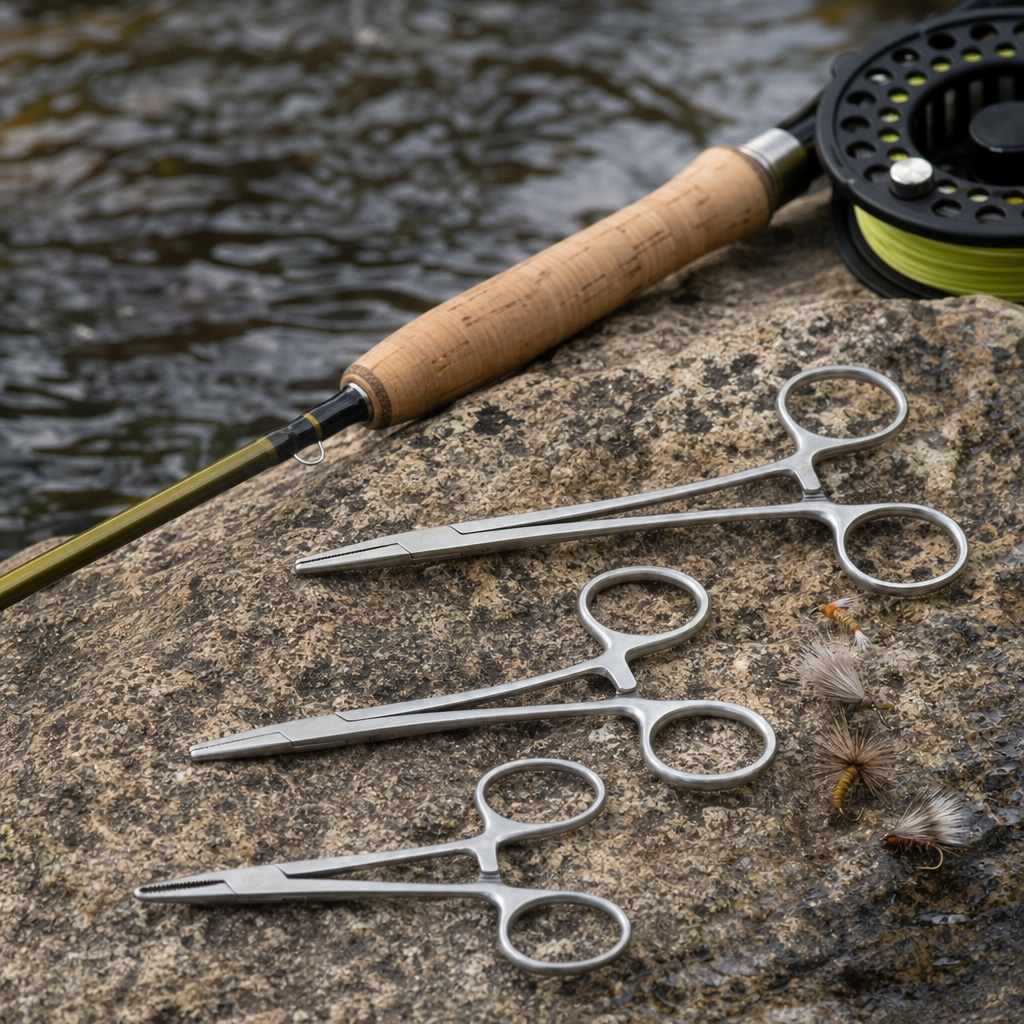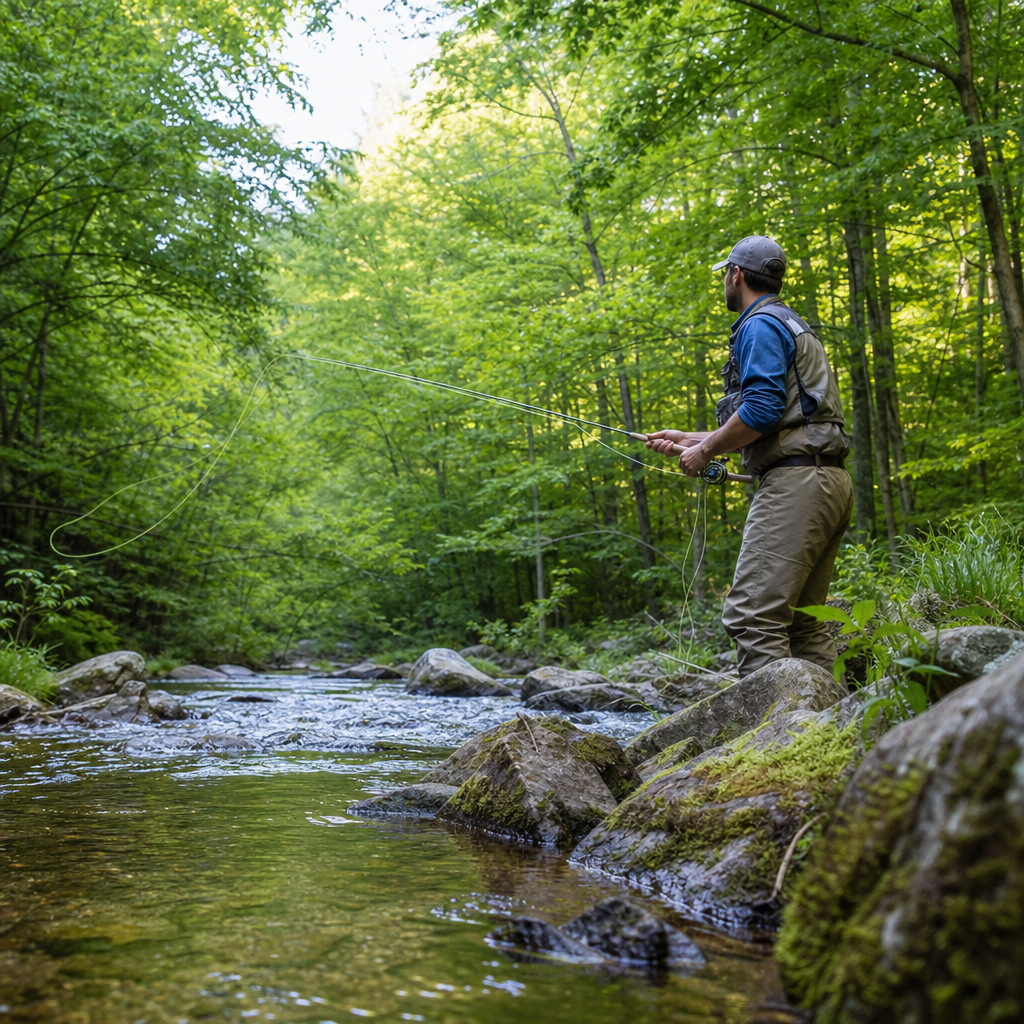
Small-stream fly fishing rewards precision, stealth, and efficient tackle, which is why choosing the best fly fishing rods for small streams matters more than many anglers realize. A small stream rod is not simply a shorter version of a general trout rod. It is a tool built for tight casting lanes, overhanging branches, short drifts, and fish that often sit only a rod length away. In this guide, I break down what actually makes a rod excel on brook trout creeks, spring-fed headwaters, and brushy mountain runs, so anglers can buy with confidence instead of chasing marketing language.
When anglers search for the best fly fishing rods for small streams, they usually mean rods that help them cast accurately at short range, protect light tippets, and load with very little fly line outside the tip. In practical terms, that often points to rods from 6 feet 6 inches to 8 feet long, usually in 2-weight through 4-weight line sizes, with moderate to moderate-fast actions. Those are not hard rules. I have fished tiny Appalachian rhododendron tunnels with a 6-foot fiberglass 3-weight and also enjoyed 7-foot 9-inch graphite 4-weights on meadow creeks where a slightly longer leader and reach cast made more sense.
This article serves as a hub for gear reviews within the broader product reviews and recommendations category, so the goal is twofold: help you choose a rod today and give you a framework for comparing every future gear review. The right rod improves casting mechanics, reduces snagging, and turns small fish into memorable fish because the tackle bends deeply and transmits every head shake. The wrong rod feels clumsy, lands too hard, and forces false casts you do not have room to make. Understanding rod length, line weight, material, and action is the difference between fighting your gear and fishing efficiently.
Another reason this topic deserves a detailed guide is that small-stream fishing covers several distinct environments. A blue-line brook trout stream in the Smokies, a willow-choked spring creek in Wisconsin, and a freestone pocketwater tributary in Colorado all count as small streams, but they do not demand the exact same rod. Brand reviews can be useful, yet rod selection becomes easier when you start with fishing conditions and presentation style. That is the approach I use whenever I test tackle: match the rod to the stream, the flies, the average casting distance, and the type of leader control required.
What Makes a Fly Rod Good for Small Streams
The best small stream fly rods share five traits: short-range loading, high accuracy, light-line protection, line control in confined spaces, and low physical weight. Short-range loading means the rod bends with only a few feet of line out, which matters because many casts on tiny streams happen inside twenty feet. Fast, stiff rods designed for distance often feel dead here. Accuracy matters more than pure power because a fly must land between roots, beside foam lines, or under branches. Good tippet protection matters because 6X and 7X leaders are common with small dries and wary trout in low water.
Line control on a small stream sounds contradictory because distances are short, but it is essential. Roll casts, bow-and-arrow casts, flips under canopy, and short mends require a rod that responds predictably. Physical weight matters because anglers hold the rod up all day while high sticking pocket water or sneaking along brushy banks. Swing weight, not just scale weight, is important here. A balanced reel can help, but a rod with a crisp recovery and a light tip simply fishes better in tight quarters.
Action is often misunderstood. Moderate action rods are favorites for many small stream anglers because they load quickly and protect fine tippet, but moderate-fast rods can be excellent when the blank is tuned for close work. I have found that many premium graphite rods labeled fast still perform well on small water if paired with a half-size-heavy line. Fiberglass remains popular because it bends deeply and makes short casts intuitive, though it can feel slower during repetitive dry-dropper rigs or windy afternoons.
Choosing the Right Length, Weight, and Material
Length is the first filter. For very tight streams with heavy canopy, a 6-foot 6-inch to 7-foot rod is often ideal. It reduces tip collisions with branches and makes bow-and-arrow presentations easy. For mixed water, a 7-foot 6-inch rod is the classic compromise. It gives enough reach for mending and dapping while staying compact. If the stream is technically small but more open, an 8-foot 3-weight or 4-weight can be better because line control improves immediately. I rarely recommend going much longer unless the stream has broad glides or complex currents.
Line weight follows fly size, fish size, and casting range. A 2-weight is excellent for tiny dries, soft presentations, and modest trout, but it can be limiting with beadhead nymphs or wind. A 3-weight is the sweet spot for most small-stream fishing because it balances finesse and versatility. A 4-weight makes sense when anglers fish terrestrials, dry-dropper setups, or streams where larger wild browns are possible. Many people underestimate how enjoyable a 4-weight can be on small water if the rod has a forgiving tip and is not overly stiff.
Material matters because graphite, fiberglass, and bamboo each deliver a different feel. Graphite is light, crisp, and usually the most versatile. Fiberglass excels at close-range loading and fish-playing enjoyment, especially in shorter lengths. Bamboo is beautiful and capable, but it is expensive, heavier, and more specialized. For most buyers building a practical gear system, graphite remains the default recommendation. For anglers who prioritize feel and classic short-range casting, fiberglass deserves serious attention.
| Stream Condition | Recommended Rod | Why It Works |
|---|---|---|
| Brushy tunnel creek | 6’6″ to 7′ 3-weight fiberglass or graphite | Easy under canopy, quick loading, ideal for bow-and-arrow casts |
| Mixed pocket water | 7’6″ 3-weight graphite | Best all-around blend of reach, accuracy, and delicate presentation |
| Open meadow small stream | 7’9″ to 8′ 4-weight graphite | Better mending, longer leaders, handles wind and dry-dropper rigs |
| Brook trout dry fly creek | 7′ 2-weight fiberglass | Soft tip protects light tippet and enhances short casts |
Best Fly Fishing Rod Categories for Small Streams
Rather than forcing every angler into one “best” rod, it is more useful to think in categories. The best all-around small stream rod is usually a 7-foot 6-inch 3-weight graphite rod with moderate-fast action. This setup covers dry flies, light nymphs, short roll casts, and occasional longer shots across open seams. It is the category I recommend most often because it remains practical beyond tiny creeks. If you buy one rod for small streams and occasional larger trout water, start here.
The best ultra-tight-cover option is a 6-foot 6-inch to 7-foot 3-weight, often in fiberglass. This category shines when casting space is nearly nonexistent. A shorter rod changes mechanics immediately: you can sidearm under limbs, dap pockets, and keep the back cast compact. The tradeoff is reduced reach for line control and slightly less versatility when the stream opens up. For anglers who fish native brook trout headwaters all season, that compromise is usually worth it.
The best dry-fly specialist is a 7-foot to 7-foot 6-inch 2-weight or soft 3-weight with a true moderate action. These rods protect light tippets, present size 16 to 22 dries gently, and make ten-foot casts effortless. The best dry-dropper or small-nymph option is typically a 7-foot 6-inch to 8-foot 4-weight graphite rod. The extra backbone turns over indicators, foam hoppers, and tungsten nymphs without becoming a broomstick. If your local small streams hold surprise sixteen-inch browns in undercut banks, this category is especially useful.
Standout Rod Models Worth Considering
Several rods consistently perform well in small-stream use. The Orvis Superfine Glass in shorter line weights is a strong choice for anglers who value feel and close-range loading. On tiny brook trout creeks, it bends deeply and makes short casts almost automatic. The Redington Butter Stick occupies a similar space at a more accessible price, and recent versions have a smoother recovery than many anglers expect from fiberglass. Both are enjoyable with dry flies and simple nymph rigs, though neither is the best choice if you fish in frequent wind.
In graphite, the Douglas Upstream series was purpose-built for compact trout water and remains one of the clearest examples of a modern small-stream design. Short lengths, full-flex character, and refined presentation make it easy to recommend. The Orvis Recon 3-weight models are more versatile and slightly faster, offering better crossover potential for larger streams while still fishing well at short distances. I have also seen anglers do very well with the Sage Dart, which was designed for technical trout fishing and has excellent touch at realistic stream distances, though availability can vary by market.
At the value end, Echo and Redington frequently offer the best entry points. Echo’s lighter trout models tend to be forgiving and durable, which matters for anglers bushwhacking into tight water. Redington’s Classic Trout series has long been appreciated for moderate action and approachable pricing. Budget rods have improved dramatically in the last decade, but quality control and warranty service still matter. A slightly higher initial investment in a rod from a brand with strong parts support can save time and frustration later.
How to Match the Rod With Line, Leader, and Flies
Even the best fly fishing rod for small streams can feel wrong if it is paired poorly. Fly line selection is critical because many short rods need a line that loads quickly. A true-to-weight double taper often works beautifully for dry-fly fishing and delicate presentation. A slightly heavy weight-forward line can help a faster graphite rod wake up inside twenty feet. I test every small stream rod with the factory-recommended line first, then with one line profile heavier in the head if close loading feels lacking.
Leaders are usually 7.5 to 12 feet, depending on cover and water clarity. In brushy tunnels, a 7.5-foot 4X or 5X leader is practical and easier to turn over. On clear, low summer water with selective trout, 9-foot to 12-foot leaders tapered to 6X may be necessary. Small stream anglers often overemphasize rod choice and underemphasize leader design. A soft rod with a badly matched leader still lands clumsily. A well-built tapered leader often fixes presentation issues faster than changing rods.
Fly selection also changes rod behavior. Tiny CDC dries and unweighted nymphs pair naturally with 2-weights and 3-weights. Add split shot, tungsten beads, or foam indicators, and a 4-weight begins to make more sense. The right system is the one that casts your actual flies cleanly on the actual streams you fish, not the one that looks most romantic in a catalog.
Buying Advice, Testing Tips, and Final Recommendations
If you are buying your first dedicated small stream rod, avoid the extremes. Do not start with the shortest rod, the lightest line weight, or the most specialized blank unless your local water clearly demands it. The safest and most effective first purchase is a 7-foot 6-inch 3-weight graphite rod from a reputable brand with dependable warranty support. It covers the broadest range of small-stream scenarios and teaches you what, if anything, you want more or less of later.
Whenever possible, cast rods at realistic distances. A parking-lot cast at forty feet tells you almost nothing about how a rod behaves on a ten-foot bow-and-arrow shot or a fifteen-foot roll cast. Bring the flies, leaders, and line types you actually use. Pay attention to how the rod loads with only leader and a few feet of fly line out, how accurately it tracks sidearm, and whether the tip protects fine tippet when a fish surges close. Those details matter more than maximum distance.
The best fly fishing rods for small streams help anglers fish quietly, accurately, and efficiently in places where every branch narrows the margin for error. Start by matching rod length to cover, line weight to flies and wind, and material to the feel you prefer. For most anglers, a moderate or moderate-fast 7-foot 6-inch 3-weight is the smartest all-around answer. From there, specialized options such as short fiberglass rods or slightly longer 4-weights become easy upgrades. Use this hub as your starting point for gear reviews, compare rods by how they fish in real conditions, and choose the one that makes your home water easier and more enjoyable to fish.
Frequently Asked Questions
What length fly rod is best for small streams?
For most small-stream fishing, the sweet spot is usually between 6 feet 6 inches and 8 feet, depending on how tight the water is and how you like to fish. On very brushy brook trout creeks with overhanging limbs, rhododendron tunnels, and narrow casting lanes, shorter rods in the 6’6″ to 7’3″ range are often the easiest to control. They make bow-and-arrow casts, short roll casts, and quick flicks under branches much simpler, and they reduce the feeling that the rod is constantly getting hung up in streamside cover. If the stream is still small but has a little more room, something around 7’6″ can be an excellent all-around choice because it preserves maneuverability while giving you a bit more reach for line control and mending.
That said, the best length is not just about avoiding trees. A slightly longer rod can help you keep more line off conflicting currents, guide drifts more accurately, and high-stick nymphs in small pockets and plunge pools. On open headwaters or spring creeks where casts may be a little longer and line management matters more, an 8-foot rod can feel surprisingly useful without becoming cumbersome. The key is balancing casting clearance with drift control. If your fishing is mostly close-range dry flies in dense cover, err shorter. If you need a little more versatility for dries, small nymphs, and subtle mends, a modestly longer rod often pays off.
What fly line weight should I choose for a small-stream fly rod?
A 2-weight, 3-weight, or 4-weight rod covers the majority of true small-stream situations, and each has a clear purpose. A 3-weight is often the most versatile recommendation because it loads well at short distance, protects light tippets, presents dry flies delicately, and still has enough backbone to handle modest nymph rigs and larger wild trout. If your streams are tiny, your fish are generally small, and your fishing is mostly dry flies at close range, a 2-weight can be a joy. It makes small fish feel lively, allows very soft presentations, and excels when finesse matters more than power.
A 4-weight becomes a better choice when the stream is still relatively small but you may deal with wind, bushier casts, weighted flies, or larger trout in tight quarters. It gives you a little more authority for turnover and can be more forgiving for anglers who want one rod to bridge the gap between tiny creeks and somewhat larger tributaries. In general, lighter line weights favor delicacy and feel, while slightly heavier ones favor control and versatility. For many anglers looking for the best fly fishing rods for small streams, a 7′ to 7’6″ 3-weight is the classic middle-ground setup because it handles a broad range of small-water scenarios without feeling overbuilt or underpowered.
Are fast-action rods good for small streams, or is a slower action better?
In many small-stream situations, a moderate or moderate-fast action is usually more practical than an extra-fast rod. Small streams often demand short casts, quick loading at close range, gentle presentations, and the ability to cast with only a small amount of line out. A rod with a slightly softer, more progressive action tends to load more easily in these conditions, which helps with roll casts, flick casts, and accurate placement at close distance. It also makes it easier to protect light tippets and keep small fish pinned during the fight, especially when using barbless hooks.
Fast-action rods are not automatically a bad choice, but they are often better suited to longer casts, higher line speeds, and more open water than the average brushy headwater stream provides. In tight quarters, they can sometimes feel less intuitive because they may not load as deeply with only a leader and a short amount of fly line beyond the tip. That can make precise, low-range casting harder unless your timing is very dialed in. A moderate-fast rod often strikes the best balance by offering enough crispness for accurate placement while still bending readily at short distances. If your priority is stealthy dry-fly presentations, compact roll casts, and enjoyable fish-fighting on small trout water, a rod that leans moderate is usually the more natural fit.
Can I use a regular trout fly rod on small streams, or do I really need a dedicated small-stream rod?
You can absolutely use a regular trout rod on small streams, and many anglers do. A standard 8’6″ to 9′ 4- or 5-weight trout rod will still catch fish in small water, especially if the stream is more open than it first appears. If that is the rod you already own, it is far better to learn how to fish it effectively than to assume you need specialized gear before you can enjoy headwaters and brook trout creeks. Good approach, stealth, and casting adjustment matter more than tackle alone. Anglers who shorten their casting stroke, use roll casts and bow-and-arrow casts, and focus on close-range presentation can fish a general-purpose rod successfully on many small streams.
Where a dedicated small-stream rod becomes worthwhile is in comfort, efficiency, and precision. Shorter, lighter rods are easier to maneuver beneath branches, simpler to load at very short distances, and often more enjoyable for repetitive close-quarters casting. They also make it easier to keep movements compact and unobtrusive, which matters when fish may be sitting only a few feet away in clear water. If most of your fishing happens on brushy creeks, overgrown tributaries, and tight brook trout streams, a purpose-built small-stream rod can noticeably improve both performance and enjoyment. But if small streams are only an occasional part of your fishing, a regular trout rod can still do the job with thoughtful technique.
What features matter most when choosing the best fly fishing rod for small streams?
The most important features are rod length, line weight, action, and how well the rod performs at short range. On small streams, you are rarely selecting a rod for maximum casting distance. Instead, you want a tool that loads quickly with minimal line out, places flies accurately in narrow windows, and stays manageable in heavy cover. A rod that feels alive at 10 to 25 feet is generally much more useful here than one designed to shine at 50 feet. That is why shorter rods in lighter line weights with moderate to moderate-fast actions are so often favored for this style of fishing.
Build quality and practical fishability also matter. A light-in-hand rod reduces fatigue during a day of constant sneaking, crouching, and repetitive short casts. A comfortable grip, solid guides, and dependable ferrules contribute to better day-to-day use, especially when hiking into remote water. Durability is worth considering too, since small-stream anglers often crawl through brush, climb over deadfall, and fish in rugged terrain where rods take more incidental abuse. Finally, think about how you actually fish: if you mostly throw tiny dries, prioritize delicacy and close-range loading; if you often fish small weighted nymphs or deal with windy pockets, lean slightly toward more backbone. The best fly fishing rods for small streams are the ones that match the stream’s physical constraints and your presentation style, not simply the shortest or lightest models on the rack.