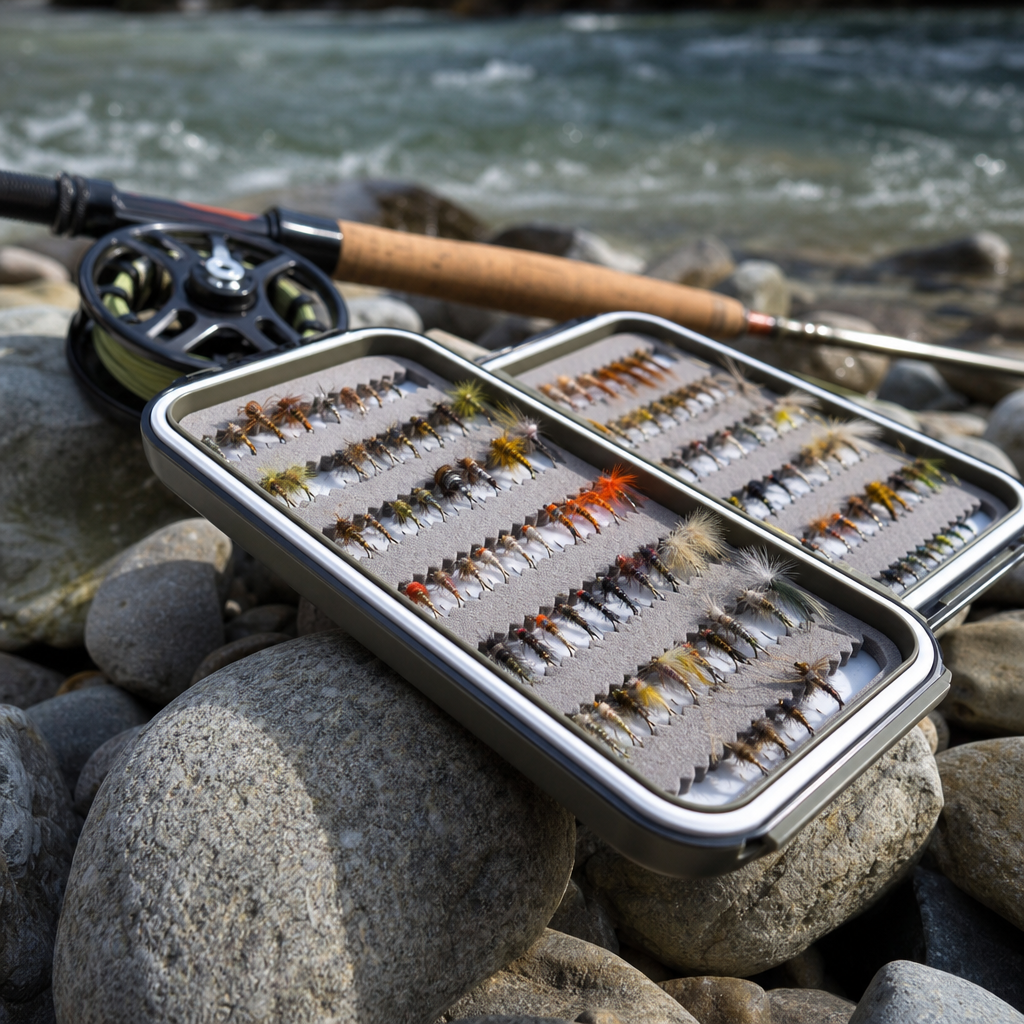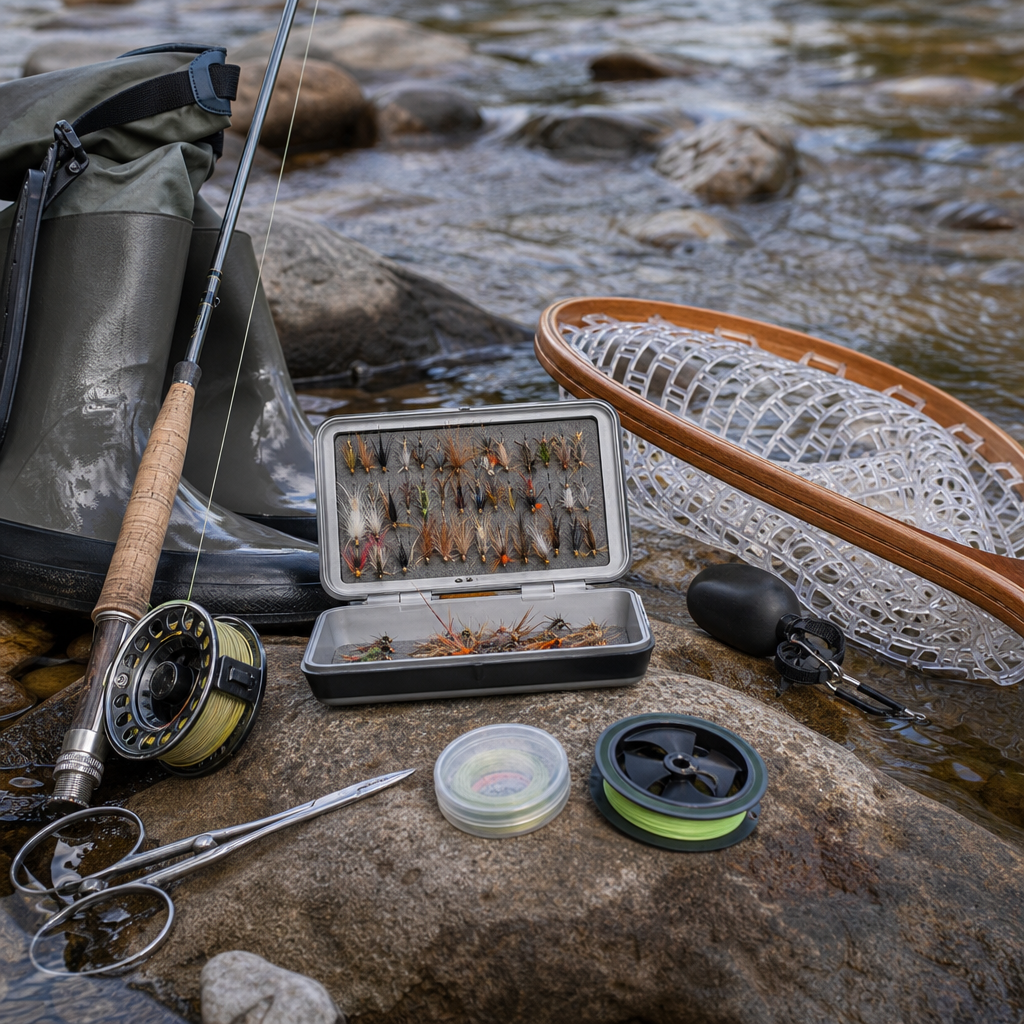
Choosing the best nymph patterns for fly fishing starts with understanding what a nymph is, why trout feed on them so consistently, and how modern fly reviews help anglers match patterns to real conditions. In fly fishing, a nymph is an imitation of the immature underwater stage of aquatic insects such as mayflies, caddisflies, stoneflies, and midges. Because these insects spend most of their lives below the surface, nymphs make up a large share of a trout’s diet in rivers, spring creeks, tailwaters, and stillwaters. That simple biological fact is why nymph fishing produces fish when dry-fly action fades, hatches are sparse, or weather changes quickly. After years of testing flies across freestone streams, Western tailwaters, and stocked Eastern rivers, I have found that the best nymph patterns are not always the most complicated. The reliable flies are the ones that sink properly, suggest the right food form, and keep working under changing light, depth, and current speed.
This article serves as a hub for fly reviews within product reviews and recommendations, so the goal is broader than listing favorites. Serious anglers want to know which nymph patterns deserve permanent space in a box, which patterns cover multiple insect families, which materials improve durability, and which flies are worth buying in several weights and sizes. They also want clear answers to practical questions: What nymphs catch fish almost everywhere? Which flies should beginners start with? Are premium hand-tied flies better than budget shop bins? How do bead types, hooks, and body materials affect performance? By answering those questions directly, this guide helps you build a compact, effective selection rather than collecting random flies that never get used. If you are researching dependable trout nymphs, evaluating fly reviews, or trying to decide which patterns to purchase before your next trip, these are the standards that matter.
Several terms will appear throughout this guide. A “searching pattern” is a fly that does not precisely imitate one insect but represents a broad food category well enough to draw strikes. A “confidence fly” is the pattern an angler ties on first because it has repeatedly produced fish. “Hot spots” are bright trigger areas, often orange or pink thread collars, that attract attention in stained water or pressured fisheries. “Jig hooks” ride point up and reduce snags, especially under euro-nymph rigs. “Tungsten beads” sink faster than brass, helping flies reach the strike zone quickly. Understanding those terms makes fly reviews more useful because nymph performance depends on design details, not just color names. The best patterns balance realism, visibility, and sink rate, and that balance determines whether a fly is truly versatile or only effective in narrow situations.
What Makes a Nymph Pattern Worth Buying
A productive nymph pattern does three things well: it matches a food form trout already expect, it gets to the right depth without sacrificing drift, and it stays intact after repeated fish. When I review flies, I look first at profile rather than exact shade. Trout often respond to silhouette, size, and movement before they inspect color. A slim pheasant tail-style mayfly nymph, for example, succeeds because it suggests countless small mayflies in moving water. A hare’s ear works because buggy guard hairs imitate legs, gills, and general life. Perdigons excel because their smooth UV resin bodies cut through current and sink quickly. In plain terms, flies that represent a recognizable meal shape usually outperform flies designed only to look impressive in a catalog photo.
Hook quality matters more than many buyers realize. A great pattern tied on a weak hook is not a great product. Trusted hook makers such as Hanak, Firehole, Tiemco, and Ahrex have raised expectations for sharpness, gape design, and wire strength. A compact tungsten-bead jig nymph on a quality hook can survive dozens of fish and constant bottom contact. Cheap hooks often dull fast, open under pressure, or lack consistent sizing. Thread durability, bead seating, ribbing strength, and adhesive finish also separate good fly reviews from shallow recommendations. If a fly unravels after two trout, its low purchase price becomes irrelevant. Value in fly fishing comes from fish landed per fly, not flies purchased per dollar.
Versatility is another buying criterion. A pattern earns permanent box space when it fishes effectively across seasons and water types. The Walt’s Worm, for example, imitates caddis larvae, cranefly larvae, scuds, and generic subsurface life. The Frenchie can stand in for small mayfly nymphs and bright attractor patterns at once. Zebra Midges catch trout in winter tailwaters, spring creeks, and reservoirs because midges exist almost everywhere year-round. A useful hub page for fly reviews must emphasize these crossover performers because most anglers are trying to simplify selection, not expand confusion.
Core Nymph Patterns Every Trout Angler Should Own
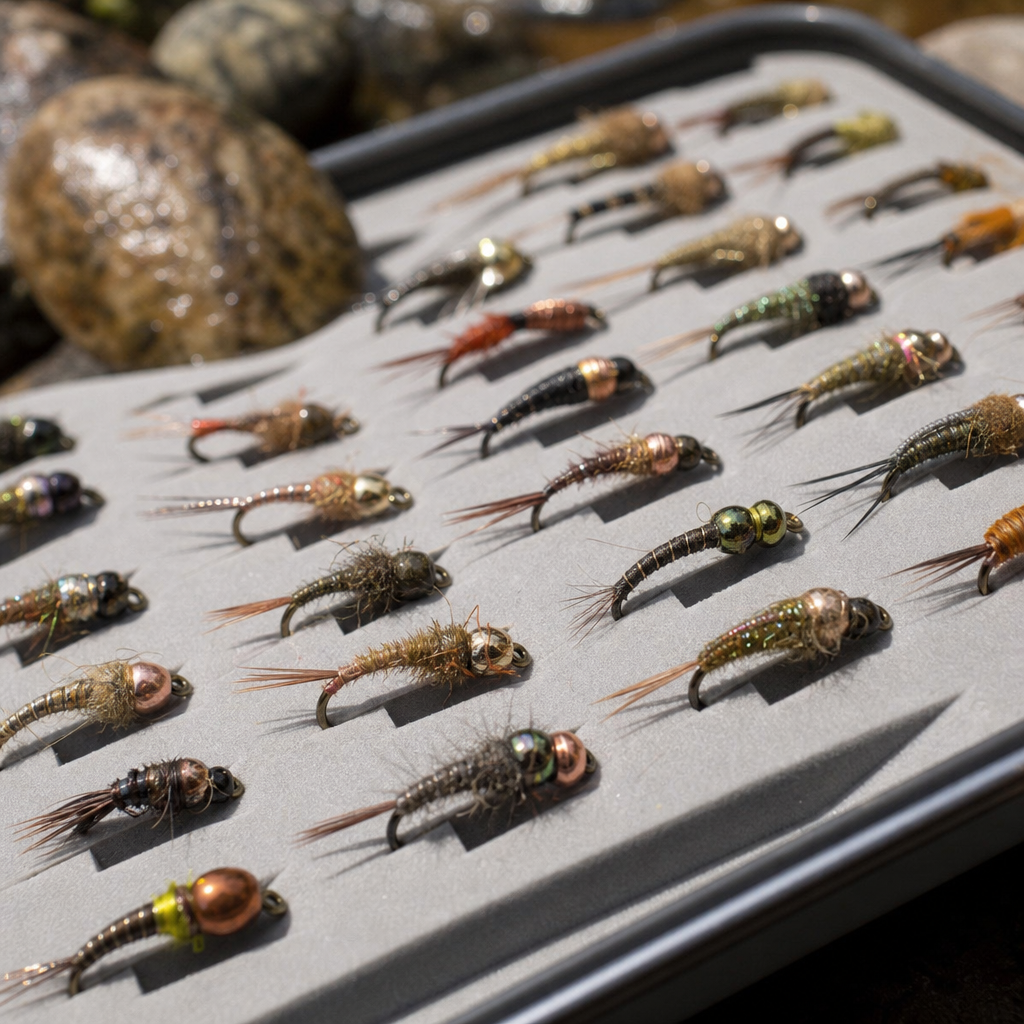
If I had to build one trout box from scratch for most North American rivers, I would start with seven patterns: Pheasant Tail, Hare’s Ear, Frenchie, Zebra Midge, Walt’s Worm, Pat’s Rubber Legs, and Perdigon variations. Those flies cover the main categories trout eat and provide a dependable starting point for both indicator rigs and tight-line systems. The Pheasant Tail remains one of the best nymph patterns for fly fishing because it imitates mayfly nymphs with a slender, natural profile. Sizes 14 through 20 handle most conditions. The Hare’s Ear is the classic searching nymph, especially in sizes 12 through 16, because it suggests almost anything alive near the bottom.
The Frenchie is a modern staple because it combines the mayfly outline of a pheasant tail with the visibility and trigger effect of a fluorescent collar. On pressured fisheries, I have seen it outproduce plain natural nymphs simply because anglers maintain better strike detection and trout key on the hot spot during short feeding windows. Zebra Midges are essential in black/silver, olive, red, and brown, usually in sizes 18 through 22. They are especially effective below dams where midge populations remain stable through winter. Pat’s Rubber Legs is the opposite end of the spectrum: large, heavy, and ideal for stonefly-rich rivers, runoff, or dirty water when trout want a substantial meal. Perdigons belong in every modern box because their sink rate and compact shape solve a recurring problem: getting small flies down quickly without split shot.
| Pattern | Best Sizes | Primary Imitation | Best Use |
|---|---|---|---|
| Pheasant Tail | 14–20 | Mayfly nymph | Clear water, selective trout |
| Hare’s Ear | 12–16 | General nymph | Searching pattern in mixed insect water |
| Frenchie | 14–18 | Mayfly/attractor | Euro rigs, pocket water, pressured fish |
| Zebra Midge | 18–22 | Midge pupa | Tailwaters, winter, slow seams |
| Walt’s Worm | 12–18 | Caddis/scud/general food | Fast setup, technical nymphing, year-round |
| Pat’s Rubber Legs | 6–12 | Stonefly nymph | High water, freestones, heavy rigs |
| Perdigon | 14–20 | Slim generic nymph | Deep fast runs, competition tactics |
How to Read Fly Reviews and Judge Quality
Not all fly reviews are equally useful. The best reviews explain where a pattern was fished, what rigging method was used, how durable the fly proved, and whether the pattern performed in multiple conditions. A review that says “great fly, caught fish” tells you almost nothing. A useful review says that a size 18 olive perdigon with a 3.0 mm tungsten bead reached bottom quickly in a fast three-foot riffle under a euro setup, stayed intact through fifteen trout, and consistently outperformed a flashback pheasant tail during overcast conditions. Specificity lets you separate broad confidence patterns from one-day anomalies.
Brand reputation matters, but individual tying standards matter more. Umpqua, Fulling Mill, Orvis, Montana Fly Company, and local specialty tiers all produce excellent nymphs, yet consistency varies by pattern and production batch. Some commercial flies are tied sparsely and perfectly because that is how they should be tied. Others are sparse because materials were cut to save cost. When reading fly reviews, look for comments on bead alignment, thread crowding at the eye, resin smoothness, hackle proportion, and whether the hook point remains clear. These are not cosmetic details. A crowded eye wastes time streamside, an oversized thorax changes sink rate, and a blocked gape reduces hookups.
It also helps to distinguish fly-catcher reviews from tier-centric reviews. Anglers focused on fishability may love a rough-looking Walt’s Worm because it sinks and catches. Experienced tiers may criticize it for inconsistent dubbing or weak thread wraps. Both perspectives matter. For buyers, the practical question is whether the fly fishes as intended and survives real use. I recommend treating durability, hook reliability, and intended depth control as primary review categories, with visual neatness as secondary unless you are buying for technical spring creek situations where exact profile can be decisive.
Best Nymph Patterns by Water Type and Season
The best nymph patterns change with river type because available food and drift speed change. On freestone rivers, trout commonly see stoneflies, larger mayflies, caddis larvae, and dislodged terrestrial food. Patterns like Pat’s Rubber Legs, Hare’s Ear, Walt’s Worm, and larger Pheasant Tails perform well because they suggest substantial meals in broken current. Tailwaters, by contrast, often favor smaller, more consistent food sources such as midges, baetis nymphs, and sowbugs. There, Zebra Midges, RS2-style nymphs, small Frenchies, and micro perdigons dominate. Spring creeks reward precision, so slim natural nymphs in correct sizes matter more than oversized attractors.
Seasonal shifts are just as important. In winter, trout conserve energy and often feed on small insects drifting slowly near the bottom, making Zebra Midges, small pheasant tails, and tiny perdigons especially effective. During spring runoff, visibility drops and current speeds rise, so heavier stonefly nymphs and hot-spot flies help trout find your offering. Summer brings mixed food sources, including caddis, PMDs, yellow sallies, and terrestrials, which is why a two-fly rig with a larger attractor nymph and a smaller trailer is so dependable. In autumn, baetis and midges become more important again, and natural olive, brown, and black patterns frequently outshine flashy options. Matching water type and season is the fastest route to smarter fly buying.
Rigging, Size Selection, and Practical Buying Strategy
Even the best nymph patterns underperform when purchased in the wrong sizes or weights. For most anglers, smart buying means carrying the same pattern in a small size range rather than buying many unrelated flies. Take the Pheasant Tail: a size 14 for faster, fuller-bodied mayflies, a 16 for general use, an 18 for technical drifts, and one heavier bead version for deep slots covers far more situations than four entirely different mayfly patterns. The same logic applies to Zebra Midges and Frenchies. Weight variation matters as much as hook size because depth is nonnegotiable in nymphing. If trout are feeding near bottom and your fly drifts a foot too high, the pattern itself hardly matters.
For indicator fishing, I usually recommend one anchor fly and one smaller natural trailer. A Pat’s Rubber Legs or tungsten Hare’s Ear can carry a size 18 Zebra Midge effectively. For euro nymphing, jigged Frenchies, perdigons, and Walt’s Worms offer better contact and fewer snags. Beginners often overspend on novelty flies instead of duplicating proven patterns. A better strategy is to buy three to six of each confidence nymph in your key sizes because productive flies are lost to fish, rocks, and trees. This is also where fly reviews should guide purchasing decisions: a fly that catches well but frays immediately should be bought sparingly, while a durable confidence pattern deserves depth in the box. Build around proven essentials first, then add local hatch-specific options for destination trips.
Why This Fly Reviews Hub Matters for Better Recommendations
As a hub for fly reviews, this page should help anglers navigate future pattern-specific recommendations with a clear framework. The point is not to declare one magic nymph but to identify which flies repeatedly solve common fishing problems: getting deep fast, imitating common subsurface food, staying visible to the angler, and enduring heavy use. When you read detailed reviews of individual patterns, keep asking the same four questions. What does this fly imitate? In what water does it excel? How is it best rigged? Is it durable enough to justify the price? Those questions turn fly shopping into informed selection rather than guesswork.
The best nymph patterns for fly fishing are the ones that earn trust over many days on the water: Pheasant Tails for mayflies, Hare’s Ears for versatility, Frenchies for visibility and contact, Zebra Midges for consistent subsurface feeding, Walt’s Worms for generic life, Pat’s Rubber Legs for bigger meals, and Perdigons for depth and speed. Start with those patterns, buy them in sensible size and weight ranges, and pay attention to hook quality and tying consistency in every review you read. That approach will improve your catch rate, reduce wasted purchases, and make every future fly recommendation easier to judge. Use this hub as your starting point, then build your box around proven patterns that match your local water.
Frequently Asked Questions
What is a nymph in fly fishing, and why are nymph patterns so effective for trout?
In fly fishing, a nymph is an imitation of the immature underwater stage of aquatic insects such as mayflies, caddisflies, stoneflies, and midges. These insects live below the surface for most of their life cycle, which is exactly why nymph patterns are so consistently productive. Trout feed underwater far more often than many anglers realize, and in rivers, spring creeks, and tailwaters, subsurface insects represent a dependable, calorie-efficient food source. Rather than waiting for a brief dry fly hatch, trout can eat nymphs all day as they drift naturally through the current.
Nymph patterns work because they match what fish are already expecting to see. In many conditions, especially in clear water or during non-hatch periods, trout key in on insects drifting near the bottom or rising through the water column before emergence. A well-chosen nymph imitates not only the size and color of those insects, but also their behavior. Patterns with slim bodies, subtle movement, bead heads, soft hackle collars, or flash can suggest everything from a drifting mayfly nymph to an active caddis pupa. That broad usefulness is what makes nymphing one of the most reliable techniques in fly fishing.
What are the best nymph patterns for fly fishing in a wide range of conditions?
If you want a dependable starting lineup, a handful of proven nymph patterns cover the vast majority of trout water. The Pheasant Tail Nymph is one of the best all-around patterns ever created because it imitates a wide range of mayfly nymphs with a natural, slim silhouette. The Hare’s Ear Nymph is another essential choice, especially when trout are feeding opportunistically, because its buggy appearance can suggest many different aquatic insects. For caddis and general attractor purposes, the Prince Nymph remains a classic, while Zebra Midges excel in tailwaters and spring creeks where small midge larvae and pupae are common food sources.
For anglers who want modern confidence patterns, Perdigons, Frenchies, and Jig-style nymphs deserve serious attention. Perdigons sink quickly and get into the strike zone fast, making them ideal in deeper, faster water. Frenchies offer a bright hotspot and slim profile that often triggers fish when traditional patterns are ignored. Jig nymphs, especially those tied with tungsten beads, ride hook-point-up and reduce snags while maintaining excellent sink rates. Stonefly nymph patterns are also critical in larger freestone rivers, where bigger meals can attract aggressive trout. The best nymph patterns are not just “famous” flies; they are patterns selected to match local insect life, water depth, current speed, and trout feeding behavior.
How do I choose the right nymph pattern for the specific water I am fishing?
Choosing the right nymph pattern starts with reading the water and understanding what trout are likely eating in that system. In tailwaters and spring creeks, trout often feed heavily on smaller, more consistent food sources like midges, mayflies, and tiny baetis nymphs, so slim patterns in smaller sizes are usually a smart choice. In freestone rivers, where insect diversity is often broader and flows can be more variable, larger mayfly nymphs, caddis larvae, stonefly nymphs, and attractor patterns can all play important roles. If you turn over rocks, use a small seine net, or simply watch what is drifting in the water, you can make much better decisions about fly size, profile, and color.
Depth and current matter just as much as insect type. If trout are holding near the bottom in fast runs, you need a pattern that sinks quickly, often with a tungsten bead or a heavier point fly in a two-fly rig. If fish are suspended higher in the column or feeding during a hatch, a lighter nymph or emerger-style pattern may be more effective. Color also helps refine your choice: natural olive, brown, black, and tan are reliable staples, while hotspot flies can be excellent in stained water or when trout need a visual trigger. Modern fly reviews can also be useful because they often reveal how a pattern performs in real-world conditions, not just how it looks in a fly box. The best approach is to combine local observation with proven patterns and adjust until trout give you clear feedback.
What sizes and colors should I carry when building a strong nymph selection?
A practical nymph box should be built around versatility rather than sheer quantity. For many trout fisheries, sizes 12 through 18 cover most situations, with a few smaller options in sizes 20 through 22 for technical tailwaters and spring creeks, and some larger flies in sizes 8 through 10 for stoneflies or bigger attractor nymphs. Mayfly imitations like Pheasant Tails and Hare’s Ears are especially useful in sizes 14 through 18. Zebra Midges are often most effective in smaller sizes, while stonefly patterns and some jig nymphs are commonly fished in larger sizes to provide weight and imitate substantial prey. Carrying the same pattern in multiple sizes is often more important than carrying dozens of unrelated fly designs.
When it comes to color, natural tones should form the core of your selection. Olive, brown, black, tan, amber, and cream cover a huge percentage of real aquatic insects. These colors are effective because they closely match the insects trout see every day. That said, bright accent colors absolutely have a place. Copper, pink, orange, red, and chartreuse hotspots can trigger strikes, especially in pressured water, off-color conditions, or when fish are reacting more than closely inspecting. The key is to think in terms of profile, size, sink rate, and visibility together. A natural-looking fly in the correct size often outperforms a flashy one, but on some days a little extra contrast is exactly what gets the trout to commit.
How should I fish nymph patterns to catch more trout consistently?
The most important principle in nymph fishing is achieving a natural drift at the depth where trout are feeding. Most trout hold in current seams, riffles, runs, pools, and pocket water where food is delivered efficiently, so your nymph has to get into that feeding lane and move at the same speed as the surrounding current. In many cases, anglers do not struggle because they picked the wrong fly; they struggle because their nymph never got down deep enough or drifted naturally enough. Indicators, tight-line nymphing, Euro nymphing, and two-fly setups all exist to solve that exact problem. If your fly is not in the strike zone, even the best pattern in the world will not produce.
To improve results, focus on weight, contact, and drift control. Use enough weight to reach the proper depth, but not so much that your flies drag unnaturally. Adjust split shot, bead size, leader length, and indicator placement based on current speed and water depth. Fish often take nymphs subtly, so watch for hesitations, slight pauses, twitches, or unnatural movements in your sighter or indicator. In fast or broken water, trout usually have less time to inspect a fly, so attractor nymphs and heavier patterns can be especially effective. In clear, slow, technical water, a finer presentation with smaller flies and lighter tippet may matter more. Consistent success with nymph patterns comes from matching the insect, yes, but even more from presenting that pattern where trout feed and letting it behave like the real thing.