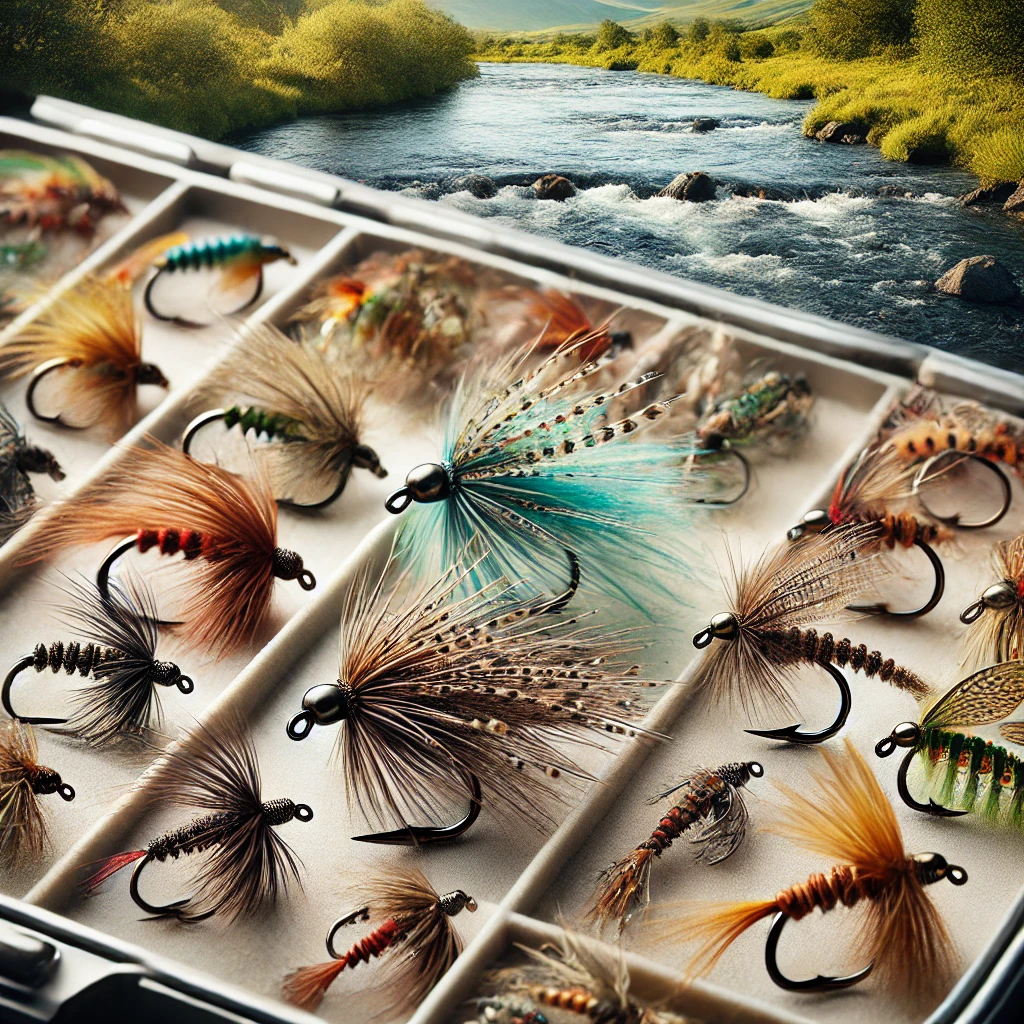
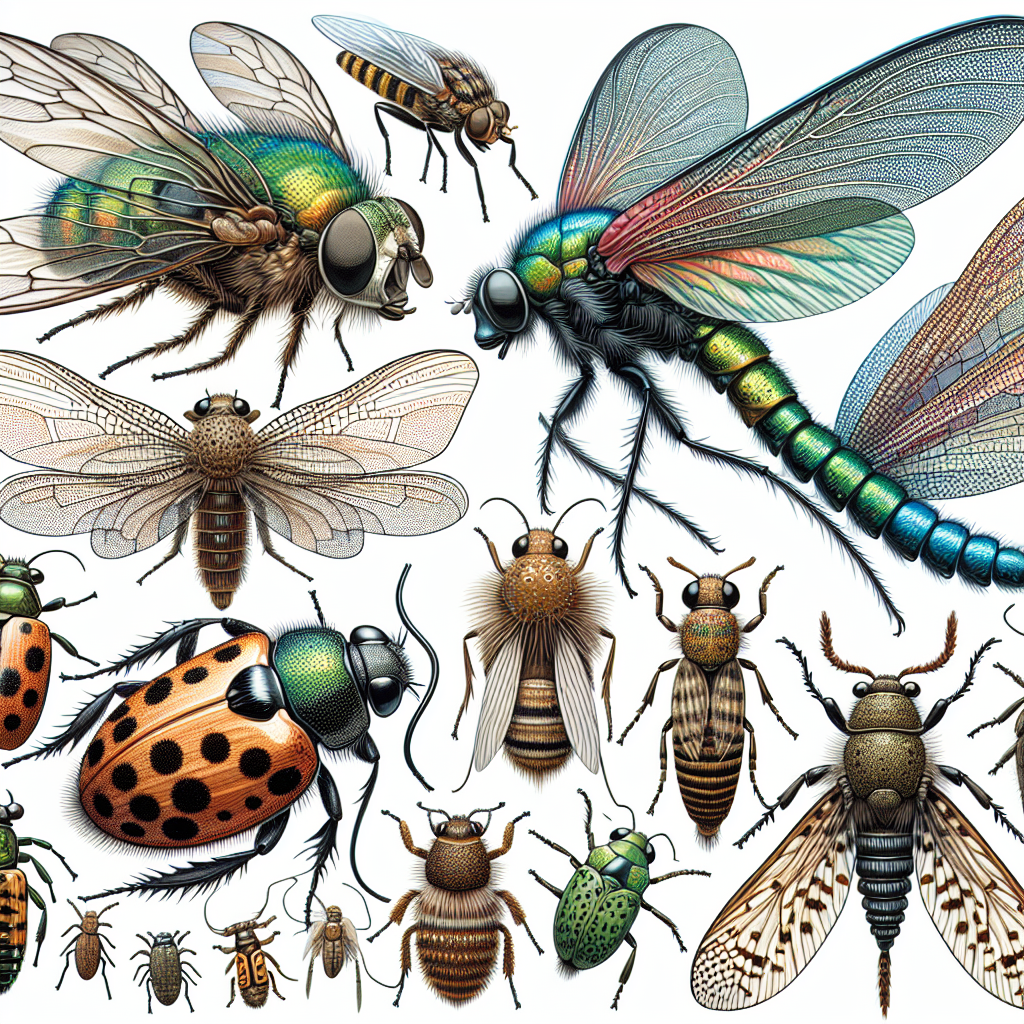
Nymph fly fishing is an art form that appeals to many anglers, due to both its effectiveness and the satisfaction of catching fish using a nymph fly you’ve tied yourself. Nymphs are one of the most important food sources for trout and other freshwater fish, making nymph patterns highly effective for a vast range of fishing scenarios. In this guide, we’ll delve into the fundamentals of tying nymph flies, which are designed to imitate these insects in their underwater stages.
Before you begin tying, it’s crucial to understand the life cycle of aquatic insects. Nymphs are the juvenile forms of insects like mayflies, caddisflies, and stoneflies. They hatch from eggs laid in water, then grow and molt several times before emerging as winged adults. Trout and other species often feed heavily on these immature insects, making them prime targets for anglers.
Good nymph patterns can mimic the natural insects that fish encounter, which drastically increases your chances of success on the water. Mastering the art of nymph tying can also be both a rewarding and meditative experience. Whether you’re new to fly tying or looking to refine your skills, this step-by-step guide will help you create effective nymph patterns that will enhance your fly fishing endeavors.
Essential Tools and Materials for Nymph Tying
Before you start tying nymphs, it’s imperative to gather the right tools and materials. Here’s a list of essentials:
- Vise: The vise holds your hook firmly in place while you tie the materials onto it. A good-quality vise is a worthwhile investment.
- Scissors: Fine-tipped scissors are essential for precision cutting of materials.
- Bobbins: A bobbin holds and dispenses your thread smoothly.
- Whip Finisher: This tool allows you to complete a durable knot at the end of your fly.
- Bodkin: Used for applying cement and for other delicate tasks.
- Hooks: Specific nymph hooks, usually with a curved or straight shank, are ideal for tying nymph patterns.
- Thread: Different colors and sizes of thread are used to tie down and build up materials.
- Materials: This could include a variety of feathers, fur, dubbing, and synthetic materials, specific to the nymph pattern you are tying.
Once you have your essential tools and materials, you’ll be prepared to start tying different nymph patterns. Remember, the quality of your tools and materials will greatly impact the final product, so choose wisely.
Tying the Pheasant Tail Nymph: A Step-by-Step Guide
The Pheasant Tail Nymph is one of the most effective and versatile nymph patterns. Here’s how to tie it:
- Hook and Thread: Secure a size 14 nymph hook in your vise. Start your 8/0 brown or black thread at the midpoint of the hook shank and wrap to the bend.
- Tail: Take a few fibers from a pheasant tail feather, measure them to be about the length of the hook shank, and tie them at the bend to form the tail.
- Body: Use the same pheasant tail fibers to form the body. Tie the fibers at the tail, wrap them forward to form the body, and tie off at the thorax area.
- Ribbing: Tie in a piece of fine copper wire at the tail. Wrap the wire evenly forward over the body to create segmentation and secure it at the thorax.
- Wing Case and Thorax: Tie in more pheasant tail fibers at the thorax, leave them pointing backward for the wing case. Dub a small amount of peacock herl onto the thread and wrap it to form the thorax.
- Finish: Pull the pheasant tail fibers over the thorax to form the wing case and tie them off at the head. Whip finish the fly and apply a small amount of head cement to secure the knot.
And there you have it, the classic Pheasant Tail Nymph. This pattern can be used in various water conditions and is excellent for imitating a wide range of aquatic insects.

Tying the Hare’s Ear Nymph: A Timeless Classic
The Hare’s Ear Nymph is another staple in any angler’s fly box. Here’s how to tie this reliable pattern:
- Hook and Thread: Secure a size 12 nymph hook in your vise. Start your 8/0 tan thread at the hook’s eye and wrap to the bend.
- Tail: Cut a small clump of hare’s mask fur and tie it in at the bend of the hook to form the tail. The fibers should be about half the length of the shank.
- Body: Use a hare’s ear dubbing blend. Dub the fur onto the thread, starting at the tail and wrapping it forward to form a tapered body.
- Ribbing: Tie in a piece of gold wire at the tail. Wrap the wire forward in even segments to provide durability and segmentation.
- Thorax: Dub more hare’s ear fur onto the thread and wrap it from the midpoint of the shank forward to create a slightly thicker thorax.
- Finish: Whip finish the fly behind the eye, trim the excess thread, and apply head cement to complete the fly.
The Hare’s Ear Nymph is fantastic for imitating a variety of mayfly nymphs and is effective throughout the fishing season. This pattern’s versatility makes it a must-have in your fly box.
Tying Tips for Nymphs: Fine-Tuning Your Technique
Tying nymphs can be a nuanced craft, and small adjustments can make a big difference. Here are some tips for refining your skills:
- Proportion: Pay attention to the proportions of your nymphs. The tail, body, thorax, and legs should be in balance as this increases realism and effectiveness.
- Material Selection: Choose materials that match the natural insects in your local waters. Local fly shops often have great recommendations.
- Weight: Adding weight to nymphs can help them sink to the desired depth quickly. Consider using underbody lead wire or bead heads for added weight.
- Durability: Ensure your flies are durable by securely tying down materials and using ribbing to reinforce the body.
- Experiment: Don’t be afraid to experiment with different materials and colors. Fish are often attracted to subtle variations.
By applying these tips, you can refine your nymph tying techniques and produce more effective and durable flies.
Advanced Nymph Patterns: Challenging Yet Rewarding
Once you’ve mastered basic nymph patterns, you can begin experimenting with more advanced techniques. Here are two patterns to get you started:
The Prince Nymph
- Hook and Thread: Secure a size 12 nymph hook in the vise. Start black thread at the eye and wrap back to the bend.
- Tail: Tie in two brown goose biots at the bend, forming a V-shape.
- Body: Tie in peacock herl and wrap it forward to build the body. Secure at the thorax.
- Ribbing: Use gold wire to rib the body, adding both durability and segmentation.
- Thorax: Wrap the peacock herl forward to form the thorax, then tie off.
- Wing Case: Tie in white goose biots at the thorax, pointing forward over the body.
- Finish: Whip finish at the head, applying a drop of head cement for durability.
The Copper John
- Hook and Thread: Secure a size 14 nymph hook, and start black thread at the eye, wrapping back to the bend.
- Tail: Use brown goose biots tied in a V-shape at the bend.
- Body: Wrap fine copper wire forward from the tail to the thorax, keeping the wraps tight and even.
- Thorax: Add peacock herl for the thorax and tie off.
- Wing Case: Tie in a strip of black material over the thorax, securing it at the head.
- Legs: Use partridge hackle fibers tied on either side of the thorax to represent legs.
- Finish: Whip finish at the head, and secure with a drop of head cement.
These advanced patterns can be more challenging to tie, but their complexity and effectiveness make them a valuable addition to your fly box.
Conclusion: Mastering Nymph Tying Techniques
Mastering nymph tying techniques opens up a world of fly fishing possibilities. By learning to tie a range of nymph patterns, from the basic Pheasant Tail and Hare’s Ear to more advanced flies like the Prince Nymph and Copper John, you can adapt to various fishing conditions and target different species effectively.
Nymph tying is not just about mimicking insects; it’s also about creativity, patience, and practice. The more you tie, the better you’ll become, and the more you’ll be able to refine and customize your flies to suit your specific needs.
Furthermore, tying your own flies adds a deeper level of satisfaction to the sport of fly fishing. There’s nothing quite like catching a fish on a fly you tied yourself. The process of tying also connects you with the tradition and history of fly fishing, fostering a greater appreciation for the craft.
In conclusion, whether you’re new to fly tying or looking to enhance your skills, this step-by-step guide offers the foundation you need. With practice and dedication, you’ll develop the ability to tie effective, durable, and attractive nymph flies, enriching your overall fly fishing experience. So gather your tools and materials, and start tying. Tight lines and happy fishing!