Fly tying is an intricate craft that serves as the backbone for successful fly fishing. Creating lifelike flies demands skill, patience, and a keen understanding of both the materials used and the behavior of fish. One of the essential elements in crafting realistic flies is mastering the use of feathers. These versatile materials help in mimicking the appearance and movements of natural insects, thus enticing fish to strike.
Historically, fly tying dates back to ancient civilizations, with evidence showing that Macedonian anglers used artificial flies as early as the 2nd century A.D. Today, the tradition continues, evolving with new techniques and materials. Fly tying enthusiasts spend countless hours perfecting their craft, often considering it as much an art form as a practical fishing skill.
This article delves into various feather techniques to create lifelike flies that stand out in both appearance and effectiveness. We will explore different types of feathers, essential tools, and step-by-step instructions to ensure you can create your own compelling fly patterns.
Choosing the Right Feathers
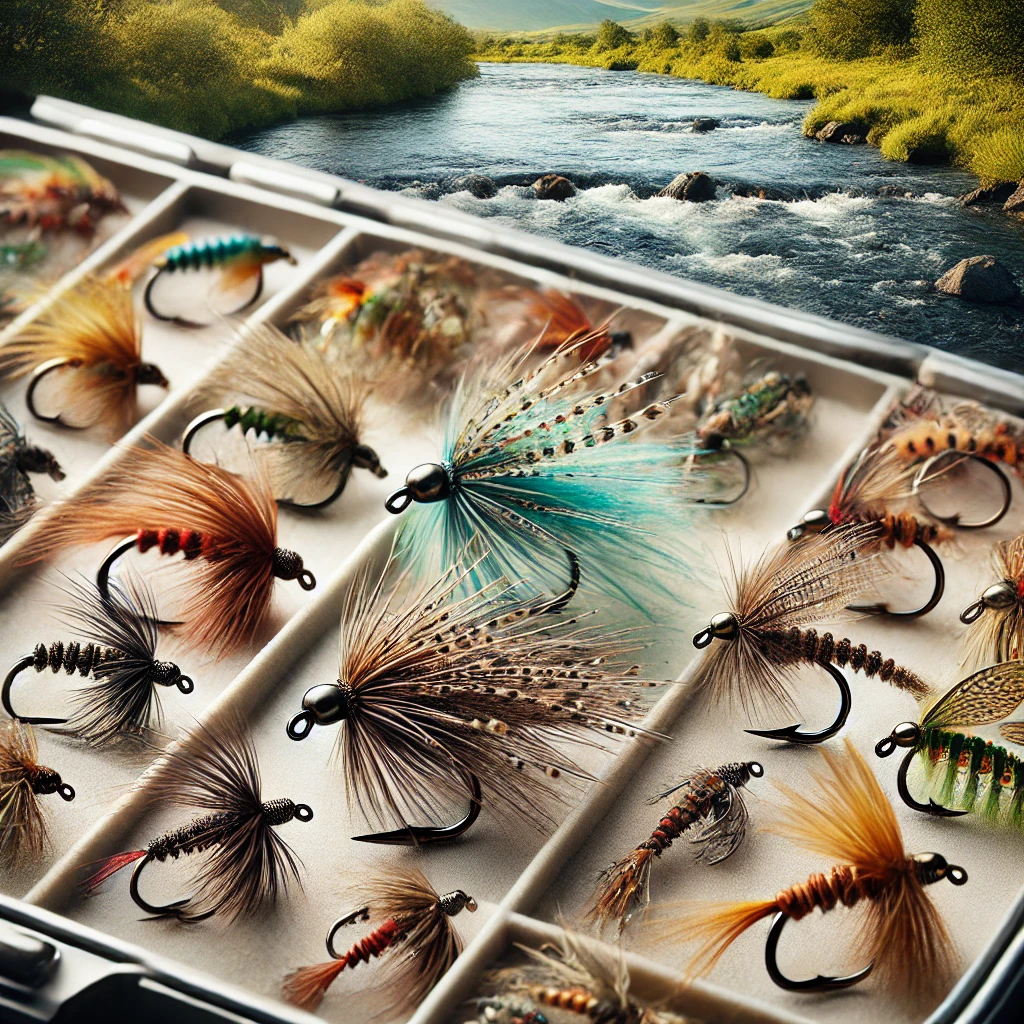
The foundation of creating effective flies is choosing the right feathers. Each type of feather offers unique properties that can enhance your fly’s realism. Here’s a breakdown of some commonly used feathers:
- Hackle Feathers: These feathers, usually from roosters, are known for their stiffness and are often used for dry flies to help them float.
- Marabou Feathers: Taken from turkeys, marabou feathers are soft and fluffy, making them perfect for motion-centric patterns such as streamers.
- Pheasant Tail Feathers: These are versatile and strong, often used for nymphs and wet flies due to their natural appearance and durability.
- Peacock Herl: The iridescent quality of peacock herl adds a touch of flash and attractiveness to flies, making it a favorite for many patterns.
- CDC (Cul De Canard) Feathers: Highly buoyant, CDC feathers, sourced from the preen gland area of ducks, are excellent for dry flies.
Knowing the unique characteristics of each feather type enables you to select the best materials for your specific fly patterns. Consider factors like buoyancy, movement, and color when making your selections.
Essential Fly Tying Tools
Just as a craftsman needs quality tools, a fly tier requires specific instruments to create well-crafted flies. Here is a list of essential tools for feather techniques in fly tying:
- Vise: A fly tying vise holds the hook firmly in place, allowing for precision and ease of tying.
- Bobbin: This tool helps manage the thread as you wrap it around the hook and materials.
- Hackle Pliers: Used to grip feathers securely, hackle pliers enable you to wrap them around the hook without damage.
- Scissors: Precision scissors with fine tips are crucial for trimming feathers and thread with accuracy.
- Whip Finish Tool: This tool is used to tie off the thread at the end of the fly, ensuring it stays secure.
- Bodkin: A pointed tool for applying small amounts of cement and for teasing out fibers or hair.
Having high-quality tools can simplify the tying process and result in better, more durable flies. Invest in these essential tools to enhance your fly tying experience.
Step-by-Step Feather Techniques
Creating lifelike flies involves mastering several feather techniques. Here are step-by-step instructions for some fundamental techniques:
Hackling a Fly
- Prepare the Hook: Secure the hook in the vise and start the thread base.
- Select the Feather: Choose a suitable hackle feather, ensuring it’s proportional to the hook size.
- Attach the Feather: Strip the base of the feather and tie it in by the stem, at the bend of the hook.
- Wrap the Feather: Using hackle pliers, wrap the feather around the hook shank, moving towards the eye. Make evenly spaced turns.
- Secure the Feather: Tie off the feather with the thread and trim the excess.
- Finish the Fly: Make a few whip finishes and apply a drop of head cement to secure the thread.
Tying with Marabou Feathers
- Start the Fly: Secure the hook in the vise and lay down a thread base.
- Select the Marabou: Choose a marabou feather and strip off a portion to match the fly size.
- Attach the Marabou: Tie in the marabou at the rear of the hook, distributing the fibers evenly around the shank.
- Build the Body: Wrap the marabou forward, creating a full, pulsating body.
- Secure the Material: Tie off the marabou at the hook eye and trim any excess.
- Finish the Fly: Whip finish the thread and add a drop of cement.
Advanced Feather Techniques
Beyond the basics, there are advanced techniques for those looking to elevate their fly tying skills. These methods often require more precision and practice but yield incredibly realistic flies.
Feather Winging
- Prepare the Hook: Start with a thread base on the hook and attach the tail materials.
- Select Feathers: Choose matched pairs of primary or secondary feathers from birds like mallards or wood ducks.
- Shape the Wings: Trim the feather tips to the desired wing shape and length.
- Attach the Wings: Position the feather wings on top of the hook shank and secure them with thread wraps.
- Finish the Fly: Complete the body and head, then whip finish and cement.
Spey and Dee Flies
Spey and Dee flies, originating from Scottish tradition, are known for their elegant and flowing appearance. Here’s how to tie them:
- Select Materials: Choose long, webby feathers like heron or blue-eared pheasant.
- Prepare the Hook: Tie in a thread base and attach a slim, tinsel body.
- Add Hackles: Tie in the feather hackle at the rear and wrap it forward, creating a sparse, flowing collar.
- Form the Wing: Add paired feather wings, ensuring they lay flat and streamlined along the hook shank.
- Finish the Fly: Add jungle cock eyes if desired, whip finish, and cement the head.
Maintaining Your Flies
Once you’ve tied your flies, proper maintenance is crucial to ensure their longevity and effectiveness. Here are some tips:
- Dry Your Flies: After fishing, make sure to dry your flies thoroughly to prevent rust and degradation of materials.
- Store Properly: Keep your flies in a dry, ventilated fly box. Avoid overcrowding to preserve their shape.
- Check for Damage: Inspect your flies regularly for any signs of wear and tear. Replace or repair as needed.
- Avoid Sunlight: Prolonged exposure to sunlight can fade feathers and weaken materials, so store flies in a shaded area.
- Use Fly Floatant: For dry flies, apply floatant to improve buoyancy and performance on the water.
By taking care of your flies, you can ensure they remain effective and ready for your next fishing adventure.
Conclusion: Perfecting Your Craft
Fly tying is a rewarding and endlessly fascinating aspect of fly fishing. Whether you are a novice or an experienced tier, mastering feather techniques can significantly enhance the realism and effectiveness of your flies. The choice of feathers, tools, and tying techniques all contribute to creating flies that convincingly imitate natural prey, increasing your chances of a successful catch.
Say, by following the steps outlined in this article and practicing regularly, you’ll soon develop the skills needed to tie a wide variety of lifelike flies. Remember, the key to mastering fly tying is patience, persistence, and a passion for the craft. As you perfect your techniques, you’ll find that tying flies is not just a means to an end but an enjoyable and fulfilling activity in its own right.
So, gather your materials, set up your vise, and start creating. With the right feather techniques, you’ll bring your fly fishing experience to a whole new level, embodying the art and tradition of fly tying in every cast.