Welcome to the world of fly tying, the craft that transforms yarn, feathers, and thread into effective artificial flies for fly fishing enthusiasts. Whether you’re a novice seeking to dip your toes into tying your first fly or an experienced tier looking to refine your technique, understanding the essential tools and materials is key to success. This article delves into the must-have tools and materials every fly tier should have, along with some tips and techniques to aid in your fly tying journey.
Introduction: The Importance of Quality Tools and Materials
In fly tying, the adage “you get what you pay for” rings true. Quality tools and materials not only make the process more enjoyable but also ensure that your flies are effective and durable. The right equipment can make all the difference between a satisfying hobby and a frustrating exercise. To get started on the right foot, you’ll need to invest in some basic tools, such as a vise, tying thread, and a selection of hooks and feathers. Let’s break down each of these essential components.
The Fly Tying Vise: Your Central Tool
The fly tying vise is undoubtedly the centerpiece of your fly tying arsenal. It holds the hook in place, allowing you to work on your fly with precision and ease. When choosing a vise, look for one that is stable, has adjustable jaws to accommodate various hook sizes, and offers rotary features to access different angles. Popular brands like Renzetti, Regal, and Peak offer reliable options for both beginners and experts alike.
Hooks: The Foundation of Your Fly
Hooks come in a myriad of shapes, sizes, and styles, each designed for specific types of flies and fishing scenarios. Standard hook types include dry fly hooks, wet fly hooks, streamer hooks, and nymph hooks. When purchasing hooks, consider the target fish species, water conditions, and desired fly patterns. Brands like Mustad, Tiemco, and Daiichi provide high-quality hooks that cater to various fly fishing needs.
Essential Fly Tying Materials
Once you have the fundamental tools, the next step is to gather the tying materials. These materials give your flies their lifelike appearance and functionality. Here are some of the essential materials you should start with:
Tying Thread
Tying thread is the lifeblood of fly tying, holding all the components of your fly together. It’s available in various thicknesses and colors. When starting out, it’s wise to invest in a few basic colors like black, white, and olive. Brands like Uni-Thread and Danville offer high-quality options with excellent tensile strength and smoothness.
Feathers and Hackle
Feathers and hackle provide movement and realism to your flies. Saddle hackle, rooster neck hackle, and marabou are staple items in any fly tier’s kit. Different types of feathers serve varied purposes: for instance, marabou offers excellent tailing material, while saddle hackle is great for creating body and leg effects.
Fur and Dubbing
Natural and synthetic furs, along with dubbing materials, are used to create body and thorax structures on your flies. Dubbing comes in a massive array of colors and textures, from fine and smooth to coarse and spiky. Popular options include Hareline Dubbin and Superfine Dubbing, both of which are versatile for numerous fly patterns.
Fly Tying Tools You Can’t Do Without
Beyond the vise and hooks, there are several other tools that will make your fly tying more efficient and enjoyable:
Bobbin Holder
A bobbin holder keeps your tying thread under control and allows for smooth tension during tying. Bobbins come in various sizes and styles, including ceramic tip options that prevent thread breakage. Look for ergonomic designs that fit comfortably in your hand to minimize fatigue.
Scissors
A good pair of fly tying scissors is essential for precise cutting and trimming. You’ll need a pair with fine, sharp points for detail work, as well as a second pair for cutting tougher materials. Dr. Slick and Fiskars are well-regarded brands that provide quality, dependable tools.
Whip Finish Tool
The whip finish tool makes tying off your flies neat and easy. This tool helps create a secure knot at the end of your tying process. Though it is possible to tie a finishing knot by hand, a whip finish tool simplifies the task and ensures better consistency. Offering precision and ease of use, brands like Stonfo and Thompson offer reliable whip finish tools.

Specialty Fly Tying Tools
For advanced techniques and more intricate fly patterns, specialty tools are indispensable. Here are a couple worth mentioning:
Hackle Pliers
Hackle pliers allow you to grip and wrap delicate feathers around the hook shank without damaging them. They are especially useful when working with small or slippery materials. Different styles are available, including standard and rotary options, which cater to various tying preferences.
Bodkin
A bodkin, essentially a needle tool, is used for applying head cement to your finished fly and clearing out eye holes. It can also help with untangling fibers and precise adjustments of materials. This simple yet versatile tool is an essential part of any fly tyer’s toolkit.
Hair Stacker
A hair stacker is designed to align hair tips evenly, which is crucial for creating wings and tails on flies. Simply place the cut fibers into the tube, tap it on your surface, and the hairs will align perfectly when removed. This is particularly useful for tying dry flies where an even wing or tail can make a significant difference.
Tips for Selecting Materials
Choosing the right materials can be overwhelming, given the vast array of options available. Here are some tips to help you make informed decisions:
Start with Basic Colors
When you’re just beginning, it’s a good idea to stick with basic, versatile colors like black, white, olive, and brown. As you gain more experience and confidence, you can expand your palette to include more specialized hues.
Quality over Quantity
It might be tempting to buy a wide variety of lower-quality materials to save money initially. However, investing in high-quality materials will yield better results and be more cost-effective in the long run as they tend to be more durable and easier to work with.
Purchase Kits
Many fly tying suppliers offer starter kits that include a selection of hooks, threads, feathers, and other essential materials. These kits can be a convenient and cost-effective way to begin your fly tying journey. Kits from established brands like Wapsi and Flymen Fishing Company are good places to start.
Preserving and Organizing Your Fly Tying Materials
Proper organization and preservation of your fly tying materials are crucial to maintaining their quality and prolonging their usability:
Storage Solutions
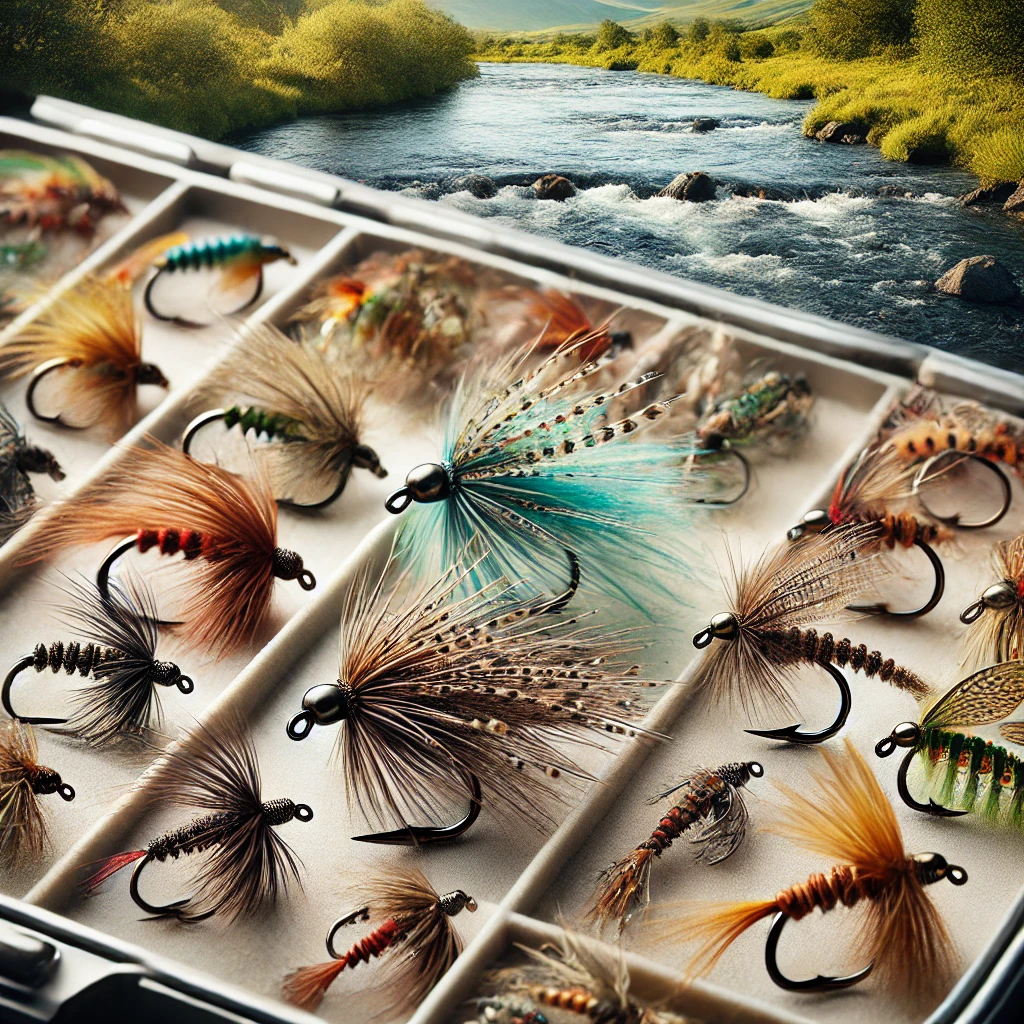
Clear plastic boxes with multiple compartments are excellent for storing hooks, beads, and smaller materials. Labels and color-coding can help you quickly find what you need. For feathers and larger materials, consider zip-lock bags or hanging organizers to prevent them from getting damaged or tangled.
Climate Control
Store your materials in a cool, dry, and dust-free environment to prevent them from deteriorating. Avoid exposure to direct sunlight, which can fade colors and weaken fibers over time.
Regular Inspections
Periodically check your materials for signs of damage or wear. Ensure that threads haven’t frayed, feathers and furs are free of pests, and hooks are sharp and rust-free. Taking the time to regularly inspect and maintain your materials will ensure that every fly you tie is of the highest quality.
Conclusion: The Reward of Fly Tying
Fly tying is a blend of art, technique, and passion. The satisfaction that comes from crafting a fly and seeing it successfully lure fish is unparalleled. By investing in quality tools and materials, organizing your workspace, and continuously refining your techniques, you can enhance both your tying experience and your success on the water. Remember, fly tying is a journey – enjoy every step, from the initial selection of materials to the triumphant moment when your handcrafted fly hooks a fish.
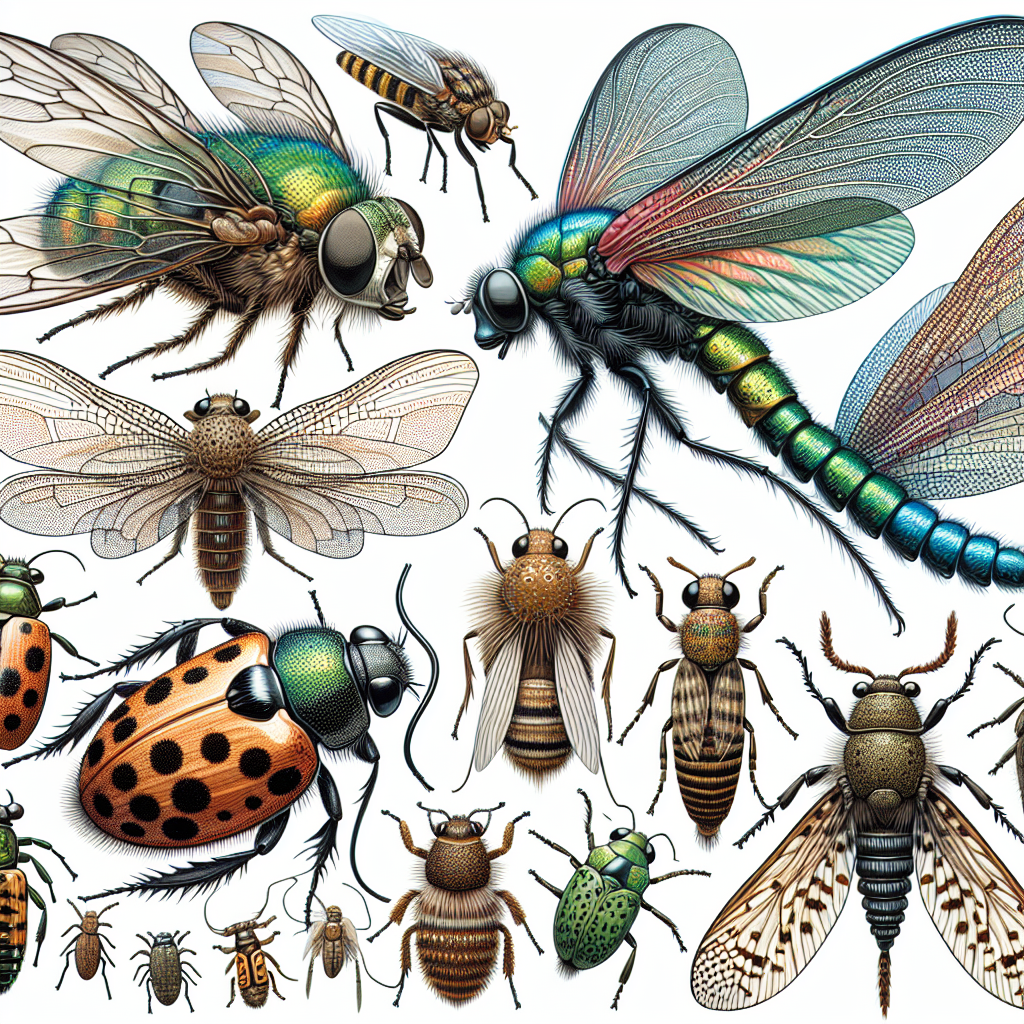
Whether you’re aiming to mimic the exact appearance of an insect or experimenting with your own unique designs, the fundamental tools and materials discussed in this article will serve as the foundation of your fly tying endeavors. Happy tying!