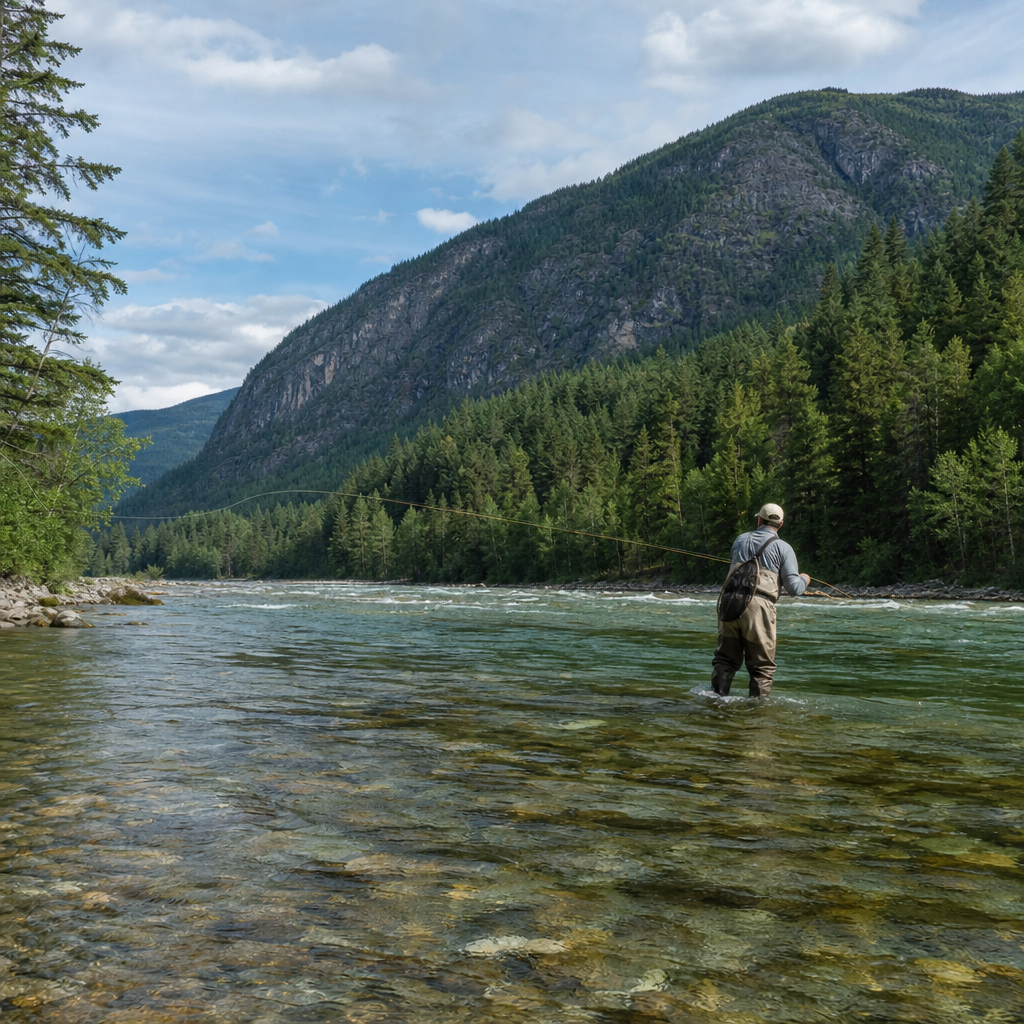
Fly fishing the Dean River means stepping into one of British Columbia’s most respected steelhead systems, a river known for powerful fish, tight regulations, difficult access, and a reputation built on performance rather than hype. In fly fishing terms, the Dean is an iconic water because it consistently produces aggressive wild summer-run steelhead in a dramatic setting, and because success there depends on understanding currents, travel timing, presentation angles, sink rates, and fish behavior more than luck. As a destination within the broader world of fly fishing destinations, it matters for three reasons: the quality of the fish, the discipline required to fish it well, and the way it represents remote West Coast anadromous angling at its highest level. I have planned trips, rigged rods, and coached anglers for rivers like this, and the same lesson always applies: the Dean rewards preparation and punishes casual assumptions. If you are building a shortlist of iconic waters, this river belongs near the top because it delivers a rare combination of scenery, challenge, and legitimate steelhead pedigree.
The Dean River flows out of Nimpo Lake on the Chilcotin Plateau and drops through rugged canyon country before reaching saltwater at Dean Channel. That descent creates a sequence of pools, ledges, runs, boulder gardens, and canyon structure that shape where steelhead pause and how fly anglers approach them. “Premier locations” on the Dean does not mean broad tourist access points; it refers to productive beats, holding water types, and recognized reaches such as the upper river, middle canyon influences, and lower sections closer to the tide where fresh fish first show. Because much of the river is accessed through lodges, guides, jet boats, helicopters, or private tenure arrangements, trip planning is inseparable from fishing strategy. Understanding when fish enter, how water height changes swing speed, and why certain lies fish best under cloud cover or low light will do more for results than carrying a dozen trendy fly patterns. This hub article covers the essential locations, seasonal timing, gear, methods, etiquette, conservation realities, and trip-planning decisions that define a Dean River steelhead experience.
Why the Dean River Is an Iconic Water
The Dean’s standing among iconic waters comes from its steelhead, but also from the way the river concentrates everything serious fly anglers value: wild fish, technical water, remote logistics, and a culture of precision. Dean River steelhead are famous for their strength because they come in hot from saltwater and ascend a comparatively short, steep system. Fresh fish in the lower river are broad-shouldered, sea-liced at times, and notably aggressive. Many anglers describe the grab on the Dean as violent, and that is not romantic language. In fast canyon current, a fish that commits can hit hard enough to stop a tight swing and instantly expose weak knots, soft hooks, or sloppy line control.
It is also iconic because the river has long been associated with destination lodges and guided programs that shaped modern steelhead travel in British Columbia. The Dean is not a place where most people casually self-guide from roadside pullouts. Limited access has preserved parts of the experience, but it also means expectations must be realistic: this is premium water with premium costs and strict management. For many anglers, that combination elevates the river’s status. It is aspirational, difficult to reach, and deeply memorable when approached with respect.
Premier Dean River Locations for Fly Fishing
The most useful way to think about Dean River locations is by river character rather than by a long list of named spots. The lower river, influenced by proximity to tidewater, is where the freshest steelhead appear first. These fish are often the most aggressive and the least settled, which makes swing speed, fly depth, and angle especially important. Lower river water typically favors anglers who can cover broad walking-speed runs methodically, step cleanly over uneven rock, and maintain control under heavy current pressure. Early in a fresh push, this zone can produce unforgettable grabs, but it also demands discipline because fish move quickly and holding windows may be short.
The middle river includes some of the Dean’s most visually dramatic and technically interesting water. Here, canyon structure, ledges, and boulder-defined slots create classic steelhead lies: softer inside seams beside heavy current tongues, bucket water below shelves, and tailouts where traveling fish pause before pushing on. In practical terms, this is often where experienced anglers make small but critical changes such as shortening sink tips, adjusting mend timing, or switching from a broad-profile intruder to a leaner tube fly. The middle river rewards anglers who read microstructure well and understand that a lie can be only a rod length wide.
The upper river tends to hold fish that have spent more time in freshwater and can respond differently from lower river arrivals. Presentation may need to slow down, especially in stable clear water, and fly choice often trends toward smaller silhouettes. Upper sections can fish exceptionally well when light conditions soften visibility or when water temperatures encourage movement. These reaches matter in a hub guide because many anglers overfocus on “where fresh fish are” and forget that settled fish in the right holding water can be more predictable if approached correctly.
| Reach | What Makes It Productive | Best Tactical Focus | Common Mistake |
|---|---|---|---|
| Lower River | Fresh arrivals from tidewater, aggressive fish, short-term holding lies | Moderate-to-fast swing, controlled depth, cover water efficiently | Fishing too slow and too deep for moving fish |
| Middle River | Canyon structure, buckets, ledges, defined seams | Match sink tip to slot depth, refine angle, fish each lie thoroughly | Ignoring microstructure and stepping too quickly |
| Upper River | More settled fish, classic holding runs, clearer technical water | Smaller flies, slower presentation, cleaner line control | Using oversized patterns and overly aggressive swings |
When to Go: Timing, Water Conditions, and Fish Behavior
The prime Dean River fly fishing season is tied to summer-run steelhead, with many anglers targeting July through September. Exact timing varies with water conditions, fish movement, and management decisions, but the basic seasonal pattern is consistent. Earlier windows often offer the chance at very fresh lower-river fish. Midseason commonly brings a balance of fish spread and stable presentation opportunities. Later periods can reward anglers who prefer more settled fish in upper and mid-river holding water. Choosing the right week depends on your priorities: maximum freshness, a broader river distribution, or more technical clear-water conditions.
Water level matters as much as calendar date. On the Dean, a slight bump can reposition fish, improve confidence in shallower lies, and change how quickly a fly swings across a seam. Dropping clear water usually increases the value of precise depth control, lighter terminal choices, and less intrusive wading. Temperature also matters. Summer steelhead are responsive fish, but during brighter warm periods they may hold tighter to shade lines, chop, canyon shadow, and faster oxygenated lanes. If I am planning a day on water like this, I think first about light, then water height, then where fish likely rested overnight.
Gear and Fly Selection That Actually Works
A practical Dean River steelhead setup starts with a two-handed rod in the 12-foot 6-inch to 14-foot range, usually in 7- or 8-weight, matched with a reliable large-arbor reel carrying a smooth sealed drag and ample backing. Floating Skagit or short Scandi-style systems can both work, but many anglers favor Skagit heads because they handle sink tips and weighted flies efficiently in mixed-depth water. Sink tips should cover a range rather than one fixed density. On the Dean, carrying tips that let you fish shallow, medium, and heavy water is more important than owning dozens of fly patterns.
Leaders are generally short and stout for swung flies, often in the 10- to 15-pound class depending on water clarity, fly size, and guide preference. Fly selection usually centers on proven steelhead profiles: intruders, tubes, leeches, and sparse traditional patterns in black, blue, pink, purple, and combinations that create contrast. In low clear conditions, smaller flies often outperform oversized composite patterns. In colored water or heavier slots, larger silhouettes help fish find the fly. Hook quality matters on the Dean because fish expose hardware weaknesses quickly. Strong short-shank hooks, sharp points, and fresh knots are not optional.
Presentation Tips for More Dean River Steelhead
The best tip for fly fishing the Dean River is simple: fish the water in front of you, not the story you heard at dinner. Many missed opportunities come from fishing every run with the same angle, same tip, and same speed. Fresh lower-river fish often respond to a fly that moves with purpose across the current. More settled fish may prefer a slower, deeper track that hangs briefly in the bucket. Your first job is to identify the likely holding lane; your second is to make the fly pass that lane at a believable speed and depth.
Start each run by reading the current structure from bank to seam to main flow. Cast at an angle that lets the fly sink before it begins the broadside phase of the swing. Mend only enough to set depth and pace. Over-mending can kill tension and make the fly behave unnaturally. Step methodically, but do not march through high-value water. On many Dean lies, one extra cast with a slightly different angle is more productive than ten rushed steps downstream. If a fish follows or boils, change one variable at a time: fly size, sink tip, angle, or speed. Random switching wastes the information the fish just gave you.
Access, Lodges, Guided Trips, and Trip Planning
For most anglers, a Dean River trip is built around a lodge or guide operation, and that reality shapes everything from budget to beat rotation. Because access is remote and controlled, the quality of your outfitter matters enormously. Good operators manage angler spacing, rotate productive water fairly, maintain safety standards around boats and canyon terrain, and give honest advice on tackle before you travel. Ask direct questions about run timing, average rod counts per beat, physical demands, included gear, and contingency plans for changing water.
Travel logistics are part of the experience. Expect weight limits on charter segments, strict packing discipline, and weather-related delays. Bring layered rain gear, stud-compatible wading boots where allowed, a waterproof pack, spare shooting line, extra tips, and backup eyewear. If you are investing in an iconic water, remove avoidable friction. I have seen anglers lose valuable fishing hours because they packed too many casual clothes and not enough leaders, medication, or dry gloves. On a remote steelhead trip, the smallest logistical oversight becomes a real problem.
Etiquette, Conservation, and Responsible Fishing
The Dean River deserves careful handling because its reputation depends on wild fish and tightly managed opportunity. Follow all current British Columbia regulations, including licensing, classified water rules where applicable, retention restrictions, and gear requirements. If you are guided, confirm the rule set yourself rather than assuming the lodge will cover every detail. Regulations can change, and responsible anglers verify before they fish.
On the water, etiquette is straightforward: respect rotation, do not low-hole other anglers, enter runs where expected, and communicate clearly before stepping in. Fish handling should be conservative. Use heavy enough tackle to land steelhead efficiently, keep fish in the water, avoid extended photo sessions, and revive only as much as needed before release. Conservation is not abstract on rivers like the Dean. Pressure, climate shifts, marine survival, and watershed health all affect future runs. Supporting habitat organizations, choosing ethical operators, and treating every encounter as valuable are practical ways to protect this iconic water.
Fly fishing the Dean River is not simply about checking off a famous name; it is about fishing one of the defining steelhead rivers in a way that matches its seriousness. The key takeaways are clear. Focus on river character rather than rumor, because lower, middle, and upper reaches each reward different tactics. Time your trip around the experience you want, whether that means the electricity of fresh lower-river fish or the technical consistency of settled fish higher in the system. Bring adaptable gear, especially sink tips and dependable terminal tackle, and make presentation decisions based on current speed, light, and holding structure. Just as important, plan logistics carefully, choose operators with strong access and safety practices, and treat regulations and fish handling as central parts of the trip rather than afterthoughts.
As a hub within iconic waters, the Dean belongs in any serious conversation about premier fly fishing destinations because it combines wild steelhead quality, remote drama, and technical depth in a way few rivers can match. It asks anglers to prepare, observe, and execute with purpose, and that is exactly why it leaves such a strong impression. If you are mapping future destination trips, use this page as your starting point: compare seasonal windows, narrow the reach that fits your style, and begin building a Dean River plan that is realistic, respectful, and ready for the water.
Frequently Asked Questions
Why is the Dean River considered one of the premier fly fishing destinations for steelhead?
The Dean River has earned its reputation because it consistently produces strong, aggressive wild summer-run steelhead in a setting that demands real skill from anglers. Unlike rivers that are famous mostly for scenery or nostalgia, the Dean is respected because it performs year after year. These fish enter cold, fast canyon water with exceptional power, and they are known for violent takes, blistering runs, and a willingness to move to a properly presented fly. That combination makes the river unforgettable for experienced steelheaders and highly aspirational for anglers who want to test themselves on truly elite water.
Another reason the Dean stands out is that success there is rarely accidental. The river rewards anglers who understand swing speed, depth control, angle of presentation, current seams, and fish-holding structure. It is not simply a matter of covering water with confidence and waiting for luck. On the Dean, every adjustment matters, from whether your fly is traveling broadside at the right pace to whether your sink tip is actually getting the fly into the fish’s lane before tension lifts it. That technical element gives the fishery tremendous credibility among serious fly anglers.
The river’s remote character also contributes to its status. Access is difficult, regulations are tight, and fishing pressure is controlled relative to more roadside systems. As a result, the overall experience feels more intact and more demanding. Anglers are not just visiting a famous steelhead river; they are entering a system where preparation, discipline, and respect for wild fish are central to the day. That blend of remote access, wild fish quality, and technical fly fishing is what places the Dean River in the top tier of global steelhead destinations.
What are the best types of water and locations to focus on when fly fishing the Dean River?
On the Dean, productive water is usually defined less by named spots and more by characteristics that consistently hold traveling or resting steelhead. Broad tailouts, defined current seams, walking-speed runs, boulder-softened transition water, and ledges that create temporary holding structure are all classic targets. Steelhead moving through the system often pause where current speed moderates just enough to let them recover while still keeping them close to oxygen-rich flow. If you are looking at a run and trying to decide whether it is worth fishing carefully, ask whether the fish can hold there comfortably while still having cover, depth, and a clear travel lane.
The Dean is especially famous for powerful, structured water, so anglers should pay close attention to places where fast current spills into softer buckets or where canyon-like flow forms narrow travel corridors. In many runs, the best lie is not necessarily the deepest slot. It may be the edge where heavy flow meets softer water, or a submerged contour that allows a fish to hold with minimal effort while watching the river above. Those edges often produce grabs because the fly can swing naturally across the fish’s window without dragging unnaturally through conflicting currents.
Reading these locations well requires careful observation before the first cast. Watch surface texture, note where the current starts to flatten, identify boulders or ledges that interrupt flow, and think through how your line and tip will behave once they land. A beautiful-looking run is not automatically a productive one if your swing lifts too quickly or races through the key holding zone. The best Dean anglers fish water that allows controlled depth, a stable swing, and repeatable coverage. In practice, that means focusing on classic steelhead structure with enough current definition to position fish but enough swingable shape to present a fly effectively from top to bottom.
What tackle, fly selection, and presentation techniques work best on the Dean River?
A typical Dean setup centers on a powerful two-handed rod matched to sink tips that let you control depth in fast, cold water. Many anglers favor rods in the 7- to 8-weight Spey range because they offer the backbone needed for large steelhead, challenging currents, and long, controlled swings. Sink-tip choice is critical. The Dean is not a river where one density handles every run. Anglers often need a range of tips to adapt to changing flows, water temperatures, and run structure. Choosing the right sink rate determines whether the fly reaches the fish’s lane early enough in the swing or spends the entire presentation too high in the column.
Fly selection generally leans toward proven steelhead patterns that show profile, movement, and contrast without becoming excessive. Intruders, tubes, and other modern steelhead flies in black, blue, purple, pink, and combinations with fluorescent highlights are common choices, especially when visibility or water speed calls for presence. That said, the Dean does not demand novelty as much as it rewards confidence and proper presentation. A well-swung fly at the correct depth will usually outperform constant pattern changes. Anglers who switch flies every few casts often solve the wrong problem when depth, angle, or speed is what really needs adjustment.
Presentation is where the river separates average results from memorable ones. The ideal swing usually starts with a cast that sets up enough time for the tip to sink before the line comes tight. Your angle matters because too much downstream cast can create an immediate fast swing and lift the fly too quickly, while too square a presentation may hang the fly unproductively. Mending should support depth and alignment, not simply move line around. On the Dean, the best swings are often controlled, broadside, and slightly slower than anglers first assume. If fish are present and not reacting, a change in sink rate, fly size, step length, or casting angle can transform the run. Precision and consistency matter far more than flashy casting.
When is the best time to fish the Dean River, and how do timing and conditions affect success?
Timing is one of the most important factors on the Dean because the river is closely associated with wild summer-run steelhead, and fish behavior changes meaningfully through the season. In general, anglers target periods when fresh fish are entering and moving through the system, as those steelhead are often aggressive and responsive to swung flies. Early-season fish can be exceptionally powerful and energetic, while later periods may offer different water conditions, fish distribution, and presentation opportunities. The best exact timing depends on current regulations, annual run progression, and how specific sections of the river are fishing.
Water conditions influence not just where fish hold, but how you should fish for them. Higher flows often push steelhead toward softer edges, inside seams, and current breaks where they can rest without fighting heavy water. Lower or clearer conditions may make fish more selective about the speed and depth of the fly, and they may hold in more defined slots or react better to smaller profiles and more refined presentation. Cold water can keep fish active but may require more deliberate depth control, while warmer conditions can change holding behavior and place even more emphasis on fishing responsibly.
Travel timing matters for practical reasons too. The Dean is not a casual stop on a road trip, and limited access means logistics should be planned around fishing windows, weather, transportation, and lodge or camp schedules. Because you often have a finite number of sessions on the river, it is wise to arrive prepared with multiple tip options, a disciplined approach to covering water, and realistic expectations about how conditions may shape each day. Successful anglers do not just ask, “When should I go?” They also ask, “What kind of water am I likely to face, where will fresh fish pause, and how should I adjust if levels or visibility change?” That mindset is far more useful on the Dean than relying on a single calendar date.
What regulations, access challenges, and ethical considerations should anglers understand before fishing the Dean River?
The Dean River is a place where regulations and ethics are inseparable from the fishing experience. This is a highly respected wild steelhead system, and anglers should expect strict rules regarding licensing, access, handling practices, seasonal limitations, and in many cases the structure of guided or lodge-based fishing. Before stepping onto the river, it is essential to review the most current British Columbia freshwater regulations and any local management measures that apply to the specific section you intend to fish. Rules can change, and assumptions based on other steelhead rivers can lead to mistakes that are both costly and harmful.
Access is another major consideration. The Dean is remote, and that remoteness is part of what preserves its character. Reaching the river often involves significant travel planning, specialized transportation, and coordination with lodges, camps, or outfitters familiar with the system. The lack of simple roadside access means anglers need to prepare thoroughly, both in terms of gear and physical readiness. Wading can be demanding, currents are powerful, and the river’s structure can punish carelessness. This is not a water where you want to discover mid-trip that your boot setup, rain gear, or sink-tip range is inadequate.
Ethically, the standard should be high. These are wild steelhead, and they deserve careful handling, short fight times, and minimal air exposure. Responsible anglers keep fish in the water, use tackle strong enough to land them efficiently, and avoid turning a release into an extended photo session. It is also important to respect rotation, spacing, and local fishing culture. On a river like the Dean, etiquette matters because everyone is there for the same rare opportunity, and crowding or disrupting a run can ruin the experience for others. The best approach is simple: know the rules, move through water respectfully, handle every fish as