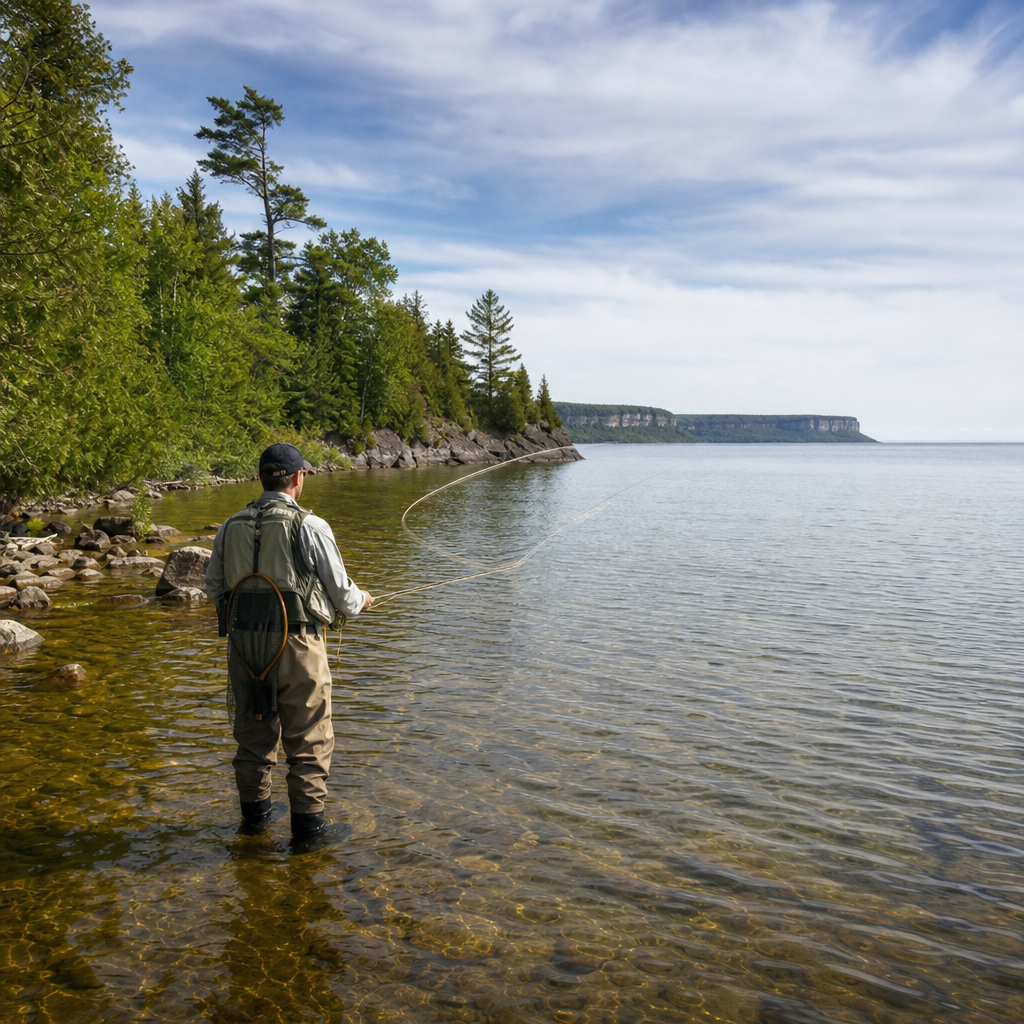
Fly fishing in the Great Lakes combines vast freshwater geography, migratory fish runs, coldwater tributaries, and warmwater flats into one of North America’s most versatile angling regions. The term Great Lakes refers to Lakes Superior, Michigan, Huron, Erie, and Ontario, plus the rivers, bays, estuaries, and feeder streams connected to them across the United States and Canada. For fly anglers, that means opportunities for steelhead, salmon, lake-run brown trout, brook trout, smallmouth bass, pike, carp, and musky within a single regional network. I have fished these waters in every season, and the defining lesson is simple: success depends less on long casting and more on understanding water temperature, forage, current seams, seasonal migrations, and access rules. This matters because Great Lakes fisheries are productive, accessible from major cities, and diverse enough to support beginners planning their first destination trip and experienced anglers building annual circuits across North America.
As a hub within the broader Fly Fishing Destinations topic, this guide covers the Great Lakes as a foundational North American region rather than a single river report. You need to know where each lake shines, what species dominate, when conditions peak, and how tactics shift between tributaries and open-lake environments. Key terms matter here. Tributary fishing usually means targeting migratory fish moving from the lakes into rivers to spawn or stage. Flats fishing refers to sight fishing in shallow water for bass, carp, or pike. Swinging flies means presenting streamers or traditional patterns broadside in current, while indicator nymphing uses weighted flies beneath a strike indicator to drift naturally near the bottom. Understanding those distinctions helps you choose destinations with purpose instead of chasing generic advice. The Great Lakes reward planning because weather changes fast, regulations vary by state and province, and a river that looks perfect online may be crowded, blown out, or closed by local rules when you arrive.
What makes this region exceptional is the combination of scale and specialization. Around Lake Superior, you find wild-feeling coasts, coaster brook trout history, and cold tributaries that stay fishable deep into summer. Around Lakes Michigan and Ontario, you get famous salmon and steelhead systems supported by both natural reproduction and stocking programs. Lake Erie is a major steelhead draw because of its accessible Pennsylvania, Ohio, and New York tributaries. Lake Huron offers less-publicized but highly rewarding river systems, plus excellent warmwater options in connected waters. Together they form one of the most complete fly fishing destination networks in North America, with road-trip potential that few regions can match.
Why the Great Lakes Are a Premier North American Fly Fishing Region
The Great Lakes region stands out because it offers genuine destination fishing without requiring wilderness logistics or expensive lodge travel. Major fisheries sit within driving distance of cities like Duluth, Milwaukee, Chicago, Detroit, Cleveland, Buffalo, Rochester, Syracuse, and Toronto. At the same time, many rivers still feel remote once you leave the main access points. In practical terms, that gives anglers a rare mix of convenience and quality. A weeklong trip can include swinging for steelhead in Michigan, stripping streamers for smallmouth in Wisconsin, and exploring brook trout water on Superior’s north shore. Few North American regions deliver that kind of species range with established public access, local guide networks, fly shops, and reliable seasonal patterns.
Biologically, the region works because the lakes function as inland seas. Vast forage bases of smelt, alewife, emerald shiners, gobies, sculpins, and baitfish support fast-growing predators. Tributaries then concentrate fish during seasonal runs, creating high-percentage opportunities for fly anglers. State agencies such as the Michigan Department of Natural Resources, New York State Department of Environmental Conservation, Pennsylvania Fish and Boat Commission, Wisconsin Department of Natural Resources, Minnesota Department of Natural Resources, and Ontario Ministry of Natural Resources coordinate stocking, habitat management, creel regulations, and access improvements. Those systems are not uniform, but they create dependable fisheries when paired with natural reproduction in rivers like New York’s Salmon River and many Michigan steelhead streams.
The region also rewards technical growth. Beginners can learn indicator fishing on smaller tributaries, while advanced anglers can refine two-handed Spey casting, streamer tactics, sink-tip control, and sight-fishing skills. Conditions force adaptation. One day you may fish stained runoff with bright egg patterns; the next you may present subtle nymphs in low, clear water. That constant adjustment is exactly why many experienced anglers return year after year.
Best Great Lakes Destinations by Lake and Species
Lake Michigan is the most complete starting point for many traveling anglers. Michigan’s west-side rivers, including the Pere Marquette, Muskegon, Manistee, and St. Joseph systems, are central destinations for steelhead, salmon, and resident trout. Wisconsin contributes excellent smallmouth and tributary opportunities, especially around Door County, Green Bay tributaries, and streams flowing into the lake. Northern Lake Michigan also supports productive carp and pike flats in protected bays. If you want one lake with broad trip-planning flexibility, Lake Michigan is hard to beat.
Lake Erie is famous for steelhead access. Pennsylvania’s Erie tributaries, especially Walnut Creek and Elk Creek, draw anglers from across North America because fish can stack into short, publicly accessible systems during fall, winter, and spring. Ohio’s Chagrin, Rocky, and Grand rivers deserve more attention, particularly when flows are stable. New York’s Lake Erie tributaries offer additional options when crowds spike elsewhere. Lake Erie’s warmwater game is also underrated; smallmouth bass fishing on flats and around structure can be excellent from late spring through early fall.
Lake Ontario is anchored by New York’s iconic salmon and steelhead rivers. The Salmon River is the headline destination for Chinook salmon, coho salmon, steelhead, and brown trout, but serious anglers should also consider the Oak Orchard system, the Genesee area tributaries, and smaller creeks that receive less pressure. Ontario tributaries on the Canadian side can fish well too, though local access and regulations require careful research. For anglers seeking the classic Great Lakes migratory experience, Lake Ontario belongs on the short list.
Lake Superior is different. It is less about crowds and numbers, more about coldwater character and space. Minnesota’s North Shore streams offer seasonal runs of steelhead and opportunities for coaster brook trout in select waters under strict regulations. Michigan’s Upper Peninsula adds tributaries, resident trout streams, and nearshore opportunities for adventurous anglers who pay close attention to weather. Superior demands preparation, but it delivers a distinct experience that feels closer to traditional anadromous fishing than many inland destinations.
Lake Huron deserves more press than it gets. Michigan’s Au Sable and nearby systems in the broader basin provide respected trout and steelhead opportunities, while Georgian Bay and connected Ontario waters offer pike, smallmouth, carp, and migratory fish in the right seasons. Anglers who avoid headline rivers often find Huron basin trips more relaxed and equally rewarding.
| Lake | Top Destinations | Primary Species | Best General Windows |
|---|---|---|---|
| Michigan | Pere Marquette, Muskegon, Manistee, Door County | Steelhead, salmon, brown trout, smallmouth | Sep-Nov, Mar-May, Jun-Sep |
| Erie | Erie tributaries, Chagrin, Walnut, Elk | Steelhead, smallmouth, carp | Oct-Apr, May-Sep |
| Ontario | Salmon River, Oak Orchard, smaller tributaries | Chinook, coho, steelhead, brown trout | Sep-Nov, Nov-Apr |
| Superior | North Shore streams, Upper Peninsula tributaries | Steelhead, brook trout, resident trout | Apr-May, Sep-Oct |
| Huron | Au Sable basin, Georgian Bay, connected rivers | Steelhead, trout, pike, smallmouth | Oct-Apr, Jun-Sep |
Seasonal Strategy: When to Go and What to Expect
Timing controls Great Lakes fly fishing more than any gear choice. Fall usually means salmon runs, fresh steelhead, aggressive migratory browns, and crowded access points. Chinook salmon often push into tributaries from late August through October depending on river and rainfall. Coho can overlap or arrive slightly later. Fall steelhead begin entering many systems behind salmon, especially after temperature drops and runoff events. If your goal is numbers of migratory fish, this is the highest-energy period, but it is also when angler pressure peaks on famous rivers.
Winter separates committed anglers from casual destination travelers. In states like Ohio, Pennsylvania, New York, and Michigan, winter steelhead fishing can be outstanding when flows are moderate and temperatures stay above dangerous levels. Fish often hold in slower runs, tailouts, and deeper slots. Nymphing with eggs, stoneflies, and small natural patterns is usually more consistent than broad, fast swings. Safety matters more than ever: shelf ice, frazil, and rapidly changing water levels can turn a productive day into a dangerous one.
Spring is one of the best overall windows because fish are distributed through tributaries, weather becomes more manageable, and hatches begin to matter on many systems. Steelhead remain the headline target through March and April in much of the region, while resident trout and smallmouth opportunities expand as water warms. On some Lake Superior and northern systems, spring is the prime time. Water clarity after snowmelt is the wildcard. I plan spring trips with backup rivers because one basin may be blown out while a neighboring watershed is perfect.
Summer shifts the game toward warmwater species, tailwaters, and colder tributaries. Smallmouth bass fishing can be exceptional around rocky shorelines, harbor edges, river mouths, and connected lakes. Carp become realistic sight-fishing targets in calm, shallow bays. Pike and musky opportunities improve in weedy backwaters and broad flats. Summer is also when many anglers overlook the Great Lakes region, which is a mistake if you enjoy varied fisheries rather than only migratory runs.
Essential Tactics, Flies, and Gear for Great Lakes Success
For tributary steelhead and salmon, a 9-foot 7-weight or 8-weight single-hand rod covers most situations, while a switch rod or light Spey setup improves line control on larger rivers such as the Salmon, Manistee, and Muskegon. Floating lines with interchangeable sink tips are more versatile than carrying multiple full sinking setups. Leaders should match the tactic: shorter, stronger leaders for salmon and streamers; longer fluorocarbon setups for low, clear steelhead water. Waders need real traction. Studded boots are often worth the extra noise because shale, clay, and algae-covered cobble are common.
Fly selection is less mysterious than many visitors assume. Eggs work because eggs are genuinely present during and after spawning periods. Estaz-style patterns, Glo Bugs, and yarn eggs all have a place, though regulations on hook style and added weight vary. Stoneflies, caddis larvae, mayfly nymphs, egg-sucking leeches, woolly buggers, intruders, and zonkers produce consistently. On warmwater trips, Clouser Minnows, baitfish streamers, crayfish patterns, deer hair poppers, and damselfly nymphs cover most needs. Matching color to water clarity matters. In stained flows, chartreuse, orange, pink, black, and purple are reliable. In clear water, olive, tan, white, and natural roe tones are better starting points.
Presentation decides outcomes. Great Lakes steelhead are often described as unpredictable, but most refusals come from poor depth, speed, or angle. Indicator nymphing should drift at the pace of the current near the fish, not drag across seams. Swinging flies works best when water temperatures and fish mood support movement, usually in moderate flows and softer light. For smallmouth, stripping streamers across current breaks and rock transitions is more productive than blind casting featureless banks. For carp, you need quiet approach, accurate leading casts, and flies that land softly but sink quickly enough to reach the feeding zone.
Electronics and planning tools help before you ever string a rod. USGS gauges, state river gauge portals, NOAA marine forecasts, Navionics mapping, and local fly shop reports are part of serious trip preparation. On the Great Lakes, wind can blow out shorelines and river mouths quickly. A calm morning on Erie or Superior can become unsafe by afternoon, especially if you fish from a kayak, skiff, or jet boat.
Access, Regulations, and Trip Planning Mistakes to Avoid
The biggest planning mistake is assuming Great Lakes fisheries are regulated the same way across borders. They are not. Seasons, tackle restrictions, hook-point rules, weight placement requirements, bait prohibitions, fish handling standards, and tributary boundaries can change by state, river section, and time of year. New York’s Great Lakes regulations differ from Michigan’s, and Ontario rules differ again. Always read the current agency publication before traveling. This is particularly important on rivers with fly-fishing-only stretches, seasonal closures, sanctuary zones, or special trout and salmon rules.
Access is generally better than many Western destination fisheries, but it still requires strategy. Public launches, state forest parcels, municipal easements, and walk-in sites can open excellent water, while posted private land may block seemingly obvious routes. Mapping platforms such as onX Hunt, TroutRoutes in participating areas, and state GIS parcel viewers reduce mistakes. Hiring a guide on day one is often the fastest way to learn legal access, productive runs, and seasonal positioning. I recommend it especially on large rivers where fish use only certain holding structures at specific flows.
Another common error is underestimating crowds. Famous runs can fish well even with pressure, but only if you adapt. Start farther from parking areas, fish weekdays, target shoulder-season windows, or focus on less publicized tributaries. The Great Lakes region rewards anglers who treat destination planning like logistics, not luck. Book lodging near multiple drainages, carry chains or winter emergency gear when traveling in snow country, and build flexible schedules around weather. Do that, and this hub opens a region of North America rich enough to support a lifetime of fly fishing trips. Use it to plan your next route, then drill deeper into individual lake, river, and species guides.
Frequently Asked Questions
What species can you target with a fly rod in the Great Lakes region?
One of the biggest advantages of fly fishing in the Great Lakes is the sheer variety of fish available across different seasons and water types. Anglers commonly target steelhead, Pacific salmon such as Chinook and coho, lake-run brown trout, brook trout in colder tributaries, and smallmouth bass in warmer bays, flats, and nearshore structure. Depending on the specific lake, river system, and time of year, you may also encounter carp, pike, musky, and occasional resident trout populations in connected streams. This mix of migratory fish and resident warmwater species makes the region unusually versatile for fly anglers who want more than a single-species destination.
In practical terms, the Great Lakes fishery rewards anglers who match their destinations to seasonal fish movements. Fall is famous for salmon and steelhead entering tributaries, winter and early spring often favor steelhead, summer can be excellent for smallmouth bass on rocky shorelines and shoals, and certain coldwater streams offer trout opportunities when water temperatures stay favorable. Because each lake has its own character, from Lake Superior’s rugged, colder environment to Lake Erie and Lake Ontario’s highly productive tributary fisheries, anglers should always research species timing by watershed rather than assuming conditions are identical across the entire region.
When is the best time of year to go fly fishing in the Great Lakes?
The best time depends entirely on what species you want to pursue and whether you prefer tributaries, rivers, estuaries, or open-lake connected warmwater habitat. For salmon, late summer through fall is the classic window, as fish begin staging and running into tributaries. Steelhead opportunities often start in the fall and can continue through winter and into spring, especially in systems with steady flows and suitable water temperatures. Lake-run brown trout can be especially productive in fall and early spring, while smallmouth bass typically shine from late spring through early fall when they are actively feeding around rocks, weed edges, flats, and current seams.
Water temperature, flow, and weather often matter more than the calendar alone. A mild autumn can extend productive fishing, while heavy rain can trigger fresh migratory pushes into streams. Spring runoff may improve access to fish in some rivers while making others difficult or unsafe to wade. Summer warmwater fishing can be outstanding, but trout and salmonid tributaries may become too warm in some areas for ethical targeting. For that reason, experienced Great Lakes fly anglers monitor stream gauges, local reports, water temperatures, and wind conditions closely. If you want one of the most broadly reliable windows, many anglers consider fall the signature season because it can offer salmon, steelhead, brown trout, and excellent scenery all at once.
What gear and fly patterns work best for Great Lakes fly fishing?
A flexible setup is usually the smartest approach because the Great Lakes region includes everything from narrow tributaries to broad river mouths and shallow bass flats. For steelhead, salmon, and lake-run trout, many anglers carry a 7- to 9-weight rod depending on river size and target species, often paired with a large-arbor reel and a dependable drag system. Floating lines are common in tributaries, but sink tips, polyleaders, or full sinking lines can be useful in deeper pools, estuaries, and lake edges. For smallmouth bass, a 6- to 8-weight rod is a popular choice, especially when casting larger streamers, poppers, or windy shorelines.
As for flies, eggs, nymphs, stonefly imitations, baitfish patterns, woolly buggers, leeches, intruders, and streamers all play important roles depending on species and season. Steelhead and migratory trout are often taken on egg patterns, natural nymphs, and swinging flies in stained or cold water. Salmon may respond to larger streamers, egg-sucking patterns, and attractor-style flies, particularly in moving water where presentation matters more than perfect imitation. Smallmouth bass often favor crayfish patterns, baitfish streamers, deer-hair poppers, and swimming flies worked around rock, wood, and current transitions. Waders, layered clothing, quality boots, polarized glasses, and a wading staff are also valuable, especially because Great Lakes conditions can shift quickly with weather, current, and lake-influenced flows.
Where are some of the best destinations for fly fishing around the Great Lakes?
There is no single “best” destination because each Great Lake offers a different style of fishing, but several areas stand out consistently. Lake Ontario tributaries in New York are among the most famous for salmon and steelhead runs, with many rivers drawing traveling anglers every year. Lake Erie’s tributaries in Pennsylvania, Ohio, and New York are well known for strong steelhead opportunities, often with relatively accessible stream systems. Around Lake Michigan, anglers find a broad mix of salmon, steelhead, brown trout, and smallmouth bass across Michigan, Wisconsin, and Illinois waters, with numerous river mouths and connected tributaries producing seasonal action.
Lake Superior is often prized for its wild feel, coldwater character, and opportunities for brook trout, migratory fish, and less crowded experiences in certain areas. Lake Huron provides excellent variety as well, including productive tributaries and nearshore zones for both migratory and warmwater species. In general, top destinations are often the places that combine healthy tributary flows, public access, strong forage bases, and well-timed fish migrations. When choosing a destination, it is wise to think beyond famous names and evaluate factors such as access points, run timing, wading difficulty, local regulations, and whether you want a numbers-focused trip or a more remote, exploratory experience. Local fly shops and regional fisheries reports can be extremely useful for narrowing down the right watershed for your trip goals.
What should anglers know about access, regulations, and conditions before fishing the Great Lakes?
This is one of the most important questions to ask before any Great Lakes fly fishing trip. Regulations can vary significantly by state, province, river, and species, including rules related to seasons, catch limits, fly-only sections, gear restrictions, and whether fish must be released. Border-related considerations can also matter if you are fishing waters connected to both the United States and Canada. Before heading out, anglers should review the most current fisheries regulations for the exact jurisdiction they plan to fish, because migratory fisheries are often managed carefully and rules can change from year to year.
Access is equally important. Some waters offer extensive public entry through parks, state land, or designated access sites, while others pass through private property where trespassing rules are strictly enforced. In tributaries, water levels can rise quickly after rain, and lake-influenced weather can create strong winds, muddy conditions, and unsafe footing. Wading safety should never be taken lightly, particularly in cold water, fast current, or rocky river mouths. It also pays to check stream flow data, weather forecasts, and water temperatures before leaving. Ethical anglers in the Great Lakes pay attention not only to legal compliance but also to fish handling, seasonal spawning activity, and temperature stress. That mindset helps protect these fisheries and improves the experience for everyone using this exceptionally diverse freshwater region.