Fly fishing in Texas surprises anglers who picture only stock tanks and bass boats, because the state holds a remarkably broad range of waters where a fly rod is not just viable but often the best tool. From clear Hill Country spring creeks to Gulf Coast marshes and highland reservoirs, Texas supports warmwater, coldwater, and saltwater opportunities within one destination. In practical terms, fly fishing means presenting an artificial fly with the weight of a specialized line rather than the lure itself, allowing delicate casts, subtle drifts, and precise retrieves that conventional tackle cannot always match. Texas matters within North American fly fishing because it compresses many regional experiences into one map: tailwater trout that echo the Rockies, redfish flats that rival Louisiana, carp and bass fisheries comparable to celebrated inland waters elsewhere, and seasonal runs that reward anglers who learn timing and habitat. I have fished these waters in low summer flows, winter fronts, and windy spring afternoons, and the consistent lesson is that success in Texas comes from matching strategy to water type instead of chasing a single species with a single setup. This hub article explains the best fly fishing locations in Texas, the tactics that work, the gear adjustments local conditions demand, and how these fisheries connect to broader North America travel planning for anglers building destination lists.
Texas also serves as an ideal gateway for anglers exploring fly fishing destinations across North America because it teaches adaptability. The same angler can sight-cast to redfish on Spartina edges near Port O’Connor, drift midges below Canyon Dam on the Guadalupe River, and strip baitfish patterns for largemouth around East Texas timber in a single season. Key terms matter here. A tailwater is a river section below a dam where water releases stabilize temperature and flow; in Texas, that can create rare trout habitat. A flat is a shallow saltwater area where fish feed visibly, often making sight-fishing possible. Structure refers to logs, grass, oyster, rock, ledges, or current seams that concentrate fish. Reading these features is more important in Texas than simply choosing famous names from a map. Why does this matter for travelers? Because Texas is huge, weather shifts fast, and many productive spots are condition dependent. An angler planning a North America fly fishing trip needs realistic expectations on seasons, access, wading safety, guide value, and species behavior. This article is built as a hub, so it covers the major regions and strategies comprehensively enough to help you decide whether to pursue trout, bass, carp, gar, redfish, speckled trout, or mixed-bag warmwater species while using Texas as part of a larger destination strategy.
Hill Country rivers and the Guadalupe tailwater
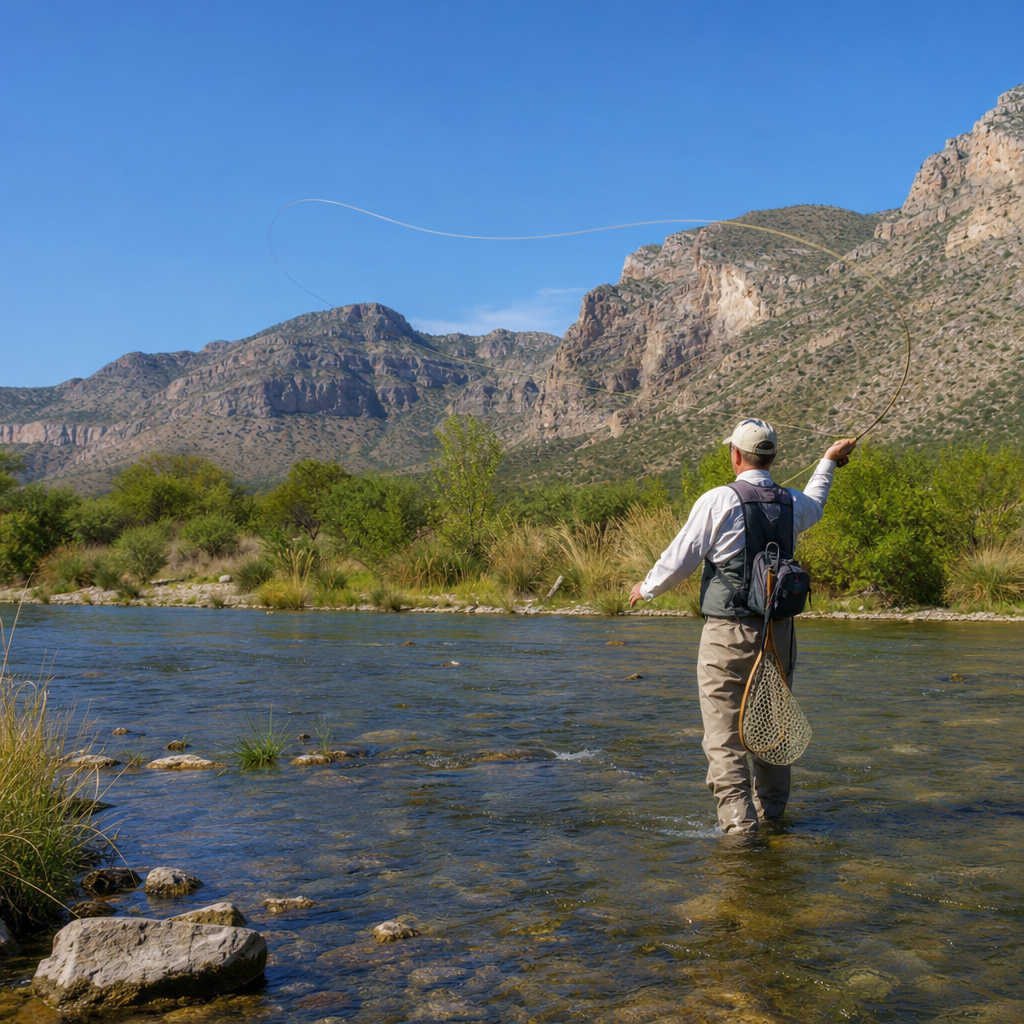
The Guadalupe River below Canyon Dam is the most recognized trout fly fishing destination in Texas, and for good reason. It is the state’s premier tailwater, with cold releases that can sustain rainbow trout through much of the year and hold over fish during favorable conditions. Texas Parks and Wildlife stocks trout seasonally, but the better fishing often comes from understanding release schedules, dissolved oxygen, and pressure rather than simply showing up after a stocking event. On weekdays and during stable winter flows, I have seen pods of trout feeding selectively in soft seams where casual anglers walked straight through. Midges, small sow bugs, egg patterns, and zebra midge variations are consistent producers, while streamers shine after generation increases or stain the water. A 9-foot 5-weight handles most situations, though a 6-weight helps in wind or when throwing weighted streamers under indicators. Long leaders, fine tippet, and drag-free drifts matter because fish see heavy pressure near public access points such as the stretch around Rio Raft and the area below the dam.
Beyond the Guadalupe, Hill Country rivers offer excellent warmwater fly fishing that many visiting anglers underestimate. The San Marcos, Blanco, Llano, Pedernales, and Devils River each reward different approaches. The San Marcos stays relatively clear and temperate because of spring influence, making it suitable for bass, sunfish, and carp on smaller flies. The Llano and Pedernales can be feast or famine depending on rain, but when flows are right, they fish beautifully for Guadalupe bass, Texas’s state fish, along with largemouth, small sunfish, and occasional carp. Guadalupe bass love current breaks, chunk rock, submerged wood, and shaded banks. A 4- to 6-weight rod, floating line, and size 4 to 10 streamers, poppers, and rubber-legged nymphs cover most situations. The Devils River is in a class of its own: remote, visually stunning, and logistically demanding, with clear water, strong access restrictions, and a deserved reputation for quality bass fishing. It is not a casual day trip. Paddle planning, trespass awareness, and weather judgment are essential, but for anglers seeking one of the most distinctive inland fly fishing experiences in North America, it belongs on the shortlist.
Gulf Coast flats, marshes, and nearshore water
If trout give Texas fly fishing legitimacy, the coast gives it range. The Texas Gulf Coast stretches from Sabine to South Padre and includes marsh lakes, grass shorelines, back bays, jetties, beachfront water, and nearshore structure. For fly anglers, the primary targets are redfish and speckled trout, with black drum, sheepshead, jack crevalle, and seasonal tarpon adding variety. Port O’Connor, Rockport, Aransas Pass, Corpus Christi, and the Lower Laguna Madre are especially important because they combine fishable flats, guide infrastructure, and relatively consistent sight-fishing windows. In the Lower Laguna, shallow grass flats and clear water create some of the best redfish opportunities in the state. In central coast marshes, floating grass and mud-bottom shorelines can hold schools of tailing fish, particularly during lower tides and warming trends. Redfish are ideal fly targets because they feed shallow, tolerate varied presentations, and often reveal themselves by tails, pushes, nervous water, or mud puffs. A standard setup is an 8-weight rod, floating tropical line, 9-foot leader tapered to 16- to 20-pound tippet, and flies such as spoon flies, crab patterns, EP baitfish, or shrimp imitations.
Texas coastal strategy starts with wind management and angle control. On many days, fish are present but uncatchable unless the boat, skiff, or wading line positions the angler for a low-angle cast that lands beyond the fish and crosses its path naturally. I have had mornings in Port Mansfield where the difference between refusal and instant eat was one rod-length adjustment by the guide on the polling platform. Speckled trout are often more forgiving than redfish, especially over potholes or around bait schools, and they readily take clousers, craft-fur baitfish, and shrimp patterns stripped at varying speeds. However, trout on fly can be inconsistent in bright shallow water and often fish better on edges, channels, and drop-offs. Black drum present another challenge: they tail like redfish but usually demand slower presentations and crab patterns placed near the fish’s path, not on its head. Along jetties and beachfront structure, intermediate lines and larger baitfish patterns can produce Spanish mackerel, ladyfish, false albacore in some years, and jacks. Summer tarpon are real but specialized, requiring guides, stable weather, and heavy tackle. For anglers comparing North America saltwater hubs, Texas offers less glamour than the Keys but more accessibility, lower cost, and highly underrated redfish water.
Lakes, reservoirs, and urban fisheries
Texas reservoirs broaden fly fishing options far beyond destination rivers and saltwater. Lake Fork, Sam Rayburn, Toledo Bend, Caddo, Choke Canyon, Amistad, and numerous municipal lakes offer largemouth bass fishing that can be excellent on fly tackle during the right windows. The common mistake is trying to fish them like trout water. Reservoir fly fishing is about timing: low-light periods, pre-spawn staging, post-spawn bluegill activity, shad spawns, wind-blown points, flooded vegetation, and overcast conditions often matter more than exact fly pattern. In East Texas, timber, grass, and creek channels create ambush zones where deer-hair divers, hollow-body style topwater flies, and articulated baitfish patterns excel. On clearer highland reservoirs such as Amistad, sinking lines and longer fluorocarbon leaders help reach suspended fish or work rocky ledges. Schooling white bass and hybrid striped bass can provide fast action when birds reveal surface feeding. Carp, often overlooked, are one of the best urban and reservoir fly targets in Texas because they feed shallow, fight hard, and force accurate presentations. On city lakes and park ponds around Austin, Dallas, Houston, and San Antonio, a stealthy angler with a 5- or 6-weight and small craw, worm, or bread-style flies can find challenging sight-fishing close to home.
| Texas fishery type | Best regions | Primary species | Recommended setup | Most effective tactics |
|---|---|---|---|---|
| Tailwater river | Guadalupe below Canyon Dam | Rainbow trout | 9-foot 5-weight, floating line | Indicator nymphing, midge drifts, small streamers |
| Hill Country stream | Llano, San Marcos, Devils | Guadalupe bass, sunfish, carp | 4- to 6-weight, floating line | Poppers at dawn, streamer swings, sight-casting |
| Coastal flat | Rockport, Port O’Connor, Laguna Madre | Redfish, speckled trout, black drum | 8-weight, floating saltwater line | Sight-fishing, lead casts, shrimp and crab flies |
| Reservoir | Fork, Rayburn, Amistad, Caddo | Largemouth, white bass, carp | 6- to 8-weight, floating or sink-tip line | Bank beating, shad spawn patterns, low-light topwater |
Urban fisheries deserve special attention because they make Texas one of the most accessible fly fishing destinations in North America. The San Gabriel system near Georgetown, Lady Bird Lake in Austin, neighborhood retention ponds in Dallas-Fort Worth, and bayous around Houston can all produce carp, bass, gar, and panfish. Longnose gar are uniquely Texan fly targets: anglers often use frayed rope flies without hooks because gar teeth tangle in the fibers. It looks odd, but it works. Rio Grande cichlids in South Texas are another regional specialty, favoring small nymphs and brightly colored bugs in warm clear water. These local options matter for traveling anglers because weather or flow can ruin a marquee destination day, while nearby urban water can save a trip. They also build skills transferable to larger venues. If you can spot a carp’s feeding angle in a city pond or land a cast under overhanging limbs for Guadalupe bass, you will be better prepared for bonefish-like redfish shots on the coast or technical trout drifts on the Guadalupe.
Seasonal patterns, gear, and practical strategy
The best time for fly fishing in Texas depends entirely on species and region. Trout on the Guadalupe are strongest from late fall through early spring, especially when stocking, cool air, and stable dam releases align. Hill Country bass fishing peaks in spring and early summer, with excellent topwater windows at first light and productive subsurface action around current seams as temperatures rise. Coastal redfish are available year-round, but cooler months often improve sight-fishing because fish push shallow and boat traffic declines. Summer can be outstanding early and late, though heat, glare, and afternoon wind narrow the window. Reservoir bass fishing swings around pre-spawn, shad spawn, and autumn bait migrations. Because conditions change quickly, strategy should begin with three checks: water level, water clarity, and wind. Those factors shape whether you wade, float, pole, blind-cast, or sight-fish. I would rather fish average water under stable clarity and manageable wind than chase a famous spot blown out by rain or churned by 25-mile-per-hour gusts.
Gear selection in Texas should be practical, not romantic. A 5-weight covers Guadalupe trout and lighter Hill Country work, a 6-weight is the most versatile inland Texas rod, and an 8-weight is the coastal standard. Floating lines handle most scenarios, but a sink-tip or intermediate line earns its place on reservoirs and deeper channels. Leaders should be shorter and stronger in wind than many trout anglers expect. For redfish, accuracy at 30 to 50 feet beats elegance at 70. Polarized glasses are mandatory, with copper or amber lenses often best for mixed light and grass-bottom contrast. Wading boots need traction suitable for limestone, mud, or shell depending on destination, and Texas weather makes sun protection nonnegotiable. As for flies, a compact selection outperforms giant boxes: zebra midges, egg patterns, woolly buggers, clousers, spoon flies, shrimp flies, small baitfish, foam poppers, and craw imitations cover most of the state. Hiring a guide is especially valuable on the coast, on the Devils River, or for first-time Guadalupe trips because local knowledge about launch access, current fish movement, and safety shortens the learning curve dramatically. For your next North America fly fishing plan, use Texas as a multi-species hub: pick one marquee fishery, add one backup option, watch conditions closely, and book with enough flexibility to fish the water that is best, not just the water that is famous.
Texas proves that a single state can deliver a surprisingly complete fly fishing destination, from technical trout drifts to marsh sight-casting and warmwater river exploration. The best locations are not interchangeable: the Guadalupe rewards precision and flow awareness, Hill Country streams favor mobility and accurate casts around structure, Gulf Coast flats demand presentation discipline in wind, and reservoirs hinge on seasonal timing more than scenery. That variety is exactly why Texas belongs in any serious North America fly fishing conversation. It teaches adaptable tactics, offers strong guide networks, and provides real opportunity for trout, bass, carp, redfish, and other species without requiring extreme travel logistics. The main benefit for anglers is flexibility. When one pattern slows, another region or species is often coming into form somewhere else in the state.
If you are choosing where to start, match your first trip to the kind of fishing you enjoy most. Prefer moving water and subtle drifts? Fish the Guadalupe in winter. Want visual eats and powerful shallow-water runs? Book a redfish day on the middle or lower coast. Looking for wade-friendly summer action? Target Guadalupe bass in the Hill Country at dawn. Then build outward from there, using Texas as your hub for broader fly fishing destinations research across North America. Study flows, tides, and seasonal windows before you travel, pack the right rod weights, and do not underestimate local guidance. A well-planned Texas trip can be one of the most diverse and educational fly fishing experiences on the continent. Start mapping your waters, narrow your season, and put a Texas fly fishing trip on your calendar.
Frequently Asked Questions
What are the best places to go fly fishing in Texas?
Texas offers a wider range of fly fishing water than many anglers expect, which is exactly what makes the state so appealing. In the Hill Country, spring-fed rivers and creeks such as the Guadalupe River, Llano River, San Marcos River, and stretches of the Blanco provide excellent opportunities for targeting bass, sunfish, and, in the right season, trout. The Guadalupe below Canyon Dam is especially well known because it supports the state’s most recognized trout fishery and gives fly anglers a legitimate coldwater option in a state more often associated with warmwater species. In central and north Texas, reservoirs and their feeder creeks can produce strong action for largemouth bass, white bass, carp, and panfish, especially during seasonal runs and low-light feeding periods. Along the coast, the Texas Gulf shoreline, bays, flats, and marsh systems open the door to redfish, speckled trout, black drum, and occasional tarpon in select areas. Places around Rockport, Port Aransas, Galveston Bay, and the Laguna Madre are particularly respected by saltwater fly anglers. The best location ultimately depends on the species you want to pursue, the season, and whether you prefer wading, drifting, or fishing from a skiff or kayak, but Texas absolutely has high-quality fly fishing in freshwater and saltwater alike.
When is the best time of year for fly fishing in Texas?
The best time depends heavily on the type of water and the species you are targeting, because Texas is not a one-season fly fishing state. For trout on the Guadalupe River, the cooler months are typically the prime window, especially from late fall through winter and into early spring when stocked and holdover fish are most active in cold, oxygen-rich water. For bass and sunfish in rivers, creeks, and ponds, spring and fall are often ideal because water temperatures are comfortable, fish are active, and topwater opportunities can be excellent early and late in the day. Summer can still be productive for warmwater species, but anglers usually do best by fishing at dawn, around shaded banks, or in deeper runs and structure where fish retreat from the heat. On the coast, redfish can be caught year-round, but many anglers love fall for clear water, active fish, and strong sight-fishing conditions on the flats. Spring is also productive in the bays and marshes, while summer can provide exciting early-morning topwater and baitfish-driven action. Winter can be surprisingly good in certain coastal systems if you adapt to temperature swings and fish slower presentations. In short, Texas offers a nearly year-round fly fishing calendar, but matching your destination and tactics to seasonal water temperatures and fish behavior is what really determines success.
What gear should I use for fly fishing in Texas?
A versatile setup for Texas usually starts with matching your rod, line, and fly selection to the water type rather than trying to force one outfit into every situation. For Hill Country rivers, creeks, and warmwater ponds, a 4- to 6-weight rod is often an excellent choice for bass, sunfish, and smaller river species. A 5-weight is a particularly useful all-around tool if you want one rod that can handle a broad range of freshwater fishing. For the Guadalupe trout fishery, a 4- or 5-weight setup is common, paired with floating line, long leaders, and a mix of nymphs, small streamers, and midge or mayfly imitations depending on conditions. If you plan to target larger bass with bulky streamers or poppers, stepping up to a 6- or 7-weight can make casting easier and fighting fish around cover more efficient. On the coast, most anglers favor a 7- to 9-weight rod, with an 8-weight being the classic Texas saltwater fly rod because it has the power to handle wind, weighted flies, and species such as redfish and speckled trout. Floating lines are standard for flats and marshes, while intermediate lines can be useful in deeper channels or windy bay conditions. Leaders should be adjusted to clarity and species, with lighter fluorocarbon often preferred in clear freshwater and stronger shock-resistant leaders used in saltwater. Polarized sunglasses, quality wading footwear, sun protection, and a good stripping basket or pack can also make a major difference in comfort and effectiveness in Texas conditions.
What flies and techniques work best for Texas species?
The most effective flies in Texas are usually those that imitate local forage and can be presented naturally in the conditions you are fishing. For Guadalupe trout, productive patterns often include small nymphs, midge larvae and pupae, San Juan Worms, sow bug or scud-style flies, egg patterns in stocked-water scenarios, and small streamers when fish are more aggressive. Dead drifting under an indicator, tight-line nymphing in current seams, and swinging streamers through deeper runs can all be effective depending on flow and water clarity. For bass in rivers, creeks, and lakes, foam poppers, deer hair bugs, baitfish streamers, crawfish imitations, and leggy warmwater flies are reliable standards. Early and late in the day, topwater presentations near grass lines, undercut banks, timber, and shaded pockets can be outstanding. During brighter periods, subsurface flies stripped slowly around structure often produce more consistent results. For panfish, small popping bugs, spiders, and soft hackle-style patterns are simple, fun, and very productive. On the coast, Texas fly anglers frequently rely on shrimp patterns, crab flies, spoon flies, and baitfish imitations in tan, olive, white, and copper tones. Sight-fishing to redfish often requires accurate casts, quick line control, and a presentation that lands ahead of the fish without spooking it. In windy conditions, shorter casts with efficient stripping and flies that push water or remain visible can be more effective than delicate presentations. Across all Texas fisheries, success usually comes from reading water carefully, adjusting retrieve speed to fish mood and temperature, and keeping presentations clean, efficient, and species-specific.
Is fly fishing in Texas beginner-friendly, and what strategies help new anglers succeed?
Yes, Texas can be very beginner-friendly, especially because it offers so many accessible fisheries where perfect technical casting is not always required. Small ponds, neighborhood lakes, slow river stretches, and warmwater creeks are often ideal learning grounds because they hold aggressive sunfish and bass that willingly eat poppers, streamers, and simple attractor flies. That immediate feedback helps new anglers build confidence with casting, line management, and hook-setting. If trout are your goal, the Guadalupe can also be approachable, particularly with basic nymph rigs or small streamers in clearly defined runs. For beginners on the coast, guided trips can shorten the learning curve dramatically because saltwater fly fishing adds challenges such as wind, moving fish, changing tide, and the need for quick, accurate casts. The most effective strategy for a new Texas fly angler is to simplify everything: use a balanced outfit, carry a small box of proven local flies, focus on one species at a time, and fish high-percentage water rather than constantly changing locations. Learn to approach quietly, watch current seams or shoreline structure, and make short, controlled casts before worrying about distance. Fish early or late when temperatures are lower and fish are more active, especially in summer. It also helps to understand that fly fishing is less about random casting and more about presentation, observation, and positioning. With that mindset, a beginner in Texas can progress quickly and enjoy everything from bluegill on a farm pond to redfish on a coastal flat.