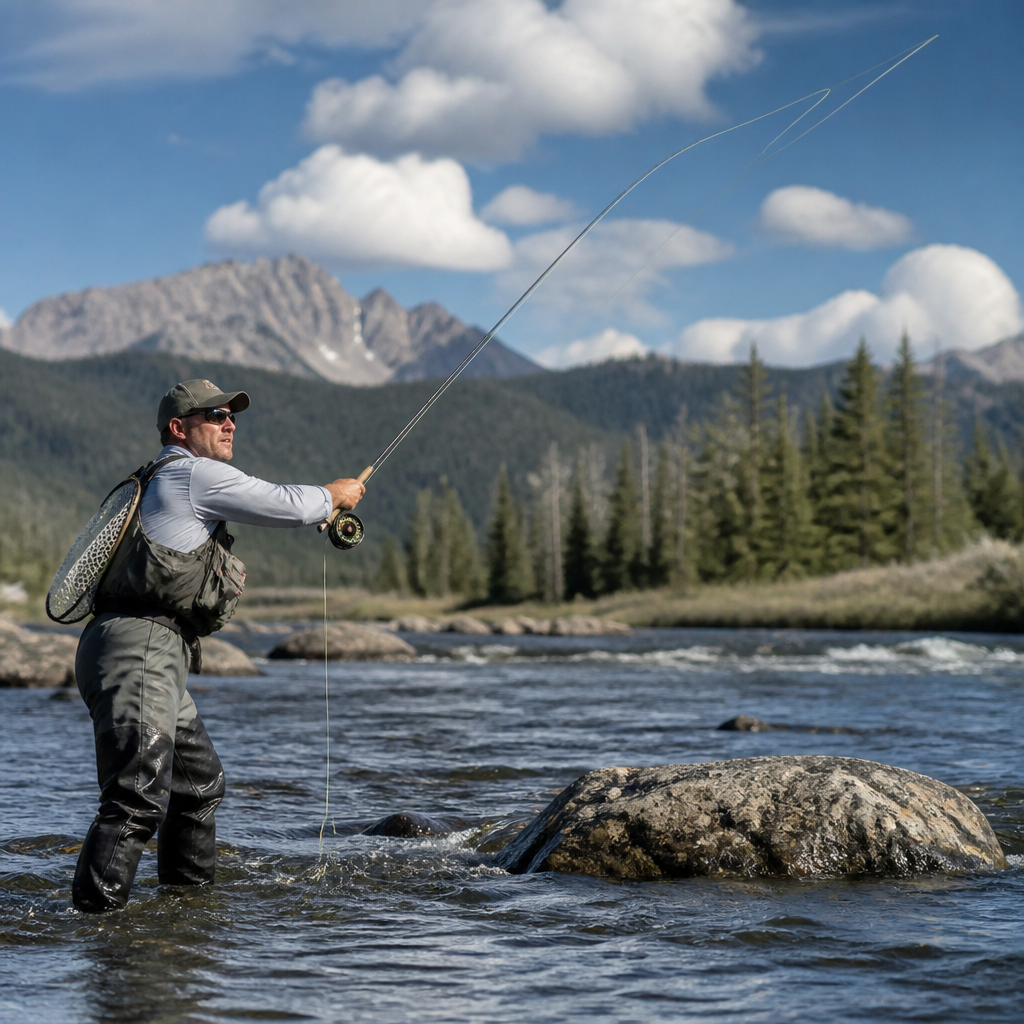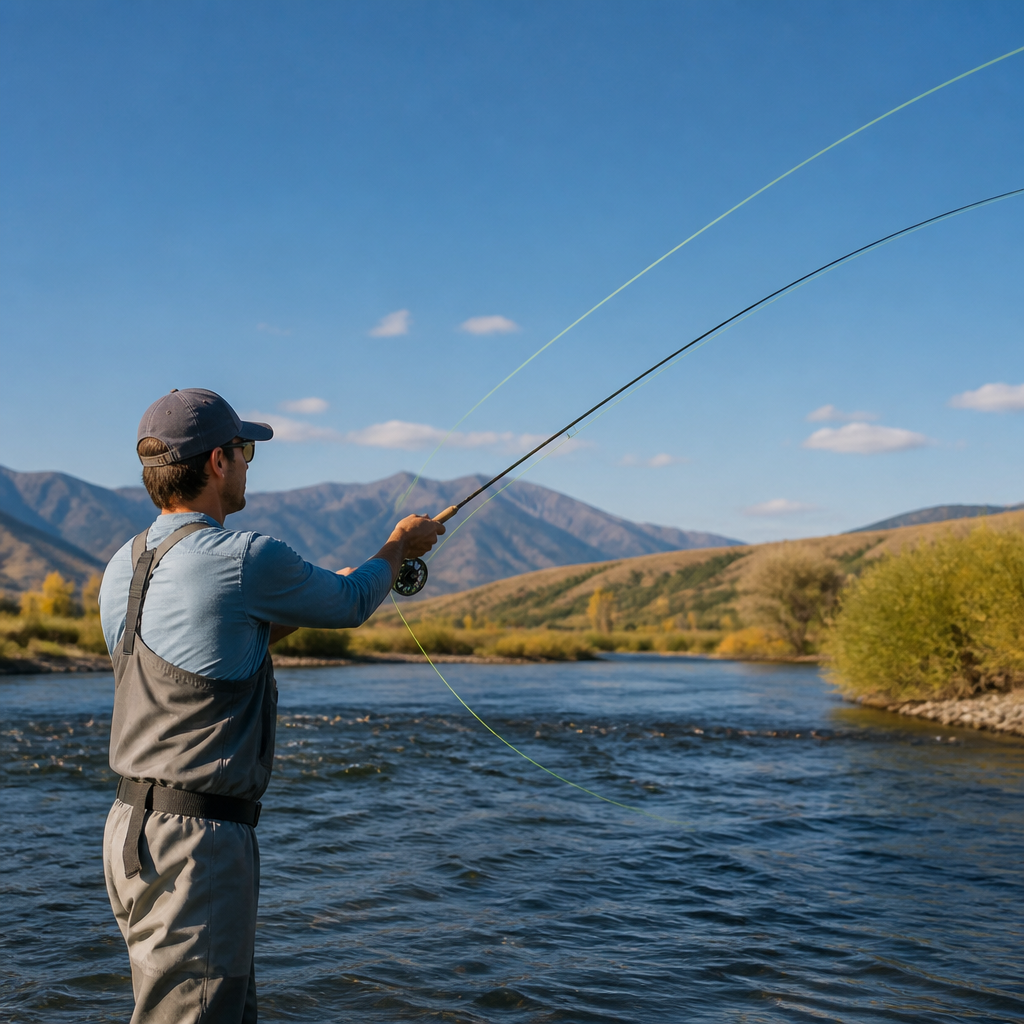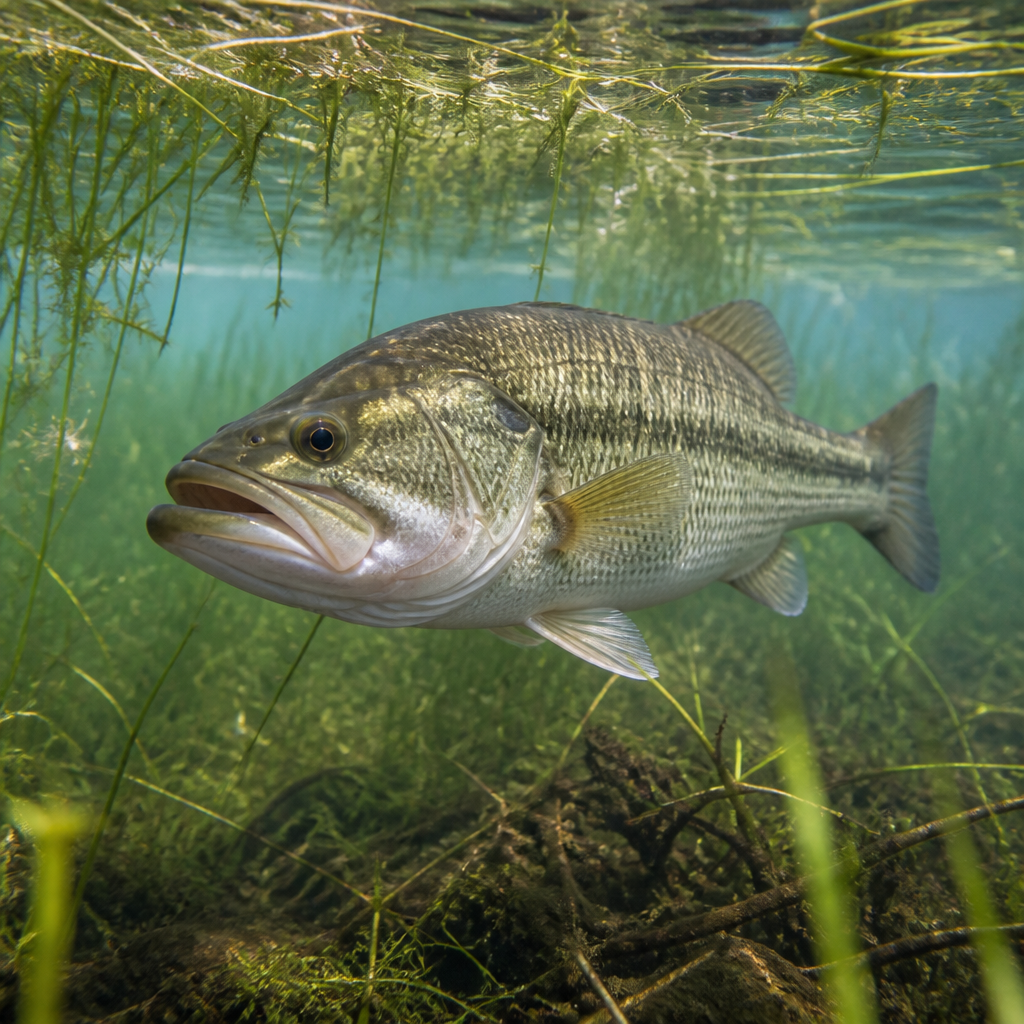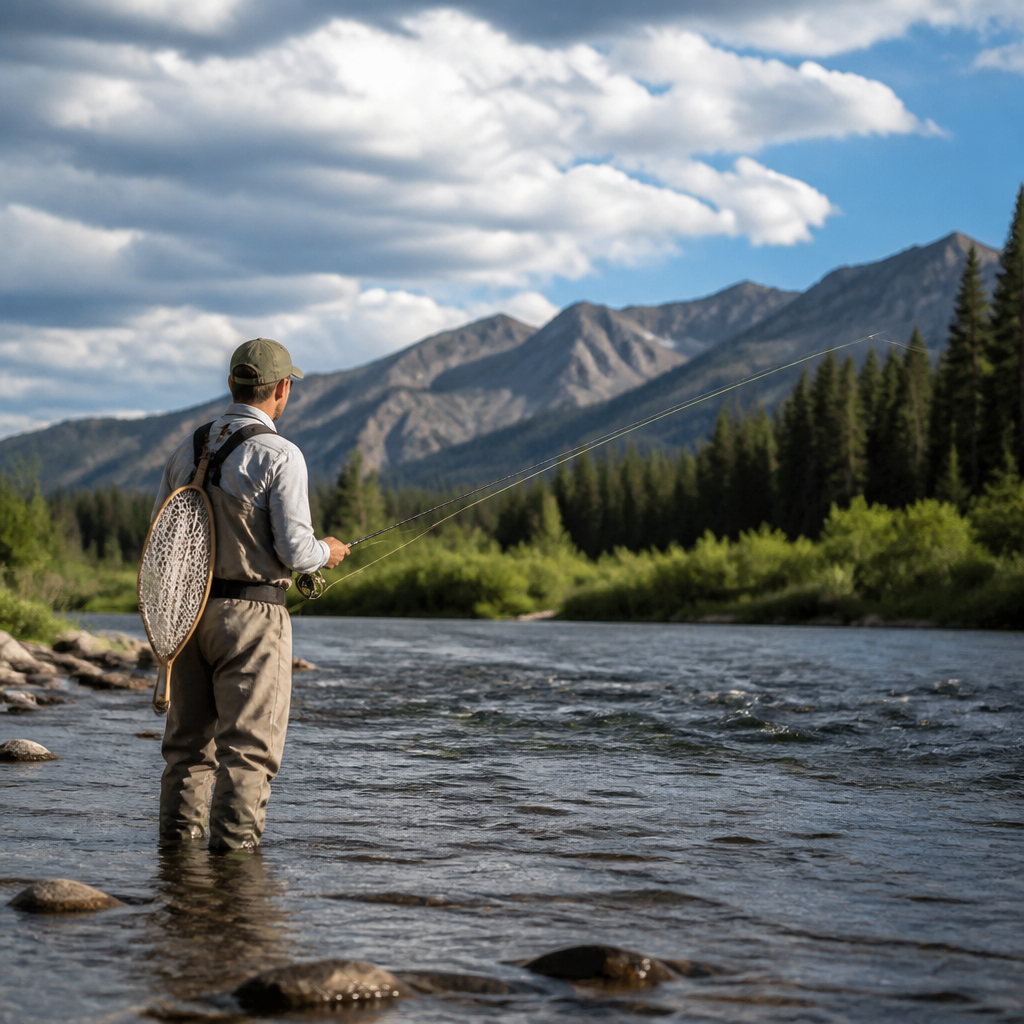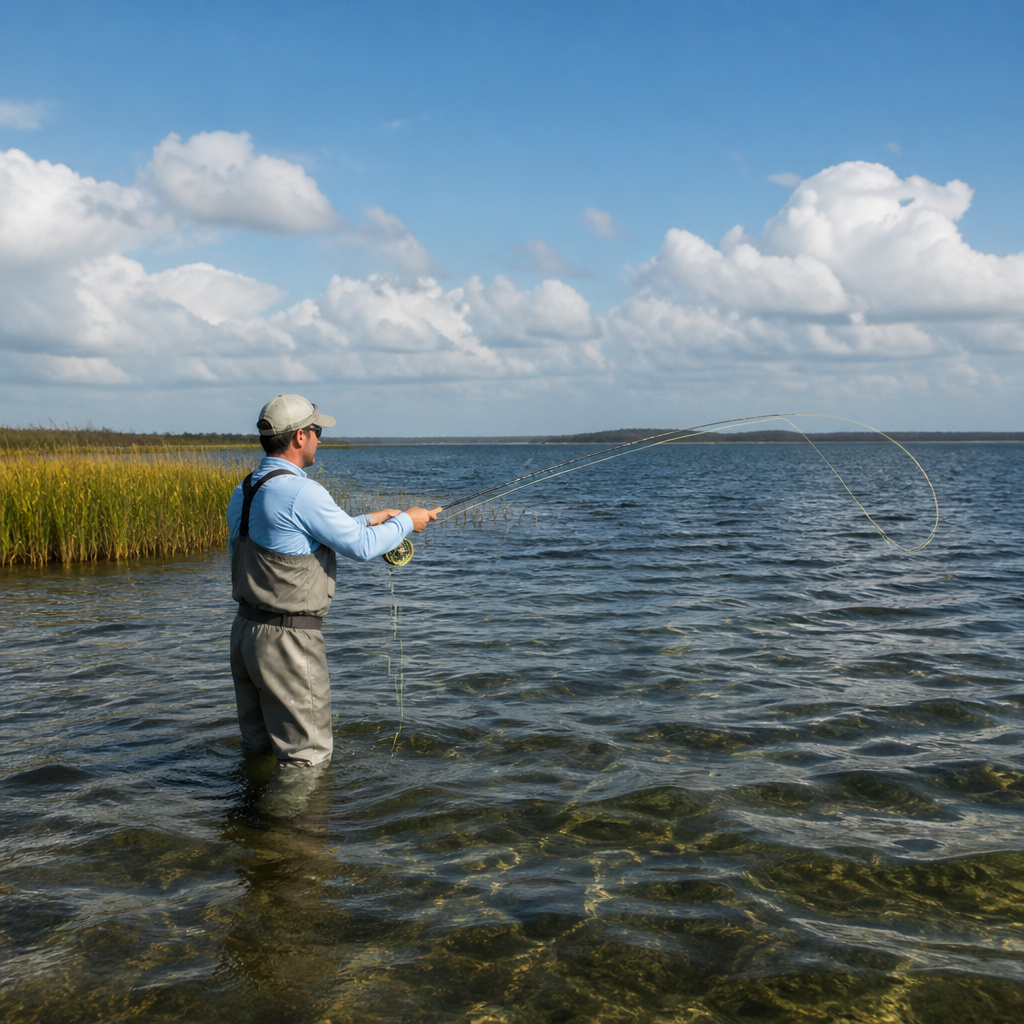
Fly fishing in bays demands a different mindset than river trout fishing because current, salinity, wind, tide, and constantly moving bait reshape the water hour by hour. In this context, a bay is a semi-enclosed coastal waterbody influenced by both open-ocean exchange and local shoreline features such as mud flats, oyster bars, marsh drains, mangrove edges, and channels. Water types and conditions refers to the combination of depth, bottom composition, clarity, temperature, tide stage, current speed, wave action, and weather that determine where fish hold and how a fly should be presented. I have spent enough dawns poling skiffs, wading shin-deep grass, and stripping flies across wind-riffled pockets to know that success in bays rarely comes from one magic pattern. It comes from reading water correctly, then matching line, leader, fly, angle, and retrieve to that exact situation.
This matters because bay systems are dynamic feeding environments for redfish, sea trout, striped bass in northern estuaries, snook, juvenile tarpon, bonefish on certain flats, and countless forage species. The same shoreline can fish brilliantly on a flooding tide and look lifeless two hours later. Anglers who understand bay water types can predict fish location instead of blind casting. They also make better conservation choices by avoiding prop-scarring shallow grass, reducing time fighting fish in hot low-oxygen water, and selecting hooks and tackle suited to local conditions. As a hub article within techniques and strategies, this guide covers the core water categories and the conditions that shape them, while giving clear, practical tactics you can apply whether you fish from shore, kayak, skiff, or center console. If you want consistent bay fly fishing results, start by treating the water itself as the primary pattern.
Shallow Flats, Grass Beds, and Hard Bottom Bays
Shallow flats are the classic visual bay fishery because they reveal movement, tails, wakes, nervous bait, and subtle bottom changes. Most productive flats range from ankle-deep water to roughly four feet, with bottom types including turtle grass, eelgrass, sand, marl, shell, and mixed mud. Grass beds matter because they hold shrimp, crabs, pinfish, and juvenile baitfish, which attract predators. Hard sand or marl bottoms are easier to wade and usually improve visibility, while soft mud can warm faster and hold worms, crustaceans, and mullet, especially in protected coves. On these flats, fish often travel edges rather than featureless expanses. Look for potholes in grass, narrow troughs, isolated shell patches, and slight depressions only a few inches deeper than surrounding water.
Presentation on flats is controlled by stealth and lead distance. In clear, calm water I usually lead redfish by six to ten feet and strip slowly enough that the fly appears available but not panicked. For sea trout over grass, slightly faster retrieves with short, crisp strips trigger reaction bites, especially when bait is active. Standard flats flies include spoon flies for redfish over turtle grass, shrimp patterns with bead-chain eyes for skinny water, and small baitfish imitations in white, olive, tan, or pink over sand and mixed grass. Weighted flies can be a problem here; dumbbell eyes that are perfect for a channel edge may crash into a shallow flat and spook fish instantly. Floating lines dominate on true flats, but a clear intermediate line is useful when the flat drops into two to four feet and wind puts a bow in your floating line.
Mud, Marsh, Mangroves, and Dark-Water Shorelines
Many bay anglers overlook turbid backwater zones because they seem less fishable than postcard-clear flats, yet muddy marshes and mangrove-lined shorelines are often the most reliable feeding areas in wind or cold snaps. Dark water absorbs heat, and soft mud can raise local temperature enough to attract redfish, black drum, and snook during cool mornings. Marsh drains become feeding funnels on falling water as shrimp, killifish, and juvenile crabs are swept into deeper cuts. Mangrove points create shade, ambush cover, and current breaks; fish may sit inches from roots where conventional casts cannot reach. In stained water, sound, vibration, and profile matter more than perfect visual realism. That changes both fly choice and retrieve.
For these conditions, I prefer larger silhouettes and flies that push some water: rabbit-strip baitfish, shrimp with rubber legs, EP-style streamers, and crab flies that land softly but stay visible. Colors should contrast with the background. Black and purple excel at dawn or in heavy stain because they throw a strong silhouette. Copper, tan, root beer, and chartreuse also produce in tea-colored bays. Accurate casting tight to structure matters more than long distance. If fish are buried under overhanging mangroves, a sidearm cast that skips the fly under branches is more valuable than a textbook overhead loop. Around marsh edges, fish often face into outflow. Position yourself so the fly enters naturally with the current, then use short strips and pauses. In dirty water, many takes happen after the pause, when the fly appears trapped and vulnerable.
Channels, Drop-Offs, Oyster Structure, and Transition Zones
When bay fish are not visible on top, they are usually relating to depth change or current concentration. Channels and drop-offs are feeding highways because they provide temperature stability, tidal flow, and access between shallow and deep habitat. Oyster bars add both structure and danger. They hold forage, create eddies, and sharpen the need for abrasion-resistant leaders. Transition zones deserve special attention: the place where grass meets sand, flat meets trough, mud meets shell, or a creek mouth spills into a basin often outperforms the center of any single habitat type. Predators use these seams because prey is easier to trap there.
On channel edges, line choice expands. A floating line still works for shallow ledges, but intermediate and sink-tip lines keep flies in the strike zone when current is moving. Clouser Minnows, Deceivers, small crab flies, and jiggy baitfish patterns all have a place, though weight must match depth and flow. Too light, and the fly never gets down. Too heavy, and it snags shell or drags unnaturally. I often count the fly down, then maintain contact with deliberate strips so I can feel a take before the line sweeps out of position. Oyster points fish best when tide pushes bait across them, not simply when water is high. Cast quartering up-current, let the fly sink along the edge, and strip across the seam. Many fish sit on the softer side of the current break, conserving energy while waiting for food to wash past.
| Bay water type | Key fish behavior | Best line and fly approach |
|---|---|---|
| Skinny grass flat | Fish cruise slowly, feed by sight, spook easily | Floating line, long leader, lightly weighted shrimp or spoon fly |
| Muddy marsh drain | Fish stack at current funnels on falling tide | Floating or intermediate line, contrasting shrimp or baitfish, short strips and pauses |
| Channel edge | Fish hold on depth change and current seam | Intermediate or sink-tip, weighted Clouser or crab, count down before retrieve |
| Oyster bar point | Fish ambush bait in eddies and shell pockets | Abrasion-resistant leader, moderate weight fly, quartering cast across moving water |
| Mangrove shoreline | Fish pin forage against roots and shade lines | Accurate sidearm cast, weedless or snag-resistant fly, controlled entry |
Tide, Current, Wind, and Seasonal Water Conditions
Tide is the master variable in most bays, but anglers often oversimplify it by asking only whether water is high or low. The more important question is what stage of movement concentrates food where you can reach it. Flooding tides open new feeding territory by covering grass, shell, and shoreline edges. Falling tides evacuate that habitat and funnel prey through drains, cuts, and troughs. Slack tide is typically hardest because current weakens and bait disperses, although some fisheries produce at the first push after slack when fish reposition. Tide range also matters. In micro-tidal bays, a wind shift can influence water level more than the predicted chart. In stronger tidal systems, current speed may require different line densities within the same session.
Wind is not just an obstacle to casting. It oxygenates water, muddies shallow zones, stacks bait against windward shorelines, and creates protected lee banks that preserve clarity. On breezy days, I often start by checking the leeward side for sight fishing, then test windward points if bait is visibly pinned there. Water temperature shapes species behavior more than many anglers realize. Redfish tolerate broad ranges, but trout can become stressed in extreme summer heat and sudden winter cold. In hot months, low dissolved oxygen in stagnant back bays can make fish lethargic; early morning moving water becomes the best window. Seasonal clues help narrow the pattern. Spring brings shrimp and mullet movement, summer often favors dawn flats and deeper midday channels, fall concentrates bait and aggressive feeding, and winter pushes fish toward dark mud, deeper basins, and warm afternoon shallows. Salinity changes after heavy rain also shift fish location, especially near river mouths and estuarine upper bays.
Matching Patterns, Retrieve, and Rigging to Bay Conditions
Fly pattern selection in bays should follow a simple hierarchy: depth, bottom, forage, then visibility. Depth determines fly weight and line density. Bottom determines weedlessness and sink rate. Forage determines profile and size. Visibility determines color and contrast. Anglers often start with color and ignore the more important variables. In practice, a correctly weighted tan shrimp usually outfishes a beautiful but badly sinking imitation in the wrong zone. If shrimp are popping over grass, choose bead-chain eyes and a sparse body that lands quietly. If anchovies or glass minnows are spraying along a drop-off, a slim white streamer on an intermediate line is a better match. Crab patterns excel around tailing fish on firm flats and around oysters where crustaceans are abundant.
Retrieve should mirror the prey and the fish mood. Shrimp patterns respond well to short strips followed by pauses that let the fly settle naturally. Baitfish patterns usually need longer strips with occasional speed changes, especially when predators are chasing. Cold water often calls for slower strips and longer pauses; warm active water allows more aggression. Leaders for bays are usually shorter and stouter than trout leaders. A common setup is seven-and-a-half to nine feet with fluorocarbon tippet in the 12 to 20 pound range, depending on clarity and structure. In clear shallow conditions, longer leaders help. Around oysters, dock pilings, or snook cover, heavier bite protection prevents break-offs. Hook style matters too. Stainless or corrosion-resistant saltwater hooks hold up better, and barbs crushed flat speed release while limiting handling damage. Good bay rigging is not fancy; it is durable, balanced, and built for the exact water in front of you.
Reading Signs, Planning the Day, and Avoiding Common Mistakes
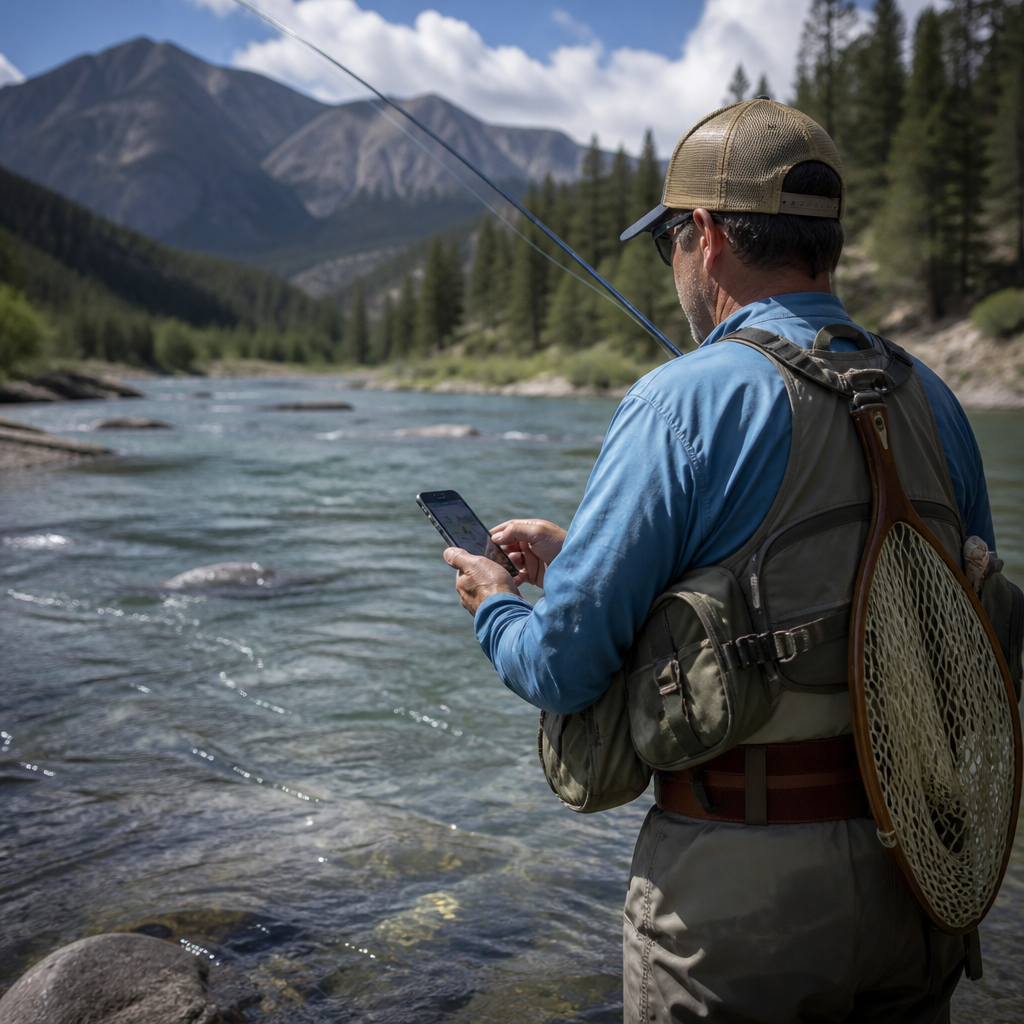
The best bay anglers gather information continuously before the first cast. Satellite imagery from Google Earth or Navionics reveals channels, bars, drains, and flat contours. Tide apps such as Tides4Fishing or regional NOAA predictions help estimate timing, but local wind and barometric pressure must be layered onto those forecasts. Once on the water, visible signs refine the plan. Mullet flipping, shrimp skipping, slicks, nervous rafts of bait, pushes, tails, hovering terns, and pelicans diving all tell you where life is concentrated. Polarized glasses remain essential, but so is listening. In calm marshes, redfish rooting or shrimp popping can give away fish before you ever see them. One practical habit I rely on is approaching new water by scanning the nearest edge, then the secondary drop, then the far shoreline. Fish are often closer than anglers assume.
Common mistakes in bays are predictable. Wading too fast blows out shallow fish. Casting directly at visible fish instead of leading them ruins shots. Using one fly all day ignores changing tide and depth. Stripping too quickly in cold stained water pulls the fly out of the zone. Failing to check the leader after rubbing shell costs fish that should be landed. Another mistake is treating every bay the same. A Texas grass flat, a Mid-Atlantic estuary, and a Florida mangrove basin may all be called bays, but forage bases, salinity patterns, and target species differ sharply. Build a repeatable process instead: identify water type, note current and clarity, locate forage, then choose fly, line, and presentation. That process travels anywhere and turns scattered observations into a dependable strategy.
Fly fishing in bays becomes far less mysterious when you organize the water into recognizable types and respond to conditions instead of forcing a favorite pattern. Shallow flats reward stealth, clean presentations, and lightly weighted flies. Muddy marshes and mangroves favor contrast, accurate casts, and current-aware retrieves. Channels, oyster bars, and transition seams concentrate fish when depth and moving water matter more than sight fishing. Across all of them, tide, wind, temperature, and salinity determine when a good spot actually turns on.
The central advantage of understanding water types and conditions is consistency. You stop guessing where fish might be and start predicting where they should be, why they are there, and how they are feeding. That leads to better fly selection, smarter boat positioning, fewer wasted casts, and more fish brought to hand responsibly. Use this hub as your starting framework, then apply it on your local bay with a notebook, tide chart, and a small, purposeful fly box. Read the water first, and your patterns will finally make sense.
Frequently Asked Questions
How is fly fishing in bays different from river trout fishing?
Fly fishing in bays is fundamentally more dynamic than river trout fishing because the entire environment changes with wind, tide, current direction, salinity, and bait movement. In a river, anglers often read a more consistent flow and focus on stable holding water such as seams, pockets, and runs. In a bay, fish are frequently on the move, feeding windows can be shorter, and productive water at sunrise may be lifeless by late morning if the tide shifts or bait relocates. That means success depends less on repeating one proven drift and more on constantly re-evaluating conditions hour by hour.
Another major difference is the structure itself. Bays are shaped by shoreline features and shallow-to-deep transitions such as mud flats, oyster bars, marsh drains, mangrove edges, troughs, channels, and points. Each of these features influences current speed, bait concentration, and fish positioning. Instead of asking where trout would hold in a riffle, the bay angler asks where water movement pushes shrimp, minnows, or crabs and where predator fish can intercept them efficiently. Fish are often using edges, ambush lanes, or travel corridors rather than fixed feeding stations.
Presentation also changes. In bays, fly anglers often need longer casts, quicker line management, and more awareness of drift speed because fish may be cruising over open flats or staging along shoreline structure. Wind becomes a tactical factor on nearly every outing, not just an inconvenience. Water clarity can range from crystal clear to heavily stained depending on tide, bottom composition, and weather, so fly size, profile, color, and retrieve style matter in a different way than matching aquatic insect life in freshwater. In short, bay fishing rewards mobility, observation, and adaptation more than rigid pattern repetition.
What water types and conditions should I focus on when fishing a bay?
The most important starting point is understanding that water types and conditions are a combination of depth, bottom composition, clarity, temperature, tide stage, and current. Productive bay water is rarely defined by just one of those factors. For example, a shallow mud flat may be excellent on a warming incoming tide because it heats quickly and attracts bait, but the same flat may become too warm, too shallow, or too exposed later in the day. A clean sand edge next to a darker mud bottom may hold fish because it provides both visibility and warmth. Oyster bars add food and structure, but they also alter current flow and create ambush points.
Depth changes deserve special attention. Fish in bays often move between shallow feeding zones and nearby deeper refuge water. A flat next to a trough, channel lip, or drain is usually more reliable than an isolated shallow area because it gives fish a travel route and a safety margin. On falling tides, marsh drains and creek mouths can become especially productive because bait is flushed out of the shallows. On incoming tides, shoreline edges, mangrove roots, and newly flooded flats may come alive as fish push in to feed.
Clarity and current should guide both where you fish and how you present the fly. Clear water often calls for longer leaders, more careful approaches, and subtler retrieves. Stained water can actually be an advantage if fish are feeding aggressively, but it usually favors larger profiles, stronger silhouettes, and flies that displace water. Current is equally critical because it positions both forage and predators. Fish commonly face into moving water or sit just outside the strongest flow where they can feed efficiently. When evaluating any bay, look for places where multiple favorable elements overlap: moving water, bait presence, a depth transition, and a bottom type that suits the prey species fish are targeting.
What are the best strategies for reading tides, wind, and bait movement in a bay?
The best strategy is to think in terms of timing and movement rather than fixed spots. Tides are often the master variable in bays because they determine how much water covers the flats, when bait is forced through drains or along bars, and when game fish can access certain feeding areas. Instead of simply noting high tide or low tide, focus on what the tide is doing in your specific part of the bay. A falling tide may pull shrimp and minnows off marsh edges and through narrow cuts, while a rising tide may spread bait across newly flooded shorelines. The most productive periods are often when water is actively moving rather than when it is slack.
Wind can intensify or disrupt tidal effects, so it must be read together with the tide, not separately. A strong onshore wind may push extra water into a bay, flood areas longer than expected, and dirty the shallows. An offshore wind may drain water quickly and expose structure that looked perfect on the chart. Wind also affects casting angles, boat positioning, and drift control, which means tactical adjustments are part of finding fish. Often, the “best” bank or flat is not the one that looks ideal on a map, but the one where wind and tide combine to create manageable presentation and concentrated bait.
Bait movement is the real-time confirmation that you are in the right area. Watch for nervous mullet, shrimp skipping, glass minnows showering, small wakes along grass lines, terns dipping, or slicks forming over feeding fish. Predators in bays usually reveal themselves through what the bait is doing before they show directly. If you are not seeing signs of life, do not hesitate to move. On the other hand, if bait is present and water is moving, it often pays to stay patient and work the area methodically. A strong bay angler builds each decision from these three variables together: where the tide is sending water, how the wind is changing that movement, and whether bait is responding in a way that draws predators in.
Which fly patterns work best in bays, and how should I choose them?
The most reliable bay fly patterns are baitfish, shrimp, and crab imitations because those are the dominant forage categories across many coastal systems. Baitfish patterns are excellent when predators are chasing anchovies, mullet, menhaden, glass minnows, or juvenile pinfish along channels, points, and open flats. Shrimp patterns shine around marsh drains, potholes, grass edges, and shallow feeding lanes, especially when fish are rooting along the bottom or keying on tidal movement. Crab patterns become especially important around oyster bars, mangrove edges, and firmer bottoms where crabs are a routine part of the food chain.
Choosing the right pattern starts with matching the feeding situation more than chasing a single “magic” fly. In clear, shallow water, slim and lightly weighted flies often land softer and look more natural. In deeper channels or heavier current, you may need more weight to get down quickly and maintain contact. Color should be guided by water clarity, light level, and local forage. Natural tans, olives, browns, and whites are dependable in clear water, while darker silhouettes or slightly brighter accents can help fish locate the fly in stained conditions. Size is just as important as color; if the bay is full of tiny glass minnows or juvenile shrimp, oversized flies may get ignored even if the pattern category is correct.
Retrieve style completes the pattern choice. A shrimp imitation stripped too fast can look wrong, while a baitfish fly moved with sharp, erratic strips can trigger reaction strikes. Crab flies often work best with short movements and pauses that keep them close to the bottom. The most effective anglers carry a compact but versatile selection: a few unweighted and weighted baitfish patterns, several shrimp styles in different sink rates, and a handful of crab imitations for structure-oriented fish. If you pay attention to forage size, water depth, bottom type, and fish behavior, pattern selection becomes far more consistent and much less guesswork.
What are the biggest mistakes anglers make when fly fishing bays?
One of the biggest mistakes is treating the bay like static water instead of a moving system. Many anglers find a good-looking shoreline or flat and keep fishing it long after conditions have changed. In bays, a spot can deteriorate quickly when the tide stalls, the wind muddies the bank, or the bait leaves. Productive anglers constantly reassess whether the ingredients that attracted fish are still present. If current has weakened, bait activity disappeared, or depth changed too much, it is often smarter to relocate than to force the situation.
Another common mistake is ignoring bottom composition and micro-structure. Beginners often focus only on obvious shorelines while overlooking subtle but critical details such as potholes in grass, a harder sand strip through soft mud, a shell edge, a trough parallel to the bank, or a small drain entering a larger flat. These small features frequently determine where fish travel and feed. In many bays, the best water is not broad and featureless but rather a specific lane where depth, current, and prey converge.
Poor presentation is also a major issue. Bay fish are often sensitive to fly splash, retrieve speed, and casting angle, particularly in shallow water. Casting directly on top of fish, stripping a fly against the natural current, or using too much weight in skinny water can ruin opportunities. Add wind to the equation, and line control becomes even more important. Finally, many anglers fail to let the conditions dictate their tactics. They commit to one pattern, one retrieve, or one depth when the fish are signaling something different. The anglers who consistently do well in bays stay flexible, observe constantly, and make