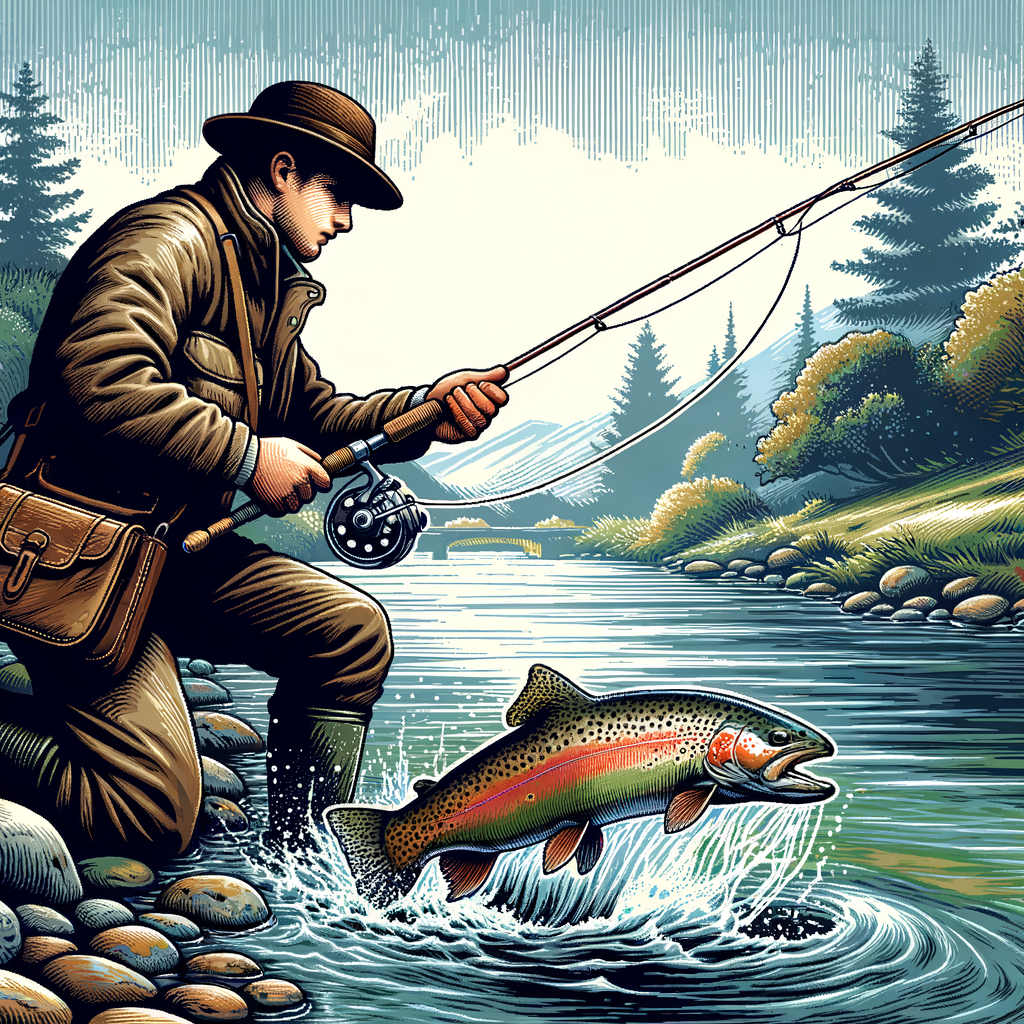
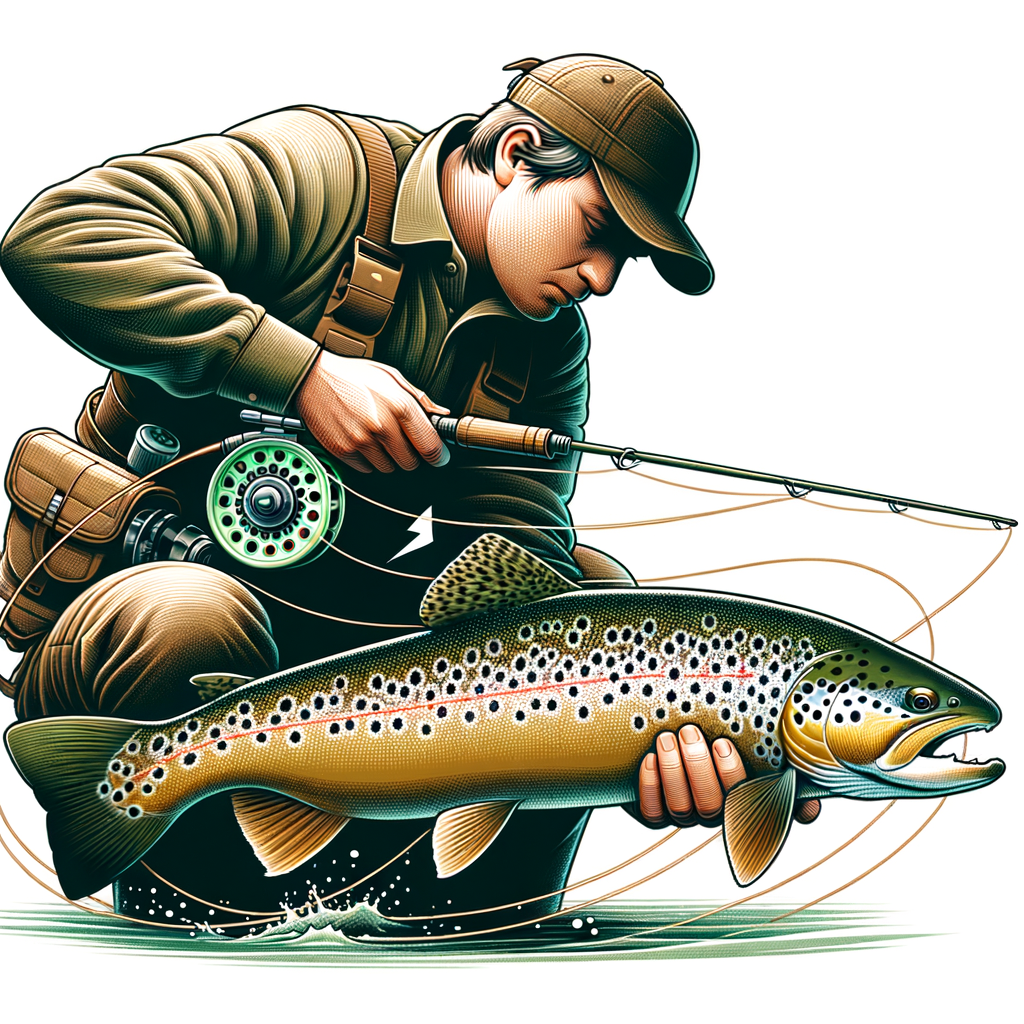
Fly fishing for kingfish, known scientifically as Seriola lalandi, is a thrilling pursuit that challenges anglers with the need for both speed and precision. These powerful marine predators, often referred to as yellowtail kingfish due to their vibrant coloring, inhabit the turbulent waters of the Pacific and Indian Oceans. Renowned for their lightning-fast strikes and relentless fighting spirit, kingfish present a formidable challenge for fly fishers of all skill levels. Anglers seeking kingfish must be ready to respond swiftly, casting with accuracy and manipulating their line with finesse. This guide delves into the essential elements of fly fishing for kingfish, offering insights into techniques, gear, and strategies. Understanding kingfish behavior and the aquatic environments they inhabit significantly increases the likelihood of a successful catch. While the rewards of capturing a kingfish are significant, the preparation and skill required make the achievement all the more satisfying. Fly fishing veterans recognize the unique tactics necessary for catching these dynamic fish, but even novices can quickly become adept with the right guidance.
Understanding Kingfish Behavior and Habitat
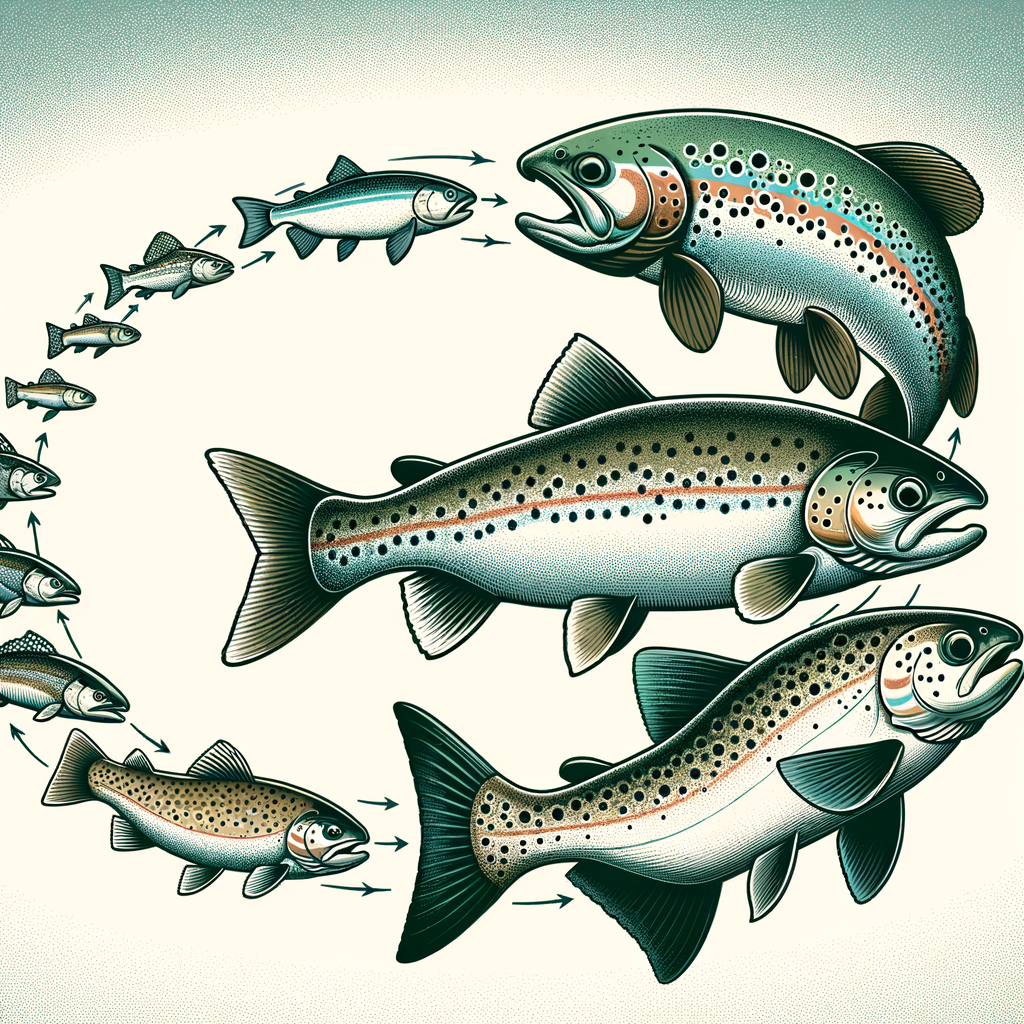
Kingfish are top-tier predators, known for their speed, strength, and endurance. They primarily inhabit inshore and offshore areas, frequenting rocky reefs, headlands, and islands where current and structure provide ideal hunting grounds. Understanding kingfish behavior is crucial for targeting them effectively. They are opportunistic feeders, preying on smaller fish, squid, and crustaceans. Fly fishers must replicate these prey items convincingly to entice strikes. Being highly migratory, kingfish movements are influenced by water temperature, season, and prey availability. During warmer months, they may venture into coastal waters, increasing accessibility for land-based anglers. Observing the environment, such as bird activity and water temperature, provides vital clues about kingfish presence.
Essential Gear and Setup for Kingfish
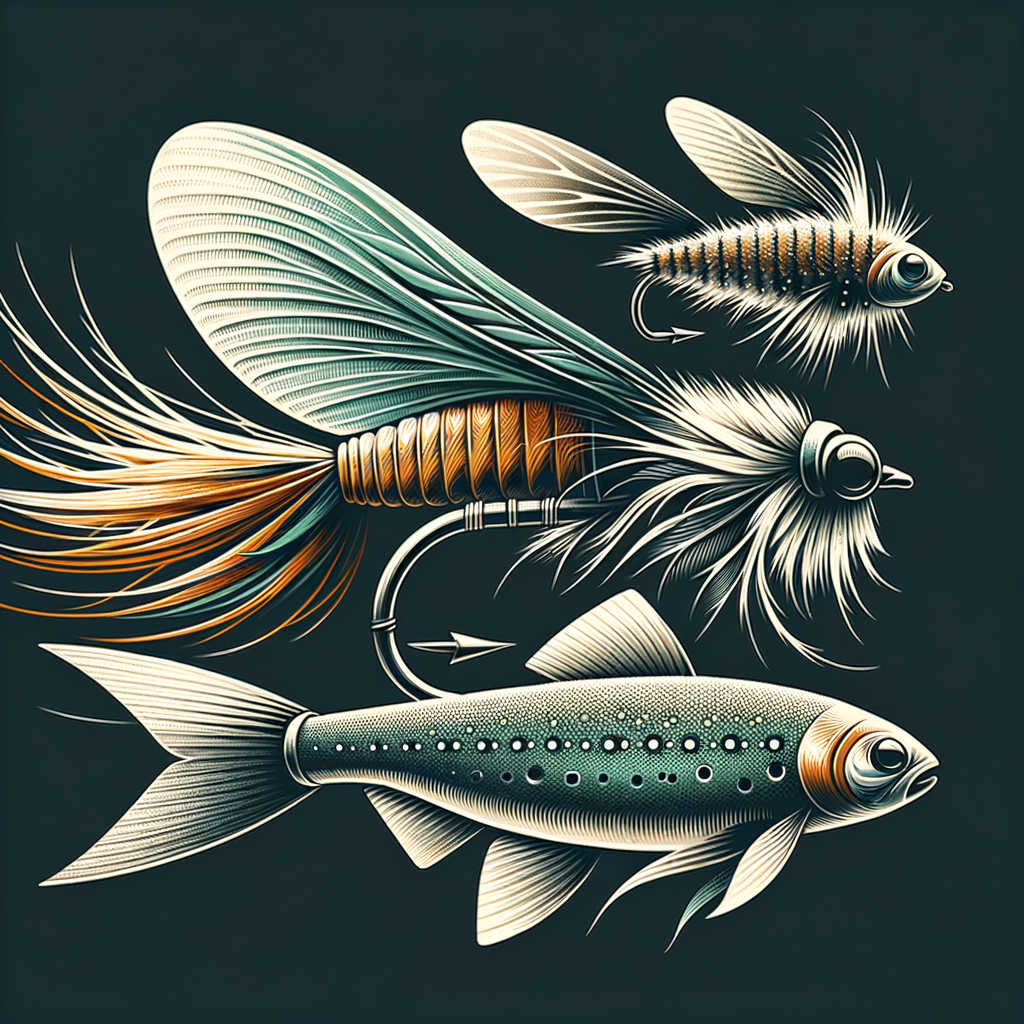
Targeting kingfish demands using suitable gear capable of withstanding their strength and speed. A robust fly rod, typically a 10 to 12-weight, is recommended, providing the necessary backbone for casting large flies and battling these aggressive fish. Fast-action rods assist in casting in windy conditions, a frequent challenge in coastal environments. Reels should feature a reliable drag system, ensuring smooth resistance during blistering kingfish runs. A high-quality, saltwater-resistant reel prevents corrosion, maintaining performance over time. Lines should match the rod’s weight and include a floating or intermediate line for versatile presentations. Leaders made from fluorocarbon or monofilament, typically around 20 to 40 pounds, provide abrasion resistance against rocks and the kingfish’s powerful runs. A range of flies mimicking local baitfish and squid, such as Clouser Minnows and Deceivers, increases versatility in varying conditions.
Techniques for Targeting Kingfish
Fly fishing for kingfish revolves around presenting flies quickly and accurately. The speed at which these fish attack demands rapid casting and precise placement. Stripping flies at varying speeds imitates the erratic movement of baitfish, triggering kingfish strikes. A common technique is the “fast double haul,” which maximizes line speed and distance, crucial for reaching kingfish cruising just beyond casting range. Watching for “boils” or surface disturbances from feeding schools helps target groups of fish, often more willing to strike. When kingfish are schooling, casting slightly ahead of the moving group allows the fly to intersect their path, increasing the opportunity for a strike. Reaction time is critical; setting the hook as soon as a strike is felt increases hookup rates.
Reading the Water and Environment
Understanding water dynamics and structure is vital in locating kingfish. Areas with strong current and structure such as headlands, reefs, or man-made wrecks attract kingfish due to the abundance of prey. Tidal movements significantly influence kingfish activity, with fish often feeding more aggressively during transitioning tides. Monitoring tide charts and planning fishing outings during peak tide changes can increase success. Identifying “kingfish highways,” routes these fish travel while hunting, involves watching for natural bottlenecks and observing other marine life. The presence of diving birds often signals baitfish activity below, likely to attract kingfish. Patience and observation are key; sometimes simply waiting and watching pays dividends when schools appear out of seemingly barren waters.
Handling and Releasing Kingfish
Landing a kingfish after a protracted battle is exhilarating, yet careful handling is paramount to ensure their survival. Using a landing net made of soft mesh reduces damage to the fish’s scales and slime coat. Removing the hook promptly and handling the fish as minimally as possible maintains their health. Supporting the fish in the water, allowing it to regain strength before release, increases post-release survival rates. Wetting hands before touching the fish reduces stress and preserves their protective slime coat. Being prepared with tools like pliers for quick hook removal and a de-hooker for deeply hooked fish expedites the process, benefiting both angler satisfaction and fish welfare. Kingfish conservation is essential for maintaining healthy populations, ensuring future generations can experience the thrill of this sport.
Conclusion
Fly fishing for kingfish demands a unique blend of skill, patience, and dedication. Mastering the techniques and choosing the right gear are crucial components of success. Understanding kingfish behavior and their preferred habitats greatly increases the chance of encountering these powerful predators. Through observing environmental cues and employing precise, dynamic presentation techniques, fly fishers can entice kingfish to strike, leading to heart-pounding encounters. The thrill of the chase, the exhilarating fight, and the satisfaction of a successful release form the core appeal of this challenging sport. Respecting the environment and promoting sustainable fishing practices ensures the continuation of this rewarding pursuit. As fly fishings a test of an angler’s ability to anticipate and react with precision, dedication to honing these skills results in memorable experiences and deep satisfaction. Whether seasoned or novice, fly fishing for kingfish offers adventure, challenge, and the joy of connecting with nature in its rawest form, perpetuating the allure of this engaging sport for enthusiasts worldwide.
Frequently Asked Questions
1. Why is fly fishing for kingfish considered challenging?
Fly fishing for kingfish, or Seriola lalandi, is a challenging yet thrilling pursuit due to several factors that test the skills of even the most experienced anglers. Kingfish are known for their incredible speed and agility – they are capable of lightning-fast strikes, which mean that anglers need quick reflexes and precise casting techniques to successfully hook them. Furthermore, these fish possess a relentless fighting spirit, often putting up a battle that demands a significant amount of physical strength and endurance from the angler. In addition to the physical challenges, the kingfish’s habitat in the turbulent waters of the Pacific and Indian Oceans adds an element of unpredictability to the expedition, as anglers must navigate strong currents and sometimes unfavorable weather conditions. This combination of speed, precision, and the tough environment makes pursuing kingfish with a fly rod a formidable yet immensely rewarding experience.
2. What equipment is essential for fly fishing for kingfish?
When gearing up for fly fishing for kingfish, choosing the right equipment is paramount. At the heart of your setup, you’ll need a sturdy, high-quality fly rod typically ranging from 9 to 12 weight to manage the force of a robust kingfish. Pair this with a dependable, large arbor fly reel that has a smooth and reliable drag system, which is crucial for handling the kingfish’s powerful runs. As for fly lines, intermediate sinking lines are often favored to reach the depths where kingfish commonly hunt. Leader and tippet should be strong and abrasion-resistant, usually rated around 20 to 40 pounds. In terms of flies, it’s important to mimic the kingfish’s natural prey, with patterns like baitfish imitations being popular choices. Additionally, well-tied streamers that mimic pilchards or sand eels often have success. Lastly, do not overlook accessories like polarized sunglasses to spot fish and quality wading boots or fly-fishing apparel that adapts to the dynamic sea environment.
3. What is the best time of year for fly fishing for kingfish?
The best time for fly fishing for kingfish greatly depends on your location, but generally, the warmer months promise better odds. In regions like the coastal parts of Australia and New Zealand, prime kingfish action occurs from late spring through to early autumn, roughly November to April. During this time, water temperatures are more favorable, and kingfish are typically more active and closer to shore. This period coincides with their peak feeding times, as they hunt in schools around structures such as reefs, rocks, and man-made objects like buoys or shipwrecks. Pay attention to local seasonal patterns and sea conditions, as current movements and tides also play crucial roles in kingfish behavior. By aligning your expedition with these factors, you increase your chances of encountering and hooking these formidable opponents.
4. What techniques work best when fly fishing for kingfish?
Successful fly fishing for kingfish calls for a blend of strategic techniques to accommodate their hyperactive nature and cunning hunting tactics. First and foremost, precision casting is essential—get your fly close to the kingfish without spooking them. Kingfish respond well to fast retrieves, so master the art of stripping line quickly but steadily to mimic a baitfish’s erratic escape movements. Watch for surface activity like boils or baitfish scattering, which indicate kingfish presence. Sometimes using poppers can draw kingfish up from deeper water, providing an exciting visual strike. Sight fishing is another effective approach, particularly in clear waters where you can track the fish’s movements. In addition, be prepared for the kingfish’s strong, prolonged runs by maintaining a solid rod position and effectively using your reel’s drag system. Each technique requires a blend of speed and precision, adaptable to the day’s conditions and the kingfish’s behavior.
5. How do you handle a kingfish once it is caught?
Landing a kingfish successfully is about skillful handling as much as it is about catching. Once you manage to bring a kingfish close to your location, use a soft touch—the battle may have drained its energy, but these fish possess remarkable bursts of strength even when they seem tired. If you plan to release the fish, minimize its time out of the water. Use a landing net that’s rubberized to prevent injury to the fish. If a net isn’t available, use a wet glove or your hand to gently cradle the fish beneath its belly. Be mindful of the gills and avoid squeezing or putting too much pressure on any part of the fish. For quick photos, keep the fish in the water until you’re ready. If preparing for a harvest, ensure the fish is swiftly dispatched following local regulations. Always remember: ethical angling means prioritizing the fish’s well-being, ensuring its survival if you choose to practice catch and release, or treating it with respect and following sustainable practices if you harvest it.