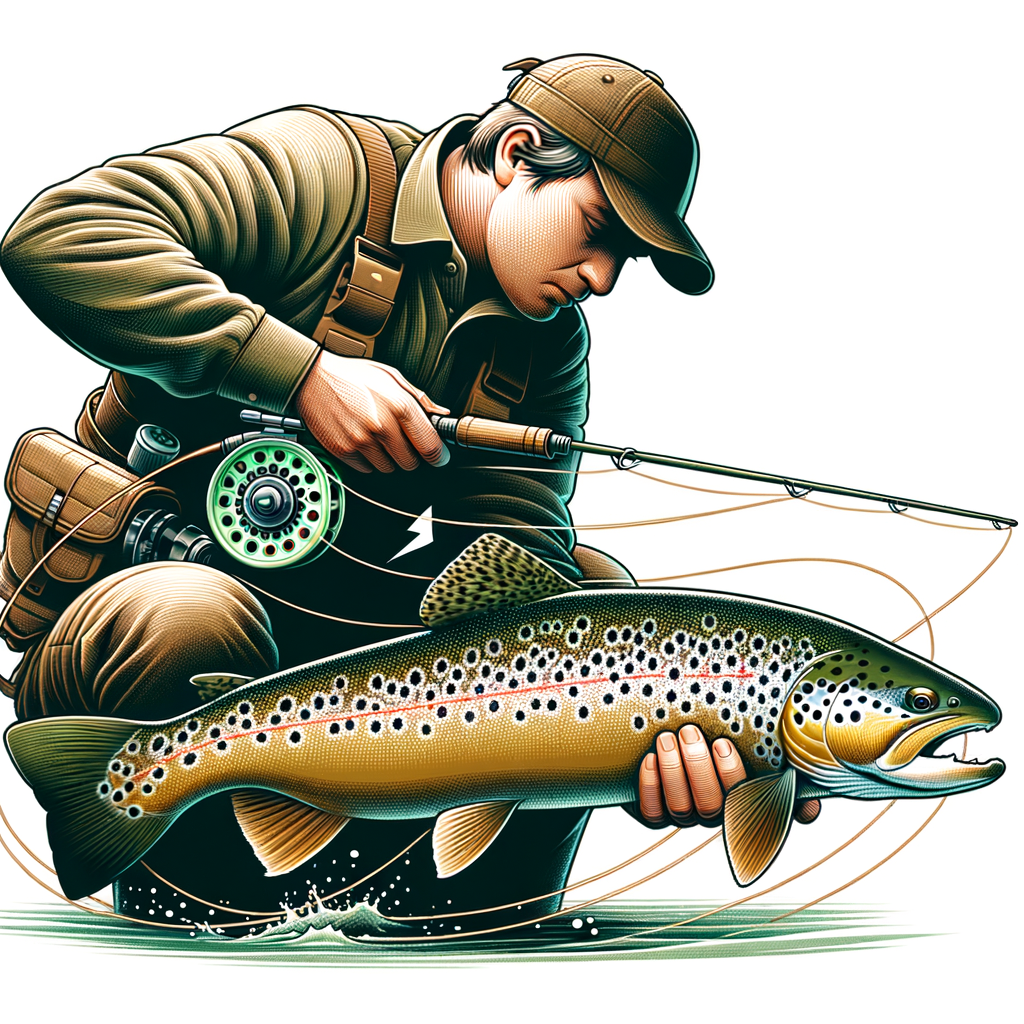
Fly fishing has many passionate adherents who revel in the art of angling to catch a variety of fish species. Among these, the trevally stands out for its robust and aggressive demeanor, earning it the nickname “The Saltwater Bully”. Trevally is a broad term, encompassing several species such as the Giant Trevally, Bluefin Trevally, and the Golden Trevally. These fish inhabit various parts of the world, predominantly in warm, tropical, and subtropical waters. Their combative nature and raw power make them a coveted catch for fly fishers. The pursuit of trevally requires understanding their behavior, mastering specific techniques, assembling appropriate gear, and possessing the patience to outwit these formidable creatures. Trevally offer the ultimate test of skill and endurance for anglers, who must meet the challenge of matching wits with a creature perfectly adapted to its environment. This article delves into the nuances of fly fishing for trevally, offering insights, strategies, and tips to effectively target this captivating species.
Understanding Trevally and Their Habitat
Trevally are highly adaptable and roam various aquatic environments. They are often found in the bustling environments of coral reefs, mangroves, and estuaries. These robust predators are equipped with excellent vision and sharp instincts, sensing any movement or shimmer within their habitat. Fly fishers need to recognize these habitats and understand the nuances of the water bodies trevally inhabit. Coral reefs and rocky shores are particularly favored due to the abundance of prey fish. Trevally are known to form schools, cruising through the reef formations with swift, unyielding determination as they hunt.
Mangrove areas, where freshwater meets saltwater, provide another prime habitat. Stalking these waters requires the eyes of a keen observer, as trevally here exhibit cautious behavior, keenly aware of any potential threat or prey. Estuaries, with their brackish waters, are another optimal location where trevally exploit the rich biodiversity. The cloudy waters demand an angler’s full attention, where an understanding of tidal changes and even minute water temperature fluctuations can significantly impact the day’s success.
Essential Gear and Tackle for Trevally Fly Fishing
The right gear is integral to a successful trevally pursuit. Anglers must opt for sturdy fly rods, ideally between a 9 to 12 weight setup, offering the necessary heft to combat the explosive strength of these fish. Reels should possess a robust drag system to handle sudden bursts as trevally are known to embark on powerful runs. Saltwater lines, capable of slicing through both air and water with precision, are a must. These lines should provide formidable line speed to land the fly precisely where it needs to be, even amidst strong winds. Leaders, typically a minimum of 4 feet, need to be composed of heavy-duty, abrasion-resistant material to withstand trevally’s full-force assault and powerful jaws.
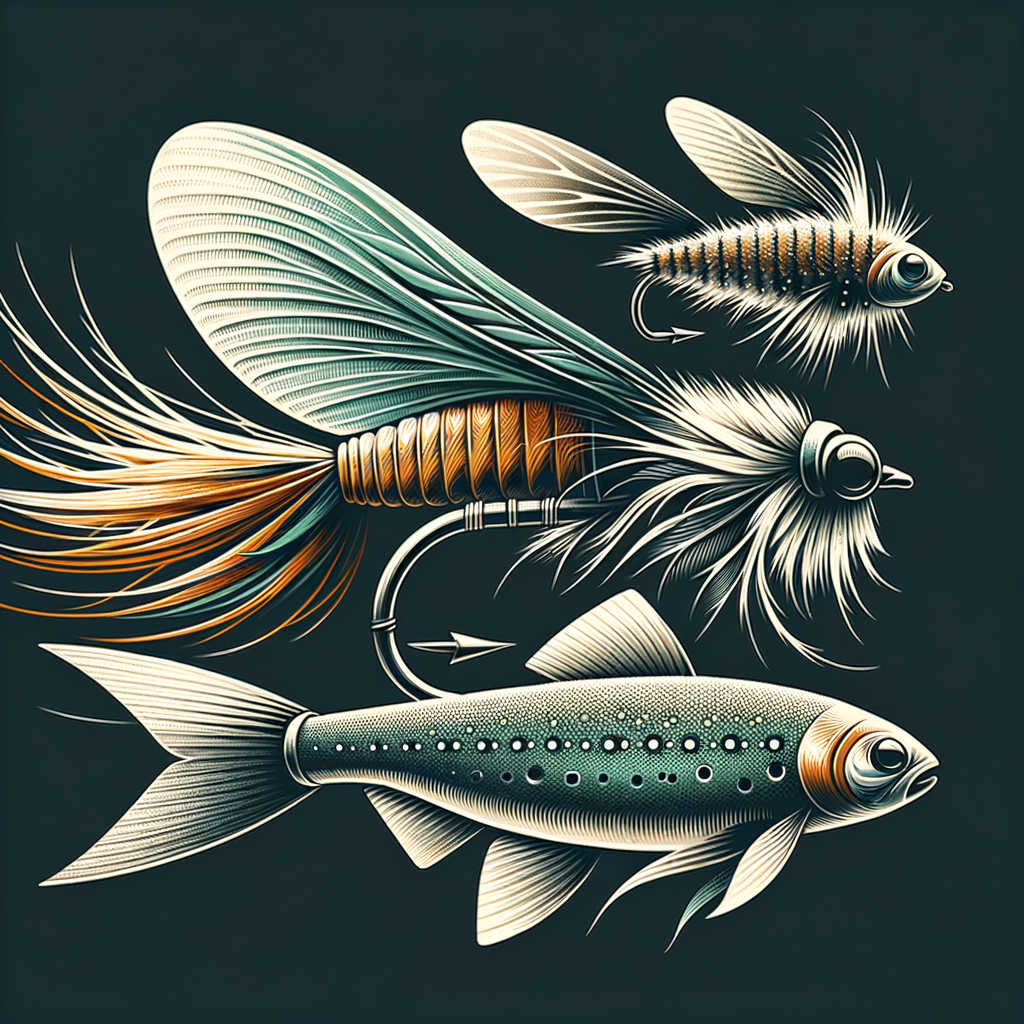
As for flies, angler preference often varies, though larger streamers mimicking baitfish such as mullet and anchovies often yield substantial success. Additionally, crab and shrimp patterns can be effective, especially when bringing them to life with nuanced movements that simulate their natural prey. Weighted flies are particularly useful to ensure they reach the appropriate depth quickly in deeper waters or when the tide is strong. Understanding the intricacies of fly selection, and how they pertain to environmental conditions and the specific species targeted, formulates a pathway to mastering trevally fly fishing.
Mastering the Technique
Technique in fly fishing for trevally can be quite unique, differing from typical freshwater fly casting techniques. Adapting casting style to accommodate long-distance targets may be paramount, particularly under various wind conditions commonly experienced on challenging coastal terrains. Double hauling is a skill that creates speedy line acceleration, achieving longer casts essential for covering expansive water bodies where trevally may lurk ambiguously.
Once the ideal spot has been chosen, patience must prevail. While trevally are tenacious predators, their keen senses mean that any missed cast can alert them, diminishing the chance of success. As the fly lands, quick, jerky retrieves create the illusion of a distressed, fleeing bait. It’s important for an angler to stay focused, as once a trevally strikes, they hit with explosive speed, oftentimes sending adrenaline coursing through one’s veins. Proper handling of the rod is crucial—let the drag and rod bear the brunt of the fight while maintaining constant pressure. Mastering these techniques paves the way to becoming successful in trevally angling.
Understanding Trevally Behavior
Recognizing the behavior patterns of trevally is pivotal. Trevally are opportunistic and incredibly aggressive predators, a critical aspect that should guide any fishing strategy. They are known for their schooling approach to hunting; many eyes can identify opportunities quickly, so the angler must be swift. Early mornings and late afternoons, following the rhythm of diminishing light, frequently result in heightened activity, as trevally exploit these periods to hunt.
Observing trevally feeding patterns unlocks a new realm of capability for the angler. They often corner baitfish against reef fronts or tirelessly pursue them across vast sandflats, creating noticeable surface disturbances. This knowledge allows anglers to devise a well-rounded plan of attack, whether it involves sight casting to visible targets or working the fly along edges where bait are being heavily pursued.
Tactics for Different Trevally Species
Each trevally species exerts unique traits. The Giant Trevally, or GT, requires heavy-duty gear; they often crush prey with brutal force then retreat into nearby structures for cover. It’s a high-stakes game, where only strategic casts can temp the GT from its lair. The Bluefin Trevally, smaller yet still formidable, is exceptional at hunting in packs. Understanding their social dynamic and using lighter tackle matches this species’s spirited nature, often with remarkable results on the flats.
The Golden Trevally can present a more subtle challenge. They typically forage individually, sometimes sniffing out crabs and other crustaceans by digging along sandy bottoms. This behavior requires far different tactics, geared more towards finesse and procedural patience. These variations encompass the breadth of fly fishing for trevally, ensuring each trip is not only a challenge but a learning opportunity.
Common Challenges and Solutions
Fly fishing for trevally comes with its unique set of challenges. Strong winds often present difficulties in achieving good casts. Weighting down flies and learning to cast strategically with the wind protects against poor fly presentation. Line management is another consideration, as tangles often occur when handling rapid strikes and powerful runs. Regularly clearing lines to avoid knots and potential disaster situations can save critical fish battles.
Some trevally habitats are meritorious of stealth due to their wariness of predators. Innovative ideas like fishing from slight distances without spooking the school or using drift techniques instead of louder movements can yield unprecedented rewards. While trevally are resilient opponents, every trip avails the angler another lesson with which to enhance future expeditions.
Conservation and Ethical Considerations
As the popularity of fly fishing for trevally continues to rise, there remain critical considerations regarding the conservation of these species. Practicing catch and release is strongly recommended to maintain population numbers, as trevally are vital components of their ecosystem. Proper handling ensures their future survivability, employing techniques to minimize stress and avoid harm.
Understanding local regulations is paramount—they guide how many fish can be taken and what areas are protected. Ethical angling remains the heart of sustainable fishing practices. Respecting dense mangrove areas ensures future generations of trevally can thrive. Conservation efforts balance the sport and sustenance, securing the privilege of future encounters with this saltwater bully.
Conclusion
Fly fishing for trevally provides both a heart-pounding challenge and a significant learning curve for anglers. These fish, with their sheer tenacity and raw power, test the skill and patience of seasoned anglers while offering new insights into fly fishing because of their aggressive behavior and varied habitats. Success boils down to understanding the inherent behaviors of the species, recognizing the intricacies of their ecosystems, and crafting a strategy that marries keen observational skills with sharp technical know-how.
The beauty of targeting trevally lies in their unbeatable energy and the excitement of never knowing exactly how each encounter will unfold. While this journey into fly fishing is guided by technique and equipment specifically honed to bring the trevally to hand, it is equally an immersion into the environment and a testament to the resilience of both fish and angler. Moreover, it highlights an unwavering commitment to conservation, urging anglers to protect these environments and ensure the survival of trevally for future generations of anglers—a continuing dance between humanity and nature, with every cast a story waiting to unfold.
Frequently Asked Questions
1. What is trevally, and why is it nicknamed “The Saltwater Bully”?
Trevally is a term used to describe several robust and formidable fish species, such as the Giant Trevally, Bluefin Trevally, and Golden Trevally. These fish are primarily found in warm, tropical, and subtropical waters around the world. They have earned the nickname “The Saltwater Bully” due to their aggressive nature and striking predatory behavior. When hooked, trevallies are known for their powerful and lightning-fast runs, putting even the most experienced anglers’ skills to the test. Their combative demeanor and raw strength make them highly sought after by fly fishermen who are looking for a challenging catch.
2. What makes fly fishing for trevally different from fishing for other saltwater species?
Fly fishing for trevally is distinct because it combines the subtle art of fly presentation with the raw power and aggressiveness of the fish. Unlike some other saltwater species that may be less confrontational, trevallies demand precision, strength, and quick reflexes from anglers. The use of heavier gear is often necessary to withstand their forceful fighting and sudden, strong pulls once hooked. Furthermore, understanding the feeding behavior and habitats of trevallies is crucial. They frequently inhabit various coastal and reef systems where they ambush prey, and this requires anglers to adapt by presenting flies in a lifelike manner that imitates their natural prey, such as minnows or crustaceans. The excitement and challenge of enticing these aggressive fish to strike, often involving fast-paced retrieves, make it a unique and compelling branch of fly fishing.
3. What kind of gear and flies are best suited for targeting trevally?
To successfully target trevally on the fly, anglers need to employ robust and well-balanced gear that can handle the fish’s explosive nature. Generally, a fly rod in the 9-12 weight range is recommended, paired with a matching saltwater-resistant reel that has a strong drag system capable of sustaining prolonged and powerful runs. The fly line should be weight-forward and designed for tropical saltwater conditions, ensuring it performs effectively even in the heat. Leaders and tippets need to be resilient, typically in the 60-80 lb range, to prevent the fish from cutting through or breaking them.
When it comes to flies, variations that mimic the trevally’s natural prey are essential. Deceivers, Clouser Minnows, and Poppers prove effective by imitating baitfish and crustaceans. Durable construction is key, as trevallies can easily damage flimsy flies with their strong, sharp jaws. Fly color should match the local prey species and conditions; bright colors can be advantageous in low visibility water, whereas more natural tones may be better for clear water situations. Anglers often also add weight to flies or use sinking lines to ensure the fly reaches depth quickly, which is often where trevallies await their prey.
4. Which locations are considered prime for fly fishing for trevally, and why?
Certain locations around the globe are renowned for their thriving trevally populations, providing exceptional fly fishing opportunities. The Indo-Pacific region, including areas like the Seychelles, Maldives, Australia, and New Zealand, offers prime fishing scenarios due to its warm, clear waters and abundant reef systems where giant trevallies are known to patrol. These environments offer an abundance of baitfish and crustaceans, attracting trevallies that seek to ambush their prey.
Additionally, areas around the Indian Ocean and parts of the Pacific are revered because they present diverse environments such as lagoons, atolls, and various coastal structures. These locations provide fly anglers with unique opportunities to explore trevally habits and test their skills in environments that are hospitable and challenging in equal measure, bringing them face-to-face with these formidable “bullies” of the ocean.
5. What are some tips for successfully hooking and landing a trevally on a fly?
Success in fly fishing for trevally begins with understanding the fish’s behavior. Observing their feeding patterns and habitats is crucial. Once trevally are located, a stealthy approach is important to avoid spooking them. Present the fly with a natural movement, keeping retrievals varied to simulate a fleeing prey. Fast and erratic retrieves often trigger their predatorial instincts.
Timing the strike is a critical factor. Given their aggressive nature, it’s vital to wait until you feel the weight of the fish after the take before setting the hook to ensure solid hookups. Trevally’s strength and speed can surprise even seasoned anglers, so staying calm and maintaining control are non-negotiable aspects of the angling process. Applying side pressure with the rod and keeping consistent tension help steer the fish away from obstructions where it may attempt to dive.
Wearing the fish down without exerting too much pressure too quickly prevents unnecessary breaks in line or leader. Deploying a strong drag system incrementally plays an intricate role in balancing force between wearing the fish out and avoiding a break-off. Lastly, when it comes to landing trevallies, netting can be challenging due to their size and vigor, so bring a partner who can help handle the fish safely, ensuring both a thrilling capture and a careful release to preserve the fishing spirit.