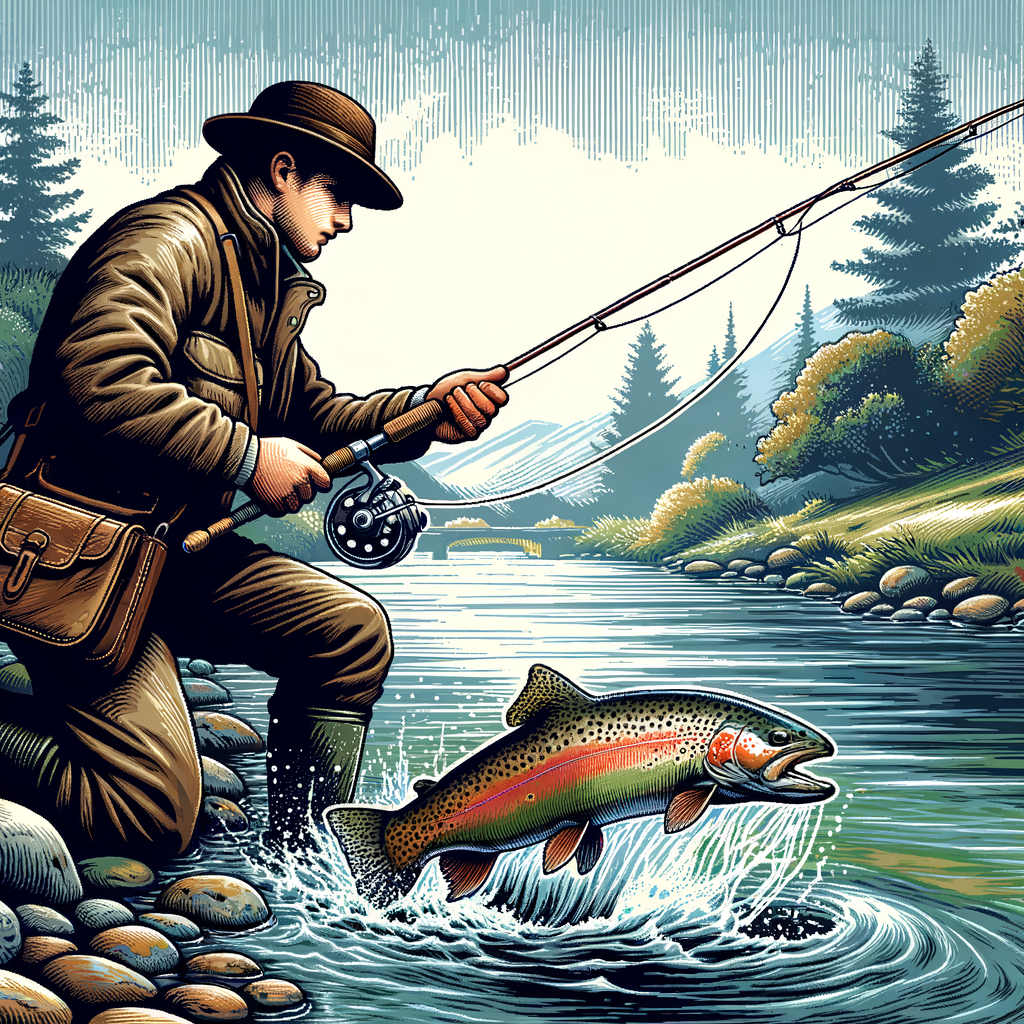
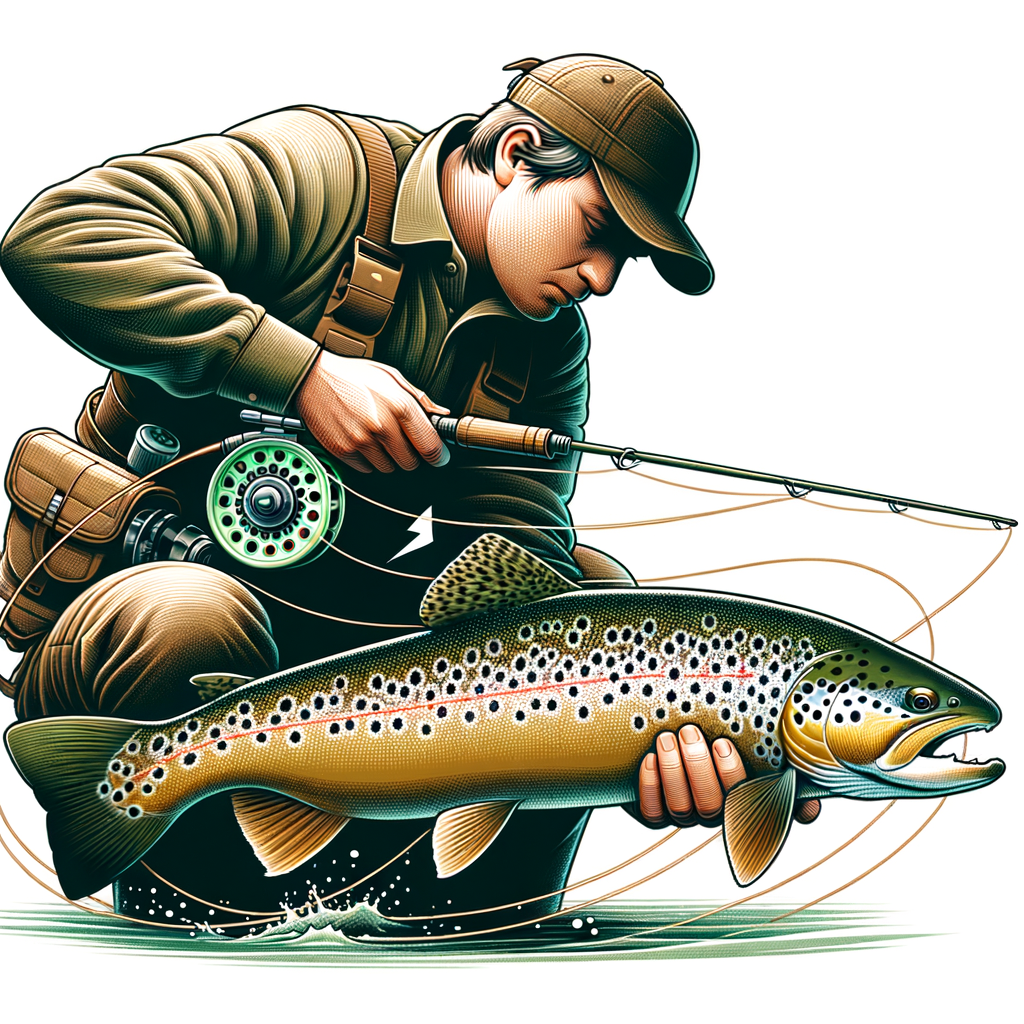
Fly fishing is often praised for its elegance, skillful technique, and the bond it fosters between angler and environment. Many find the sport both therapeutic and exhilarating. While most fly fishers are familiar with targeting trout, salmon, or bass, a growing number of enthusiasts are seeking out more exotic and challenging quarry. Among such targets is the milkfish, known for its spirited nature and the thrilling fight it offers. This article aims to delve into the specifics of fly fishing for milkfish, exploring why it is often regarded as the “ultimate fight” in the angling community.
Milkfish, or Chanos chanos, are primarily found in the warmer waters of the Indian and Pacific Oceans. They have long been a staple in the diet of many coastal regions, but their potential as a sport fish is only just being recognized by the global fly fishing community. Their powerful, acrobatic runs and impressive size make them a formidable adversary. Catching a milkfish requires not only patience and skill, but also an understanding of their unique biology and behavior. Whether you are an experienced fly angler seeking a new challenge or a novice looking for an adrenaline-pumping introduction to the sport, understanding the nuances of fly fishing for milkfish can enhance your overall experience.
In the following sections, we will explore the essential equipment and techniques necessary to tackle the mighty milkfish. We will also cover the best locations and seasons for targeting these incredible fish. By equipping yourself with this knowledge, you will be better prepared to take on the ultimate fight that is fly fishing for milkfish.
Milkfish Biology and Behavior
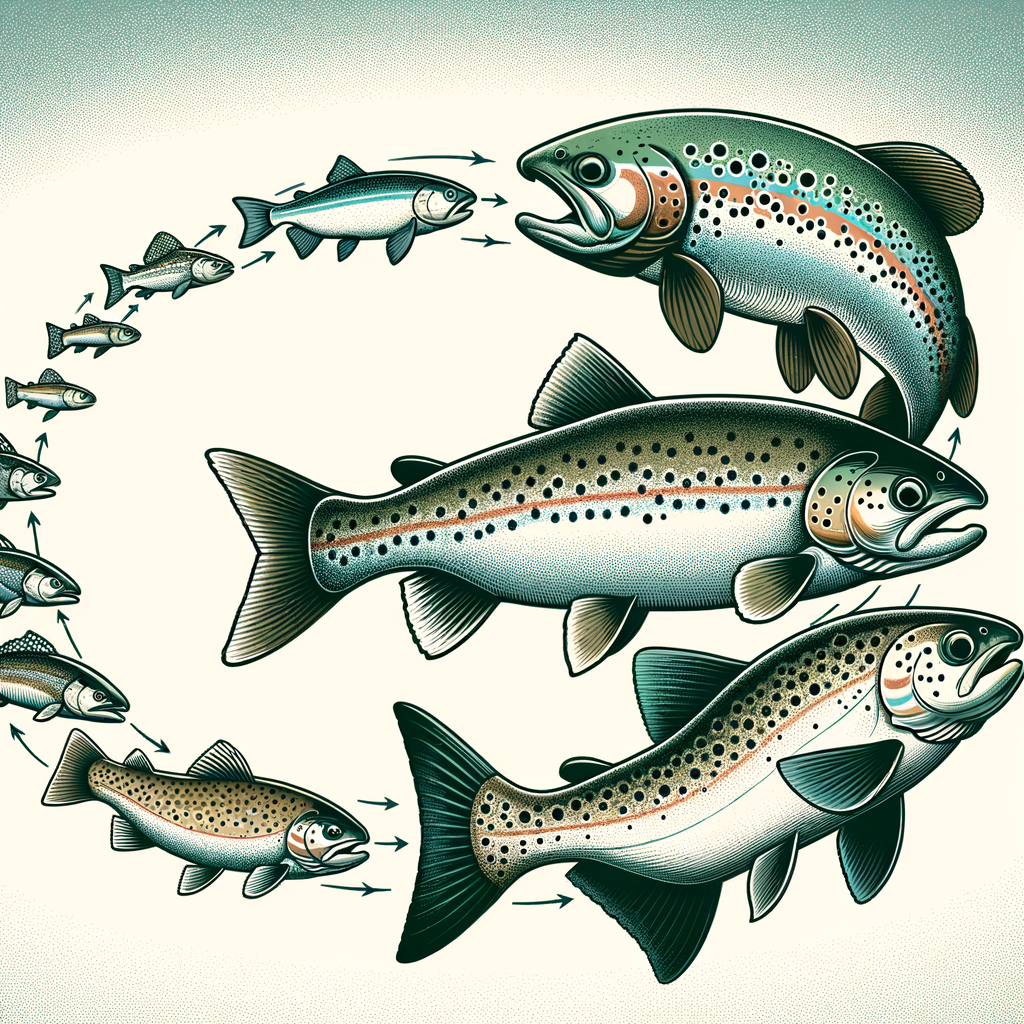
To improve your chances of catching a milkfish, it is crucial to understand their biology and behavior. Milkfish are generally found in shallow waters of nearshore marine habitats such as lagoons, estuaries, and mangrove swamps. They are often observed feeding in large schools, which makes them even more appealing to anglers looking for a challenging encounter. Despite their relatively unsuccessful history as a sport fish, these large, fast-moving fish have gained popularity due to their tendency to exhibit thrilling runs when hooked.
The milkfish’s diet mainly consists of algae and other plant matter, which is somewhat unusual compared to the carnivorous tendencies of many other popular sport fish. This diet preference demands that anglers adapt their techniques and fly selection accordingly. Milkfish have small, toothless mouths, making it challenging to get a good hook set. Therefore, careful presentation and a keen understanding of their feeding patterns are critical for success.
Milkfish are well adapted to their tropical environments, and their natural camouflage can make them difficult to spot in the wild. Their Atlantic cousins are mostly silver with torpedo-shaped, streamlined bodies, making them well-suited for fast swimming and quick escapes. These traits, along with their inherent power, demand heavy-duty gear and skillful handling from anglers.
Essential Equipment and Gear
Successful fly fishing for milkfish requires the appropriate equipment to match their size and fighting capacity. The most important component is the fly rod. A fast-action rod, typically ranging from nine to twelve weight, will provide the necessary casting distance, control, and strength to handle strong milkfish runs. The presence of mangroves and coral in milkfish habitat often necessitates a powerful rod to keep fish from running into and breaking off around these obstructions.
Reels should be robust and able to store at least 200 yards of backing, as milkfish can take extended runs after being hooked. A sealed drag system is recommended to withstand saltwater conditions, and to provide smooth and consistent pressure on the fish. Saltwater fly lines are necessary when fishing in tropical conditions, and they should match the weight of your fly rod.
Leader and tippet size can be a critical factor in catching milkfish. Opt for a strong, abrasion-resistant leader that can withstand the powerful, fast runs of a hooked milkfish. A nine to twelve-foot leader with a forty to sixty-pound tippet is standard when targeting these powerful fish. Leaders should be tapered to ensure a soft presentation, as milkfish can be easily spooked when feeding in shallow areas.
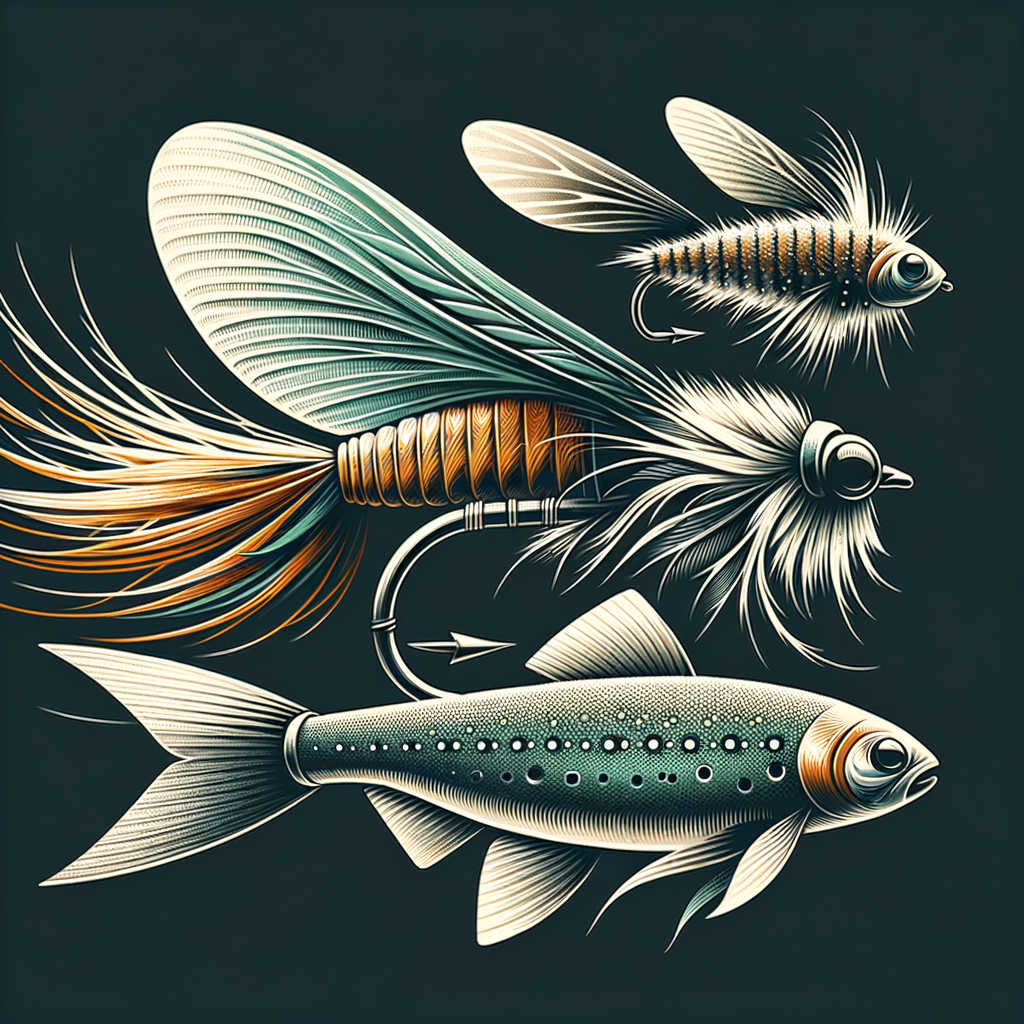
Choosing the right fly is both an art and a science. Anglers targeting milkfish should aim for patterns that closely resemble their natural diet. Algae flies, shrimp, and small crab imitations can be effective, especially when fished with a slow, steady retrieve. Bright colors can occasionally work, but neutral or natural tones more often lead to success.
Techniques for Catching Milkfish
Successfully landing milkfish on a fly requires patience, precision, and the application of specialized techniques. Milkfish feed very cautiously, using their eyes and lateral line systems to detect minute changes in the water. Accurate casting and smooth presentations are critical for capturing their interest and coaxing them into biting.
One effective method is to locate a school of feeding milkfish and quietly approach to minimize any disturbances. Once within casting distance, aim to land your fly slightly ahead of and in line with the feeding fish. This anticipatory placement can increase the chances of enticing a strike. Allow the fly to sink naturally or retrieve it slowly to mimic their typical food sources.
When a milkfish takes your fly, it is essential to set the hook with precision. A sharp, sideward strip-set is often more effective than a traditional lift, given the fish’s small mouth and tough cartilage. If you miss a strike, do not be discouraged—milkfish often regroup and continue feeding, providing additional opportunities to make them bite.
When hooked, milkfish will typically execute explosive, powerful runs that can test both the angler’s skill and the durability of equipment. Therefore, proper fish handling techniques become crucial. An important tactic during the fight is maintaining steady pressure without allowing too much slack, as this can lead to a lost fish.
Best Locations and Seasons
Milkfish can be found in a range of warm-water environments worldwide. However, selecting the right location and season is essential for maximizing success when fly fishing for milkfish. Various prime spots are increasingly becoming renowned for world-class milkfishing expeditions.
The Maldives, Seychelles, and Christmas Island boast some of the most sought-after milkfish fisheries. These regions not only offer beautiful settings but also healthy populations of these feisty fish. South Africa and the Southern Red Sea also present viable options for fly fishers looking to encounter milkfish in diverse surroundings. It is advisable to consult local guides for insights into the best areas and approaches for local waters.
As for the best time to pursue milkfish, the tropical environment offers year-round possibilities, but specific peak seasons rely on local climate patterns. Generally, calm, dry seasons are more favorable, as these conditions facilitate greater visibility and more consistent fishing conditions. There is less debris on water surfaces during these times, making it easier to detect schooling fish and achieve effective presentations.
Additionally, timing your outings to coincide with morning or evening periods can increase the chances of success because milkfish tend to be more actively feeding and approachable at these times of the day. Monitoring tide patterns can further enhance fishing success. Although milkfish are not strongly tides-dependent, certain locations may witness better activity during tidal shifts and can be targeted accordingly.
Conclusion
Fly fishing for milkfish presents a remarkable and exhilarating opportunity for anglers of all skill levels to engage with a truly dynamic and powerful fish. As more anglers seek out exotic species and alternative experiences, the growing allure of milkfish as a sport fish is becoming evident. The feats achieved when battling these lively fish are not just tales of personal accomplishment but a testament to the joy of fishing and the exploration it encourages.
Preparation is key in facing these formidable opponents. By understanding their biology and feeding patterns, deploying the right gear, and mastering specialized techniques, fishermen can greatly increase their chances of hooking and landing a milkfish. Selecting the ideal locations and timing further enhances success and enjoyment when pursuing milkfish. Noteworthy destinations continue to reveal themselves, and wisdom shared by local experts proves invaluable in gaining the upper hand.
While fly fishing for milkfish is no simple feat, the experience delivers an unparalleled adrenaline rush and the satisfaction of overcoming an ultimate challenge. The unique demands faced while targeting these spirited fish often compel anglers to forge a deeper connection with the natural world and sharpen their angling skills. Whether motivated by adventure or the thrill of the catch, embarking on the ultimate fight with milkfish offers unforgettable memories and a profound appreciation for the sport of fly fishing.
Frequently Asked Questions
1. What Makes Fly Fishing for Milkfish Different from Other Species?
Fly fishing for milkfish is a distinct experience largely because of the unique characteristics of the fish. Milkfish are primarily herbivorous, which means they feed on algae and small plankton. Unlike predators such as trout or bass, they require different tactics and flies. The finesse required to present a fly that imitates their natural diet is a skillful challenge that intrigues fly fishers looking for something out of their usual repertoire.
Additionally, milkfish are known for their explosive fights once hooked. They’re equipped with powerful muscle, making their runs and jumps an exhilarating spectacle. Such a spirited nature demands solid technique and unwavering patience, testing the angler’s skills to the fullest. These challenges combined make fly fishing for milkfish an ultimate pursuit for those seeking adventure and a deeper connection with their angling environment.
2. What Equipment Do I Need for Fly Fishing Milkfish?
When planning a milkfish fly fishing adventure, it’s crucial to come equipped with the right gear. A sturdy 8 to 10-weight fly rod is recommended as milkfish can be quite substantial and bring about a vigorous fight. A quality reel with a good drag system is essential to handle their runs and jumps. You should also have a saltwater fly line, as you’ll likely be fishing in coastal or estuarine environments.
As for flies, milkfish will not go for the typical fly patterns used for trout or bass. You’ll need flies that mimic their diet – algae flies or patterns that resemble small plankton are most effective. Floating lines and long, fine leaders are part of the setup to ensure delicate presentations. Equipping yourself with this specialized gear ensures that you are ready for the ultimate fight milkfish are known to deliver.
3. Where Are the Best Locations to Fly Fish for Milkfish?
The search for milkfish on a fly requires some travel and planning, as they inhabit warm, tropical waters. You’ll find prime milkfish locations in the Indian Ocean and the Pacific, particularly around the Seychelles, Maldives, and Mauritius. These areas offer pristine conditions and abundantly healthy populations of milkfish, making them top destinations.
Closer to the shorelines, look for estuaries, tidal flats, and coastal lagoons where milkfish schools tend to frequent. These environments richly support the algae and plankton the milkfish feed on. Tide conditions often play a significant role in their feeding patterns, so being familiar with the tidal schedule greatly enhances your success rate. Carefully selecting your location based on these factors will provide the best opportunities for a memorable milkfish angling adventure.
4. How Do I Match the Hatch When Fly Fishing for Milkfish?
Matching the hatch, or imitating the natural food source of the fish, is slightly more complex with milkfish due to their herbivorous behavior. Unlike streams where you match flies to mimic insects trout are feeding on, here you need to focus on representing natural algae or similar substances found in their habitats.
Some effective methods include using algae flies tied with synthetic fibers that mimic the color and movement of algae in water. Since milkfish can be selective about the size and color of their food, it’s beneficial to carry a variety of patterns and sizes. Observing the surfaces and the types of algal mats present can give clues to the best imitation fly to present. Bringing an array of options and adapting your fly to what you observe ensures you’re correctly matching the hatch for these unique fish.
5. What Are Some Tips for Successfully Landing a Milkfish on a Fly?
Successfully landing a milkfish requires patience, technique, and a bit of artistry. Start by making accurate and delicate presentations, as milkfish are often spooked by sudden movements and noise. Long casts are often necessary, especially on flats, so honing your casting skills to be both precise and quiet is essential.
Once hooked, prepare for a spectacular battle. Milkfish are known for their stamina and powerful runs. It’s important to maintain a balanced tension on your line – too tight, and you risk a break-off; too loose, and they might escape. Use your rod and reel’s drag system effectively to tire the fish while still keeping their powerful bursts under control.
As you fight the fish, be wary of your surroundings. Milkfish are famous for racing toward nearby obstacles, such as coral or rocks, attempting to break free. Quick reflexes, coupled with the measured use of rod angles to steer the fish, are necessary to outsmart them. Every fish will test your ability, skill, and strategic thinking, making each encounter a unique and unforgettable challenge in your fly fishing journey.