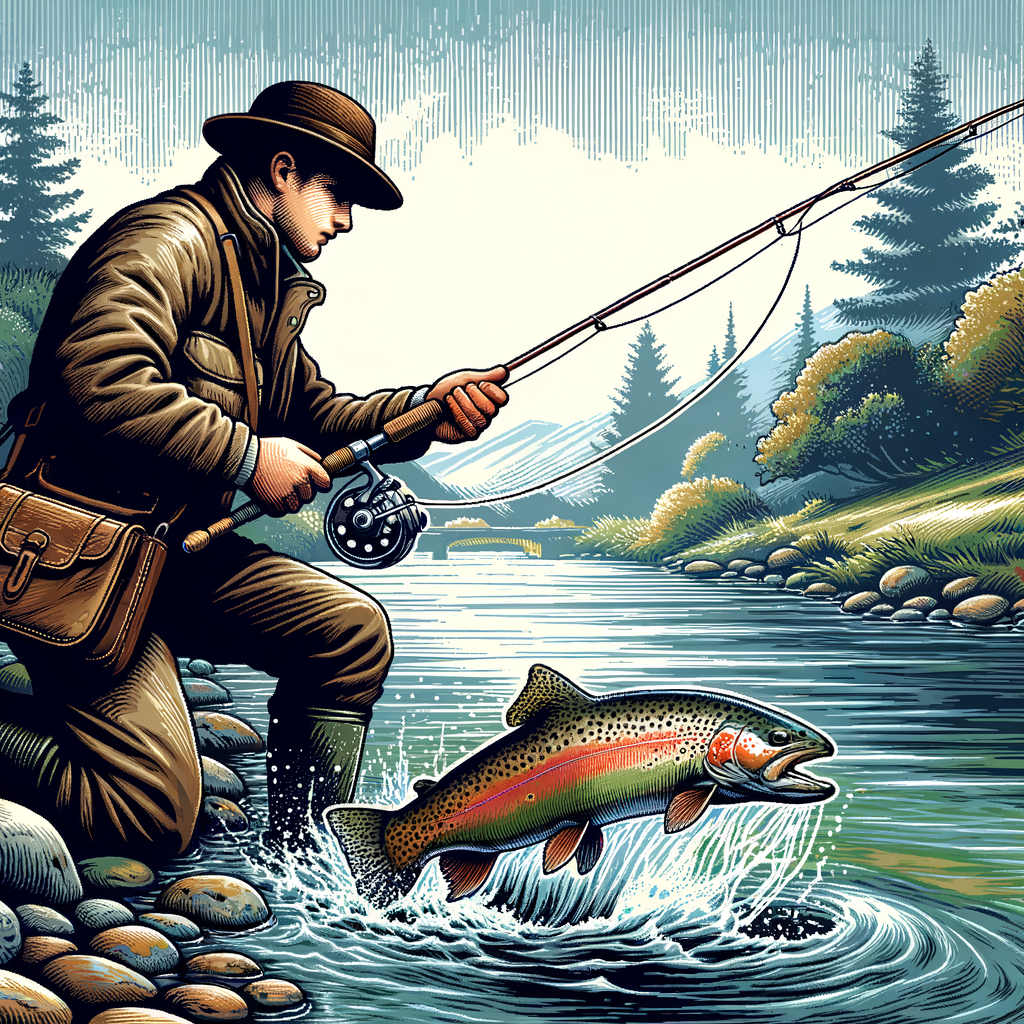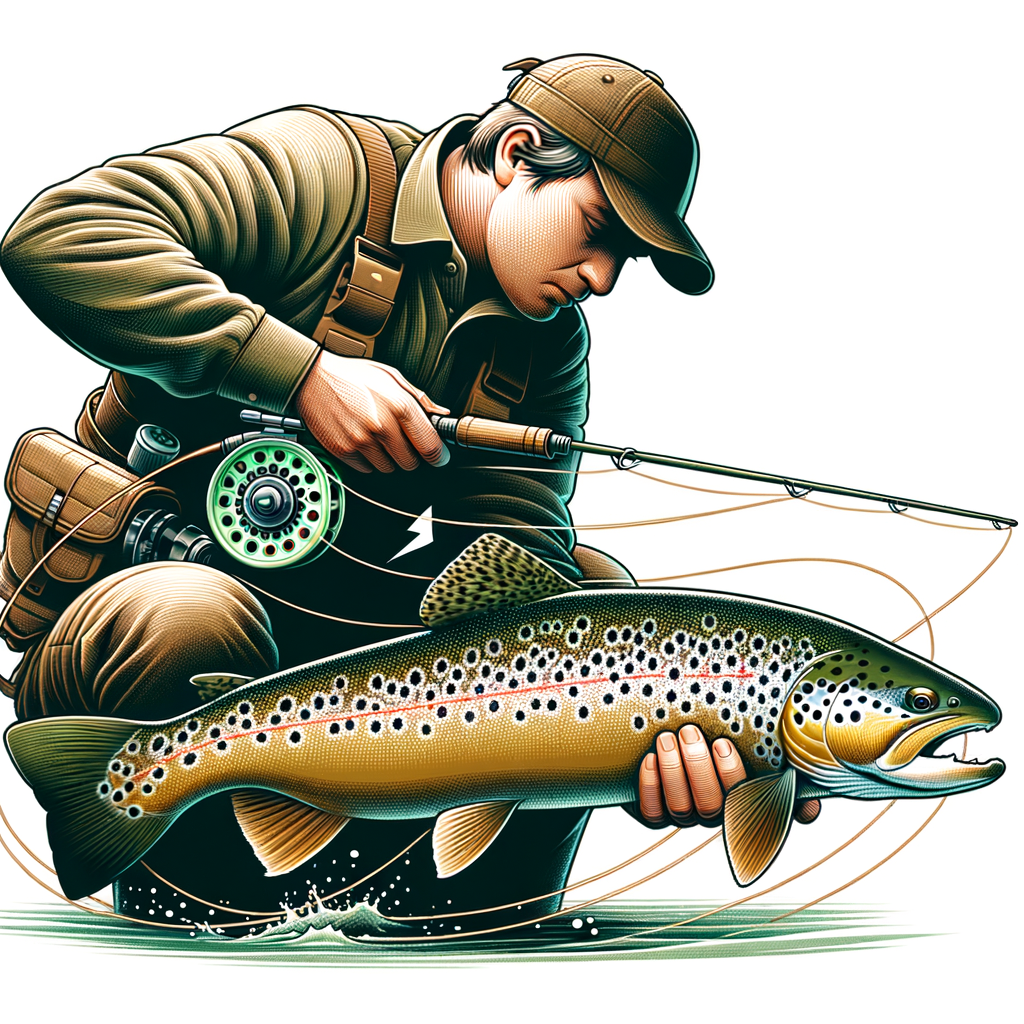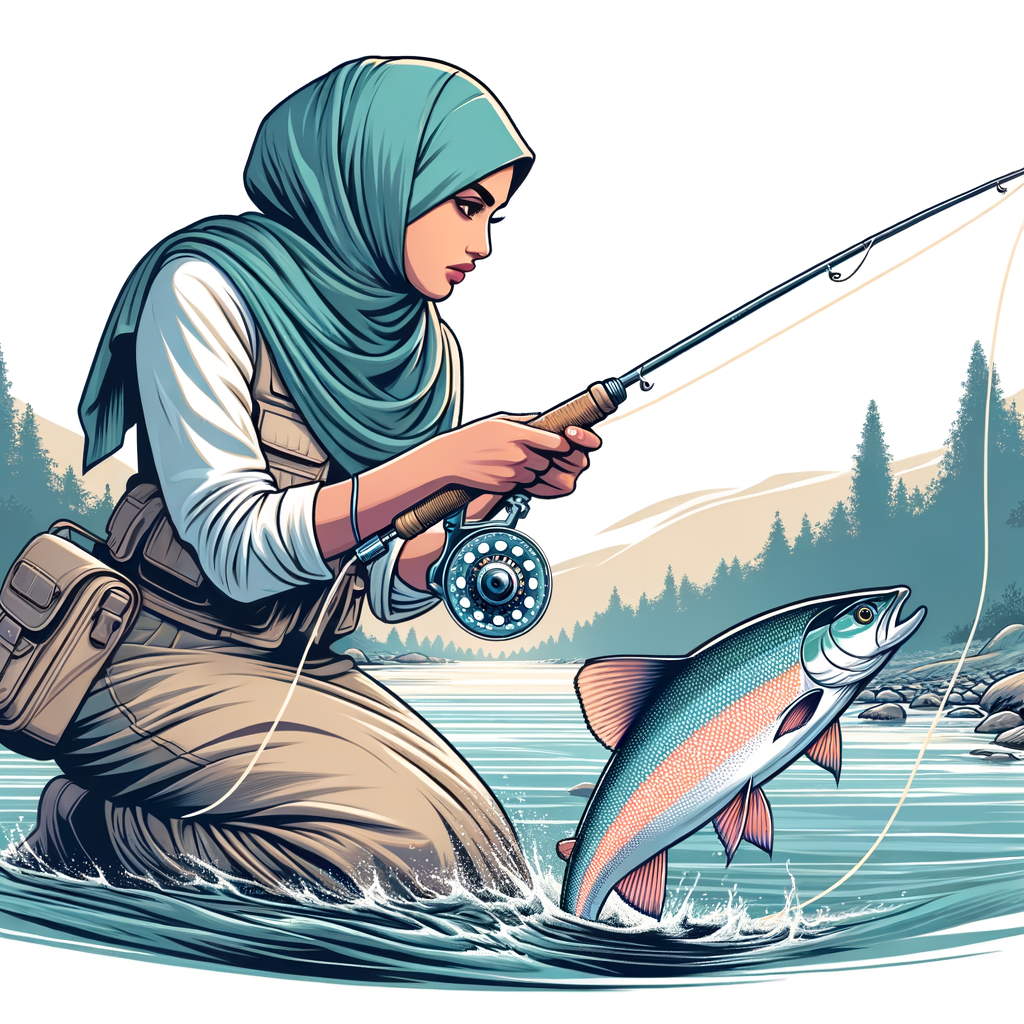
Fly fishing for queenfish is an exhilarating activity that offers both challenges and rewards for anglers. Renowned for their speed, strength, and acrobatics, queenfish present a thrilling experience to both novice and seasoned fly fishers. Their sleek, silver bodies dart through warm, tropical coastal waters, providing a picturesque setting for any fishing enthusiast looking to expand their horizons beyond traditional freshwater arenas. As you prepare to embark on this exciting fishing adventure, understanding the nuances of queenfish behavior, optimal techniques, and the most effective gear is crucial in ensuring you maximize every casting opportunity. This comprehensive guide aims to equip you with the essential knowledge and skills needed to successfully target queenfish on the fly.
Queenfish, also known as leather-jackets, are widely appreciated for their spirited fights and are commonly found in inshore waters, estuaries, and around structures such as piers and jetties. Their distribution spans the warm waters of the Indo-Pacific region, making them accessible to fishers in many tropical locations. Owing much to their agility and tendency to leap out of the water when hooked, queenfish often challenge anglers to adapt their approach and maintain finesse until their quarry is landed.
This article delves into various techniques that can enhance your chances of success when fly fishing for queenfish. It discusses everything from identifying promising fishing spots to selecting the right flies and utilizing correct casting techniques. Additionally, it examines the importance of having suitable gear, as the right choice of rod, reel, line, and terminal tackle can spell the difference between a day of frustration and one of triumph. By blending aspects of research, practical tips, and personal insights, this article offers a complete view of what it takes to excel in fly fishing for queenfish. So, let us begin this journey into the fascinating world of queenfish angling by understanding the core elements of strategy, gear, and technique necessary to achieve success.
Understanding Queenfish Environmental Preferences
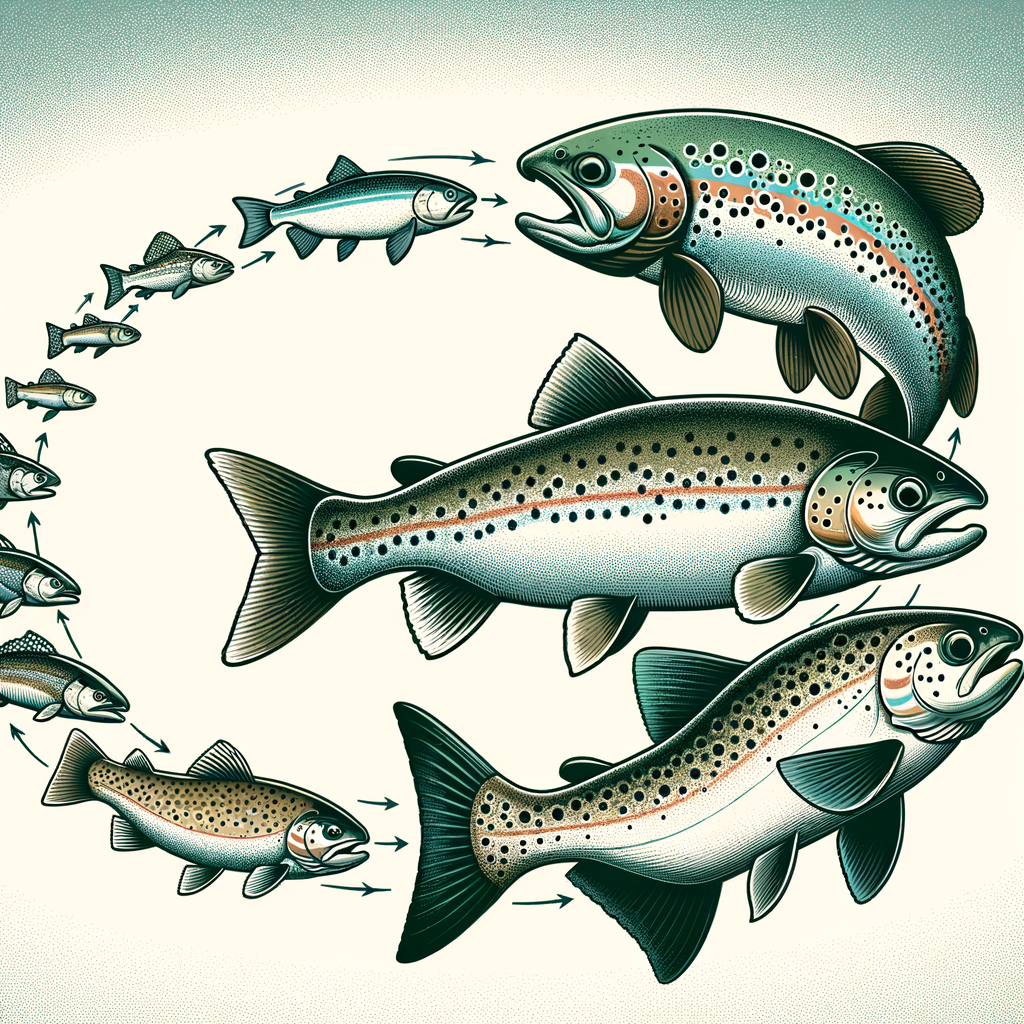
Queenfish typically thrive in warm coastal habitats. They are often found in estuaries, beaches, coral reefs, and near underwater structures where currents bring an abundance of baitfish. These predators are opportunistic feeders and can be observed hunting in shallow waters where schools of baitfish are easy prey. Queenfish display a preference for areas with structure, such as rock formations and submerged vegetation, providing cover and serving as hunting grounds. When planning a fishing trip, identifying these crucial habitats increases the likelihood of encountering this elusive and dynamic species.
Water temperature and tides play significant roles in determining queenfish behavior and activity levels. Queenfish are less active in cooler conditions and exhibit higher energy levels when temperatures are warm, as this typically aligns with higher availability of prey. Furthermore, tidal movements significantly impact the availability of food and can dictate the best times to fish; rising tides bring in fresh supplies of baitfish, making queenfish actively pursue these schools. For the angler, observing these patterns and aligning fishing efforts with peak activity times enhances the chances of successful hookups.
Choosing the Right Fly Patterns
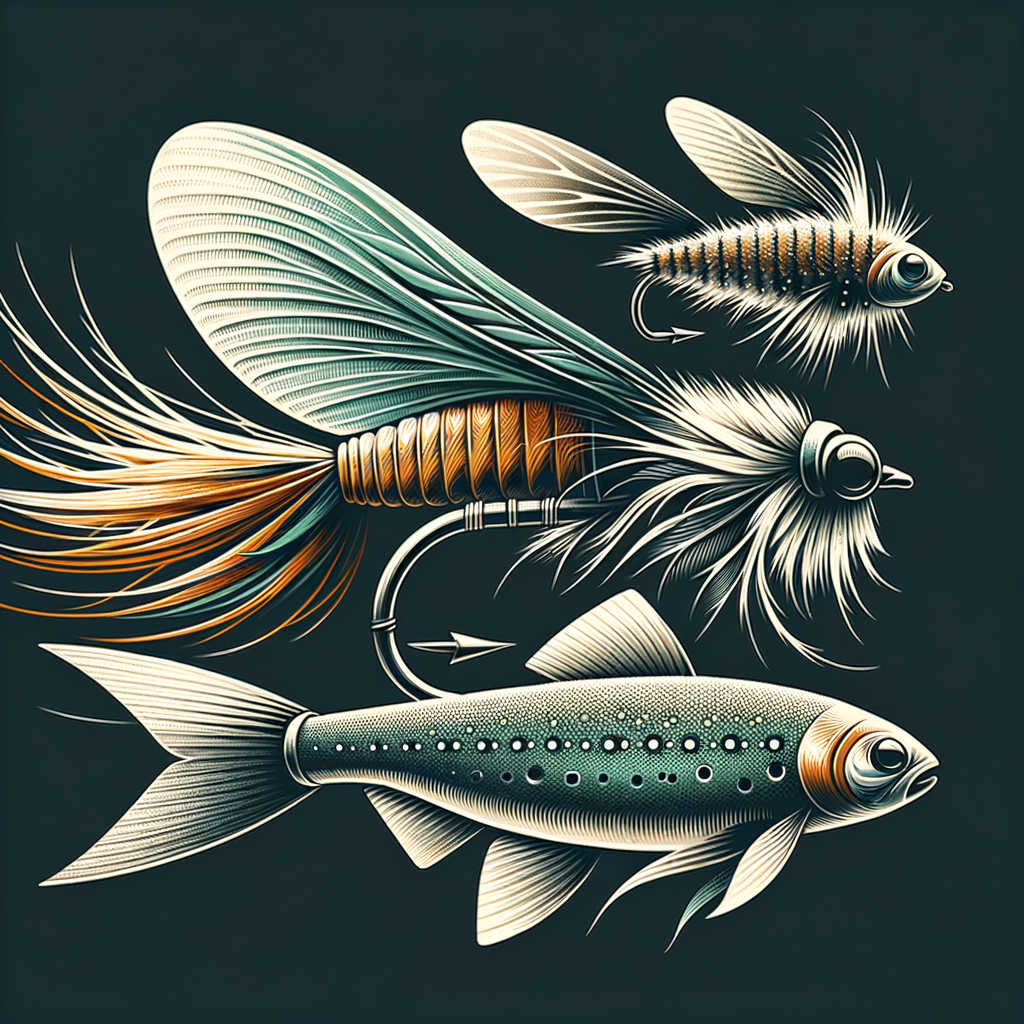
Fly selection is an indispensable factor when targeting queenfish, given their keen eyesight and selective feeding habits. The most effective flies imitate the queenfish’s primary diet, which consists mainly of small baitfish such as sardines, anchovies, and mullet. Popular fly patterns include Clouser Minnows, Deceivers, and Surf Candies, all of which mimic the size, shape, and movement of typical prey. These flies can be tied in various colors, with white, silver, and blue being especially effective, as they closely resemble the flash of a shiny baitfish in the water. Matching the hatch is essential, and anglers should carefully observe local baitfish populations to select appropriately sized and colored flies.
It is also beneficial to maintain versatility by carrying a selection of different fly patterns. Conditions can change rapidly, and having a range of options allows for quick adaptation to varying water clarity and light conditions. Sometimes, adding a hint of flash to a fly pattern can be particularly effective, especially in murkier waters or when fishing on overcast days. Fly presentation, rather than mere selection, can determine success when fishing for queenfish.
Mastering Casting Techniques
The primary challenge of fly casting in coastal environments is dealing with wind, which can disrupt casting accuracy and distance. Anglers must develop proficiency in performing double-haul casts and mastering tight loops to slice through wind conditions commonly encountered along open coastlines. A streamlined casting technique is particularly useful when prospecting for queenfish cruising near the surface, allowing flies to be delivered with precision and minimizing the chance of spooking fish.
Queenfish, often found feeding around bait balls, require a delicate presentation and a careful approach. Casting too aggressively or too close to the targeted school may cause the fish to scatter. Thus, the ideal strategy involves patiently observing fish movement and rhythmically casting to the edges of schools. Additionally, maintaining spatial awareness allows anglers to predict queenfish approaches, delivering the fly within their paths to entice a strike.
Effective Retrieving Methods
Retrieval speed and style are crucial aspects of fly fishing for queenfish. These species often strike flies retrieved at a medium to fast pace, mimicking the frantic escape patterns of fleeing baitfish. Varying the retrieve style between long pulls, short strips, and pauses can help trigger a strike response from inquisitive queenfish. Furthermore, maintaining line tension during retrieval is imperative for successful hookups, as queenfish are notorious for their aggressive strikes and swift directional changes.
Presentation and line management go hand in hand in ensuring an effective and enticing signal is sent to the queenfish. By tuning into environmental cues and queenfish behavior, anglers can refine their retrieves to increase success rates. Regularly adjusting retrieval techniques based on real-time observations maximizes engagement potential with target fish. Recognizing feeding surges or following jetty structures where strikes are prevalent can direct the retrieval tempo, leading to higher success rates.
The Importance of Gear Selection
Successful fly fishing for queenfish relies heavily on having suitable gear, tailored specifically for saltwater settings. Selecting the right fly rod is paramount, as it needs to possess the necessary strength and resilience for casting larger flies and dealing with persistent winds. A fast-action, saltwater-rated fly rod in the 8 to 10 weight range offers the optimal power and balance required to subdue queenfish. The right fly rod length, generally 9 feet, facilitates longer casts required for covering the expansive saltwater flats and piers where queenfish often reside.
When it comes to fly reels, having a large arbor design with a reliable drag system is crucial. Queenfish are known for their strong runs and sudden bursts of speed, demanding a reel capable of smoothly releasing line and applying consistent braking pressure. Selecting a reel designed to withstand the corrosive effects of saltwater ensures durability and dependable performance over time.
Choosing the appropriate fly line is another critical factor. A tropical-intermediate or sinking line with a weight-forward taper suits the environmental conditions and assists in reaching deeper queenfish, especially during crowded bait boils. Leader and tippet materials should consist of abrasion-resistant fluorocarbon, typically in the 20 to 30-pound range, offering both stealth in presentation and resilience against sharp teeth and structural obstacles.
Strategizing Location and Timing
Scaling the odds in favor of a successful queenfish expedition often requires thorough research and planning. Selecting fishing spots based on historic activity and hydrographic data provides a directional framework. Consulting local fishing reports, tide charts, and speaking with other anglers can offer invaluable information on productive areas and activity windows. Such insights further help in adapting strategies to suit varying conditions and maximize fishing efficiency.
Timing plays a significant role, often defining events where queenfish may be more active due to environmental influences. Early mornings and late afternoons typically represent peak feeding times, coinciding with natural diurnal baitfish behavior and moving currents. Overcast days with gentle winds and overcast skies can also provoke increased activity, presenting extended fishing opportunities for determined enthusiasts.
Conclusion
Fly fishing for queenfish presents a unique opportunity to experience the thrill of coastal angling in an exciting, challenging environment. Armed with the right techniques, gear, and local knowledge, anglers can maximize their chances of success while honing their fly fishing skills in pursuit of these agile and powerful fish. Queenfish demand a nuanced approach that balances careful preparation with in-the-moment adaptation, rewarding perseverance with electrifying strikes and memorable battles.
The integration of effective fly patterns, strategic location selection, and precise casting techniques brings added confidence and efficiency to any queenfish fishing outfit. By applying these principles and maintaining an observational mindset, you can entice queenfish to strike with increased frequency, fostering a stronger understanding of their nuanced behavior and habitats.
As you cast your line into tropical waters inhabited by queenfish, relish the unique experience and embrace each challenge as an opportunity to grow as an angler. The pursuit of queenfish on the fly is not only about the end result but also the journey of learning, adapting, and connecting with nature along the way. So gear up, set forth, and create lasting memories as you conquer the dynamic world of fly fishing for queenfish with patience, skill, and determination.
Frequently Asked Questions
1. What is the best time to go fly fishing for queenfish?
Queenfish are typically more active during warmer months and are often found in tropical coastal waters. The best time to target them is usually during dawn or dusk when the temperatures are cooler, and the fish are more likely to be out feeding. If you’re fishing in an area with a tidal influence, try timing your fishing excursions around the tides, as queenfish tend to move into shallower waters during incoming tides to hunt. Depending on the region, their activity peaks might slightly vary, but generally, a sunny yet cool day will likely yield the best results. Always check local fishing reports to get a sense of the best times and locations for queenfish activity in your target area.
2. What are the recommended fly fishing techniques for catching queenfish?
When fly fishing for queenfish, a fast retrieve is essential due to the speed and agility of these fish. The standard technique involves casting your fly well ahead of a hunting queenfish school and retrieving it quickly to simulate fleeing bait. Strip your line fast, using long pulls to mimic a distressed baitfish and watch for the telltale flash that signals a strike. It’s crucial to keep your fly moving, as the moment it’s stationary, queenfish might lose interest. Practicing the double haul technique can also help you achieve the longer casting distances often needed to reach these fish. Furthermore, stay alert and adapt your techniques as queenfish will react differently based on weather, water conditions, and their prey’s behavior.
3. What type of gear should I use for fly fishing for queenfish?
To tackle queenfish effectively, you should equip yourself with a fast-action rod in the 8 to 10-weight range, which provides enough backbone to cast big flies and handle the fast runs that queenfish are known for. A saltwater-resistant fly reel with a strong drag system is crucial since these fish are known for their powerful, blistering runs. Load it with a floating fly line that matches the rod weight for versatility, but you may want to have an intermediate sinking line on standby depending on water depth and specific conditions. Use fluorocarbon leaders, usually in the 20-30lb test range, which aids in abrasion resistance when fishing around structure or in clear water conditions. As for flies, typically use patterns that mimic small baitfish, such as Clouser Minnows, Deceivers, and Surf Candies, in colors like blue, white, and chartreuse.
4. Are there specific locations where queenfish are more abundant and fly fishing is popular?
Queenfish are commonly found in warm tropical and subtropical coastal waters. They often inhabit regions around India, Southeast Asia, and Northern Australia, particularly in coral reef areas, rocky points, estuaries, and tidal flats. Some popular destinations include the coastline of Western Australia, especially around the Ningaloo Reef, and the coastal waters near Thailand and Malaysia. These locations provide ideal habitats for queenfish, making them prime spots for anglers. When planning a fishing trip, consider areas with diverse ecosystems conducive to supporting a healthy baitfish population, as this increases your chances of encountering schools of queenfish patrolling the waters. Similarly, consult local fishing charters or fly shops that can offer insider knowledge on hotspots and conditions.
5. What are some challenges in fly fishing for queenfish, and how can I overcome them?
Fly fishing for queenfish can be challenging due to their speed, strength, and acrobatic abilities. One of the main obstacles is accurately casting your fly to quickly moving fish, often in windy conditions. To address this, practice your casting accuracy and learn to adapt your casting technique to various wind directions. Queenfish are also notorious for their lightning-fast runs that can quickly strip line from your reel, which can be tough on equipment and mentally straining as you try to keep up with their bursts of speed. Make sure your reel’s drag system is in prime condition and practice patience, allowing your rod and reel to do the work. Another challenge is their tendency to throw hooks during aerial acrobatics; using barbless hooks and maintaining proper tension during these jumps can help mitigate losses. Preparation, practice, and perseverance are key elements to succeeding with queenfish, ensuring your gear is in top shape and honing your skills to adapt to their dynamic behavior will amplify your chances of success.