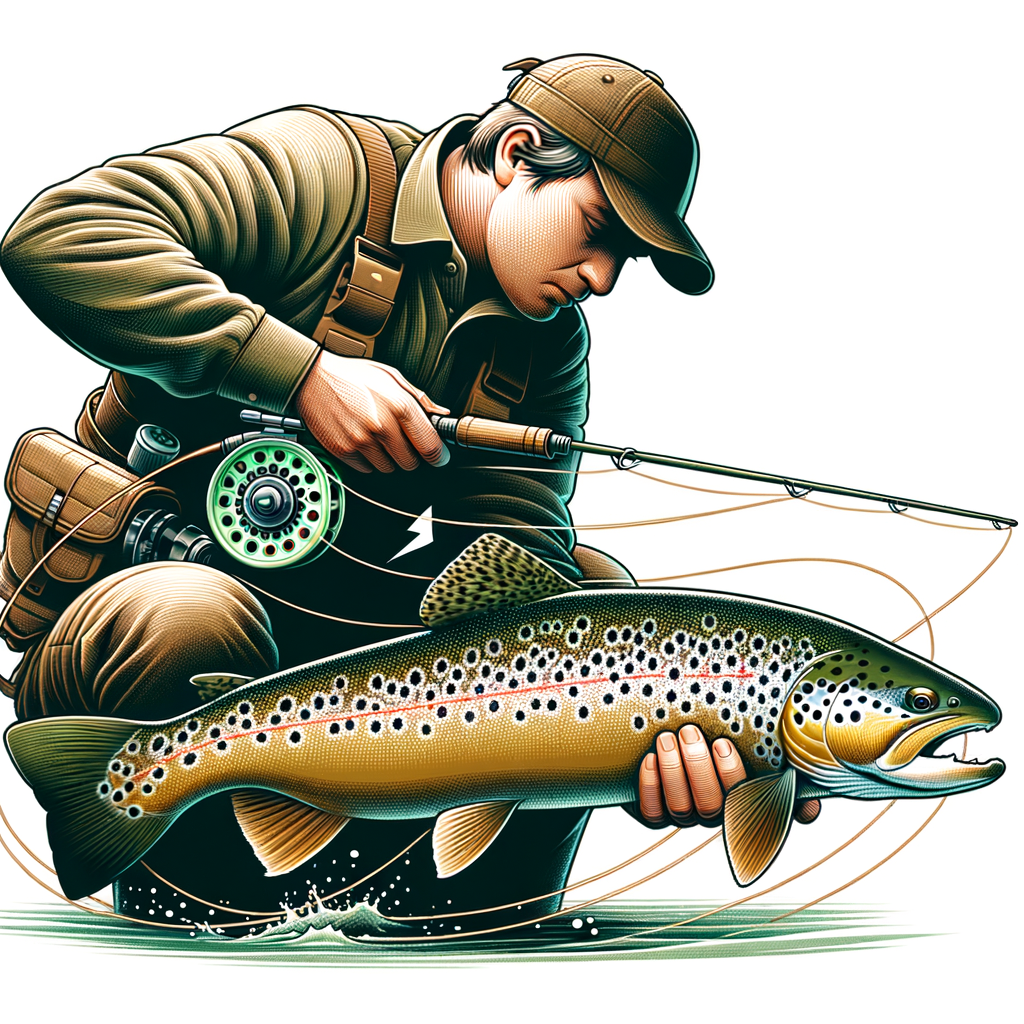
Introduction to Fly Fishing for Barramundi
Fly fishing for barramundi presents a unique challenge and an exhilarating experience for anglers who seek powerful, acrobatic fish. The barramundi, native to Australia and Southeast Asia, inhabits both fresh and brackish water environments, adapting well to a variety of conditions. This adaptability, combined with their voracious appetite and strength, makes them a prized target for fly fishers. Catching barramundi on a fly rod requires not only the right techniques but also the appropriate fly patterns and a deep understanding of their behavior. In this article, we explore the techniques, patterns, and insights that could help improve your success rates when targeting barramundi. This introduction will cover crucial aspects of the environment you’ll find them in, and the essential fly fishing gear needed. Whether you’re a seasoned angler or a beginner keen to explore the thrill of fly fishing for barramundi, this guide will equip you with valuable tips to hone your skills.
Understanding Barramundi Behavior and Habitats
Barramundi are opportunistic predators and are found in a wide range of habitats. Understanding their behavior and preferred environments is crucial for any successful angling attempt. These fish are typically located in rivers, estuaries, and coastal creeks, where they can be seen inhabiting areas with submerged logs, rock ledges, and overhanging mangroves. During the wet season, barramundi migrate to flooded plains for spawning, which offers a greater challenge as the expansive water provides numerous options for them to disperse.
They are most active during dawn and dusk when the temperatures are cooler, and they prefer to hunt in low-light conditions. This means early mornings or late evenings are prime times for fly fishing. However, since barramundi are known for sitting motionless and waiting to ambush prey, it’s important to target areas where baitfish congregate.
Essential Fly Fishing Gear for Barramundi
To effectively target barramundi, having the right gear is imperative. A fly rod ranging from a weight of 8 to 10 is suitable, as it offers the necessary strength to handle the powerful lunges barramundi are known for. A high-quality reel with a reliable drag system is equally important to manage these aggressive fights. Floating lines are typically preferred when fly fishing in shallow waters or during low-light conditions, whereas intermediate sinking lines are beneficial in deeper water or when the fish are less active.
Leader material also plays a vital role when fly fishing for barramundi. It’s advisable to use a strong leader material, typically around 20 to 30 pounds, to withstand the tough conditions and abrasive environments that barramundi often inhabit. Additionally, using a tippet that can handle abrasion is recommended when fishing in and around snags or structures.
Fly Patterns for Barramundi
The choice of fly patterns can significantly influence the success of your fishing expedition. Barramundi are not particularly selective, which means that several fly patterns can be effective. The key is to mimic the baitfish and invertebrates that barramundi typically feed on. The following are some popular fly patterns that have been proven to attract barramundi:
Clouser Minnow: This fly is a staple in any angler’s collection. Its design helps it sink quickly and dart through the water like a distressed baitfish, making it highly attractive to barramundi.
Deceiver Patterns: These imitate a range of baitfish and come in various sizes and colors. Their versatility makes them an excellent choice when targeting barramundi in diverse conditions.
Gurglers: Particularly useful during early mornings or late afternoons, when barramundi are more likely to feed on the surface. The popping and splashing action of a gurgler can incite aggressive strikes.
Whistler Fly: Known for its loud rattling noise, it is perfect for murky waters where visibility is low, enabling it to draw attention from barramundi lurking nearby.
Poppers: Ideal for surface action, poppers are perfect for enticing barramundi that are feeding on the surface. Their erratic movements and splashing sounds can provoke strikes even from reluctant fish.
Techniques for Fly Fishing Barramundi
When fly fishing for barramundi, it is crucial to adapt your techniques according to the conditions and behavior of the fish. One of the most effective methods is the slow-strip retrieve. This involves letting the fly sink slightly and then retrieving it slowly, allowing your fly to move naturally with the current, mimicking a baitfish’s behavior.
Another approach is to target structure. Cast your fly near to structures where barramundi might be lurking, such as mangroves, fallen trees, or rocky outcrops. The fish use these structures as ambush points, and placing your fly in these areas can lead to successful strikes.
Additionally, focusing on tidal movements is also vital. Barramundi feed aggressively during tide changes, inciting predatory behavior and increasing their likelihood of striking. Capitalizing on these windows enhances your chances of a successful catch.
It is also recommended to be stealthy and cautious when approaching fishing areas. Barramundi have a keen sense of awareness and can be easily spooked by loud sounds or abrupt movements. Maintaining a low profile and approaching their habitat quietly will keep them from being alerted to your presence.
Reading the Water
Understanding how to read water is an invaluable skill when targeting barramundi. Look for signs of feeding fish, such as surface disturbances, baitfish activity, or areas where the current flow is disrupted by underwater structures. Identifying these cues can help pin down where barramundi might be positioned and where to cast your fly.
Water clarity also plays a role, as murky waters can mean barramundi rely more on sound and movement. Accordingly, using flies that create noise or vibrations can be more effective in these situations. Conversely, in clear water conditions, smaller flies with subtle presentations might be more successful.
Handling and Conservation
Once you hook a barramundi, landing and handling it carefully are vital to ensure the fish’s wellbeing for future catches. Using a net with rubberized mesh can lessen harm to the fish’s slime coating and minimize stress during unhooking. It is advised to handle the fish in the water as much as practicable, reducing air exposure.
Practicing catch and release, where feasible, contributes to conservation efforts and the sustainability of barramundi populations, ensuring they continue to thrive in their native habitats. Utilizing barbless hooks makes the unhooking process less dangerous for both you and the fish, while also reducing injuries. Before releasing, ensure the fish is sufficiently revived and reoriented in the current so it can swim away under its own strength.
Conclusion on Pursuing Barramundi with a Fly
Fly fishing for barramundi offers an unmatched test of skill and patience, rewarding anglers with thrilling momentous encounters. The combination of correct technique, keen understanding of barramundi behavior, appropriate gear, and effective fly patterns are essential components to success. Furthermore, the joy lies not only in the catch but also in the pursuit and understanding of these magnificent fish.
Armed with this guide, anglers can head into the waters with confidence, ready to put these tips into practice. Remembering the emphasis on stealth, persistence, and adaptation to the environment will increase the chances of landing this elusive fish. As experiences accumulate, anglers will develop a personalized style that aligns with barramundi’s unpredictable nature.
Moreover, by prioritizing conservation and aiming to protect barramundi habitats, anglers can ensure that this spectacular sport survives for future generations. The challenge of fly fishing for barramundi isn’t merely about catching a fish; it’s about immersing oneself in the delicate balance of nature and enjoying the serenity that the pursuit entails. So gather your gear, select your flies, and get ready to engage in an adventure full of excitement and promise.
Frequently Asked Questions
1. What are the best fly patterns to use when targeting barramundi?
When fly fishing for barramundi, choosing the right fly pattern can significantly impact your success. Barramundi are opportunistic feeders and are known to respond well to several fly patterns. Some effective options include Clouser Minnows, Deceivers, and Poppers. These patterns mimic the barramundi’s natural prey, such as baitfish and prawns, which enhances their effectiveness. It’s beneficial to have a variety of sizes and colors, particularly in shades of white, chartreuse, and black, to match different water conditions and prey dynamics. Always consider the environmental conditions and water clarity when selecting your flies; for instance, bright colors often do well in murky water, while more natural, subdued tones can be advantageous in clear water environments.
2. What equipment setup is recommended for fly fishing for barramundi?
Targeting barramundi with a fly rod requires a sturdy equipment setup to handle their aggressive fights and aerial acrobatics. A 9-weight fly rod is typically a good choice, offering a balance between casting ease and fish-fighting power. Pair it with a quality fly reel that boasts a smooth, strong drag system to handle the powerful runs and jumps barramundi are known for. Floating lines are generally most effective, as barramundi often strike near the surface. However, having an intermediate sinking line ready is also useful in deeper or faster-moving waters. Don’t skimp on leaders and tippets; use a strong leader around 9-12 feet long, with a tippet strength of at least 20lb test to withstand the fish’s sharp gill plates and tenacious pulling.
3. What are some tips for successfully casting and retrieving a fly to entice barramundi?
Successful casting and retrieval techniques are pivotal in enticing barramundi to strike. When presenting a fly, aim to cast just beyond where you anticipate fish holding or feeding, allowing your fly to drift or swim naturally into their strike zone. Barramundi often respond to erratic movements, so consider using a varied strip retrieve technique. This involves pulling the fly line in short, quick strips to mimic the movement of injured prey. Pay attention to your surroundings for any sign of fish activity such as swirling water or baitfish breaking the surface. When you detect a strike, resist the urge to lift the rod immediately. Instead, perform a strip-set by firmly pulling the line with your stripping hand to drive the hook home before engaging the rod to fight the fish.
4. What are the optimal times and locations for fly fishing for barramundi?
Barramundi are generally more active during twilight hours—early morning and late afternoon to evening—when the water temperature is typically cooler and baitfish are more active, increasing the likelihood of successful fishing. For location, seek out areas with structure, such as submerged logs, mangrove roots, and rocky outcroppings, where barramundi lurk waiting to ambush prey. In coastal regions, estuaries and river mouths often hold significant numbers of barramundi, particularly during times when freshwater flow mixes with seawater – a preferred condition for these fish. Check local tidal charts, as tide changes can stir up feeding activity, making these periods prime for pursuing barramundi on the fly.
5. How do water conditions affect fly fishing strategies for barramundi?
Water conditions are critically important in developing successful fly fishing strategies for barramundi. In murky or turbulent water, use flies with brighter colors or those that create more disturbance on the water surface, such as Poppers, to increase visibility and attract attention. During periods of clear and calm water, a more stealthy approach is necessary; opt for natural colors and smaller patterns to avoid spooking fish. Water temperature also plays a key role; barramundi are more active in warmer waters but can become sluggish as temperatures drop. In extremely warm conditions, they might retreat to shaded or deeper areas, so be ready to adjust your fishing depth and techniques accordingly. Always be aware of recent weather patterns, as rain and its corresponding runoff can alter salinity and clarity, impacting where and how you should fish.