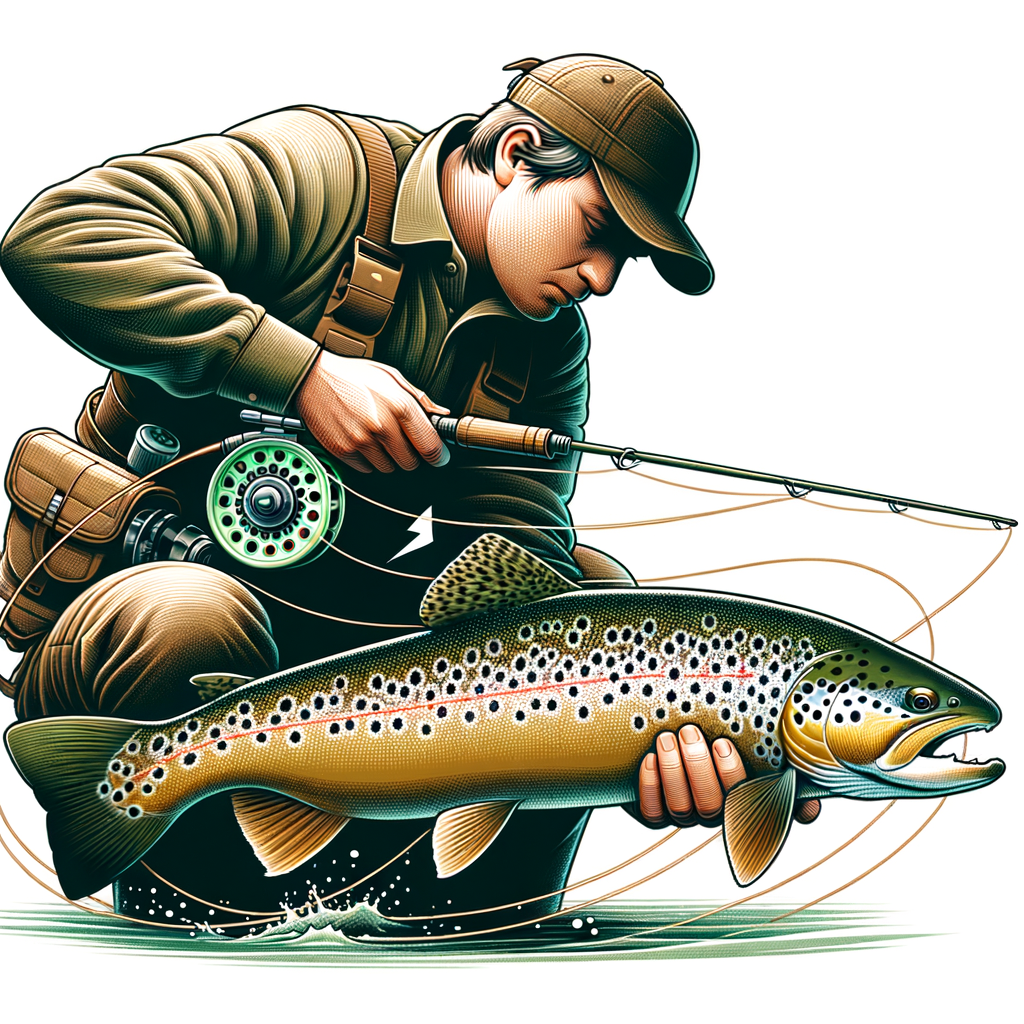
Fly fishing for amberjack is an exhilarating and challenging pursuit that offers deep water enthusiasts a chance to test their mettle. Amberjack, known for their strength and tenacity, are not your typical fly fishing quarry. They’re powerful, aggressive, and found in deeper waters compared to the freshwater species many fly anglers cut their teeth on. This article delves into the intricacies and techniques of fly fishing for amberjack, offering an in-depth guide to what is often considered a deep water challenge. From equipment selection to the techniques that will maximize your success, we’ll explore the unique aspects of targeting these formidable fish. This isn’t a sport for the faint of heart, but for those willing to invest the time and effort, it promises unmatched excitement and reward. Fly fishing for amberjack can transform any fishing trip into an unforgettable adventure. Understanding these fish and the environments they inhabit is crucial for anyone looking to embrace the challenge fully. We will explore why these majestic creatures deserve a place on every ambitious fly angler’s catch list, debunking myths and embellishing truths along the way. Whether you’re an experienced fly fisher looking to diversify your targets or a newcomer inspired by the idea of deep-sea fly fishing, prepare to dive into an enthralling world filled with new learning opportunities and achievements. This guide is designed to help you overcome the hurdles and enjoy successes on this unique fly fishing frontier—chasing amberjack.
Understanding Amberjack Habits
Amberjack are a stout, strong species of sport fish that inhabit the deep blue waters, often associated with tropical and subtropical oceanic regions worldwide. As carnivorous predators, their diet primarily consists of smaller fish such as baitfish and crustaceans, which influence their behavior and patterns. This provides a substantial starting point for fly fishers aiming to lure them in. Amberjack are characterized by their distinctive dark stripes and deep bodies, making them powerful swimmers and formidable foes when hooked on a fly rod. Generally found around wrecks, reefs, or any underwater structures, amberjack gather at these fascinating marine locales not only for food but also for shelter from larger predators.
In terms of depth, amberjack typically inhabit waters ranging from 60 to 240 feet, though they can be found even deeper. In this habitat, they demonstrate an intriguing vertical migratory pattern, which sees them move closer to the surface during different times of day. Understanding these patterns enhances an angler’s ability to anticipate their behavior. Their movement is often synchronized with the tides and availability of prey, making careful observation and timing critical. Additionally, their spawning periods, generally occurring from March through June, influence their feeding activities and subsequent patterns. These insights into amberjack behavior are vital for any angler looking to effectively target them with a fly rod. Successful fly fishing for amberjack requires both understanding and patience, recognizing that these oceanic game fishes are as intelligent as they are strong.
Choosing The Right Gear
Fly fishing gear for amberjack must be tailored to withstand the deep-sea environment and the sheer power of these fish. Starting with rods, a heavyweight fly rod is essential, generally ranging from 10 to 12-weight. Durability is key, as it needs to endure prolonged battles with highly motivated and aggressive fish. Selecting a rod with a fast-action tip is recommended, enhancing your ability to respond swiftly to unexpected movements. Reels must offer high line capacity and a robust drag system, vital for managing the long, intense runs typical of amberjack. Precision-engineered reels can prevent line burn and reduce fish escape during high-pressure scenarios.
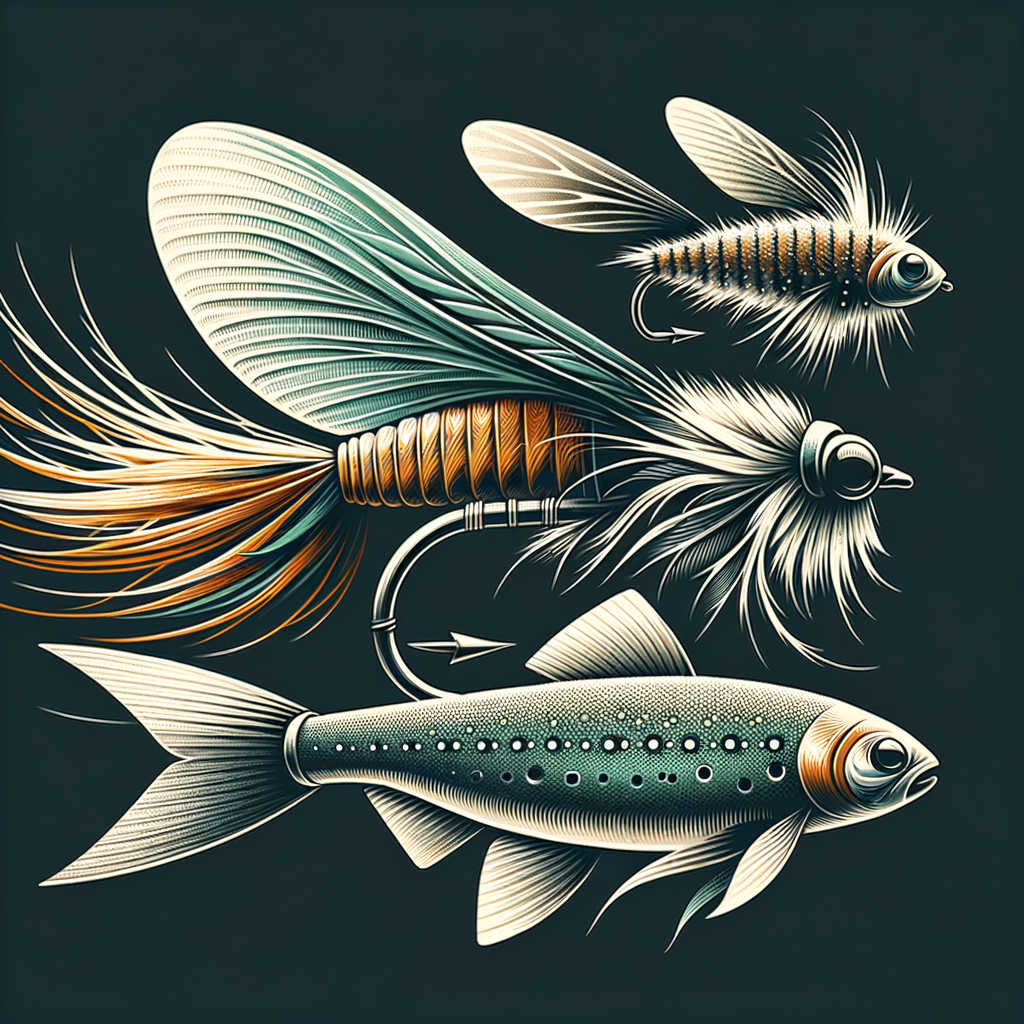
Line selection is equally vital; intermediate sinking lines are optimal, allowing your fly to reach the necessary depths swiftly. Leaders should be short and heavily weighted, designed to inspire confidence in casting accuracy while managing robust fish. Incorporating tippets with high abrasion resistance also provides a stronger, more dependable connection with your quarry. The final touch is fly selection. Amberjacks are lured by streamer flies that emulate baitfish, such as sardines or pilchards. Colors like blue, white, green, and flashy patterns work well to get their attention. Choosing flies with added movement and attractive features increases the likelihood of catching their eye. Customizing flies with additional weight helps sink them faster, further improving chances of success. A well-stocked fly box with variations suited to differing conditions and water clarity is an angler’s best companion for any planned excursion.
Techniques for Success
Mastering fly fishing for amberjack requires deploying specific techniques, taking into account the depth and agility of the target. Among these, creating a compelling disturbance in the water can significantly attract a curious amberjack’s attention. Deploy hair-like strikes and rapid retrieves to emulate the movement of frightened baitfish. Stealth is paramount, with considerations such as accurately gauging your shadow and movements critical in avoiding spooking potential catches. Master casting techniques that ensure your fly lands naturally and mimics the behavior of prey to increase interest from below. In deeper, choppy waters, blending your fly as a conspicuous, erratic target may capitalize on the amberjack’s predatory instincts.
Jigging motions can also be instrumental in encouraging strikes from below. Focus on the duration and rhythm of retrieval motions to maintain a continuous flutter of your fly among the currents. Learning to read the water, pay keen attention to how it shifts over ridges and through trenches where amberjack might lurk, hiding in ambush. Elevated currents around wreckage or eddies serve as their natural accomplices, taking advantage of aligning food sources, and presenting promising strike zones. Additionally, patience is a virtue; amberjack can be unpredictable in both feeding patterns and strength. Anticipate successive runs, steadily applying pressure and maintaining tension as the battle continues. Use intuitive reeling tactics, turning line pressure in your favor without alarming or exhausting your tackle setup prematurely.
Challenges and Tips
Few endeavors in fly fishing present as comprehensive a test of skill as targeting amberjack. The challenges lie not just in mastering gear and efficient techniques but in contending with fatigue in a demanding deep-sea environment. The frequent need to re-assess your strategy adds an intellectual facet to entice these elusive fish. Long battles against increasing choppiness test resolve, while the physical heavy lifting of a constant fly rod requires dedicated stamina and strength. Fatigue tends to build quickly, with an hour-long pursuit often just the beginning.
Adaptability is another valuable trait—sudden shifts in water conditions or fierce competition from other anglers can prompt strategy changes as necessary. Developing contingency plans for changing weather or unforeseen equipment malfunctions can salvage an outing. Additionally, threshold readings of weather components such as wind speed, tidal magnitude, or boat positioning become prerequisites for trip fruition. Prior knowledge of onset conditions widens the window of preparedness. Teamwork among crewmates or guides helps divide the responsibilities needed to achieve consistent success. Fly fishing enthusiasts should cultivate each other’s strengths for an edge only attained through collective resilience.
Preservation and Respect for Amberjack
Beyond the exhilarating pursuit of amberjack on the fly lays a solemn commitment to conservation and sustainability. Respect for their ecological significance within marine ecosystems is central to a responsible fly-fishing experience. Catch-and-release practices, allied to proper handling procedures, safeguard their welfare and encourage preservation for future generations. Employ barbless or circle hooks whenever possible to champion less invasive catch strategies.
Engaging in recreational fishing organizations or online advocacy platforms like USA’s Coastal Conservation Association further strengthens awareness and stewardship. As responsible angling ambassadors, educating others about ethical practices ensures sustainable enjoyment of resources. Hence, a harmonious relationship with the environment requires continued dedication to ensuring species sustainability. This creates a deeper connection in recognizing the privilege of participating in these awe-inspiring fishing encounters.
Conclusion
Fly fishing for amberjack represents an enticing blend of challenge and adventure. For those seeking something beyond the traditional fly fishing scene, the amberjack presents an opportunity to engage in an enthralling clash of power, persistence, and skill. The deep water challenge beckons anglers to consider newfound realms of depth, strategy, and respect for the ocean’s storied inhabitants. By arming themselves with the right gear, understanding amberjack behavior, and mastering specialized techniques, anglers can turn daunting tribulations into triumphant aquatic duels. Each moment spent pitting modest human ability against raw aquatic might fosters vastly rewarding encounters with nature and the artful perseverance ingrained within fly fishing.
For anglers of all levels, undertaking this pursuit nurtures a deeper appreciation of the marine ecosystem’s integrity and sustains connections between past traditions and enticing possibilities. There’s an exhilarating element in traversing unexplored waters while refining the craft and championing the cause of sustainability through conscientious practices. All anglers who embark on this journey are enriched by newfound skills, memories, and genuine accomplishments as they chase the indomitable spirit of the amberjack.
Frequently Asked Questions
1. What makes fly fishing for amberjack unique compared to other types of fly fishing?
Fly fishing for amberjack stands out due to the sheer power and aggression of the fish. Unlike typical freshwater fly fishing targets, amberjack are robust, ocean-dwelling creatures found in deep water environments, often several miles offshore. They are not only a challenge because of their size and strength but also because of the habitat they occupy—they’re more elusive than the trout or bass commonly pursued by fly anglers. Reaching them requires a boat and the skill to handle ocean currents and deeper water conditions. The fight with an amberjack is less about finesse and more about power; these fish are notorious for long, forceful runs when hooked. This kind of fishing requires heavy tackle and strong lines, an intense understanding of the marine environment, and the ability to manage the physical strain of battling such a powerful opponent. The thrill of seeing such a magnificent fish up close and the skill required to land one successfully makes amberjack a prized quarry in the fly fishing world.
2. What kind of equipment is essential for fly fishing for amberjack?
When venturing into deep waters to target amberjack, having the right equipment is crucial. You’ll need a strong fly rod, typically in the 10- to 12-weight range, which provides the necessary power to handle deep sea pressure and the strength of an amberjack. The rod must be paired with a large arbor reel capable of holding plenty of backing and a heavy-duty drag system since amberjack are known for their powerful runs. Fast-sinking fly lines are essential as well, because it is necessary to reach the depths where amberjack often reside. Flies themselves must be heavy, imitating the amberjack’s natural prey like baitfish or squid. Additionally, anglers should equip themselves with quality polarized sunglasses for better visibility in the water, sunscreen for protection against the intense sun, and a reliable boat to reach deep water fishing spots. Having a solid understanding of navigation and safety gear such as life jackets and communication devices is also important when venturing far from shore.
3. How do you locate amberjack when fly fishing in the ocean?
Finding amberjack requires a mix of knowledge about their behavior and strategic use of depth-finding technology. Amberjack are often found near offshore structures such as wrecks, reefs, and oil rigs where they can find both food and shelter. These fish tend to inhabit areas between 60 and several hundred feet deep, so using a GPS and fish finder can help you home in on promising spots. Another effective method is to look for bait balls and bird activity on the ocean’s surface—these can be indications of amberjack feeding below. Establishing a network with local anglers, or using local guides who know the waters well, can also provide invaluable information about the current whereabouts of schools of amberjack. Tides, time of day, and season also play roles in their location; amberjack can be more active during certain hours or months depending on food availability and breeding cycles.
4. What techniques are most effective for catching amberjack with a fly rod?
Once you’ve located a school of amberjack, casting precision becomes less of an issue compared to freshwater fly fishing. The primary technique involves dropping your weighted fly deep into the water column, letting it sink to the level where amberjack are feeding. Fast, aggressive stripping of the fly line is key—imitating the rapid movements of distressed prey like minnows or squid triggers an amberjack’s predatory instincts. Sometimes incorporating a jigging motion can also provoke a strike. Since amberjack are opportunistic feeders, they will often take a well-presented fly out of reflex. Be prepared for an immediate, voracious strike followed by powerful runs. It’s important to maintain a strong grip on your rod and be ready to adjust the drag on your reel quickly to manage these long, hard runs. Successfully landing an amberjack requires persistence, muscle, and often teamwork if the fish makes repeated dives toward the structure.
5. What are the best times and seasons to fly fish for amberjack?
The best time to target amberjack can vary depending on your location, but generally, they are more active in the warmer months. In the Gulf of Mexico and the southern Atlantic coast, amberjack fishing picks up from spring through early fall, with peaks around late spring and early summer when waters are rich with baitfish. These months also see amberjack moving more predictably around undersea structures. Early mornings and late afternoons are typically the best times of day, as these are cooler periods and fish tend to be more active in feeding. Weather conditions play an important role as well; calmer seas are preferable as they allow for better maneuverability and visibility in the water. Aligning your fishing trip with these timeframes increases the chances of a successful and exhilarating fly fishing experience with these impressive fish.