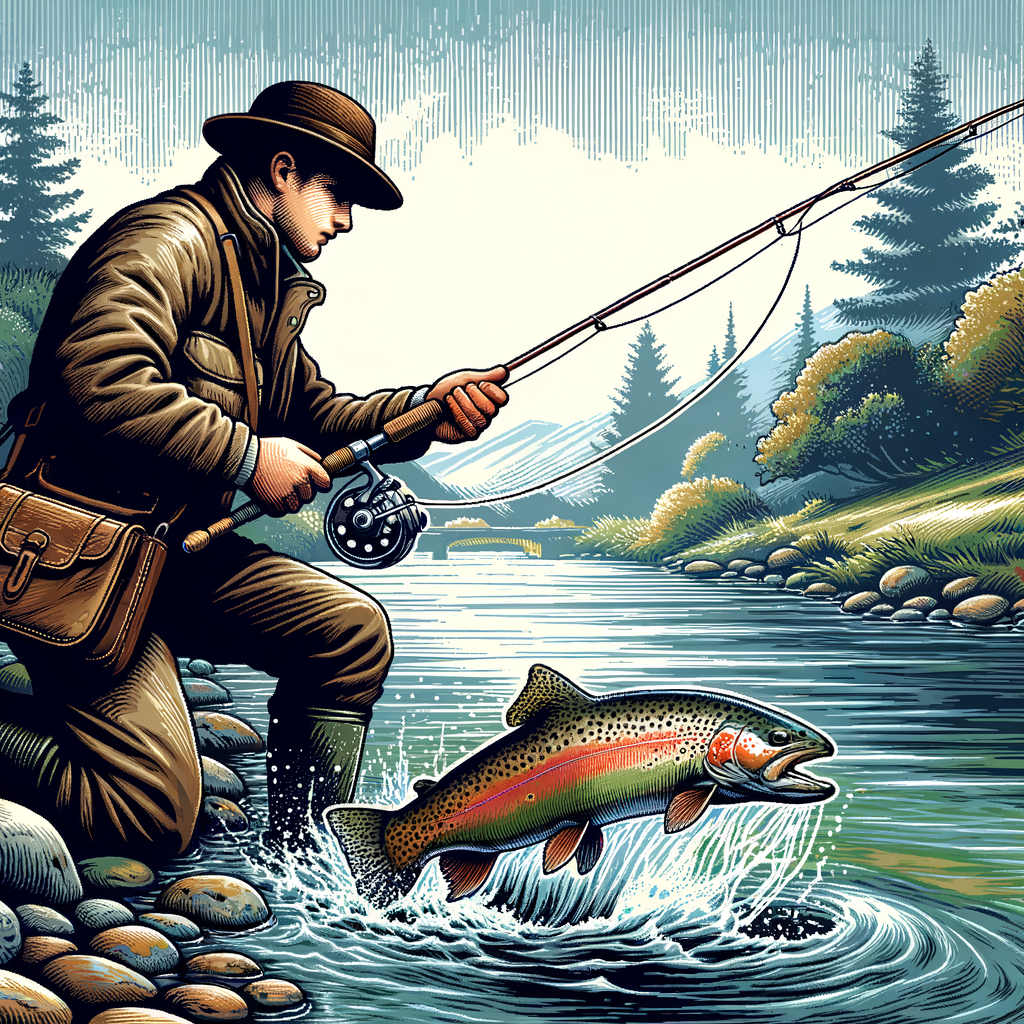
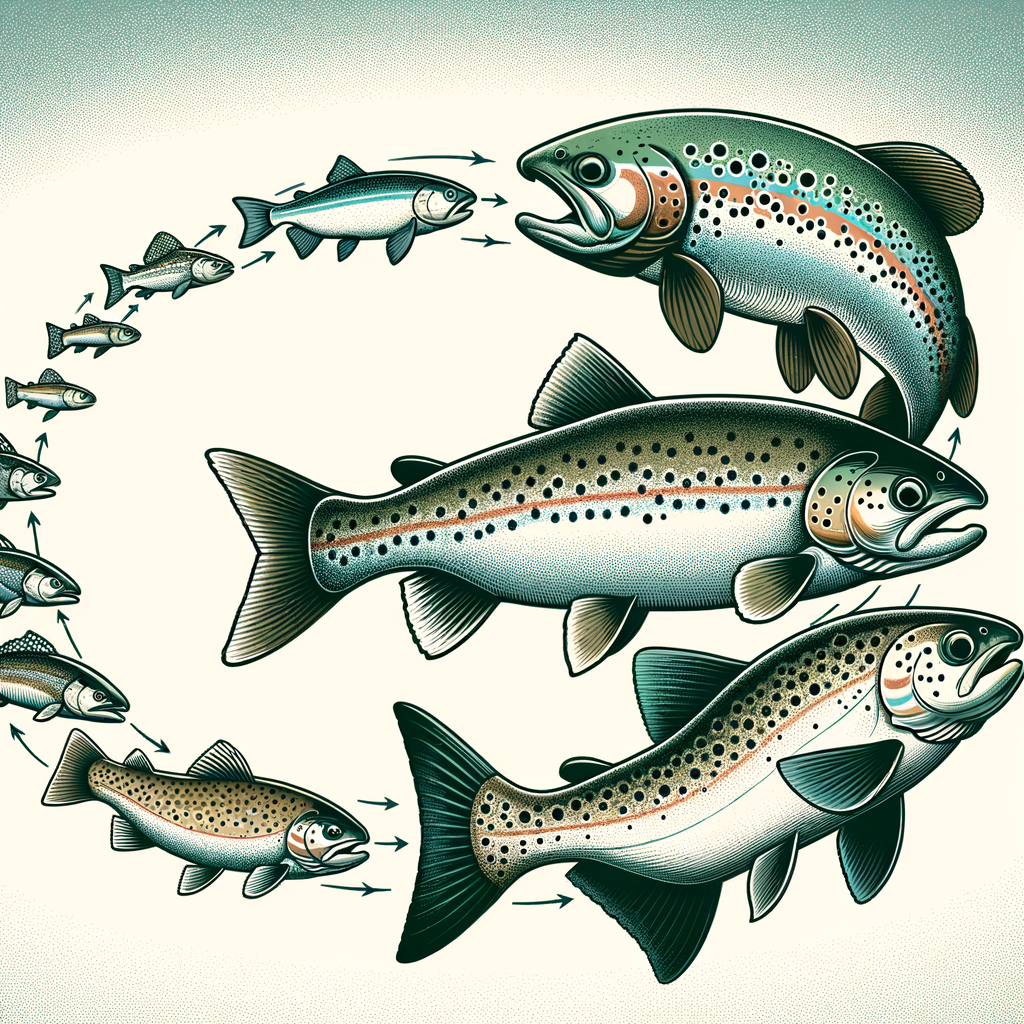
Fly fishing is a time-honored angling method that combines the elegance of casting with the challenge of luring fish using handcrafted flies. While traditionally associated with trout in freshwater streams, the passion for fly fishing has expanded to various other species, including saltwater favorites like snapper. Snapper are notorious for their elusiveness and fighting spirit, making them a popular target for fly anglers seeking a new challenge. Fly fishing for snapper requires a blend of precision, knowledge, and technique. In this guide, we delve into effective strategies for successfully landing these vibrant fish on a fly rod. Whether you are a seasoned fly angler or a novice eager to broaden your horizons, understanding the nuances of snapper behavior, equipment, and environment is crucial. We will explore the specific nuances of fly fishing for snapper, including appropriate gear selection, ideal location choices, and tips on crafting effective fly patterns. This comprehensive overview aims to equip you with the skills and insights needed to embrace this exciting pursuit in the saltwater fly fishing world.
Understanding Snapper Habits and Habitats
To effectively target snapper, one must first understand their behavior and preferred environments. Snapper, including popular species such as red snapper and mangrove snapper, are typically found in coastal waters. They frequent structures like reefs, rocky outcroppings, and submerged wrecks where they can find abundant food sources and shelter. Snapper are notorious for being wary and often shy, making stealth an essential component of your approach. Their diet mainly consists of smaller fish, crustaceans, and mollusks, which affect the fly patterns that are most effective.
Snapper exhibit particular feeding habits that anglers should exploit. They are predominantly bottom feeders, although they occasionally venture further up the water column, especially when hunting. Timing is crucial; snapper are known to be more active during dawn and dusk, making these the optimal times for fly fishing excursions. Furthermore, tidal movements can significantly influence snapper activity. Planning your fly fishing trips around incoming or outgoing tides can increase your chances of encountering active snapper ready to feed.
Equipment for Fly Fishing for Snapper
Choosing the right equipment is integral to a successful fly fishing outing for snapper. Given the range of sizes snapper can reach, selecting the proper rod, reel, and line is critical. A medium to medium-heavy weight rod, typically in the 8 to 10-weight range, is suitable for handling the vigorous fights snapper are known for. These rods should provide enough power to control and land the fish while maintaining sensitivity for detecting subtle strikes.
Your choice of fly reel should complement your rod and be equipped with a reliable drag system, as snapper are known for their powerful runs. The reel should also have ample line capacity to accommodate the backing, as you might find yourself battling these stubborn fish across various depths. It is advisable to use a sinking or sink-tip fly line to ensure your fly presentation reaches the preferred depth, particularly when targeting bottom-dwelling snaps.
Leaders and tippets must be robust enough to withstand the abrasive structures snapper frequent. A strong, abrasion-resistant leader, tapering to a 16- to 20-pound test tippet, is often recommended to handle potential obstacles and the strong jaws of snapper. As snapper can be leader shy, fluorocarbon leaders are advantageous due to their low visibility underwater.
Crafting the Perfect Fly Patterns for Snapper
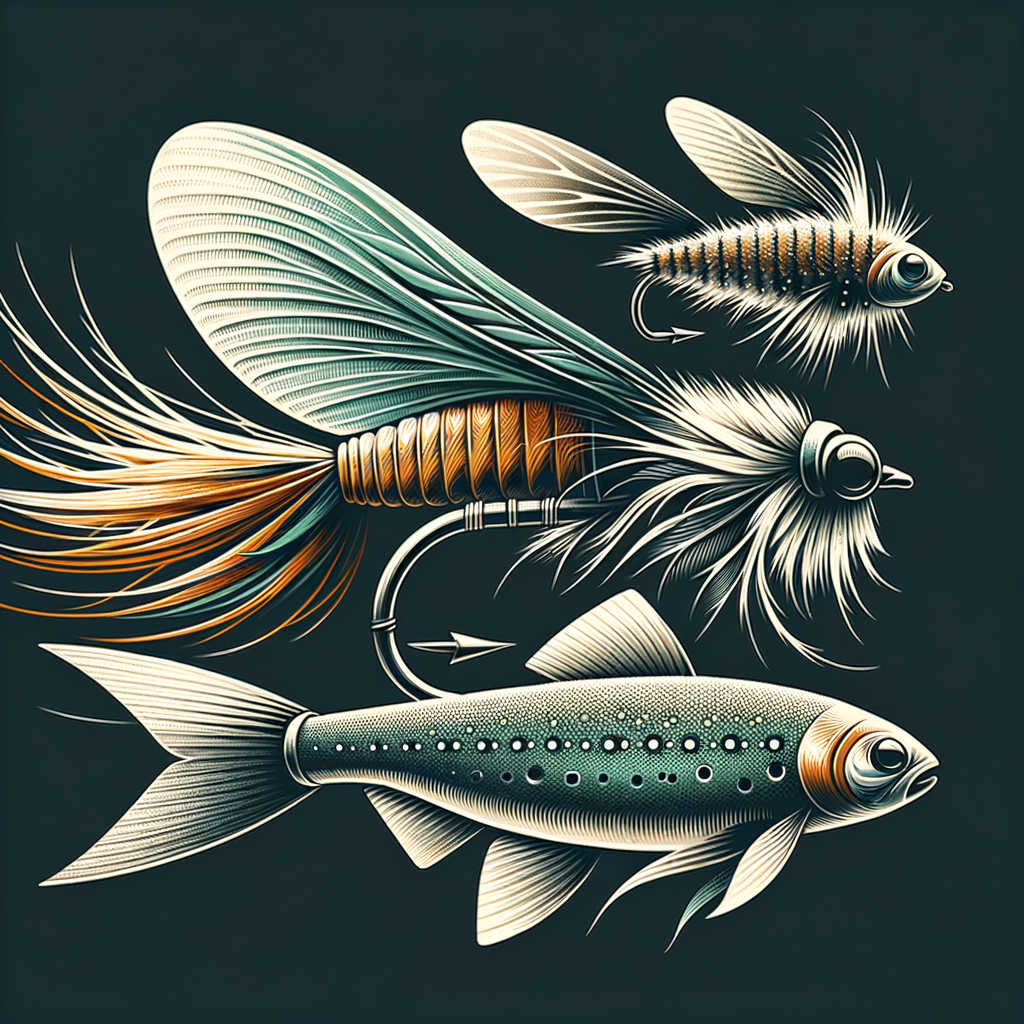
Fly selection is paramount when targeting snapper, as it can significantly influence your success rate. Observing the natural prey of snapper in your fishing location is key to selecting or creating an effective fly pattern. Since snapper often prey on small baitfish, shrimps, and crabs, these should inspire your fly patterns. Popular fly choices include Clouser Minnows, Shrimp and Crab imitations, and deceivers. These patterns simulate the appearance and movement of natural prey items in the snapper’s diet.
The use of weighted flies is also a crucial consideration, as snapper typically feed close to the bottom. Integrating bead heads, lead eyes, or weighted wraps can help your flies sink quickly to the desired depth. Additionally, bright and contrasting colors might provoke strikes, especially in murky conditions. Red, orange, and chartreuse can be particularly effective in attracting snapper.
Location Strategy and Casting Techniques
Finding productive snapper fishing spots is key to fly fishing success. Areas with submerged structures, reefs, and channels are prime snapper territories, as they provide food and protection. When fishing from a boat, using a fish finder can be beneficial to locate these structures and the presence of fish. If wading or shore fishing, look for areas where tidal currents intersect with structure to maximize your chances, as snapper often use such currents to their advantage, ambushing prey.
Proper casting techniques also play a significant role in your success. Due to the snapper’s skittish nature, casting from a distance can prevent spooking them. Anglers should practice accurate and gentle presentations, allowing their flies to land softly and naturally in the water. Additionally, varying your retrieve speed and using a stop-and-start technique can mimic the erratic movements of fish or crustaceans, enticing snapper to strike.
Handling the Snapper After the Catch
Once you have successfully hooked and landed a snapper, proper fish handling is crucial both for your safety and the fish’s welfare. Snapper are equipped with sharp gill plates and spines, so using a net and carefully handling the fish minimizes injury risk. If practicing catch and release, ensure minimal air exposure by using de-hooking tools for a quick release. Proper catch and release techniques not only preserve the fish population but also maintain the ecosystem’s health.
Safety and Conservation Considerations
While fly fishing for snapper is exhilarating, prioritizing safety and environmental conservation is imperative. Always ensure you have the necessary licenses and are aware of local fishing regulations, including size and bag limits. These regulations are in place to maintain snapper populations and ensure sustainable fishing practices. When fishing in remote or challenging areas, let someone know your plans and consider bringing safety gear, including a first aid kit and communication devices.
Conservation efforts don’t end on the water. Be mindful of preserving the environment as well, avoiding disturbances to fragile marine ecosystems. Plastics and other trash can cause significant harm to these habitats. Ensuring that you leave no trace and collecting any waste you encounter safeguards these vital ecosystems for future anglers and aquatic life alike.
Conclusion
Fly fishing for snapper can be an immensely rewarding endeavor, challenging your skills and enriching your understanding of these elusive creatures. With the right approach, gear, and respect for the environment, angling enthusiasts can enjoy productive and memorable fishing excursions. By comprehending snapper behaviors and habitats, selecting appropriate equipment, and employing effective strategies, fly anglers increase their likelihood of success. Furthermore, prioritizing safety and conservation efforts ensures that this pursuit, as well as the environments we cherish, will endure for generations to come.
For those willing to embrace the challenge, fly fishing for snapper offers an opportunity to immerse oneself in the beauty and complexity of coastal ecosystems. Each outing not only brings the thrill of the catch but also a deeper appreciation for the intricate interplay between prey, predator, and environment. Thus, with the wind in your hair, the salt on your skin, and the anticipation of the strike, fly fishing for snapper becomes an unparalleled pursuit—one that beckons avid fly anglers to refine their craft and revel in the wonder of nature’s diverse waters.
Frequently Asked Questions
1. What equipment do I need for fly fishing for snapper?
When it comes to fly fishing for snapper, having the right equipment is crucial to success. It’s not just about any rod and reel; you need gear specifically tailored to handle the saltwater environment and the feisty nature of snapper. A sturdy, 8-weight to 10-weight fly rod is a popular choice among anglers for targeting snapper. This rod size provides the strength required to handle large fish and challenging conditions, like strong currents and harsh winds, which are common in coastal environments.
Your reel needs to match your rod, and it should have a reliable drag system. Snapper are known for their powerful runs, so you need a reel that can respond smoothly and effectively to their aggressive tugs. Additionally, consider using a floating line if you’re fishing in shallower waters or when targeting snappers near the surface. For deeper spots, sinking lines or sink-tip lines work best to reach snappers lurking at lower depths.
Your terminal tackle also plays a vital role. Use flies that imitate the snapper’s natural prey, such as minnows, crabs, and shrimp. These flies should be saltwater-resistant to withstand the rugged conditions of their habitat. Adding a fluorocarbon leader with a breaking strain of 15 to 30 pounds can be advantageous, offering abrasion resistance against a snapper’s sharp teeth and habitat features like rocks or coral. Don’t forget a sturdy reel bag to keep everything in top condition, and a reliable pair of polarized sunglasses to help you spot and target the fish effectively.
2. What are the best fly patterns to use when targeting snapper?
Choosing the right fly patterns is essential to enticing snapper successfully. Given their diet primarily consists of small fish, crustaceans, and other marine creatures, flies that mimic these prey items work effectively. Popular patterns include Clouser Minnows, which are renowned for their versatility, able to portray a variety of baitfish species effectively. These patterns feature dumbbell eyes, allowing them to sink quickly, making them great for reaching snappers that dwell deeper.
Shrimp patterns are also highly effective since shrimp constitute a significant portion of a snapper’s diet. Patterns like the Crazy Charlie or Gurgler in a range of colors can entice even the wariest of snappers. Crab flies, like the Raghead Crab or Merkin Crab, can be exceptionally productive, especially when fishing around rocky structures or reefs where crustaceans are abundant.
Ensure that your flies are tied with saltwater-resistant materials, capable of withstanding the abrasive conditions and toothy mouths of snapper. Olive, chartreuse, and natural colors tend to work efficiently, and it’s always good to carry a variety of sizes in your fly box to cater to different water conditions and fish behaviors.
3. What are some effective fly fishing techniques for catching snapper?
Successful fly fishing for snapper often requires adapting your tactics based on the conditions and the fish’s behavior. Start with identifying productive snapper habitats – these are typically rocky structures, coral reefs, and submerged ledges. These structures offer shelter and are teeming with the prey snapper feed on, making them prime spots to cast your flies.
When presenting your fly, focus on a realistic presentation. Often, a slower retrieve with an occasional twitch to mimic an injured or fleeing creature piques the snapper’s predatory instincts. Cast beyond your target to avoid spooking a snapper and let your fly sink naturally to the desired depth before beginning your retrieve. Pay close attention to your line at all times; snappers can strike with surprising speed and force.
If snappers are holding deeper, consider using a weighted fly or integrated sink-tip lines to get your fly down faster. Adjust your stripping speed according to the conditions and the behavior you’re observing. In some cases, an aggressive, fast-paced retrieve can elicit a chase and strike from a curious snapper. Take time to experiment with various speed and action combinations to find out what triggers the best response during any given fishing session.
4. What time of year is best for fly fishing for snapper?
Timing your fly fishing expeditions for snapper is key in maximizing success, and understanding the seasonal patterns of snapper can make all the difference. Snapper are generally more active during warmer months, often peaking from late spring through early fall. This period coincides with increased bait activity and warmer water temperatures, factors that encourage snapper feeding.
While snappers can be targeted year-round in some regions due to milder climates, consider local spawning seasons when planning your fishing outings. During spawning, restrictions may be in place to protect breeding populations, and snapper behavior can also change dramatically, making them less interested in biting. Research local regulations and patterns to ensure you’re fishing in season and ethically.
Early mornings and late afternoons offer optimal conditions, as the cooler parts of the day see increased snapper activity. During high-sun situations, snapper may retreat to deeper waters, becoming more elusive and challenging to catch. Tide changes are also crucial. The rising and falling tides can move baitfish around, driving snapper into a feeding frenzy as they follow and hunt their prey. Targeting these tide movements can greatly increase your chances of landing a catch.
5. How can I improve my chances of success when fly fishing for snapper?
Improving your chances of success when fly fishing for snapper often comes down to preparation, understanding of the environment, and adaptability. First, become skilled in accurately casting in adverse conditions, such as strong winds often found in coastal areas. Practice casting until you can deliver your fly with precision, as stealth and accuracy are vital in avoiding spooking wary snapper.
Understanding the habitat is also crucial. Studying the underwater landscape where you’re fishing can offer insights into where snappers might be lurking. Invest in a quality polarized sunglasses to reduce water glare and see beneath the surface more effectively. Learn to read the water and pay attention to any movement that could indicate the presence of feeding snapper or their prey.
Patience and experimentation are key. If your standard approach isn’t yielding results, be willing to change it up. This might involve trying different fly patterns, altering your retrieve pace, or seeking new fishing spots human traffic or increased pressure could have impacted.
Networking with local anglers can also provide valuable insights into current snapper behavior and hot spots, increasing the likelihood of success. Lastly, maintain a respectful relationship with nature — follow ethical fishing guidelines and practice catch and release when necessary to preserve snapper populations for future anglers to enjoy.