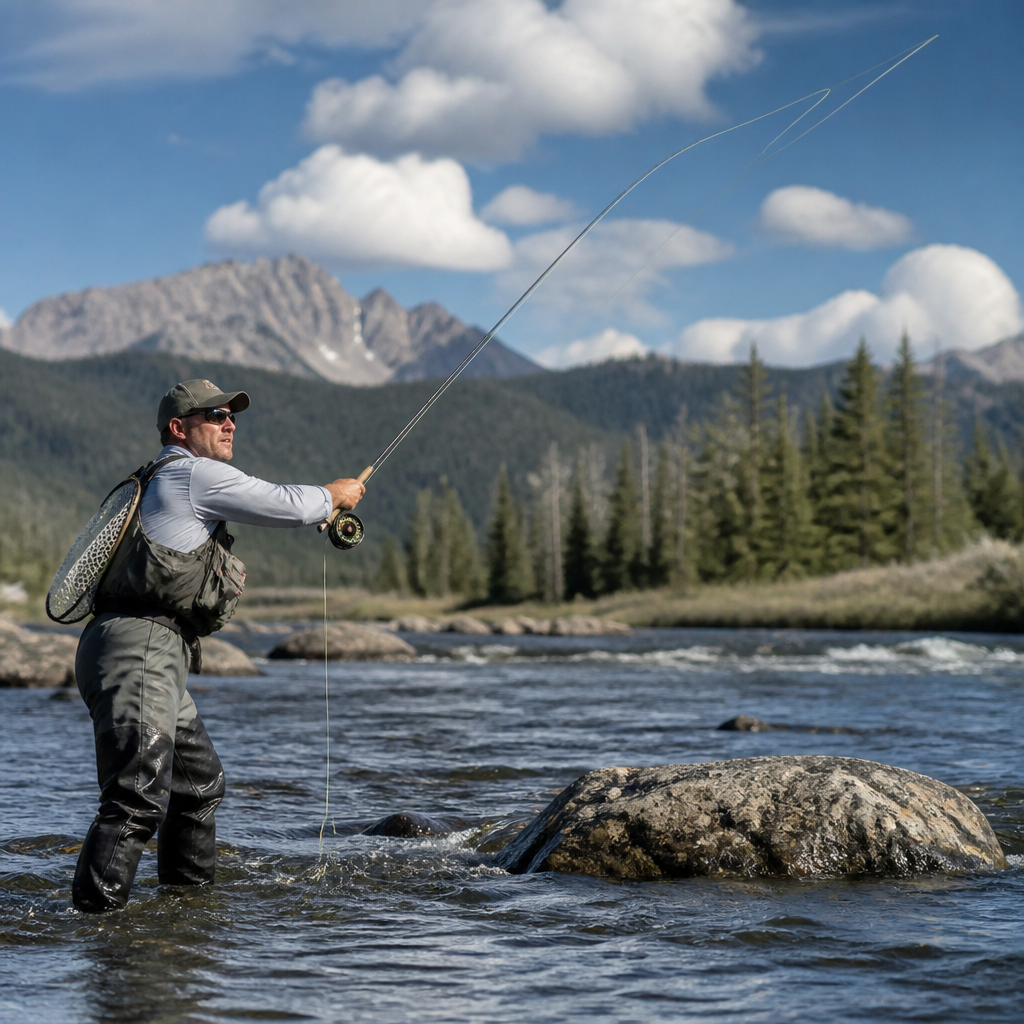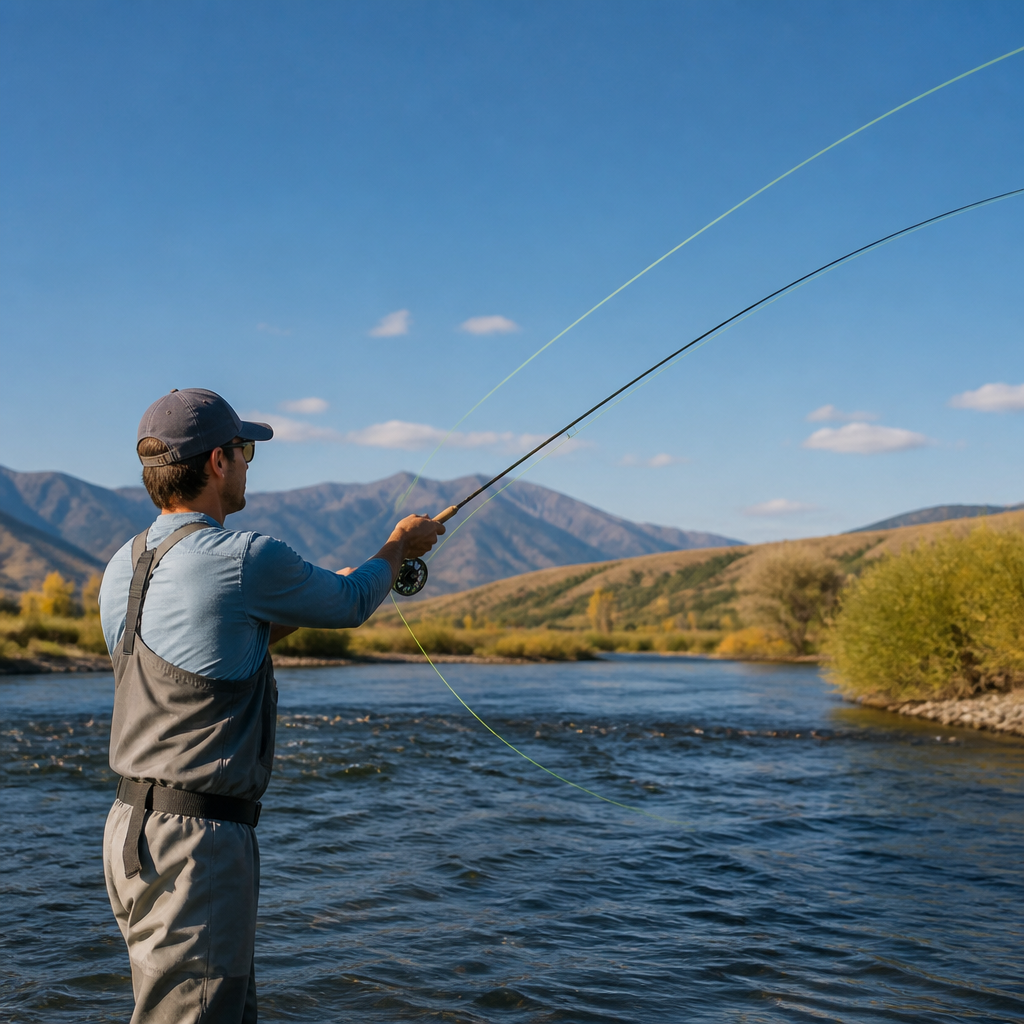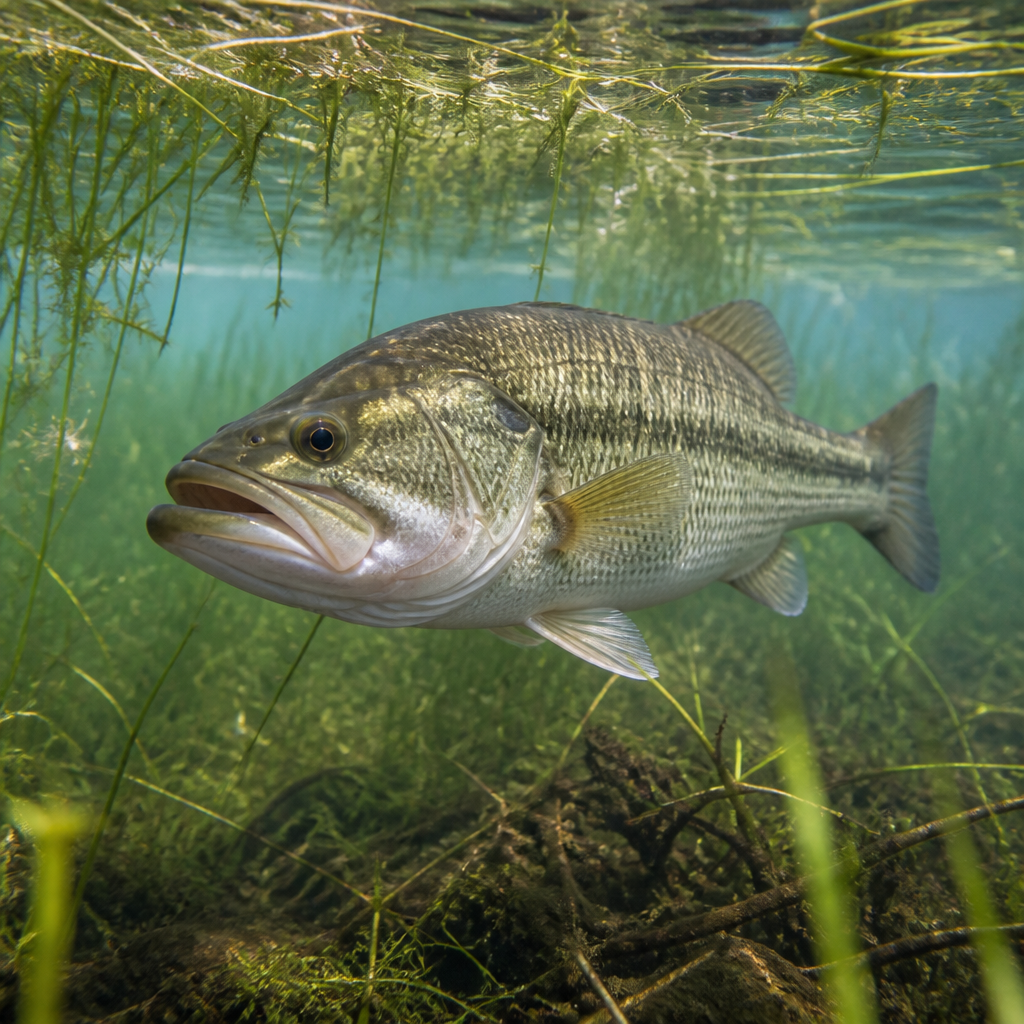
Fly fishing in lagoons demands a different mindset than river, lake, or surf fishing because lagoon water is shaped by shallow depth, variable salinity, soft bottoms, weed growth, and constantly changing light, tide, and wind. In practical terms, a lagoon is a sheltered body of water separated from larger water by sandbars, reefs, barrier islands, mangroves, or marsh edges, with at least periodic exchange through inlets, channels, or seasonal flooding. That definition matters because water exchange determines oxygen, temperature stability, bait movement, and fish behavior. After years of fishing coastal lagoons, estuarine backwaters, and inland brackish basins, I have learned that success rarely comes from casting farther; it comes from reading water conditions better than the next angler.
As a techniques and strategies hub, this guide focuses on water types and conditions first, because every decision in lagoon fly fishing flows from them. Rod weight, leader design, fly profile, retrieve speed, and even whether you should fish at all depend on what the lagoon is doing that day. A clear, turtle-grass flat with knee-deep water and incoming tide fishes nothing like a tannin-stained mangrove lagoon after rain, and both differ again from a wind-mixed hypersaline basin in summer. Species also shift with habitat. In salt and brackish lagoons, anglers commonly target redfish, sea trout, snook, juvenile tarpon, mullet-feeding jacks, striped bass in certain systems, and bonefish in tropical settings. In freshwater lagoons, bass, panfish, perch, pike, and carp may dominate. The common thread is that lagoon fish are strongly position-oriented, often spooky, and highly responsive to short-lived feeding windows.
Understanding lagoon conditions matters because shallow water magnifies cause and effect. A two-degree temperature swing can push fish off a flat. Ten extra centimeters of water can open an entire shoreline. One windy afternoon can turn a clear basin opaque, while a tide change can refill drains and pull predators into ambush lanes. For anglers searching within the broader techniques and strategies topic, lagoons offer one of the clearest examples of why water reading outranks fly selection alone. If you can classify the lagoon, interpret clarity, depth, current, bottom type, and weather influence, you can consistently find fish. If you ignore those variables, even perfect casts and premium flies will produce random results.
Classifying Lagoon Water Types Before You Make a Cast
The first step in fly fishing in lagoons is identifying what kind of lagoon you are actually standing in, because “lagoon” covers several distinct fisheries. Coastal salt lagoons connected to the sea usually experience some tidal exchange, hold marine forage, and fish best around moving water. Estuarine lagoons mix salt and fresh water; salinity shifts with rain, river inflow, evaporation, and tide, so fish distribution changes more than many anglers expect. Inland brackish lagoons can become highly saline in dry periods and may fish poorly during heat stress if oxygen falls. Freshwater lagoons, often found behind marshes or in floodplain basins, behave more like shallow stillwaters but remain heavily influenced by weed cover, wind lanes, and seasonal drawdown.
When I arrive at a new lagoon, I map it quickly in my head using four questions: how does water enter, how does water leave, how deep is the average basin, and what covers the bottom? These answers predict fish movement. A lagoon with narrow inlets and broad interior flats often fishes best near bottlenecks on stronger tide stages. A shallow bowl with only one feeder drain can become too warm by midday, making dawn and evening essential. A spring-fed lagoon may stay cooler and hold fish through hot spells. This classification step saves hours because it narrows likely feeding zones before the first false cast.
Seasonal classification matters too. The same lagoon can behave like different water types across the year. Winter cold fronts can turn a productive grass lagoon into a low-temperature refuge fishery where the deepest dark-bottom pockets become the only reliable water. Summer drought can increase salinity and reduce oxygen in isolated corners. Heavy rainfall can freshen surface layers and reposition bait along the saltier edges. Advanced anglers do not ask only, “What species live here?” They ask, “What version of this lagoon exists today?” That question is the foundation of effective water-type analysis.
Reading Clarity, Color, Depth, and Bottom Composition
Water clarity controls how fish feed and how you should present a fly. In clear lagoons, fish often track a fly from distance, so long leaders, accurate placement, muted clothing, and controlled line management are essential. In stained water, profile and vibration become more important than exact imitation, and anglers can fish slightly shorter leaders and more assertive retrieves. Dirty water is not always bad. In many lagoons, a light stain from wind or tannin gives predators cover and encourages them to move shallower. What matters is matching presentation to visibility rather than assuming clearer is always better.
Color tells you what is happening in the system. Emerald or blue-green water often indicates cleaner marine influence. Tea-colored water usually points to tannins from marsh or mangrove runoff. Brown suspended sediment commonly means wind disturbance, boat traffic, or strong flow through soft-bottom channels. Milky green can signal algae, which may reduce visibility and, in severe blooms, lower nighttime oxygen. I watch not only the water in front of me but also the color transitions. Edges where clear water meets stain frequently concentrate bait and predators, especially when current carries food across the seam.
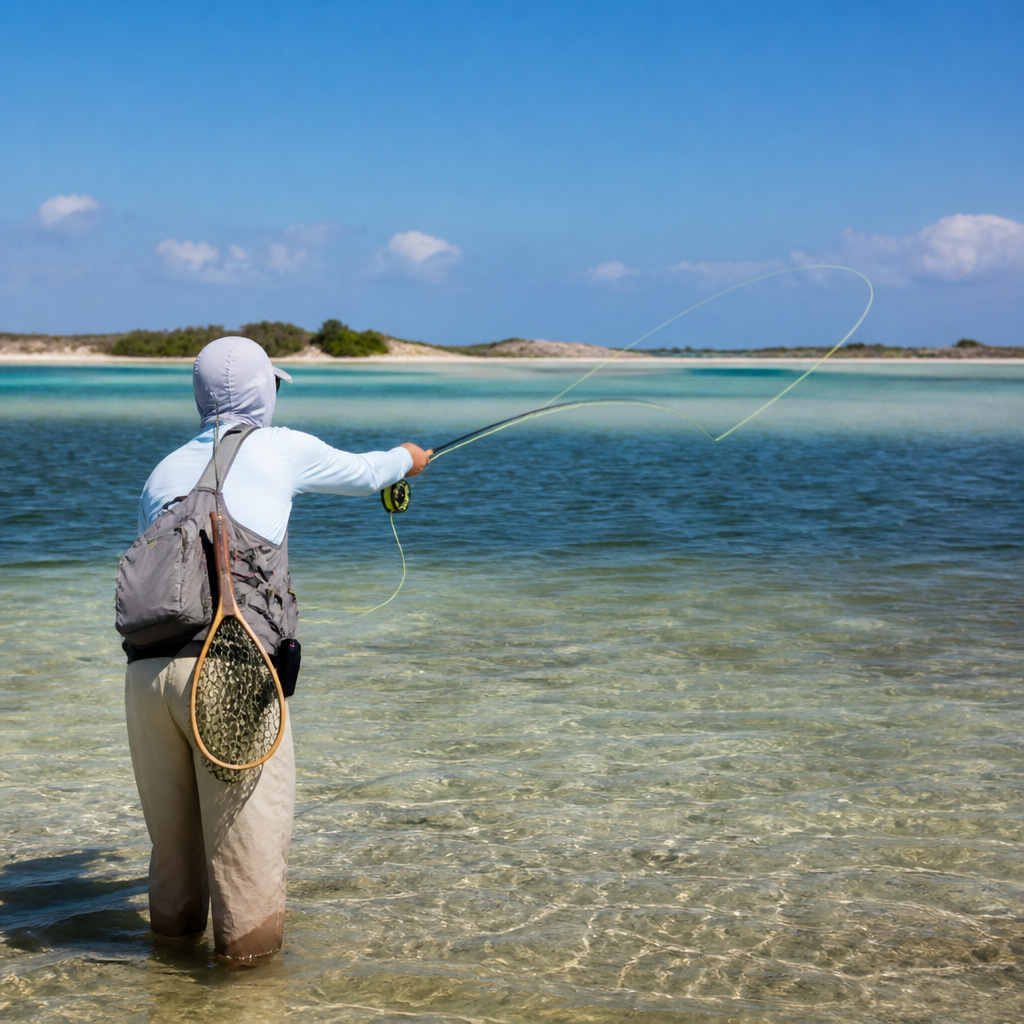
Depth in lagoons is rarely uniform, and micro-depth changes matter. A trough only twenty centimeters deeper than the surrounding flat can hold fish during bright sun or dropping tide. Likewise, a gently elevated hard patch can attract crabs, shrimp, and rooting species. Polarized glasses are non-negotiable because they reveal potholes, grass lines, sand tongues, and cruising fish. Bottom composition then refines your plan. Hard sand and firm marl allow quiet wading and favor shrimp, crab, and baitfish patterns stripped cleanly. Mud absorbs heat, supports worms and crustaceans, and often holds fish in cooler months. Dense vegetation shelters fry and shrimp but can foul hooks, requiring weed guards and higher rod angles on the strip set.
| Lagoon condition | What it usually means | Best tactical adjustment |
|---|---|---|
| Clear water over hard sand | Fish see well and spook easily | Use longer leaders, softer casts, smaller flies |
| Lightly stained water over grass | Predators can ambush without being overly cautious | Fish baitfish or shrimp patterns with moderate strips |
| Wind-muddied shoreline | Low visibility and displaced bait | Target nearby cleaner seams, use darker or noisier flies |
| Dark mud pocket in cool season | Warmer water and concentrated forage | Work slowly with precise presentations in deeper edges |
| Incoming clear water at a channel mouth | Oxygen, forage movement, and active predators | Station on the side of current and cast across the flow |
Tides, Wind, Temperature, and Oxygen: The Conditions That Drive Feeding
In coastal and estuarine lagoons, tide is usually the master variable, but not in the simplistic sense of “high is good” or “low is good.” Fish respond to water movement, access, and timing. Rising water floods shorelines, mangrove roots, spartina edges, and shallow grass, letting fish hunt crabs and shrimp in areas that were dry or too skinny an hour earlier. Falling water pulls forage from those areas into drains, troughs, and channels, creating concentrated ambush points. Slack tide often fishes poorly in lagoons because there is little directional movement to organize bait. If you can fish only a short window, choose the period when water is actively entering or exiting structure.
Wind can help or ruin a lagoon session depending on angle and intensity. Moderate wind oxygenates water, masks your approach, and pushes plankton and bait toward shorelines. In many redfish and trout lagoons, a breezy bank with bait flickering is better than a calm, lifeless one. Strong wind, however, reduces casting efficiency, muddies soft edges, and may stack water unnaturally, delaying the expected tide stage. I often fish the protected side of a lagoon early, then move to the windward side once enough chop has developed to activate bait without destroying visibility. That adjustment consistently turns difficult days into productive ones.
Temperature is even more important in shallow basins than many anglers realize. Most lagoon species have a narrow comfort band where feeding peaks and a stress range where they simply endure. Dark-bottom corners warm first in winter and can hold afternoon fish. In summer, those same areas may exceed productive temperatures by late morning, pushing fish to channels, spring seepage, shaded banks, or any place with current. Oxygen tracks these changes. Warm, stagnant water holds less dissolved oxygen, especially before sunrise after heavy weed or algae respiration overnight. If fish are rolling lazily, refusing easy shots, or grouped near inflow, suspect oxygen stress and focus on current-fed areas instead of blind covering dead water.
Matching Tackle and Fly Presentation to Lagoon Conditions
Because this hub centers on water types and conditions, tackle choices should be made as responses to conditions, not as fixed preferences. For most salt or brackish lagoon work, a 6-weight to 8-weight outfit covers the range from small shrimp eaters to wind-resistant baitfish presentations. In freshwater lagoons, 4-weight to 7-weight rods are often enough unless large pike or heavy vegetation demands more lifting power. Floating lines are the default because lagoons are shallow, but clear intermediate lines excel when chop creates slack on the surface or when fish hold just below the film. Leaders should be longer in clear, calm water and shorter in stain or wind.
Fly selection should follow forage, depth, and visibility. Over hard sand or patchy grass, sparse shrimp flies, small crab patterns, and lightly weighted baitfish are reliable. In mangrove-lined lagoons, I rely on weedless patterns that land softly and can crawl through root shadows without fouling. In dirty water, darker silhouettes, bead-chain eyes, rattling patterns, or flies that push water often outperform precise imitations. Retrieve style matters just as much. Lagoon fish commonly inspect before committing, so a fly that lands beyond the fish, enters the feeding lane naturally, and moves in short controlled strips usually beats a fast panic retrieve. The strip set is critical; trout-style lifting pulls flies away from fish in shallow water.
One lesson I learned the hard way is that presentation speed should match both temperature and fish mood. In cool water, especially over mud or in winter sun pockets, long pauses and slight movements let fish pin the target. In warm water with active bait, sharper strips trigger reaction bites. If fish follow but do not eat, change only one variable at a time: fly size, sink rate, angle, or retrieve cadence. That discipline reveals what the conditions are telling you. Randomly cycling through boxes rarely does.
Finding Productive Zones and Building a Repeatable Lagoon Strategy
The best lagoon anglers fish percentages, not scenery. Productive zones are places where conditions intersect: moving water near depth change, clean edges beside stain, flooded cover with escape channels, or wind-driven bait against structure. Start with entry and exit points such as creek mouths, cuts in sandbars, mangrove drains, culverts, marsh sloughs, and narrow connections between basins. Then look for secondary features within them, including current seams, potholes, grass points, undercut banks, and shell patches. These details create feeding lanes and resting stations. A lagoon may appear featureless from shore, yet hold dozens of subtle structures that repeat across the system.
Stealth is a structural tactic in lagoons because shallow fish feel pressure waves, see rod movement, and react to careless wading noise. Approach from down-sun when possible, keep false casts low, and avoid pushing wakes through skinny water. If you fish from a skiff, kayak, or paddleboard, stop farther away than you think necessary and close the distance carefully. I keep notes after each trip on water height, clarity, wind direction, temperature trend, bait presence, and exact location of eats or follows. Those records become a personal pattern library. Over time, you stop hoping fish will appear and start predicting where they should be under specific lagoon conditions.
This hub article should also guide your next steps within the wider techniques and strategies topic. If you want to deepen your lagoon game, branch into focused study on tides and current positioning, seasonal fish movement, sight-fishing mechanics, fly selection by forage type, and wading versus vessel approach. The central idea remains constant: water types and conditions are not background details but the operating system of fly fishing in lagoons. Read them well, and every cast becomes more intentional.
Common Mistakes, Safety Factors, and When Not to Fish a Lagoon
Many disappointing lagoon trips come from mistakes that are easy to correct. The biggest is fishing visible water instead of fishable water. Anglers often start on open flats because they are easy to cast, even when current, bait, and temperature clearly favor channels or shorelines. Another error is ignoring salinity and runoff after major rain. In estuarine lagoons, a sudden influx of freshwater can push marine species toward inlets, deeper holes, or the saltier lower basin. Overwading is common too. Fish in shallow lagoons often sit surprisingly close, especially along edges, so charging onto the flat can blow out the best water before the first cast.
Safety deserves equal attention because lagoon environments can look gentle while hiding real hazards. Soft mud can trap boots past the ankle and turn a short wade into an exhausting exit. Stingrays, oyster beds, sharp shells, crocodilians in some regions, and unstable drop-offs require local knowledge and deliberate footwork. Heat stress is a serious risk on exposed flats, particularly where reflective water and low wind combine. In brackish and salt lagoons, corrosion management matters as well; reels, pliers, and hooks need freshwater rinsing after each trip. If algae blooms, fish kills, or strong sulfur smell are present, do not force the session. Those signs often indicate poor water quality and low oxygen, and fish behavior usually confirms it.
Knowing when not to fish a lagoon is part of good strategy. After extreme cold snaps, severe runoff events, or prolonged summer stagnation, lagoons can become recovery zones rather than active fisheries. In those windows, a nearby inlet, river reach, or deeper bay may provide healthier conditions. Good anglers are adaptable, not stubborn.
Fly fishing in lagoons rewards anglers who treat water reading as the primary skill and tackle choice as the response. Classify the lagoon, then evaluate clarity, color, depth, bottom type, tide, wind, temperature, and oxygen before deciding where to stand and how to present a fly. Focus on intersections of movement, cover, and access, and you will find that even subtle features can hold fish consistently. Lagoon success is rarely random; it is the result of matching technique to conditions with discipline.
The main benefit of this approach is repeatability. Once you understand how water types and conditions shape fish behavior, you can transfer that knowledge from one lagoon to another instead of starting from zero each trip. Use this hub as your baseline, then build outward into species-specific and season-specific strategies within techniques and strategies. On your next outing, spend the first fifteen minutes observing before you cast, and let the lagoon tell you how it wants to be fished.
Frequently Asked Questions
What makes fly fishing in lagoons different from fishing rivers, lakes, or the open surf?
Fly fishing in lagoons is different because lagoons are transitional environments, not fully freshwater, not fully open saltwater, and rarely as stable as they first appear. Shallow depth, soft bottoms, weed beds, suspended silt, changing salinity, and frequent shifts in wind, tide, and light all affect how fish position and feed. In a river, current seams and structure are often easy to identify. In a lake, fish may relate more consistently to drop-offs, points, and temperature layers. In the surf, wave energy and obvious troughs often define feeding zones. In a lagoon, those patterns are usually subtler and more dynamic.
The defining feature of a lagoon is that it is sheltered from larger water by barriers such as sandbars, mangroves, reefs, marsh edges, or barrier islands, while still maintaining at least periodic water exchange through inlets, channels, cuts, or seasonal flooding. That exchange matters because it drives food movement, oxygen levels, clarity, and salinity. Even a small inlet or a wind-driven push of water can reposition bait, shrimp, crabs, and predatory fish across a broad flat. A section that was lifeless in the morning may turn on completely when current begins to move or when cloud cover changes the visibility advantage.
Because of that, successful lagoon anglers adopt a more observational mindset. Instead of focusing only on casting distance or covering water quickly, they pay close attention to small clues: nervous bait, tailing fish, subtle mud puffs, current lanes around weed edges, slight depth changes, and patches of cleaner water. Presentation also becomes more delicate. Fish in shallow lagoons are often wary because they live in calm water where push waves, shadows, and unnatural fly landings are easy to detect. In short, lagoon fly fishing rewards stealth, adaptability, and a strong understanding of how water movement and habitat shape fish behavior hour by hour.
What gear and fly setup works best for lagoon fly fishing?
A versatile lagoon setup usually starts with a 6- to 8-weight fly rod, depending on target species, wind strength, and fly size. A 6-weight is excellent for smaller fish, calm conditions, and delicate presentations on shallow flats. A 7- or 8-weight gives you more control when the breeze picks up, when larger baitfish patterns are needed, or when you may encounter stronger species in channels and inlet zones. In many lagoons, a medium-fast to fast-action rod is useful because it helps you make quick casts, pick line up cleanly from the water, and punch tighter loops into the wind when necessary.
Line choice matters just as much as the rod. A weight-forward floating line is the most useful all-around option for shallow lagoon work because it allows quiet presentations, easy line control, and effective sight fishing over grass, mud, and sand. If you regularly fish slightly deeper channels or troughs within the lagoon, an intermediate line can help keep baitfish flies in the strike zone without hanging up as often as a fast-sinking line. Leaders should match both water clarity and fly style. In clear, shallow water, longer leaders in the 9- to 12-foot range often produce more natural drifts and less line flash. In stained water or windy conditions, a shorter, stronger leader may turn over flies more reliably.
For flies, think in terms of the lagoon food chain rather than a generic saltwater box. Shrimp patterns, small baitfish imitations, crab flies, and weedless or lightly weighted streamers are often the foundation. In soft-bottomed lagoons, lightly weighted flies are especially valuable because they land softly and avoid burying into mud or fouling in weeds. Colors should follow water clarity and light conditions: natural tans, olives, translucent baitfish tones, and muted browns in clear water; slightly darker or more contrasting patterns in stained water or low light. Polarized glasses, stripping baskets if wading through vegetation, sturdy flats boots for mud and shell, and a pack with fly line cleaner, leader material, and forceps are also practical essentials. Lagoon fishing is rarely about carrying the most gear; it is about carrying the right gear to fish quietly, efficiently, and with control.
How do tides, wind, and changing light affect fish behavior in a lagoon?
These three factors often determine whether a lagoon fishes well or feels completely empty. Tides influence water depth, current speed, oxygen renewal, and bait movement. Even in lagoons that appear protected, incoming and outgoing water through inlets, channels, marsh drains, or gaps in the barrier can concentrate food and create feeding windows. On a rising tide, fish may push onto newly flooded flats and weed edges to hunt shrimp, minnows, and crabs. On a falling tide, they often slide toward troughs, drains, and deeper travel lanes where prey is funneled off the flats. In many systems, the best action does not come at maximum high or low water, but during the period of active movement before and after those peaks.
Wind is equally important because it can either improve or ruin a zone depending on direction and strength. A light wind may break up the surface enough to make fish less wary and push plankton and bait toward a shoreline or lee edge. A stronger wind can stack water into one side of the lagoon, raise turbidity, and create a false sense of tidal flow even when the astronomical tide is weak. Wind can also expose some flats while flooding others, especially in very shallow systems. Experienced anglers do not just ask, “Is it windy?” They ask, “What is the wind doing to water level, clarity, and bait concentration in this section of the lagoon?”
Light changes everything in shallow water. Bright sun improves your ability to spot fish, bottom changes, and vegetation transitions, but it can also make fish more cautious. Cloud cover reduces glare in some directions yet often makes sight fishing harder, especially over dark weed bottoms. Early and late in the day, low-angle light can create strong shadows, highlight push wakes, and trigger feeding activity around the edges of flats and channels. The key is to treat the lagoon as a living system. If fish are not where you expected, reassess water movement, wind direction, and visibility before changing flies or assuming the area is unproductive. Often the fish have simply repositioned a short distance away according to these conditions.
What are the best techniques for presenting a fly to fish in shallow lagoon water?
Presentation in a lagoon starts long before the cast. Approach slowly, watch the water carefully, and avoid sending pressure waves, noisy footsteps, or hull slap across calm shallows. Many lagoon fish feed in skinny water where even minor disturbance puts them on alert. If wading, move with short, deliberate steps because soft mud can create vibration and sudden splashes. If fishing from a skiff, kayak, or paddlecraft, use the wind and current to drift into range rather than forcing the approach. A good presentation is often the result of positioning well, not just casting well.
When casting, lead the fish rather than dropping the fly directly on top of it. The ideal lead varies by species, speed, and water depth, but in general you want the fly to enter the fish’s path naturally, with enough distance to avoid spooking it and enough proximity to get noticed. In clear lagoon water, a soft landing is critical. Lightly weighted flies, longer leaders, and controlled loops help reduce impact. Once the fly lands, strip according to what the fish is likely eating. Short, crisp strips can imitate shrimp or fleeing minnows. Longer, smoother strips may suggest a small baitfish moving steadily. Pauses are often just as important as movement, especially when fish are tracking but not committing.
Match retrieve speed to the bottom and the fish’s mood. Over mud or turtle grass, too much weight or too aggressive a strip can foul the fly or make it look unnatural. If fish are tailing or rooting, a slower presentation that keeps the fly near the bottom may work best. If they are cruising or ambushing bait along an edge, a slightly faster retrieve can trigger a reaction strike. Most importantly, watch the fish, not only the line. In lagoons, takes are often visual: a tilt, a flare of the gills, a flash, or a sudden acceleration. Set with a firm strip strike rather than an exaggerated trout-style lift, especially when targeting saltwater-oriented species. Clean, subtle, repeatable presentation is one of the biggest separators between casual success and consistently good lagoon fishing.
How do you find productive areas in a lagoon and avoid wasting time on dead water?
The fastest way to improve in lagoon fly fishing is to stop treating the lagoon as one uniform flat. Productive water usually has a reason to be productive. Start by identifying the features that create food, movement, and shelter: inlets, channels, cuts through sandbars, marsh drains, mangrove points, weed edges, potholes, depth transitions, shell patches, and current-softened lee shores. These are the places where water exchange concentrates life. A broad, featureless area may hold fish occasionally, but a subtle trough next to a weed bed or a narrow drain emptying off a flooded flat often holds fish far more consistently.
Clarity is another major clue. Fish can feed in stained water