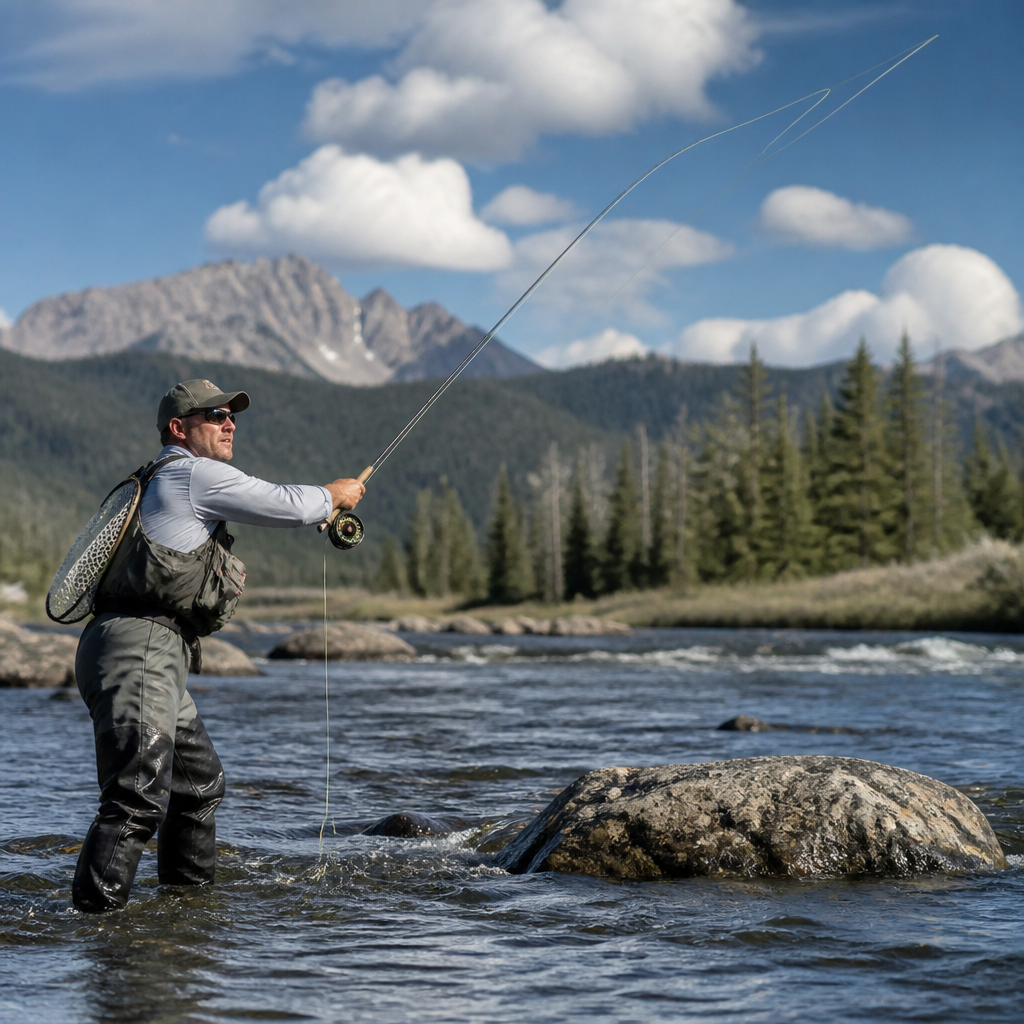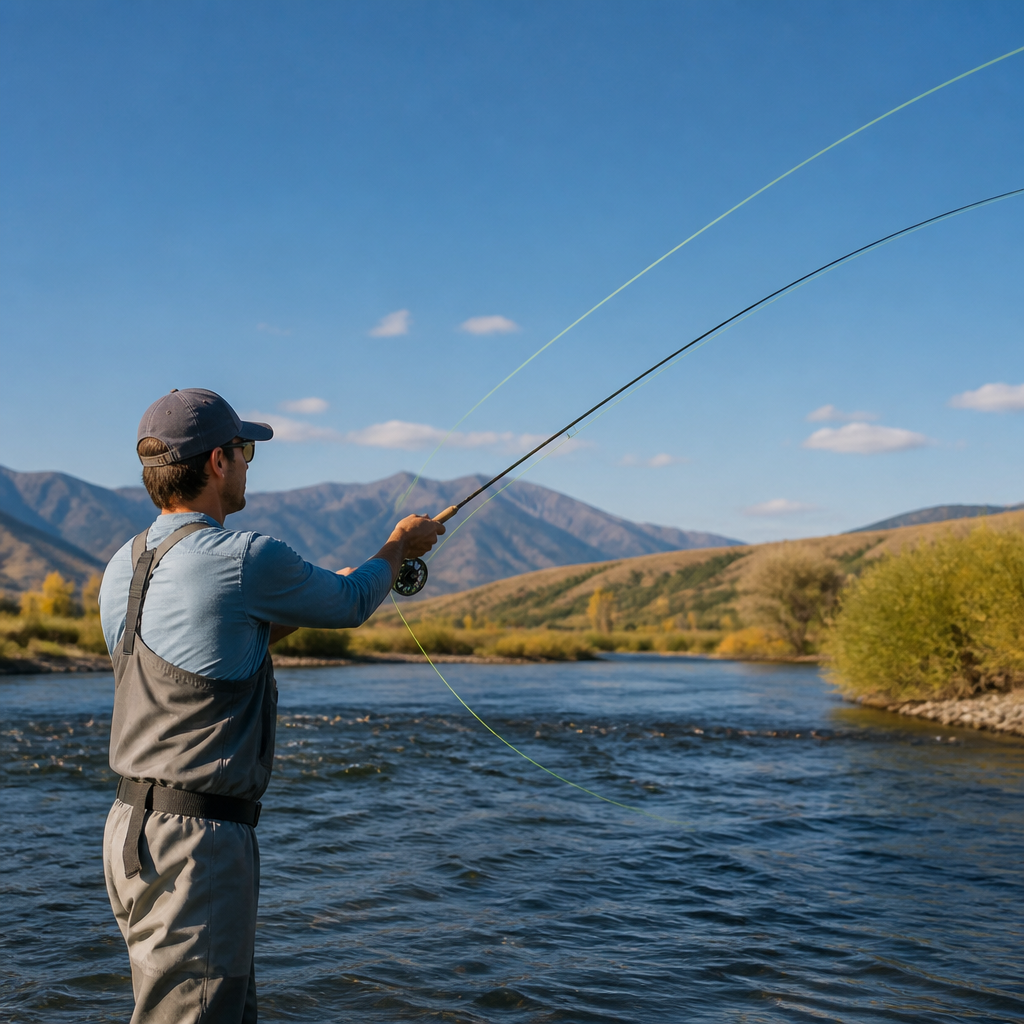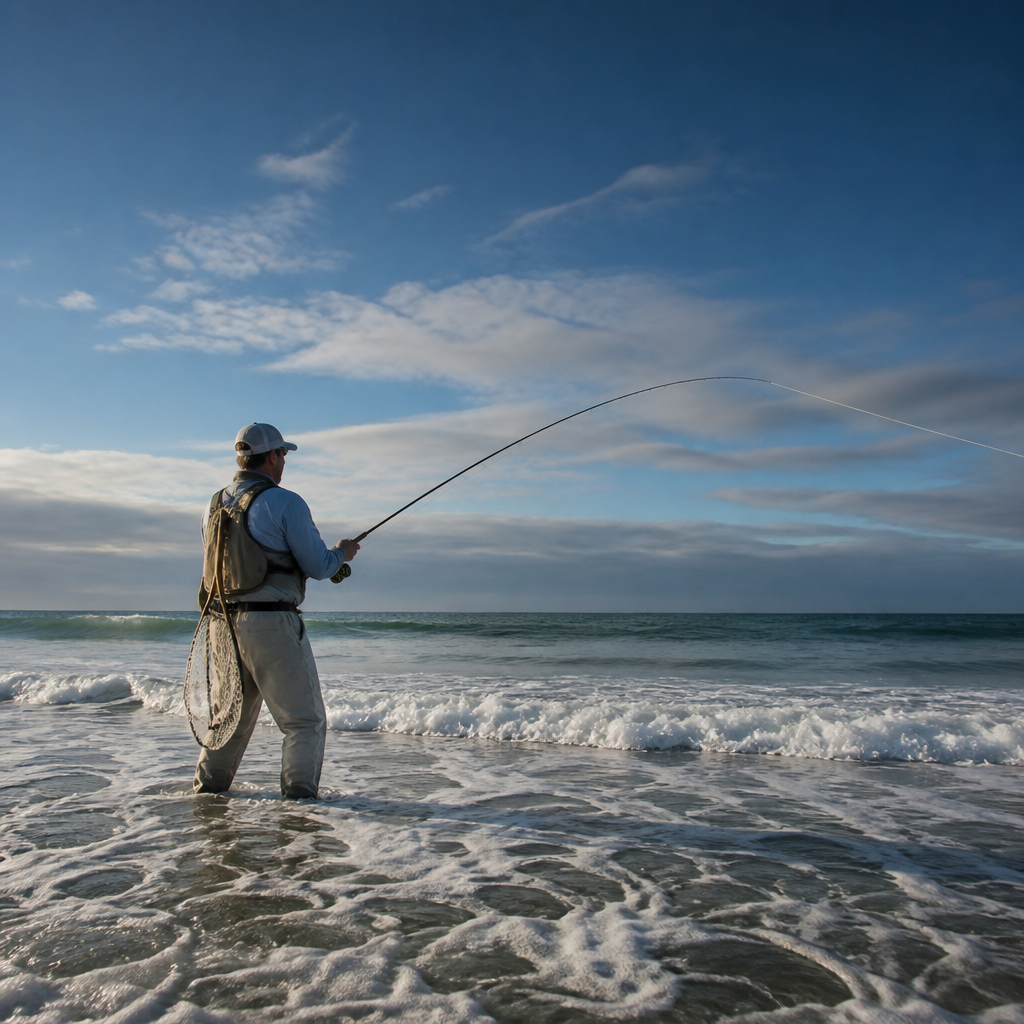
Fly fishing in the surf blends the precision of saltwater sight fishing with the chaos of moving water, breaking waves, and constantly shifting structure. In simple terms, surf fly fishing means targeting fish from the beach, rocks, bars, or inshore wash using a fly rod instead of conventional spinning or bait gear. The surf zone is the narrow but highly dynamic band where waves, currents, tides, and bait intersect, and it often holds striped bass, bluefish, false albacore, snook, redfish, sea-run cutthroat, corbina, surf perch, and other predators depending on region. What makes this style of fishing challenging is not just the cast. It is understanding water types and conditions well enough to predict where fish will feed for short windows, often in low light or rough weather.
After years of working beaches from the Northeast striper run to Gulf and Pacific shorelines, I have found that most anglers struggle less with fly selection than with reading surf water. They see whitewater and motion, but not lanes, seams, bars, troughs, cuts, points, or current edges. Those features matter because surf fish rarely roam aimlessly. They use structure the same way river fish use riffles and undercut banks: for ambush cover, oxygen, and efficient access to bait. A productive surf angler learns to identify how wind direction, wave period, tide stage, bottom contour, water clarity, and light level combine to create feeding opportunities. Gear supports that decision-making. The rod, line, leader, stripping basket, and fly pattern must match not only the species, but also the water condition in front of you.
This article serves as a hub for surf fly fishing techniques and strategies, with special focus on water types and conditions. It explains how to break down beaches, choose gear that performs in wind and current, adapt presentations to rough or calm surf, and fish safely around tides and moving sand. If you understand the surf as a system rather than a random shoreline, you make faster decisions, cast less wasted water, and put the fly where fish actually hunt.
How to Read Surf Water
Reading surf water starts with identifying three feeding zones: the trough, the bar, and the outer edge where waves first break. A trough is the deeper lane running parallel to shore, often between the beach and a sandbar. Predators cruise troughs because bait gets trapped there by wave energy. Bars are shallow ridges of sand that shape how waves break; they create current seams, whitewater, and cuts where water drains back out. The outer break line is where larger fish may stage before sliding inside on a tide push. On many beaches, the highest-percentage water is not the farthest cast. It is the nearest trough at your feet, especially at dawn, dusk, or on a rising tide.
Look for darker green water, smoother depressions between breakers, and interruptions in wave shape. If waves stand up evenly across the beach, structure is limited. If one section fails to break, breaks later, or forms a gap, there is likely a cut or deeper slot. That cut acts like a doorway for bait and predators. I often spend ten minutes walking and watching before stringing the rod because moving water reveals more than blind casting does. Polarized glasses help in bright conditions, but wave pattern and foam movement often tell the story better than bottom visibility.
Points, jetties, creek mouths, and outflows add complexity. Any place where current meets wave energy creates an edge fish can exploit. A small outflow on a beach can hold schoolie stripers, snook, or perch because disoriented bait funnels through it. Rocky corners and groins also create rip currents and soft pockets, but they demand caution. The best anglers treat each beach as a map of travel lanes instead of one continuous casting platform.
Water Types and Conditions That Matter Most
Surf conditions control fish behavior more than fly color debates ever will. Tide stage is the first variable to learn. Incoming tides usually flood troughs, cover bars, and push bait close enough to shore for fly anglers. Outgoing tides can be excellent where cuts drain water and create concentrated current, but some open beaches simply lose depth and fish with too little water at dead low. Keep notes on specific beaches because two nearby stretches can fish completely differently on the same tide.
Wave height and period matter as much as tide. A two-foot wave at long period can move more water and create cleaner, better-defined structure than a short-period chop. Moderate surf often fishes best because it stirs bait, creates whitewater cover, and oxygenates the wash without making presentation impossible. Very calm surf can favor spooky fish such as corbina or sea-run cutthroat, where lighter leaders and longer casts matter. Heavy storm surf can displace bait and trigger aggressive feeding, but only if there are protected corners, inside troughs, or lee shorelines fish can actually use.
Water clarity affects fly size, silhouette, and retrieve speed. In clear water, sparse patterns and natural retrieves outperform oversized flies stripped too fast. In stained water, profile and contrast become more important than exact color. White, chartreuse, olive, black, and tan cover most situations because they provide visibility or bait imitation across light conditions. Temperature also matters. Striped bass often feed comfortably in the mid-50s to high-60s Fahrenheit, while species such as snook or false albacore respond to different seasonal ranges. Bait presence overrides many rules, but temperature sets the broad window.
| Condition | What It Does | Best Adjustment |
|---|---|---|
| Rising tide | Floods troughs and bars, pushes bait inshore | Fish cuts, inside bars, and shoreline troughs |
| Falling tide | Concentrates flow through drains and gaps | Target outflows, cuts, and current seams |
| Clear water | Improves fish visibility and selectivity | Use longer leaders and sparser flies |
| Stained water | Reduces visibility, increases reliance on vibration and silhouette | Use larger profiles, higher contrast, slower contact |
| Moderate whitewater | Provides cover and disorients bait | Swing flies through foam edges and troughs |
| Strong onshore wind | Creates casting difficulty and dirty nearshore water | Shorten leader, cast across wind, fish protected structure |
Essential Surf Fly Fishing Gear
The standard surf fly setup for many coasts is a 9-foot 8-weight or 9-weight rod with a corrosion-resistant large-arbor reel and a sealed drag. An 8-weight handles school stripers, surf perch, smaller blues, and many mixed-shoreline situations. A 9-weight gives better line control in wind and more authority with bigger flies or stronger fish. On beaches with heavy current, larger bass, snook, or bluefish, a 10-weight becomes practical, not excessive. Fast-action rods dominate because they lift sinking lines, punch tight loops in wind, and recover quickly under pressure.
Lines matter more in the surf than many freshwater anglers expect. An intermediate line is the workhorse because it cuts surface chop, maintains tension in waves, and presents baitfish patterns naturally in the top few feet. I carry a clear or translucent intermediate for calm, clear water and a more aggressive intermediate or integrated sinking line when sweep is strong. Floating lines have niche uses in shallow calm water, popper fishing, or sight fishing, but they are harder to control in breaking waves. Shooting heads and cold-salt formulations can help depending on region, though integrated lines are simpler for most anglers.
Leader design should be simple and durable. For striped bass or general surf species, a 7- to 9-foot leader tapering to 12- to 20-pound fluorocarbon or hard mono is standard. In rough surf, I shorten leaders because turnover and control matter more than delicacy. Bluefish require bite protection, often a short section of knotable wire or heavy fluorocarbon, while corbina or wary fish in calm water may demand longer, finer leaders. A stripping basket is not optional in most surf. It keeps line out of the wash, reduces tangles, and makes a second shot possible before the next wave destroys your setup. Good boots with solid traction, a waterproof pack, pliers, line nippers, and a rinsing routine complete the essentials.
Fly Selection and Presentation
Most successful surf flies imitate sand eels, anchovies, mullet, bunker juveniles, shrimp, crabs, or disoriented baitfish. Clouser Minnows, Deceivers, Surf Candies, Half and Halfs, sand eel imitations, crab patterns, and baitfish streamers with durable synthetic fibers cover almost every fishery. Match the local forage first. If the beach is full of sand crabs and trough-feeding corbina, a flashy baitfish pattern is the wrong answer no matter how well it casts. If anchovies are spraying in the wash, a slim olive-and-white fly with sparse flash often outperforms bulkier profiles.
Presentation in the surf depends on current angle and wave speed. A common mistake is stripping too fast simply because the water is moving. In many cases, the best retrieve is a controlled swing with short strips that keep the fly broadside in a seam. In troughs close to shore, cast slightly up-current, mend if possible, and let the fly settle before beginning a varied retrieve. Across a bar or cut, use the sweep of water to animate the fly, then add pauses. Predators in whitewater often strike when the fly hesitates and drops, mimicking stunned bait.
Depth control is critical. If your fly is skating in surface chop when fish are pinned lower in a trough, no retrieve speed fixes the problem. Change line density, add weight, or alter casting angle. Conversely, in very shallow surf, too much weight snags bottom and kills the natural movement of a crab or baitfish imitation. Keep the fly in the feeding lane for as long as possible. That single principle catches more fish than constant pattern changes.
Seasonal Strategy and Species Patterns
Season changes both fish presence and how the surf sets up. In spring, migrating bait and cooler water often put striped bass, perch, or sea-run fish tight to shore, especially where river outflows warm quickly and deliver food. Summer can mean dawn and dusk windows, nighttime structure fishing, and species shifts toward warmwater predators such as snook, jacks, or bluefish depending on region. Fall is often peak surf fly season because bait concentrates, water temperatures remain productive, and predators feed hard before migration or winter slowdowns. Winter can still fish well in stable climates or for resident species, but safety margins narrow as weather becomes less predictable.
Species behavior should guide water choice. Striped bass love current edges, whitewater, and bars with immediate access to deeper troughs. Corbina often tail or cruise calmly in thin water, requiring stealth and accurate presentations rather than distance. Surf perch hold in pockets and troughs where sand crabs and worms wash loose. Snook sit in cuts, troughs, and shadow lines, often ambushing from surprisingly shallow water. False albacore are less classic surf residents but may rush bait within range where beaches funnel forage around points or inlets.
Keep a log with tide, wind, wave height, water temperature, clarity, bait, and productive structure. Over time, patterns emerge. My own logs repeatedly show that one beach produces best on the first half of the flood with southeast wind, while another comes alive only on a dropping tide with a defined outer bar cut. That kind of record turns random effort into repeatable strategy.
Safety, Etiquette, and Building a Reliable Approach
Surf fly fishing rewards mobility, but it punishes carelessness. Never turn your back fully on the ocean, especially near jetties, steep beaches, or large swell. Rip currents can be useful fish-holding features and dangerous wading traps at the same time. Studded boots may be essential on algae-covered rock, while open sandy beaches demand attention to collapsing ledges and wave surges. Check tide charts, swell forecasts, wind direction, and local access rules before leaving home. NOAA marine forecasts, regional buoy data, and apps such as Windy or Surfline are practical planning tools, not luxuries.
Etiquette matters because the best water is often limited. Give conventional anglers and other fly casters enough room for the drift and retrieve they are fishing. On crowded beaches, work methodically and communicate before stepping into a lane. If birds, bait, and fish erupt within casting range, stay composed. Fast re-rigging, line management, and thoughtful positioning catch more fish than sprinting into the wash.
The most reliable approach is to simplify your system. Carry a proven rod-and-line setup, a small fly selection matched to local forage, and a process for reading water before you cast. Start with the near trough, inspect bars and cuts, adjust for tide movement, and let conditions dictate presentation. Fly fishing in the surf is not about covering every yard of beach. It is about recognizing where structure, current, bait, and timing overlap. Learn that intersection, and the surf becomes far less random and far more generous. Study your local beach on different tides, refine your gear, and fish with intention on the next good window.
Frequently Asked Questions
What is fly fishing in the surf, and how is it different from other types of fly fishing?
Fly fishing in the surf is the practice of targeting saltwater fish from beaches, bars, rocky points, jetties, and shallow inshore wash with a fly rod rather than conventional spinning or bait gear. What makes it unique is the environment: the surf zone is constantly changing as waves break, currents sweep along the beach, sandbars shift, and bait is pushed in and out with the tides. Unlike calm flats or river systems where presentations can be slower and more controlled, surf fly fishing requires anglers to read moving water, make efficient casts in wind, and keep the fly swimming naturally through turbulent water. It is equal parts casting skill, water reading, and timing.
Another major difference is the way fish use structure in the surf. Predators often hold in cuts between bars, troughs close to shore, current seams, whitewater edges, and places where bait becomes disoriented. That means surf fly anglers are not just blind casting into waves; they are actively identifying productive lanes where fish are likely to feed. Species vary by region, but common surf targets include striped bass, bluefish, false albacore, snook, redfish, sea-run trout, and other coastal predators that move through the wash in search of baitfish, sand eels, shrimp, crabs, and other forage.
What gear do I need to start fly fishing in the surf?
A practical surf fly setup starts with the rod, and for most situations an 8- to 10-weight rod is the sweet spot. An 8-weight works well for smaller flies, calmer conditions, and species like schoolie striped bass, smaller snook, and redfish. A 9-weight is one of the most versatile choices because it handles moderate wind, larger baitfish patterns, and stronger fish without becoming overly heavy to cast all day. A 10-weight becomes useful when fishing in heavy surf, throwing bulky flies, or targeting larger, harder-running fish. Fast-action rods are generally preferred because they help generate line speed and punch casts through coastal wind.
Your reel should be saltwater-safe, with a sealed drag system that can tolerate sand, spray, and repeated exposure to salt. Corrosion resistance matters in the surf because equipment gets wet, gritty, and abused. Match the reel to the rod and make sure it holds adequate backing, especially if fast species such as false albacore or larger stripers are in the mix. For fly lines, many surf anglers carry an intermediate line as their primary option because it cuts through surface chop and keeps the fly in the feeding zone without sinking too fast. In rougher water or deeper troughs, a sink-tip or full sinking line can be helpful. Floating lines can still be useful in very shallow wash, when fishing poppers, or when working specific structure at close range.
Leaders in the surf are usually simpler and more robust than freshwater trout leaders. A typical setup might be 6 to 9 feet with a heavier butt section and a fluorocarbon or mono tippet suited to the target species. If bluefish are present, many anglers add a short bite tippet or wire section to avoid constant cutoffs. Other essentials include a stripping basket to manage loose fly line in waves and wind, polarized sunglasses for reading water and protecting your eyes, waders or wet-wading gear depending on conditions and climate, sturdy boots with good traction, and a selection of flies that imitate local forage. Clousers, Deceivers, sand eel patterns, shrimp flies, crab patterns, and small baitfish imitations are all proven choices depending on the fishery.
How do you read the surf and find fish with a fly rod?
Reading the surf is one of the most important skills in this style of fishing, often more important than making long casts. Fish rarely distribute themselves evenly along a beach. Instead, they use feeding lanes created by structure and moving water. Start by looking for troughs that run parallel to the beach, cuts through sandbars where water drains back out, deeper pockets near jetties or points, and current seams where calm and turbulent water meet. These features concentrate bait and give predators an efficient place to hunt. Even a slight depression in the bottom can hold fish if bait is being swept through it.
Whitewater can also be highly productive. Many baitfish and crustaceans become stunned or disoriented in breaking waves, and predators learn to patrol that zone aggressively. On some days, fish may be almost at your feet, especially at dawn, dusk, during overcast weather, or in dirty water. That is why experienced surf fly anglers do not automatically bomb every cast to the horizon. They work methodically, covering close water first, then farther lanes, and finally any visible seams or rips. Watching bird activity, nervous bait, sudden flashes in the wash, and water color changes can reveal where life is concentrated.
Tides play a major role as well. Incoming water can flood bars and bring bait close, while outgoing tides often intensify cuts and drains that funnel food to waiting fish. The best surf anglers pay attention to how a beach fishes during different stages of the tide rather than assuming one section is always productive. Wind direction and surf size matter too. A modest onshore chop may improve fishing by stirring bait and reducing visibility, but heavy surf can make presentation difficult and push fish into more protected pockets. The key is to combine observation with movement: walk, scan, cast with purpose, and adjust until you find the active water.
What casting and presentation techniques work best when fly fishing in the surf?
Effective surf casting is less about elegance and more about efficiency, control, and adaptability. Wind is almost always a factor, so compact casting strokes and tight loops are far more useful than long, relaxed presentations commonly used in freshwater. A double haul is one of the most valuable skills for surf fly anglers because it increases line speed, helps turn over larger flies, and makes it easier to punch through breeze. Many successful surf casts are not especially long, but they land in the right lane with enough control to begin fishing immediately. Accuracy into seams, cuts, and edges often matters more than raw distance.
Presentation depends on the species, forage, and water movement, but in general the fly should move naturally with enough action to trigger a strike. In rough wash, short to medium strips often work well because they keep the fly animated without pulling it unrealistically fast through turbulent water. In calmer troughs or when fish are feeding on sand eels and narrow baitfish, a slower, smoother retrieve can be more effective. If predators are aggressively chasing bait, longer, faster strips may draw reaction strikes. It is smart to vary cadence until fish tell you what they want. Pause occasionally as well, since many takes happen when the fly changes speed or drops slightly in the current.
Line management is another critical technique. Waves can wrap line around your legs, drag it down the beach, or foul it on shells and rocks, which is why stripping baskets are so popular. They keep your line organized and make repeat casts much faster. Anglers also need to position themselves carefully relative to the surf. Sometimes standing slightly higher on the beach gives better line control and a cleaner backcast; other times stepping into the edge of the wash shortens the cast and improves the angle. Above all, fish each cast all the way in. Many surf species strike very close to shore, often in the last few feet of whitewater where bait gets trapped and vulnerable.
What are the biggest mistakes beginners make in surf fly fishing, and how can they avoid them?
One of the most common mistakes is focusing too much on casting distance and not enough on reading water. New anglers often assume the fish must be far beyond the breakers, when in reality many feeding fish cruise troughs and whitewater surprisingly close to the beach. As a result, they spend energy making difficult long casts that miss the best water. A better approach is to work methodically from near to far and pay close attention to visible structure, bait movement, and tide-driven current. Another frequent error is using the wrong line or fly for the conditions. A floating line in heavy chop or a bulky fly in clear, calm water can make it hard to maintain a natural presentation.
Beginners also underestimate how demanding salt, sand, and waves can be on gear and safety. Reels, lines, and rod guides should be rinsed after every outing, and drags should be maintained according to the manufacturer’s recommendations. Wading too aggressively is another serious mistake. The surf can knock anglers off balance quickly, especially near cuts, drop-offs, slick rocks, or jetties. It is important to fish within your comfort level, keep an eye on wave sets, wear appropriate footwear, and avoid turning your back on the ocean. If fishing around rocks or structure, traction and situational awareness become even more important.
Finally, many newcomers do not adapt enough. Surf conditions change by the hour, and successful anglers adjust their flies, retrieve speed, position on the beach, and targeted structure accordingly. If a section of water looks dead, move. If fish are short-striking, change fly size or profile. If the wind shifts, alter your casting angle or switch shoulders to cast safely. Surf fly fishing has a learning curve, but the anglers who stay observant, fish safely,